garlic husk bio-textile fabricates ‘sacalho’ tote bag promoting sustainable design
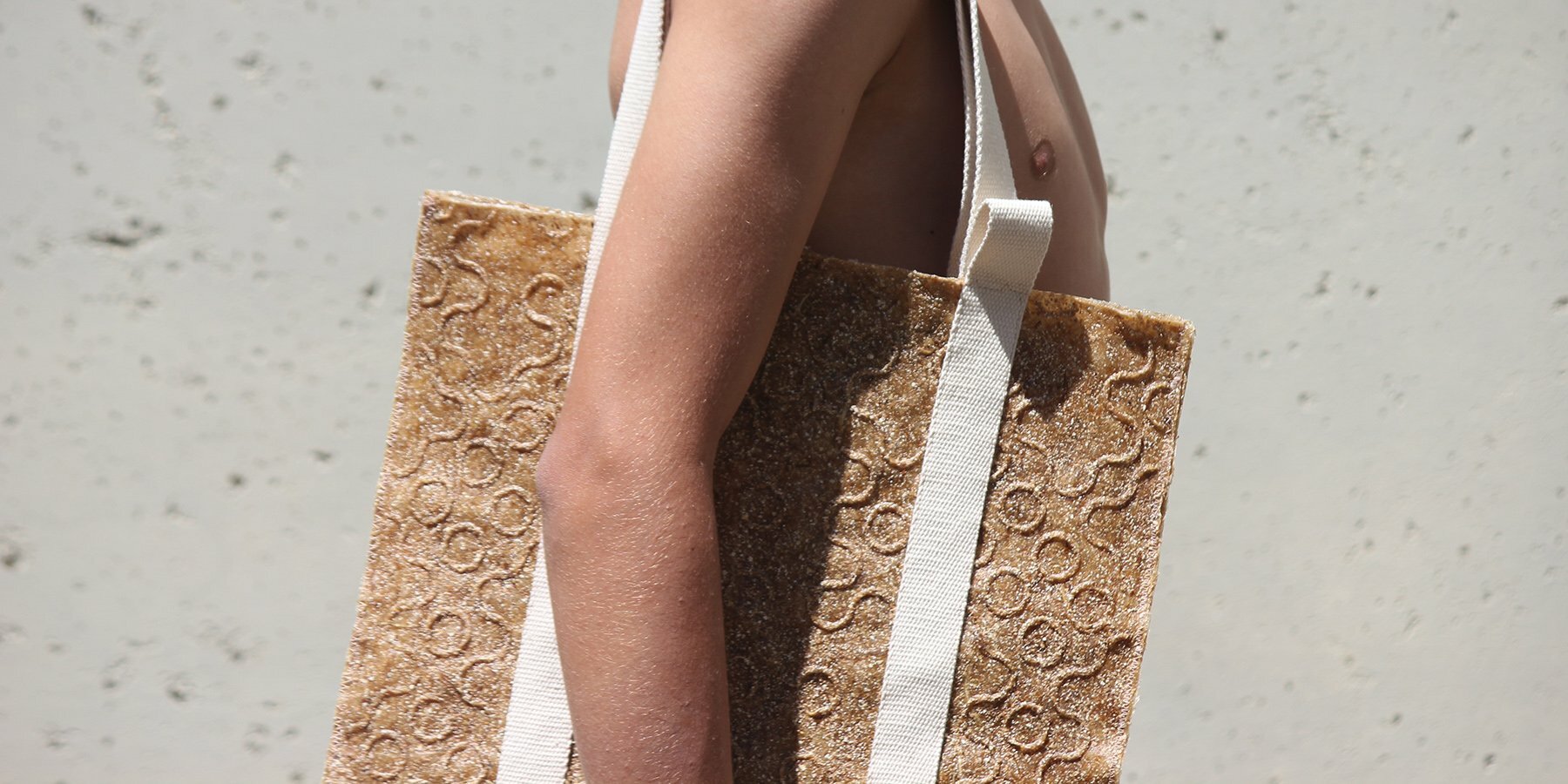
biodegradable composition of the 'sacalho' tote bag resources food residues for its production.
prefer designboom on google[FEATURED]
‘Sacalho’ tote bag uses bio-based materials produced by waste
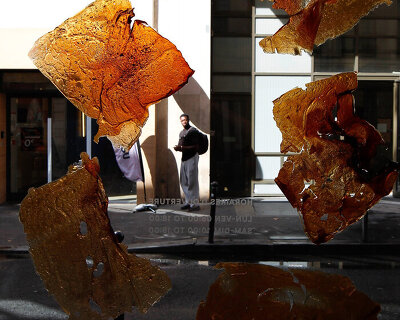
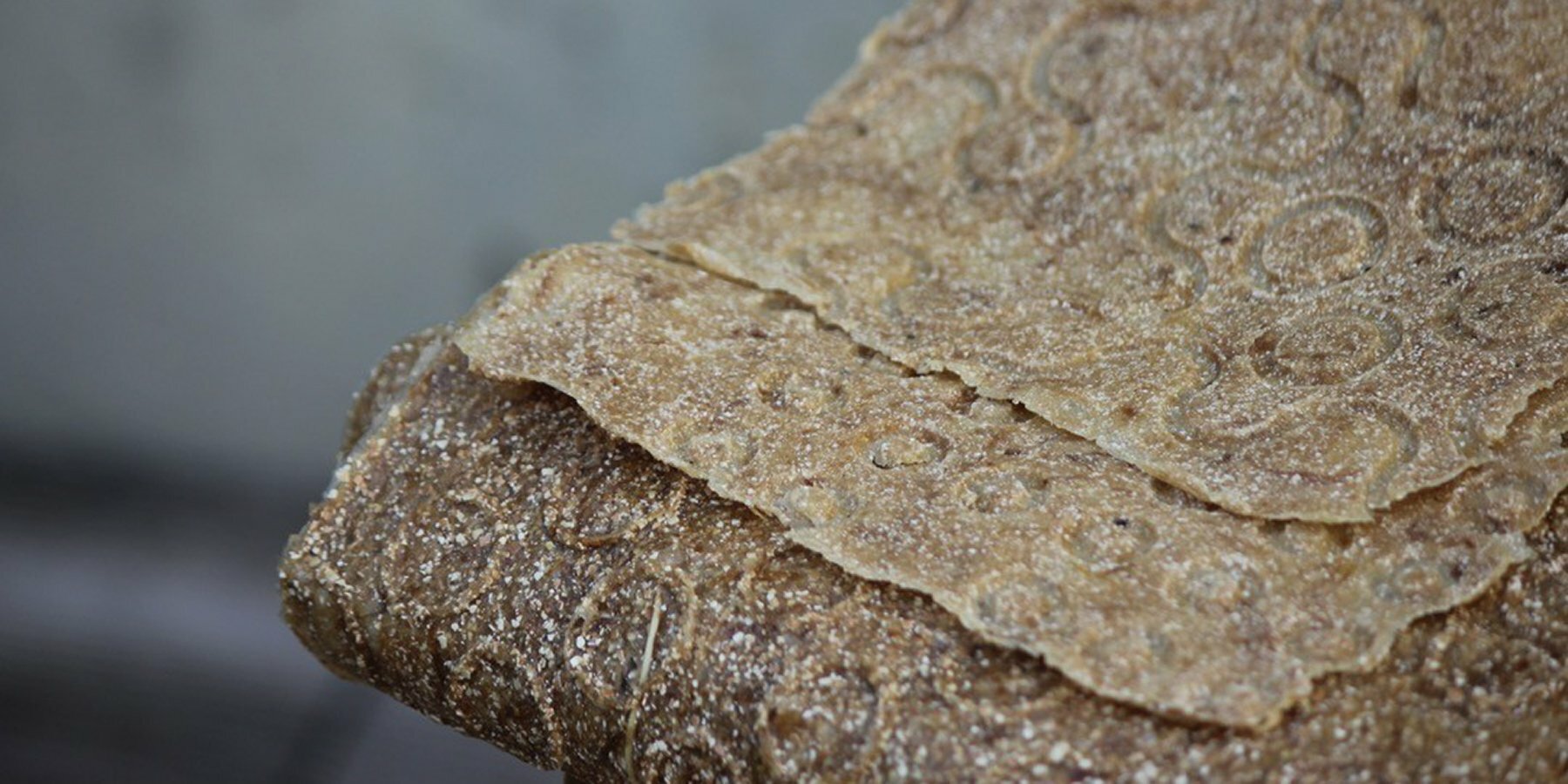
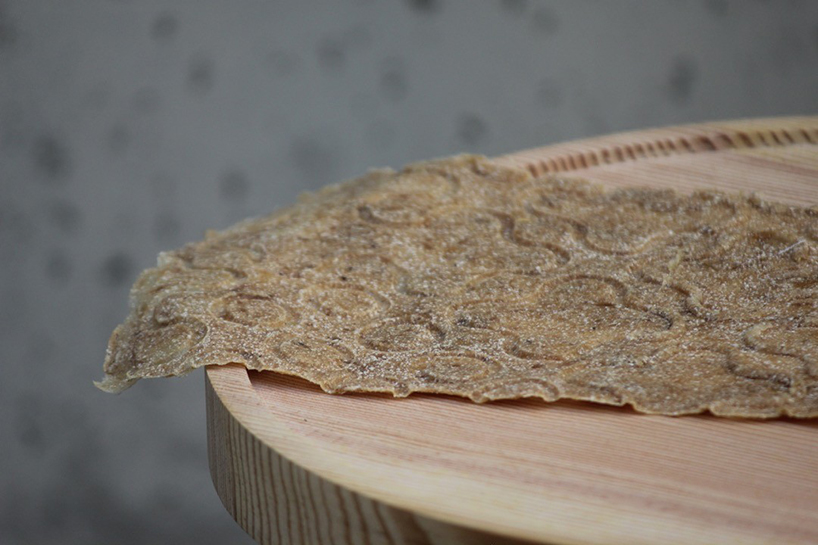
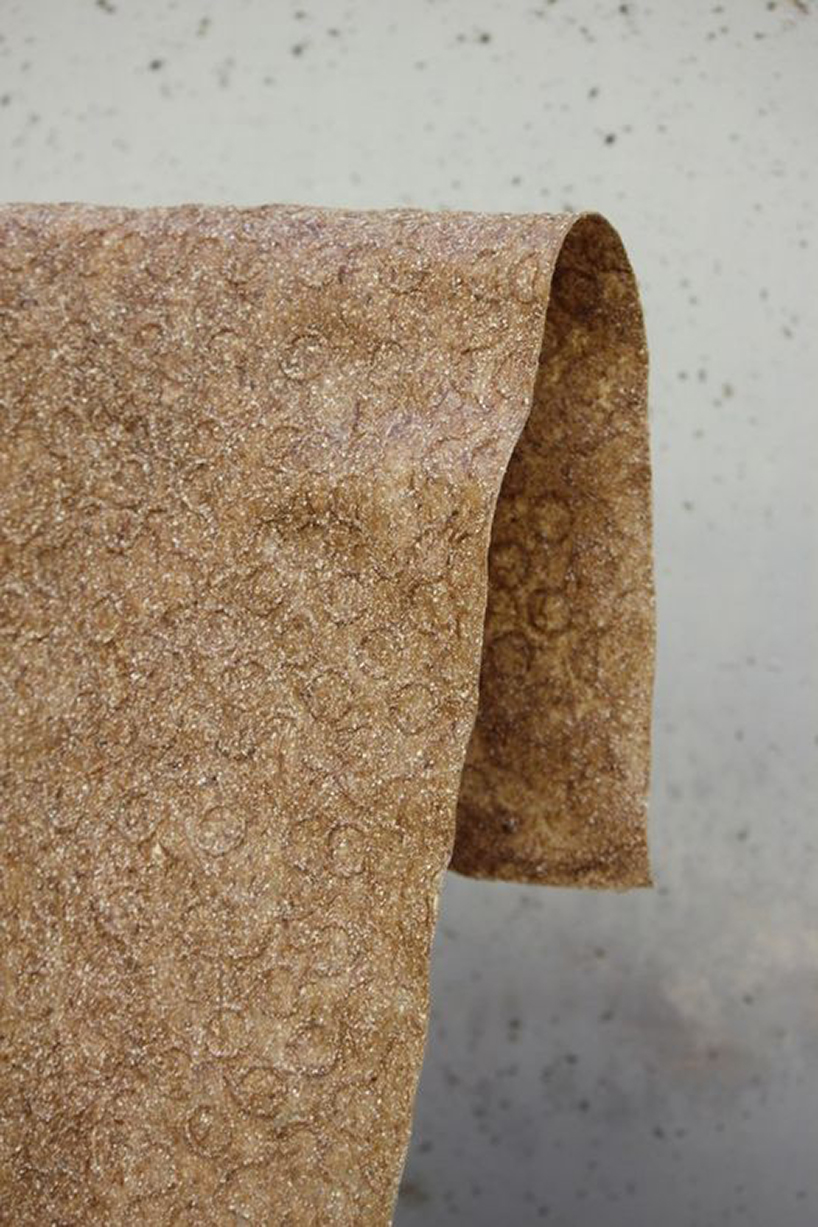
‘Sacalho’ tote bag by designer Gui Giantini uses a completely biodegradable composition, resourcing the waste of garlic peels for its fabric production. Created in Portugal, where around 1 million tons of food are lost annually while the textile sector is responsible for up to 20% of the contamination of fresh water, the main strategy of the project was to use waste disposal for its fabrication. The elaboration of the bio-textile began with the exploration of the composition of various food residues, such as coffee grounds, wood ashes, peanut hulls, garlic husks, etc., opting for the latter being typical of Mediterranean cuisine.
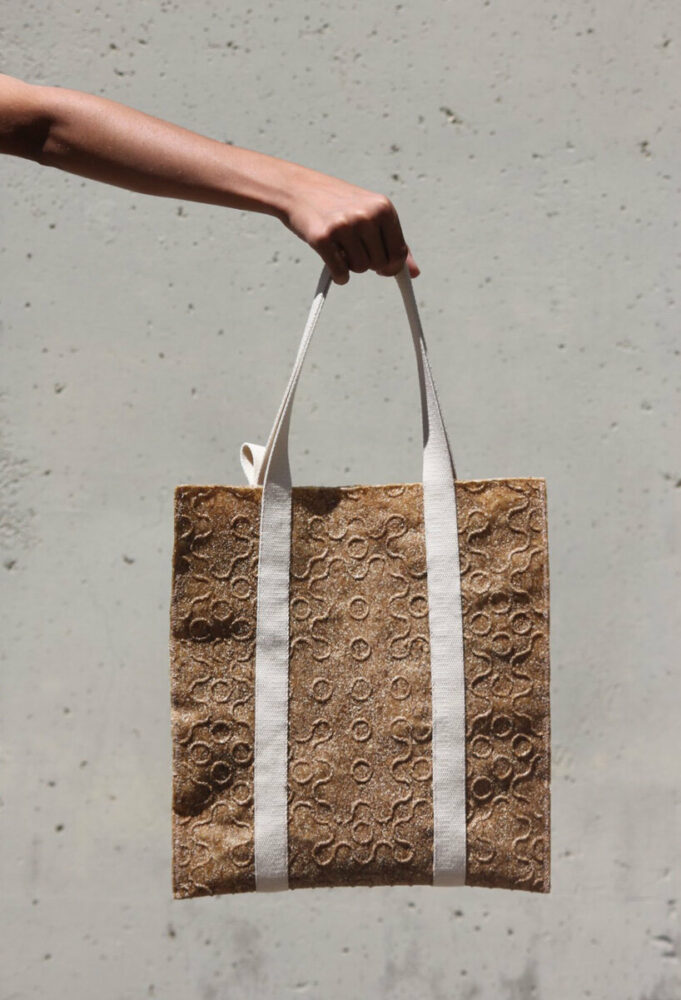
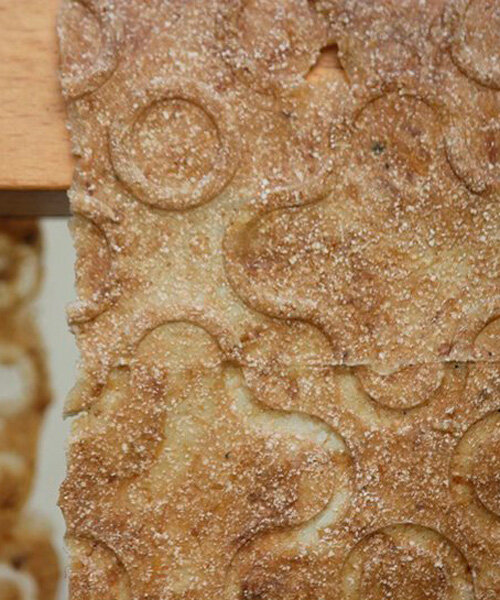
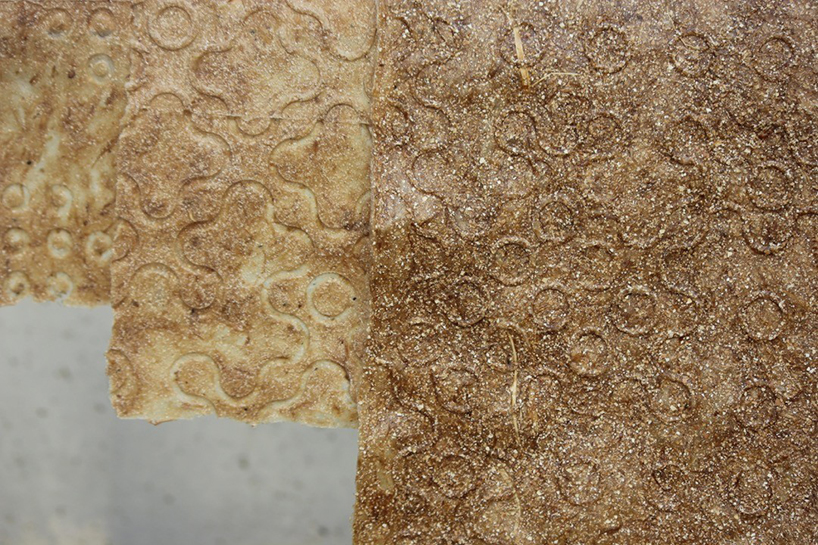
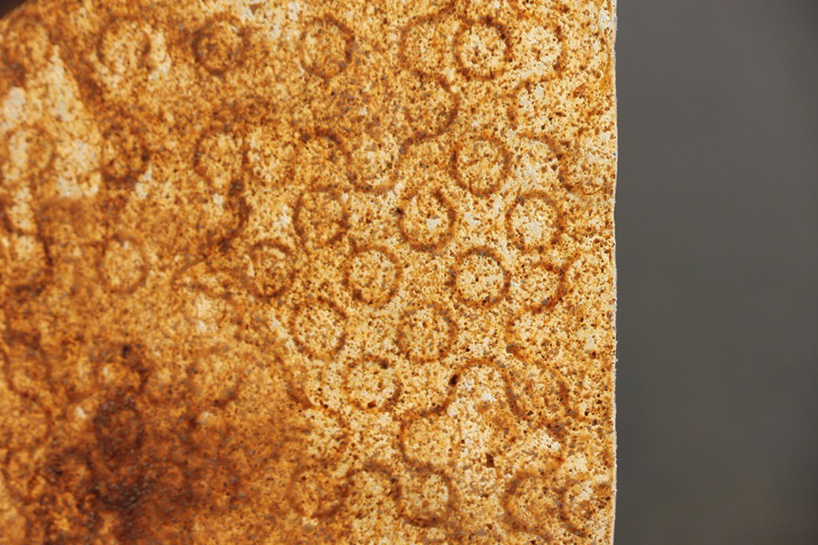
modular molds generate geometric patterns on the bio-material
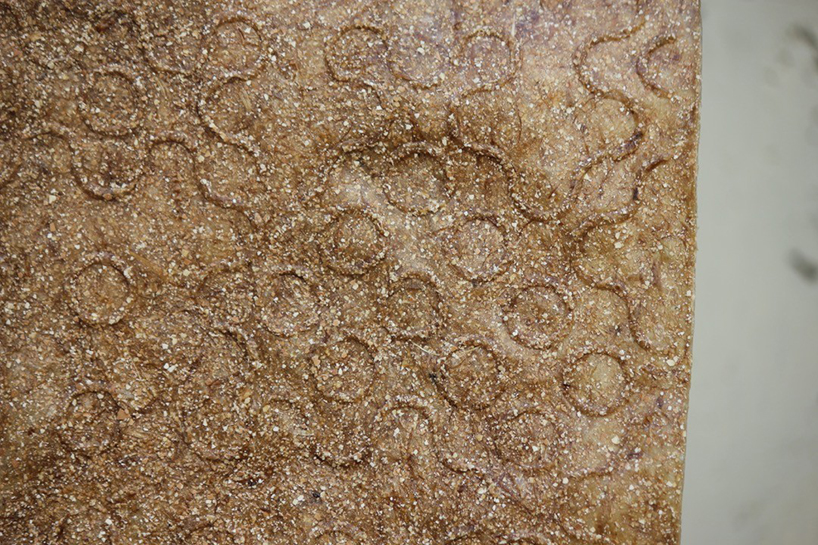
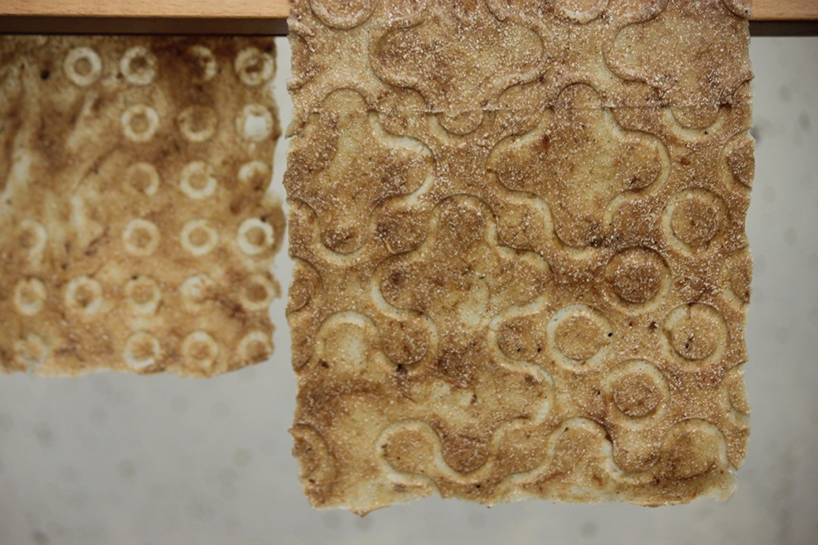
Developing a bio-textile under these mechanical properties and physical attributes similar to those of a fabric, obtained materiality that presents strong resistance compared to other textiles commonly used in tote bags. The parametric design process by the designer allowed customizing of dimensions, generating geometric pattern options, and optimizing the manufacture of modular mixing molds for the production of bio-material. The mixture gets unmolded after two days, and the garlic husk bio-textile is sewn to take the shape of a tote bag.
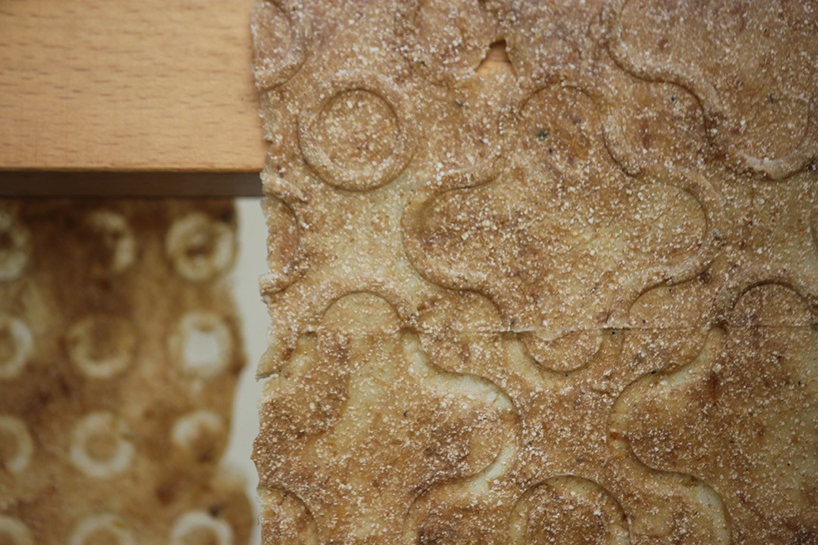
sustainable urgency demands bio-based design resources
‘Sacalho’ tote bag was developed in an academic and scientific context to allow its manufacturing feasibility and promote the emergence of alternative bio-based materials to those commonly used for profit in the market, participating in the high impact and environmental pollution. The current disposal of cotton tote bags reaches the balance of its environmental impact only after 20,000 consecutive uses, committing to daily use for 54 years to fully compensate for the pollution from their manufacture. Attesting to the sustainable urgency design and other fields have to assume social responsibility. The undeniable sustainable demand of today requires design methods that promote the regeneration of natural systems, pollution mitigation, and waste production. The sustainable design pushes for the development of new bio-based materials.
project info:
name: Sacalho
designer: Gui Giantini | @gg.g9.99.9g.gg
scientific mentorship: Lígia Lopes | @ca.nho.ta
fabrication mentorship: Jorge Lino Alves
product development support: LDPS – Laboratório de Desenvolvimento de Produto e Serviços (FEUP)
photography: Lígia Lopes
designboom has received this project from our DIY submissions feature, where we welcome our readers to submit their own work for publication. see more project submissions from our readers here.