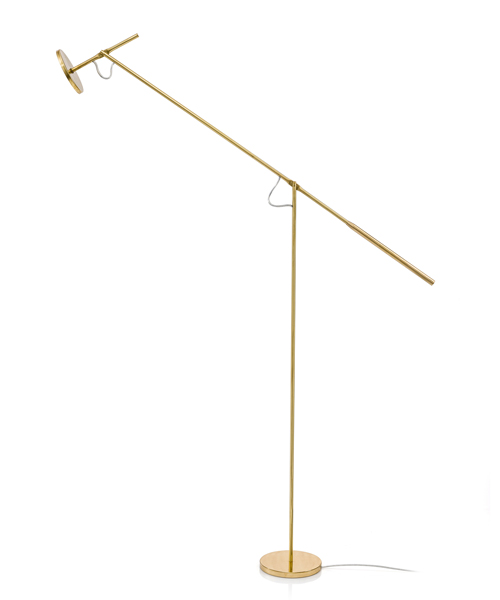
hagai vered compresses brass + steel pipes into lighting objects
the lamps explore the tension between the raw outcome of machine-based manufacturing and the delicate antithesis of sensitive human touch.
prefer designboom on google[FEATURED]
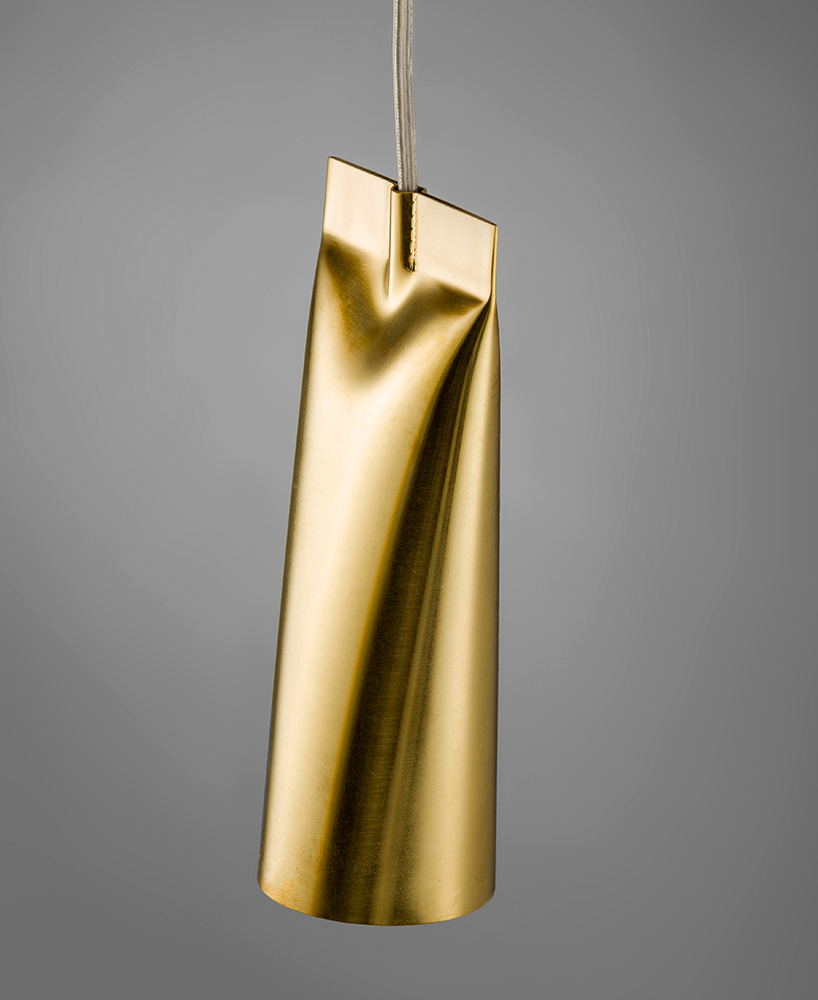
tel aviv-based designer hagai vered manufactures lighting fixtures and furniture which explore the tension between the raw outcome of machine-based manufacturing and the delicate antithesis of the sensitive human touch. his work results in such a manner that the dialogue between delicate and rough is always present. for ‘ramphis’ and ‘turturro’ lamp, the creative squashed brass and hard steel pipes with a four-ton press machine to produce the lighting fixtures.
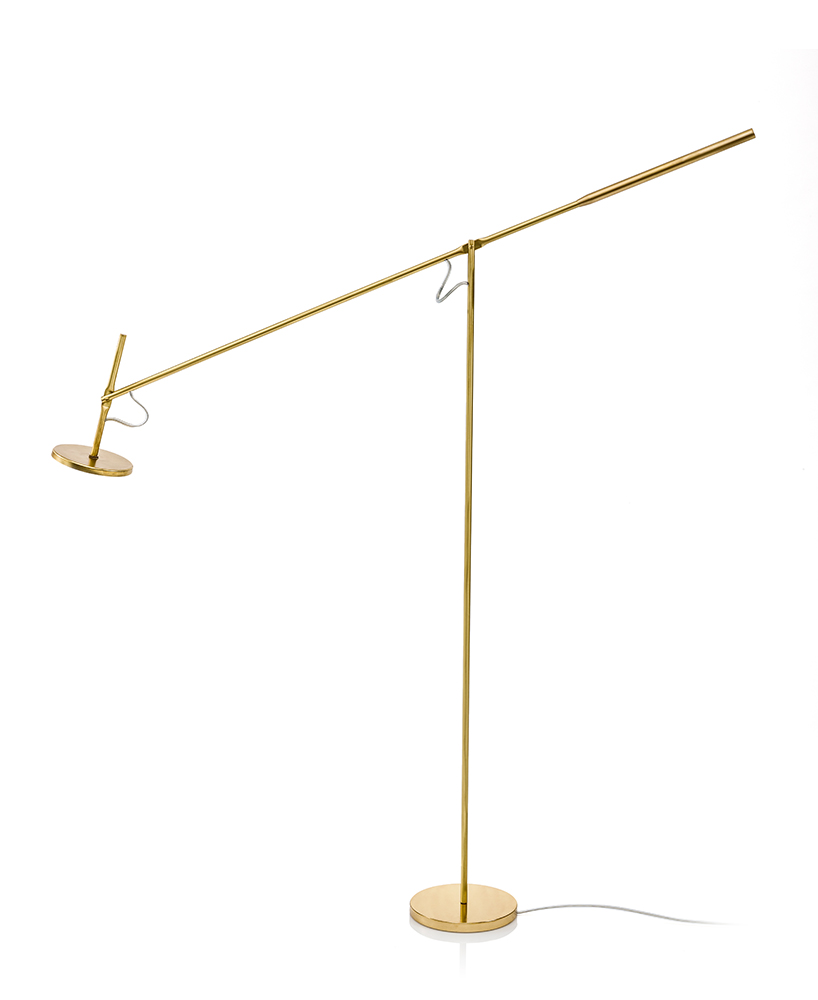
the design reduces to the minimum the use of material
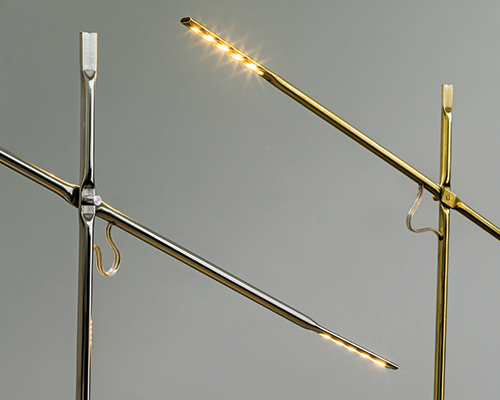
designed by hagai vered, the ‘turturro’ lamp was named after actor jhon turturro—a thin tall man. the brass pipe has been squashed in a way similar to that of the geodesic dome structure. the brass was kept as natural as possible, with soft finishing touches making it as shiny as possible. the ‘ramphis’ lampshades series is made out of wide hard steel pipes, which made the production more complex.
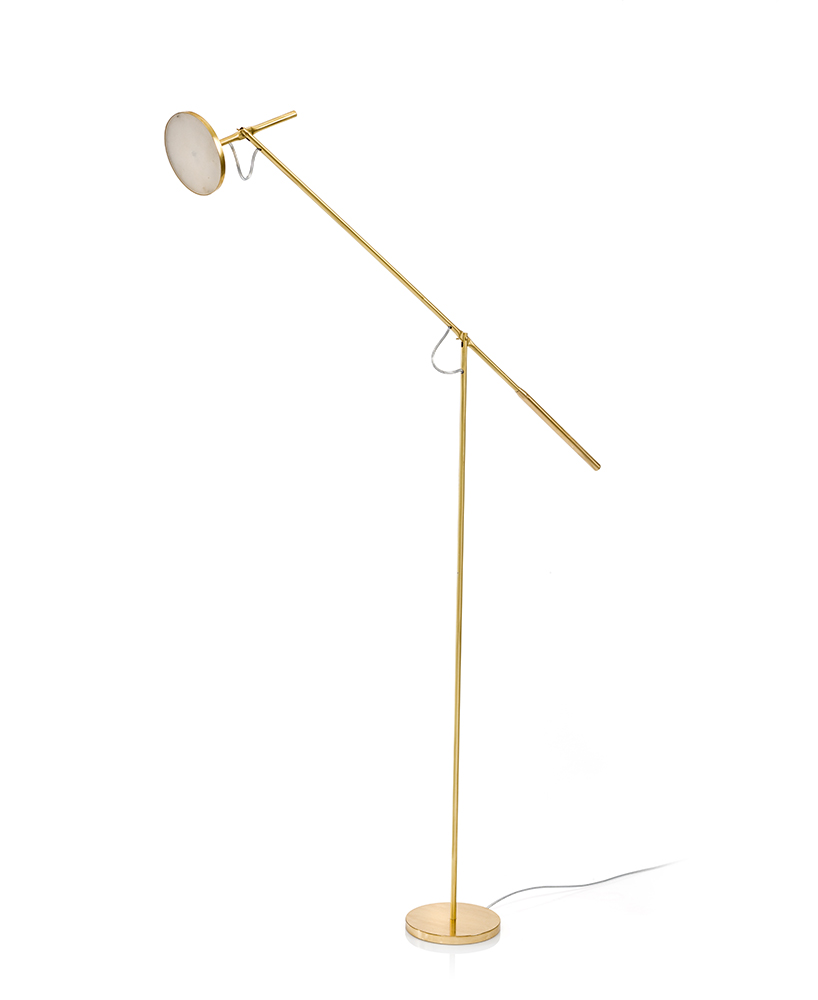
circular warm LED lights have been installed inside the super thin head of the lamp
‘my obsession with squashing steel pipes has followed me for years,’ comments hagai vered. ‘my work is about finding more minimalistic and simple joint and shapes that can be created from the pipe. my attention was so far on soft and shiny materials as brass and copper. lately, rough steel is also part of my works.’
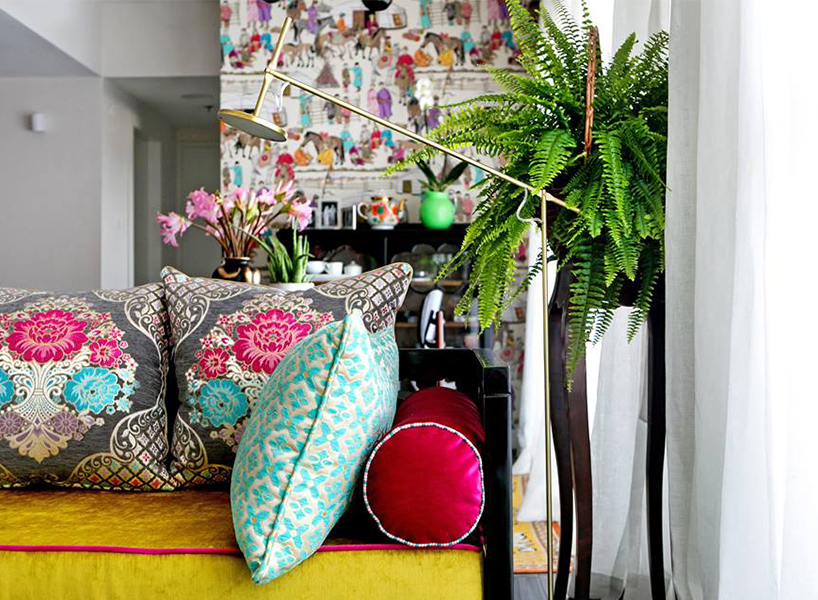
‘turturro lamp’ at an apartment designed by gili ungar home styling
image by gili ungar
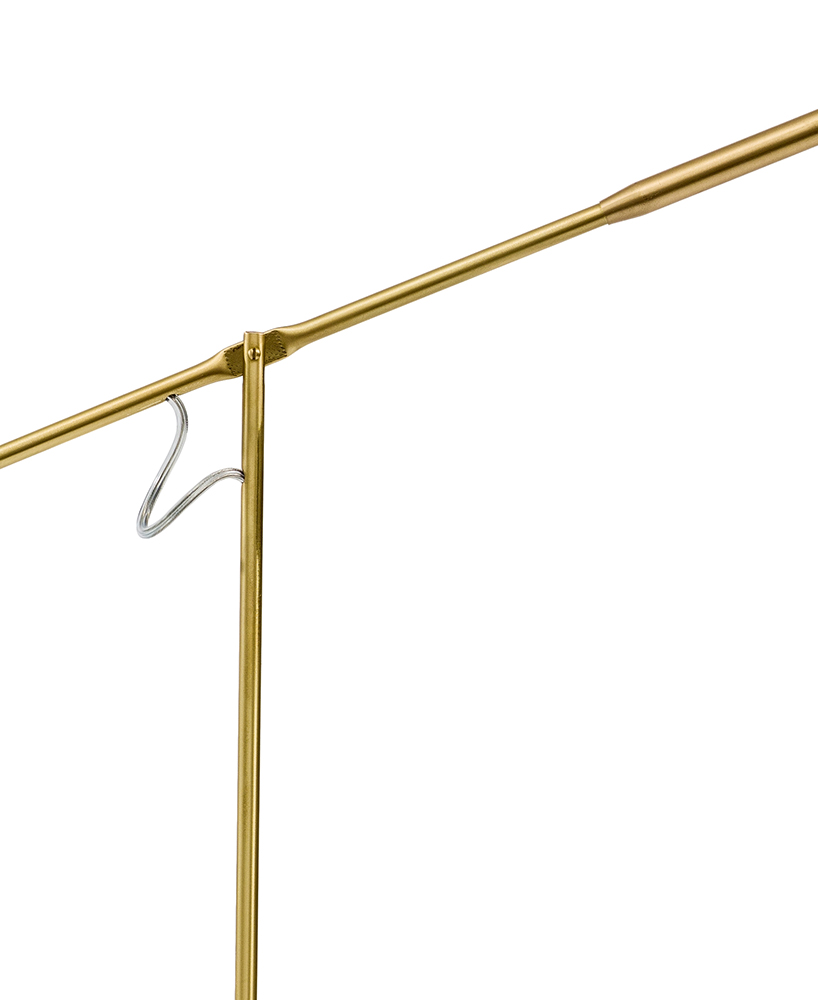
lamp detail
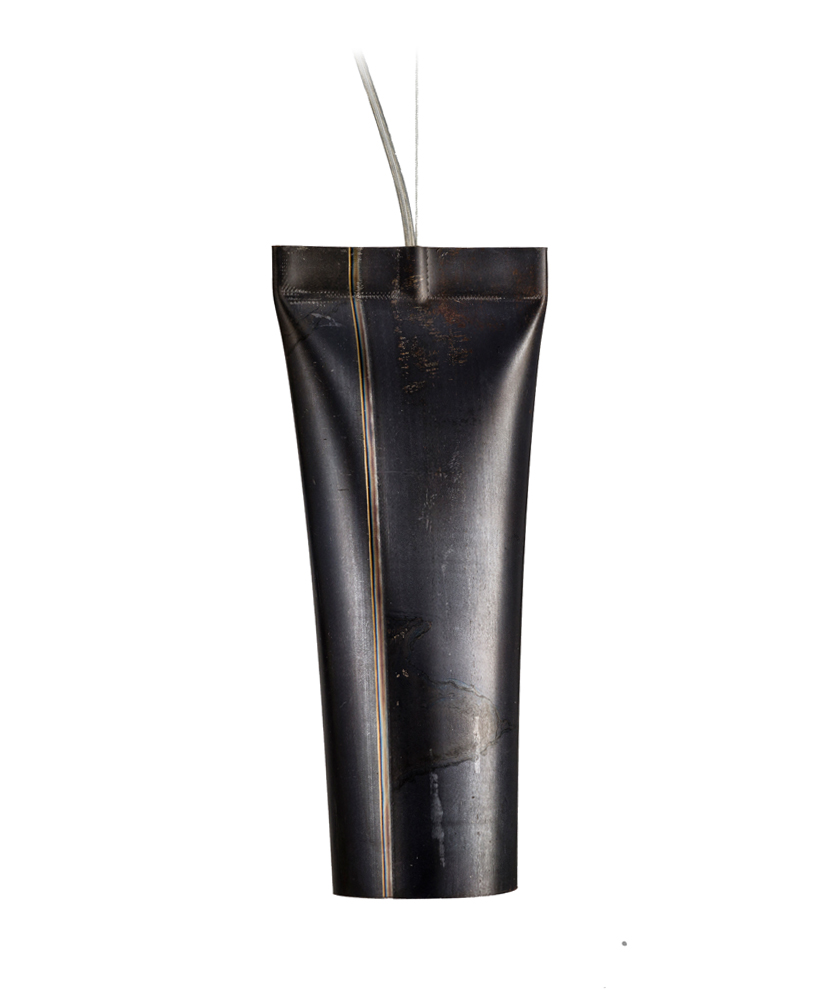
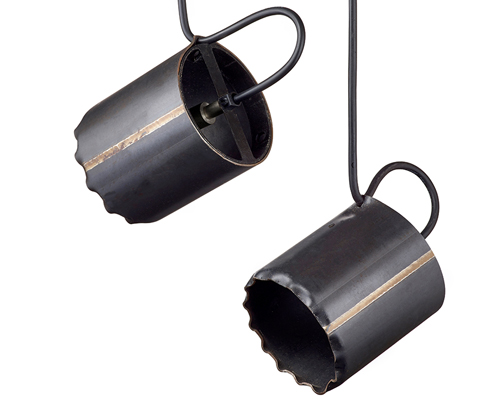
the ‘ramphis’ hanging light is made of rough thick black steel pipe
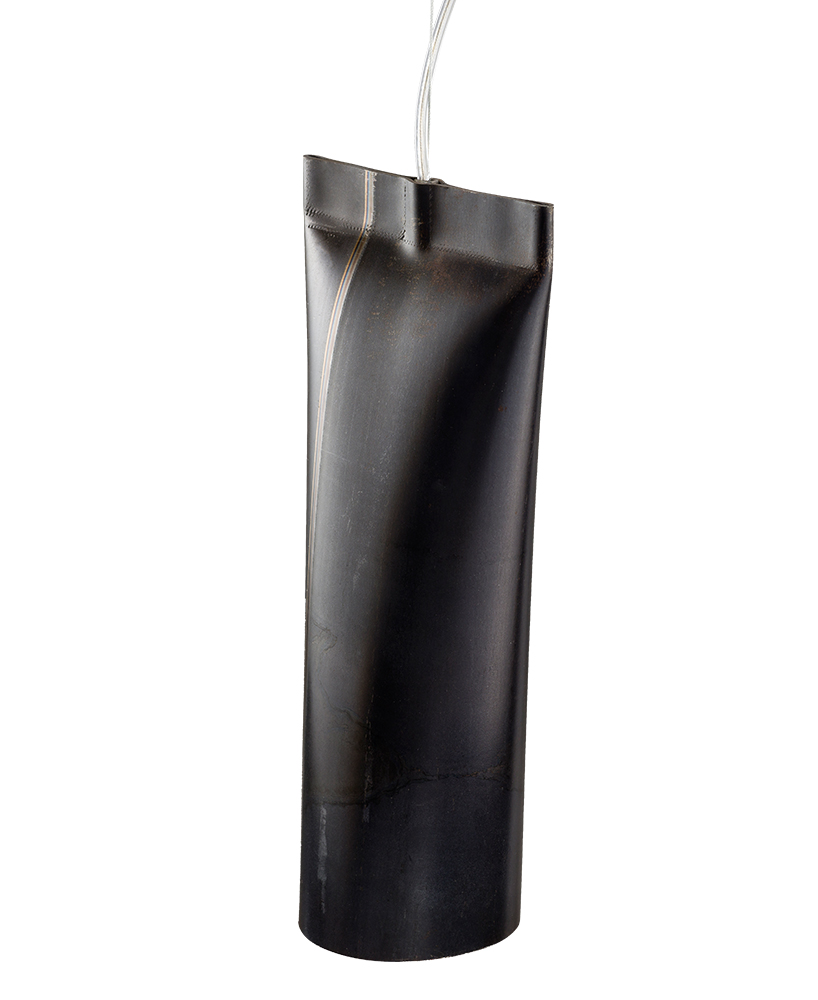
the finishes are as close as they can get to the original industrial pipe
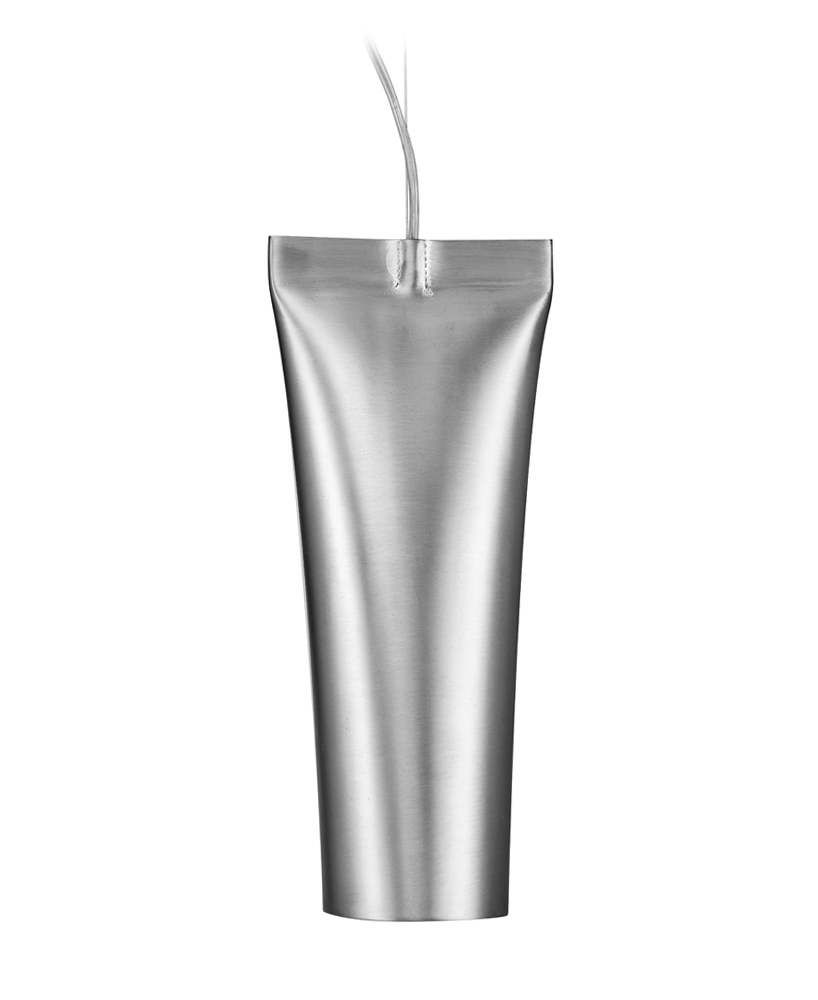
the silver edition maintains the rough look
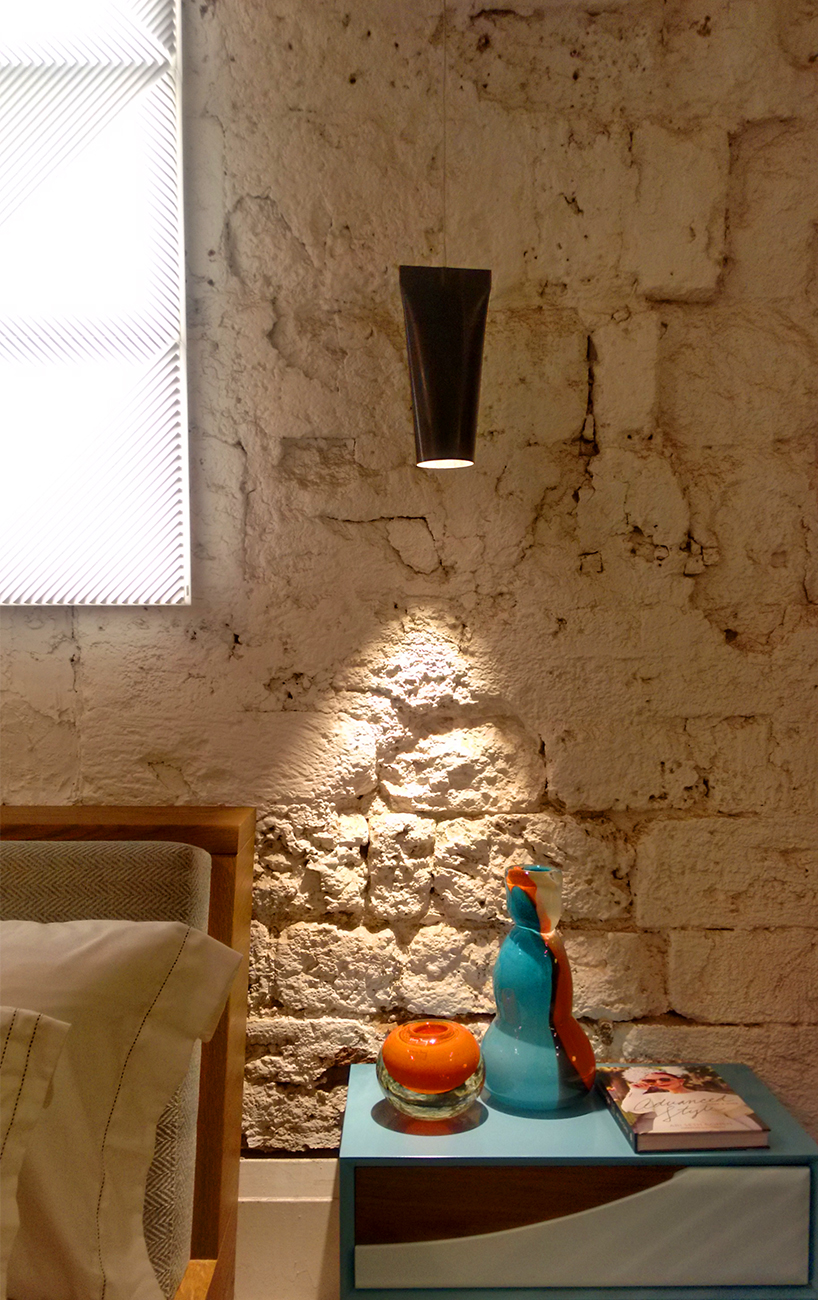
‘ramphis’ black in a loft at tel aviv
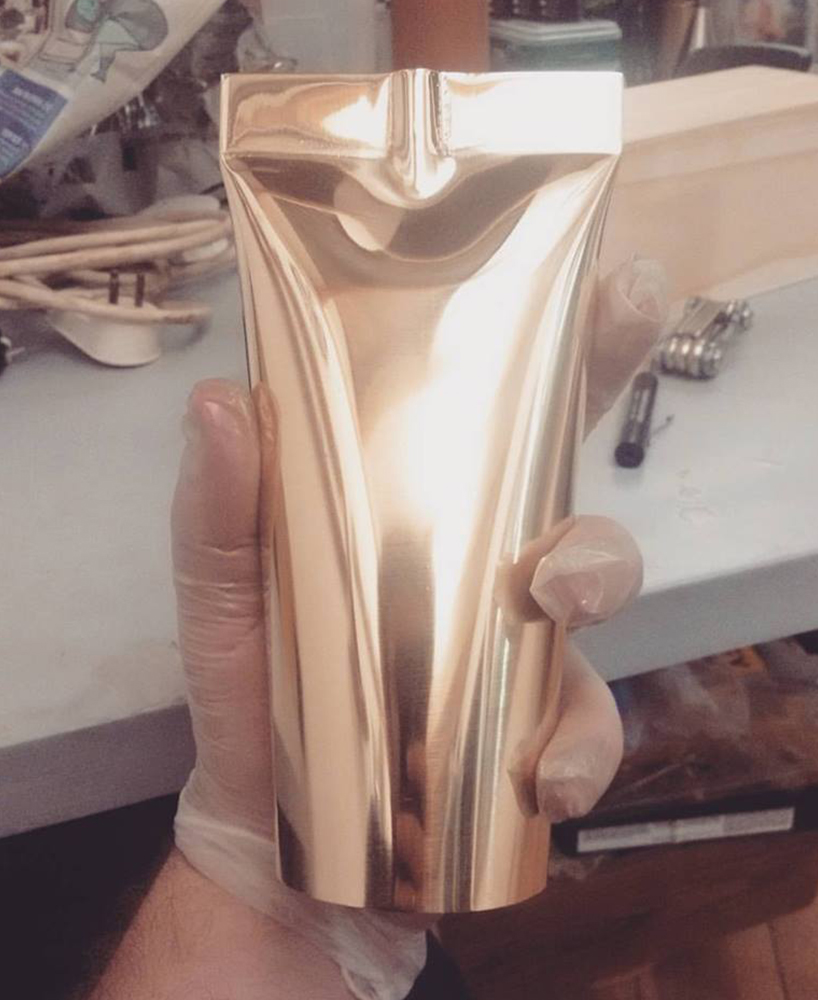
production process – the finishing levels aim to give the brass shiny and handsome surface
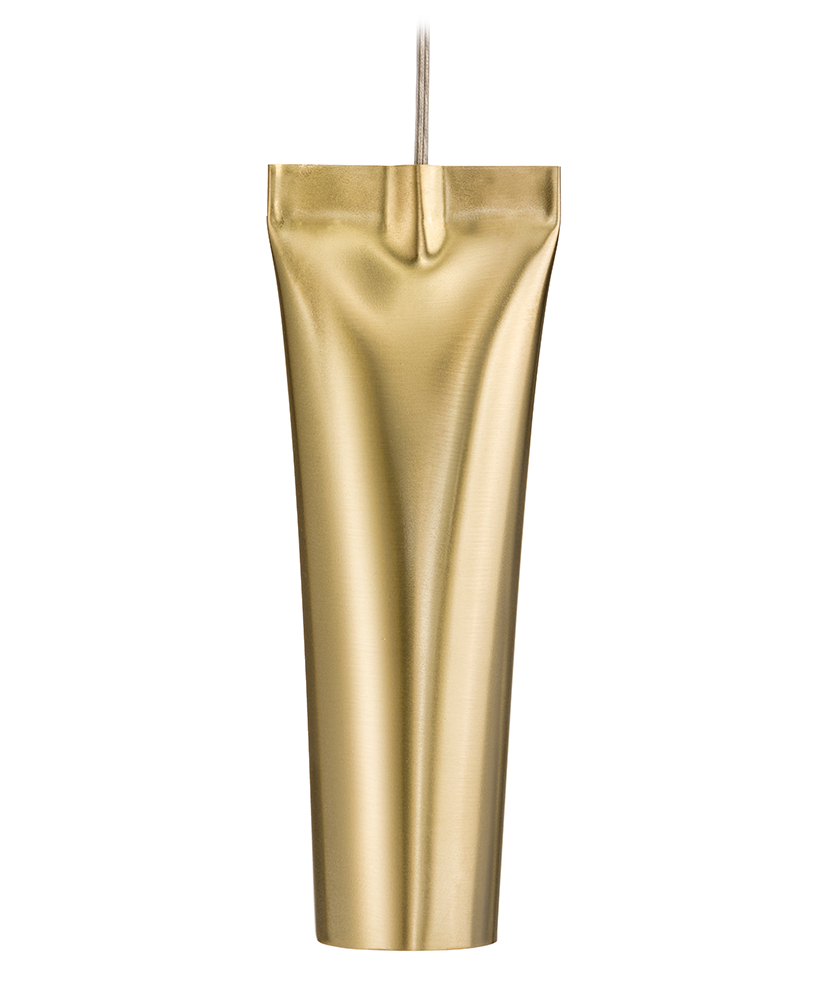
lamp in brass finish
‘ramphis’ gold side view
designboom has received this project from our ‘DIY submissions‘ feature, where we welcome our readers to submit their own work for publication. see more project submissions from our readers here.