hand-woven nitinol sofa can flat-pack and self-deploy in a single motion
the woven construction connects nitinol wires with fabric cords and PLA joints.
prefer designboom on google[FEATURED]
Jisu Yoon introduces Re-flat pack foldable furniture system
Seoul-based industrial designer Jisu Yoon introduces Re-flat pack sofa, a furniture system that explores the possibility of repeatedly folding and unfolding a sofa through the use of shape-memory materials. The design replaces conventional foam upholstery with nitinol, a nickel-titanium alloy typically used in medical stents and aerospace mechanisms, allowing the material to function simultaneously as the structure and cushioning system.
The project begins from a limitation of traditional flat-pack furniture: while existing systems simplify transportation and assembly, most pieces cannot return to their original compact form after being built. Inspired by the long history of flat-pack design, from Thonet’s No. 14 chair in 1859 to contemporary furniture systems, Re-flat pack sofa investigates how a larger upholstered object could become a repeatedly transformable structure.
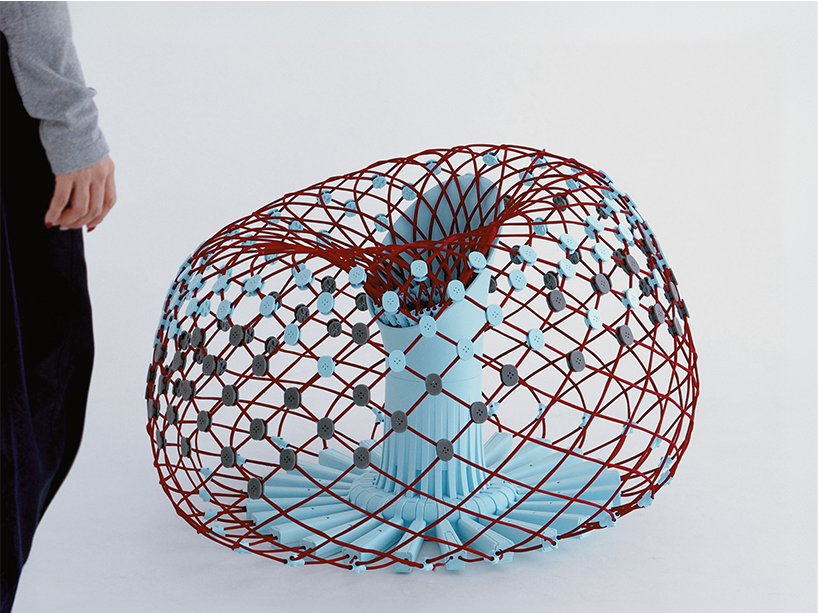
Re-flat pack sofa, fully deployed into a Ø700mm lounge seat | all images courtesy of Jisu Yoon
shape-memory alloy replaces conventional sofa construction
Conventional sofas rely on two separate elements: a rigid frame that maintains the form and foam that provides comfort. In developing Re-flat pack sofa, designer Jisu Yoon removed the foam component after identifying its limited ability to withstand repeated compression. Through material research, nitinol was selected for its combination of elasticity, shape memory, tension, load-bearing capacity, and lightweight properties.
After testing various materials, including glass fibre, steel wire, nylon rope, polypropylene, and carbon rods, nitinol was found to meet the structural requirements of the project. The alloy can return to a previously defined shape after deformation, allowing the sofa to transition between a compact cylindrical form and a fully expanded seating configuration.
The sofa unfolds from a Ø250mm column measuring 1,430mm in height into a Ø700 × 600mm lounge seat through a single movement. A central cord guides the transformation, while a 3D printed hub regulates the tension of the nitinol wires and secures the final shape. The complete structure weighs 7kg and can be compressed back into its original form through the reverse process.
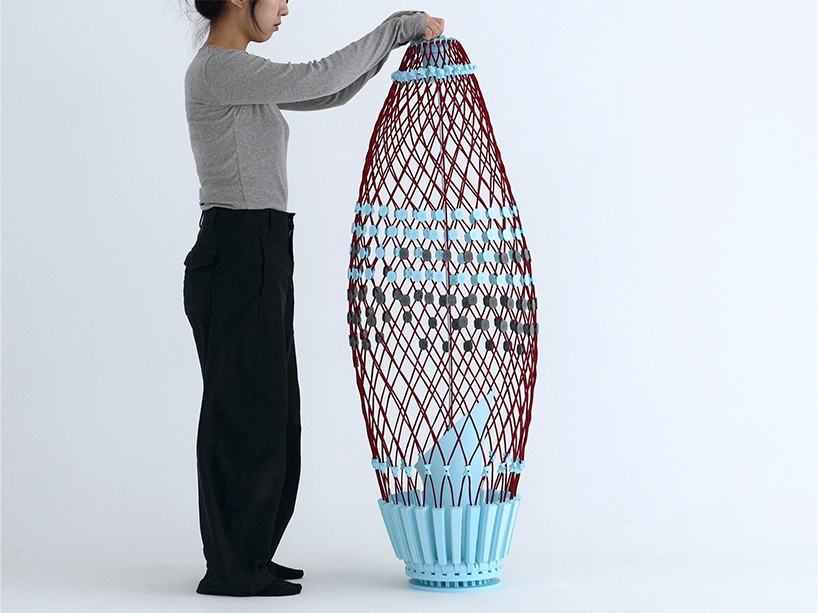
compact state: the sofa folds into a slim Ø250mm column, light enough to carry at 7kg
Re-flat pack sofa’s woven structure does not use any adhesives
The sofa is constructed without glue, using individually threaded nitinol wires covered by a red fabric cord and hand-woven into 3D printed PLA joints. The structure relies on collective tension, combining the functions of frame and surface within a single material system. The design process developed over 1.7 years of research and prototyping, including early concept models, 1/10-scale structural experiments, and multiple iterations of 3D printed connection components. Drawing inspiration from umbrella mechanisms, the final structure allows the sofa to expand and contract while maintaining its lightweight and portable character.
Re-flat pack sofa examines how emerging materials can extend the possibilities of flat-pack furniture beyond initial transportation and assembly. By introducing nitinol into furniture design, the project proposes a system where furniture can adapt to changing environments and repeated relocation.
The project was selected as a finalist for the Korea+Sweden Young Design Award, organized by IKEA Korea, the Embassy of Sweden in Seoul, and the Korea Institute of Design Promotion (KIDP), and was presented at Design Korea 2025. It was later exhibited at ‘No Space for Waste’ during Milan Design Week 2026 at Fabbrica Sassetti in the Isola district and received the Couch & Sofa category award at the SIT Furniture Design Award 2026.
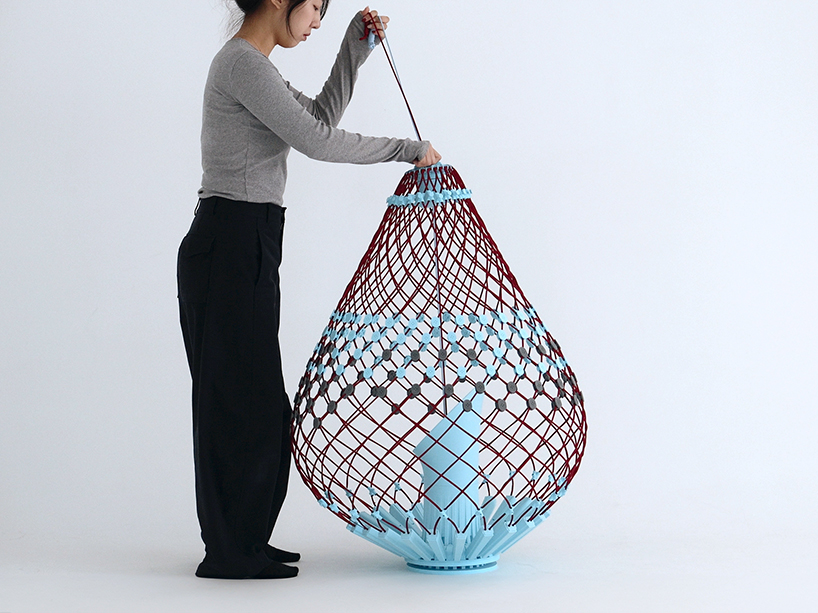
pressing along the guiding cord deploys the structure in a single motion, like an umbrella
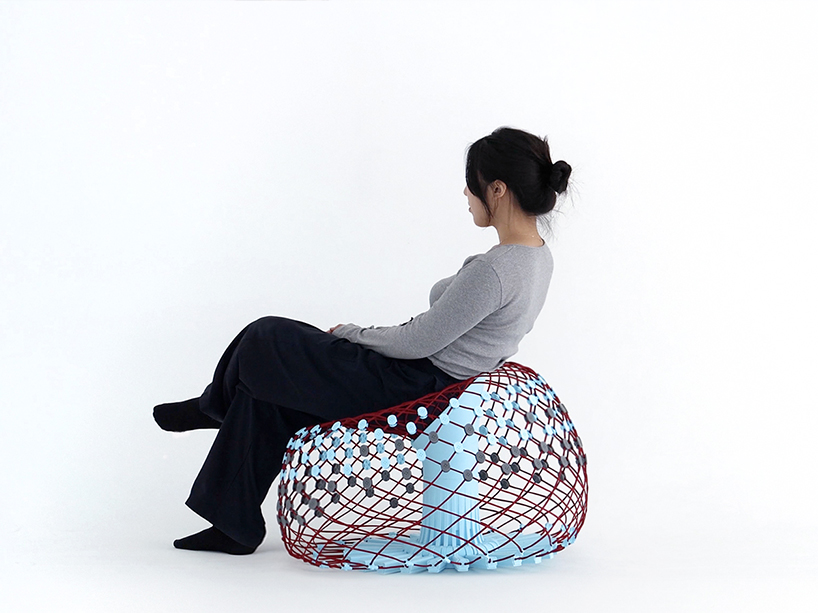
the deployed sofa holds human weight through the collective tension of woven nitinol
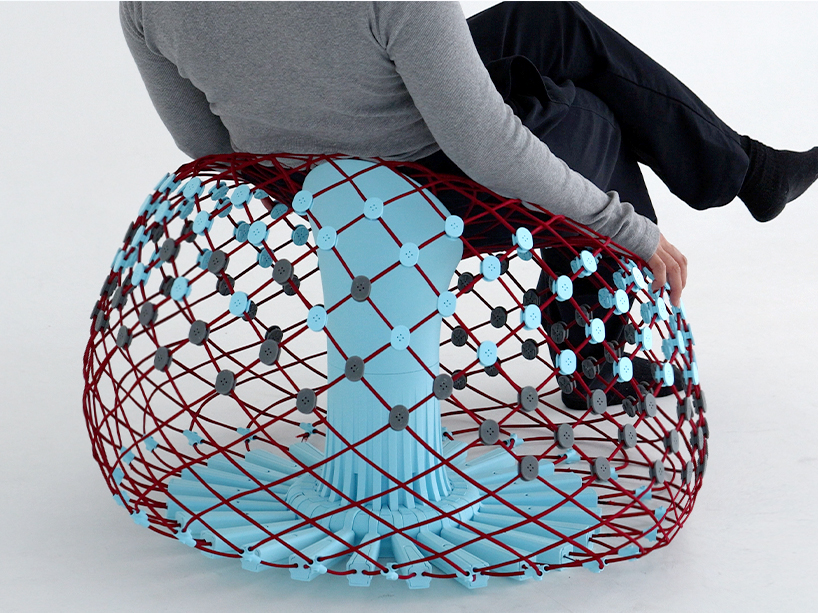
skeleton and skin unified into a single structure; no separate frame or cushion
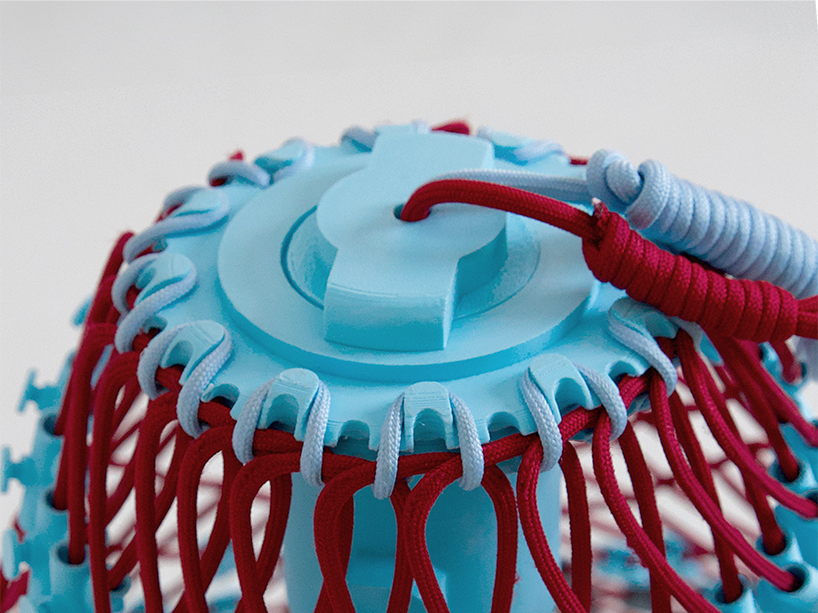
the 3D printed central hub controls the tension of the nitinol wires and locks the form in place

nitinol wires, threaded inside red fabric cords, are hand-woven and laced into 3D printed PLA joints

the radial base structure that anchors the woven tension
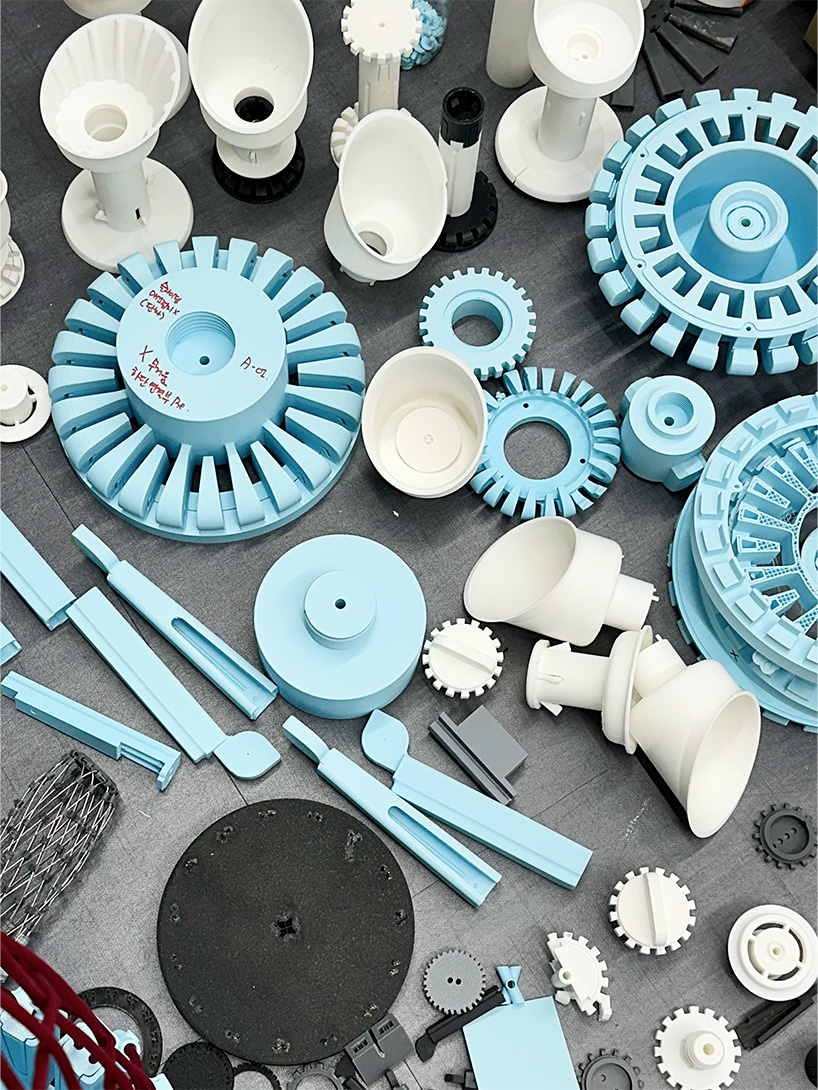
dozens of 3D printed joint components produced over 1.7 years of prototyping
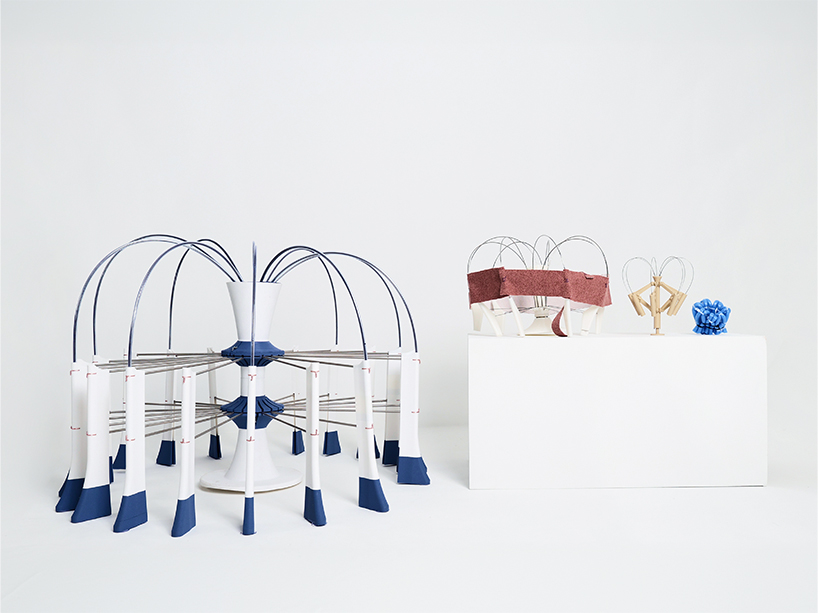
early-stage structural prototypes exploring the deployment mechanism
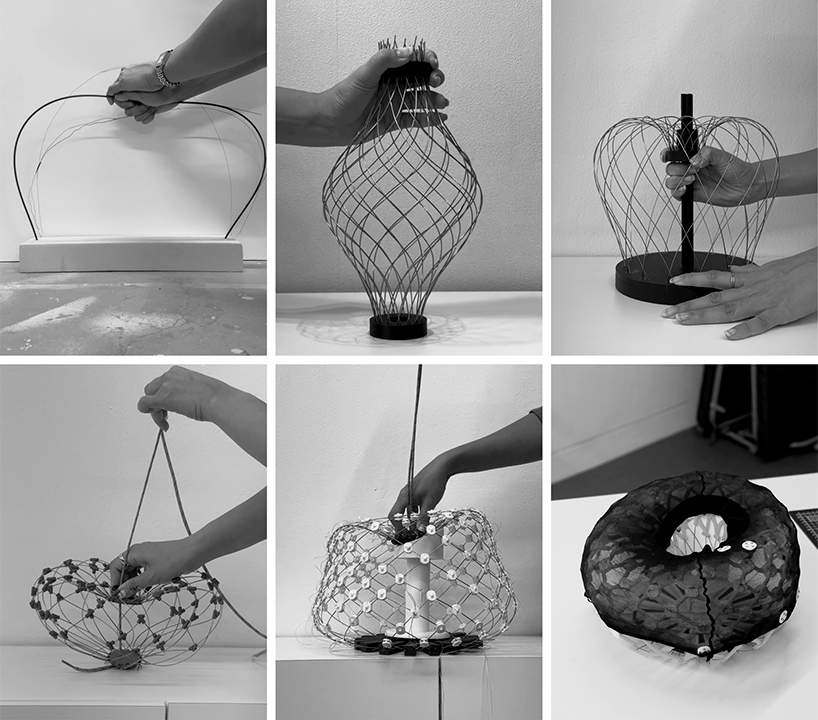
1.7 years of iterative testing; from ideation models to full-scale working prototype
project info:
name: Re-flat pack sofa
designer: Jisu Yoon | @jisuyoon.design
designboom has received this project from our DIY submissions feature, where we welcome our readers to submit their own work for publication. See more project submissions from our readers here.
shop
your own online design shop — no sales commission collected