hattern’s mellow collection reflects impressionist tones + lighting
the collection draws influence from the 'split color method' adopted during the 19th century impressionist art movement.
prefer designboom on google[FEATURED]
drawing influence from art print impressionism of the late 19th century, the mellow collection by korean design studio hattern expresses a variety of situations that stimulate the optical realm — a sense that strongly responds to light. through this project, minimalist interpretations of techniques used by impressionists painters are embedded into the designs — such as the color split method.

clear version, prior to finishing: the design borrows the split color method of 19th century impressionism
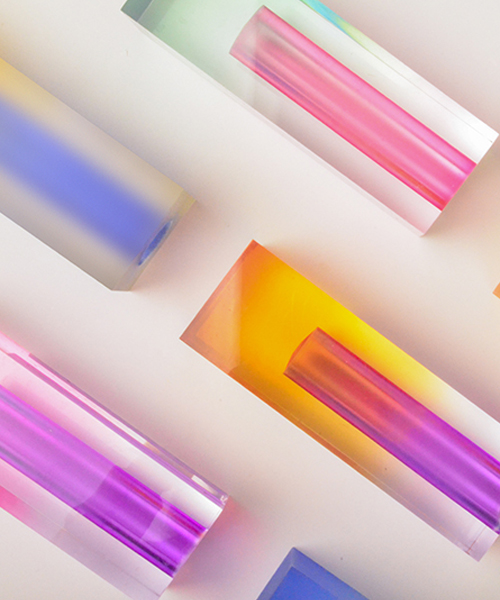
impressionist painters traditionally illustrated nature in their artworks to express a moment of color, tone and texture through light — a source that changes with time. therefore, hattern has designed the mellow collection as a vase that can be harmonized with plants by capturing the same mezmerrizing and vibrant effect created by impressionism of the 19th century. two versions have been crafted for this series where both are designed with a blurred and transparent finish to create a hazy texture — ultimately translating into the language of light and colors blending into one another.
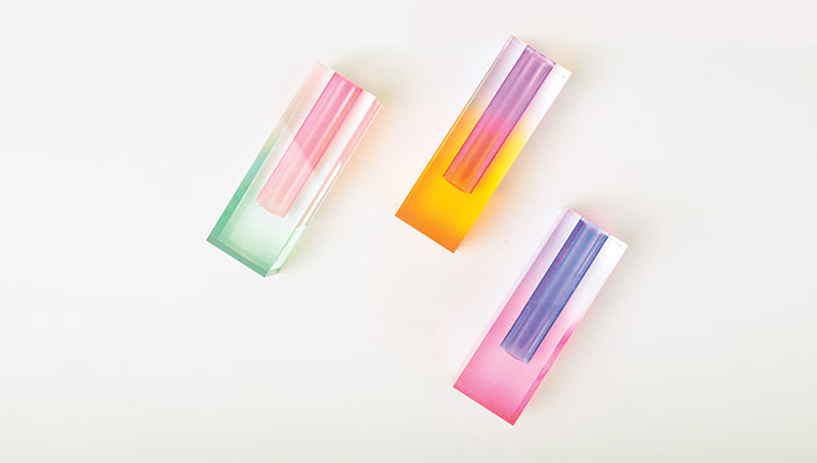
colors, tones and light blend elegantly together to create a unique reflective effect
through the use of gradation, color tones elegantly change and diffuse under the effect of refracted lighting. as a final effect, the vases offer a unique three-dimensional experience of hues and light through a contemporary interpretation of the iconic art movement.
mellow collection sketch by HATTERN
video courtesy of kyung sun hwang4
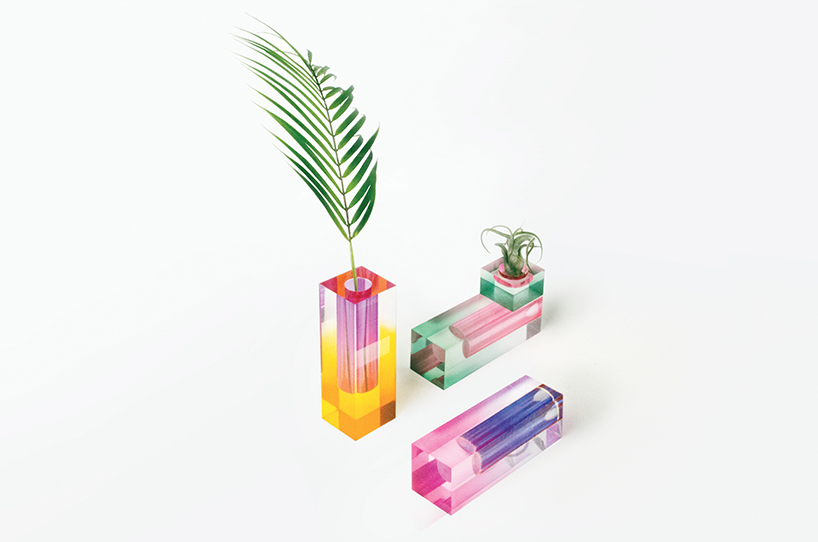
clear version composition of the mellow vases
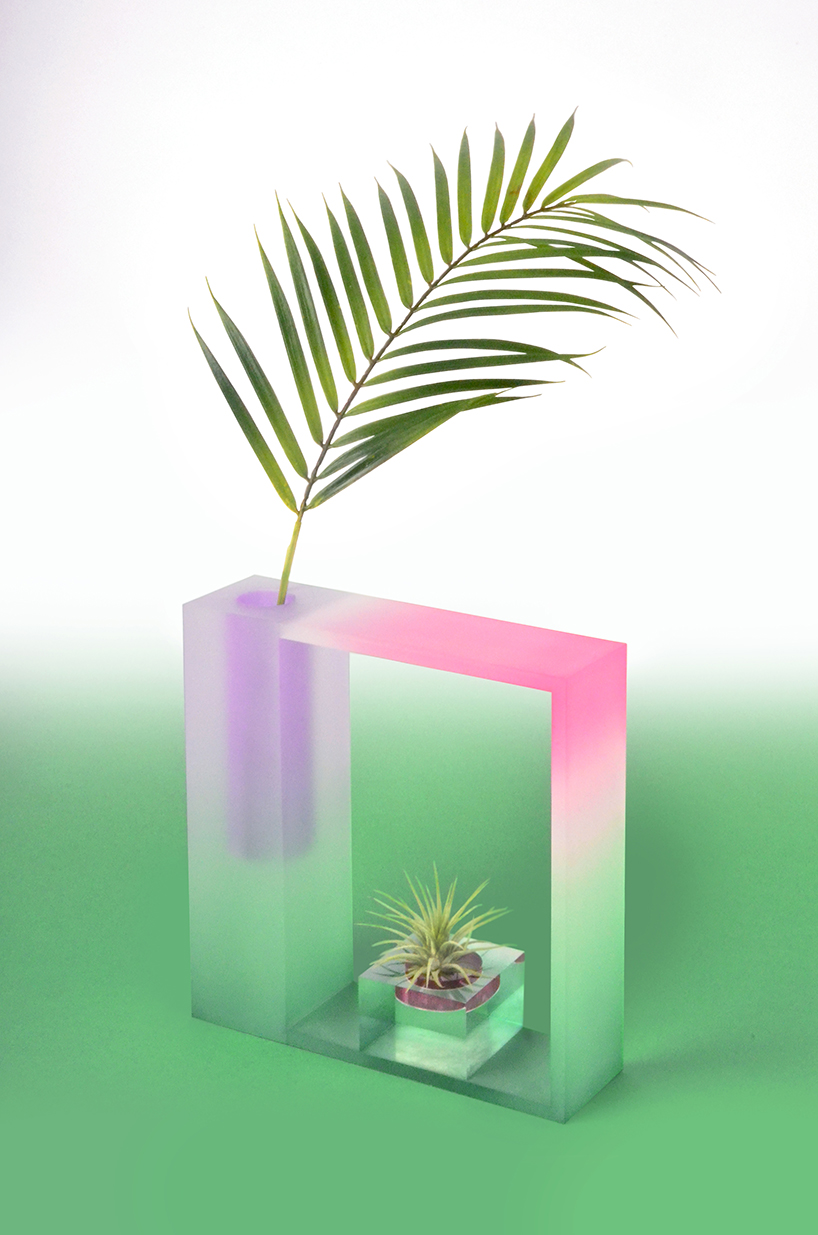
refracting light diffuses the color tones embedded unto the mellow collection
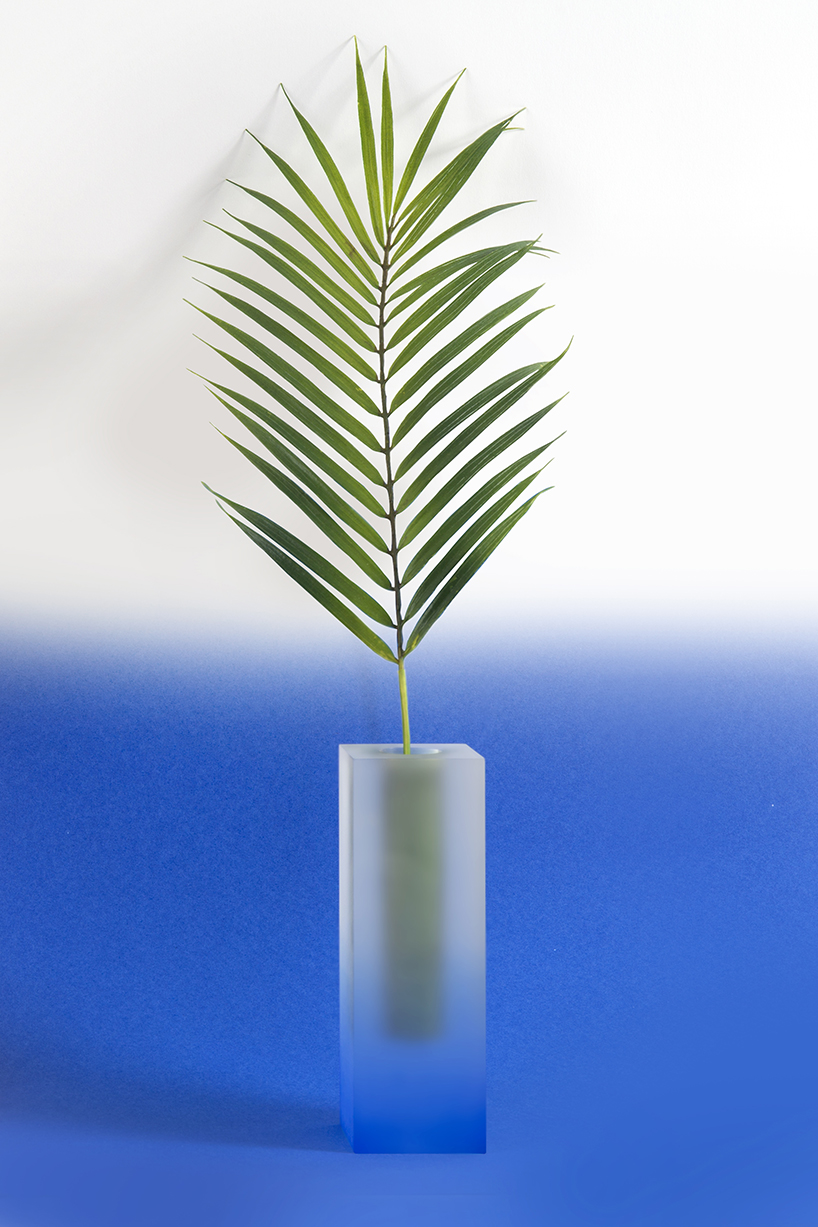
indigo blue blurred finishing version

blurred finishing version creates a hazy transparency in the hattern mellow collection
designboom has received this project from our ‘DIY submissions‘ feature, where we welcome our readers to submit their own work for publication. see more project submissions from our readers here.
shop
your own online design shop — no sales commission collected