in 2008 french luxury brand Hermes held the first edition of Prix Emile Hermes, a milestone initiative stemming from the desire to stimulate young contemporary creators in europe and make them known among the general public.
under the theme ‘everyday lightness’ over 700 entries were submitted. the jury was headed by renowned italian designer enzo mari and 17 projects were shortlisted. the jury unanimously decided not to award a first or second prize for this first edition of the Prix Émile Hermès, but rather to award three third-place prizes. the initial first and second prizes cash were divided amongst the 17 short listed entries, allowing them to benefit with a package in which they were invited to paris to attended a weekend workshop conducted by enzo mari. the 17 projects were shown in april in an exhibition at the milan triennale design museum, during milan design week 09. the exhibition will travel to museums throughout europe.
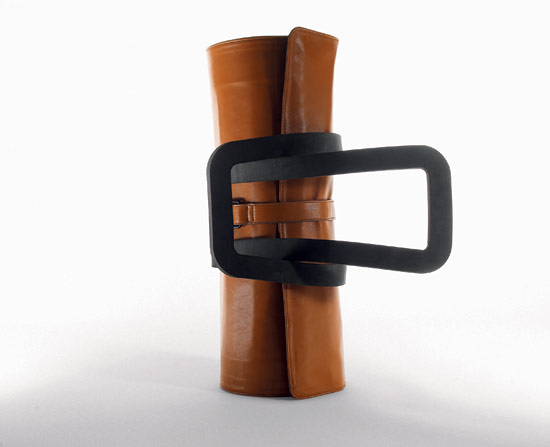
‘rolling vs folding’ weekend bag by francesco librizzi/ vittorio venezia, italy third place prize winner
‘grandmother always said there is only one way to pack clothes: roll each garment as tightly as possible. minimum space, maximum benefits. when unrolled, clothes look new, freshly pressed, crease free…’
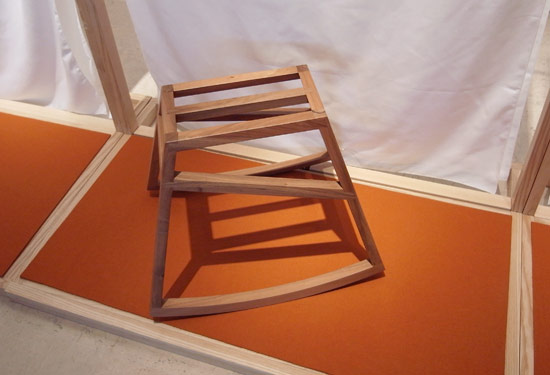 ‘bronco’ rocking stool by simon lecureux, switzerland third place prize winner image © designboom
the stool is based around the equestrian world. its assembly of wood sections gives the object solidity and lightness. its architecture ensures a stable sitting position.
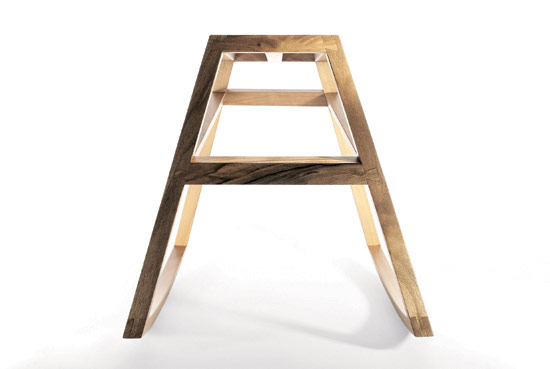 ‘bronco’ rocking stool by simon lecureux, switzerland third place prize winner
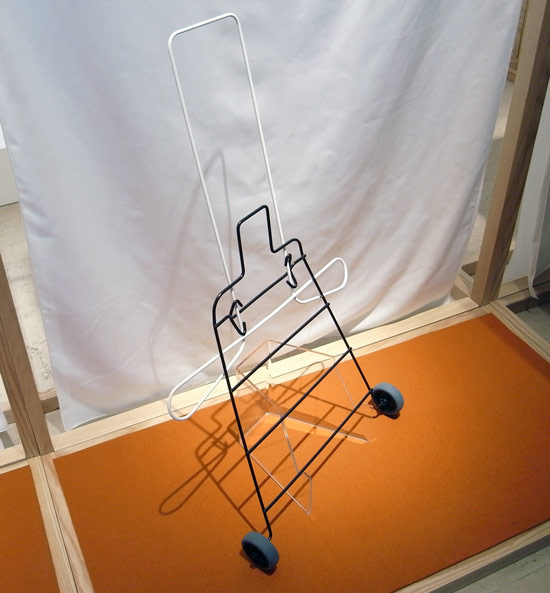 ‘handbag support’ by bastian goecke, germany third place prize winner image © designboom
with its lightweight design, this carrier can be used for shopping bags, handbags and briefcases. its handle glides down smoothly so that both load and carrier can easily be lifted.
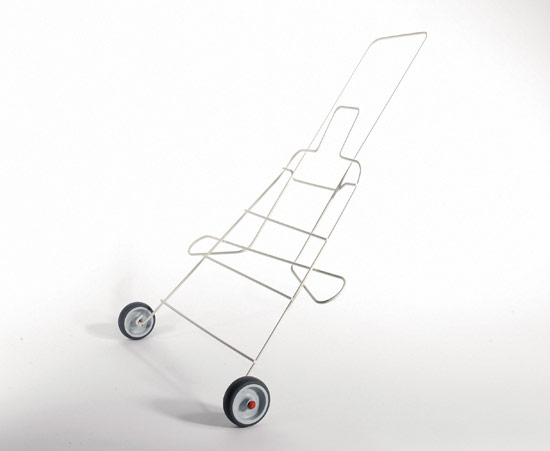 ‘handbag support’ by bastian goecke, germany third place prize winner
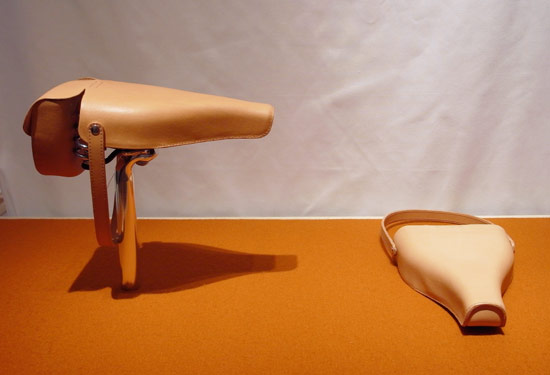 ‘saddlebag’ by ian mahaffy, denmark image © designboom
the bicycle saddle has a strong equestrian spirit. simple to put on and easy to take off, the user always has on hand a dry seat and a convenient saddle bag that can be easily carried while cycling.
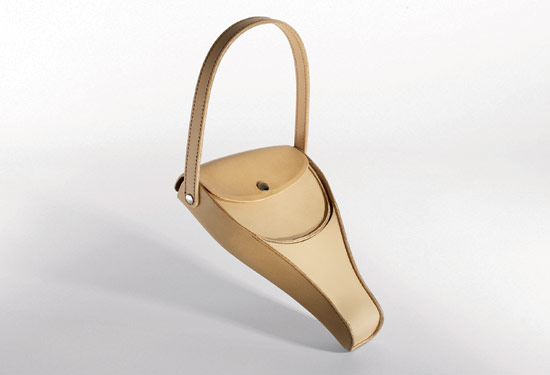 ‘saddlebag’ by ian mahaffy, denmark
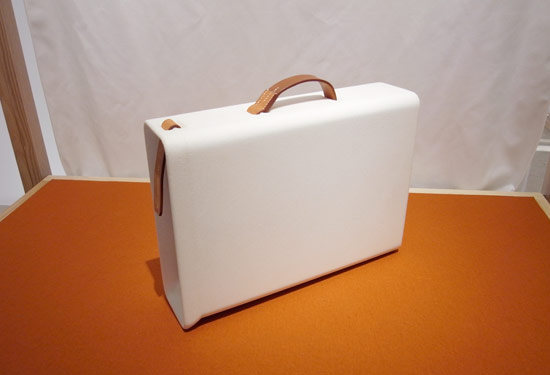 ‘1+1’ briefcase by alexandre mussche, xavier figuerola, france image © designboom
the ‘1+1’ briefcase borrows a material from the packaging industry used for its lightness and protective qualities.
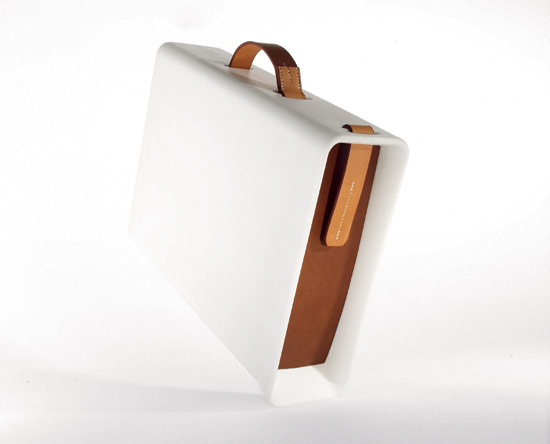 ‘1+1’ briefcase by alexandre mussche, xavier figuerola, france
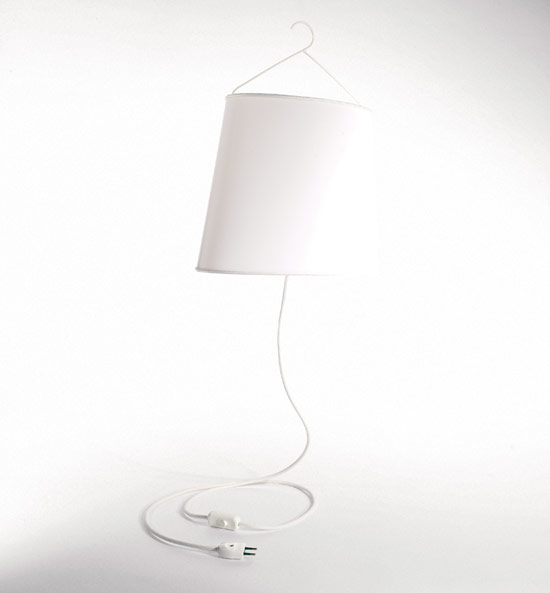 ‘appendina’ hanging lamp by silke de vivo, italy
initially intended to be used in closets and wardrobes, ‘appendina’ can actually be used anywhere in the house, its wire frame and curved hook evoke the traditional hanger.
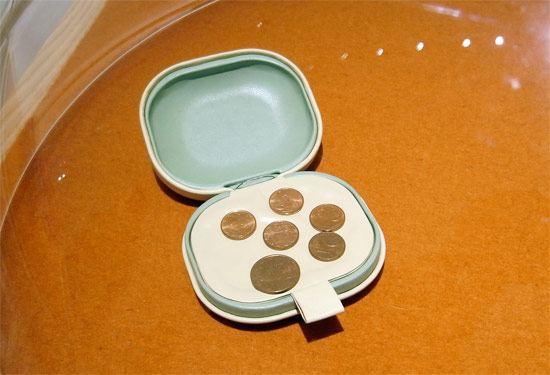 ‘centimes’, coin holder by nouja jamil, franceimage © designboom
euro cents are usually avoided, as they are small and difficult to pick up. this coin holder has a built in magnetic surface that separates them from the rest, making it easier to go through your change.
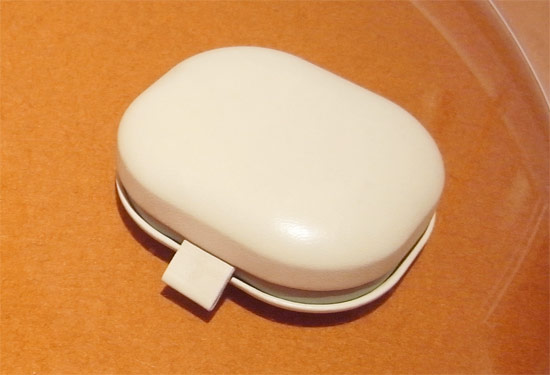 ‘centimes’, coin holder by nouja jamil, franceimage © designboom
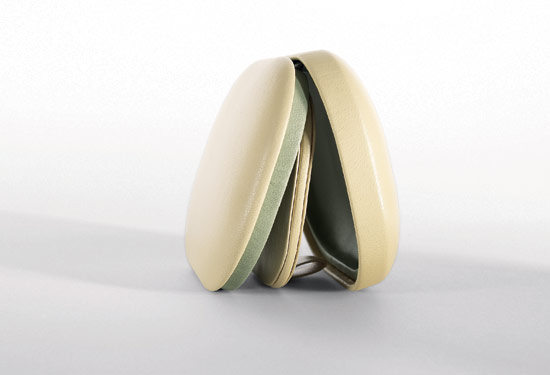 ‘centimes’, coin holder by nouja jamil, france
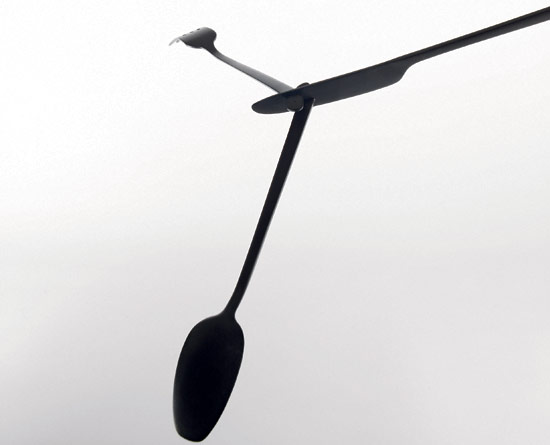 ‘funambule’, cutlery by constance guisset, gregory cid, france
‘funambule’ is a black cutlery set whose elements can be assembled to form a stable mobile. two discreet notches on the fork and spoon allow them to lock into a place on the knife for an instant balancing act.
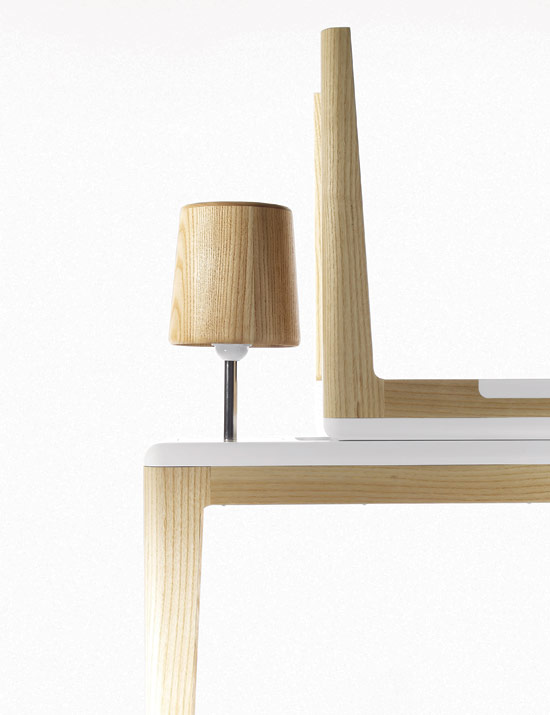 ‘glacier hallway group’ by jarl fernaeus, sweden
this compact table and stool features built in chargers for mobile phones, mp3 players and cameras. powered by a hidden electrical device, the chargers are attached to the underside of the table with only their ends extending beyond its edge.
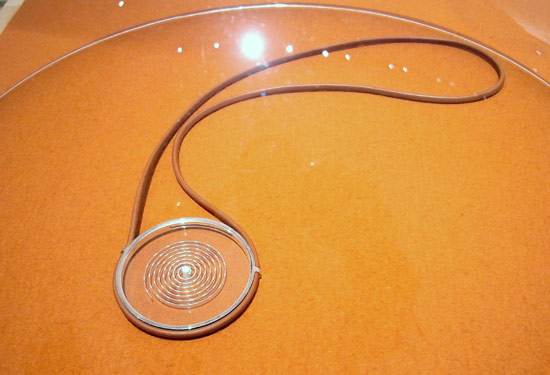 ‘helios’ by nicolas daul, franceimage © designboom
‘helios’ is a jewel based on a spring function that responds to variations in temperature, reacting to changes in the weather by expanding or contracting.
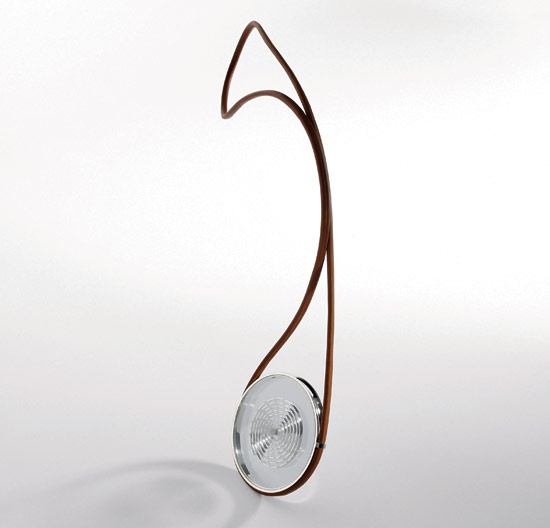 ‘helios’ by nicolas daul, france
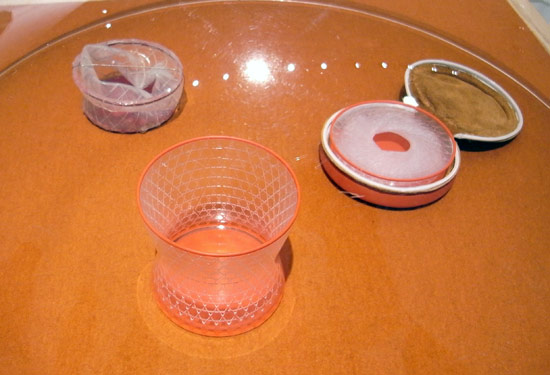 ‘le vivant’, collasiple glass by susanne rindererimage © designboom
‘le vivant’ glass uses a mesh fabric that collapses when twisted.
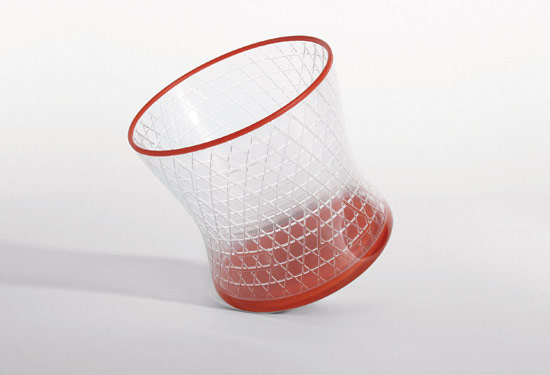 ‘le vivant’, collasiple glass by susanne rinderer
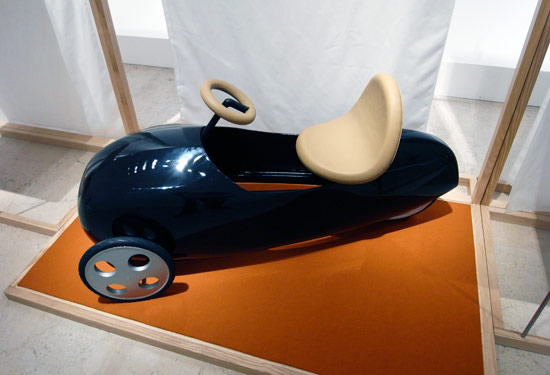 ‘mille’ by david seabra, portugal image © designboom
the mille pedal car is a true classic, making it enjoyable for children to experience.
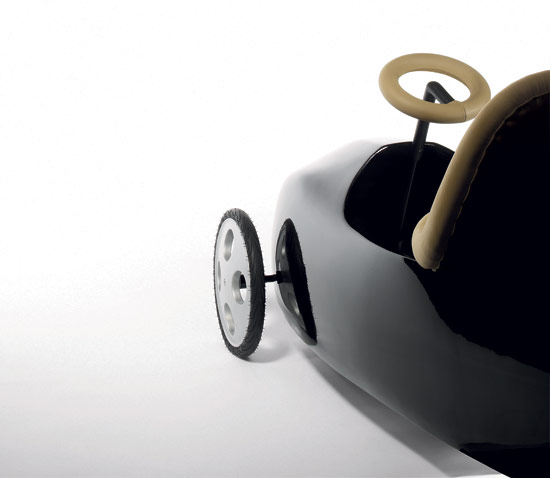 ‘mille’ by david seabra, portugal
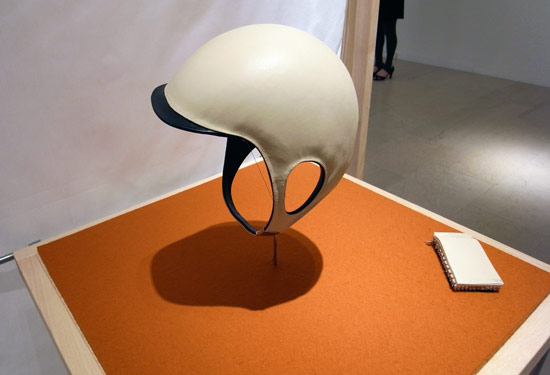 ‘reflexe’, bicycle helmet by orh, france image © designboom
this flexible bicycle helmet can be flattened and slipped into a bag. active protection system is a cutting edge material initially developed for the army by dow corning. this silicone coated 3d textile is soft in its normal state and hardens instantly upon impact.
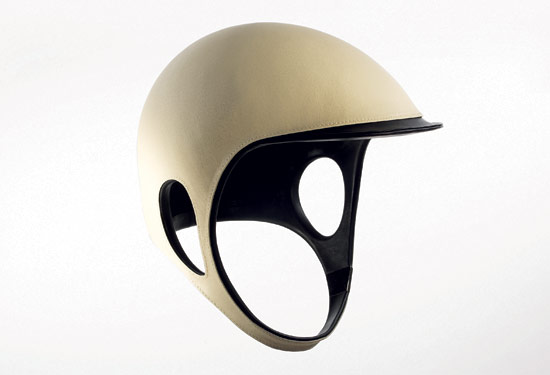 ‘reflexe’, bicycle helmet by orh, france
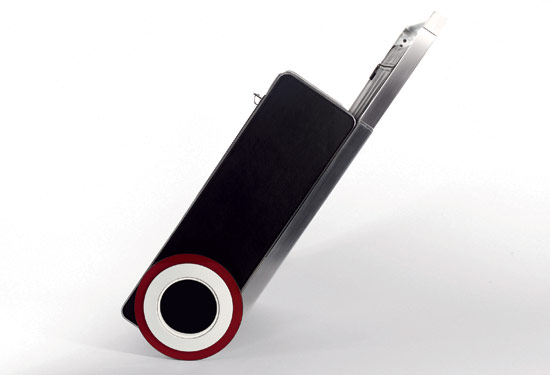 ‘rollaway’ by tomas silva alonso, spain
‘rollaway’ is a piece of luggage that can also be used as a trolley for extra bags. the unit has a vertical ‘suitcase’ position and a horizontal ‘trolley’ position.
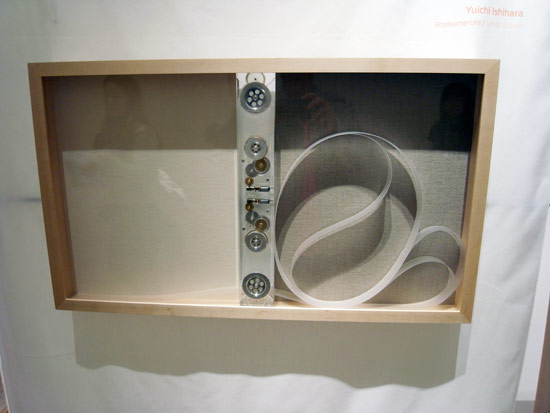 ‘time frame’, clock by yuichi ishihara, UK
‘time frame’ describes time through the shape of a tensional plastic ribbon, which continuously rotates through the frame. the length of ribbon represents a complete day and its rotation is a metaphor for the cycle of time.
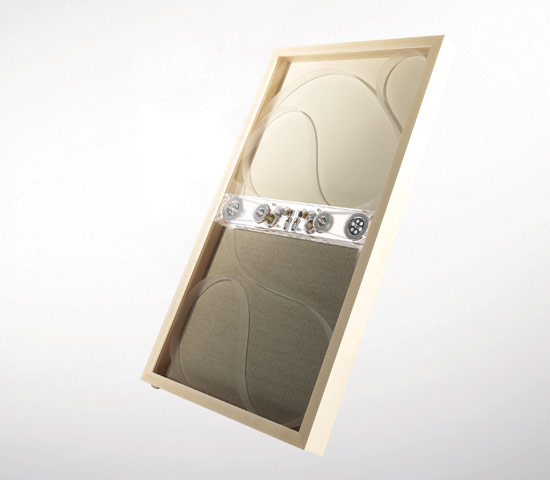 ‘time frame’, clock by yuichi ishihara, UK
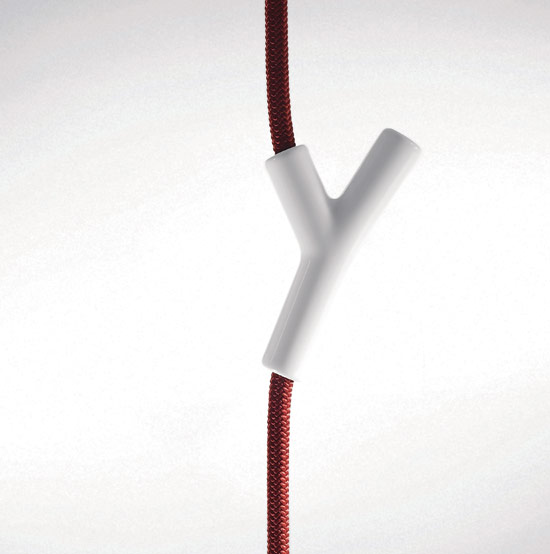 ‘wardrope’ by susanne stofer, veronika wildgruber, germany
‘wardrope’ is a coat rack made to be hung from the ceiling. the hooks can be adjusted by sliding them along the rope.
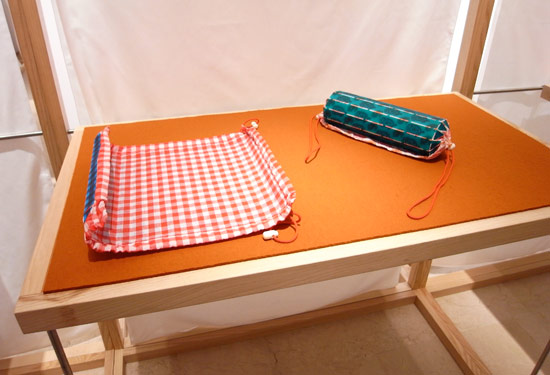 ‘wrap box’ by adeline beaudry, belgium image © designboom
the wrap box is a modular lunchbox whose jointed structure makes it easy to wrap and carry all kinds of lunch essentials.
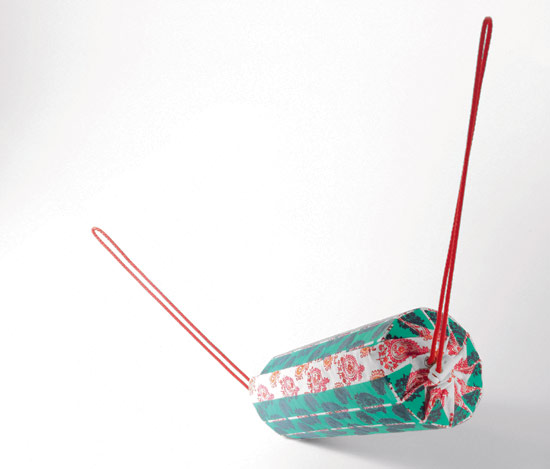 ‘wrap box’ by adeline beaudry, belgium
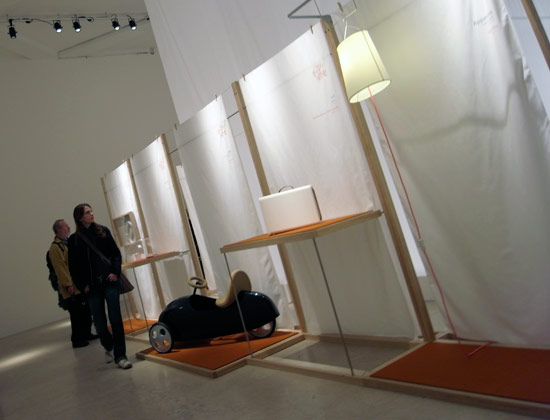 the Prix Emile Hermes exhibition image © designboom
gabriele pezzini design director of Hermès International created the exhibition display for the Prix Émile Hermès.
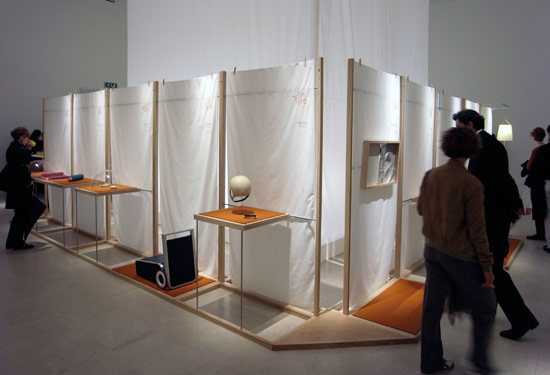 the Prix Emile Hermes exhibition image © designboom
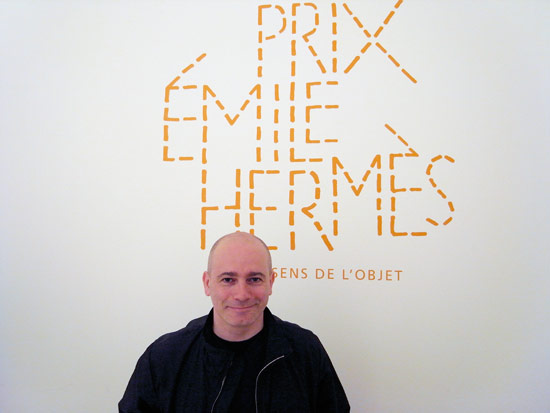 gabriele pezzini, designer, design director – Hermès International portrait © designboom
Hermès in collaboration with designboom are currently organizing an international graphic design competition:
you are asked to develop a new pattern that could be either a re-interpretation of the Hermes classic patterns (equestrian -, sport -, marine theme, whimsical animal motifs, geometric variations including stripes, plant and flower designs and the H delicately imprinted across the surface of the tie) or something completely different, that could be used for the silk-screen printing – or weaving technique.
for more details on how to participate and submit your design read here
happening now! ISE 2026 showcases how high-performance sound and smart technologies transform residential spaces into stress-reducing environments.
Hermès (87)
 Dec 31, 2025
 Dec 25, 2025
 Oct 04, 2025
 Jun 18, 2025
 Jan 28, 2026
 Jan 02, 2026
 Dec 28, 2025
 Dec 17, 2025