designboom has received this project from our DIY submissions feature, where we welcome our readers to submit their own work for publication. see more project submissions from our readers here.
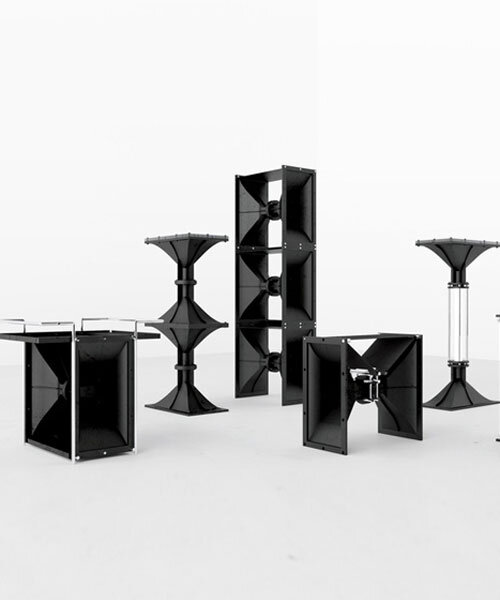
horn series by juyong shim turns discarded speaker components into sculptural furniture
transforming obsolete audio tech to functional living pieces, the series acts as a reflection on the lifecycle of industrial design.
prefer designboom on google[FEATURED]
HORN Series: From Audio Debris to Functional Sculptural Objects
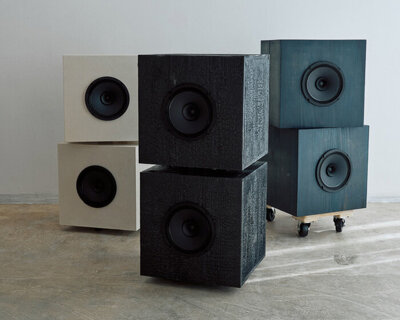
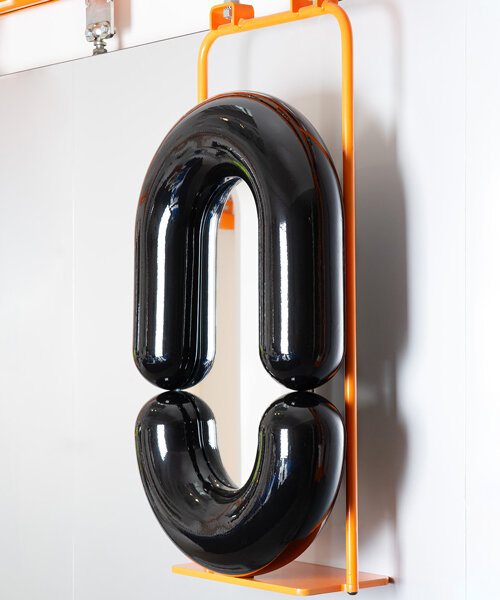
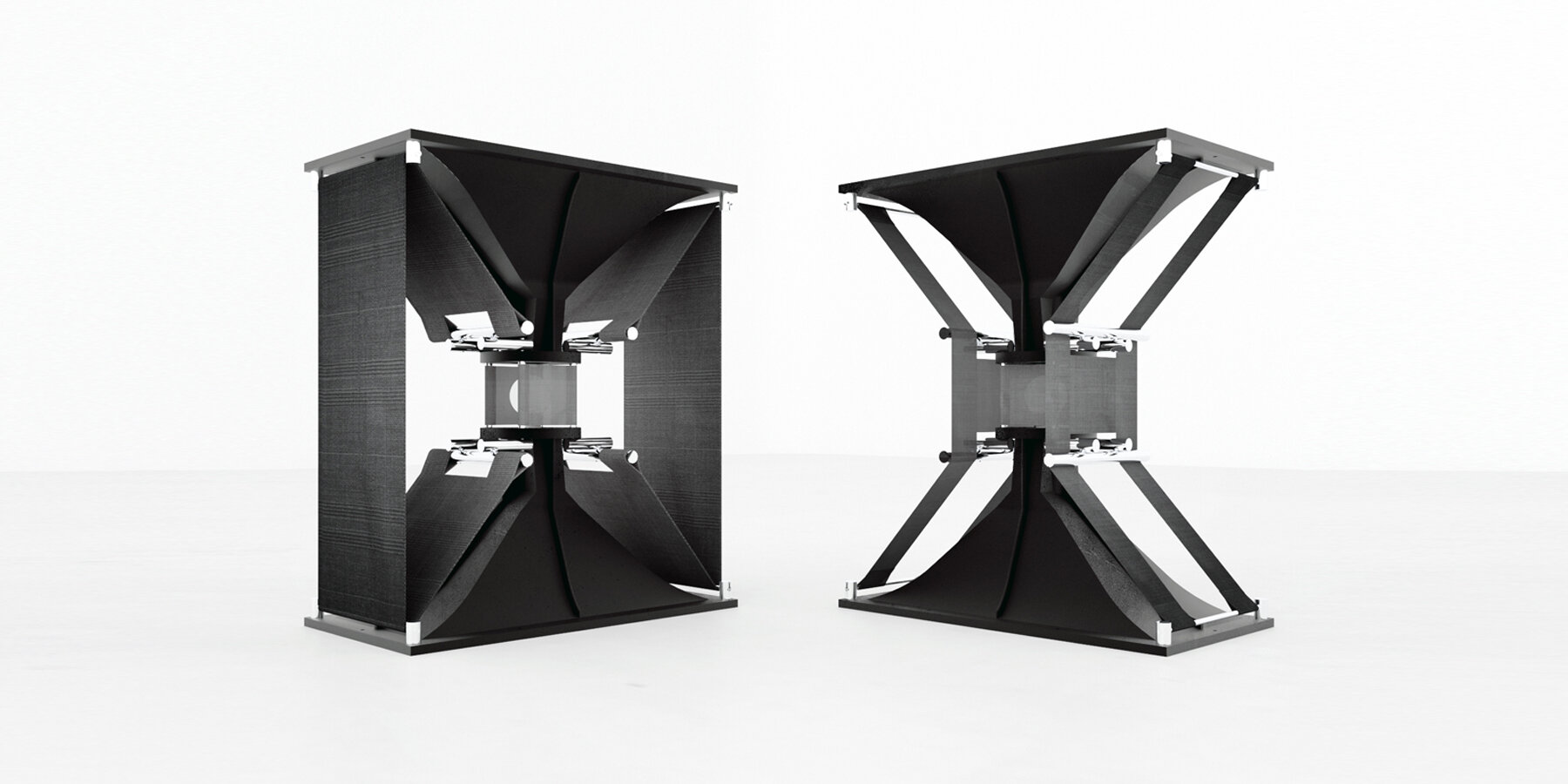
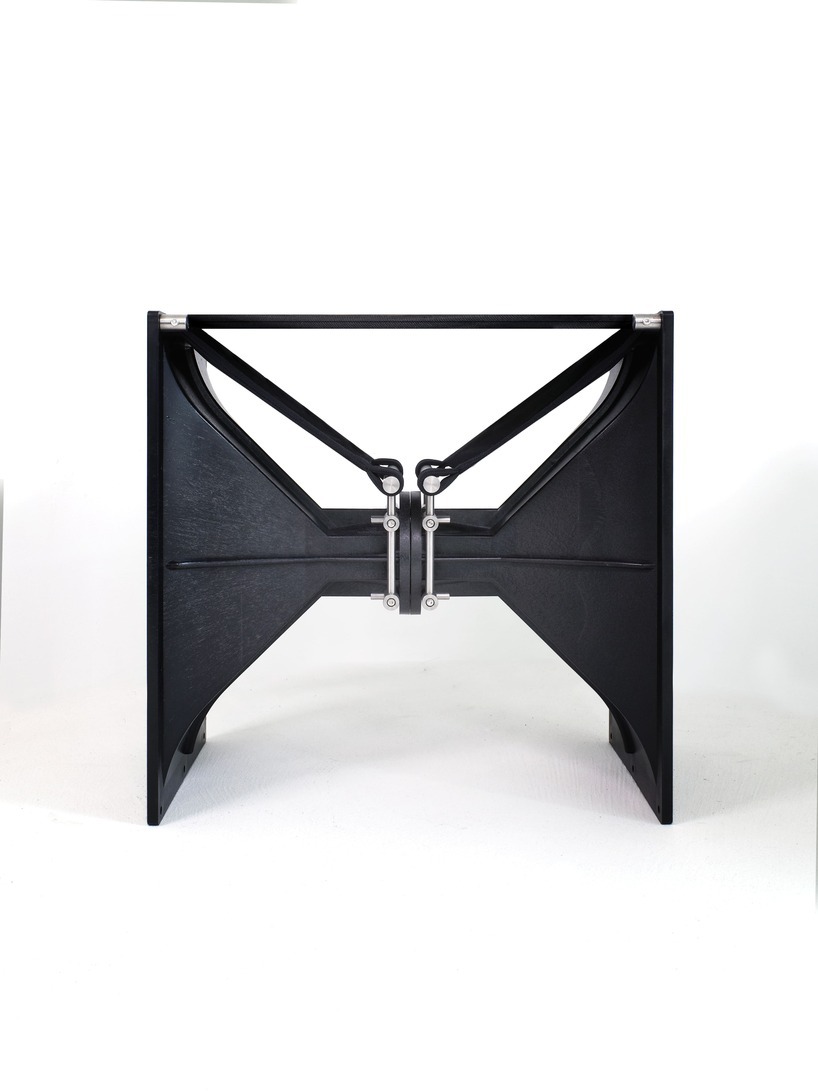
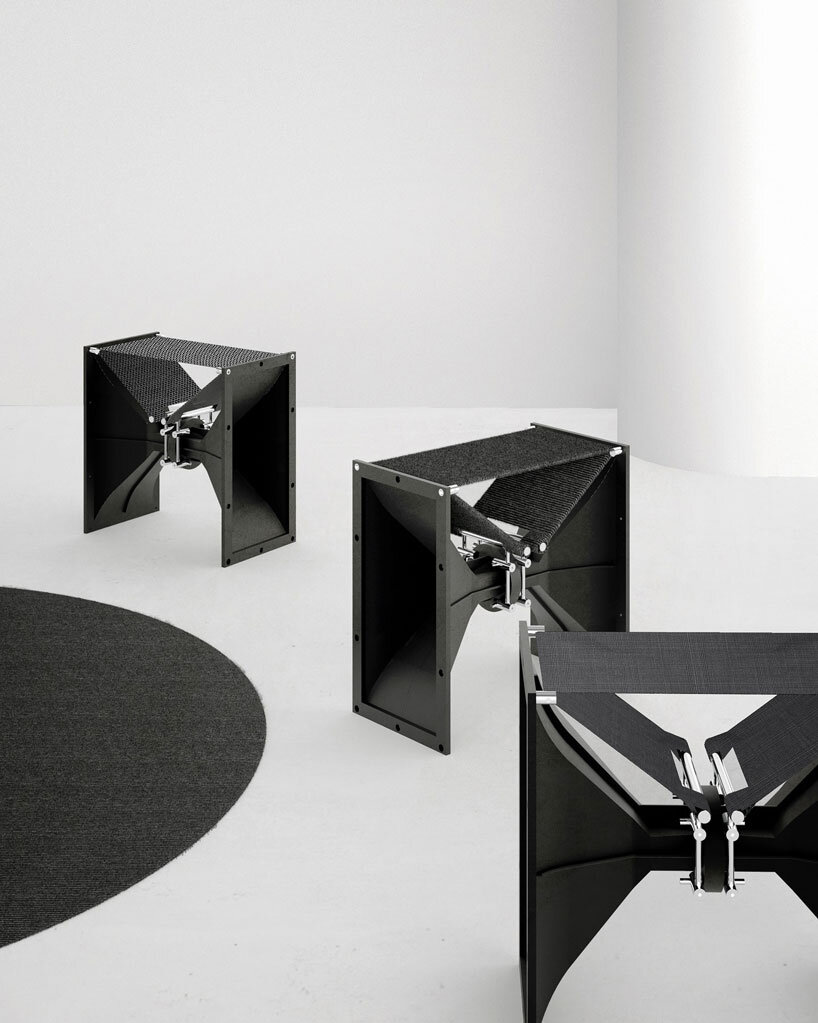
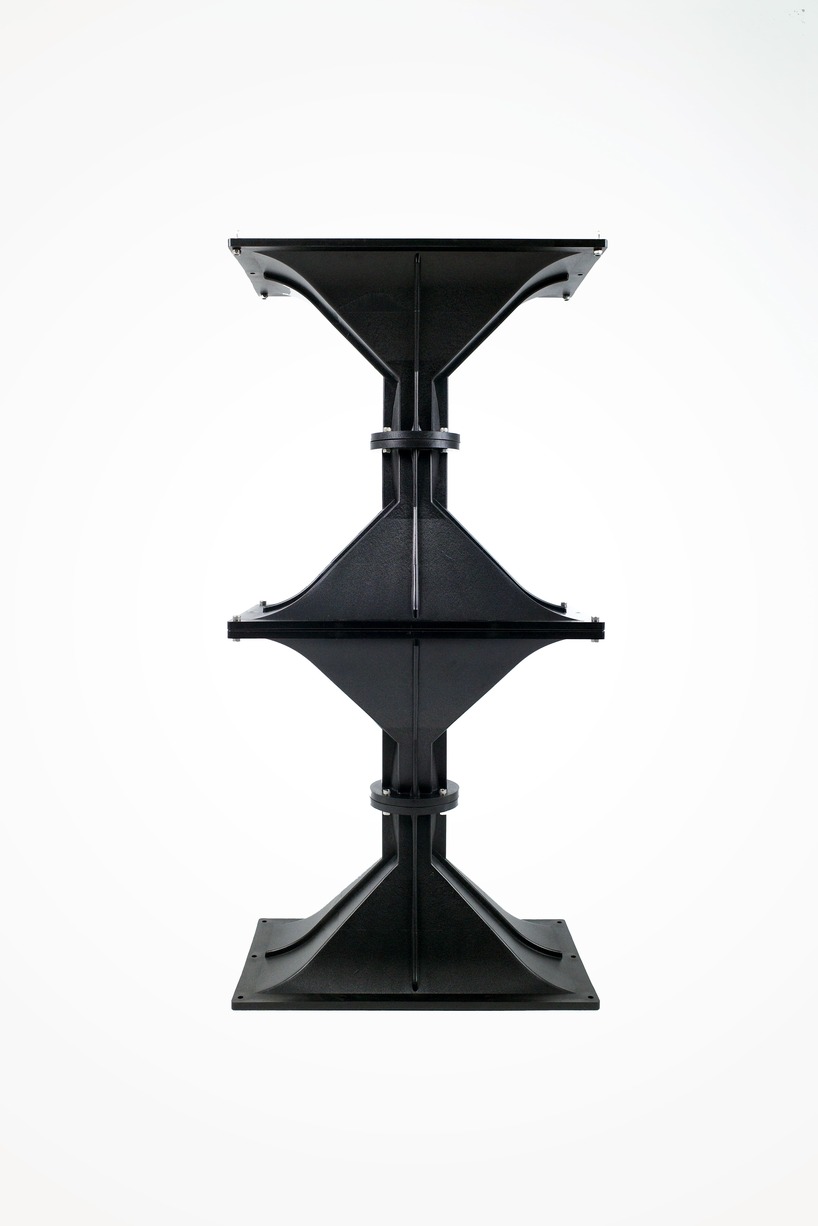
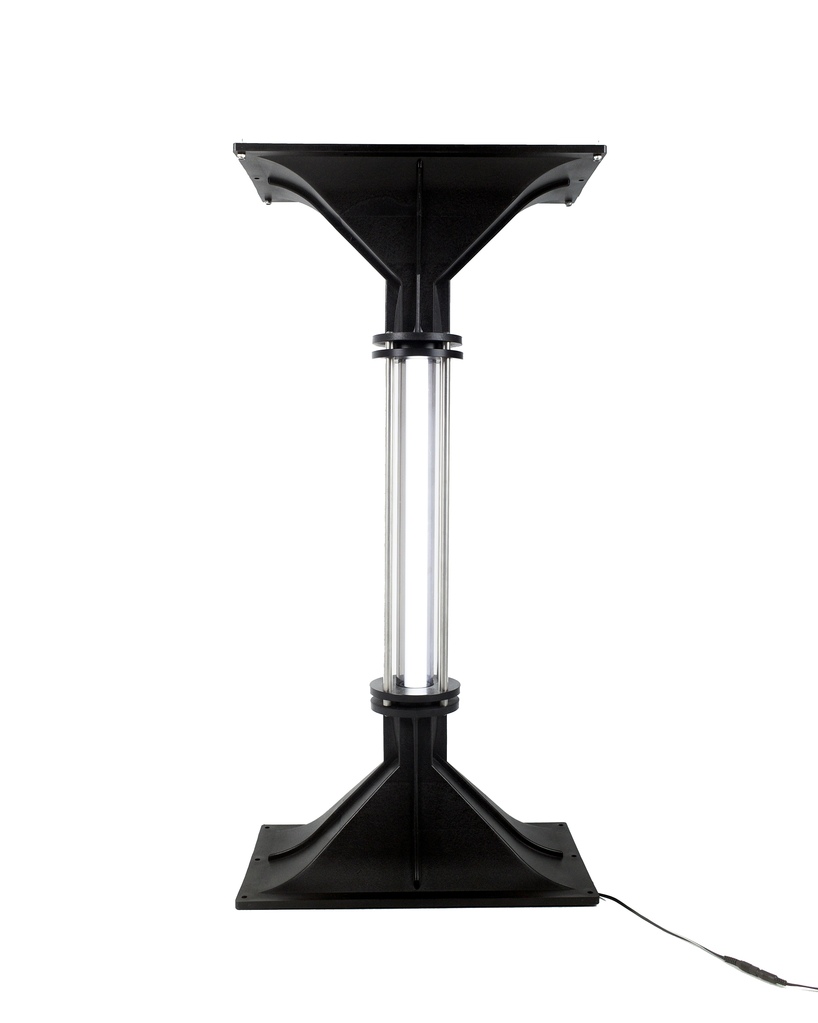
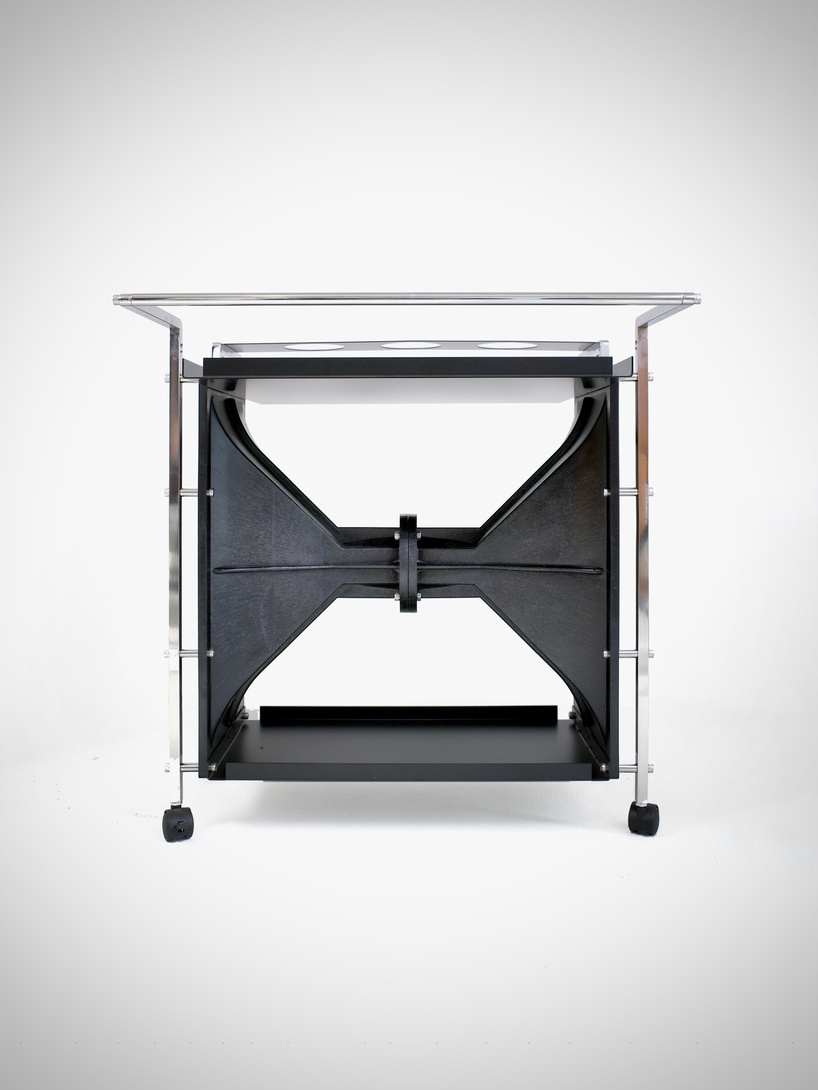
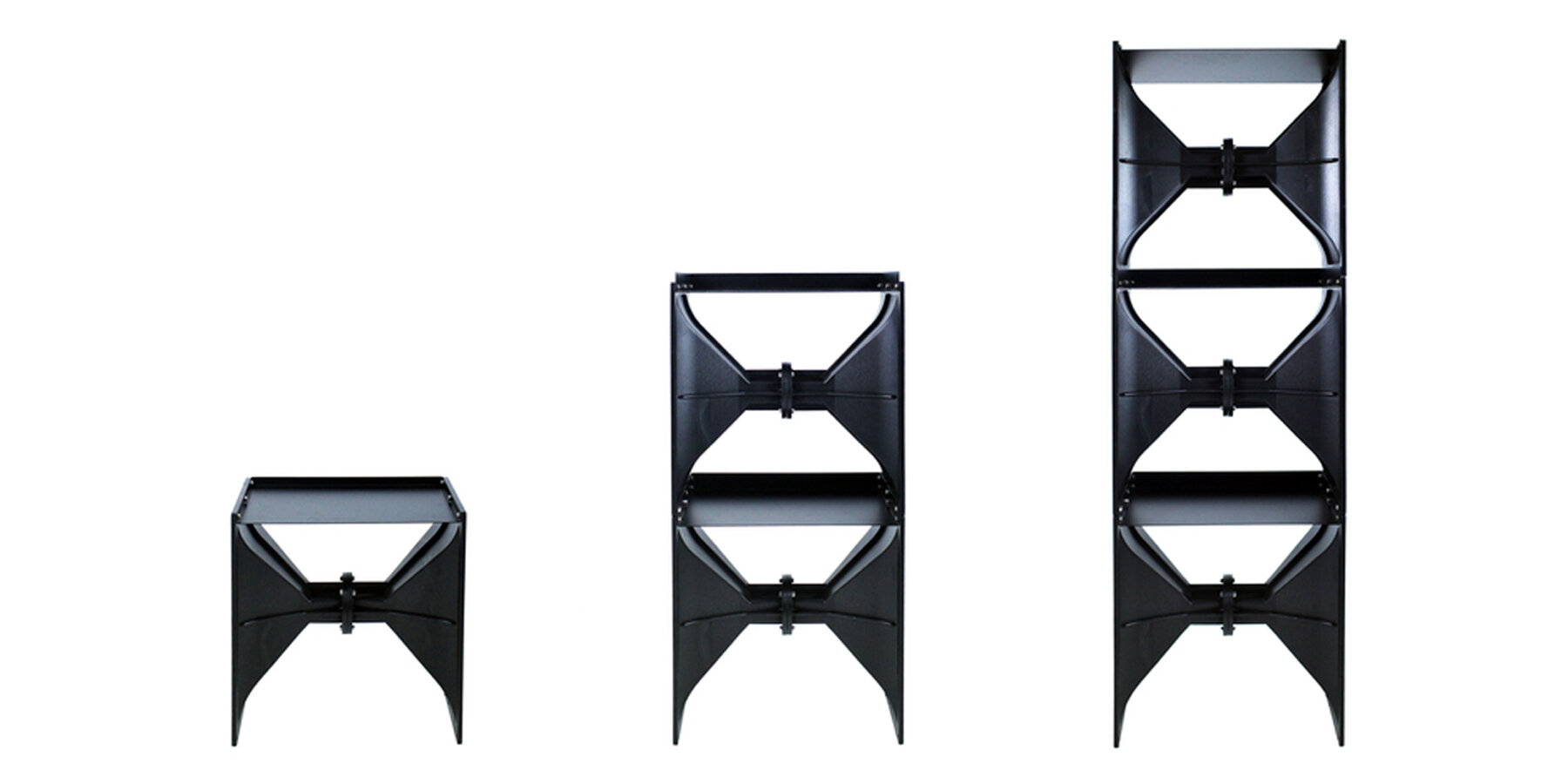
The Horn Series is a collection of furniture constructed from discarded speaker components, developed by Juyong Shim as an exploration of alternative material functions. The project, unveiled at SaloneSatellite, Milan Design Week 2025, reinterprets the form and structural logic of the speaker horn, an object rendered obsolete by technological shifts, by integrating it into functional, sculptural designs for domestic use.
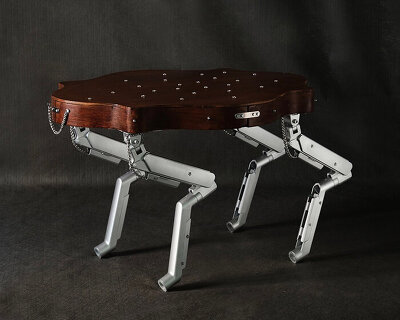
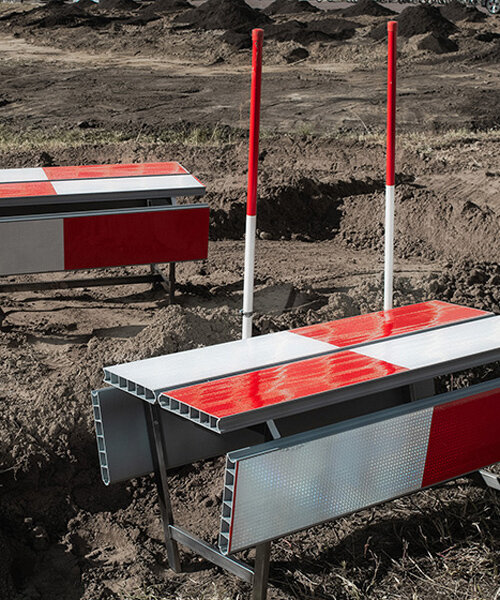
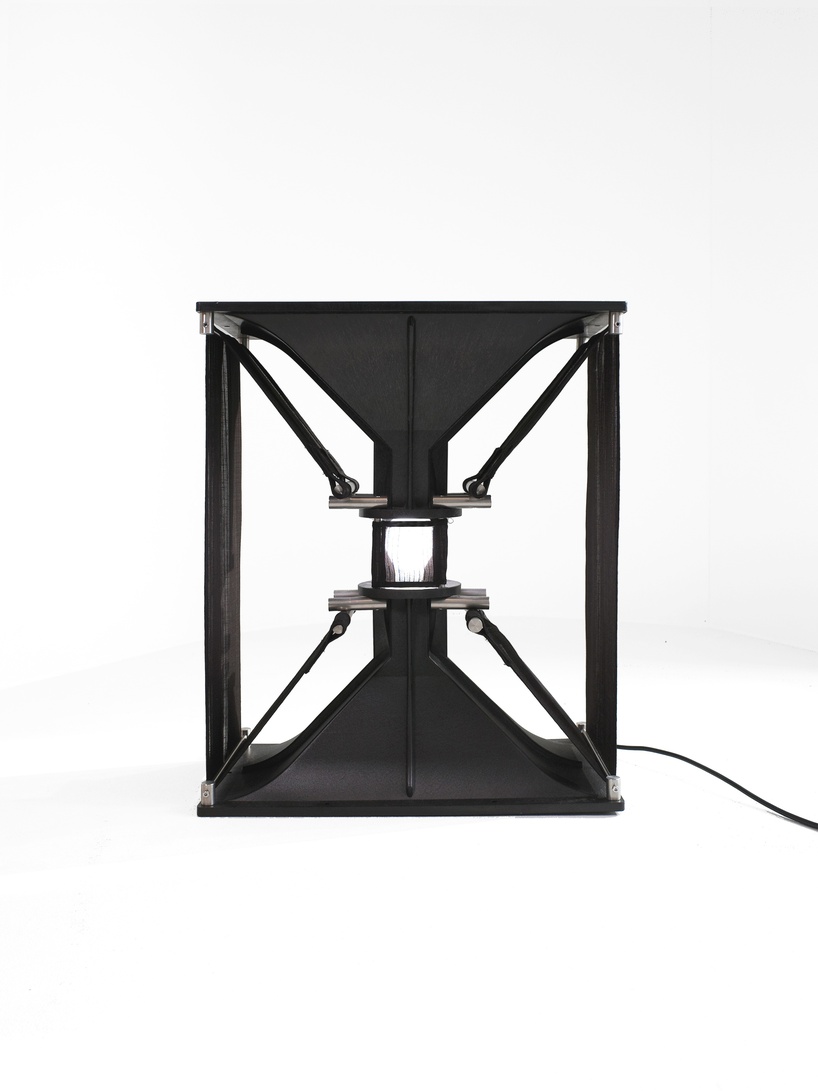
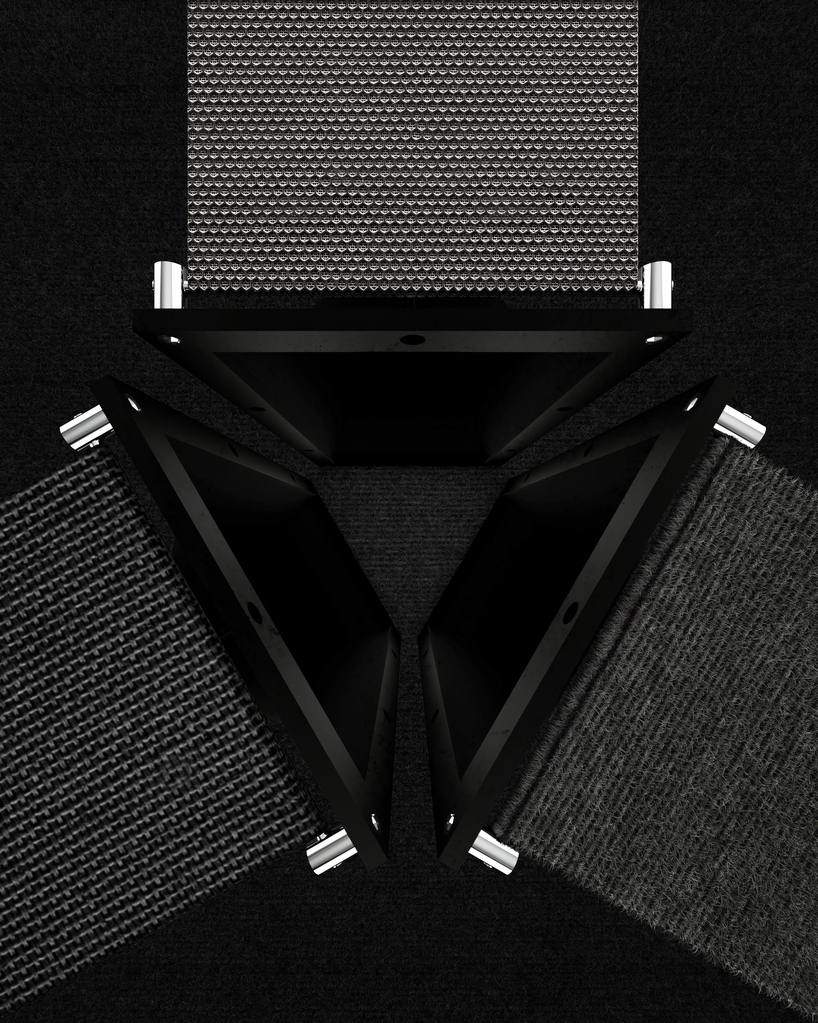
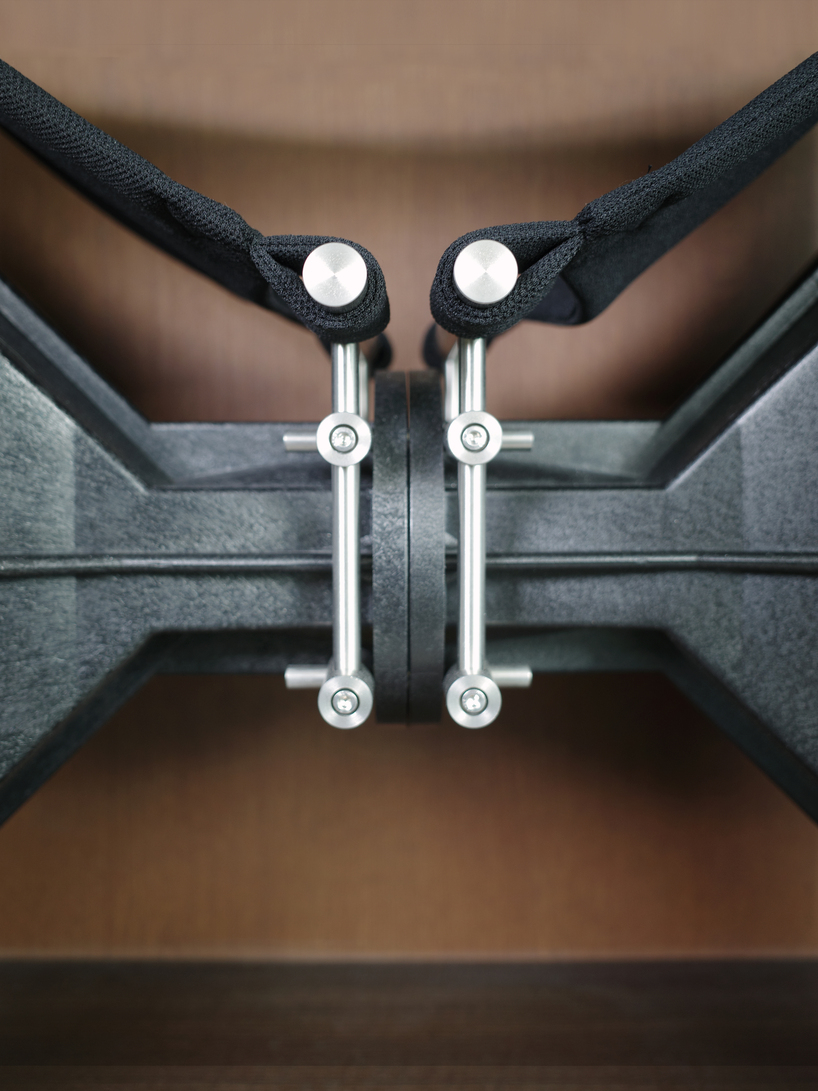
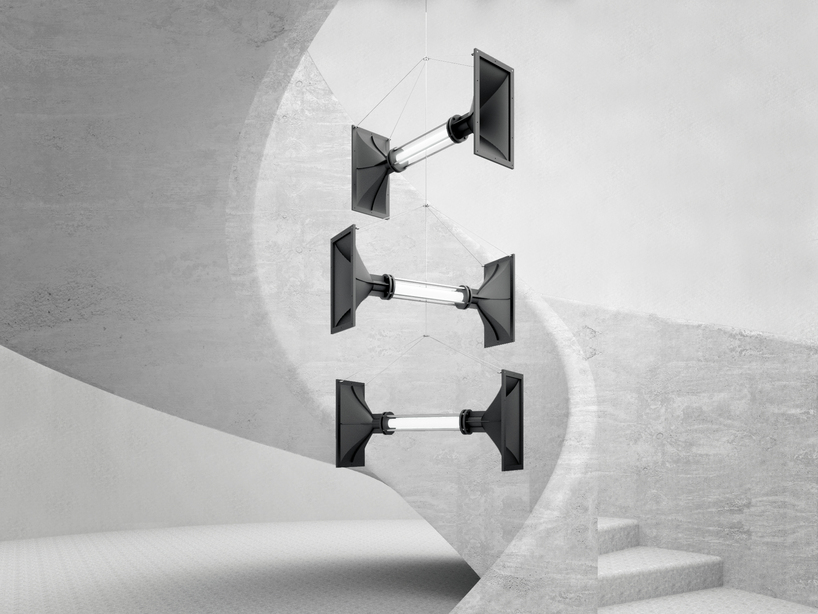
The series includes a stool, a table, shelving units, and lighting fixtures. Each piece incorporates salvaged components such as horns, speaker frames, and structural housings. These elements are employed not as decorative additions but as primary structural and visual features, contributing to the identity of each object.
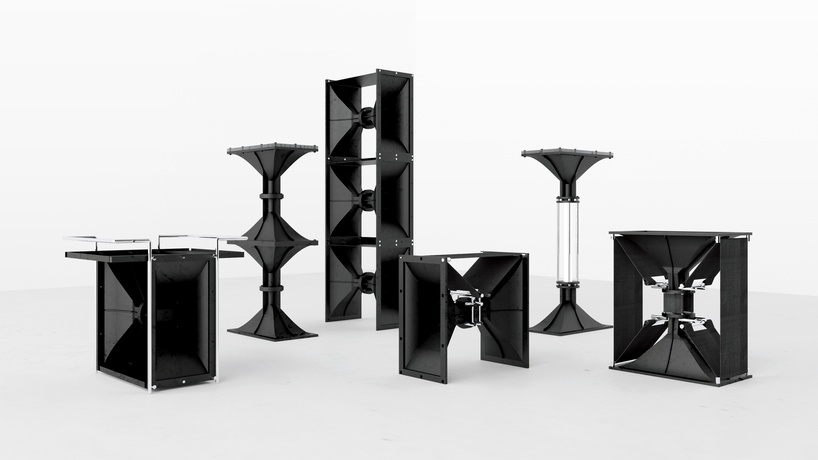
Juyong Shim repurposes unused and surplus speaker parts
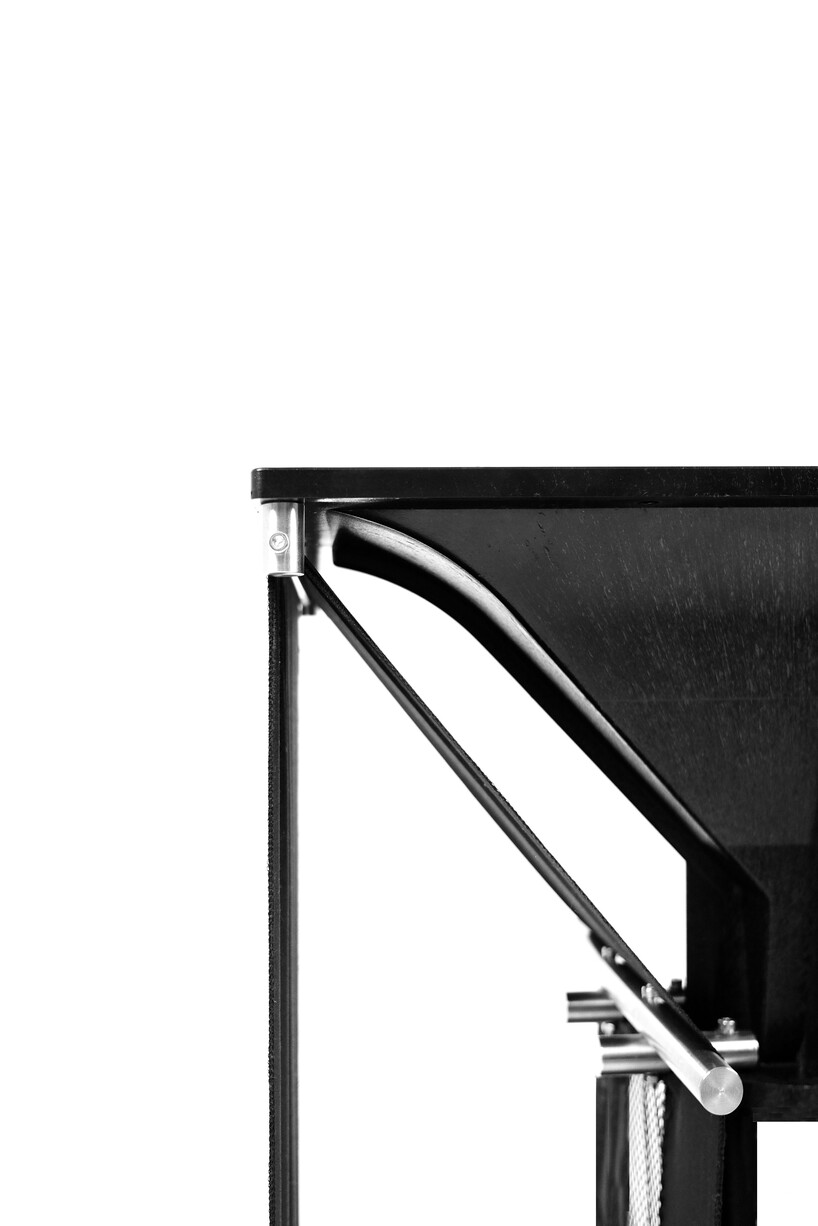
The design process begins with the manual collection of unused and surplus speaker parts sourced from suppliers and abandoned inventories. Designer Juyong Shim’s selection is based on material integrity and structural viability. These salvaged components are combined with new materials such as steel tubing and industrial hardware, assembled through processes including cutting, welding, bolting, and powder coating. The overall method emphasizes low-intervention construction and direct, intuitive assembly.
By reconfiguring speaker elements into utilitarian forms, Horn Series examines how material memory can be retained beyond original function. The project reflects on the transition from industrial sound equipment to domestic object, and how perceived notions of waste and purpose can be reconsidered through material reuse.
shop
your own online design shop — no sales commission collected