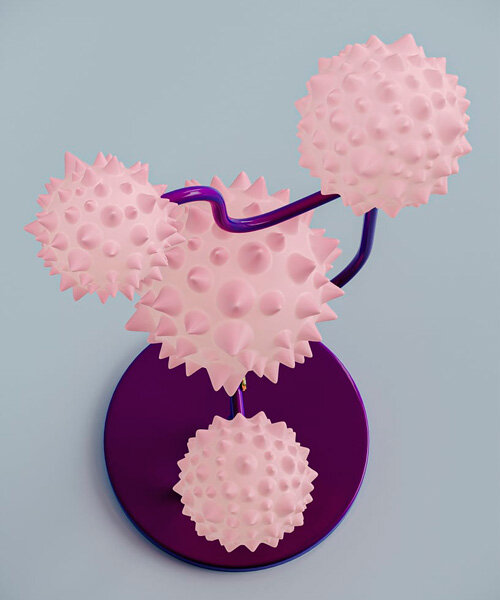
human physiology informs the design of new fantasy luminaire by taras yoom
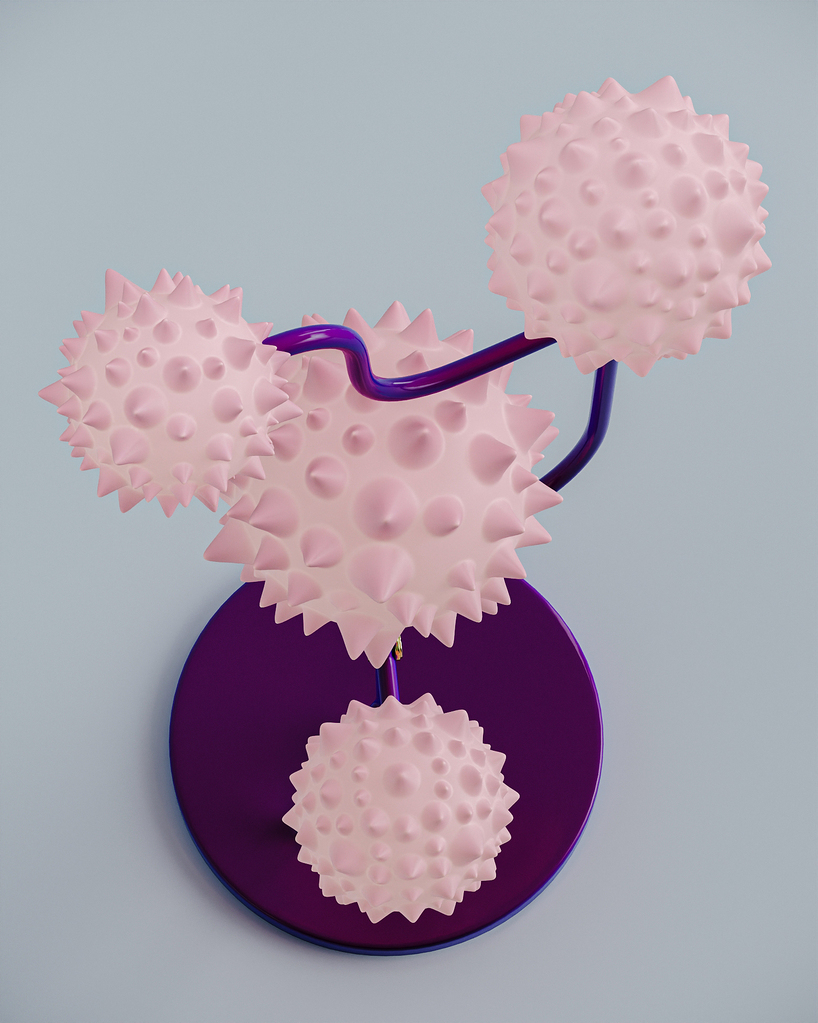
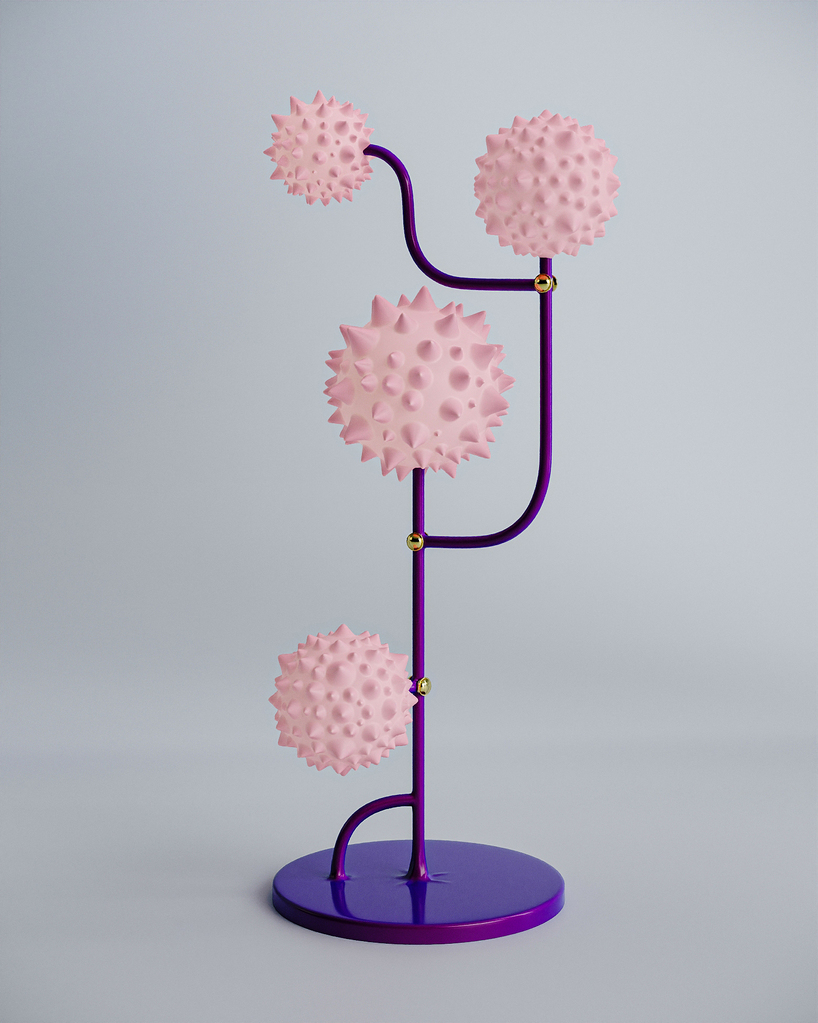
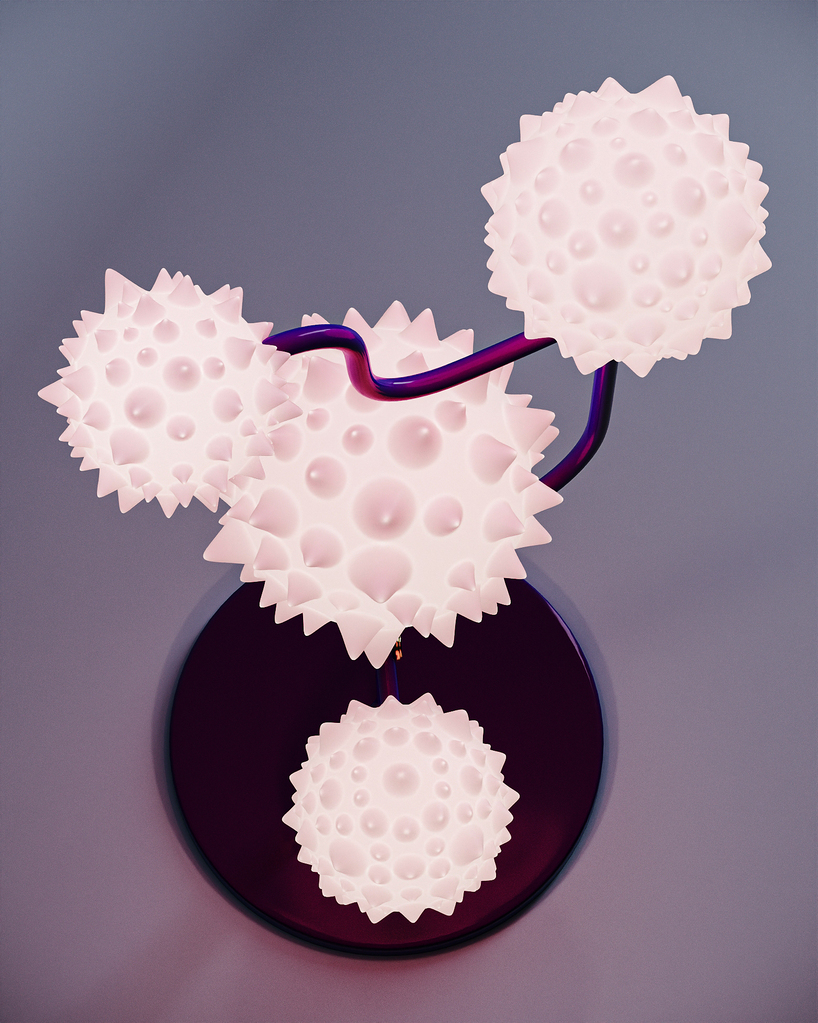
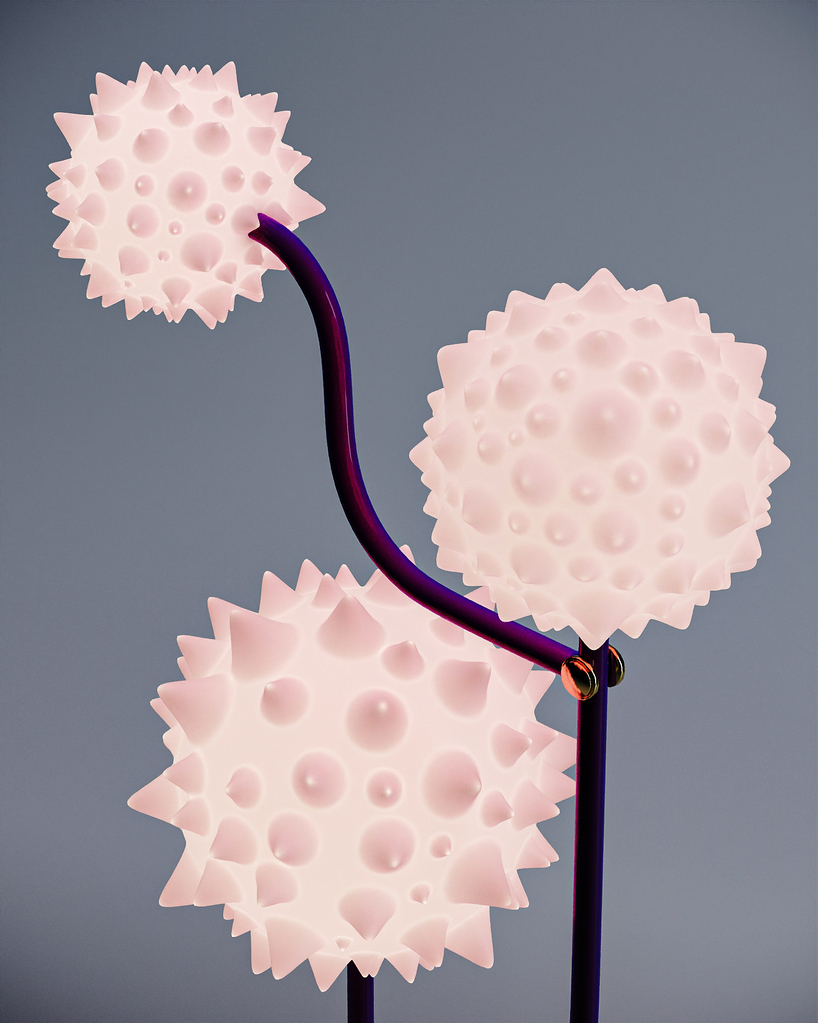
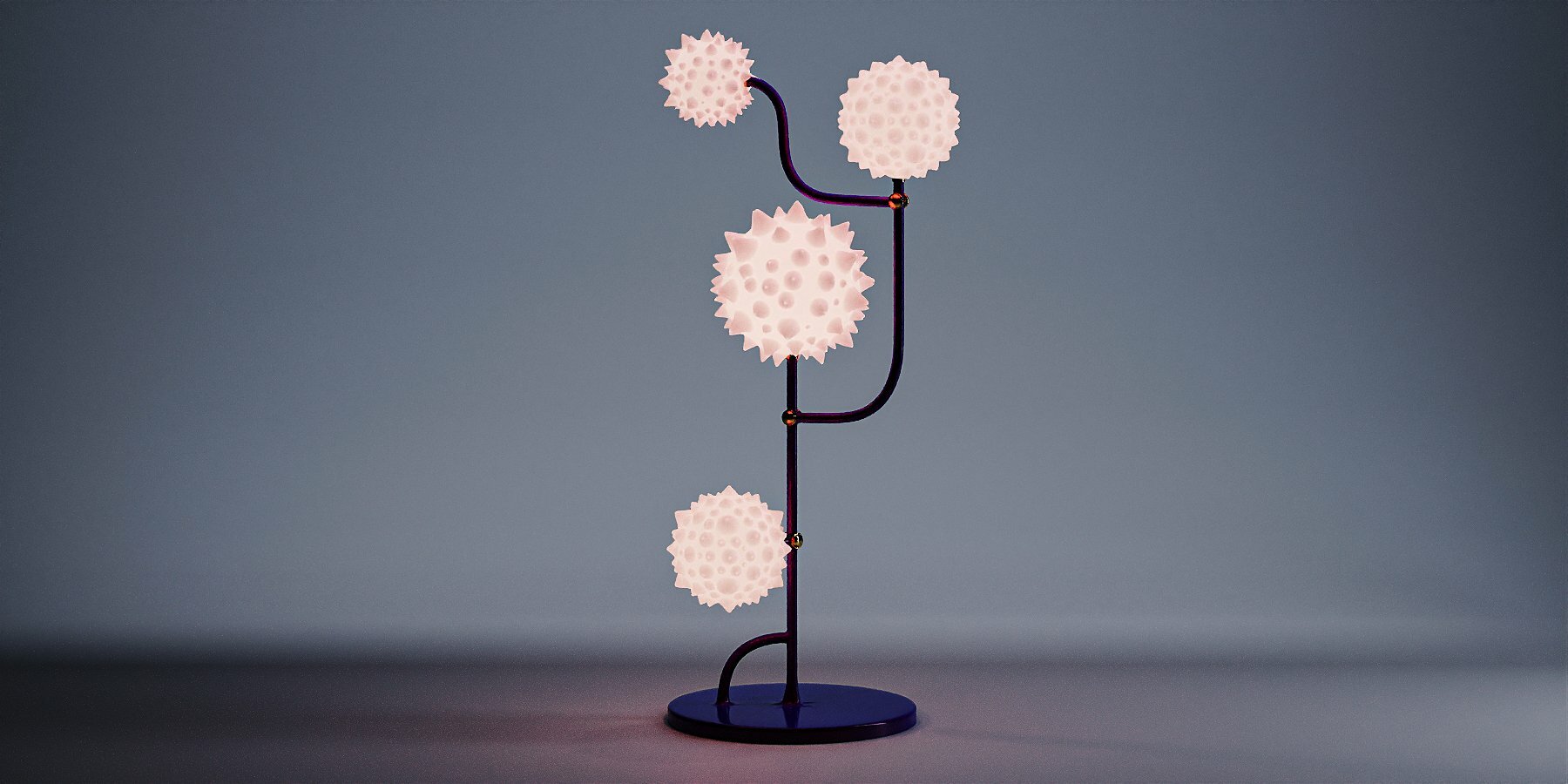
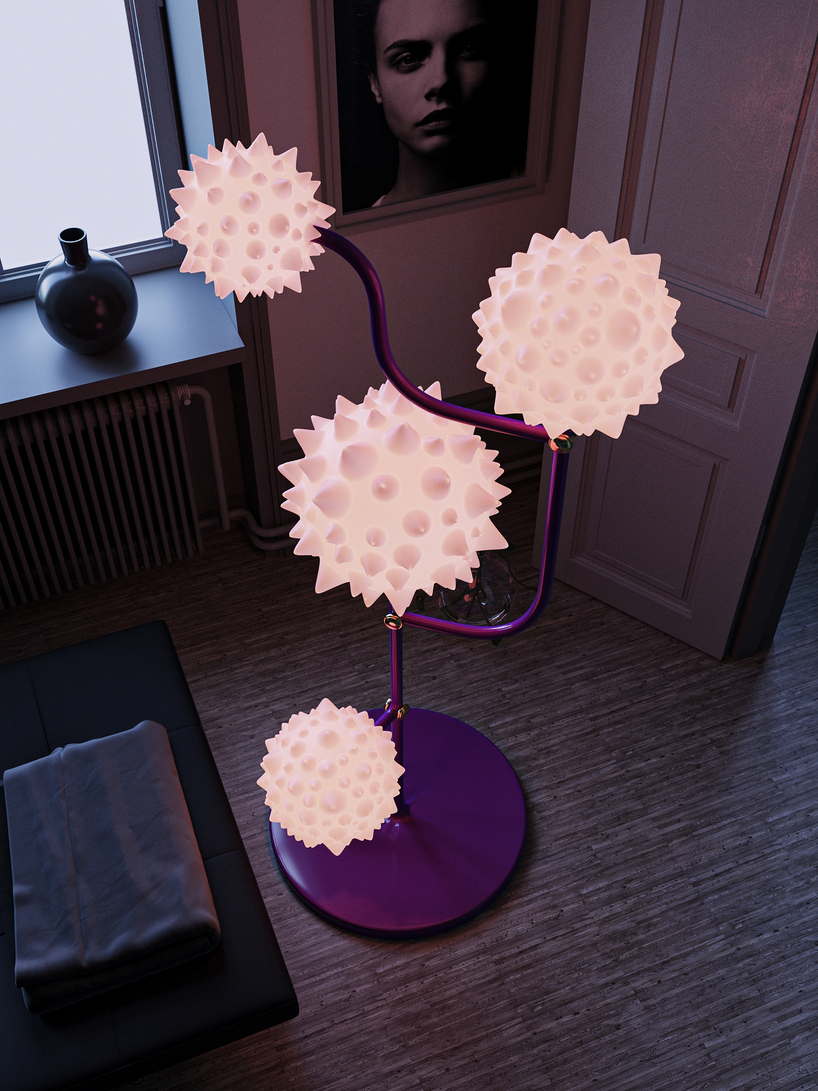
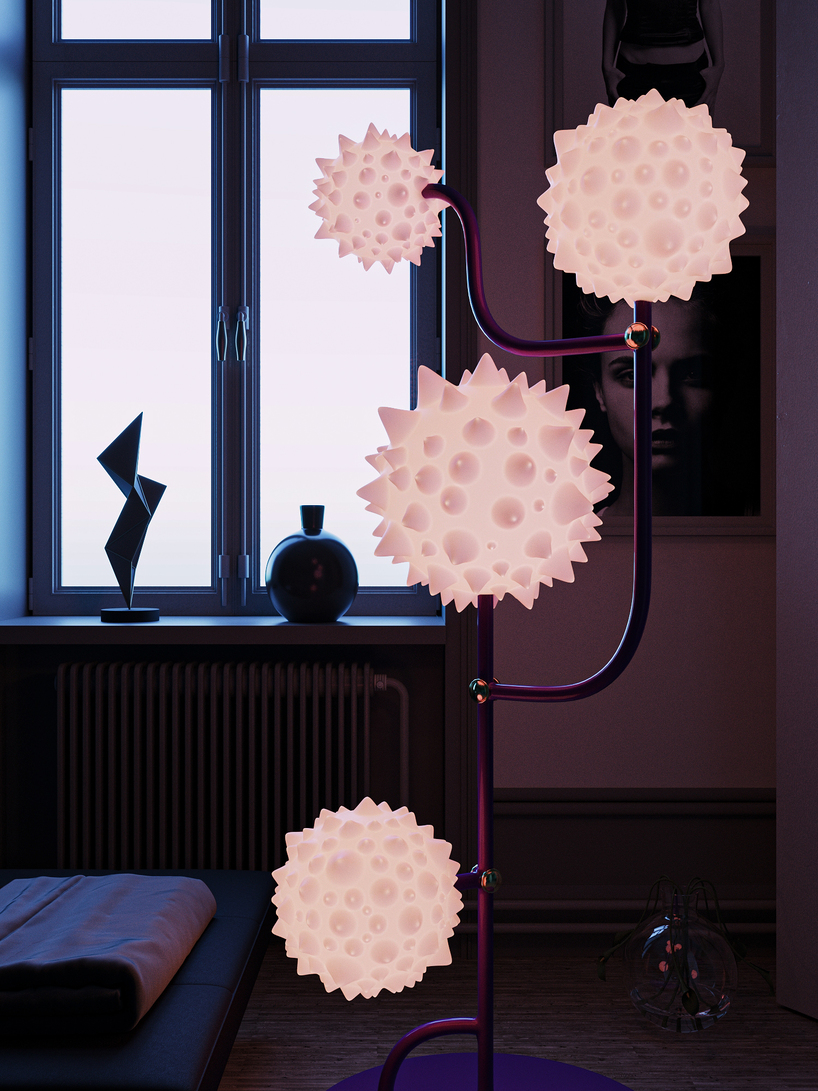
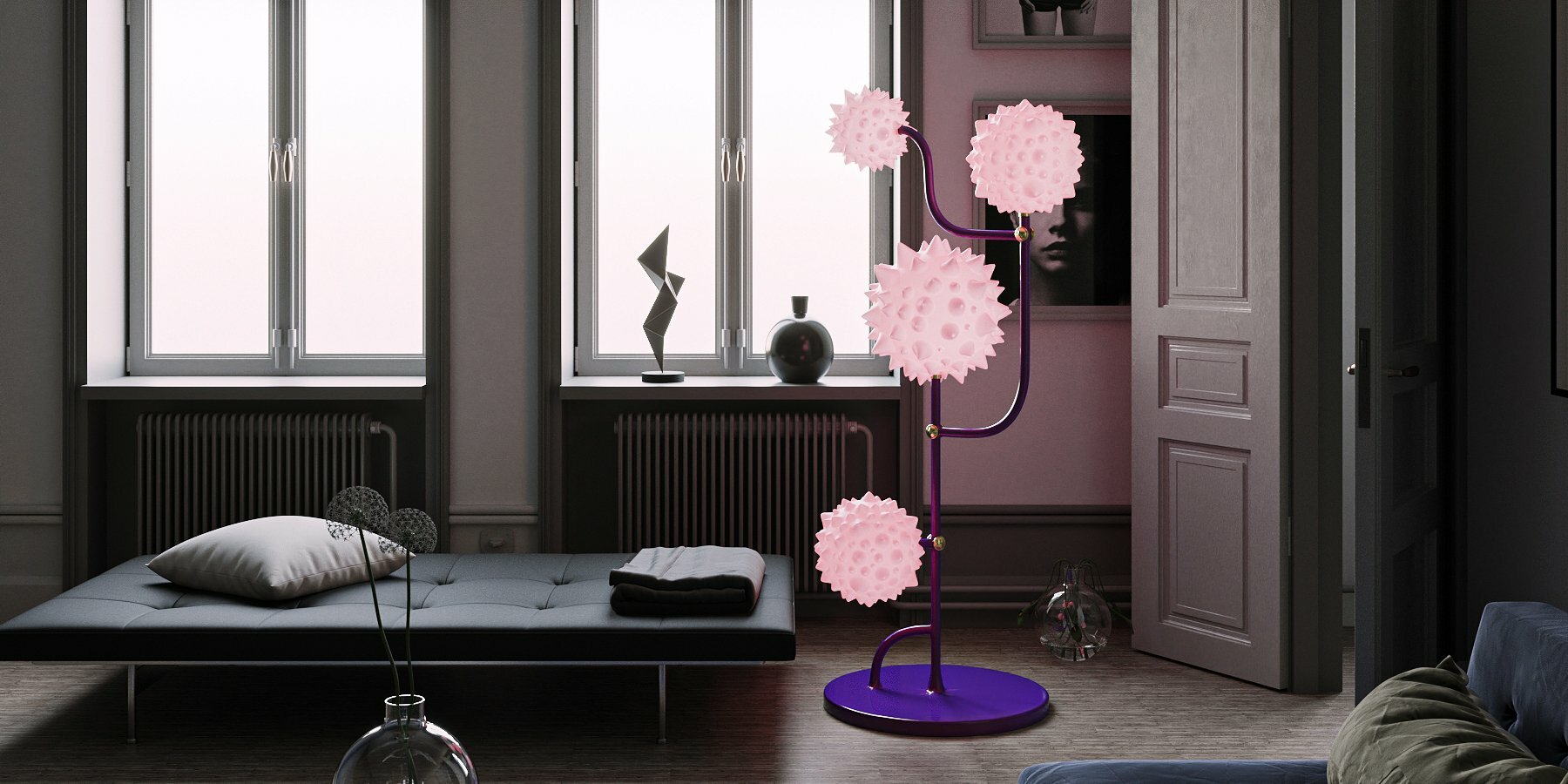
the spherical shapes of the new lamp resemble blood cells, and the tubes leading to them, the vascular system through which they move.
prefer designboom on google[FEATURED]
Dif Lamp by Taras Yoom resembles living organisms
Bangkok-based designer Taras Yoom, originally a medical professional, fuses human physiology with design in his new lighting piece, the Dif Lamp. The project blurs the lines between the unseen and the seen natural processes of organisms. Intertwining human physiology into his art, the designer forms objects that resonate with subconsciously familiar functions displaying organic symmetry. Underpinning his Yoomoota art universe’s new legend, ‘the Dif Lamp is made from terrestrial cells sent to our planet by the hero Thymus in order to protect it from infectious agents, Viroids and Bagds. The light pink cells are kept in Thymus’s backpack in the form of living and non-living objects, whose appearance scares enemies away’. Acrylic, glass, and metal compose the organic forms of the Dif Lamp, adorned in soft hues of light pink, purple, and gold.
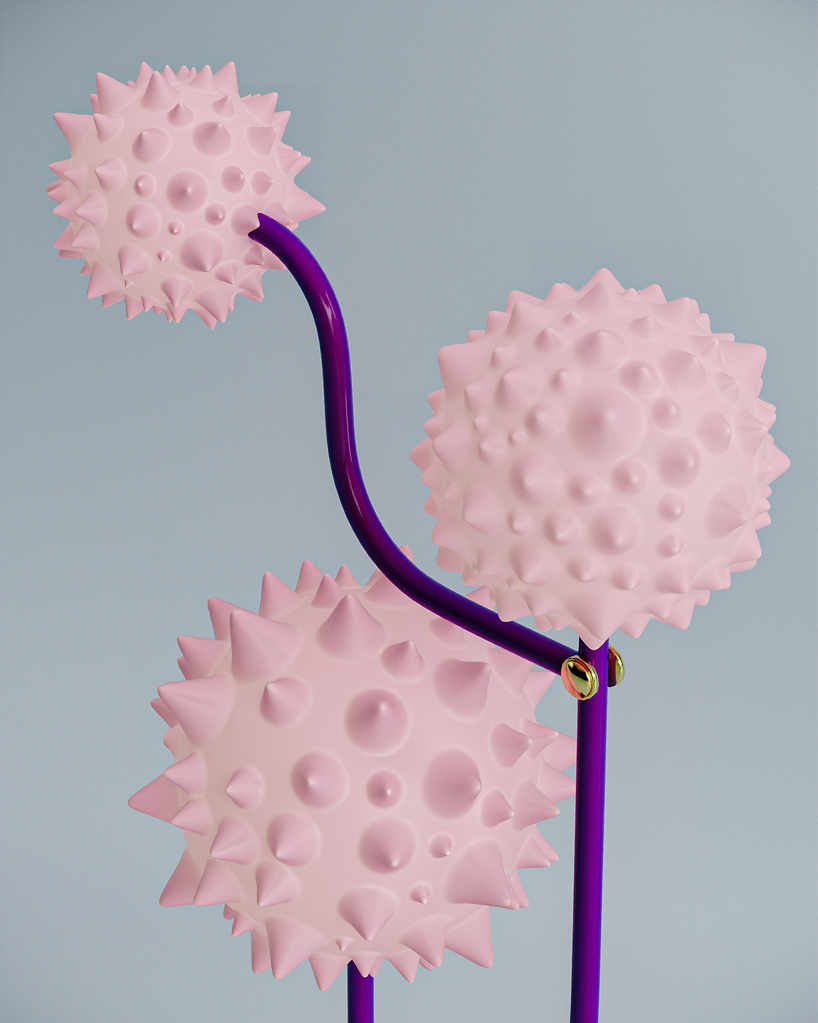
Dif Lamp symbolically serves as a physical protector
Analogously on Orginion, the planet of our body, where biochemical and physiological processes are described, similar luminaires serve as protective charms. These luminaires alight when infections attack the cities during dark nights, safeguarding against these invisible threats. Yoom shares, ‘Each object, whether a sculpture or interior design item, transcends mere illustration; it encapsulates human inherent processes, an allegory of significance’. The Dif Lamp, symbolically serves as significant guide and support, illuminating the nocturnal abyss, and extends physical protection, banishing the irrational fears that unite humanity, explains Taras Yoom.
project info:
name: Dif Lamp
designer: Taras Yoom | @yoomoota
color: light pink, purple, gold
materials: acrylic, glass, metal
height: 60 cm
designboom has received this project from our DIY submissions feature, where we welcome our readers to submit their own work for publication. see more project submissions from our readers here.