future-proof design relies on a chain of sustainable decisions
the iF design award 2026 highlights how intentional design decisions drive circular systems, material innovation, and resilient communities.
prefer designboom on google[FEATURED]
iF DESIGN EMBEDS SUSTAINABILITY INTO GLOBAL DESIGN STANDARDS
The term sustainable design has too often been reduced to a marketing label, diluted by superficial claims of recycled content or carbon offsets that mask short product lifespans. But true sustainability cannot be stamped onto a surface, it is woven into the entire process. A design is genuinely sustainable only when its creators can offer clear, responsible answers to fundamental questions across its entire lifecycle: Does this product solve a genuine problem, or does its quick path to replacement expose a design failure? Are materials selected for enduring quality and minimal extraction impact, or only to satisfy eco-branding trends? What is the object’s path after its primary function ends? Can it be repaired, remanufactured, or cleanly returned to the natural cycle? Addressing these questions requires designers to combine creative vision with rigorous, long-term strategic foresight.
This holistic approach is precisely what the iF DESIGN Award prioritizes during evaluation. Across 93 categories, environmental impact carries equal weight alongside traditional factors like function and style, setting a global benchmark. See how winning projects from the iF Design Award 2026 demonstrate how designers resolve fundamental challenges by identifying true functional needs, selecting responsible materials, and planning for post-use recycling.
INTENTIONAL DESIGN FOSTERS REGENERATIVE ECONOMY
Since 1953, the institution’s Design Award has made sustainability central to its judging framework. Covering diverse categories, environmental and social impact stands as one of five fundamental criteria evaluated by the jury. This system highlights how intentional design decisions, from micro-level material selections to macro-level architectural strategies, actively foster a circular economy and lasting environmental care.
CIRCULAR SYSTEMS, MATERIAL INNOVATION AND RESILIENT COMMUNITIES
While materials determine how a product looks, feels, and performs, they also define its environmental impact, from raw extraction and labor practices to transport, energy use, and eventual disassembly. Because industrially produced products and packaging compound their environmental impact through volume, the iF Design Award emphasizes that sustainable design must move beyond high-minded ideals to deliver intuitive, everyday utility.
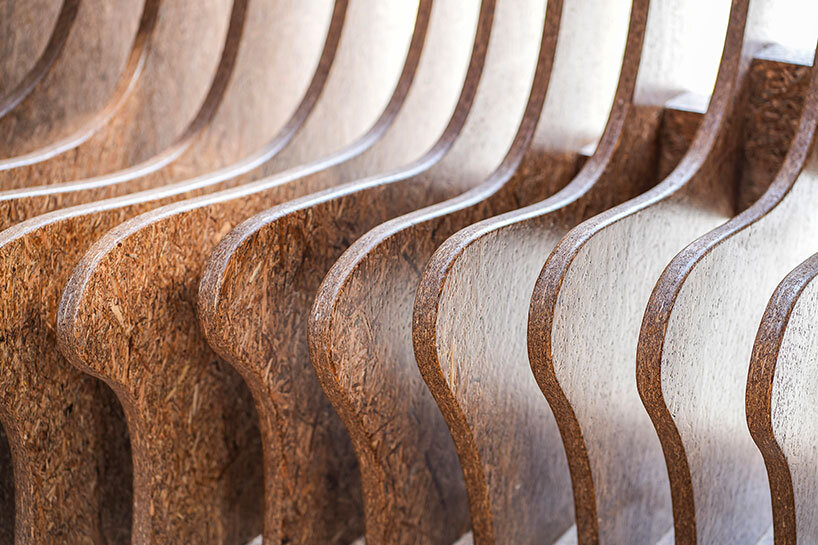
Illustrating this principle, the Taiwan Textile Research Institute developed its Gold Ratio Fibrous Resin Material, a circular thermoplastic composite crafted entirely from recycled carbon fibers and plastics. Engineered for infinite repairability, the material can be reshaped repeatedly, extending product lifespans without sacrificing durability.

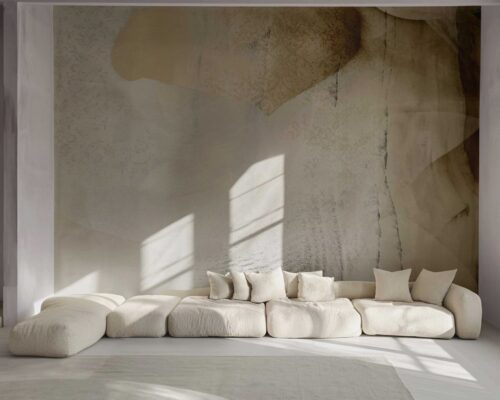
Grounding material innovation in local ecosystems, DesertBoard® PSB® upcycles palm fronds into a formaldehyde-free and termite-resistant building material. Converting a regional waste stream into a durable, deforestation-free resource, it establishes a circular baseline for healthier construction.
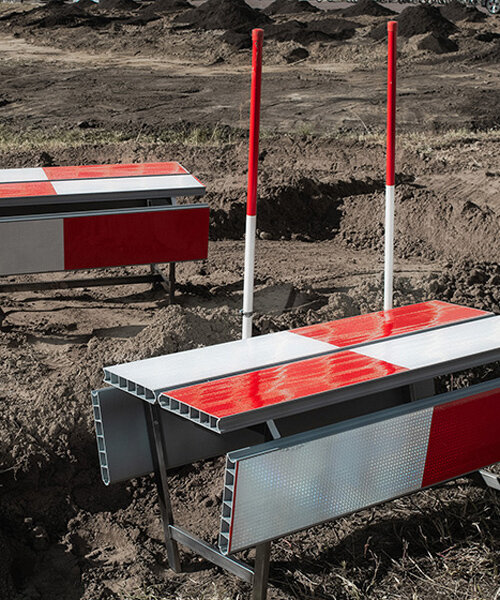
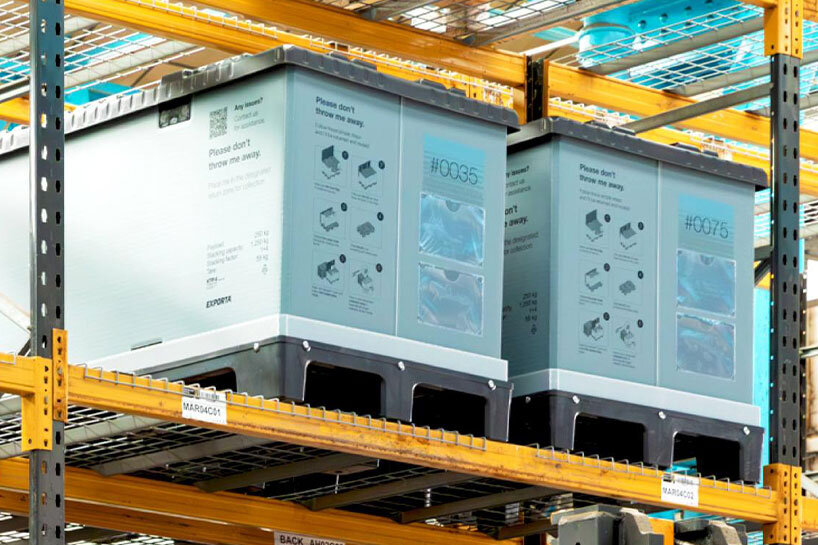
As winning projects from the iF Design Award demonstrate, circular design works at a systems level, managing what happens to materials before and after a product is used. In the UK, Geopak replaces throwaway lighting boxes with reusable, trackable containers designed for specific building sites.
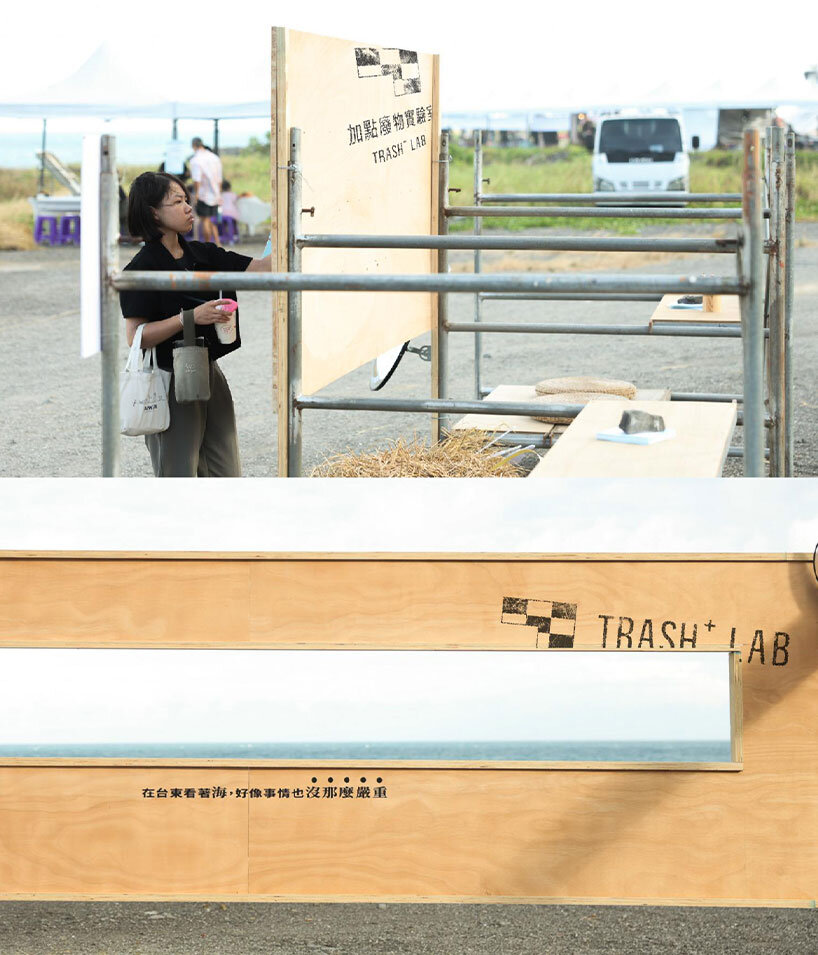
Beyond individual products, circular design operates as a broader system for managing material lifecycles. In Taiwan, TRASH+ LAB collects leftover event materials in Taitung to create an online rental system for designers.
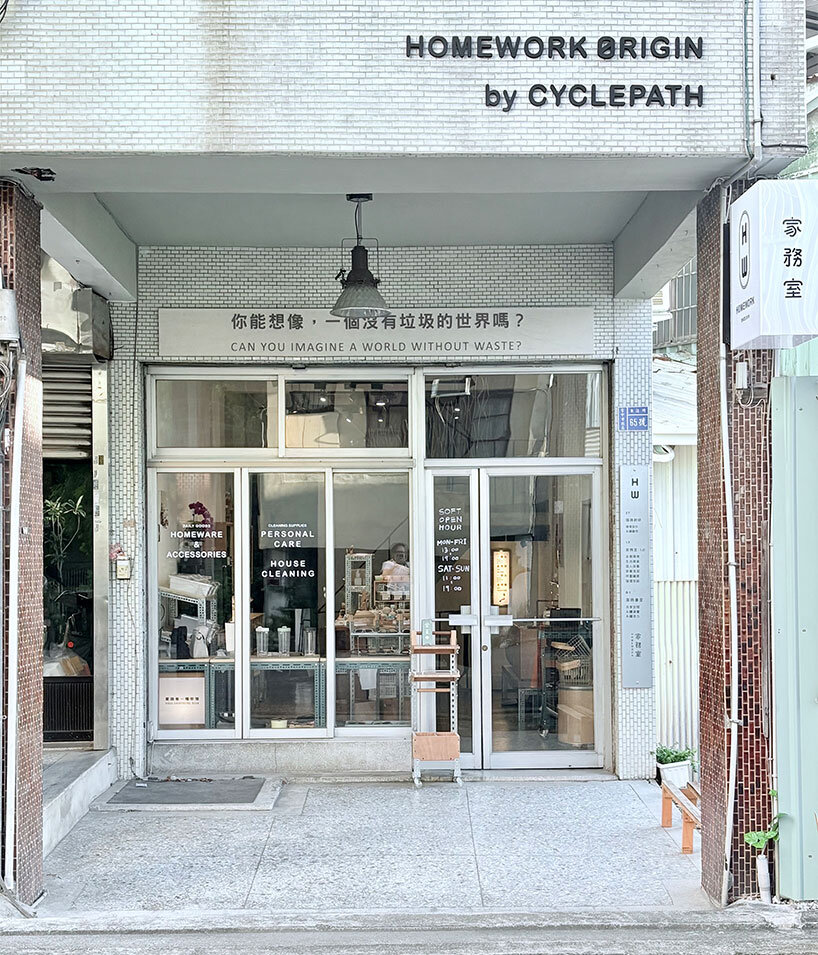
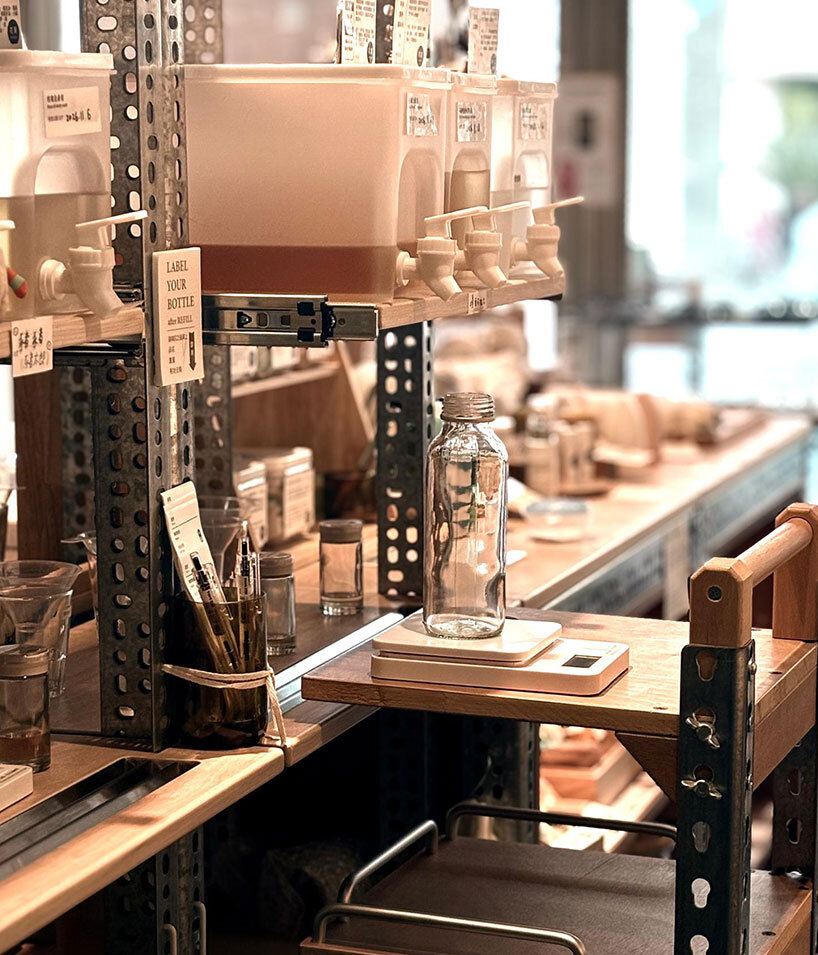
Nearby in Taichung, CyclePath Lab’s HomeWork Circular Living Project integrates zero-waste retail, material transparency, workshops, consulting, and local pilot projects under one roof. This hybrid retail and community network renders circularity accessible, actionable, and collectively practiced.
When applied to technology and infrastructure, these circular decisions transform broader urban and rural grids. PHL Reduction in Kenya deploys solar-powered cold rooms across supply chains to reduce agricultural loss and stabilize farmer incomes, while Portugal’s Galp Energy retrofits existing municipal streetlights with electric vehicle chargers to expand EV infrastructure without adding to the urban footprint.

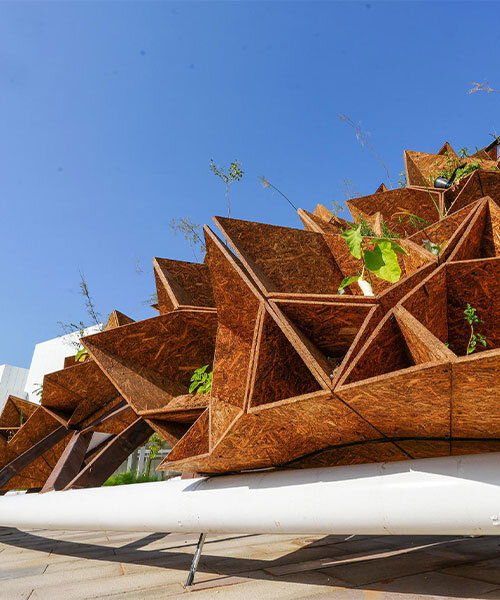
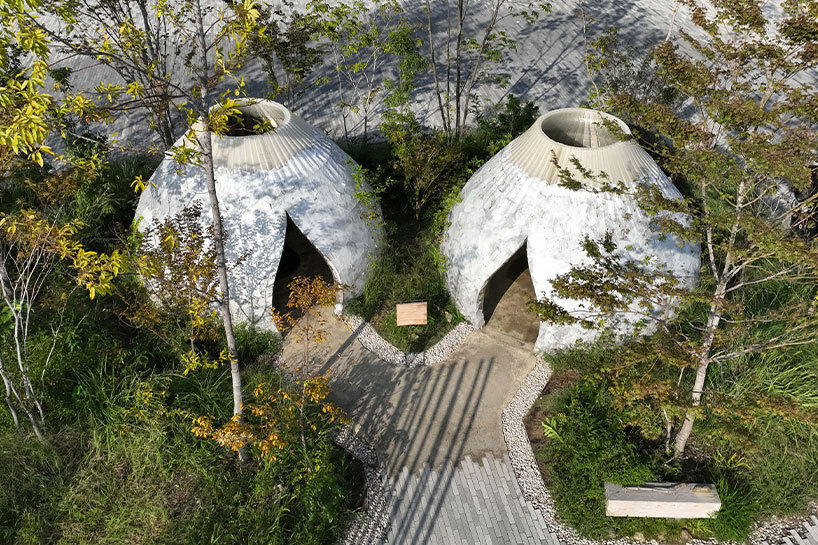
At an architectural scale, design sets long-term physical conditions for land use and coastal resilience. Takenaka Corporation scaled circular material principles into temporary architecture for Expo 2025 Osaka-Kansai, utilizing 3D-printed biodegradable wood and handmade seed paper designed to return cleanly to nature post-event.
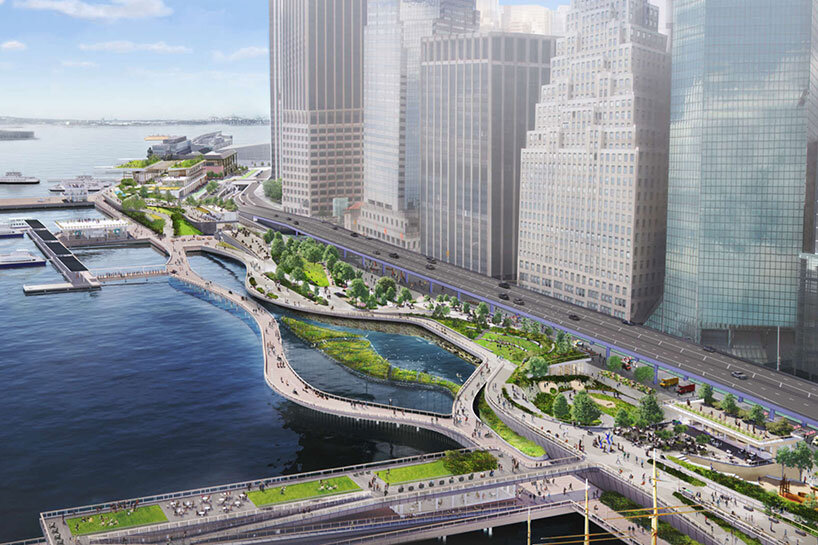
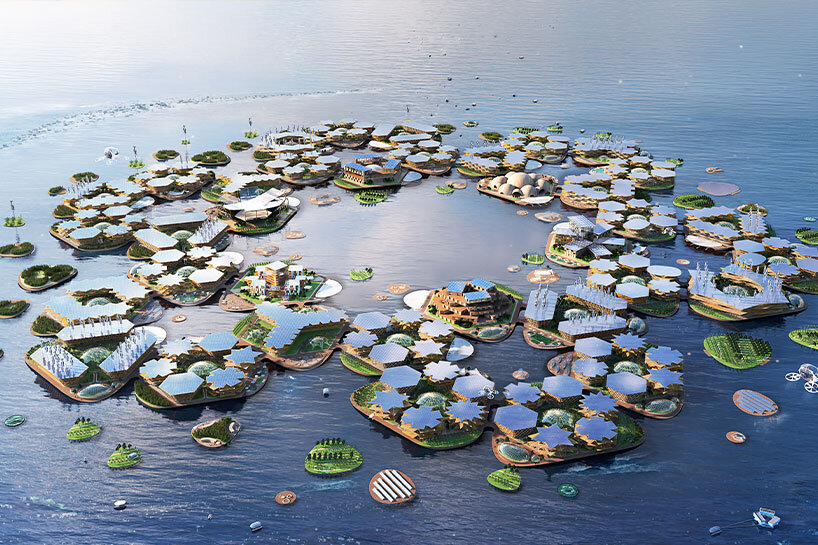
Demonstrating this large scale urban strategy in New York, the Financial District and Seaport Climate Resilience Master Plan for Lower Manhattan, engineered by ONE Architecture, SCAPE, NYC EDC, and Arcadis, integrates flood protection, waterfront design, and traffic systems along one mile of vulnerable shoreline. The plan connects resilience with urban planning, balancing storm protection with future public space. In South Korea, BIG and SAMOO developed OCEANIX Busan, a floating urban prototype powered by solar energy, circular water systems, and local food production. Meanwhile, Row House Zurich in Switzerland demonstrates circularity by renovating an 1890 structural frame rather than tearing it down.
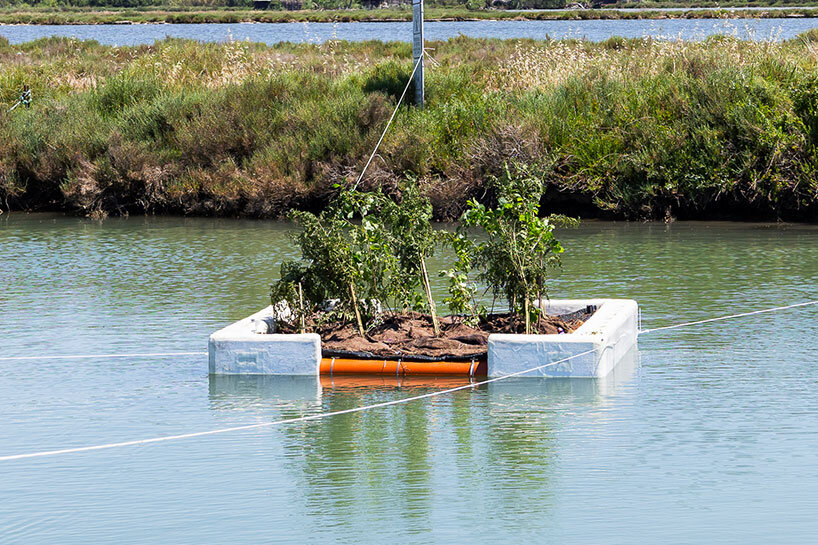
Design reaches its fullest purpose when it empowers communities and protects the future. The iF Design Student Award shines a light on forward-thinking concepts, like LiliPur’s water-regenerating lagoon systems in Italy and TextileRefuge’s Limetex bricks in Ghana, which turn discarded clothing into building materials and jobs. Concurrently, the iF Social Impact Prize recognizes tangible community solutions: Malaysia’s EPIC Bamboo Home and MaxLife’s three-dollar pump part, which keeps clean water flowing for 15 million people in Malawi by making pumps last six times longer.
project info:
award: iF Design Award 2026 | @ifdesign
featured projects: Gold Ratio Fibrous Resin Material by Taiwan Textile Research Institute; Geopark by PDR ; TRASH + LAB by Return Mountain Design; HomeWork Circular Living Project by CyclePath Lab Co., Ltd; Financial District and Seaport Climate Resilience Master Plan in the United States by ONE Architecture, SCAPE, NYC EDC, and Arcadis; OCEANIX Busan by BIG and SAMOO; Row House Zurich by RAUMTAKT; Palm Strand Board (PSB®) Building Material by DesertBoard®; Foresting Architecture by TAKENAKA CORPORATION; PHL Reduction – Use of Solar Powered coldstores by Sokofresh Agri-innovations East Africa Limited; Galp Energy EV Charger by Galp Energy; Lilipur – Living Water Infrastructure by Riccardo Zambelli Hosmer, Matteo Bernasconi, Camilla Piantanida and Dafne Argondizza; TextileRefuge by Giacomo Frova, Carola Castiglione, Mattia Macciachini and Mattia Cappiello; EPIC Bamboo Home by Epic Society; MaxLife by Design Outreach
shop
your own online design shop — no sales commission collected