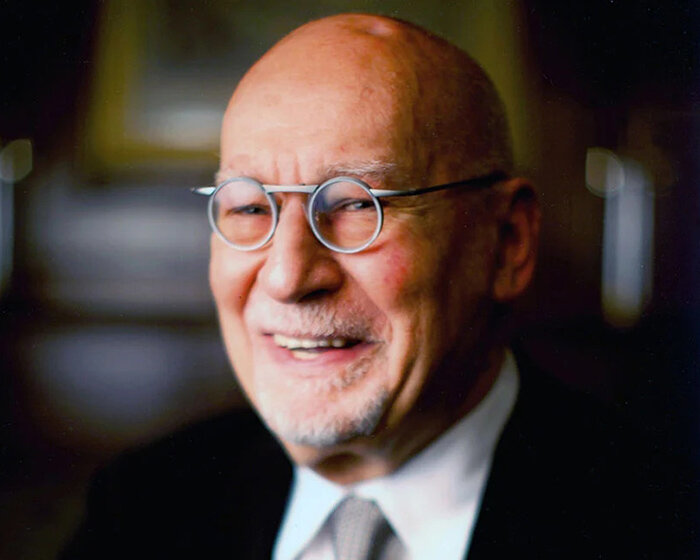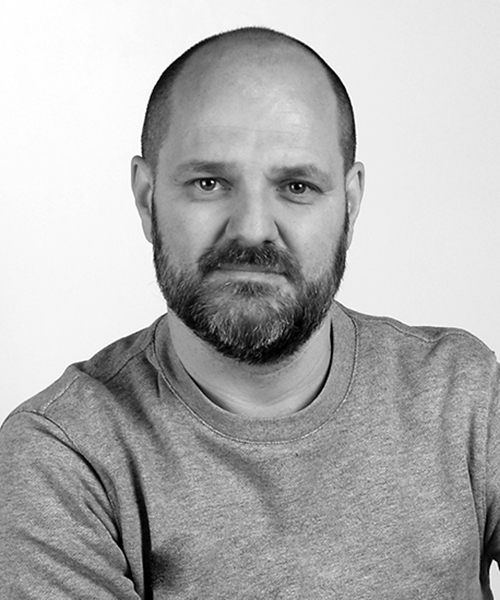
interview with frederic vanhorenbeke of coast
we spoke with the creative director about his reasons for becoming a graphic designer, specialization vs generalization in the field, and the biggest single influence on his way of thinking.
prefer designboom on google[FEATURED]
interview with frederic vanhorenbeke of coast
all images courtesy of coast
founded in 1999, coast is a global agency with a network of creatives working on different levels of brand consultancy for both local and international brands and institutions. located in brussels, belgium, the multi-disciplinary studio maintains a creative team of directors, graphic designers, animators, sound designers, illustrators and programmers collaborating on our projects across the interests of fashion, culture, consumer goods, retail and finance.
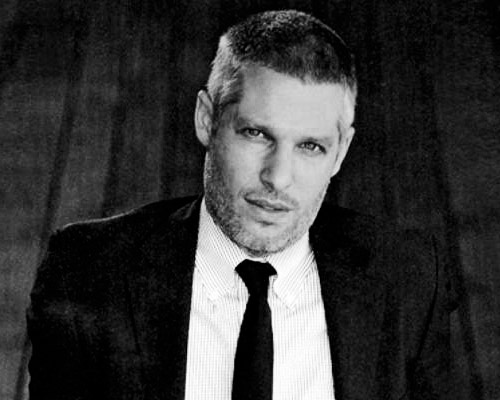
we spoke with coast creative director frederic vanhorenbeke about his reasons for becoming a graphic designer, specialization vs generalization in the field, and the biggest single influence on his way of thinking.
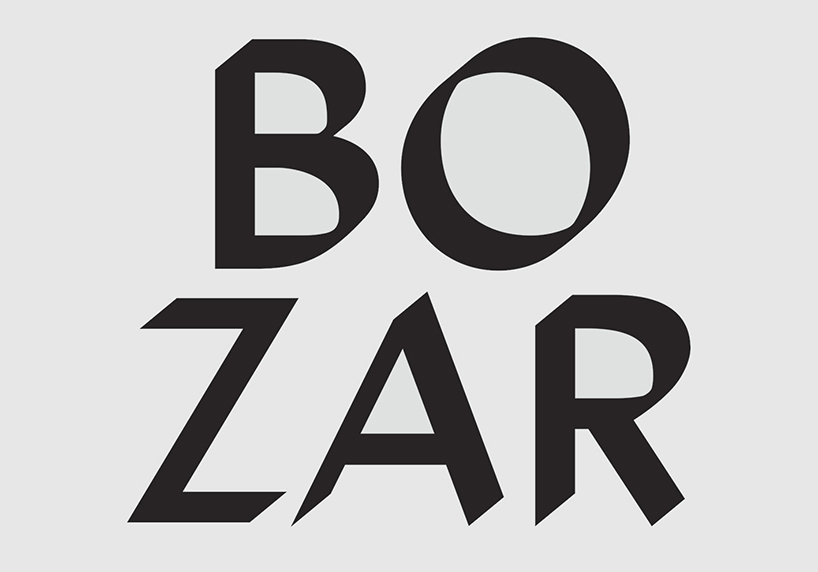
coast was asked to rebrand bozar, the beaux-arts center for fine arts in brussels
designboom: what originally made you want to become a graphic designer?
frederic vanhorenbeke: without going too much in detail, I would say doing and creating visual things was always my type: from creating cartoons and drawing a lot when I was a kid to become what I am today is just the same journey. the difference now is that I create for others, with the same passion to build a consistent result.
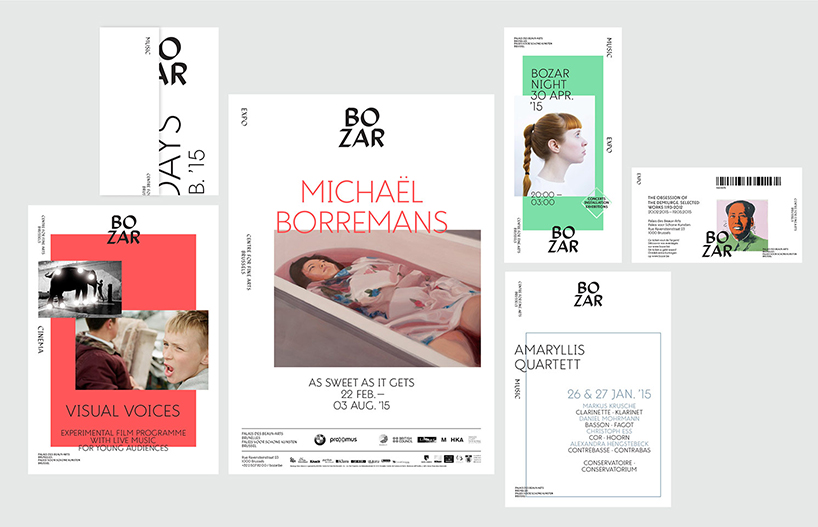
the custom logotype translating art forms from a new perspective
DB: how would you describe your approach to design?
FV: I do not approach design as an end in itself but as a tool for progression. each piece of design we produce has a meaning to serve a global and more essential goal. we like crafted things and are deeply passionate by quality results. design should affect people as much as art does. this is why we first think about meaning.
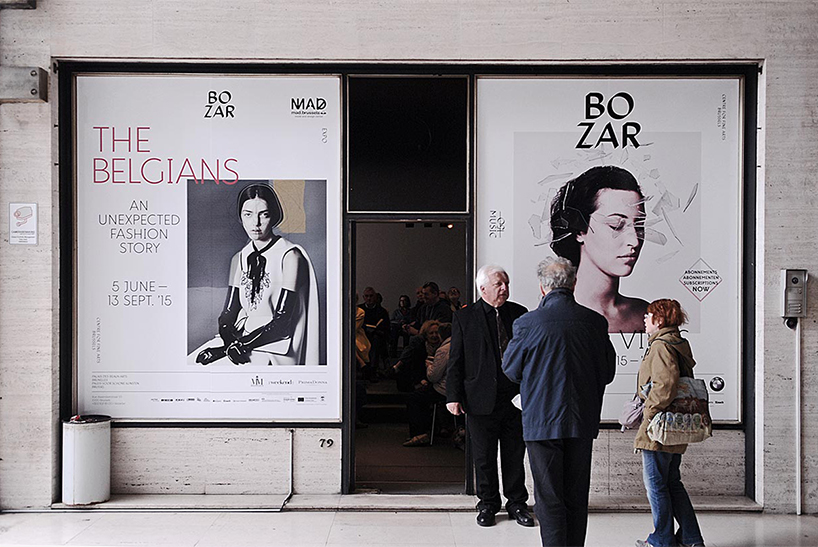
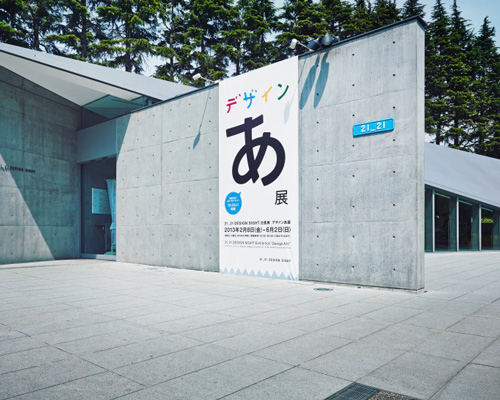
exhibition campaigns implemented on the exterior of the site
DB: who or what has been the biggest single influence on your way of thinking?
FV: I cherish the conversations and talks that pushes the boundaries of knowledge on a more essential level. I do not have one single biggest influence but a mix of influences. today, designers have the duty to deliver their piece of design by understanding the global image: clients understanding, social point of view, financial forecast, risk evaluation, political situation. design is not an end in itself, but the sum of all of today’s micro-statements that we need to understand. I like words. a word like ‘holistic’ in terms of design process and delivery has a big impact on me, and in some ways recently challenged my view on graphic design. our duty is to turn ‘conceptual thinking’ into ‘visual meaning’, that is where the challenge lies, between these two worlds.
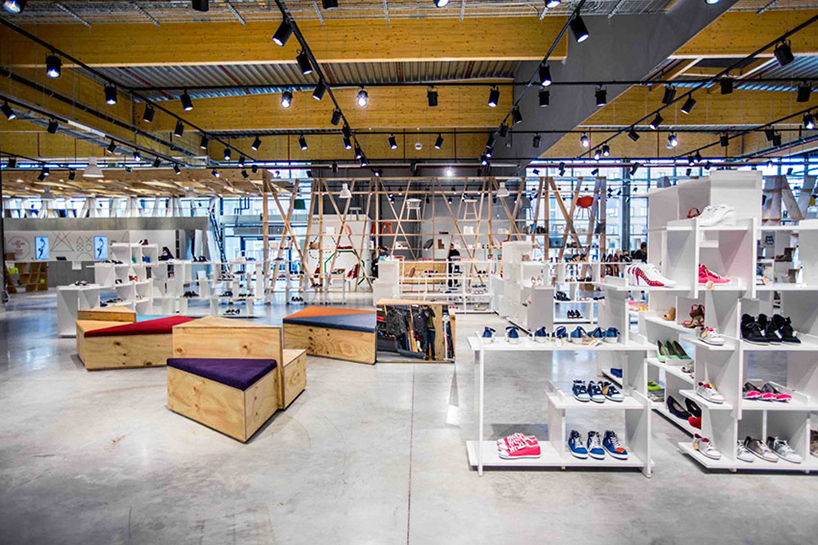
upside is a unique belgian concept store — a 4,500 sqm site where people can shop, eat, drink, and relax
DB: what would you say is your strongest skill and how have you honed that skill over the years?
FV: I would say the ability to understand all kinds brand problems and turn them into (visual) solutions. the other one would be to have a talented team.
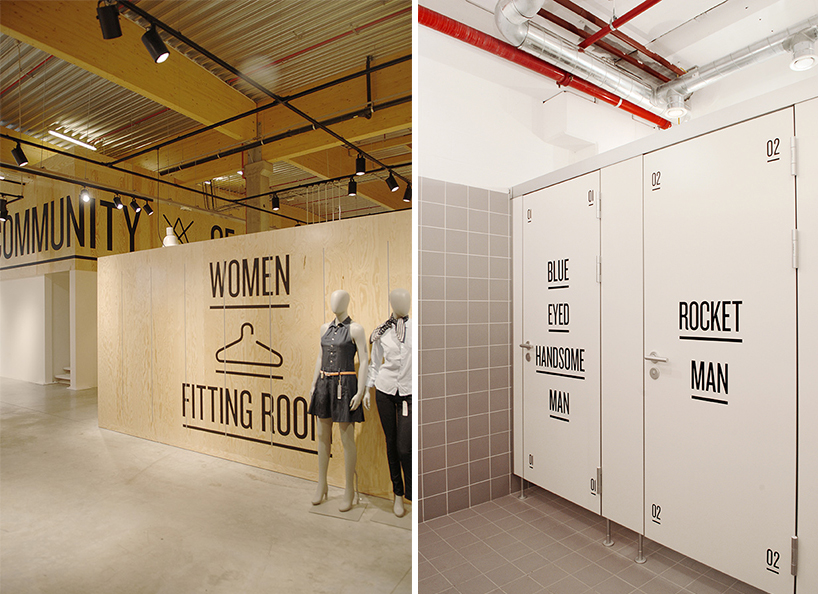
coast has developed all branding aspects of upside
DB: what type of brief or project do you enjoy working on the most and why?
FV: I enjoy the big ride of the global branding strategy projects. this kind of project (for any kind of company) pushes us to think on a very large scale. I am currently working on a global strategic overhaul for an international fashion brand, and the task is huge: from strategic thinking to detailed graphic design, the project is more than just design.
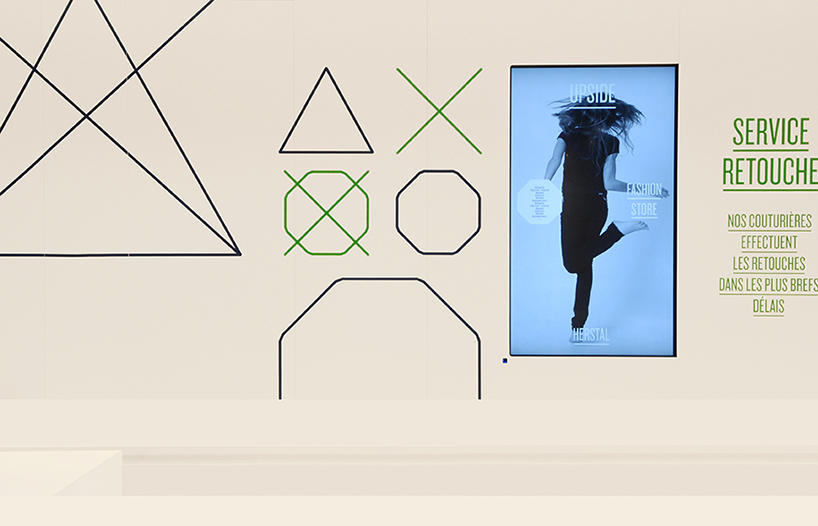
the cashier booth follows the brand’s strong identity system
DB: what are your thoughts on specialization vs generalization?
FV: I do believe that this should be changed in specialization x generalization. we should, as designers know how to tackle it all. general specialization, does that exist?
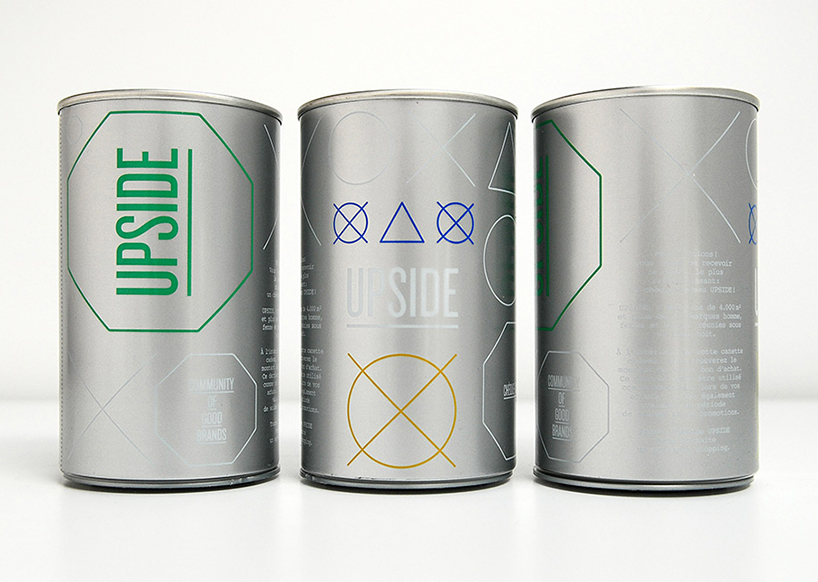
gift boxes include the brand’s signature symbols
DB: how do you think online design resources have influenced the graphic design being produced today?
FV: online is turning our world upside down, which is a good and bad thing. for the good part: we have a global resource online with a lot of case studies, reachable to anyone at anytime. it is the biggest library of styles and meaning so the downturn would be that everything seems to be copied, influenced or manipulated. prior to the web, designers had to go out to be influenced, go to libraries, buy the pieces of their favorite designers (remembering the time we spend in the record stores — not only for the music but also to touch the pieces of design by mark farrow, peter saville). design was not virtual, but tactile. we are loosing this by producing work that will only be reachable with the eyes. on the other hand we are entering a new era, which will see the fusion of the ‘virtual’ world and the ‘real’ world. graphic designers will have to turn their 2D minds into 3D minds, and understand the potentiality of manipulated content.
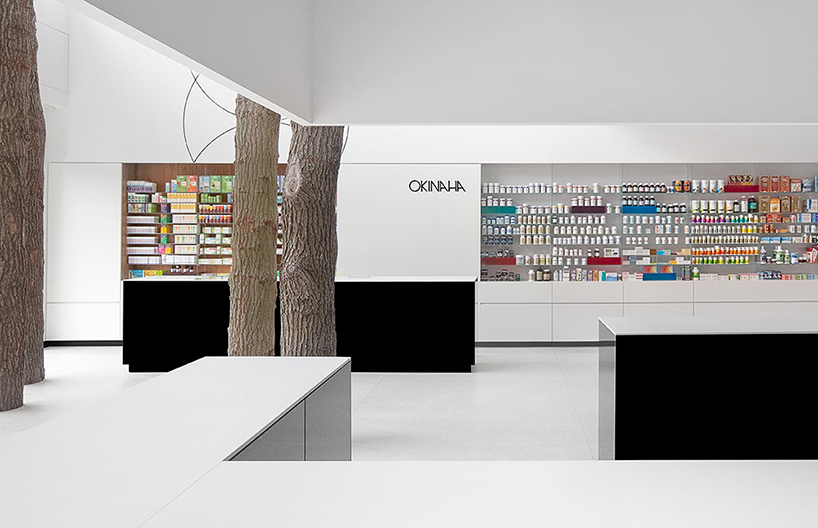
coast designed the brand okinaha, the first anti-aging concept store and brand in europe
DB: what are you currently fascinated by and how is it feeding into your work?
FV: I recently visited the exhibition of matthias bitzer at almine reich gallery. boy, what a show!
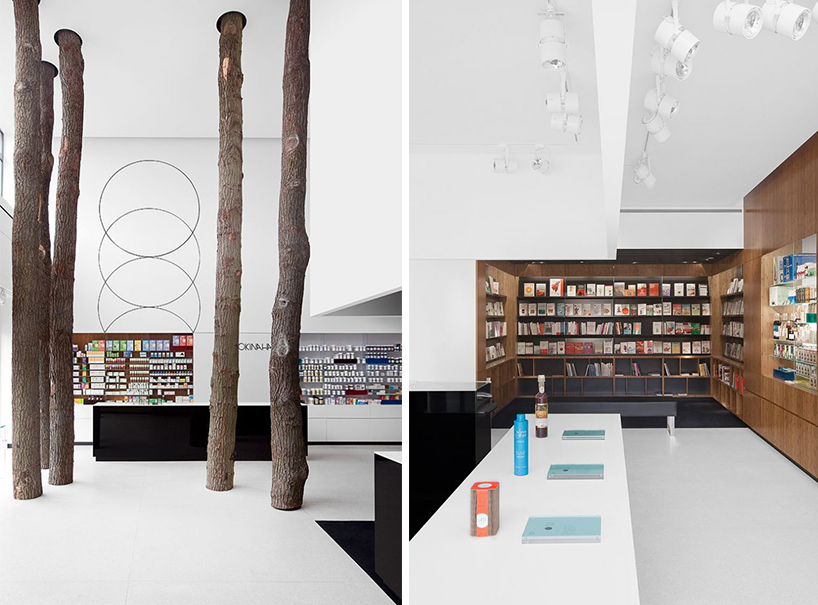
the concept is based on the vision of longevity and purity, with a strong japanese influence
DB: what are you passionate about besides your work?
FV: my wife. my girls. my new modernist house. football. art. a good meal. a nice bike. my toes in the sand. a swim. traveling, just normal things.
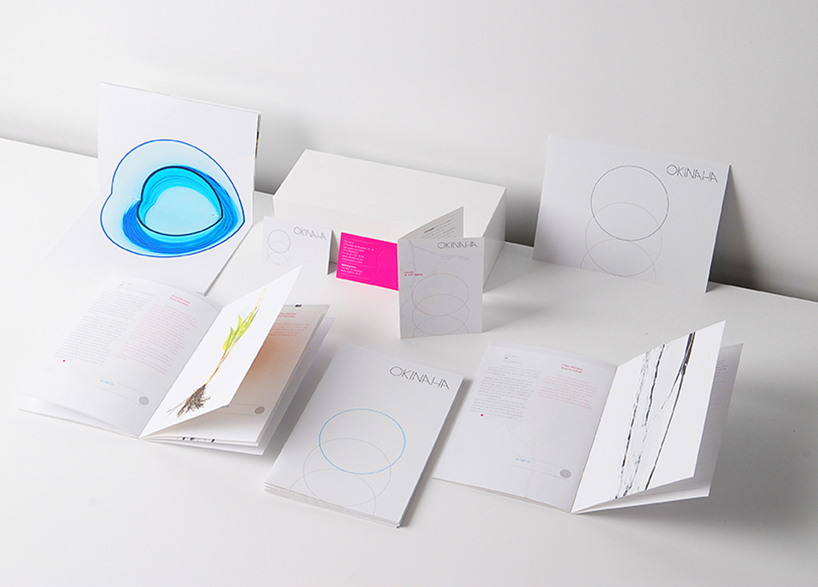
the whole project includes the creation of all brand elements such as the ‘rising sun’ logotype
DB: do you have any superstitious beliefs or rules that you live by?
FV: no rules and no superstition.
DB: what’s the best piece of advice you have heard and repeat to others?
FV: never take yourself too seriously.
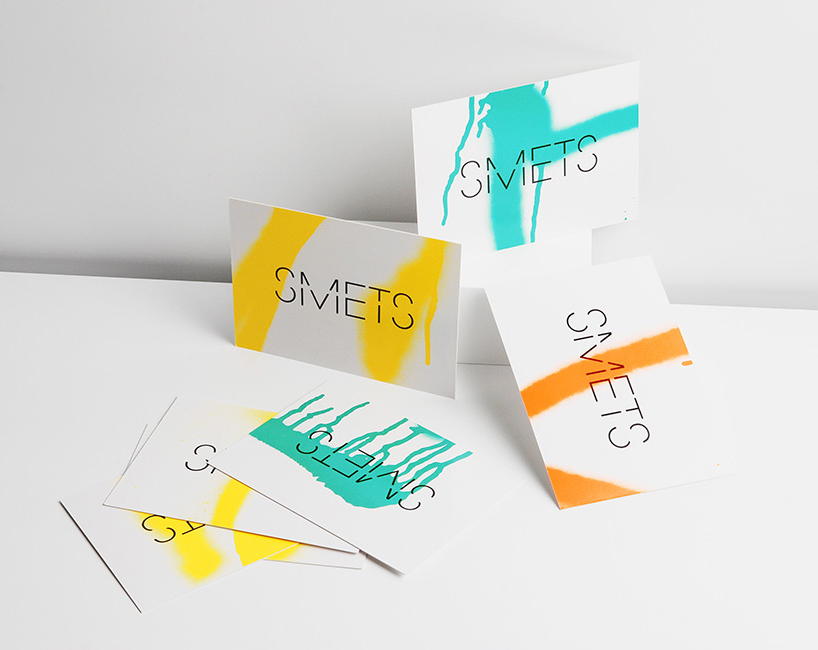
the branding of smets, a luxury concept store including fashion, design, beauty, a restaurant and bar
DB: what’s your personal motto?
FV: ‘be yourself, everyone is already taken’. it is by oscar wilde but I feel this sums me up in a good way.
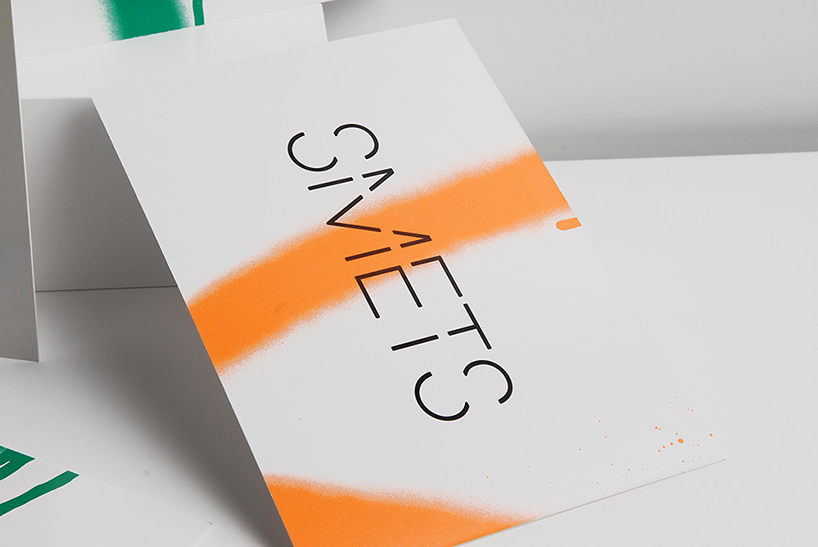
bright and colorful paints categorize the communication system and strategic approach
shop
your own online design shop — no sales commission collected