art exhibition explores communication design through the lens of the iconic japanese bento box
for centuries the custom of using lunch boxes such as these helped to maintain relationships between communities by containing food in which to share with one another.
[FEATURED]
the tokyo metropolitan art museum is examining how humans interact with one another through the lens of the most japanese of meals: the bento. before it became a highlight on the menus of fast food chains like wasabi, the bento played a major role in japanese people’s lives. for centuries the custom of using lunch boxes such as these helped to maintain relationships between communities by containing food in which to share with one another.
featuring eight artists, photographs detailing the social fabric of the bento, a documentary made by middle schoolers, unique examples and more, the interactive exhibition centres around japan’s unique culture from the perspective of communication design.
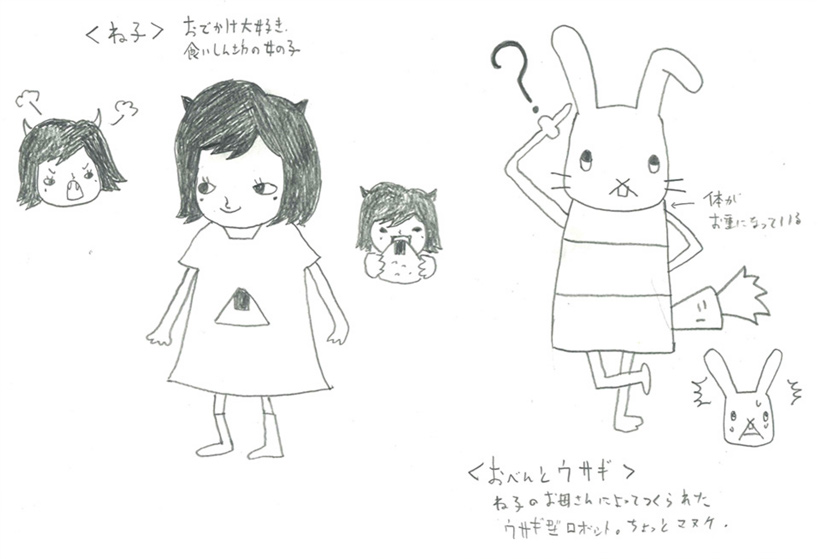
hiraku ogura, drawing of the story
all images courtesy of the tokyo metropolitan art museum
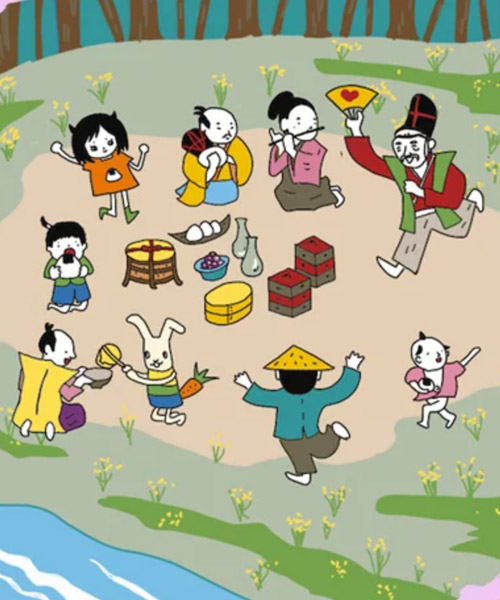
the exhibition starts with an animation by ‘fermentation designer’ hiraku ogura. complete with charming characters, catchy lyrics, and choreography, the animation helps to create an understanding of the culture-packed lunchbox through singing and dancing.
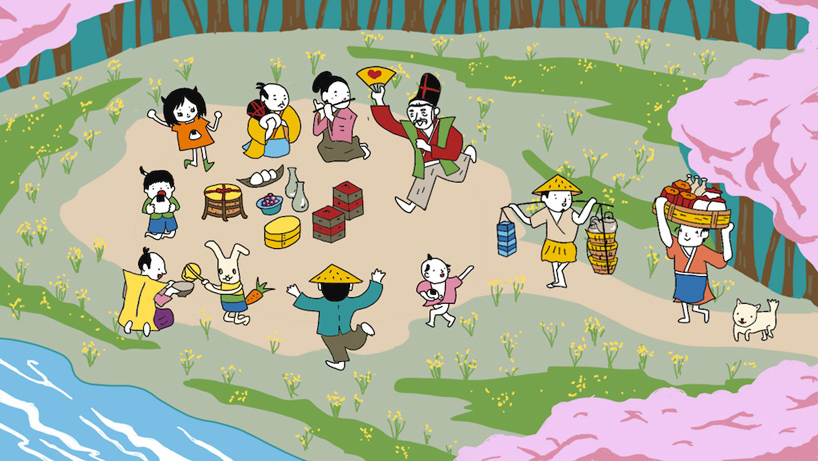
hiraku ogura, bento days, drawing of the story
elsewhere, exhibits focus on the day-to-day communication born out of the ritual of making and eating. one such exhibit japanese chef ayumi ooshio’s project in which readers sent in requests for bentos they wanted to make for someone special; ooshio then devised a recipe, made and delivered it it to the reader. the process was captured in a series of photography by taro hirano. another collection of photographs by satoru abe — titled ‘hiruke – lunch time’ — capture people quietly enjoying their food inviting viewers to contemplate the relationships between those eating bentos and those who prepared them.
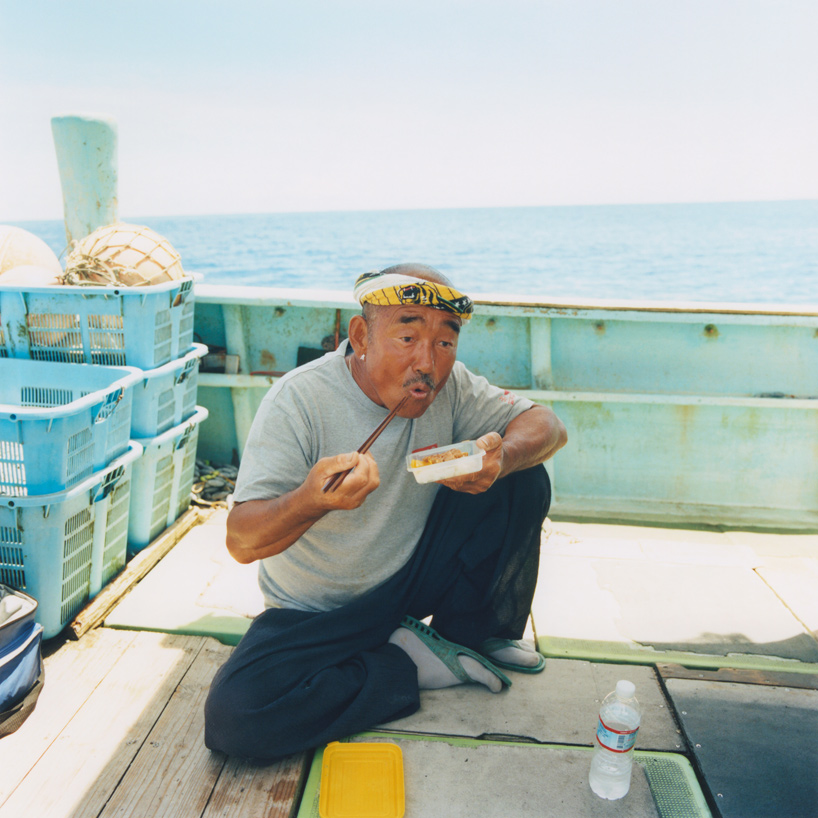
satoru abe, hiruke-lunch time, 2018
other exhibits illustrate the communication mediated by bento, with particular focus on their impact within the family unit. artist toru koyamada presents ‘daddy bento’, an archive of his family’s everyday bento-making process. his daughter, a primary schooler, writes instructions for her younger brother who goes to nursery school; koyamada, their father, then makes one accordingly. the themes written on the instructions – ‘eruption of mt. sakurajima‘ or ‘meandering river with ox-bow lake‘ – reference bedtime reading, or discoveries found on a walk including a plant or an insect.
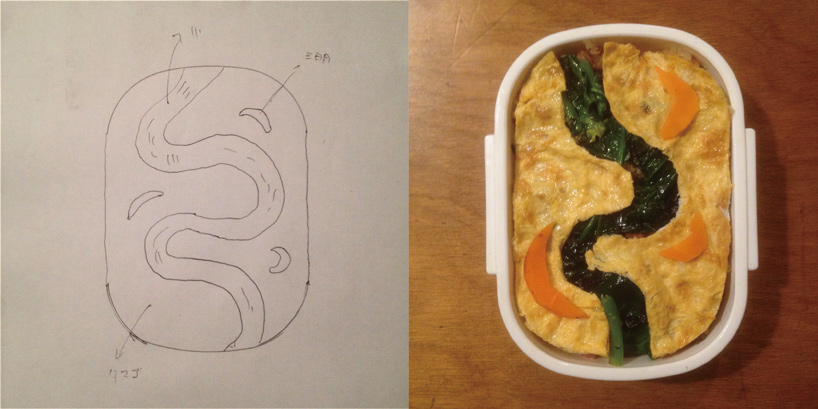
toru koyamada, daddy bento, 2017
visitors will also be able to take part in participatory workshops led by leading artists in the food world. yasuhiro moriuchi is running a workshop in which junior high school students create documentary footage of themselves making bento, without receiving help from their parents. the project will be exhibited as a video work.
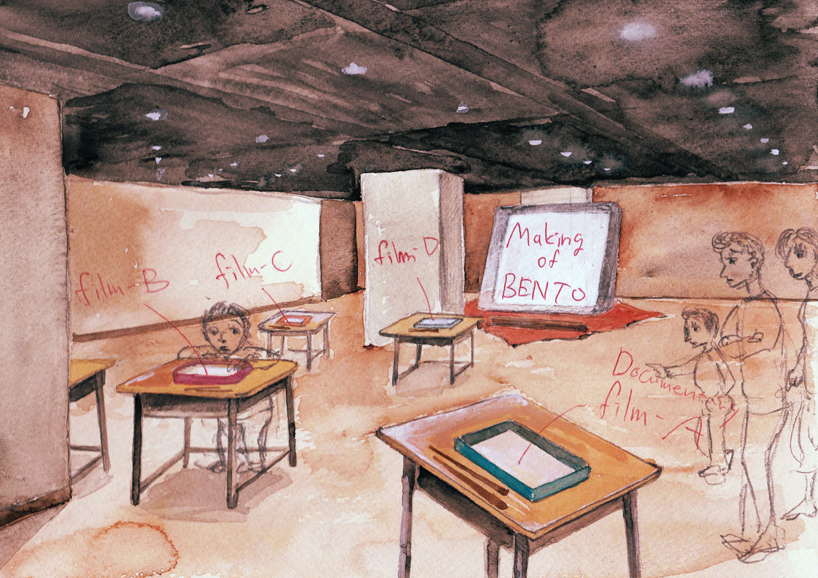
yasuhiro moriuchi, installation plan
jun kitazawa takes icon as a tool with which to construct a peculiar space titled ‘fragments passage – osusuwake yokocho’ inside the museum. made using the piece of cloth traditionally used to wrap the box, the space focuses on the sharing mentality behind the culture by creating a laboratory-like environment where the visitors can examine, reflect upon and rediscover the bento for themselves.
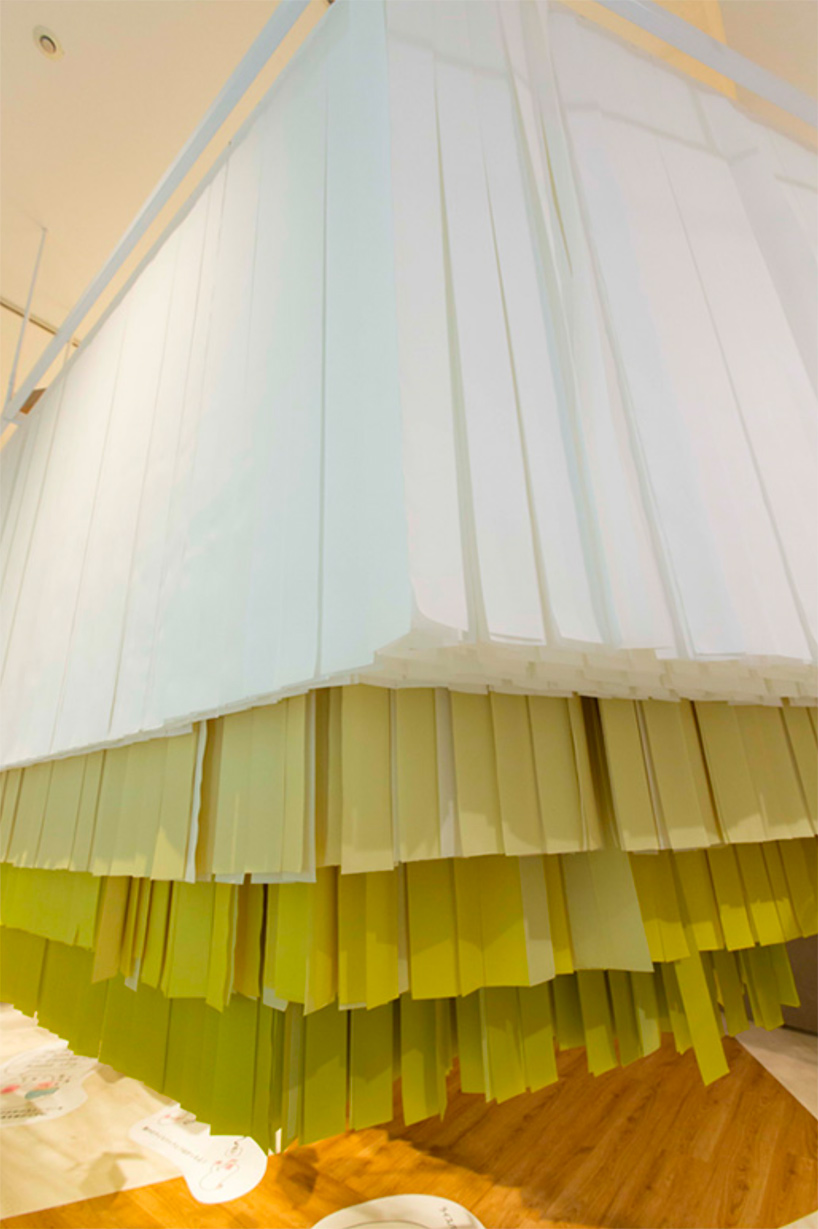
marije vogelzang, intangible bento, installation plan
on display a wide range of boxes trace their history with unique designs dating back to as early as the edo period (1603–1868). from those used at communal eating occasions such as feasts; single-portion boxes designed for different eating environments and situations; and boxes from around the world, together they highlight the aspect of the bento box as a product designed according to purpose.
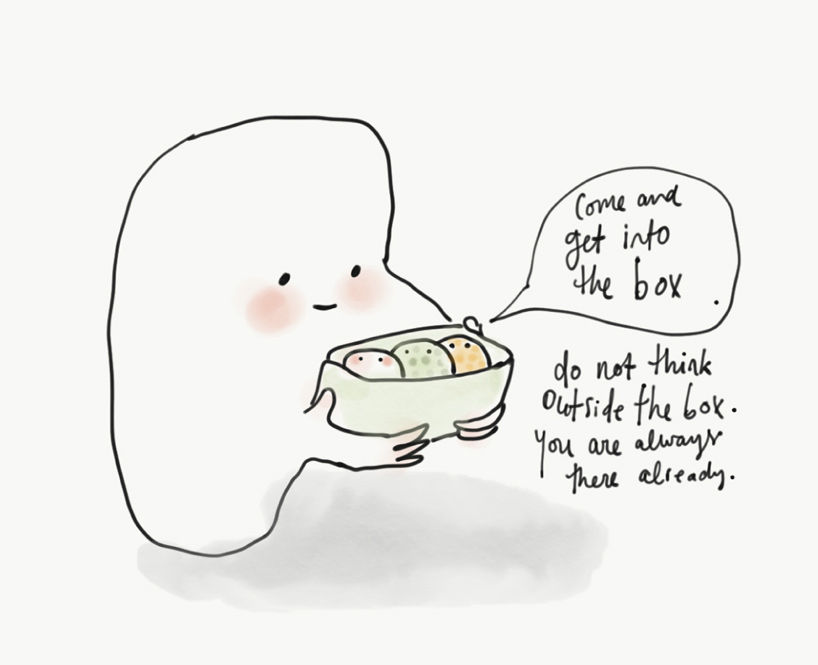
marije vogelzang, intangible bento
bento – design for eating, fathering and communicating is on show in galleries a, b and c of the tokyo metropolitan art museum from july 21 until october 8.
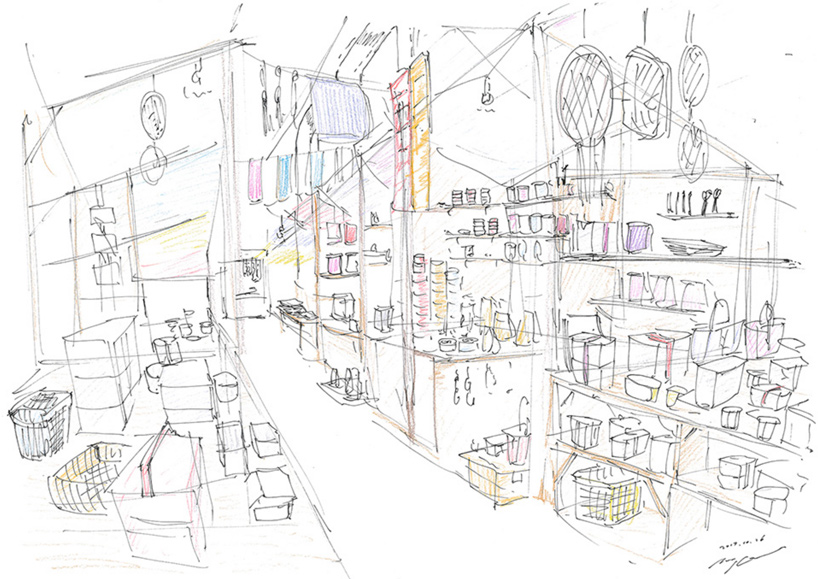
jun kitazawa, fragments passage – osusowake yokocho, installation plan
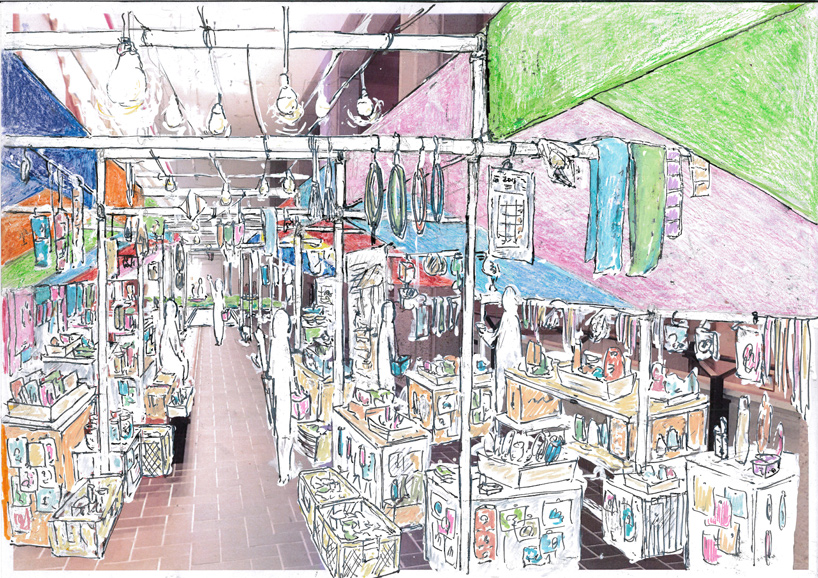
jun kitazawa, fragments passage – osusowake yokocho, installation plan
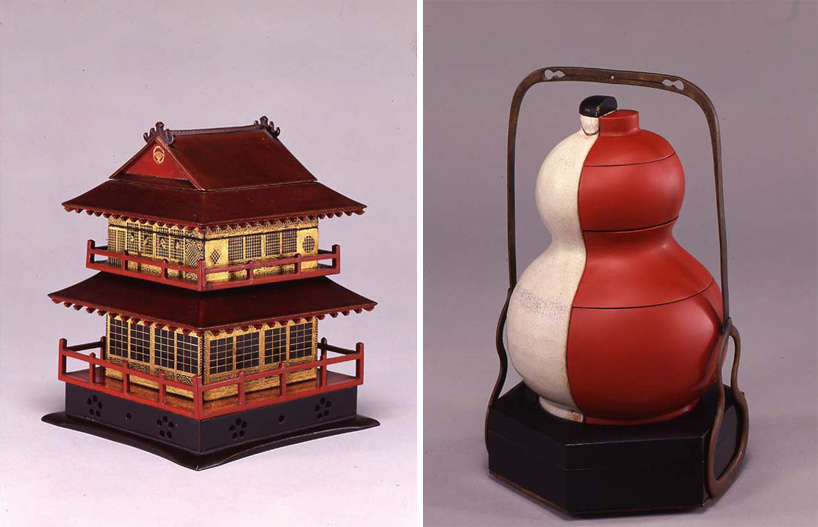
left: rokakugata bento (private collection), right: hakutosyuurushi kumiawase hyonari bento (private collection)
shop
your own online design shop — no sales commission collected