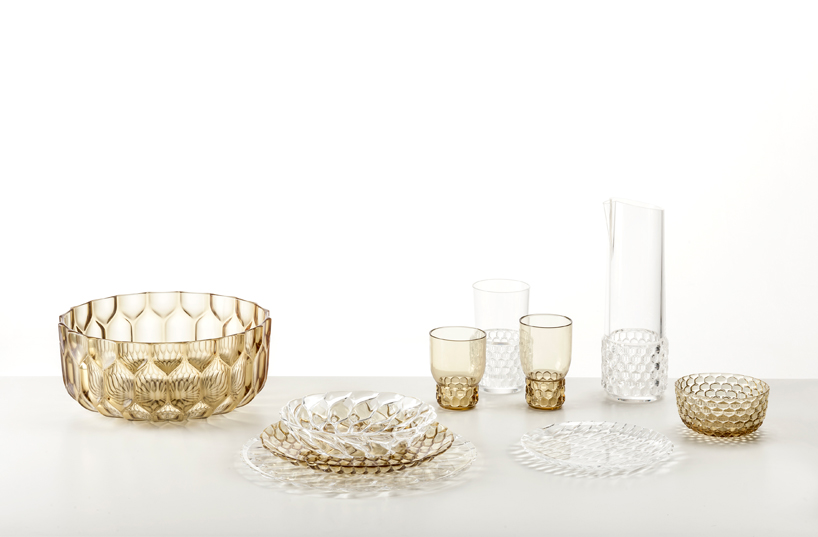
kartell in tavola tableware collection of polycarbonate plates, trays, glasses, bowls and carafes
‘jellies’ by patricia urquiola
all images courtesy kartell
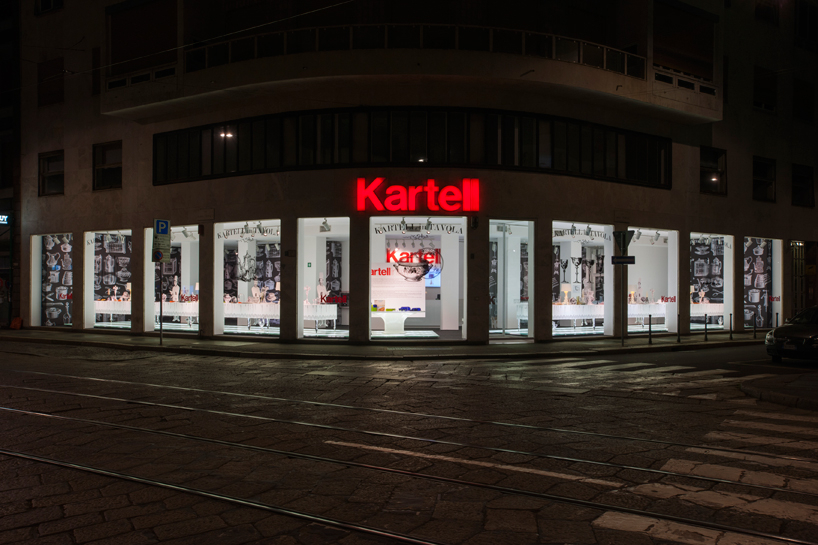
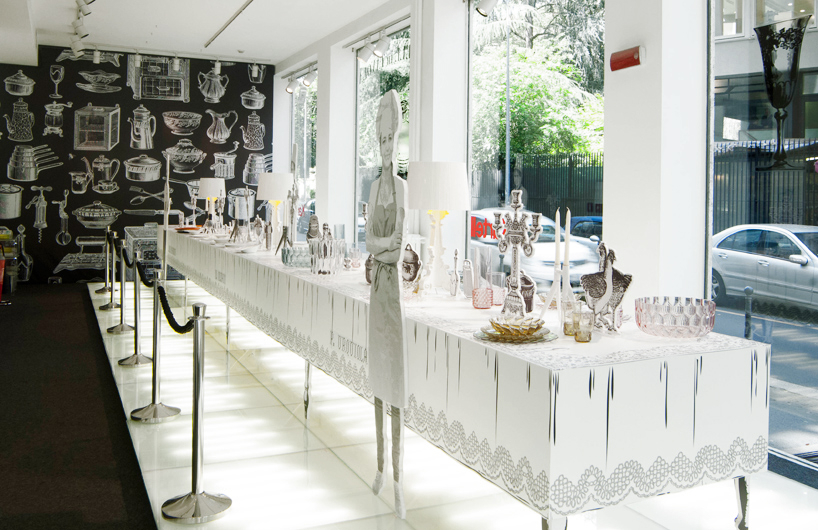
in the 1970’s, anna castelli ferrieri and franco raggi of centrokappa presented kartell‘s ‘in tavola’ collection, a series of tableware which introduced a highly experimental approach to materials and technologies such as PMMA and polycarbonate injection moulding to create imaginative, colored, transparent and seductive products. during milan design week 2014, ‘in tavola’ makes a return after over 35 years, with products designed by patricia urquiola, jean-marie massaud, philippe starck and some of italy’s most renown chefs — davide oldani, carlo cracco and andrea barton.
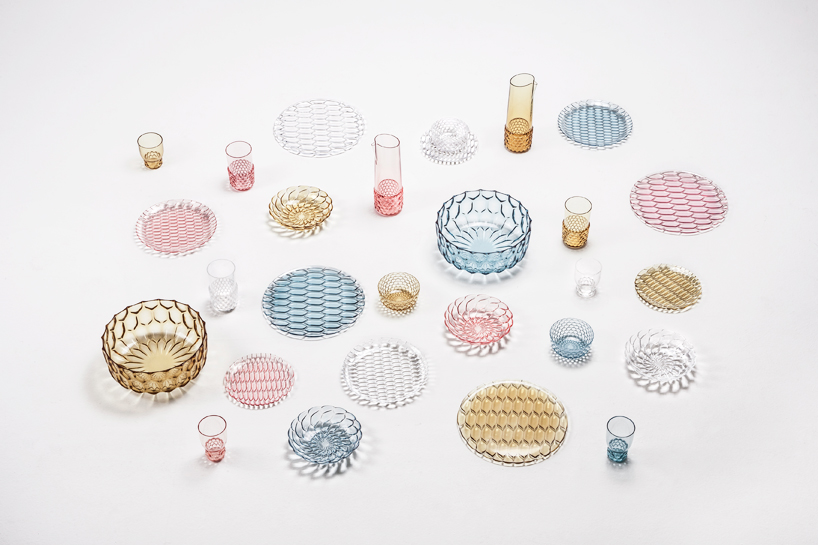
‘jellies’ by patricia urquiola
patricia urquiola has designed the ‘jellies family, a collection of plates, trays, glasses, bowls and carafes made from colored and transparent injection moulded polycarbonate. each tableware piece incorporates a different pattern, referencing memories of urquiola’s youth; the transparent, subtle and delicate colors combine easily to result in variable table configurations.
video © designboom
‘jellies are a three-dimensional colored world for the table,’ says urquiola. ‘plates – ‘not plates’, glasses and pitchers with bubbles. the touch and sight bring cut crystal to mind, like generous decorations. they live outdoors and play with light refractions; they’re not afraid of rain or tumbles. they live equally well inside with all the same or with a mix of colors,’ she adds.
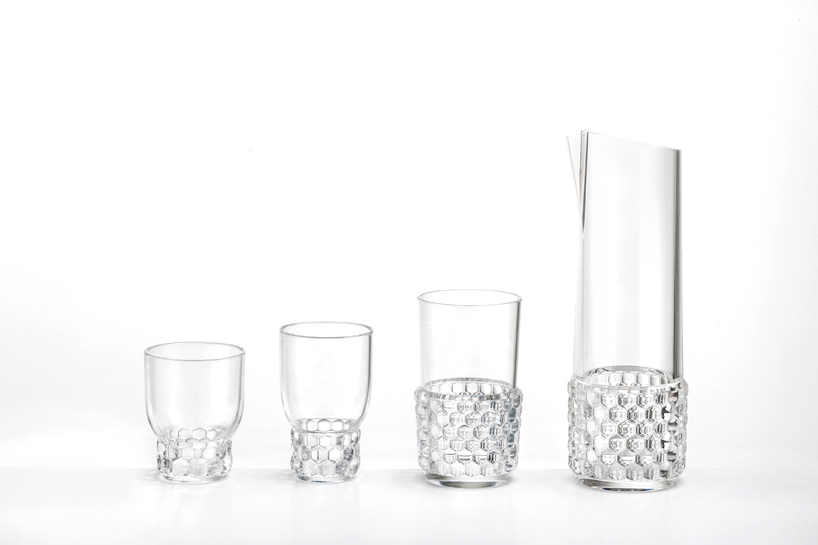
‘jellies’ glasses by patricia urquiola
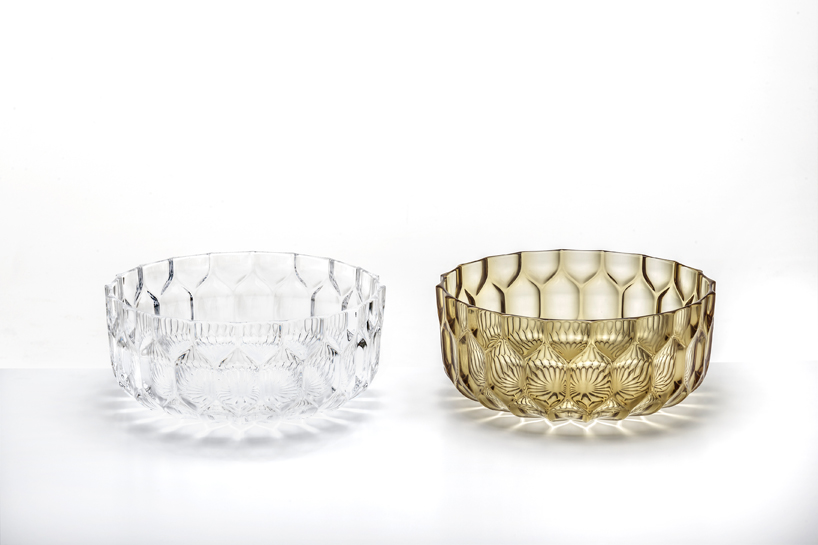
‘jellies’ bowls by patricia urquiola
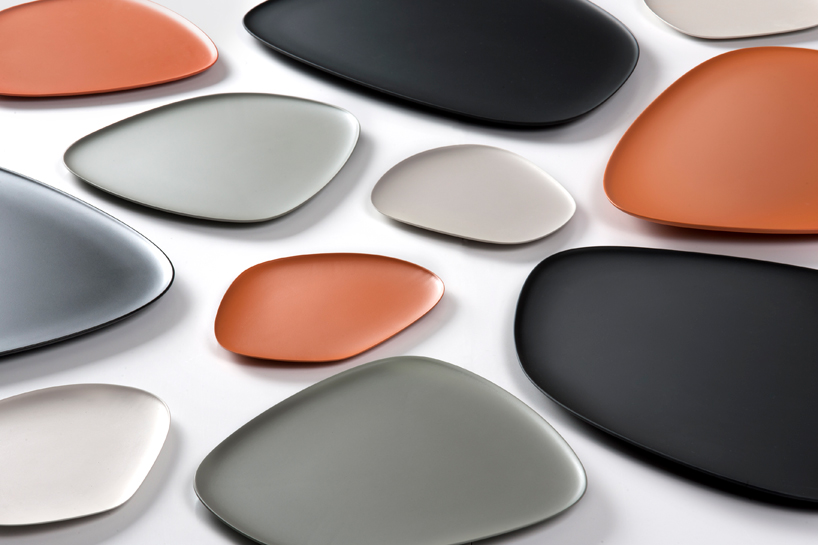
‘namaste’ by jean-marie massaud
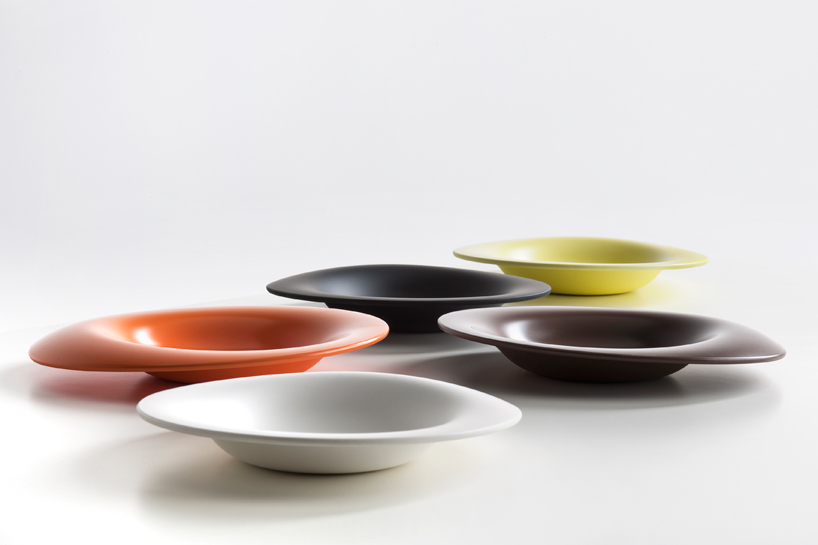
jean-marie massaud presented his first collection for kartell, the ‘namaste’ set of melamine dishes feature a soft, asymmetrical design suggestive of flat stones. conceived in a natural color palette: black, grey, beige and orange, the plates can be matched to create pleasant nuances or two-tone combos.
jean-marie massaud speaks to designboom about his first collaboration with kartell
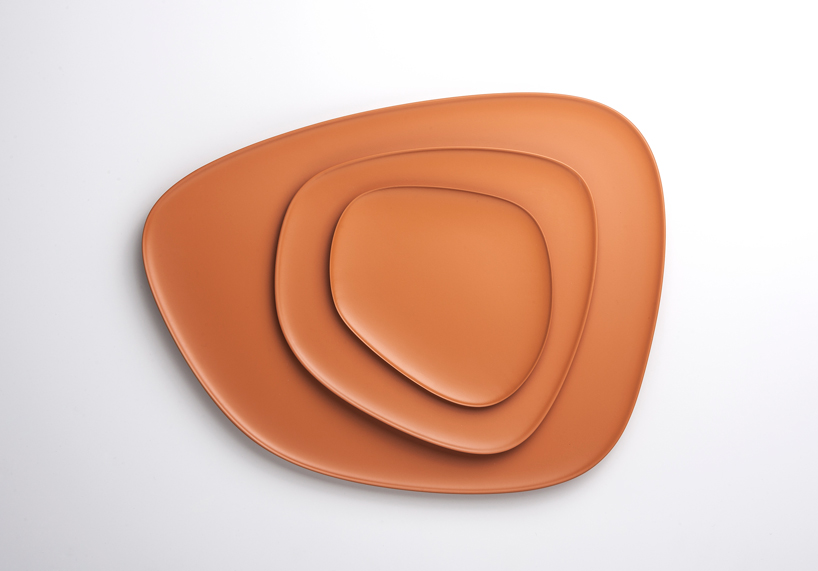
‘namaste’ melamine dishes in a natural orange colorway
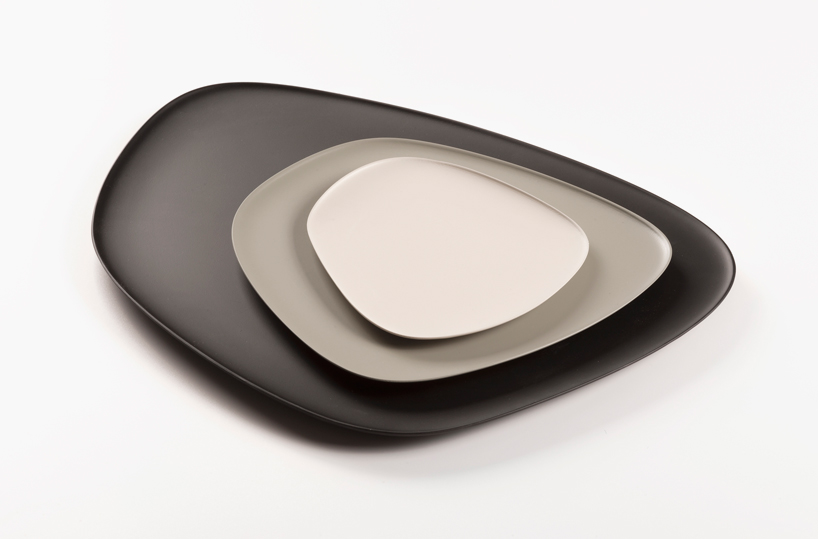
the asymmetrical design is suggestive of flat stones
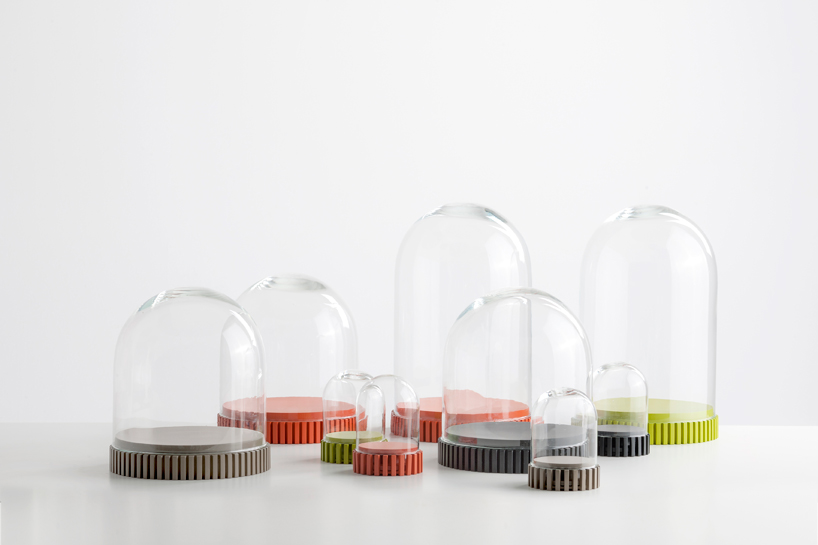
‘ding dong’ bells by philippe starck
philippe starck designed the set of ‘ding dong’ bells using a combination of PMMA for the presentation of different compositions of cheeses and desserts such as cakes and pastries. the line includes transparent color variations in a typical kartell style.
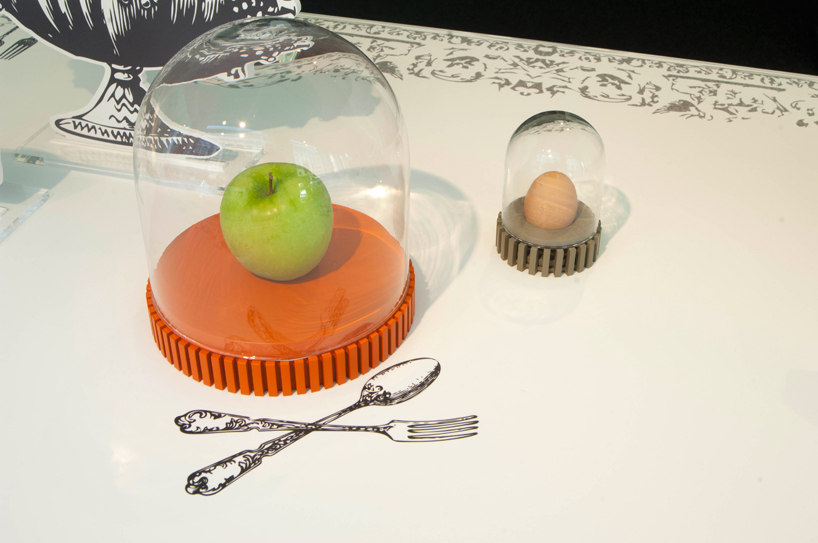
‘ding dong’ bells by philippe starck
image © designboom / adriano mauri
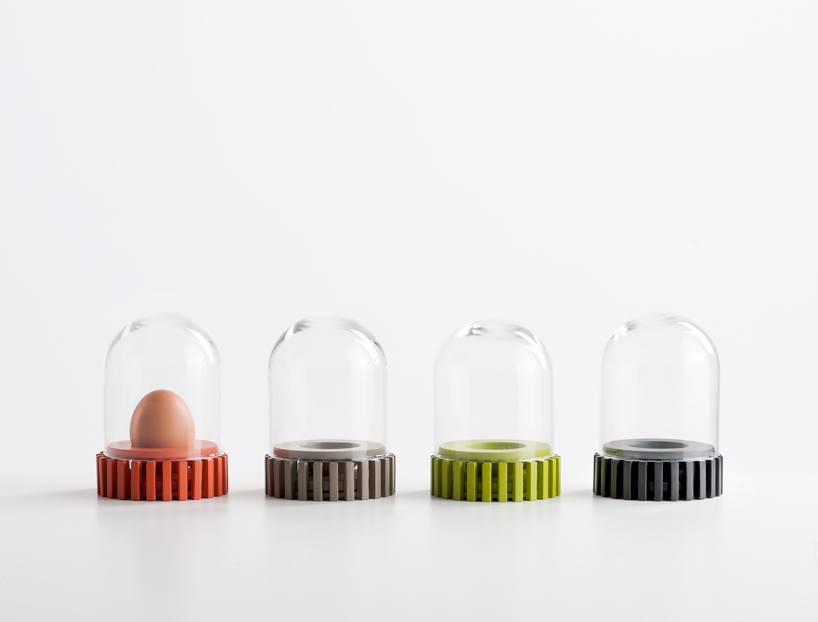
the ‘ding dong’ collection comes in sizes small enough to house individual eggs
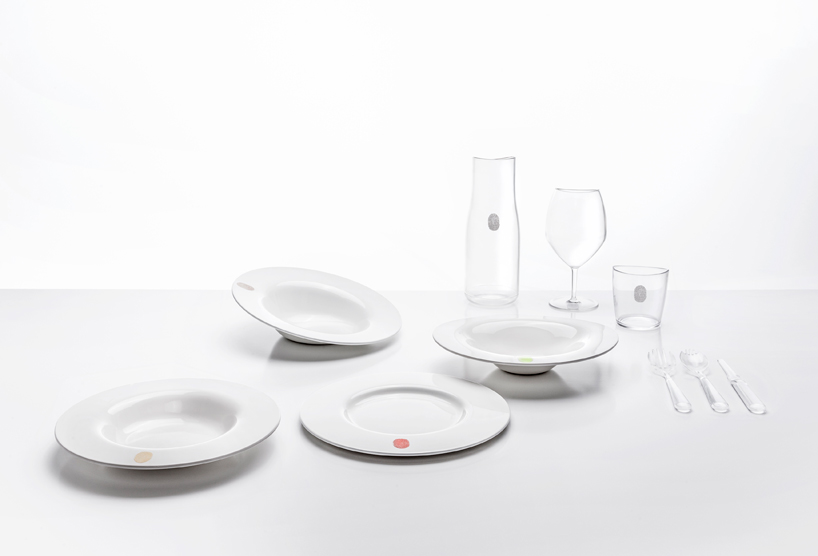
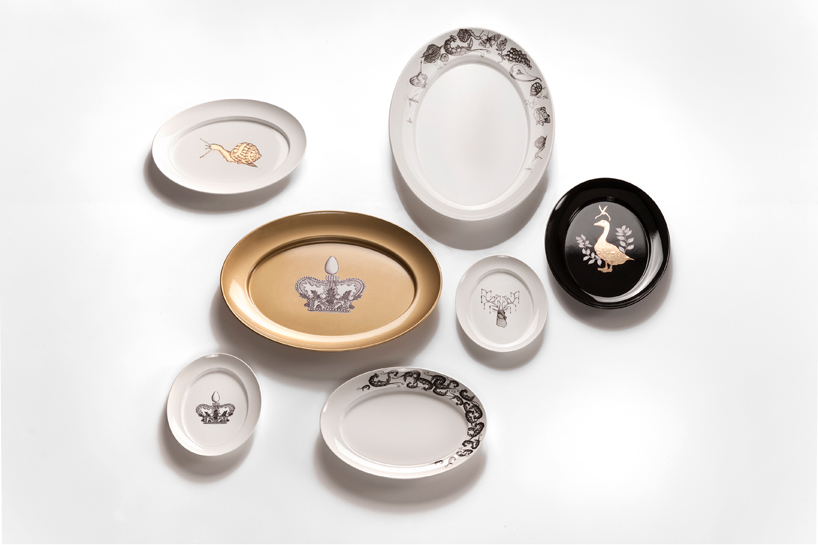
the ‘I.D.ish by d’o davide oldani consists of a complete line of dishes made in either bone white or bronze colored melamine. the collection includes dinner plate, classic soup plate, the ‘oldani’ soup plate with a slightly asymmetrical slant, a slanted plate, water and wine glasses, a carafe and a set of cutlery. each piece of tableware reflects the famous chef’s own vision of the kitchen – all centered on the act of serving the user.
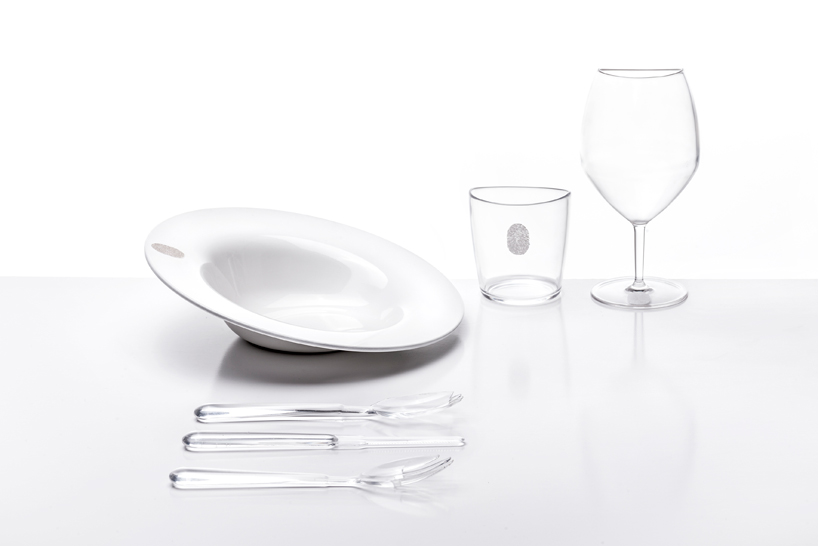
‘I have always spent a lot of time in observation before seeing one of my ideas transformed into an object,’ said oldiani. ‘I have watched guests and how they sit down and behave at the table, the way they order and eat, and whether or not they appreciate the service. and to check on the functionality of the instruments with which I have equipped the kitchen of my restaurant from time to time, I have watched my collaborators. I watch the hands of the persons carrying plates from the kitchen to the table and I see that they do all they can to keep from touching the top of the plate, but I also see that no matter how hard they try, the thumb inevitably ends up resting just a little on the rim. no matter how careful they are, there is a point where the thumb comes in contact with the plate,’ he adds.
‘panis B’ by andrea berton
‘panis B’ by andrea berton
image © designboom/ adriano mauri
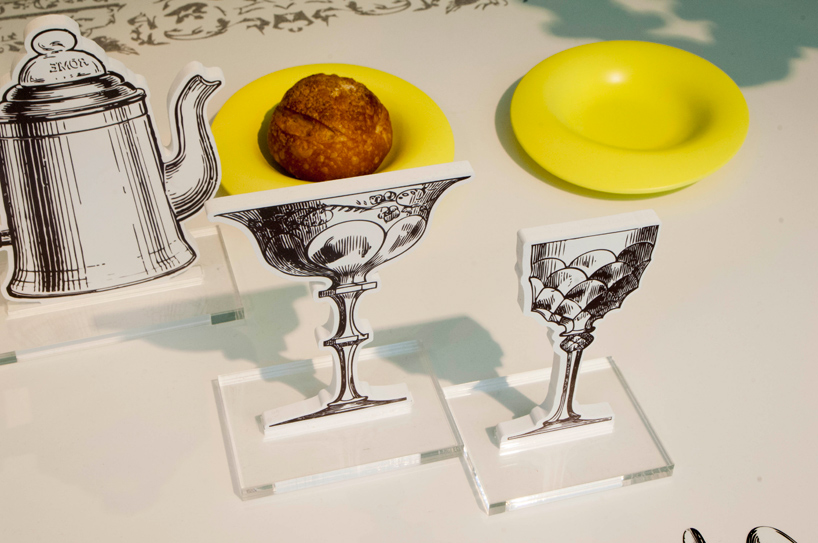
‘panis b.’ by andrea berton is a bowl-shaped melamine bread dish made of bread dough clay that comes in the colors of white, grey, brown, orange and lime yellow which ‘represents a new object for the bread, designed to enhance the modern table,’ explains berton. the line of melamine bone china colored trays evoke rural environments that contrast with post-industrial architecture.
‘panis B’ by andrea berton



jean-marie massaud (17)
 May 23, 2025
 Jul 23, 2024
 Oct 11, 2021
 Nov 30, 2020
 Mar 11, 2019
kartell (45)
 Mar 23, 2021
 Nov 10, 2020
 Mar 04, 2020
 Apr 11, 2019
 Apr 18, 2018
milan design week 2014 (141)
 Sep 07, 2014
 Aug 20, 2014
 Jul 25, 2014
 Jun 28, 2014
 Jun 12, 2014
patricia urquiola (71)
 May 01, 2024
 Aug 01, 2023
 Oct 28, 2022
 Oct 17, 2022
 Aug 30, 2022
philippe starck (108)
 Feb 02, 2026
 Mar 28, 2025
 Oct 18, 2024
 May 14, 2024
 Mar 10, 2026
 Mar 08, 2026
 Mar 04, 2026
 Feb 24, 2026