from loewe to bottega veneta, luxury brands invest in craft beyond the product
from global craft prizes to apprenticeship programs and artisan workshops, luxury brands are funding the infrastructure that allows traditional making to survive.
prefer designboom on google[FEATURED]
from recognition to preservation
For centuries, craft survived through proximity. Skills were passed from master to apprentice, workshop to workshop, generation to generation and knowledge lived in the hands of makers and within the communities that surrounded them. Yet many of those systems are now under pressure, with traditional trades facing aging workforces, declining public support, and the challenge of remaining relevant in an increasingly digital economy. At the same time, luxury brands, an unlikely group of institutions, have stepped in to fill the gap.
Major houses, such as Loewe and Bottega Veneta, among others, are investing in prizes, schools, exhibitions, workshops, and mentorship programs that extend far beyond the products they sell. While craftsmanship still remains central to luxury, the relationship is changing. Brands are no longer just commissioning artisans to produce objects. Increasingly, they are funding the ecosystems that allow craft to survive.
The value of luxury increasingly rests on qualities that cannot be replicated by machines, such as hand skills, material expertise, local knowledge, and time. The more digital the world becomes, the more desirable the human touch appears.
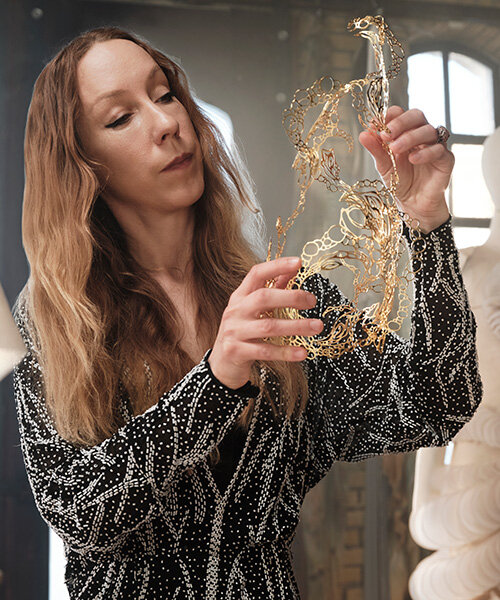
No initiative illustrates this transformation more clearly than the LOEWE FOUNDATION Craft Prize. Established in 2016, the annual award recognizes makers working across ceramics, textiles, wood, metal, lacquer, glass, and other disciplines, positioning craft within contemporary culture. Artisans are presented alongside artists, architects, and designers, challenging long-standing distinctions between fine art and applied making.

building the infrastructure of making
Luxury houses are also investing in infrastructure. Chanel’s le19M in Paris brings together embroiderers, pleaters, feather workers, goldsmiths, shoemakers, and other specialist ateliers under one roof. The building serves as a place where specialist workshops can work side by side, helping sustain techniques that might otherwise fade away.
A similar philosophy underpins Brunello Cucinelli’s ongoing restoration of Solomeo in Umbria. Through schools, workshops, and cultural programs, the company connects craftsmanship to place, suggesting that preserving skills also means sustaining the communities, landscapes, and cultural identities from which they emerge.
Education has become another critical front. Through initiatives such as Hermès’ Manufacto program, the Prada Group Academy, and LVMH’s Institut des Métiers d’Excellence, luxury companies are investing directly in future generations of makers. Their efforts address a growing concern shared across industries: who will inherit specialized knowledge when traditional pathways into manual professions continue to shrink?
The urgency is not purely cultural, as luxury’s dependence on craft is also economic. The narratives that distinguish luxury from mass production, including authenticity, scarcity, heritage, expertise, ultimately rely on people capable of making things in ways that cannot be industrialized. Without artisans, many of the values luxury brands promote begin to lose their foundation.
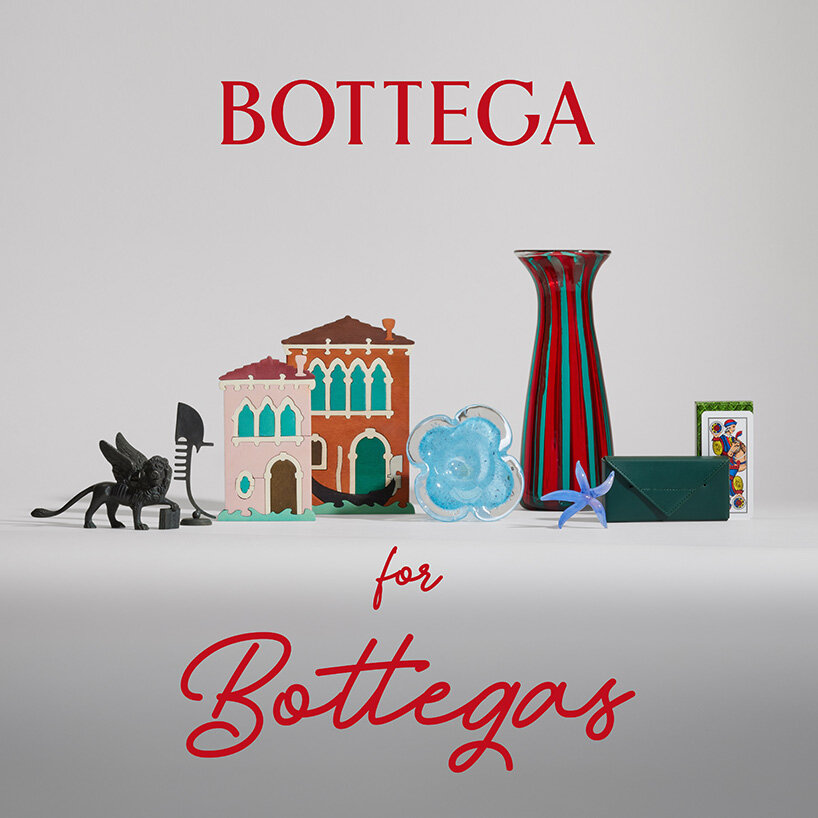
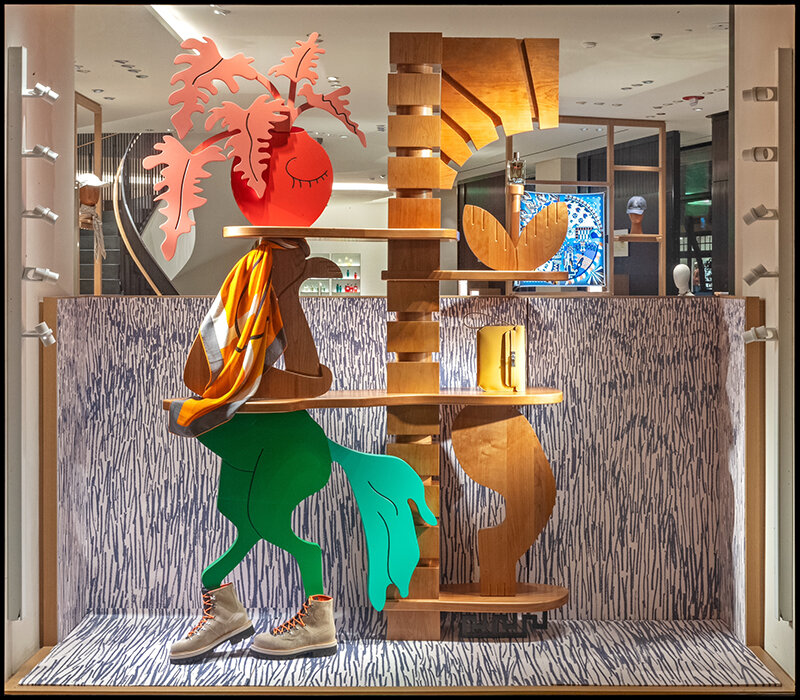
Some of the most visible efforts happen outside the workshop. Hermès transforms its storefront windows into handcrafted installations by artists and makers, while Bottega Veneta’s Bottega for Bottegas initiative uses the brand’s platform to highlight independent workshops across Italy. In both cases, the focus shifts from selling objects to celebrating the craft behind them.
making craftsmanship visible to a wider public
Taken together, these initiatives point to a broader change in how craft is supported today. Skills that were once sustained through local workshops, trade schools, and cultural institutions are increasingly finding support from luxury brands. What began as a commitment to craftsmanship within the product itself has expanded into prizes, education programs, apprenticeships, exhibitions, and public platforms for makers.
While these programs contribute to brand identity and long-term talent development, they also create opportunities for artisans through funding, education, mentorship, and public visibility. At a time when many traditional skills face an uncertain future, such initiatives play an important role in sustaining craft communities.
The shift also raises an interesting question. If craft depends on being passed from one generation to the next, who is responsible for ensuring that happens? For much of history, that responsibility rested with guilds, schools, workshops, and local communities. Today, the picture is more complex. Museums preserve objects, universities preserve knowledge, and an increasing number of luxury brands are investing in the people and skills behind the work itself. Whether through education, patronage, or public platforms, they are becoming influential participants in shaping how craft is carried forward.





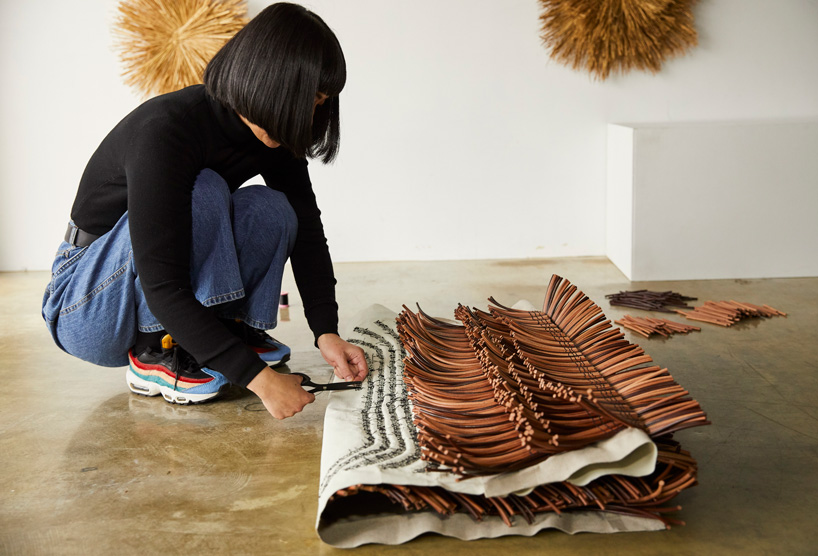
This article is part of designboom’s Crafting the Future chapter, exploring what it means to be a maker in today’s world and the future of craftsmanship. Discover more related stories here.