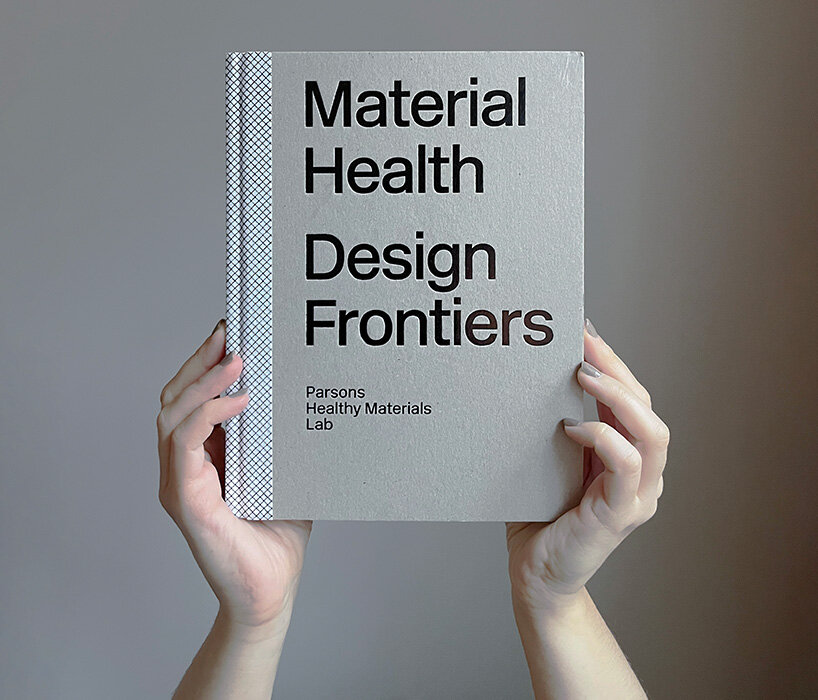
material health: design frontiers book shares expert voices on designing the future
the book explores the complex meaning of material health, stressing the urgent need for new paths and practices in architecture and design in order to create healthier futures for everyone.
prefer designboom on google[FEATURED]
Healthy Materials Lab announces their new book
By catalyzing expert voices from a wide range of fields related to design, health, materials, climate change, environmental justice, and innovation, ‘Material Health: Design Frontiers’ brings definition to the challenging field of Material Health. The book publication by Healthy Materials Lab combines a collection of essays that explore the complex meaning of health in relation to the material world, stressing the urgent need for new paths and practices in architecture and design in order to create healthier futures for everyone.
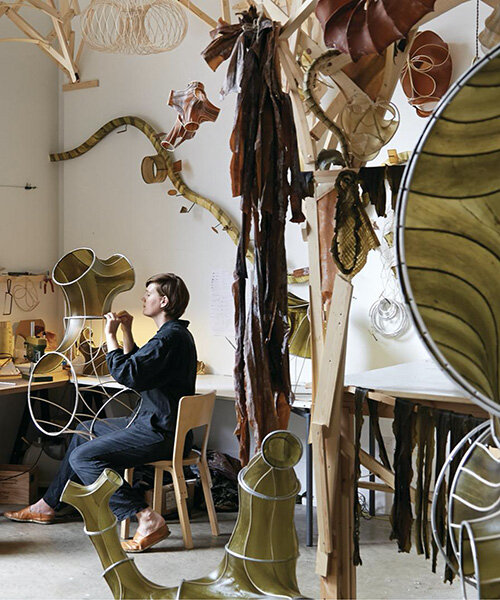
(banner) Julia Lohmann in the Department of Seaweed residency studio at the Victoria & Albert Museum, London, UK, 2013 | photo by Petr Krejci
images all courtesy of parsons healthy materials lab
Healthy Materials Lab (HML) is a design research lab at Parsons School of Design with a mission to place people and environmental health at the center of every design decision. The organization is committed to changing the future of the built environment by creating resources for designers, architects, teachers, and students to make healthier places for all people to live. This empowers creatives to design healthier spaces, reduce people’s exposure to toxics, and support healthier, thriving lives for all.
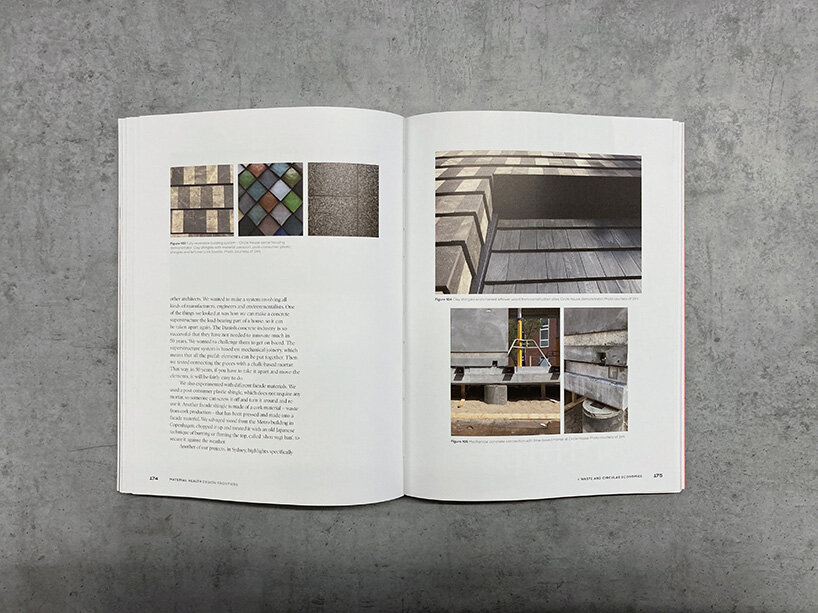
Who designs the future?
‘Who designs the future? How does an understanding of the fundamental issues threatening our planet and human species change the way we practice and teach? How do we imagine new practices for architecture and design to respond to today’s global challenges?’ These are some of the questions to which Material Health: Design Frontiers seeks solutions. From a multi-disciplinary perspective, the book offers an overview of how design shapes our future and how the next decades will radically change through a deeper understanding of the fundamental issues threatening our communities, our planet, and the human species. Together, the exceptional perspectives explored in these essays identify viable alternatives and illuminate new paths for architecture and design.
‘It is time to reassess our material economy by tackling the myriad of crises we face with knowledge, collaboration, and shared energy,’ says Martha Lewis in her essay ‘Ecosystems in Practice’.
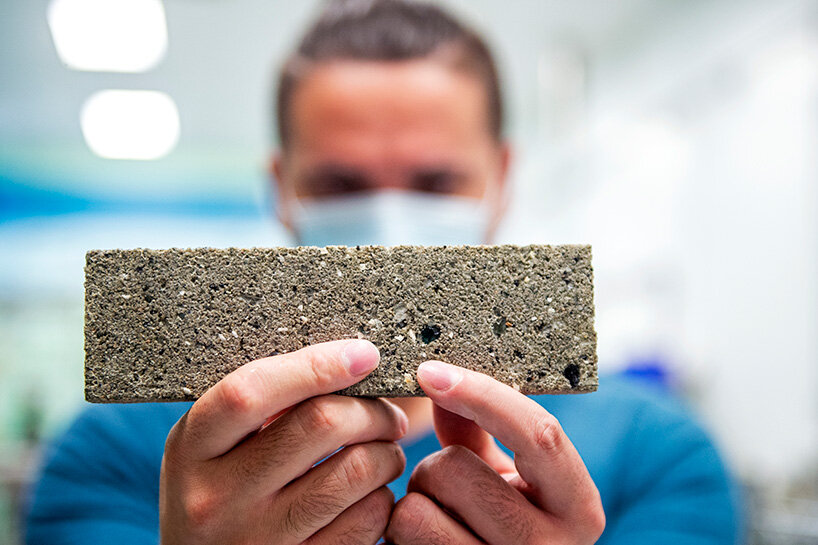
exploring innovative, sustainable materials and their uses
Leading activists, educators, designers, scientists, doctors, architects, curators, contractors, artists and material innovators all share their view. The book first sets out two main themes that situate the work being undertaken in the field of material health: the importance of old and new indigenous understandings of our planet; and the climate crisis. Six thematic chapters – each one an essay – break down the many ways of igniting conversation in real time, to reveal new opportunities: Air and Toxicity; Carbon; Equity; Waste and Circular Economies; Ecosystems; and Futuring Materials.
‘Most problems we face today are unintended consequences of design decisions made in previous eras, yet designers still make decisions based on these criteria,’ says Julia Lohmann in her ‘Aquatic Remedies’ essay.
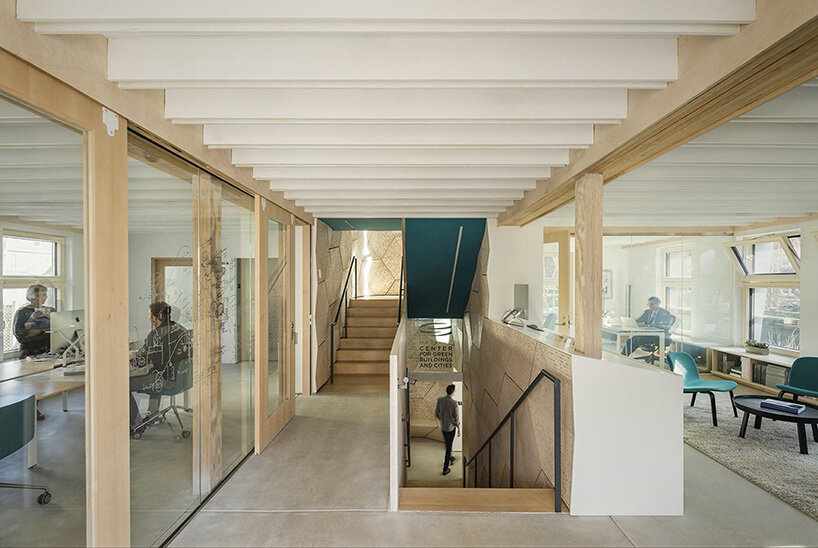
Chapter Air and Toxicity touches on every aspect of air pollution, from breaking down the environmental chemicals during the architectural building phase; to zero emission buildings; and exposures to building with nature, for instance using biocement-powered precast masonry. The second chapter, Carbon, focuses on designing with nature; decarbonizing materials and climate through the reduction of fossil fuels; and aquatic remedies such as cultivating and designing with kelp and seaweed. Equity is the third chapter, which talks about environmental pediatrics (checking the air quality of children’s homes and schools); understanding the reasons behind the lack of professional development equity and support for architects; and finally environmental racism and injustice in regards to higher pollution in communities of color and low-income.
‘Industrialization and its materials seemed largely to suppress and separate us from nature. Designers today are seeking the reverse: a nature embraced,’ mentions Andrea Lipps in his essay ‘Designing with Nature’.
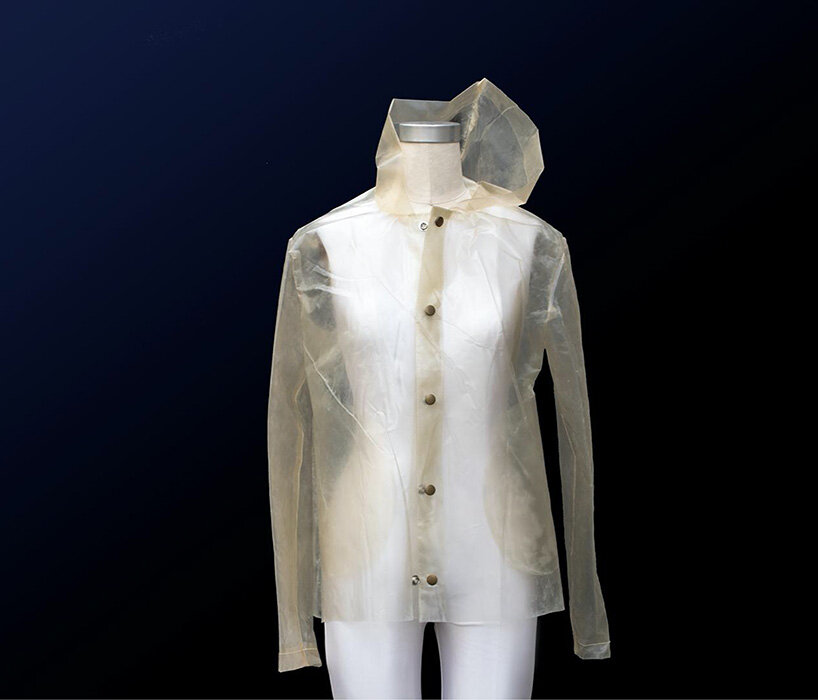
Chapter four, titled ‘Waste and Circular Economies’, describes the economy and zero waste production of materials; and creating architecture with materials that can be removed and reused without any loss of value. ‘Ecosystems: From Fossil Fuels to Renewables’ comes in fifth, discussing the environmental impact of the petroleum explosion in Philadelphia, US; considering parameters – ethical and health implications – in the construction industry; educating people in choosing building materials, like hempcrete and lime plasters, for insulation and finishing.
‘Harvesting waste material to replace or supplement valuable building materials is an economic opportunity,’ according to Kate Daly in ‘Circular Economy.’
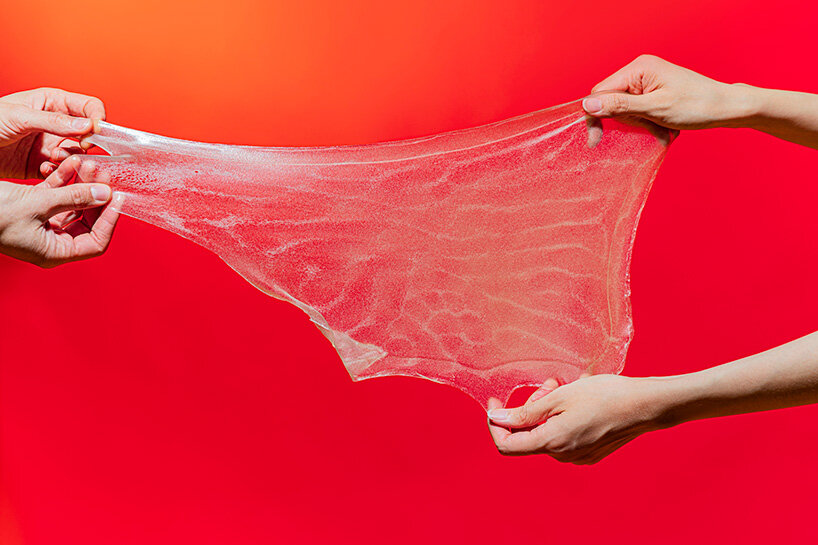
‘Material Health: Design Frontiers’ concludes with a visual essay
The book concludes by documenting exhibitions and installations which highlight material health exploration. The final chapter of the book, chapter six, is a visual essay of the sustainable use of natural resources put together by CHEMARTS – a long-term strategic collaboration between two schools at Aalto University. The students discover extraordinary materials including willow fibers, self-assembling shapes from printed PLA and microfibrillar, fibers from recycled cotton and cellulose waste, playful bio slime.
‘Environmental racism means that communities of color and low-income communities are bearing the brunt of the pollution that undergirds our society,’ explains Ana Baptista in her ‘Global Goods, Local Impact’ chapter.


book info:
name: Material Health: Design Frontiers
author: Healthy Materials Lab at Parsons School of Design | @healthymaterialslab
editors: Alison Mears and Jonsara Ruth
format: 256 pages
publisher: Lund Humphries | @lhartbooks
language: English
publish date: November 24, 2022
shop
your own online design shop — no sales commission collected