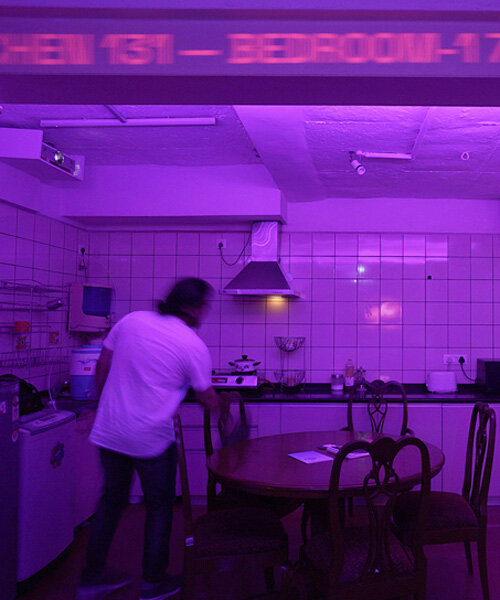
multisensorial exhibition in delhi invites visitors into a home that adapts to air pollution
an installation proposes virtual windows as a new norm through digital projections which offer exquisite views without the risk of bad air.
prefer designboom on google[FEATURED]
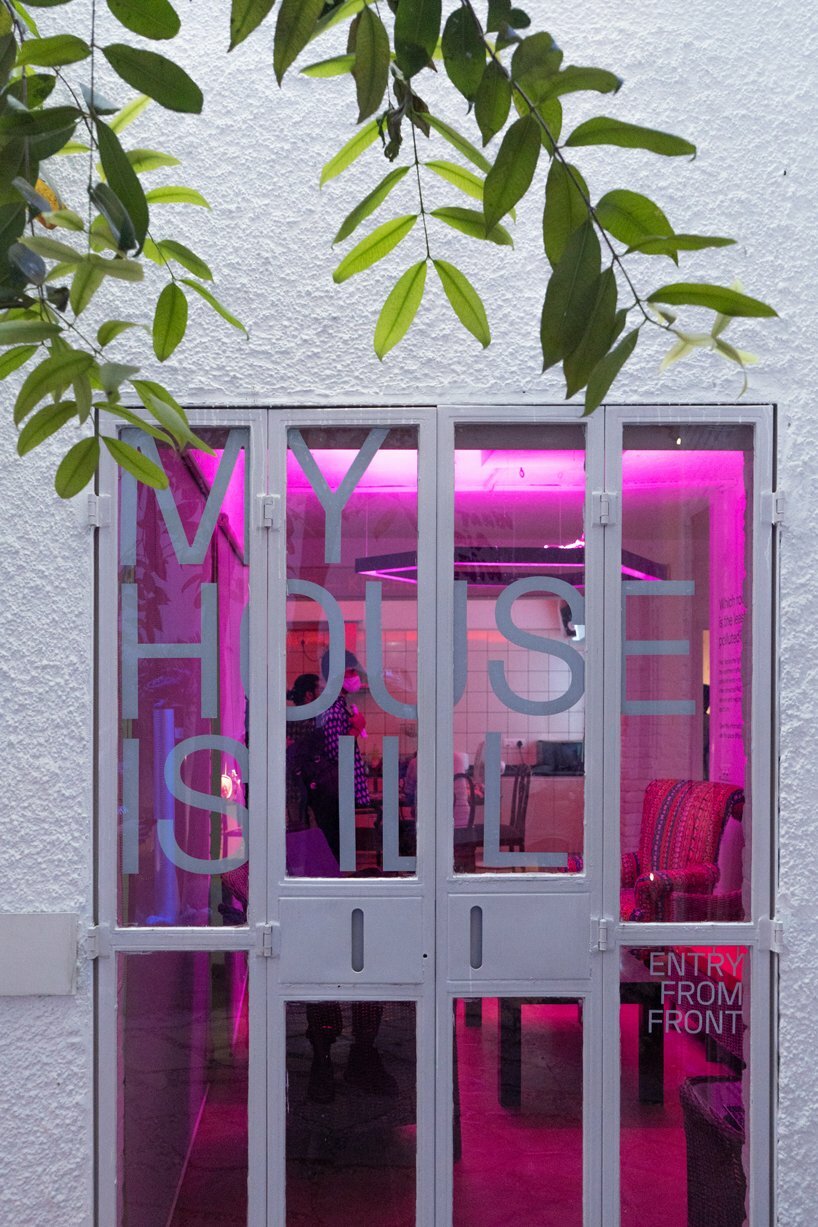
‘my house is ill’ responds to the air pollution of delhi
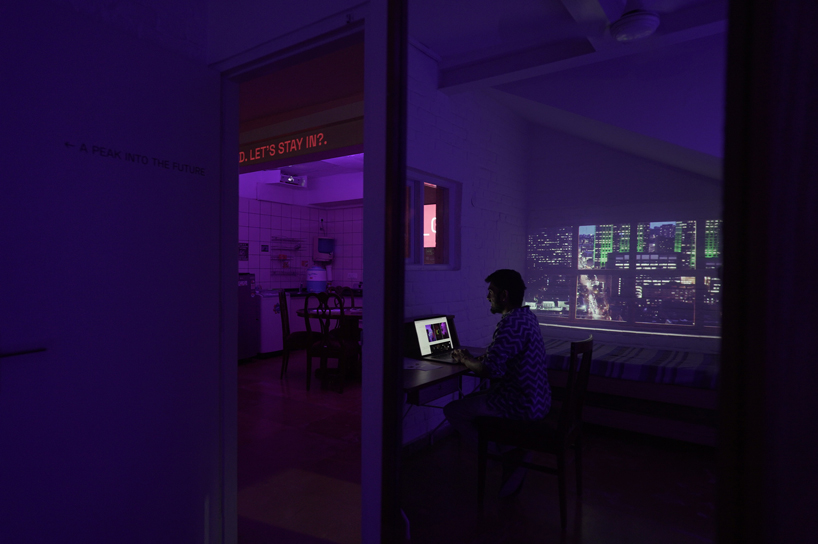
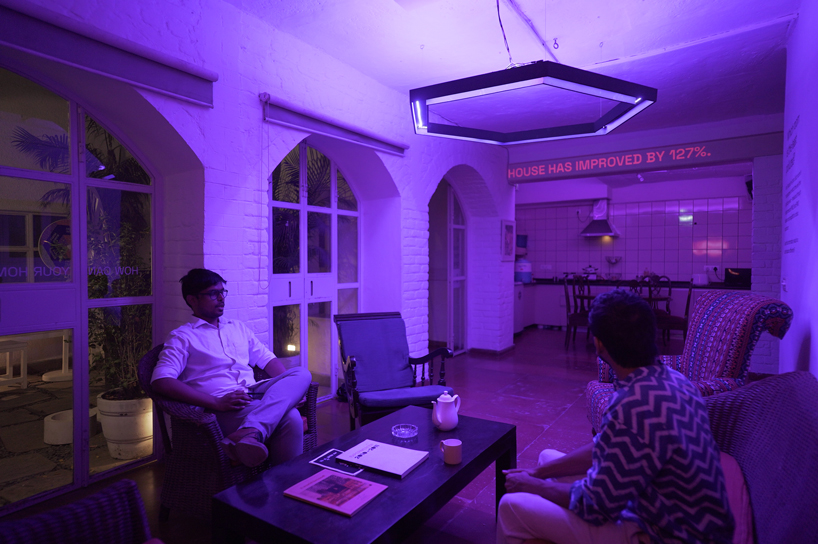
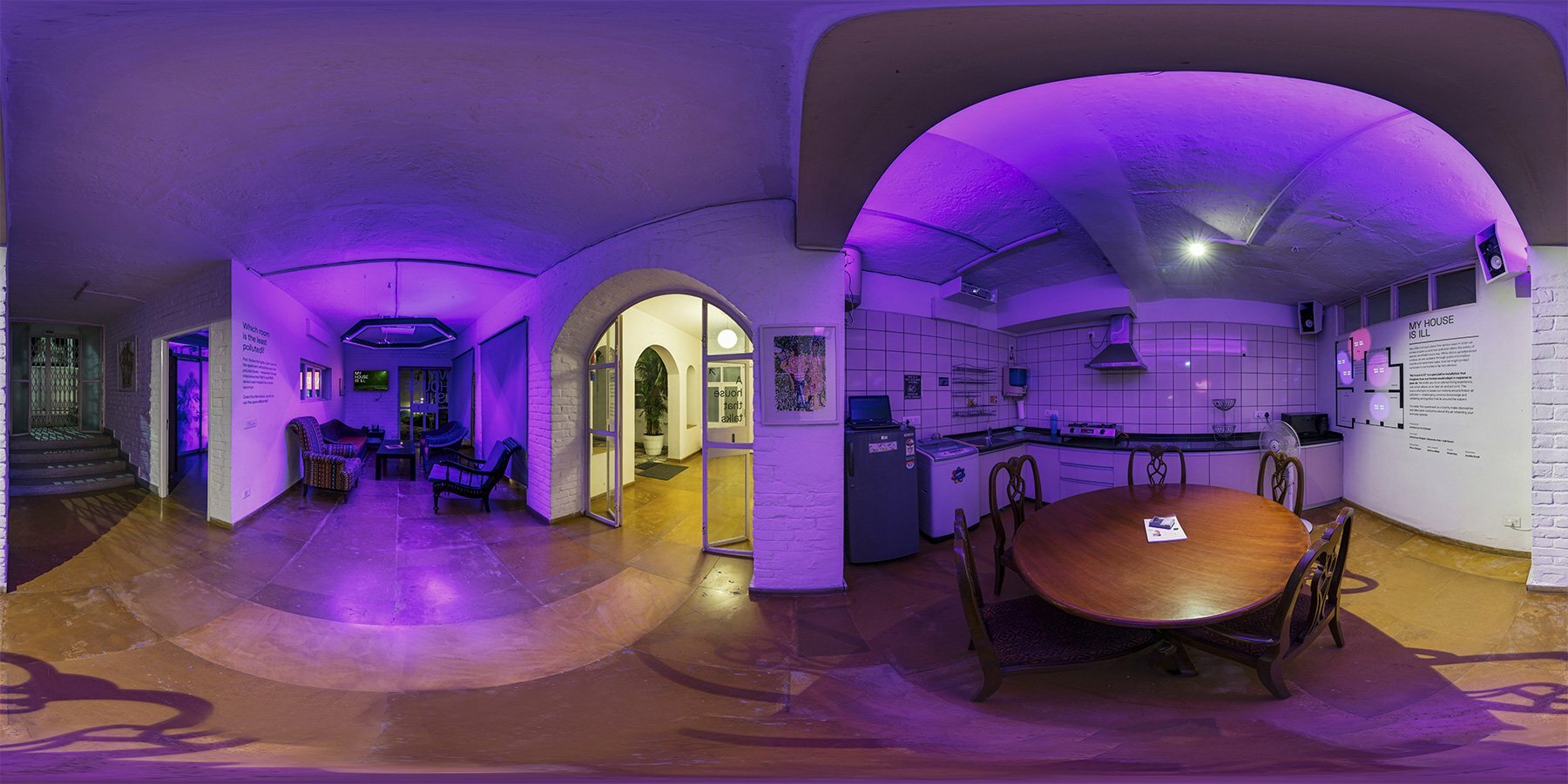
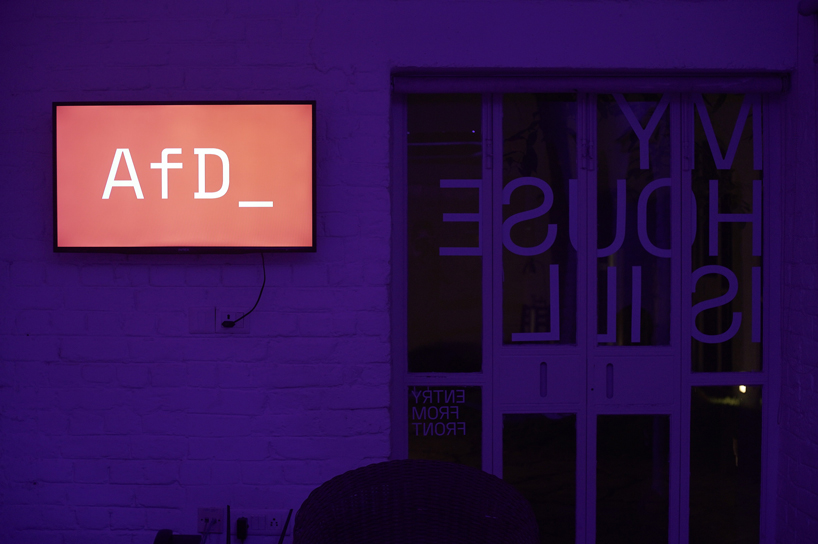
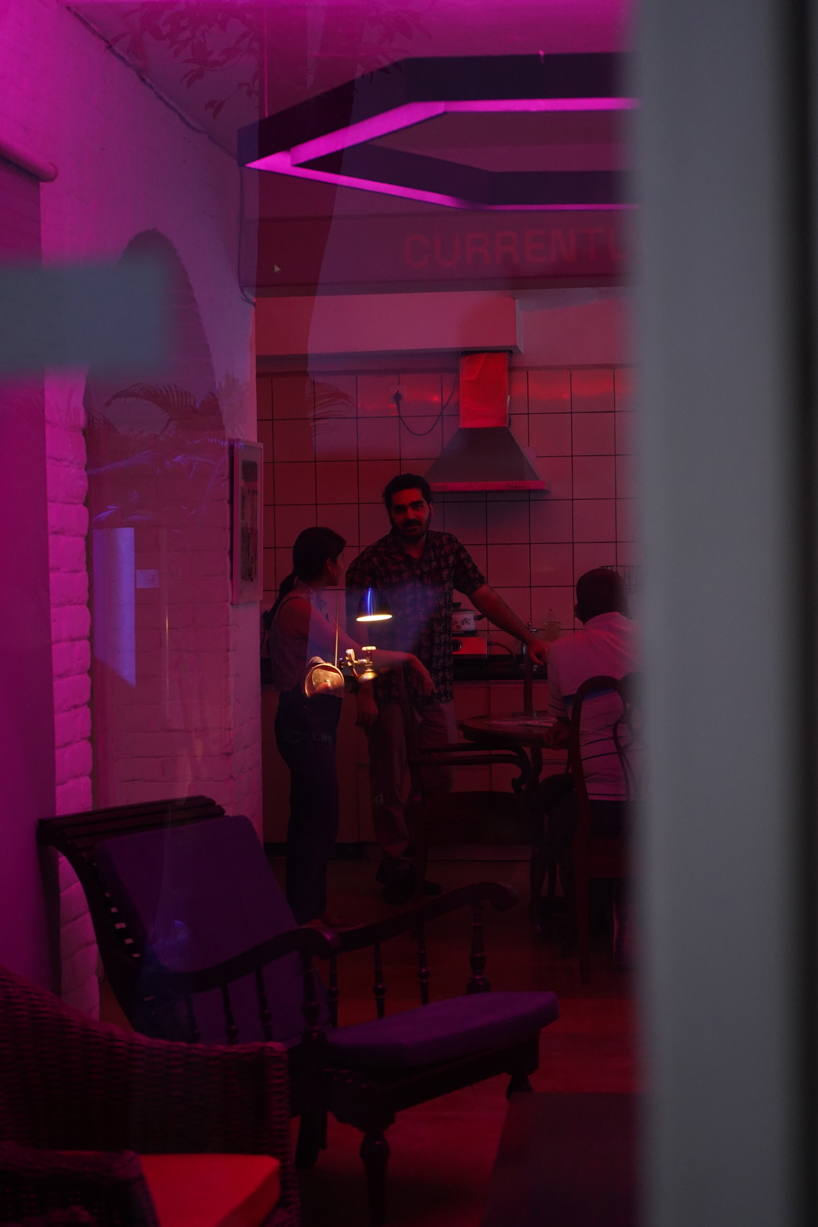
Housed in an apartment in Delhi’s Khirki village, ‘My house is ill’ is an multisensorial exhibition which invites visitors into a home adapting to the persistent air pollution prevalent in the Indian capital. Designed by Architecture for Dialogue alongside Salil Parekh, the project sits at the intersection of architecture, new media and ecology to imagine a future wherein the impact of air pollution breaches further and further into our everyday lives and routines. Devising a multi-sensory provocation, the prototype home comprises enriching exhibits of light, sound and messaging to illustrate how homes can begin to intensively monitor and visualise pollution data and offer occupants advice on how to be safe.
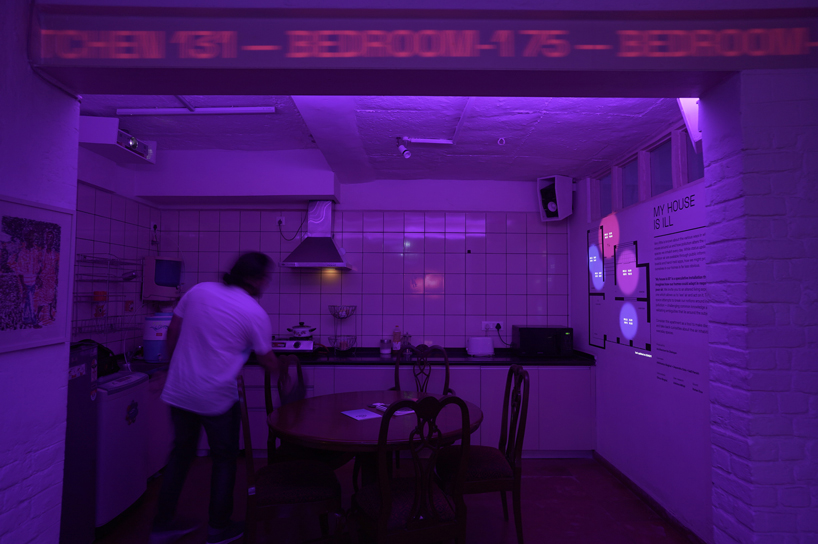
a multisensorial display of sound, light and color
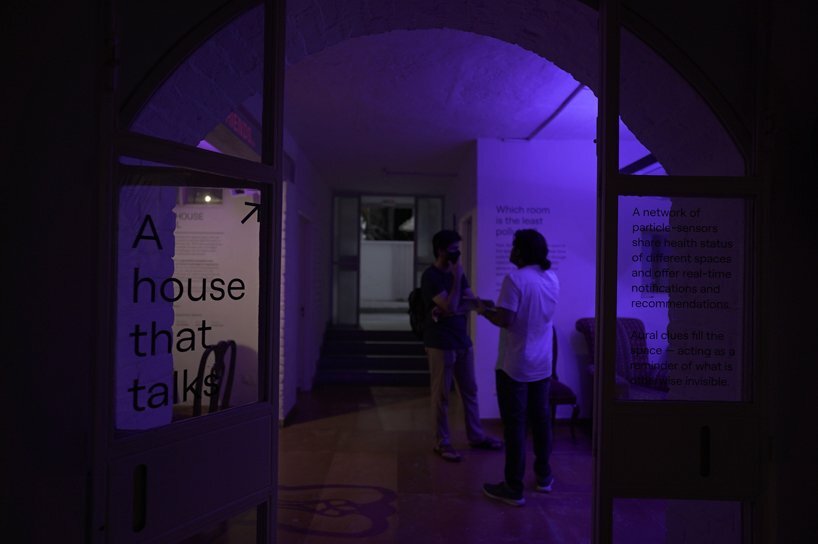
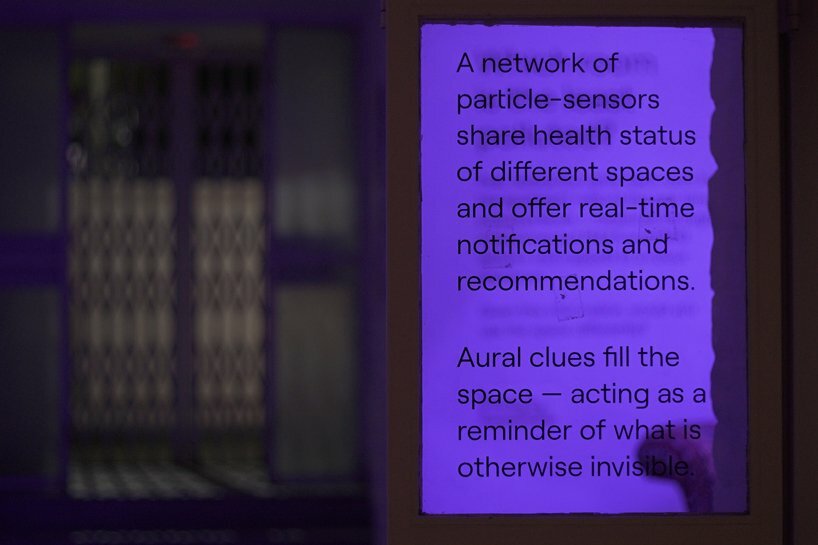
Upon entering the home, visitors are greeted with a message ticker running across the living room, connected to a network of particle-sensors. The network shares the alternating health status of different spaces around the house compared to the levels outside, and offers real-time notifications and recommendations through audio-visual displays. Lights connected to the sensors consistently change to produce an ever-changing environment of color that reflects real-time pollution level and their corresponding safety levels. Further, an ambient soundtrack plays throughout as an aural reminder of what is otherwise invisible. As the pollution levels of the house intensify, the house beeps louder.
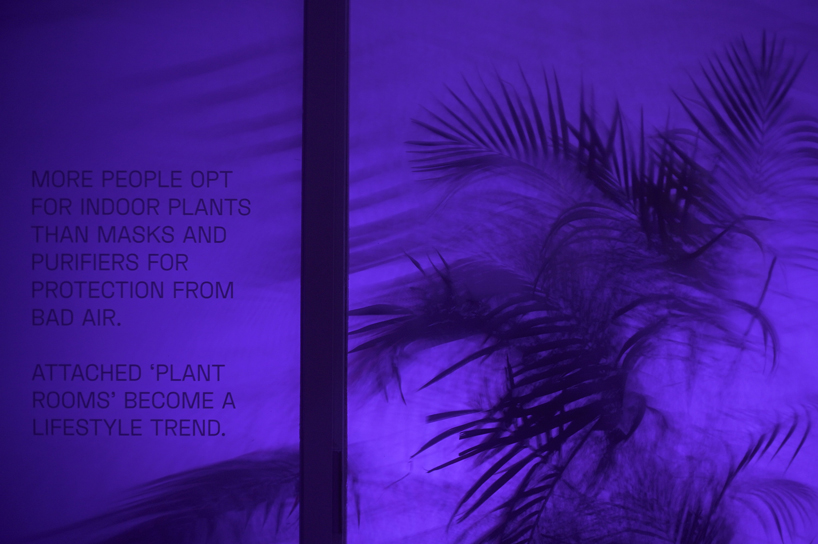
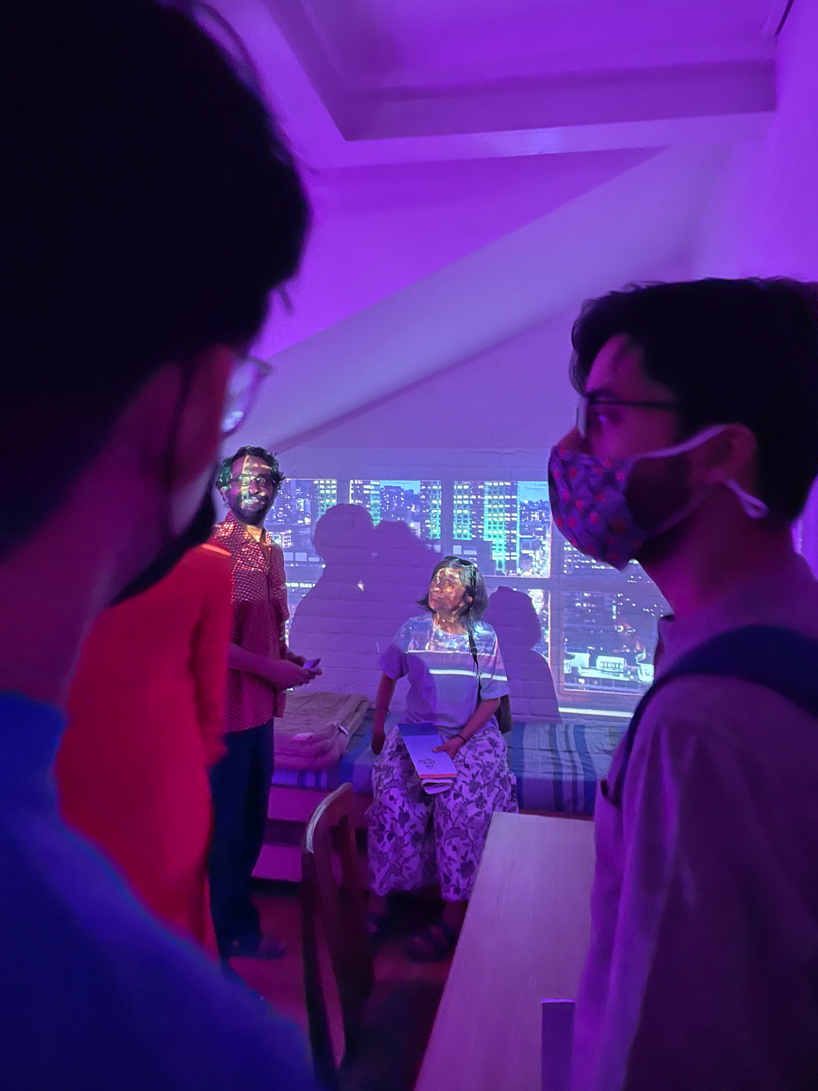
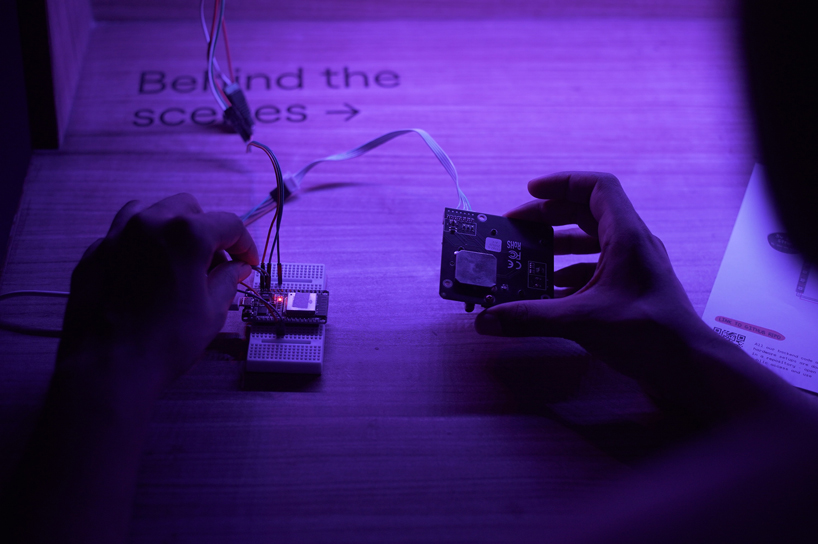
Overall, India-based practice Architecture for Dialogue’s project acts as a speculation of how our homes could evolve in the near future to adapt to poor air quality. The exhibition ‘Windows on-demand’ questions: ‘What happens to windows when air outdoors isn’t fresh anymore?’ and presents virtual windows as a new norm through pay per view projections which offer exquisite views without the risk of bad air. Moreover, rooms full of plants become a lifestyle trend extrapolating the ambiguity of how we deal with air pollution in the present. Elsewhere, the ‘Which room is the least polluted?’ installation serves as a prompt for visitors to consider about how they perceive and deal with pollution in their own homes. In another exhibition, visitors are encouraged to explore the behind the scenes open-source technology to make their own air quality lamps using easy to assemble components.
architecture for dialogue collaborates with salil parekh
‘My house is ill’ forms a part of the Architecture for Dialogue’s ongoing study of air pollution micro-climates within indoor environments in Delhi, and investigates patterns that are otherwise unseen. ‘We set out to make the invisible, visible. One of the primary reasons we’re unable to truly comprehend how polluted our air is — is due to our inability to understand how air works.’ comments collaborator and technology lead, Salil Parekh.
Hosted within the artist residency at Khoj Studios, Delhi, the exhibition was executed with support of Khoj Studios and Prince Claus Fund as part of the programme ‘Does The Blue Sky Lie?: Testimonies of Air’s Toxicities’.
1/3
project info:
name: My house is ill
designer: Architecture for Dialogue
collaborator: Salil Parekh
supported by: Khoj Studios
location: Delhi, India
designboom has received this project from our ‘DIY submissions’ feature, where we welcome our readers to submit their own work for publication. see more project submissions from our readers here.
shop
your own online design shop — no sales commission collected