napp studio highlights the density of hong kong with ‘micro to nano’ spatial installation
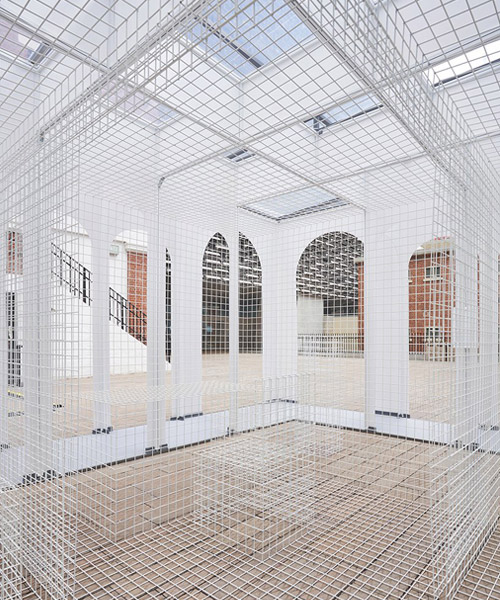
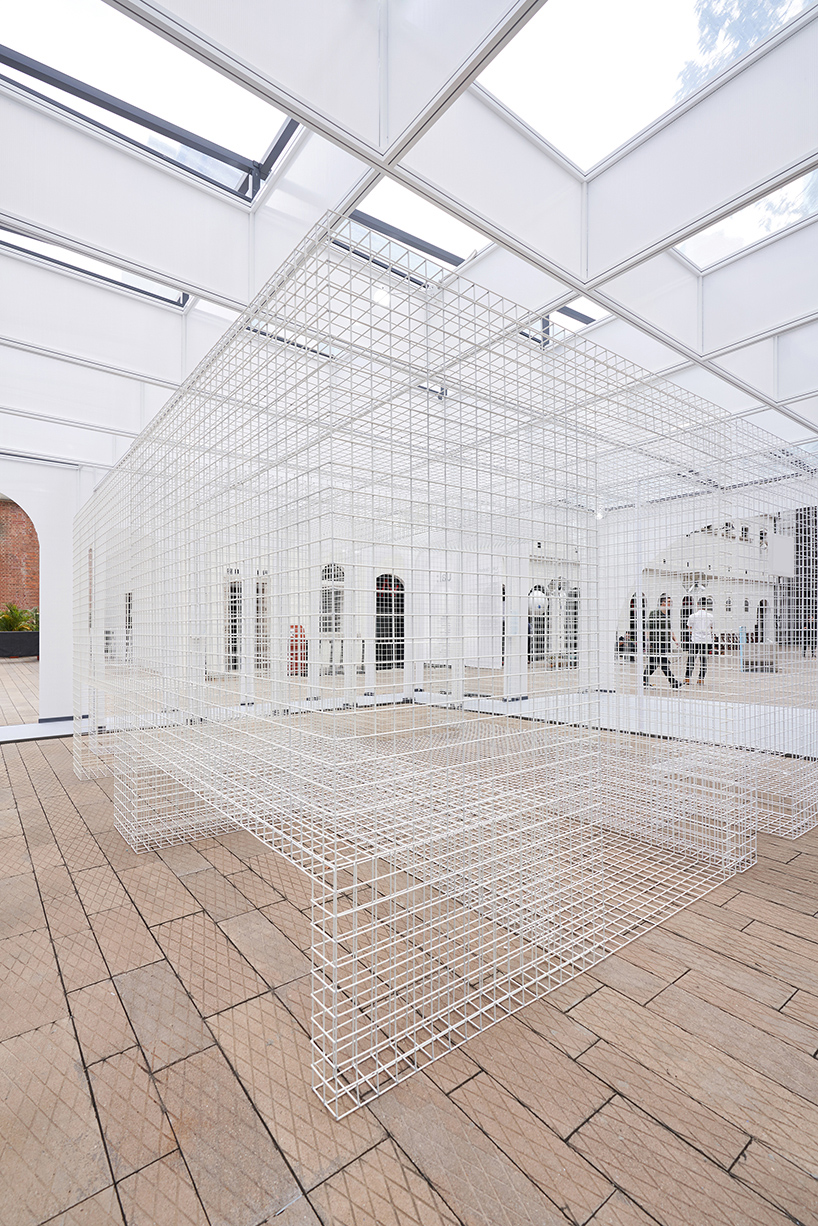
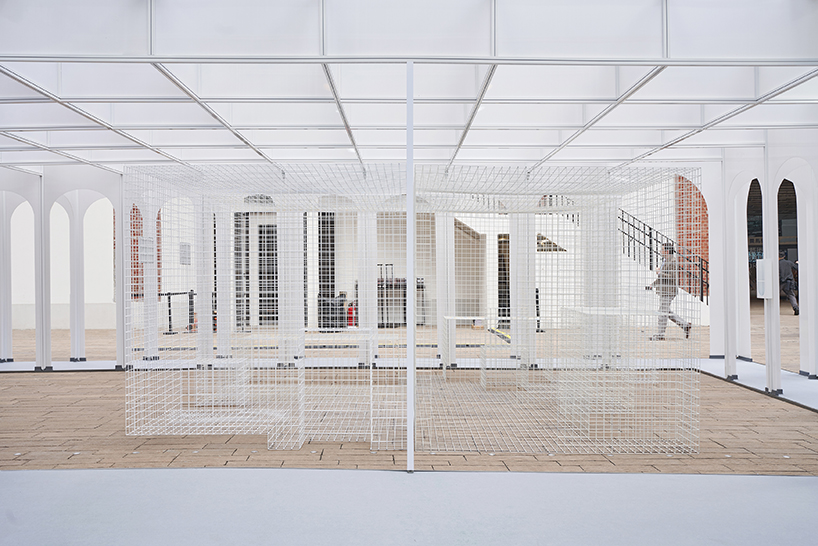
the design is an abstraction of the smallest 'nano' living unit currently available on the market, which is around 160 sq ft.
prefer designboom on google[FEATURED]
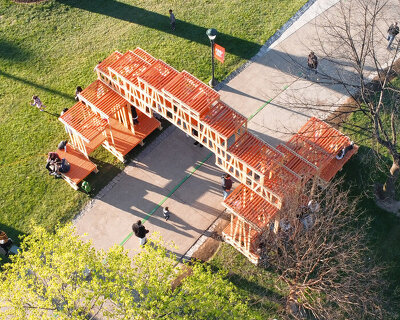
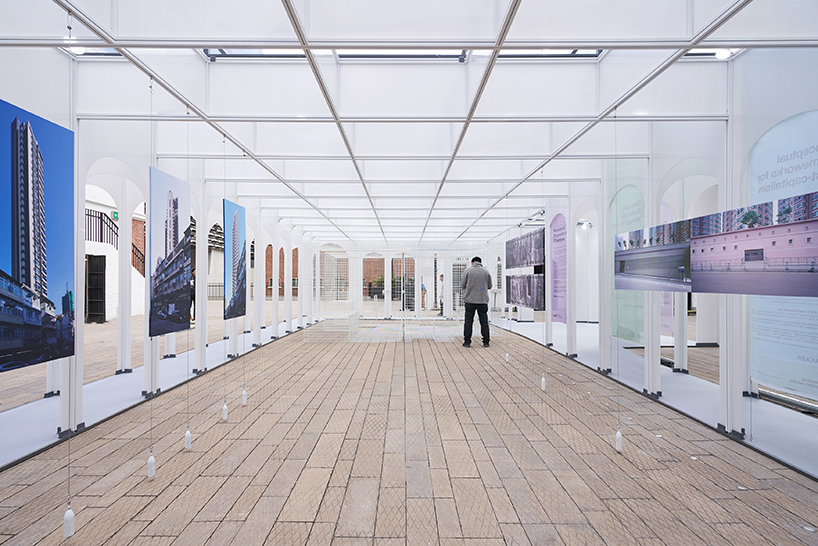
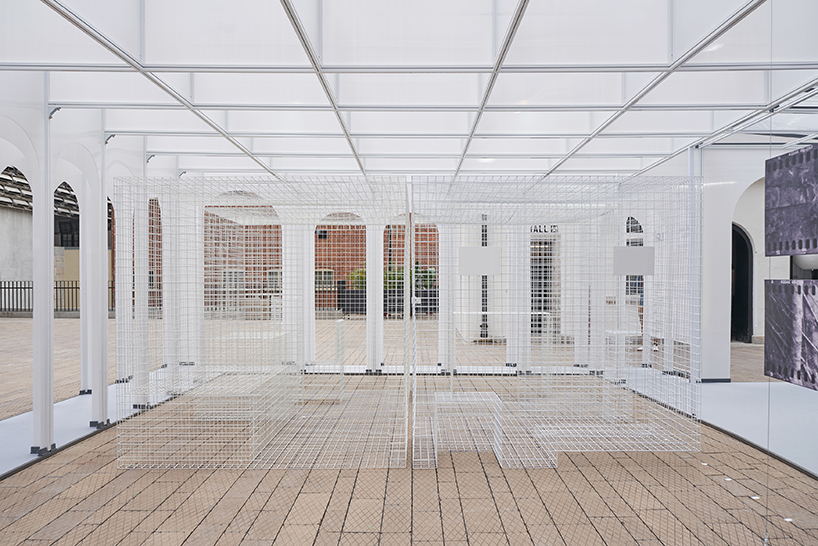
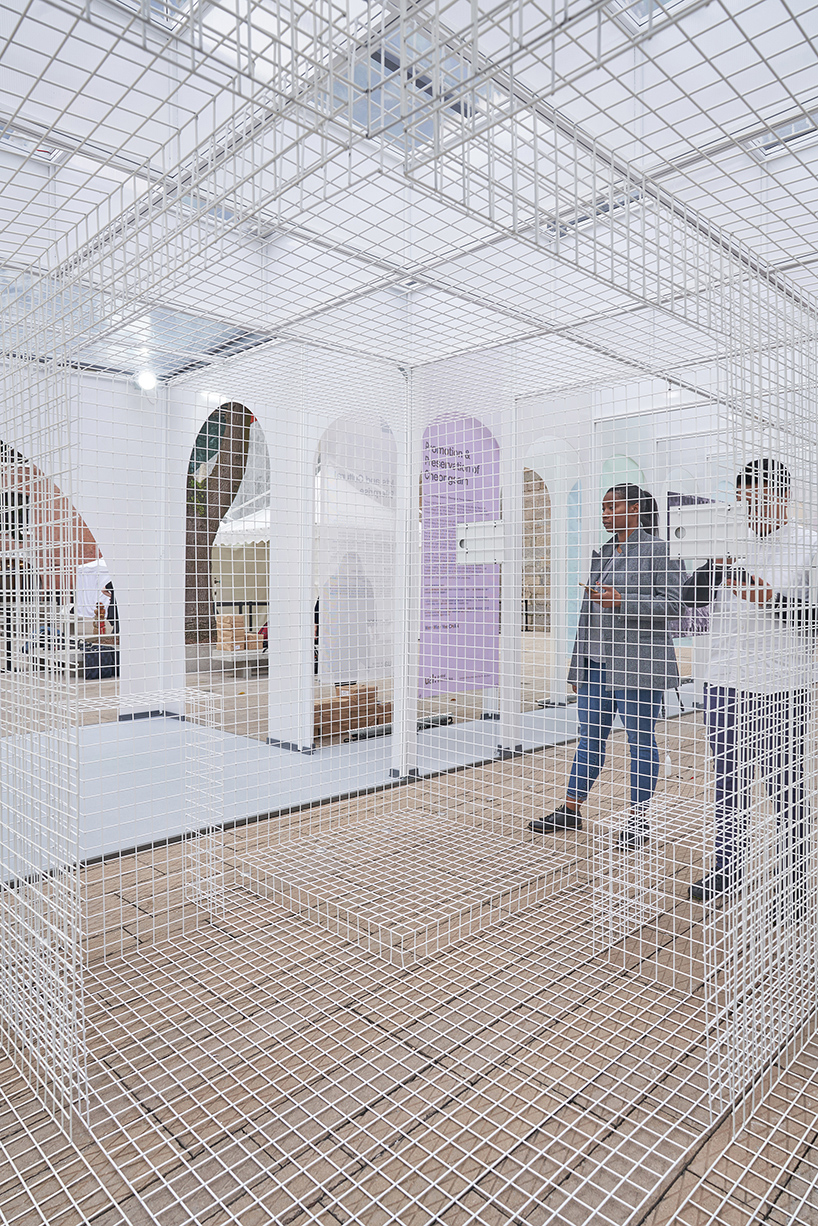
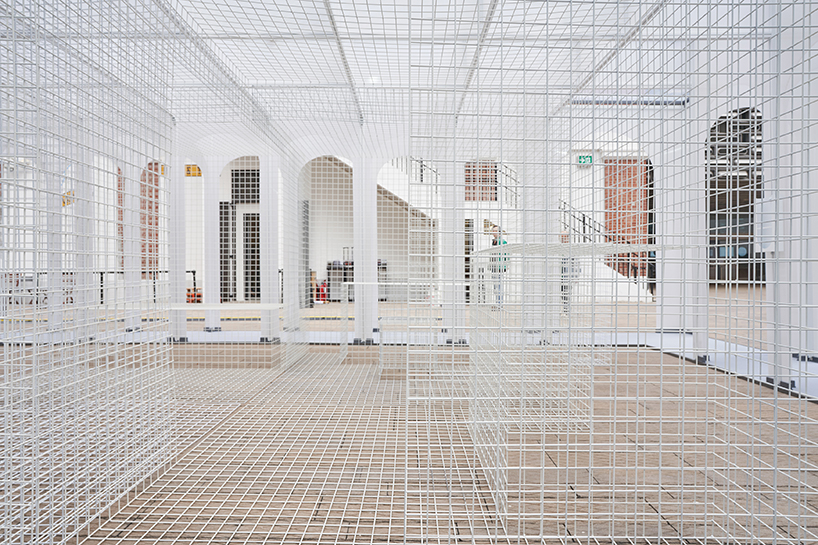
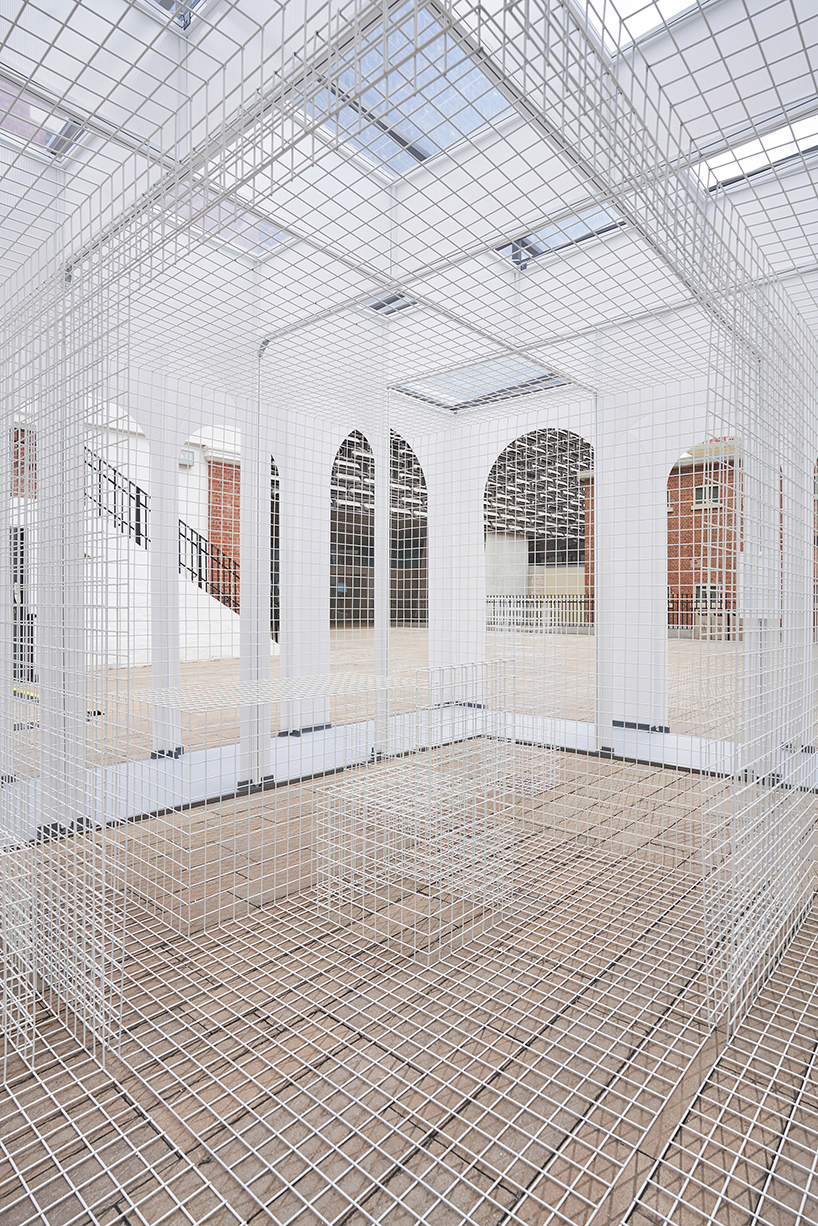
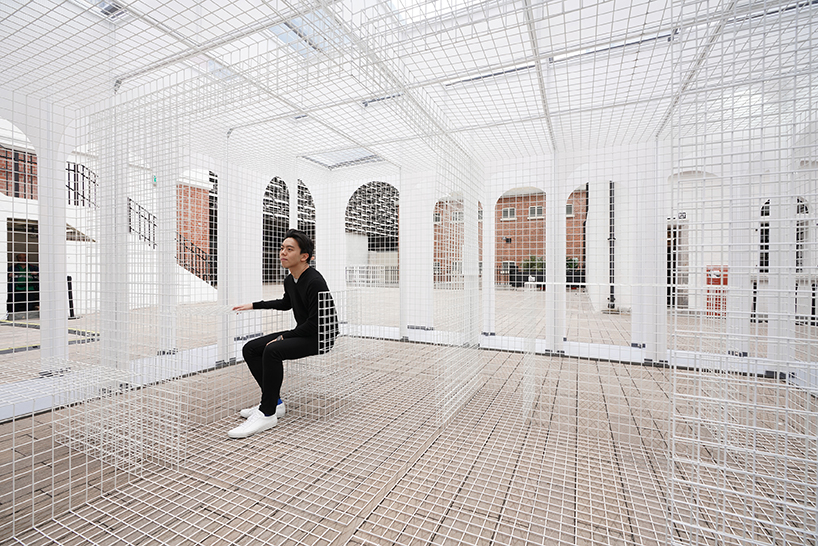
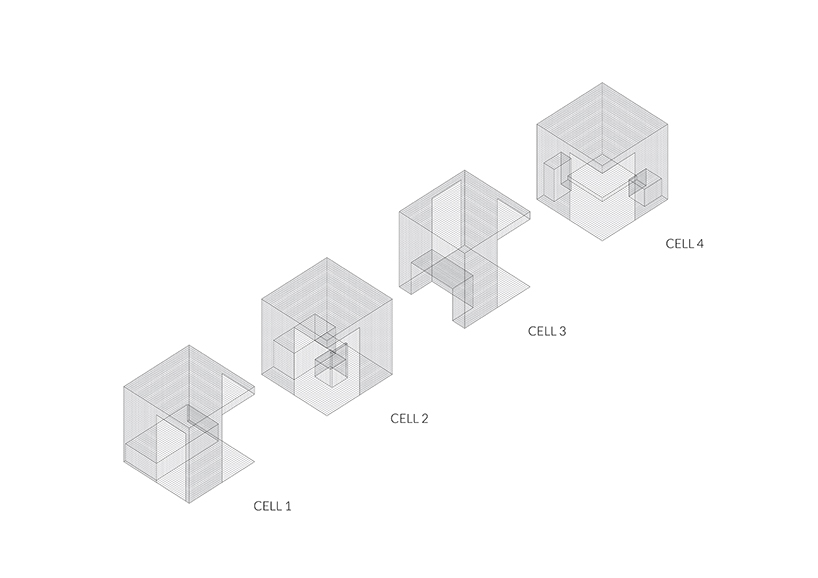
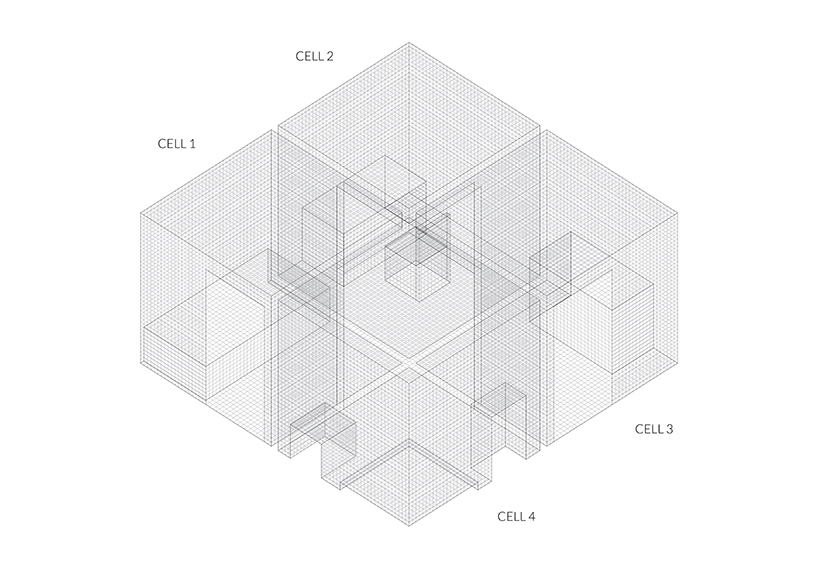
in collaboration with chan alison june yee, napp studio has created a spatial installation in taikwun, responding to the density of urban living in hong kong. shrinking homes have become the norm in hong kong, a city that currently has no legal minimum on the size of private residential units. in addressing this housing crisis, so called ‘nano’ apartments are fast becoming the latest urban phenomena. a nano unit is characterized by being less than 200 sq ft, going beyond the compactness of a micro unit (<350 sq ft). the exhibition, entitled ‘micro to nano’, is an abstract simulation of the smallest nano unit currently available on the market which is around 160 sq ft and incorporates a living room, bedroom, bathroom and kitchen.
images © derek chien
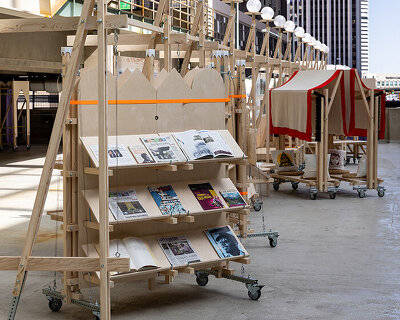
napp studio and chan alison june yee have constructed the spatial installation using a uniform 2” by 2” three dimensional grid. representing the smallest nano unit, and deprived of any decoration or embellishment, the design draws the audience’s attention to the actual liveable space in such a compact environment by subtracting the room of any fixtures or daily objects. the project intends to add to the dialogue regarding the future of high density living in developed cities. by starkly showing visitors the minuscule spaces people are living in, the installation hopes to spark debate and discussion on this serious housing issue.
project info:
project name: ‘micro to nano’
project location: taikwun, hong kong
design: napp studio (in collaboration with chan alison june yee)
design team: ho wesley hung lai
manufacturer: hattrick
client: london college of communication – university of arts london, SPARK: the science and art of creativity – british council
photography: derek chien
status: completed
date: january 2019
designboom has received this project from our ‘DIY submissions‘ feature, where we welcome our readers to submit their own work for publication. see more project submissions from our readers here.
shop
your own online design shop — no sales commission collected