passport green covers taiwan’s hidden code in bopomofo tribute by memphis sun
the publication on taiwan’s transliteration system for mandarin chinese closely follows the traditional learning methods of the country.
prefer designboom on googleMemphis sun explores mandarin chinese transliteration system
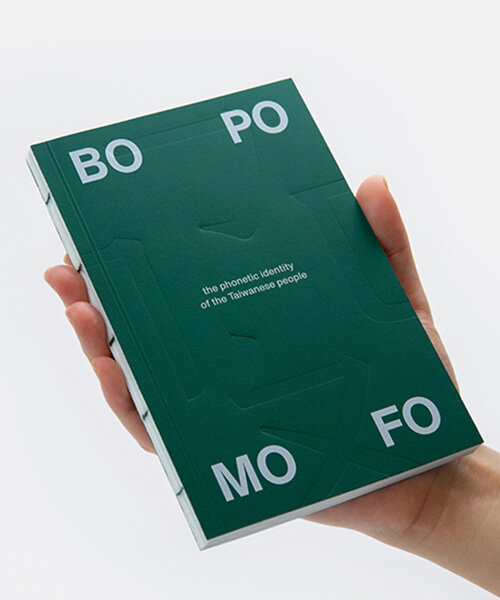
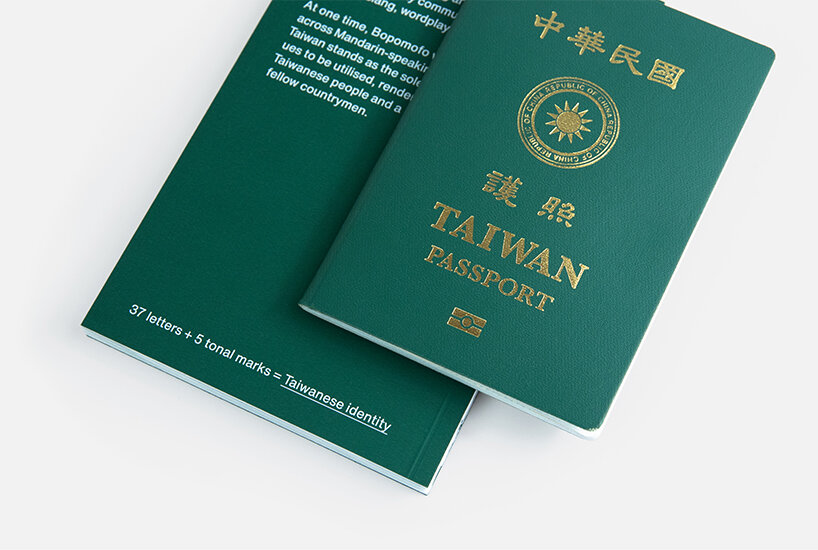
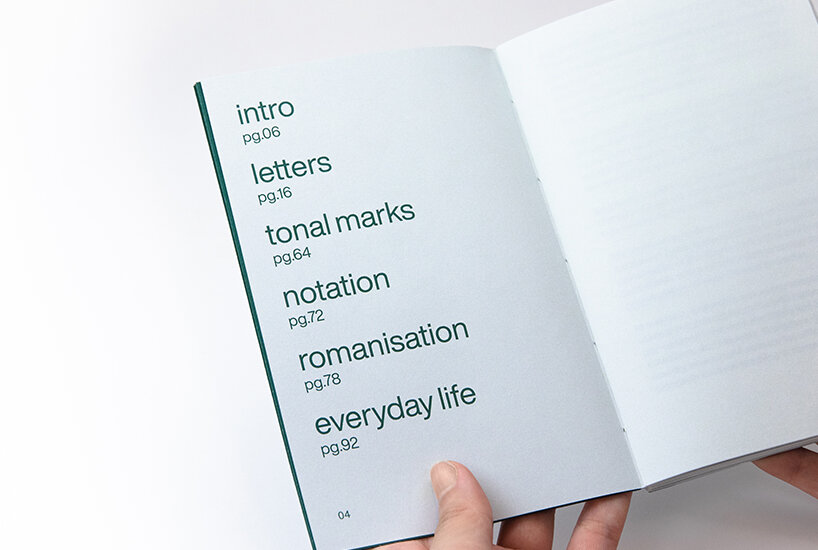
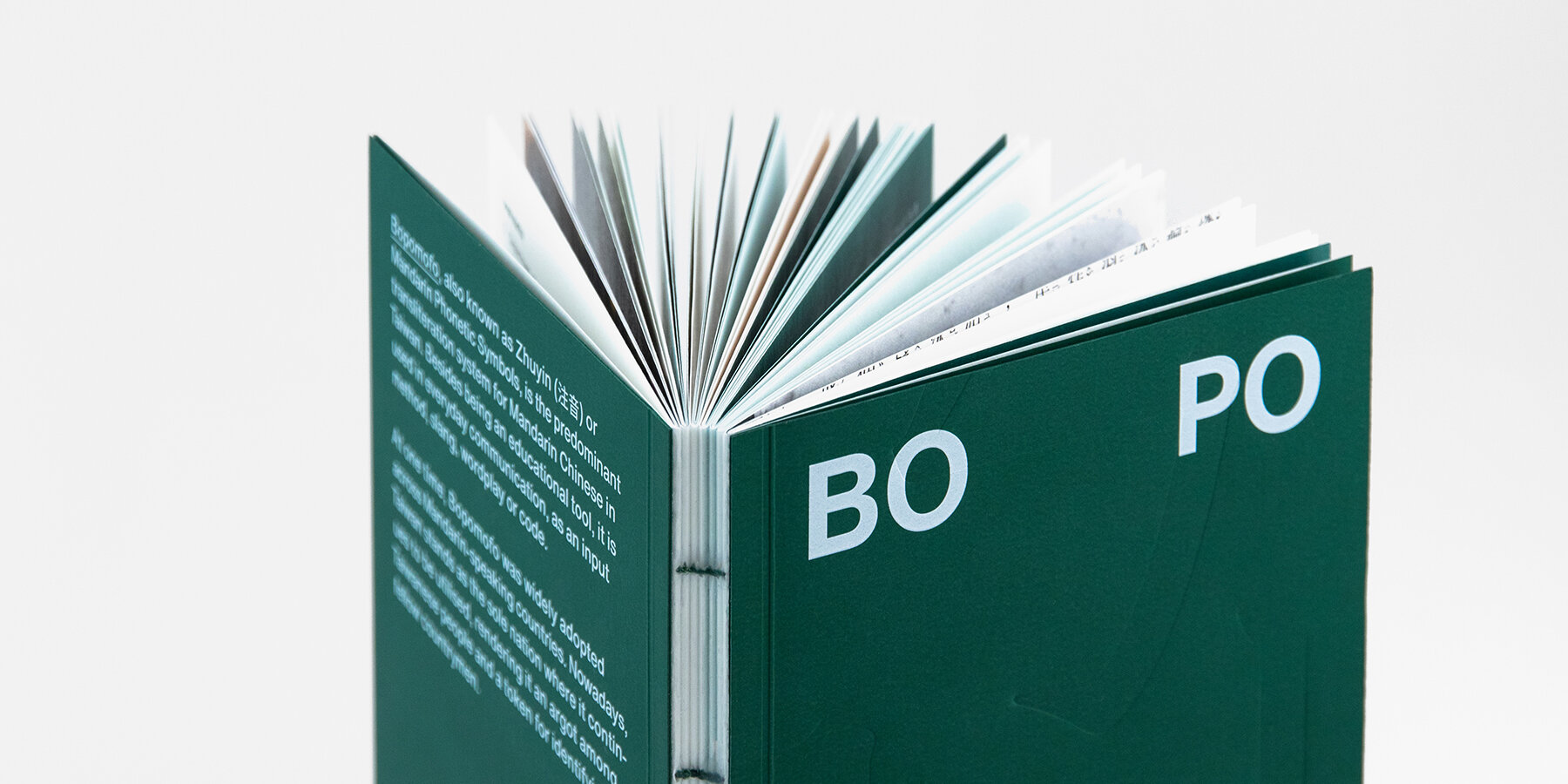
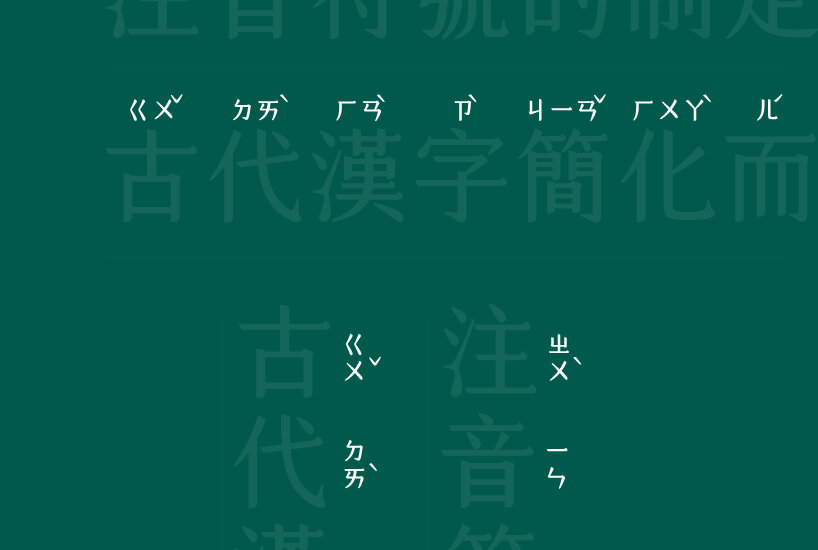
Multi-disciplinary designer Memphis Sun explores Bopomofo, Taiwan’s distinctive transliteration system for Mandarin Chinese, and its cultural significance through his publication. Following the traditional learning process in Taiwan, the book introduces Bopomofo’s letters, tones, and essential structure. Memphis Sun has included symbolic details in the design, using a specific shade of green identical to the Taiwan passport to make Taiwanese identity bolder. Embossed withㄅㄆㄇㄈ letters on the cover further highlights Bopomofo’s role as a bridge between spoken and written language.
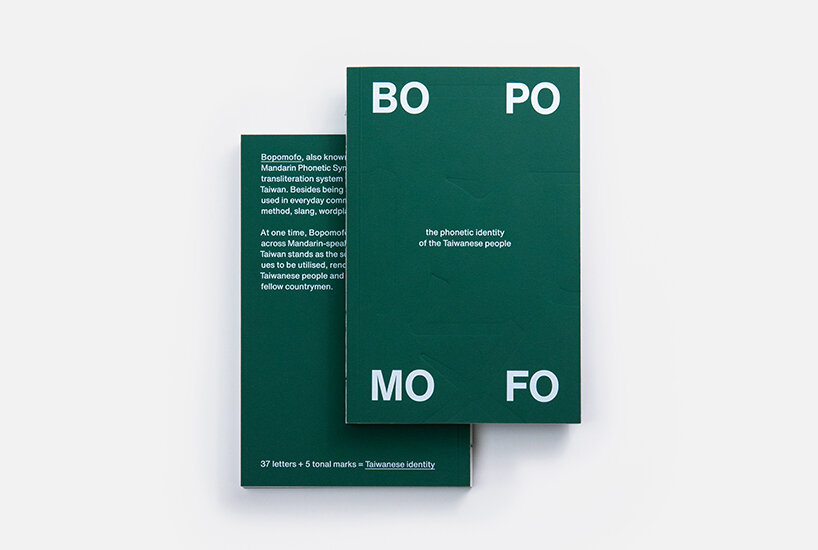
the book ilLustrates the use of Bopomofo in everyday life
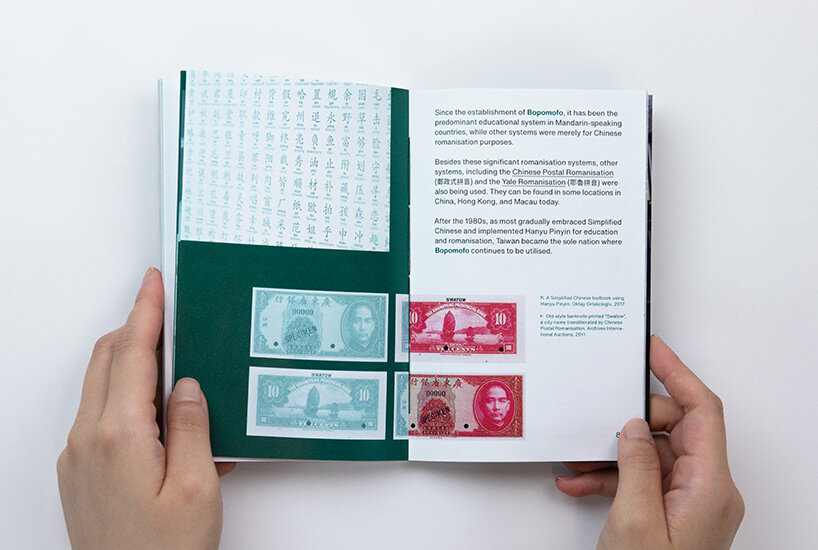

The book by Taipei-based Memphis Sun includes a visual timeline mapping the development and prevalence of various transliteration systems, underscoring the unique role of Bopomofo in Taiwan. Playful, curated images illustrate its use in daily life, emphasizing how the system has become an enduring cultural symbol. This publication invites readers to delve into Taiwan’s rich heritage and understand the connection between language, identity, and cultural pride.
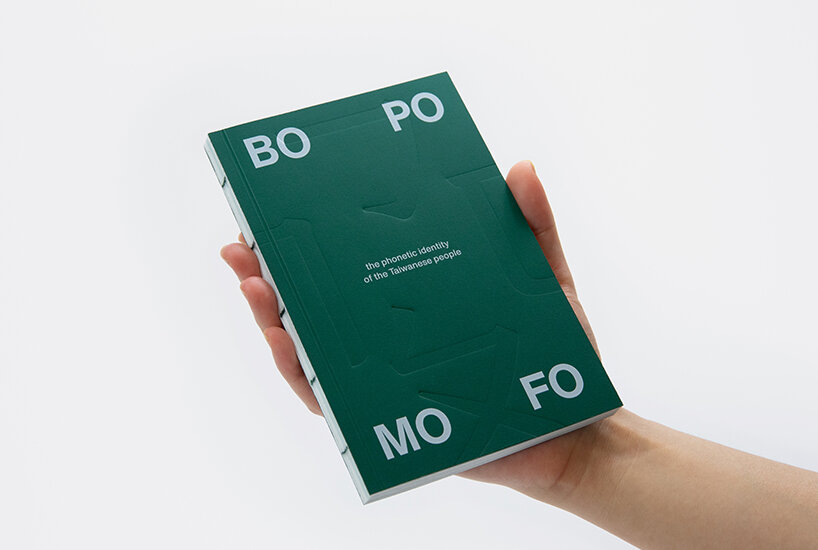
the design aims to connect readers with taiwan’s cultural depth
Developed over a century ago, Bopomofo, also known as Zhuyin, remains Taiwan’s primary phonetic system, even as other Romanization methods have emerged in Mandarin-speaking regions. Through a combination of visuals and text, Memphis Sun’s design aims to connect readers to the historical and cultural depth of this system. Wordplays and phonetic hints help English speakers and non-native readers grasp pronunciation, while everyday scenes showcase Bopomofo’s presence in Taiwanese life.




1/3
project info:
name: BOPOMOFO
designer: Memphis Sun | @memphissun.info
designboom has received this project from our DIY submissions feature, where we welcome our readers to submit their own work for publication. see more project submissions from our readers here.
shop
your own online design shop — no sales commission collected