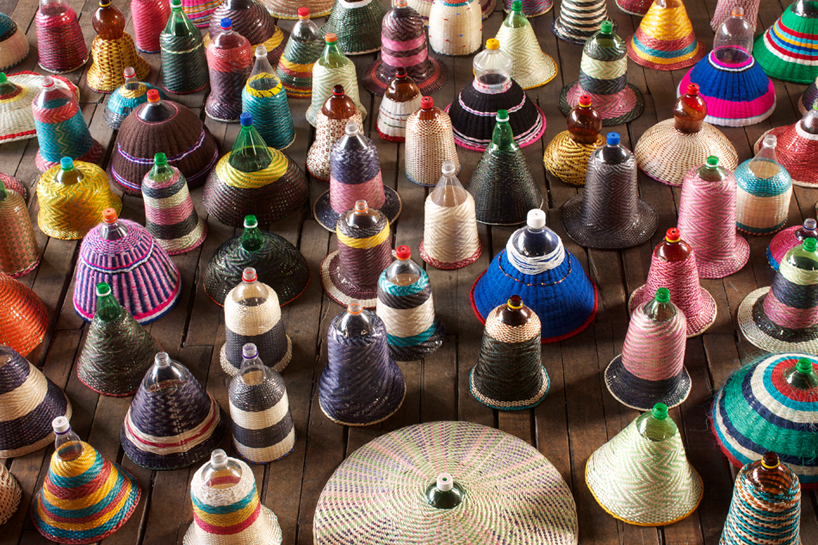
PET bottle lamps by alvaro catalan de ocon
thinking about the validity of the PET bottle over the long term and finding a creative way to transform it into a functional and desirable product for the market after its initial intended use.
prefer designboom on google[FEATURED]
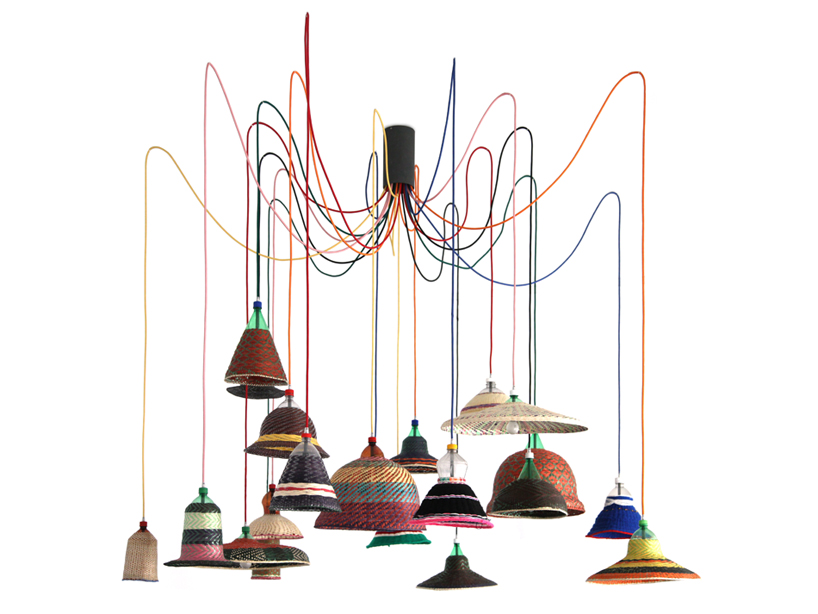
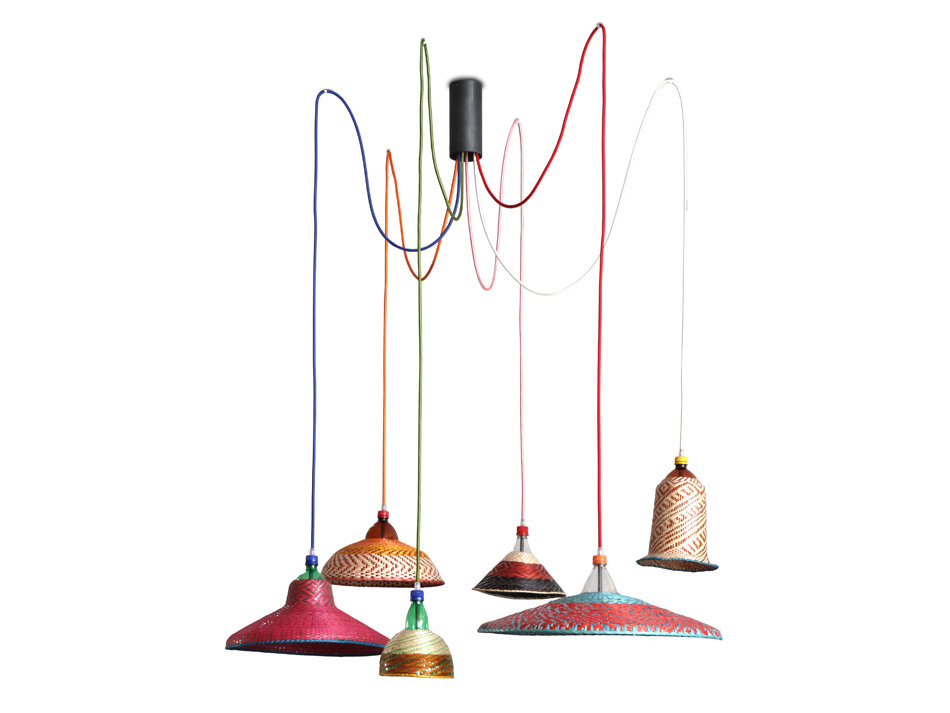
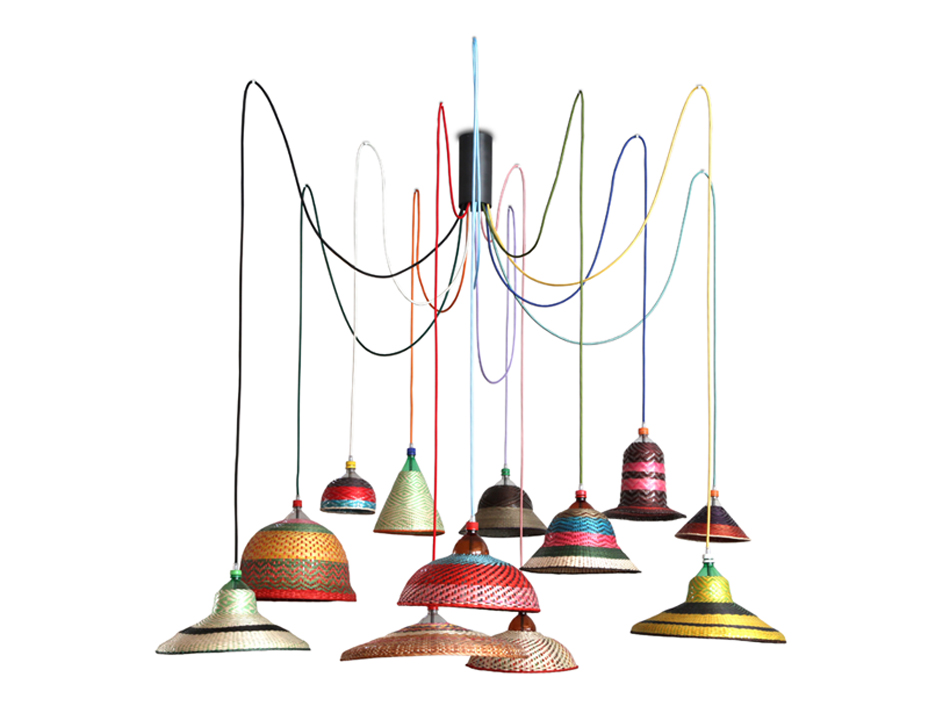
‘PET lamps’ by alvaro catalan de ocon
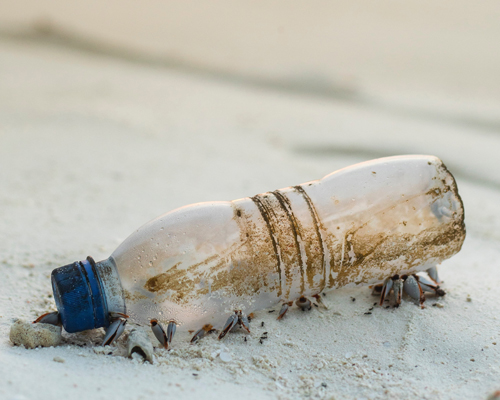
in 2011, alvaro catalán de ocón travelled to south america where he took part in a project led by hélène le drogou, psychologist and activist who was concerned with the plastic waste contaminating the colombian amazon. currently large amounts of PET bottles are washed into the earth’s body of waters by tropical rains–the discarded material pulled into the rivers, floating out into the pacific ocean where over time it has accumulated into an immense island, spanning larger than the area of spain, which today is known as the ‘seventh continent‘.
alvaro’s invitation to partake in the initiative was so that he could see first hand the amount of pollution generated by plastic bottles effecting the area, and express his point of view on the situation, and find a potential solution to the problem.PET bottles have a very short lifespan considering the amount of effort which is taken to produce them.the spanish designer’s aim was think about the validity of the object over the long term, finding a creative way to transform it into a functional and desirable product for the market after its initial intended use.
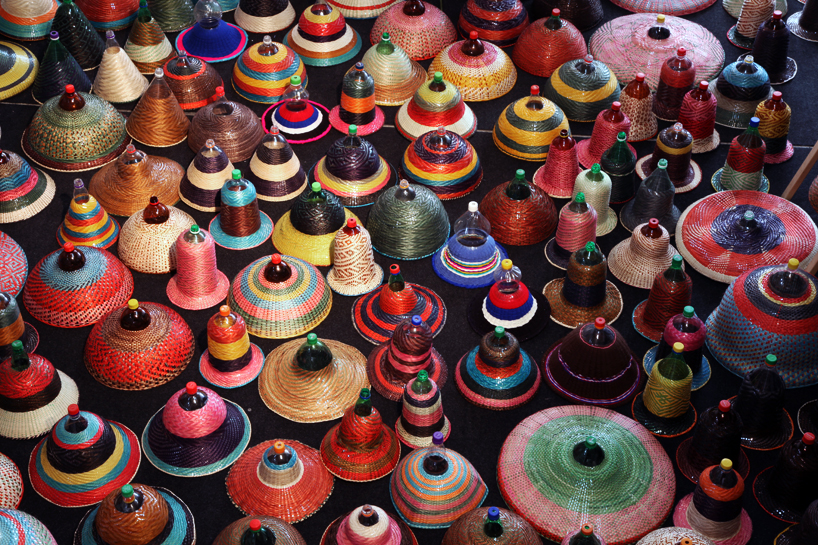 the colors, materials and motifs employed in the creation of the lamps speak of the cultural traditions of the artisans who make them
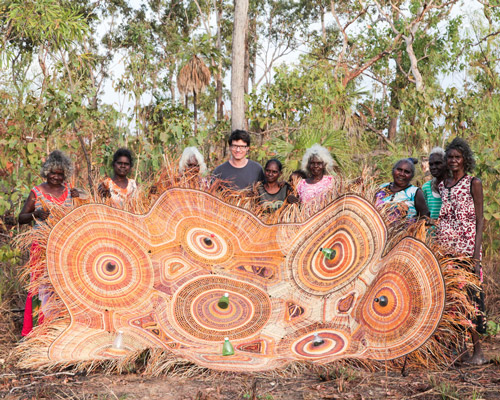
his response? engaging the local community to turn the containers for liquids into ceiling lamps. with the help of the asociación artisanías de colombia (an organization dedicated to the preservation of colombian crafts), alvaro collaborated with two distinct groups of artisans from the cauca region who had been displaced by guerilla war to bogota. together they have been giving new life and shape to the PET bottle since 2012, which gave rise to PETlamp.org.
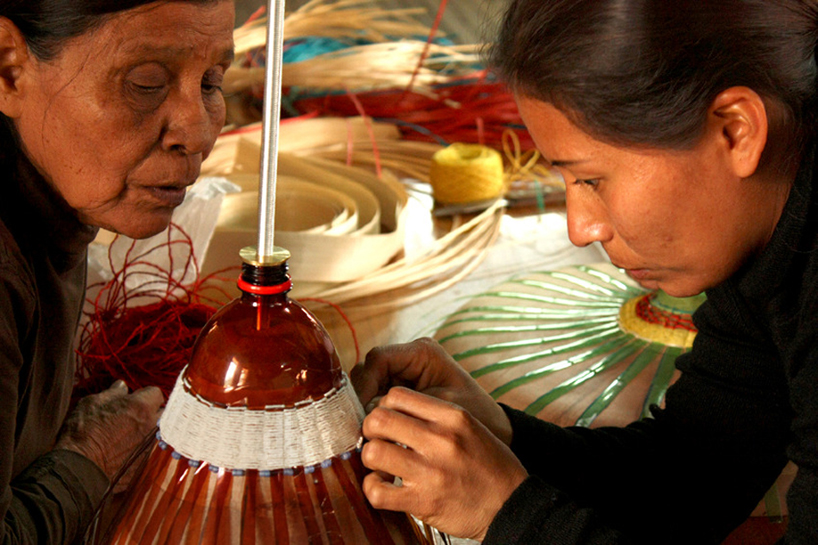
using the surface of the PET bottle as the warp on which to weave, local craftsmen come into the picture to create the weft,
ultimately giving the lamp shades their form–the lines where the plastic moulds meet, serving as horizontal and vertical references
for cutting and spinning the textiles. the original structural form of the bottle top remains in place in which to join the
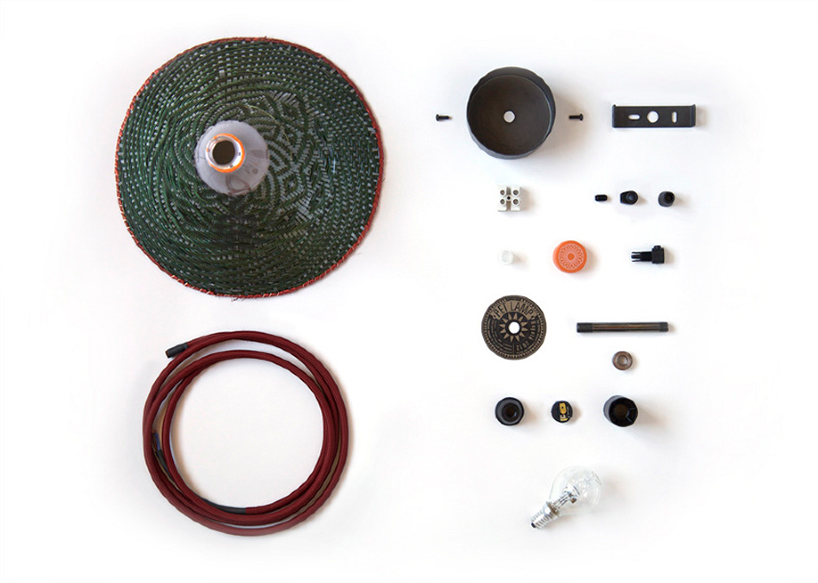
electrical components to the lamp shade itself.
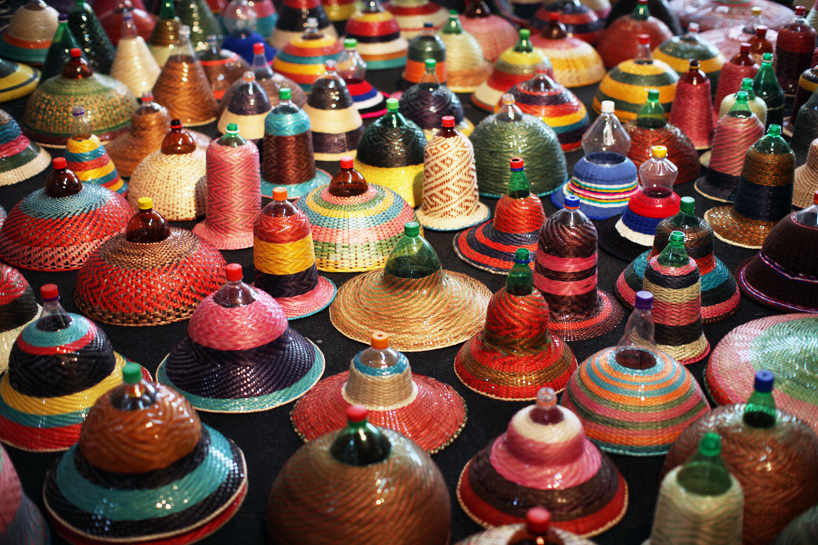
alvaro is working with two distinct ethnic groups from the area on this project:
the emperara-siapidara found in the littoral region of the cauca hot zone, where the papa tetera palm tree is found in abundance, their fibres dyed using natural pigments for application in their traditional craft practices; and the guambianos, though situated within close geographical proximity to the emperara-siapadara, live in the cold zone of the central mountain range of the andes (settled even before the existence of the incas), where wool and cotton weaving are symbolic of their customs. the result are two unique collections of lighting pieces whose colors, materials and motifs, indicate the origins of their makers.
the initiative gives locals a means of sustaining themselves economically as well as bringing a livelihood back to their culture in which to express their knowledge of craft to be shared with the world .
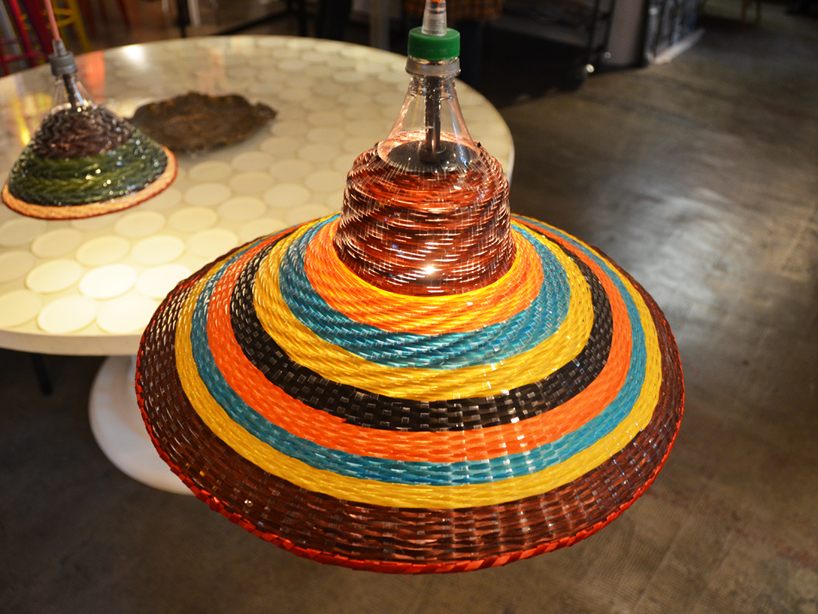 the PET bottle acts as the warp, while artisans create the weft to weave the lampshades into formimage © designboom
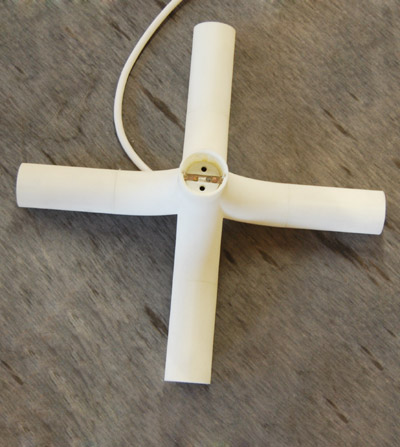
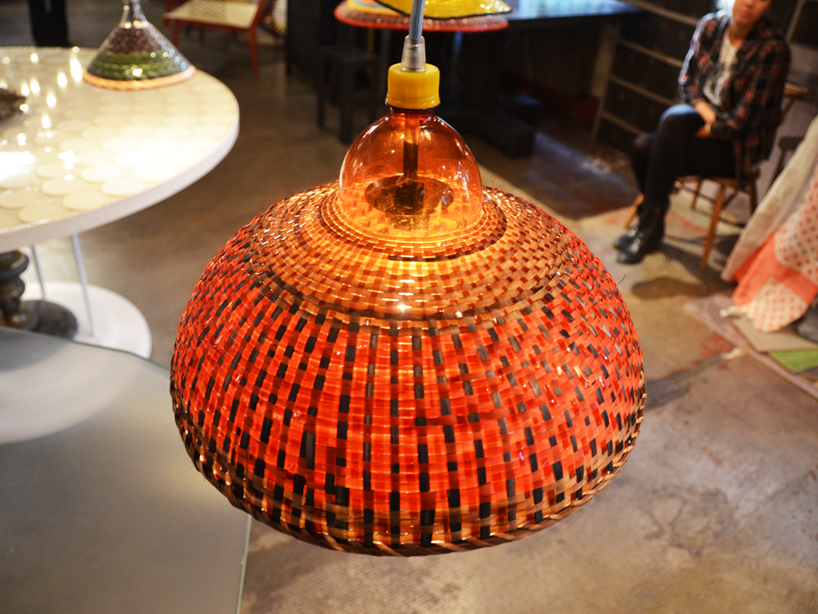 the neck of the bottle remains in tact in which the electrical components are installedimage © designboom
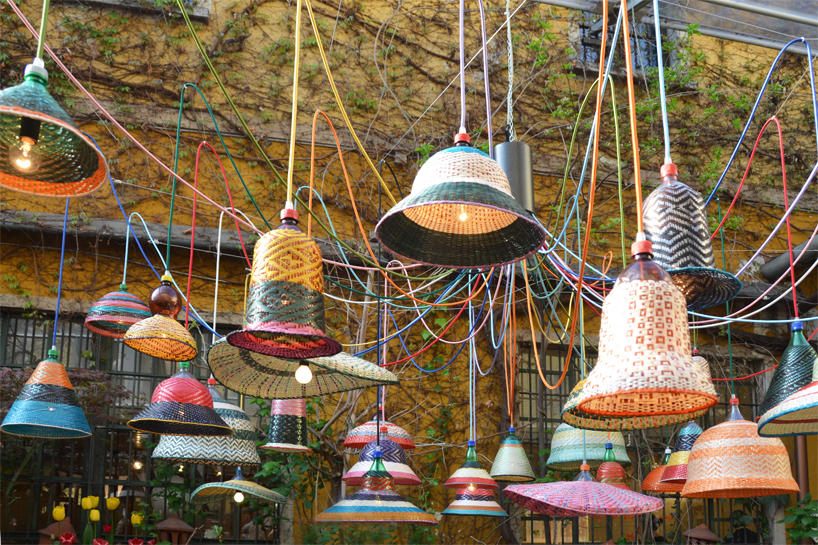 installation of the PET lamps within the courtyard cafe of spazio rossana orlandi during milan design week 2013image © designboom
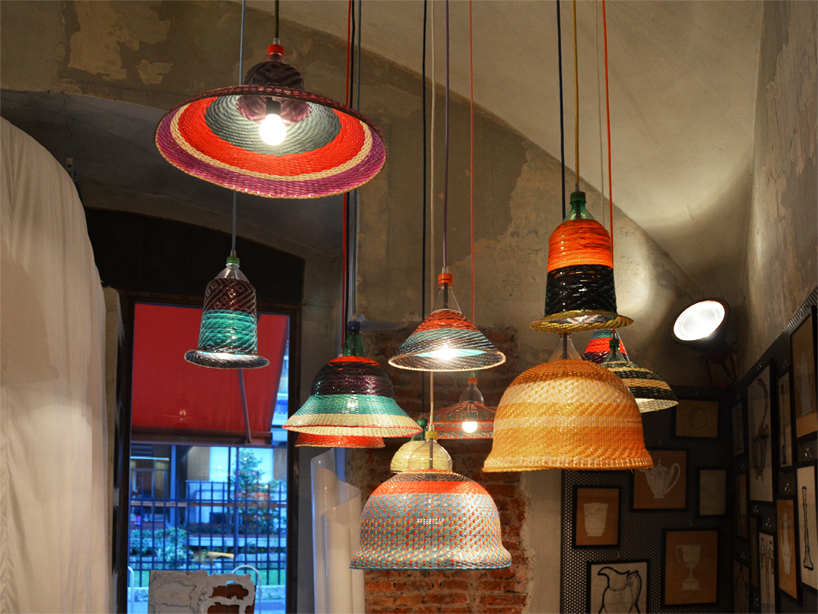 esperara siapidara versions of the PET lamps installed at restaurant pane e acqua in milanimage © designboom
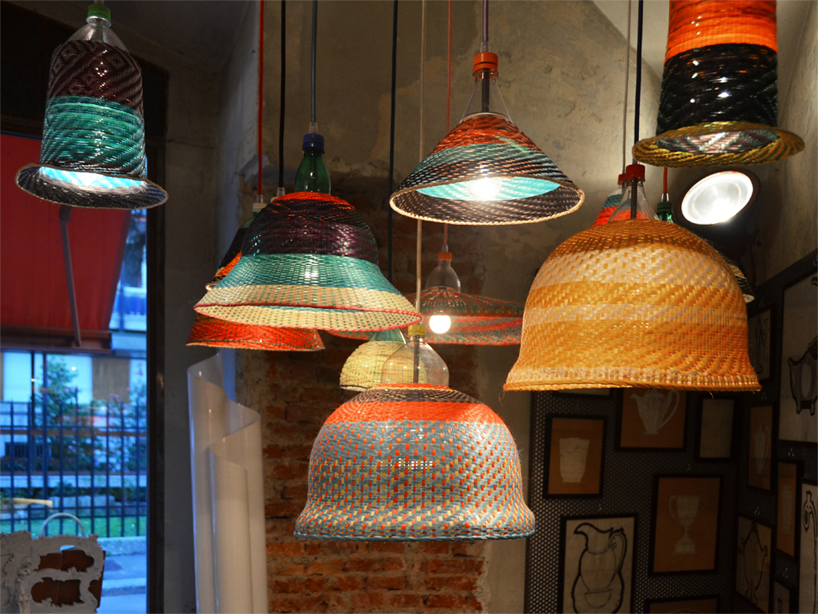 image © designboom
the making process:
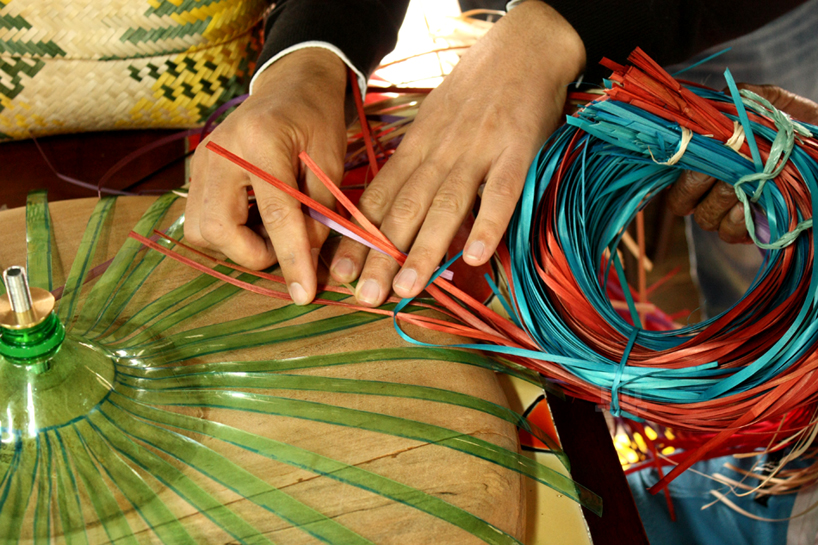 showing how the plastic bottles are cut vertically to create the warp in which artisans weave fibres to create the weft
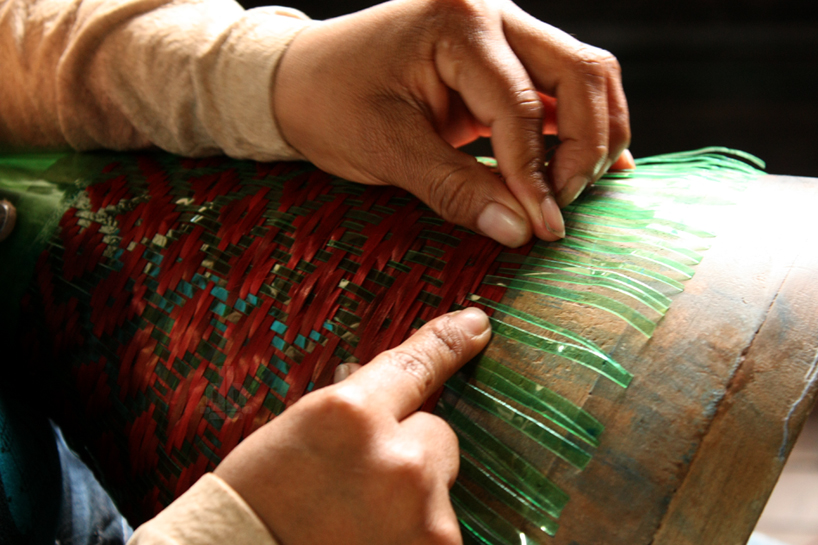 each piece is handmade making them unique
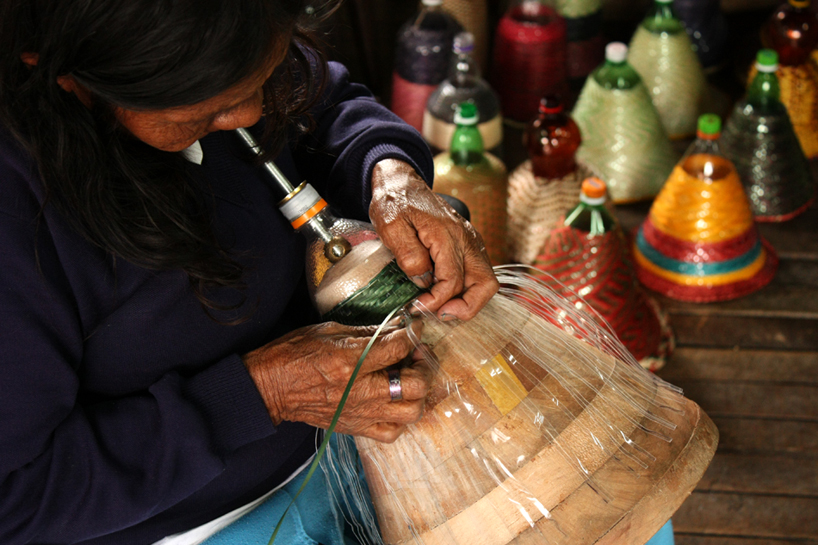 the plastic provides a structure in which the natural fibres are woven
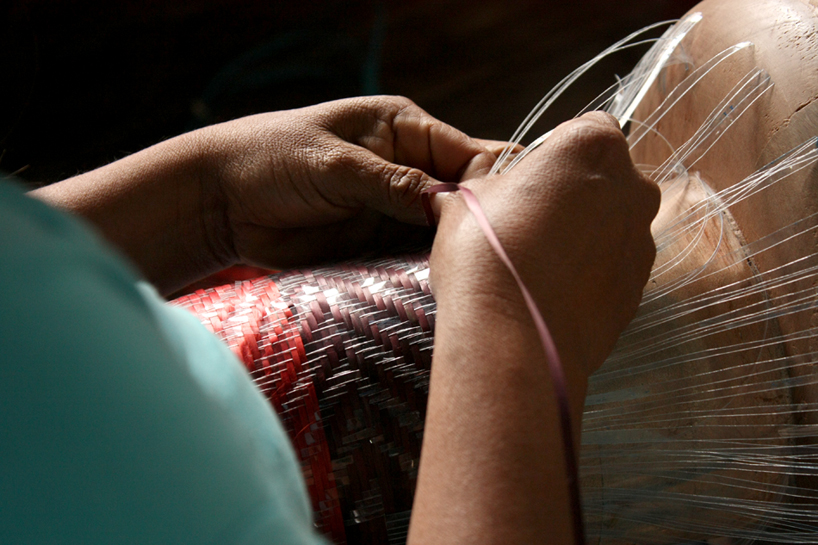
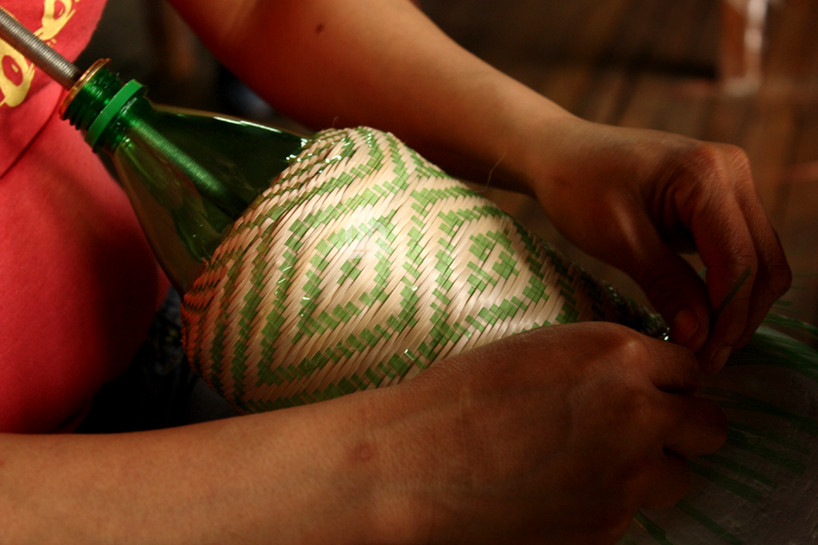
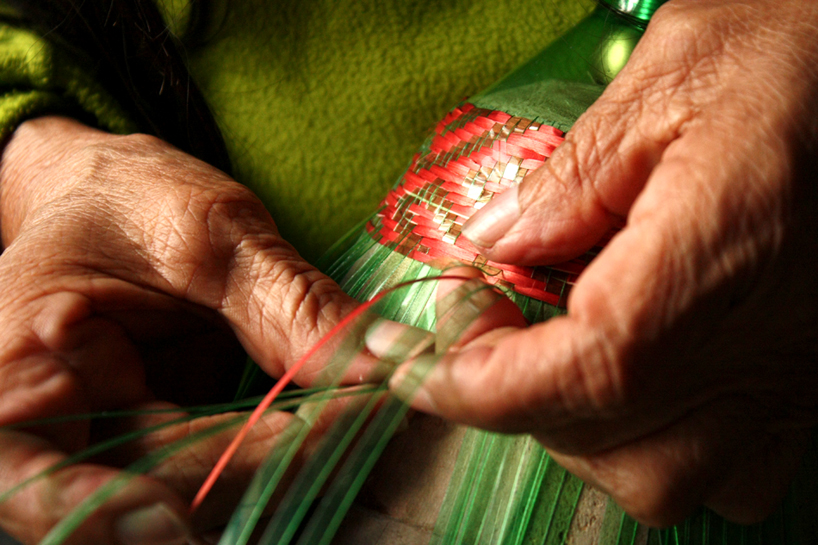
the distinctive colors and patterns employed speak of the artisans who make the lamps
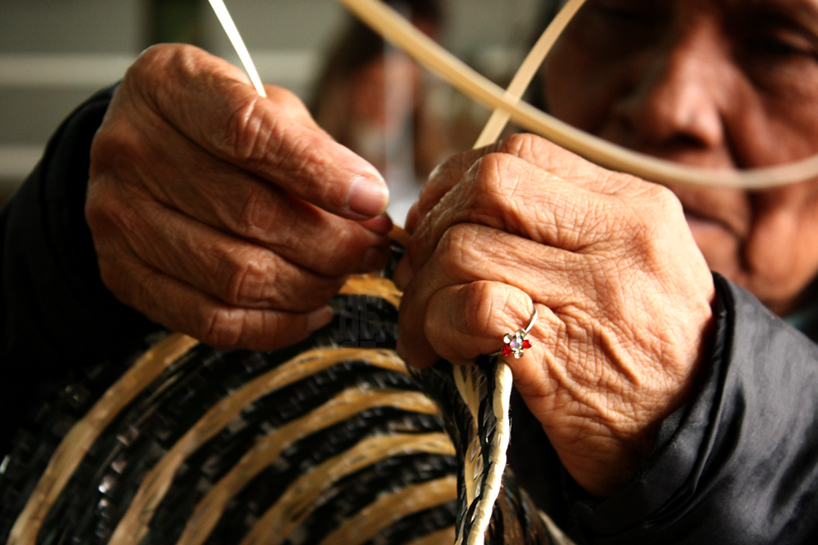
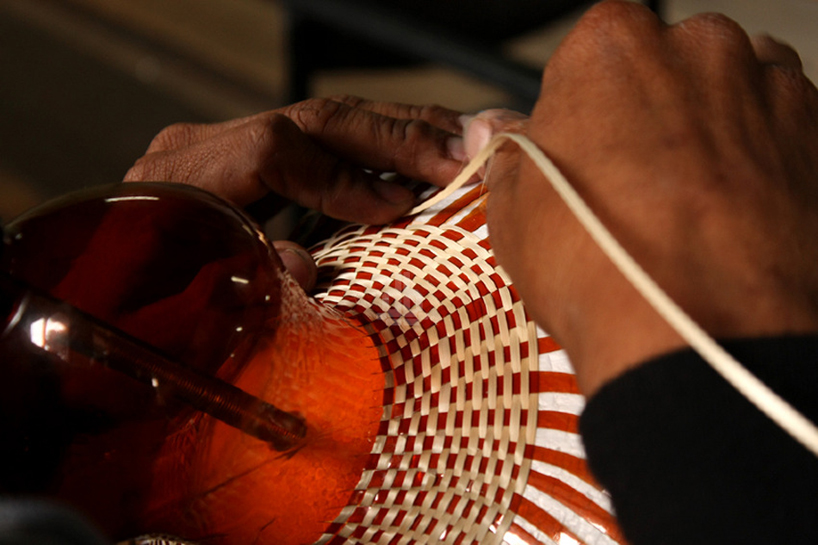
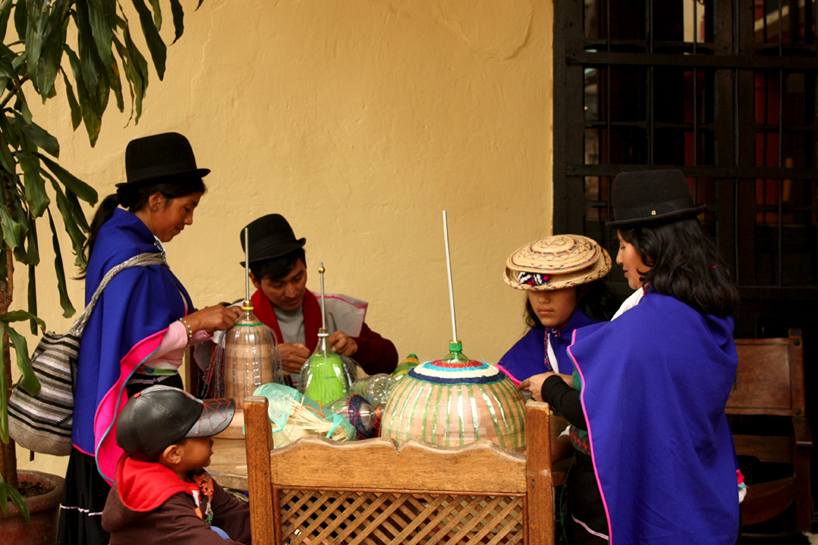
2012 workshop in bogota during the production of the guambianos lamps
PET lampsvideo courtesy of alvaro catalan de ocon


1/17
shop
your own online design shop — no sales commission collected