from balenciaga candles to Hermès windows: panter&tourron on quiet mechanics of luxury
stefano panterotto and alexis tourron reveal how swiss design, craftsmanship, and restraint shape their approach to high-end.
prefer designboom on googlePanter&Tourron’s studio in Lausanne
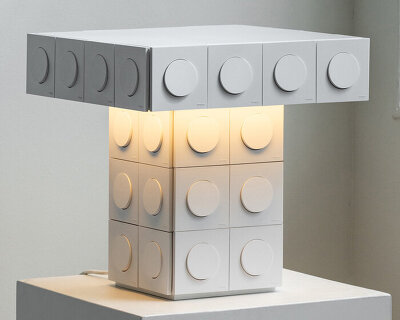
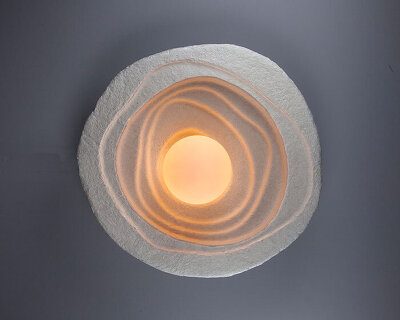
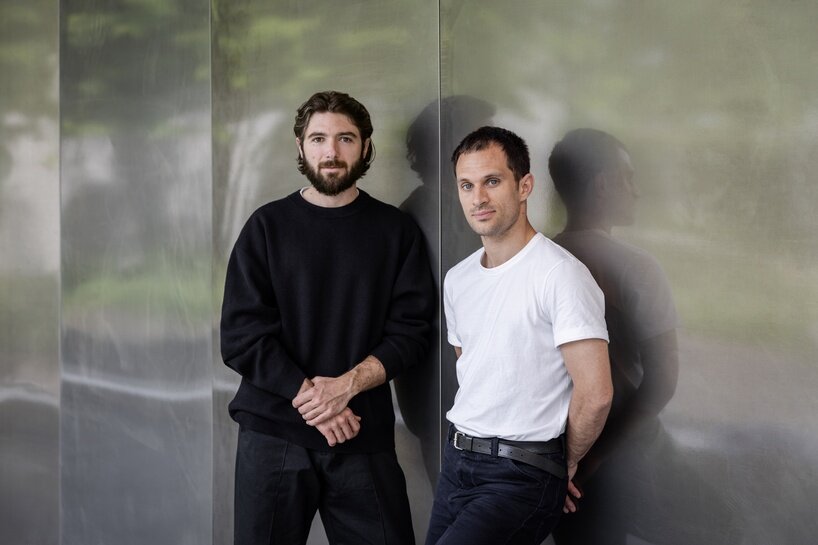
In Switzerland, Panter&Tourron are designing subtle, quiet objects that people can’t help but take notice of. It would be unfair to say that their work is ‘eye-catching,’ as that may conjure an image of something gaudy, gold, or strobing. But there is a certain attention their work whispers for – a kind of if-you-know-you-know type signaling. Chatting with the studio’s founders, designers Stefano Panterotto and Alexis Tourron, they recall the funny places they’ve seen their work pop up, from a Balenciaga candle on supermodel Bella Hadid’s coffee table to their lamps in a futuristic Apple TV show. Yet speaking to the two, dressed in the types of dark sweaters that are almost archetypal of the industrial design type, there’s a keen sense that they do not have the spotlight in mind when creating their work.
On designing with Demna & Balenciaga
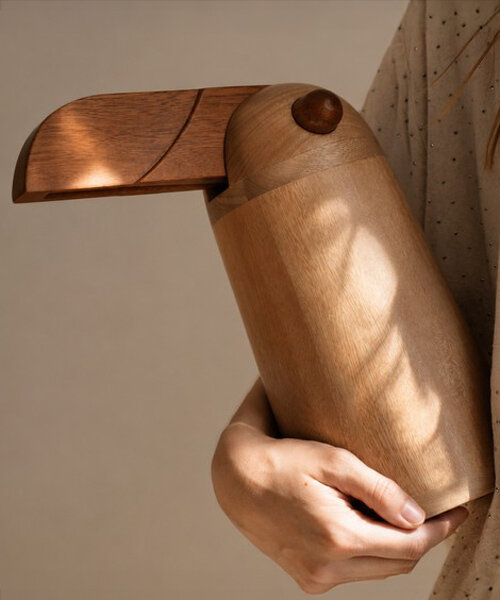
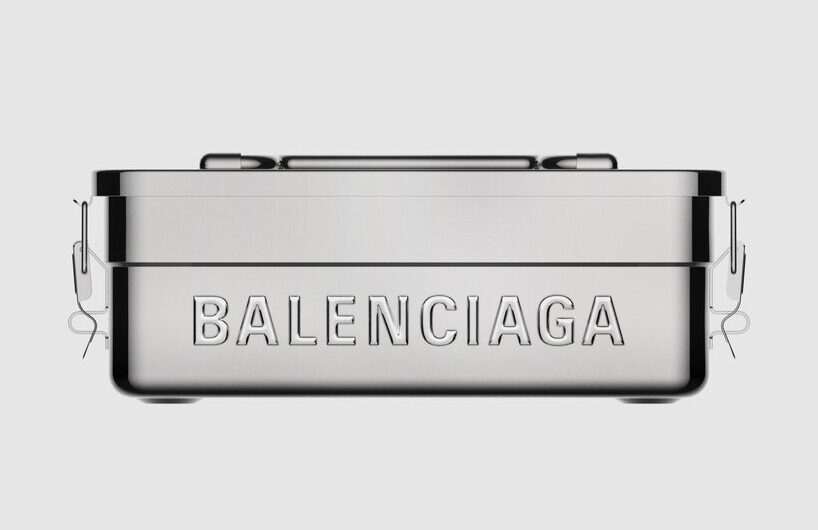
In conversation with designboom, Stefano Panterotto of Panter&Tourron recounts creating a few home objects for Balenciaga back in 2022 when Demna was creative director and Martina Tiefenthaler was the brand’s Chief Creative Officer. He looks back fondly on the process, recognizing how at the time, the fashion house derived its aesthetic by mixing ‘a lot of ironic and functional things, very far from the typical fashion aesthetic references,’ and how that reflected the values of Panter&Tourron.
‘We designed it in a bubble in our studio in the not-so-glamorous Lausanne (compared to Milan or Paris),’ he says, speaking to the contrast between where they work and the flashier European fashion capitals. So when the candles and the lunch sets they created started popping up on their social media feeds, it came as a happy, albeit unexpected, surprise. ‘We never thought that it would appeal to a whole world of influencers and fashion lovers,’ says Panterotto, still with a hint of shock. ‘It was very funny to see it out there.’

Switzerland and expanded horizons
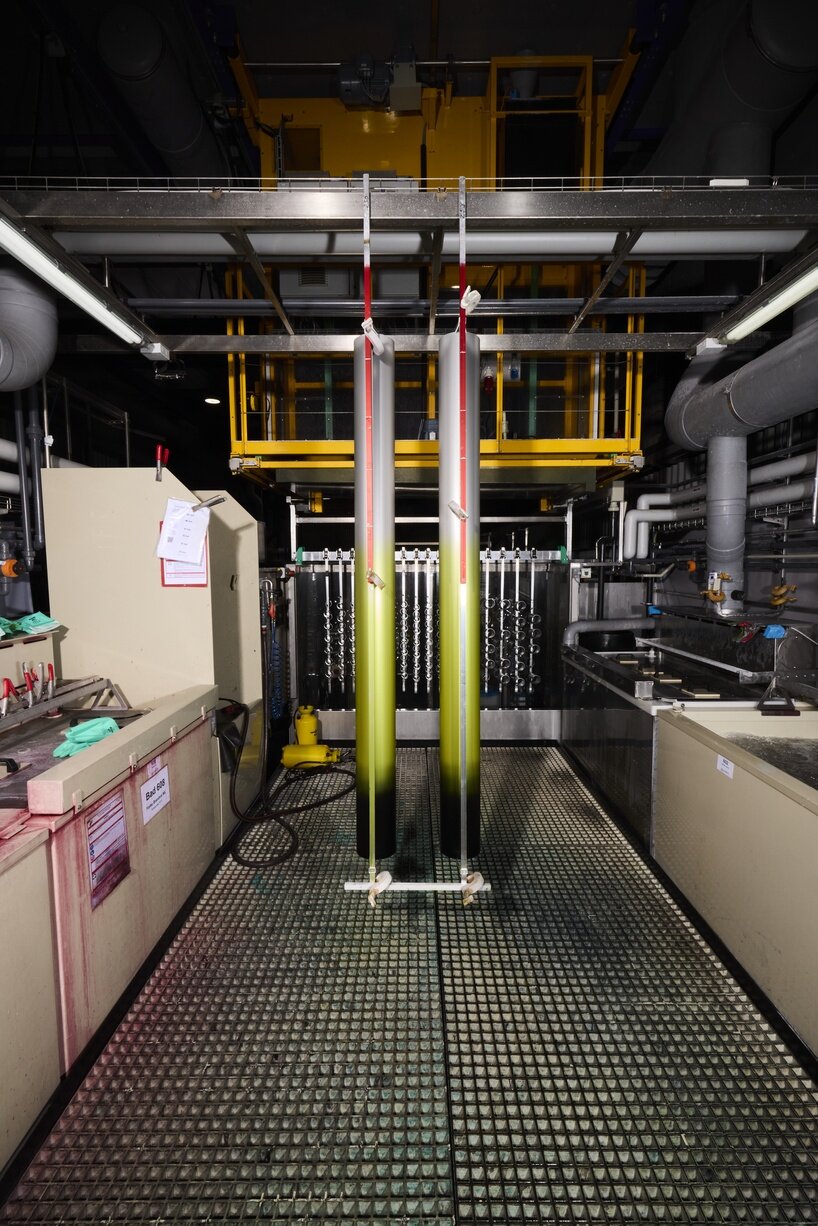
From the beginning, when the two met during their graduate studies at the Swiss art and design school École cantonale d’art de Lausanne (ECAL), they recognized that the country would come to shape their future design sensibilities. ‘I studied and worked in Italy, Alexis in France, both countries with strong design heritage,’ Panterotto points out before going on to emphasize how the Swiss approach to industrial design, in fields like watchmaking and performance, expanded their ideas of what the field could be.
After graduating from ECAL, the two decided to open their own studio. ‘At the very beginning, we worked in the world of luxury where there are high-profile clients or really wealthy buyers behind it.’ Panterotto explains, ‘but in a way, it’s also a very private world. It’s less ‘out there’ and Switzerland is also very privacy driven in term of wealth and who buys what.’
The ‘new codes’ of luxury
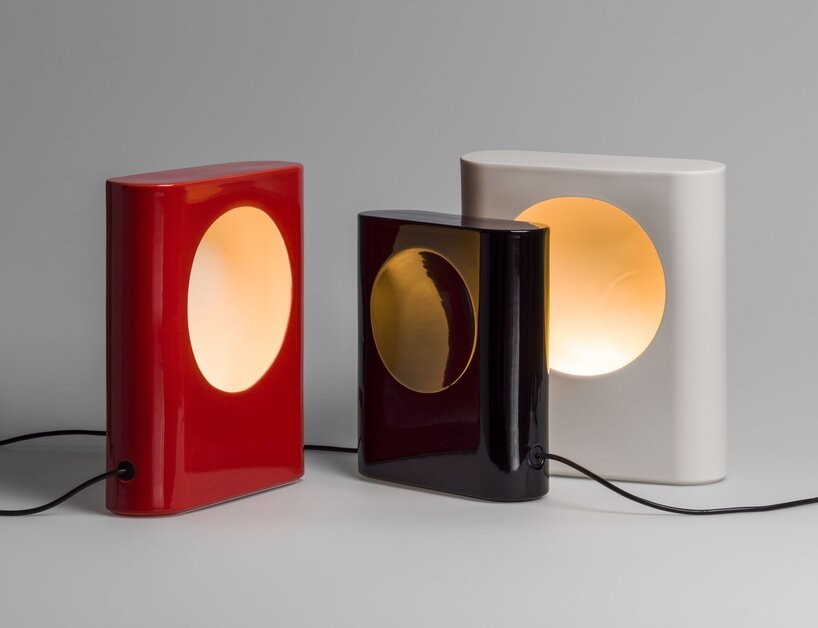
‘We underestimated how much scarcity and material richness still defined luxury for people,’ Tourron says of the old ‘codes’ of luxury they discovered when they entered the field. They didn’t see themselves in this language of ‘traditional, polished materials like gold,’ that was standard of the high-end sector. ‘It pushed us to be even clearer about high-end manufacturing and performance in our own work.’ In their years of practice, the two have worked to reassess and redefine these ‘codes.’ Tourron goes on to elaborate that it comes from a movement ‘towards truth to material, performance, and quality, focusing on where and how things are made and produced.’
Learning from Hermès window displays
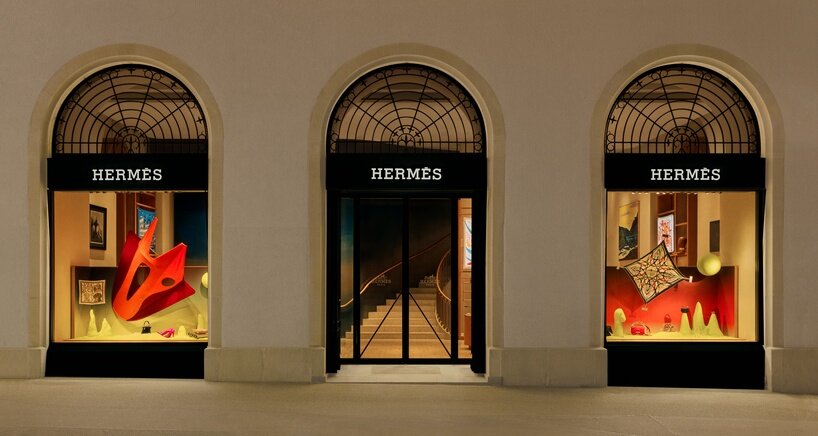
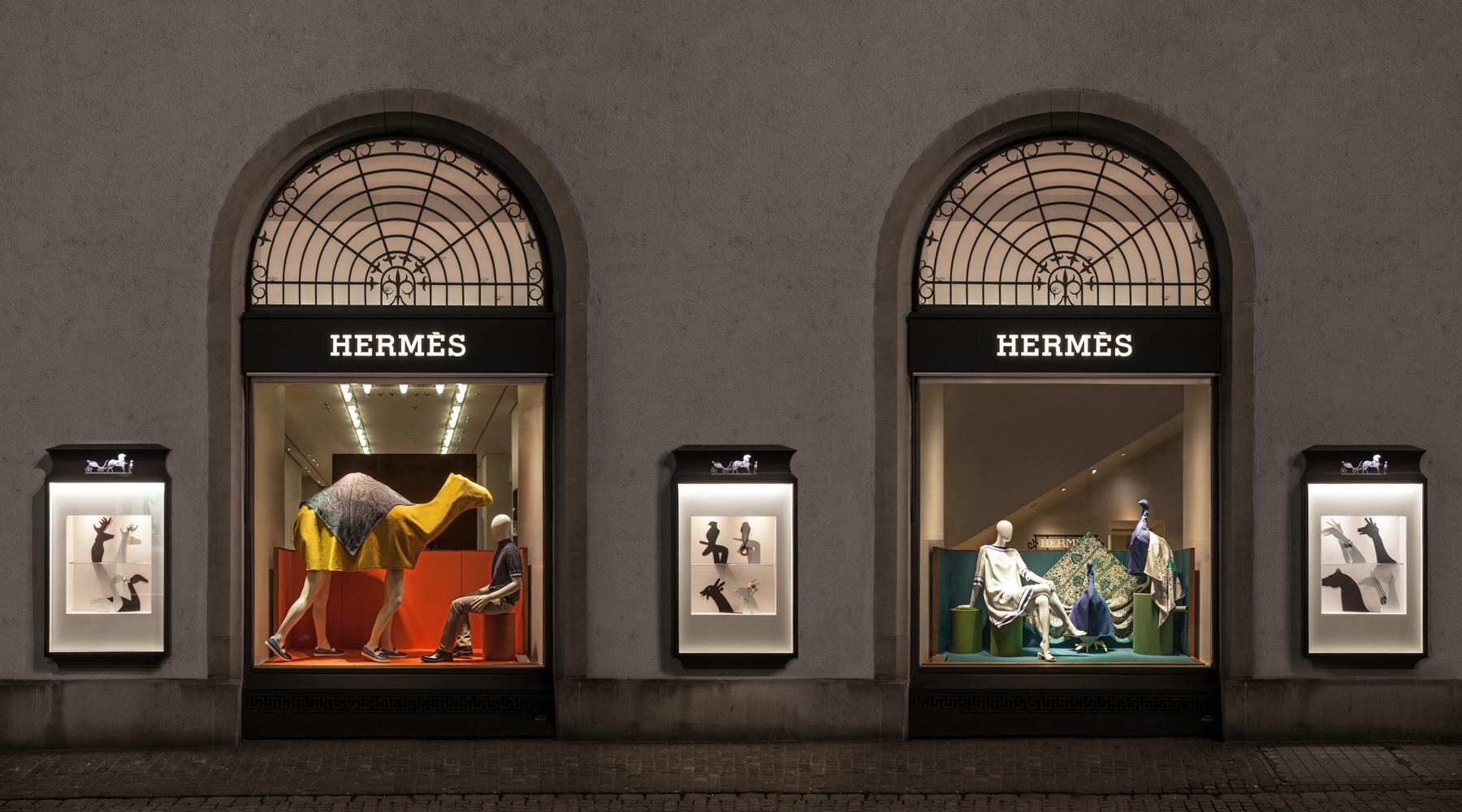
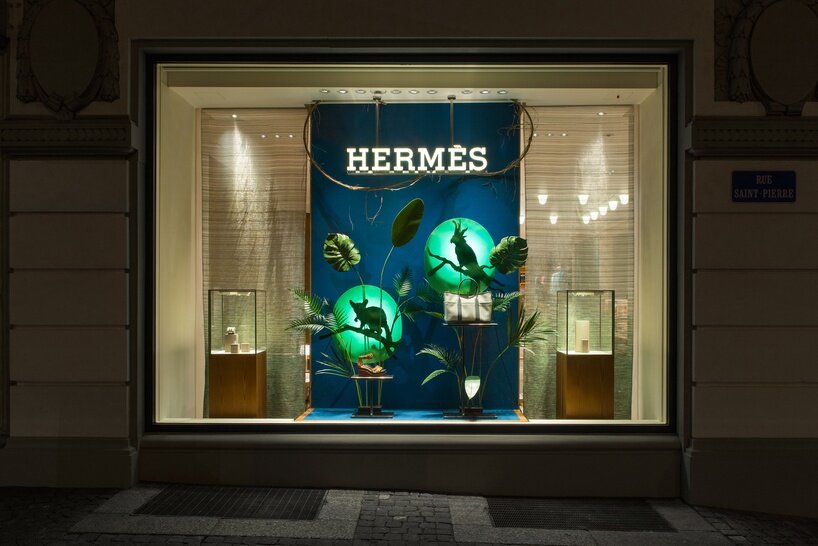
The studio has returned time and time again to Hermès window displays, their careers’ earmarked by the brightly colored storefronts. In comparing his previous work in tech, where the culture was really fail fast and fail often, Tourron brings up how, ‘in luxury, it is called ‘high-end’ because everything is really double-and triple-checked, like the quality of the craftsman you can collaborate with, the assembly details, the materials sourcing, etc.’ The two came to learn that, in this environment, storytelling was often just as important as the product itself. ‘You can create an excellent product, but to sell it for that price you need more than a perfect product; you have to have an amazing story too,’ reflects Tourron.
Softscope: a place for gathering
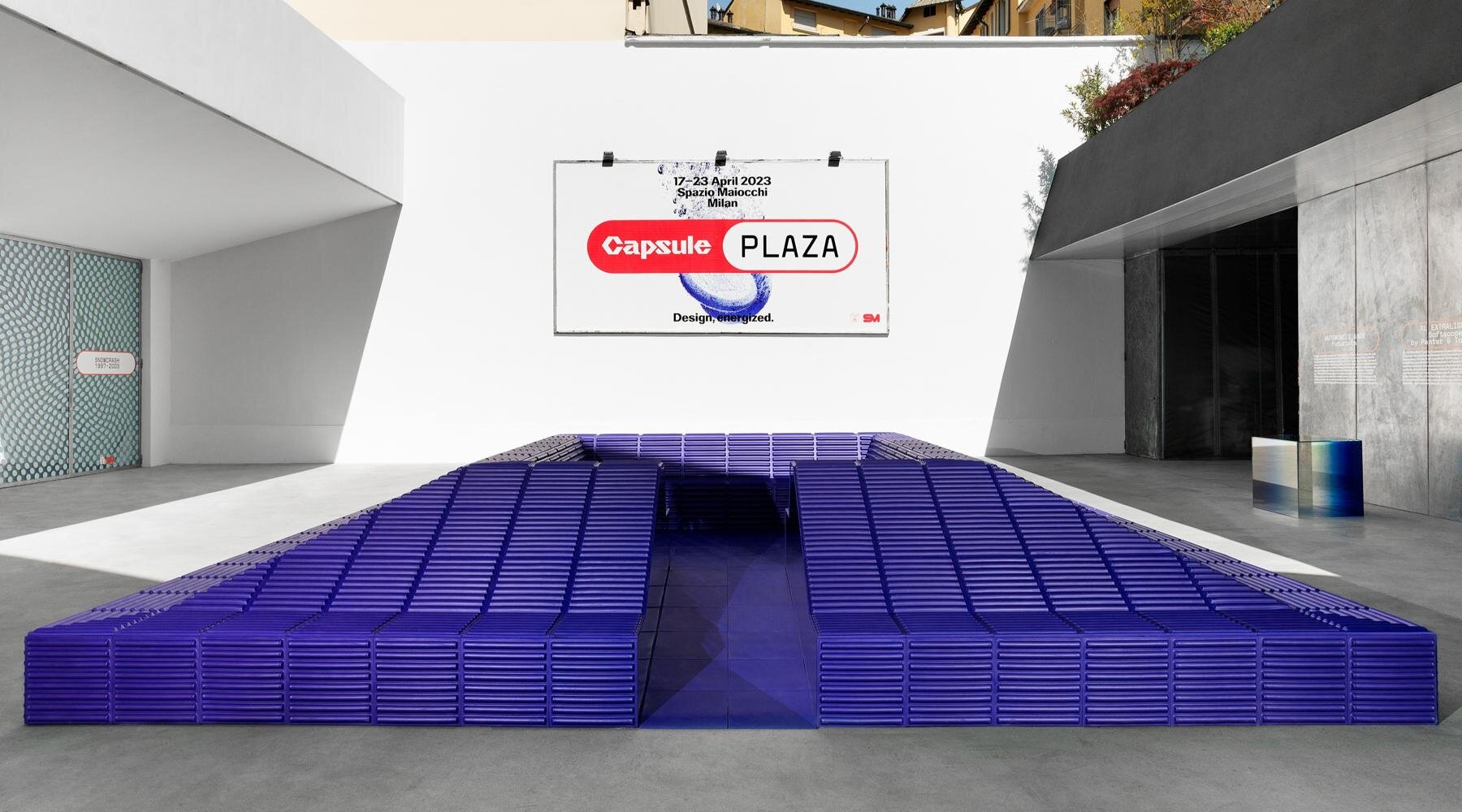
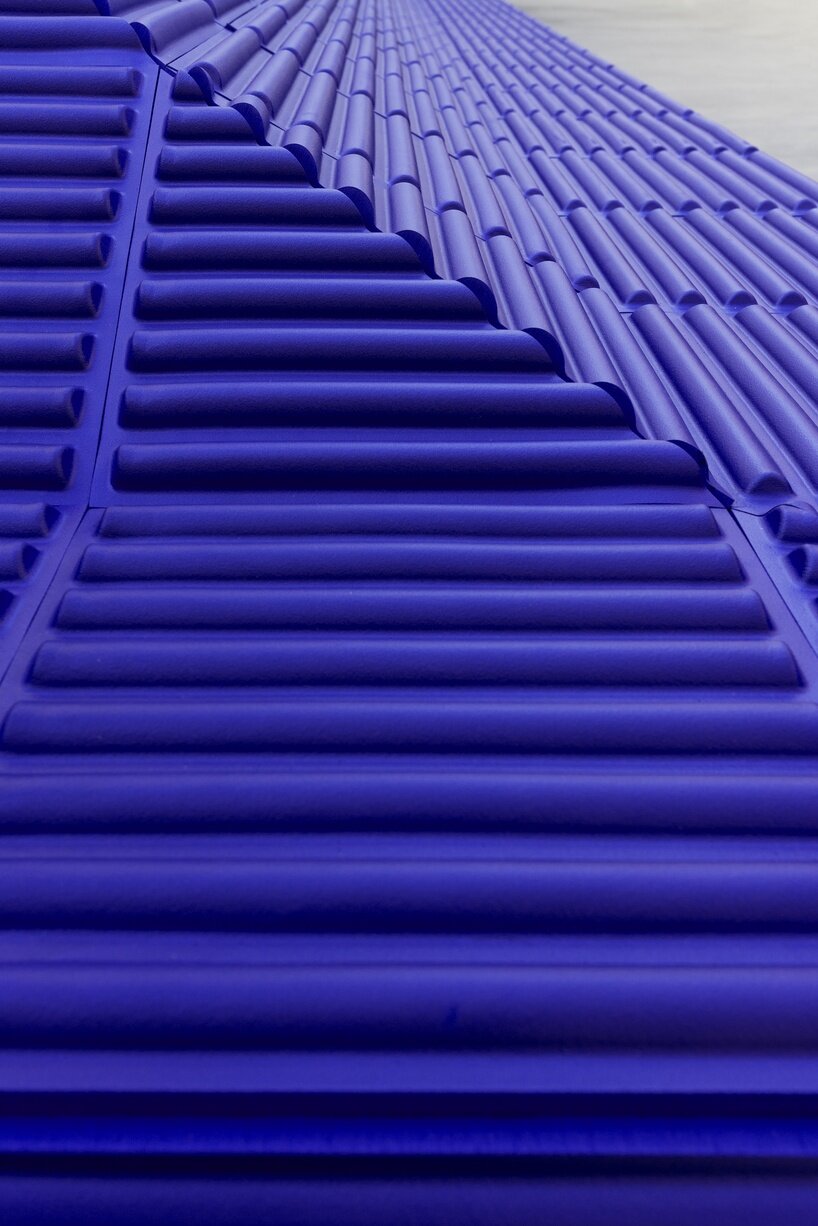
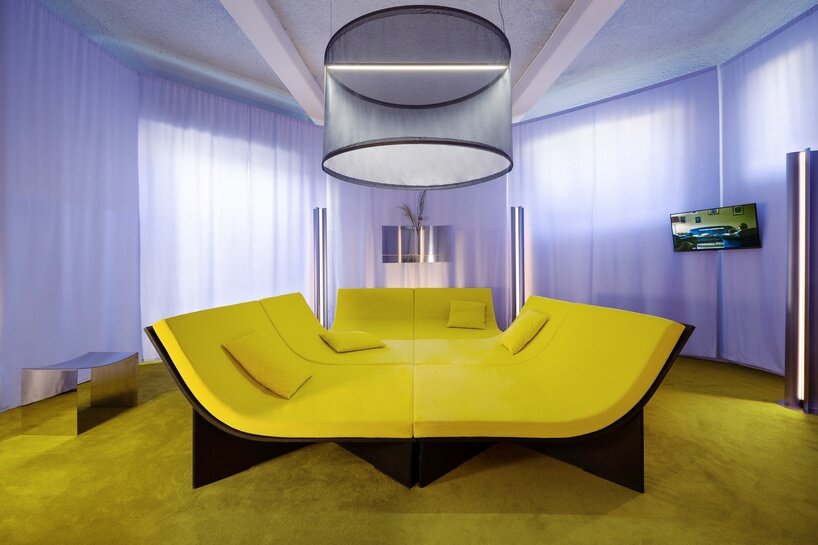
Part of that story is the vibe that their designs create. They touch on their installation Softscope, a massive purple, pyramidal sitting structure that was presented at Spazio Maiocchi during Milan Design Week 2023. ‘Because of COVID, it was the first design week after two years where people could gather again,’ remembers Panterotto. ‘The ideas were around how people would use it throughout the week: would people actually gather there, use it as meeting point, spend long time, short break?’ With both Softscope and Studio di pittura’s Diurno lounge space, another Milan Design Week installation the studio worked on, Tourron says ‘people really came and stayed for a long time in both cases. It was a very happy surprise for us.’
Subtle design in a world of spectacle
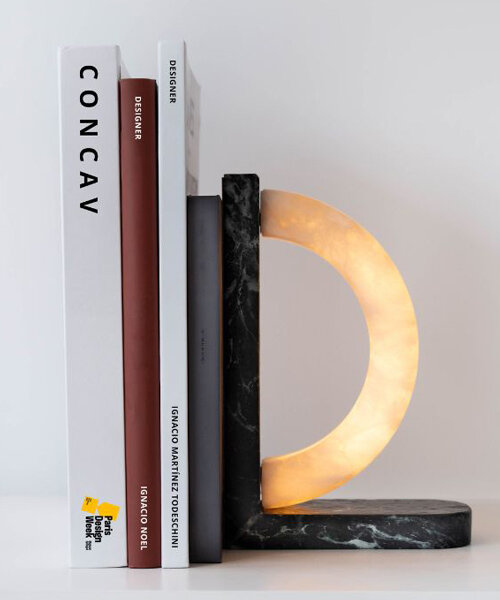
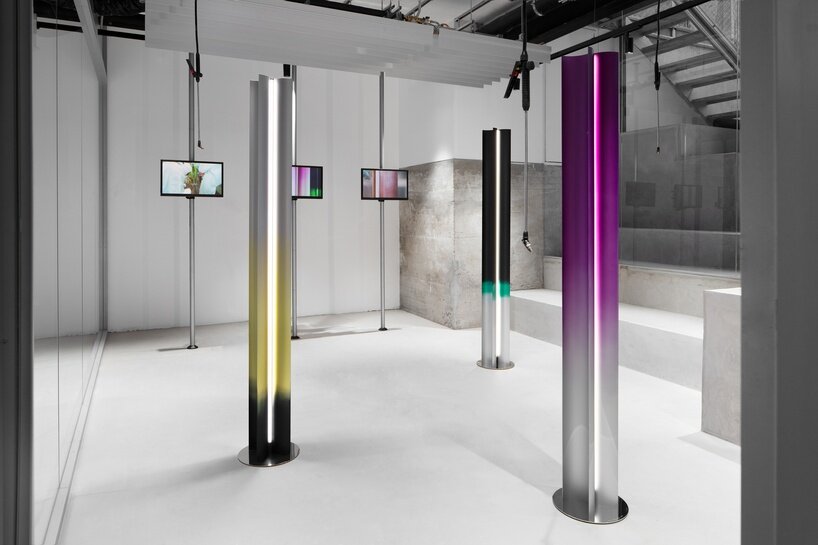
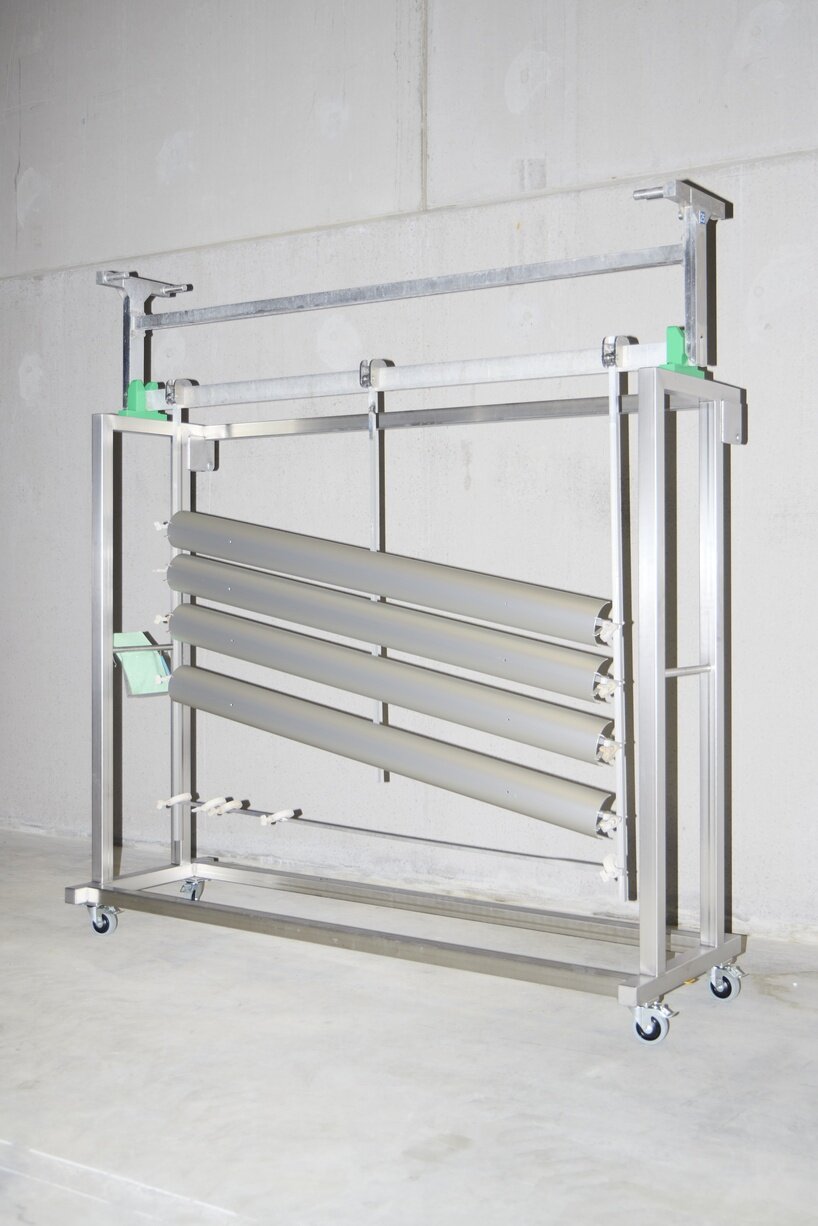
There’s a quality to their work that makes it deceptively simple. Their Hall floor lamp is a bisected tube. Softscope was foam seating. Their exhibitions have an ease to them that photograph beautifully in their bright colors, but have a simplicity that allows their seating, wall coverings, and light fixtures to easily be transposed into most domestic spaces. Reflecting on the studio’s practice, the classic quote from Don Norman’s The Design of Everyday Things comes to mind: ‘good designs fit our needs so well that the design is invisible.’ This sentiment, although profound, puts a dilemma in front of many designers practicing today, where being seen at a brand dinner or in a museum showcase feels imperative to making a place for oneself in the contemporary ‘scene,’ that takes place as much in digital images as it does in real life. Yet in their pursuit of new codes, ones that focus on how things are made and how they are experienced in real life, Panter&Tourron create a compelling case for trusting the process.

1/4
project info:
name: Panter&Tourron | @pantertourron
designers: Stefano Panterotto and Alexis Tourron
location: Lausanne, Switzerland
This article is part of designboom’s SPECTATOR AND SPECTACLE chapter, asking how wonder gets built, and how it might return some mystery to a world that has measured most of it away. Presented in partnership with SolidNature, the stories in this chapter turn onlookers into participants, alter perception and disrupt the everyday – learn more here!
Each designboom chapter explores one theme in depth through projects, interviews, features and news across architecture, design, art and technology. Discover more chapters here, and get in touch if you’d like to submit a story through our submissions portal or contact form.
shop
your own online design shop — no sales commission collected