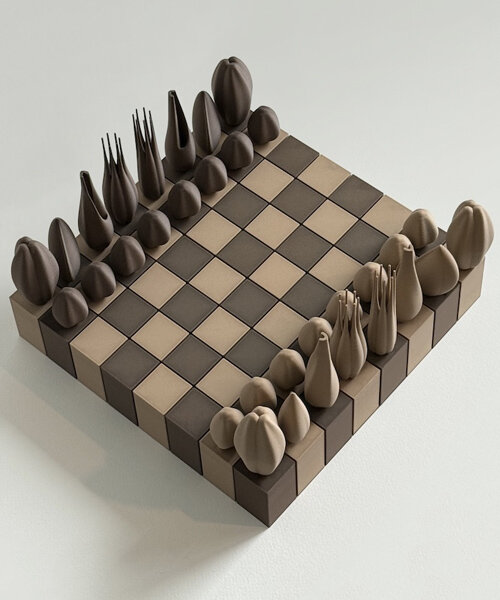
tactile contours and weighted bases shape ergonomic chess set in white oak and walnut
lucy aboonour develops flora, a chess set milled from american white oak and walnut featuring low-center-of-gravity weighting and ergonomic contours optimized for tactile recognition and pinch-grip play.
prefer designboom on google[FEATURED]
CHESS SET designed FOR TACTILE RECOGNITION AND PINCH-GRIP PLAY
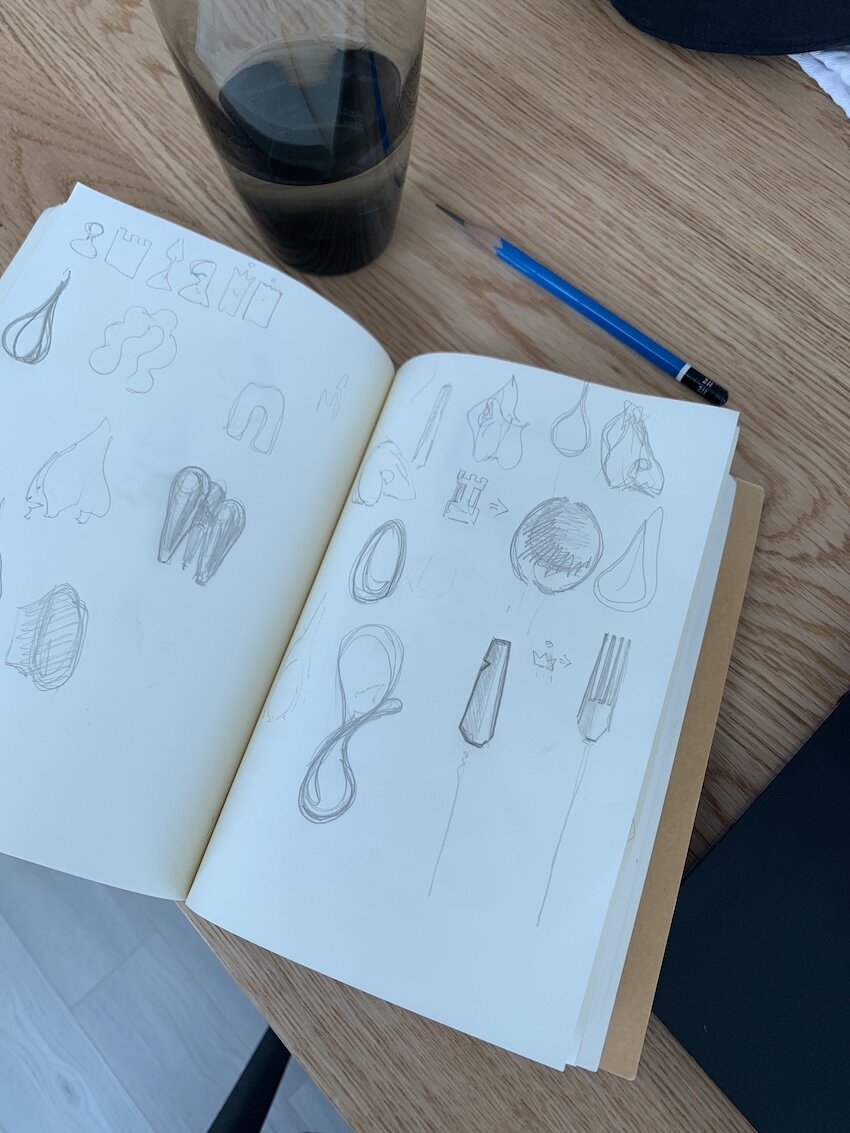
Designed by industrial designer Lucy Aboonour, Flora is a tactile chess set engineered to be recognized, grasped, and maneuvered primarily through touch rather than sight. Developed over a four-year period of observational research across New York City parks and chess clubs, the project addresses common ergonomic shortcomings in contemporary minimalist sets, where visual abstraction often impedes rapid piece identification and tactile handling during competitive play.
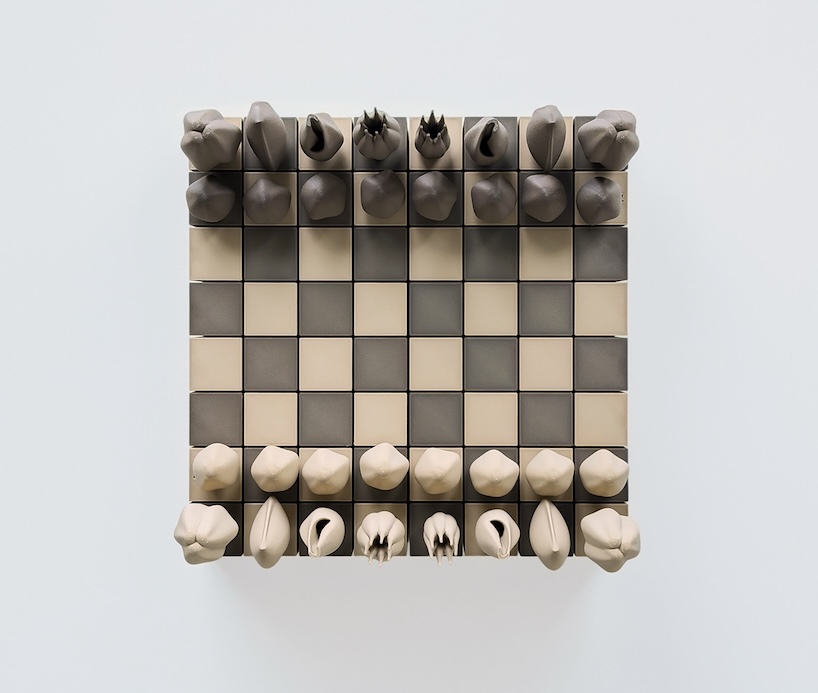
full set – top view | all images ©Lucy Aboonour
CONVEX OAK AND WALNUT PROFILES INTEGRATE PINCH-GRIP CONTOURS
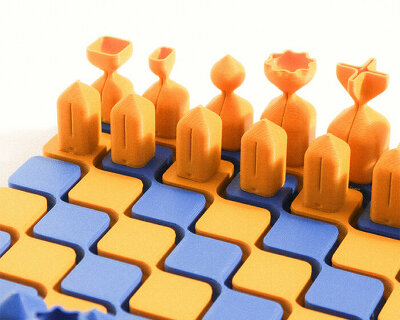
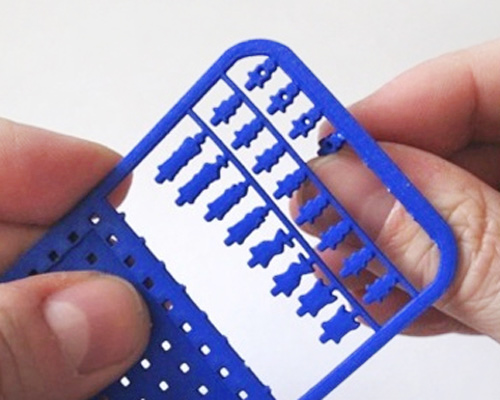
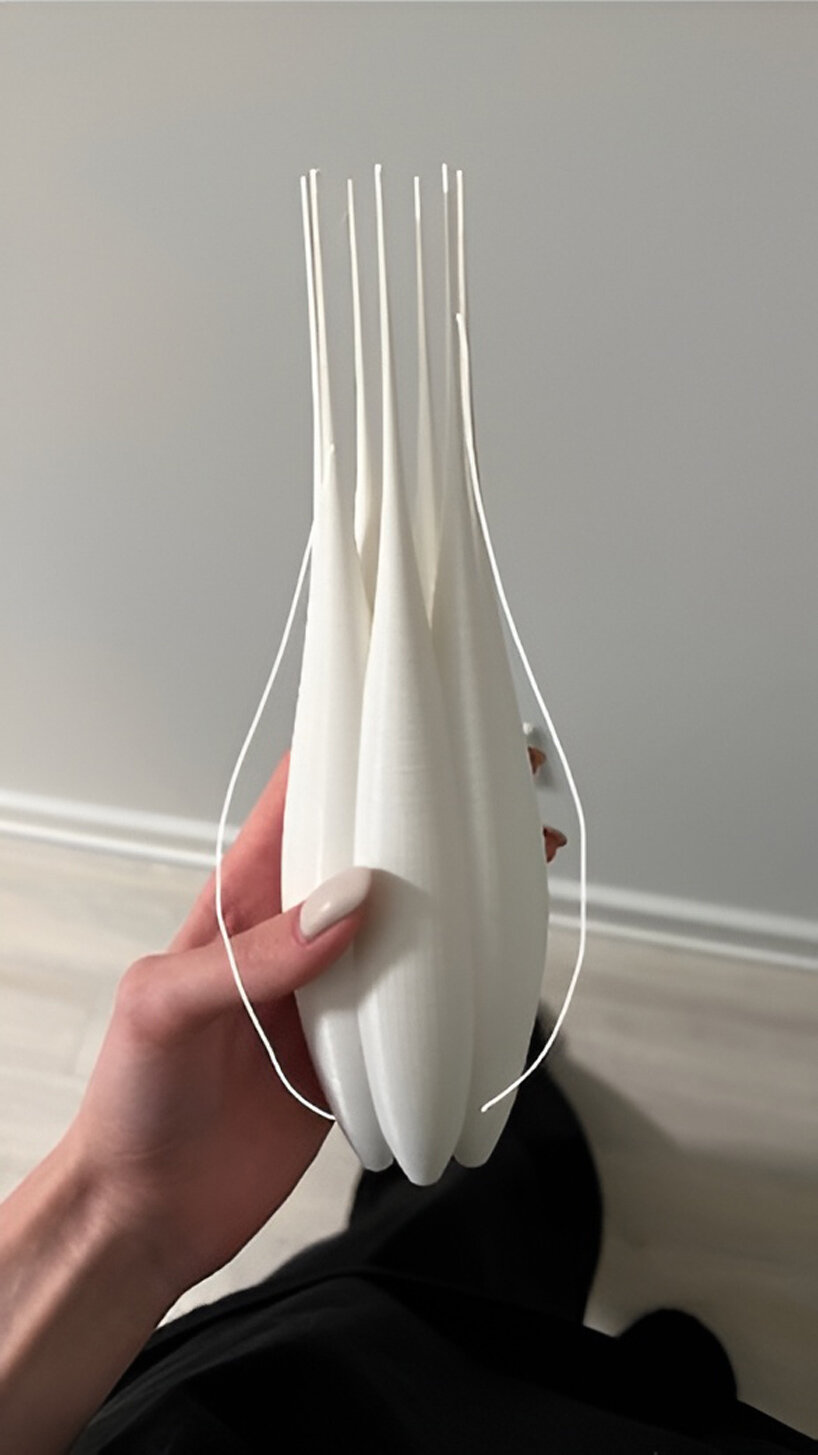
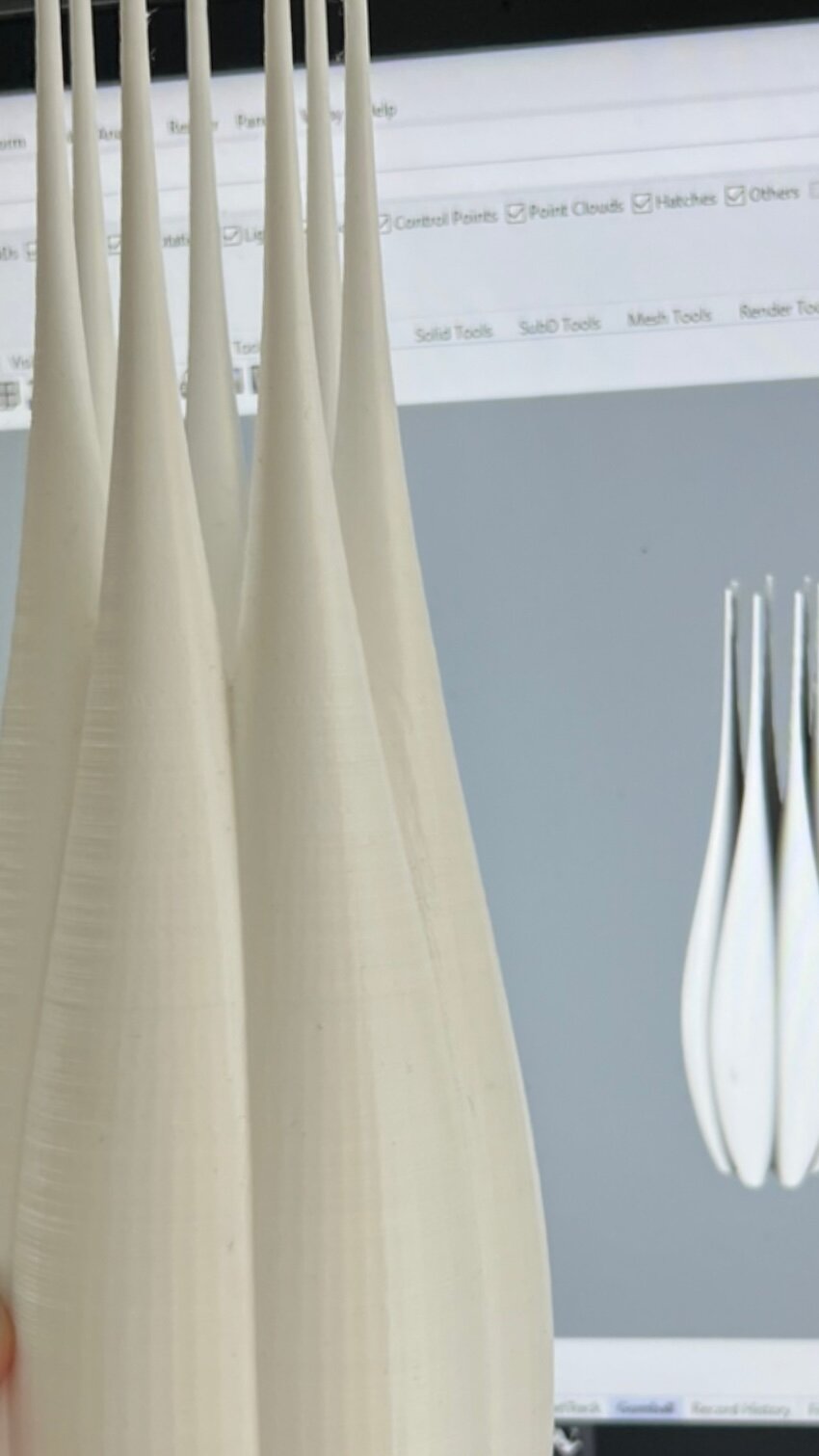
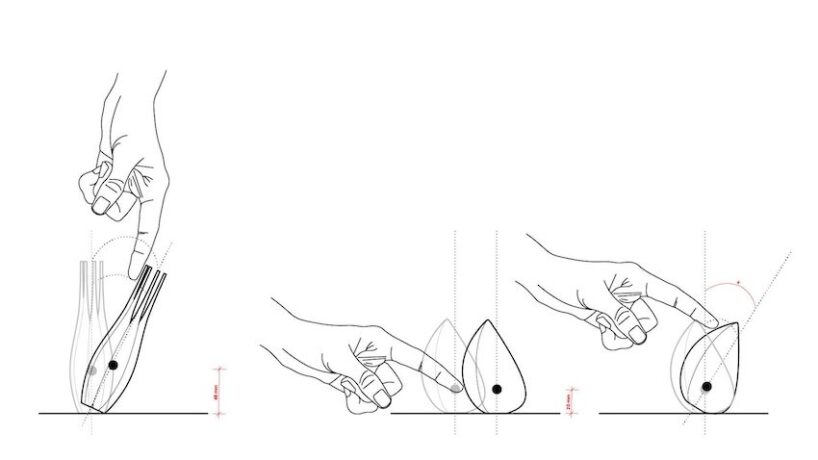
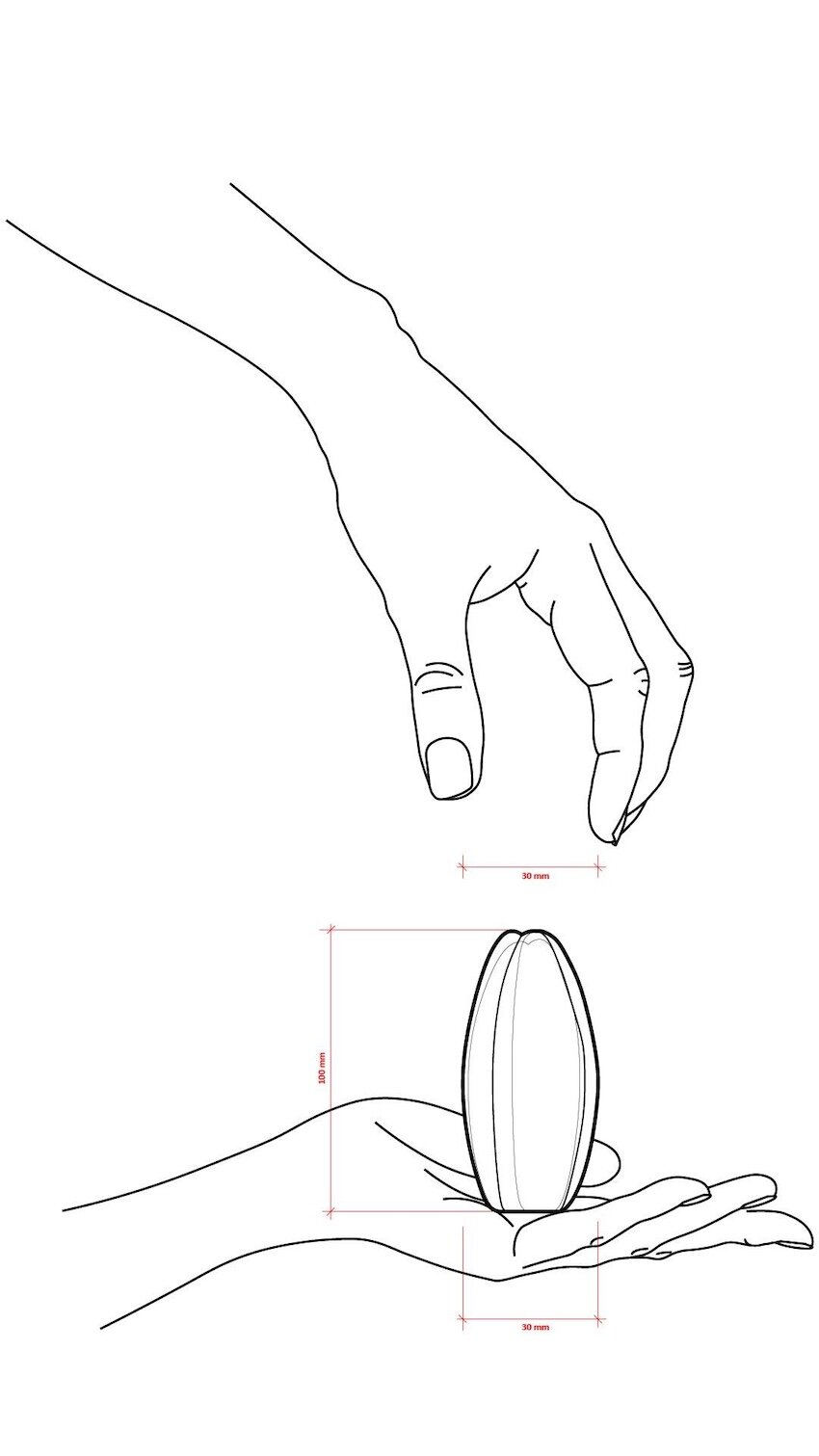
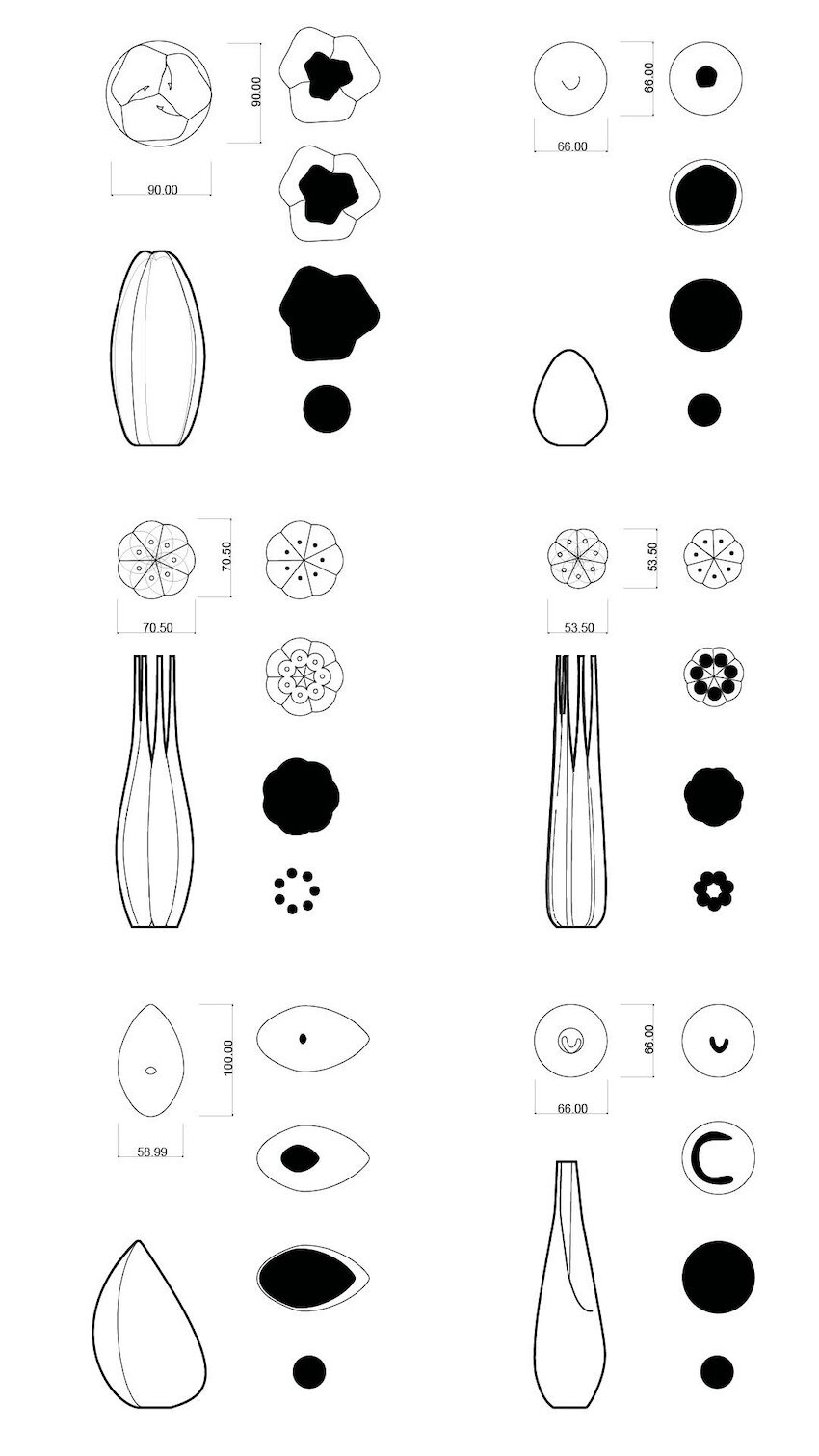
Each of the six piece typologies features a wide footprint, a tapered silhouette, and a weighted base configured with an intentionally low center of gravity to prevent tipping. The piece profiles incorporate convex curvatures calibrated specifically for a two-finger pinch grip, distributing fingertip pressure to maintain hand stability during quick movements. Following iterative 3D printed prototyping in recycled PLA and wood composites between 2021 and 2025, the final set was milled in contrasting American white oak and American walnut. Extending beyond terrestrial gameplay, Designer Lucy Aboonour’s ergonomic research examines how tactile recognition, haptic feedback, and grip dynamics perform in microgravity environments, considering applications for hand-operated interfaces and instrumentation on orbital stations.
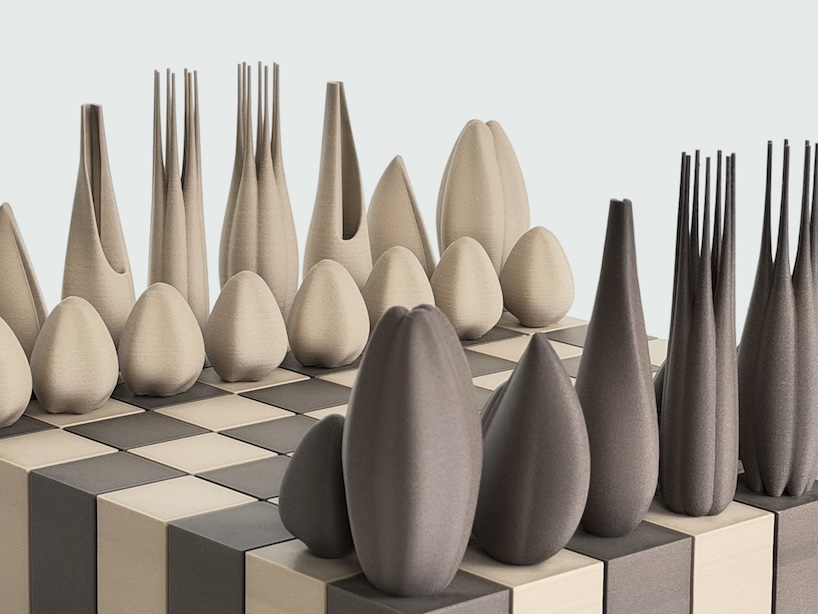
full set
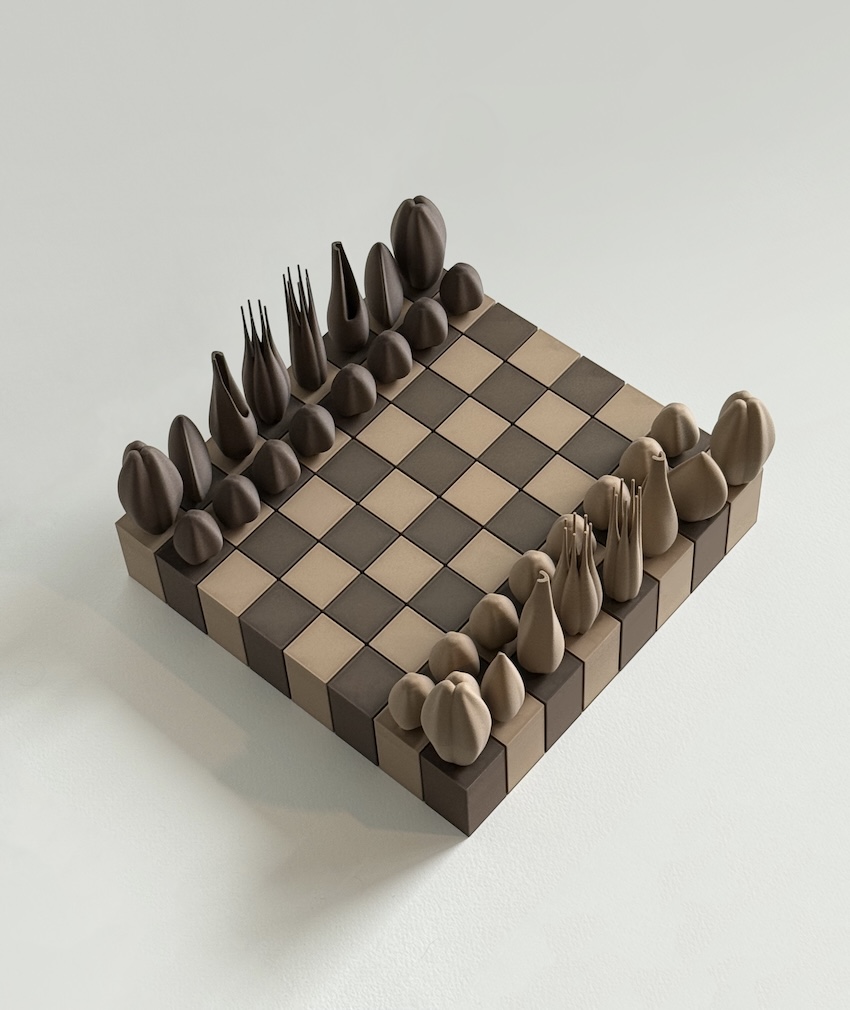
full set – axonometric
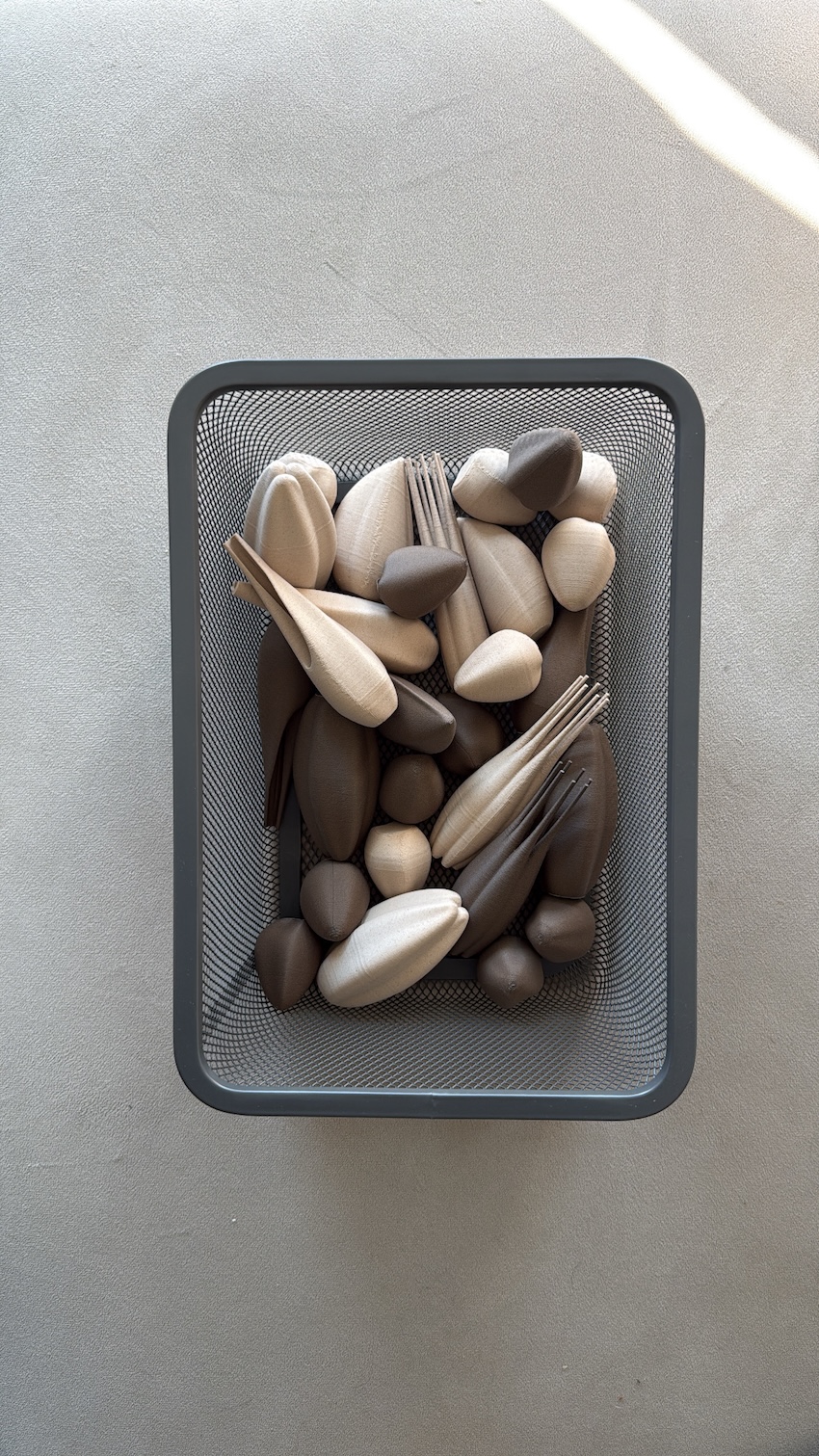
prototype – full set
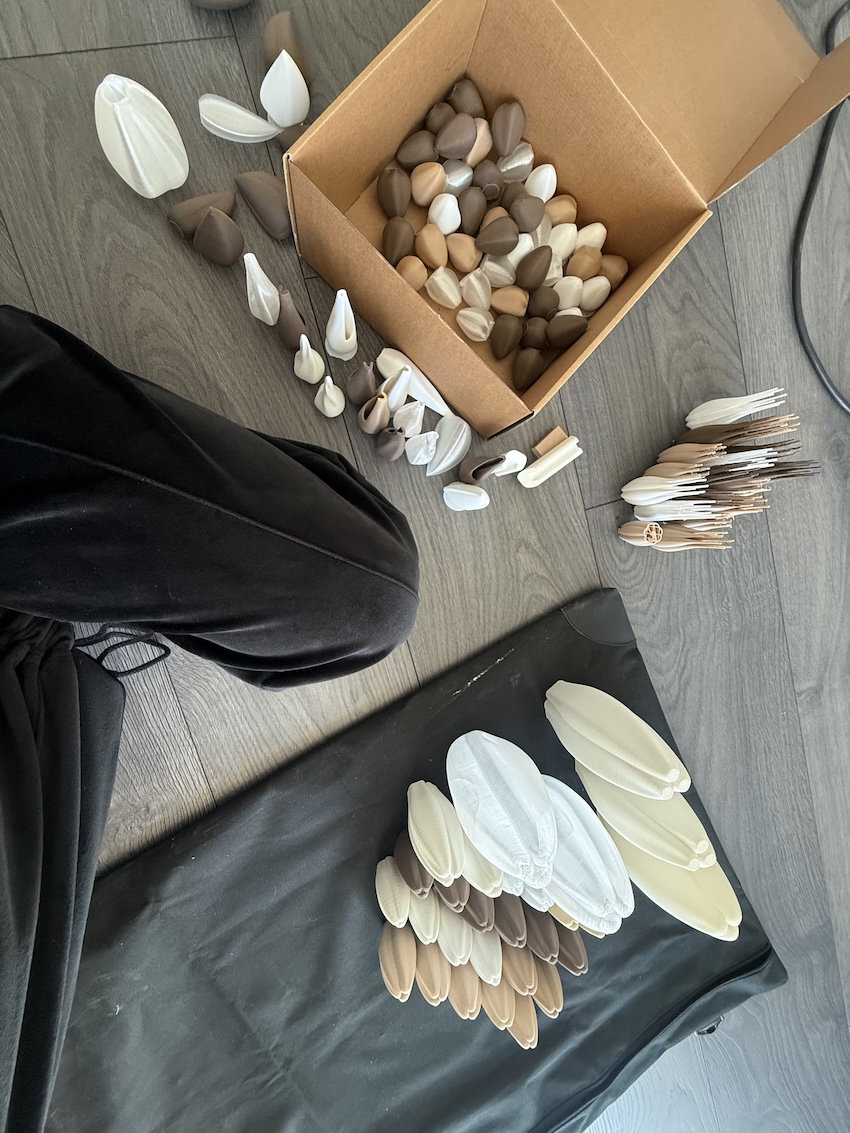
prototype – sorting
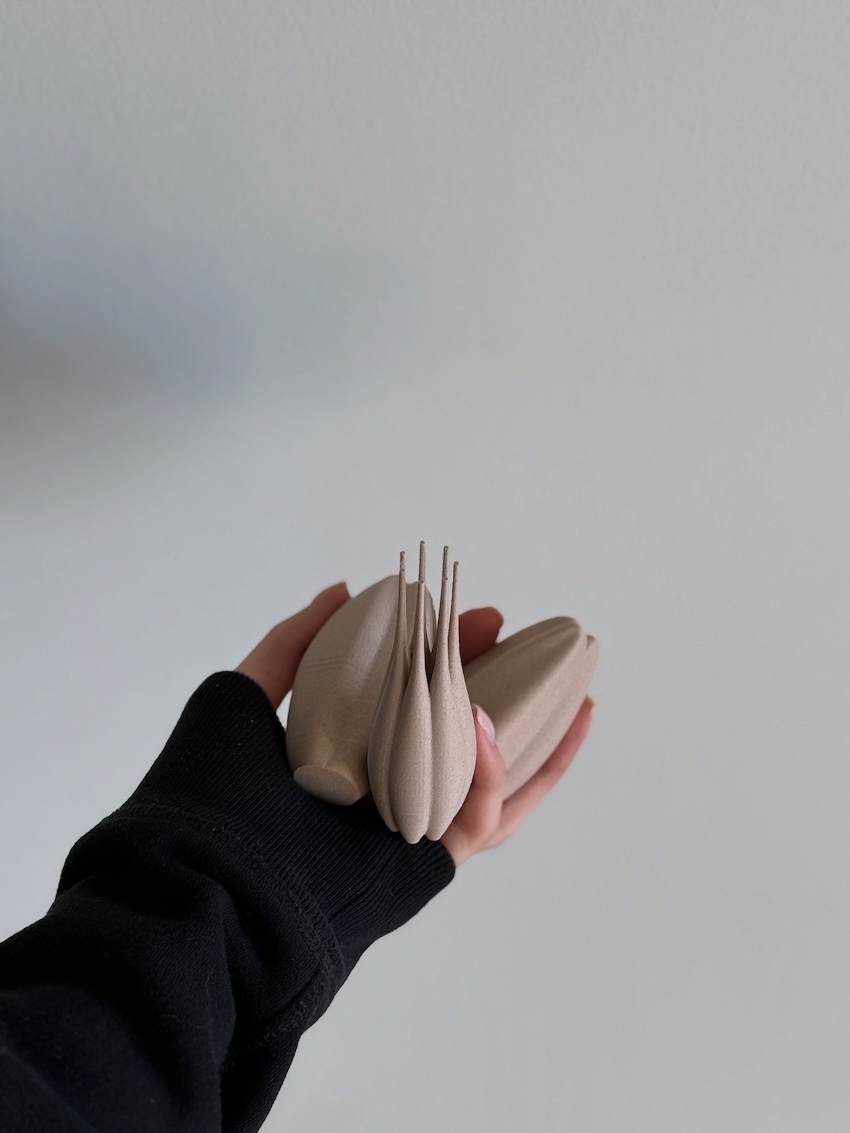
prototypes – final scale
1/6
project info:
name: Flora Chess Set
designer: Lucy Aboonour | @lucy.aboonour
designboom has received this project from our DIY submissions feature, where we welcome our readers to submit their own work for publication. See more project submissions from our readers here.