
time in a book
what are our perceptions of time? are we constantly aware of its passing? does this awareness directly control our behaviour?
lousie klinker and anab jain explored our relationship with time and its behavioural influence, conscious or subconscious, through a series of unconventional objects during their brief, one week project ‘time in objects’. the resulting products change the way in which we approach them, how we use them and what we take from our use of them.
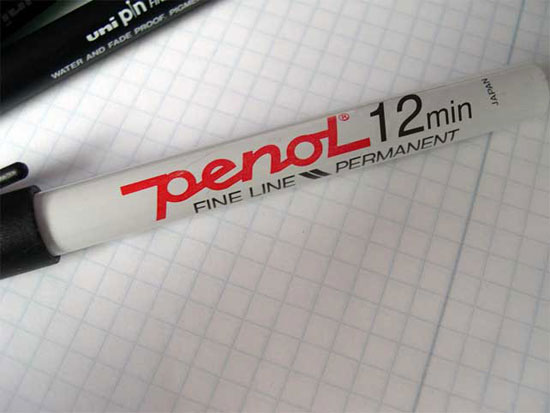 time in a pen
‘would it add anything to the experience of using a markerpen if you knew that it’s total life is 12 minutes? will the awareness dictate anything how it is used?’
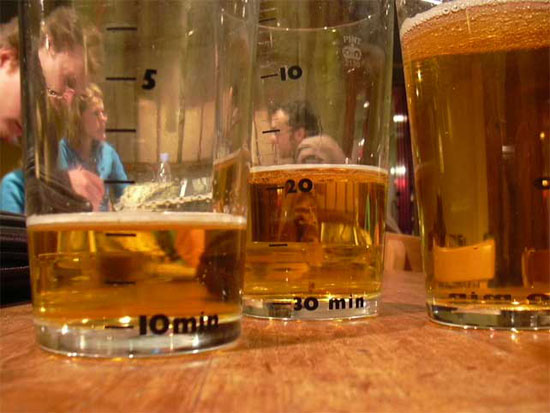 time in a pint
‘would it make any difference to order a 10-, 30-, or 60 min. pint in the pub? can the glass change the experience? does it give any new meaning to “go for a cheeky one”?’
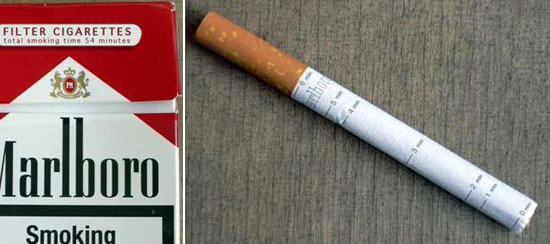 time for a cigarette
‘we have been playing around with cigarettes and the time you spend smoking them. does that give a different experience of smoking as cigarette when indicating the smoking time and suggesting different smoking speed?’
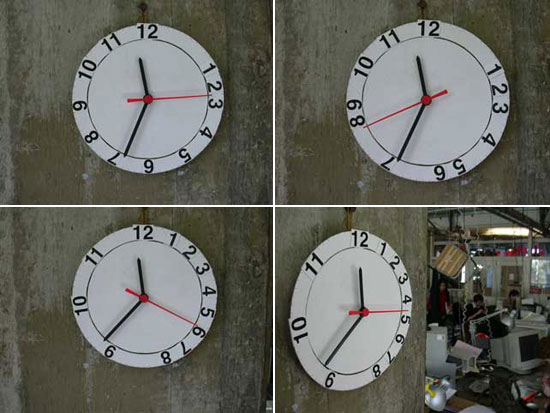 flexible time
‘this clock let you make an hour longer or shorter. do you specifically like the hour between 12 and 1? just push the numbers around to create your own time.’via guerrilla innovation
 Feb 20, 2026
 Feb 18, 2026
 Jan 28, 2026
 Jan 02, 2026