porcelain tableware collection applies neuroscience to enhance taste perception
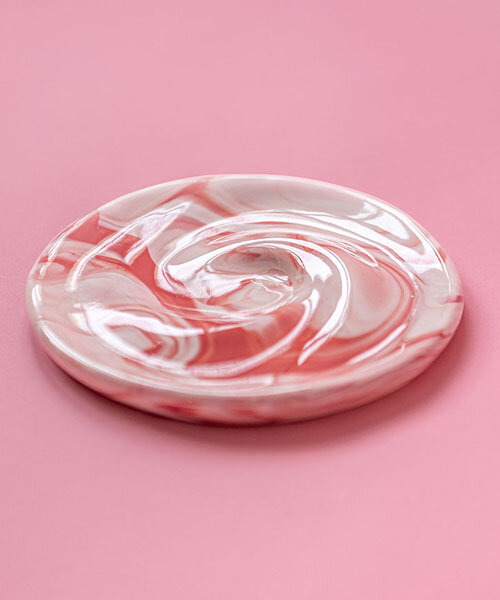
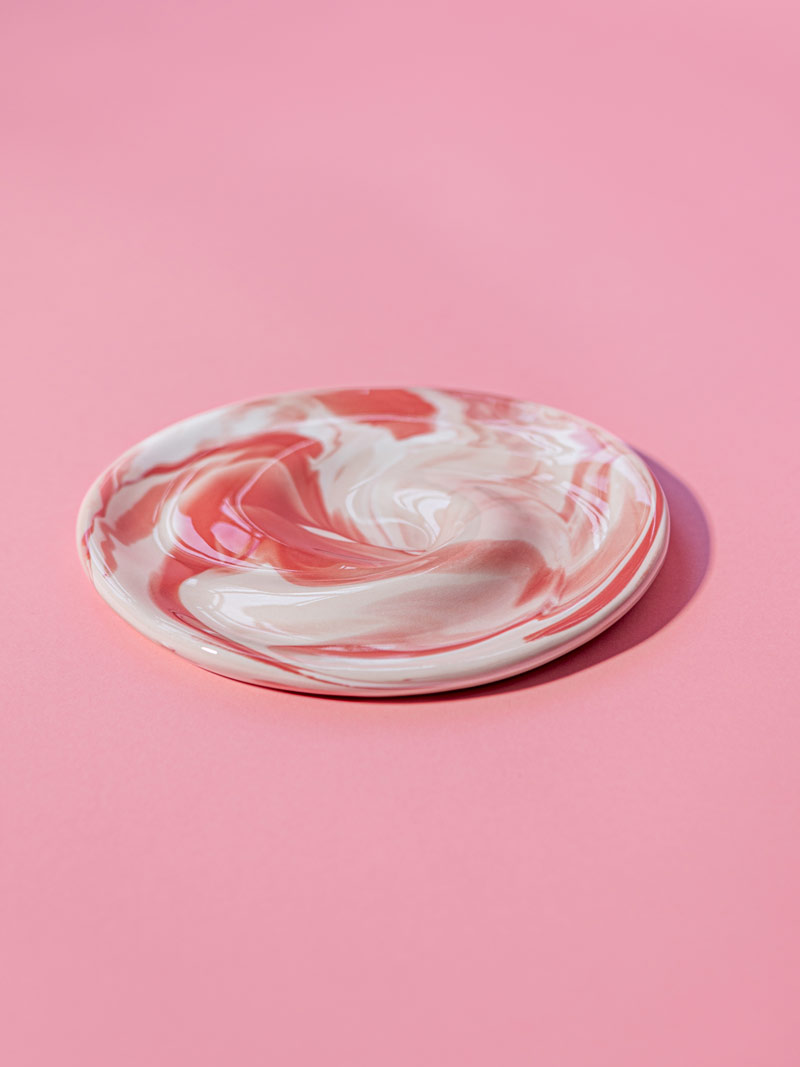
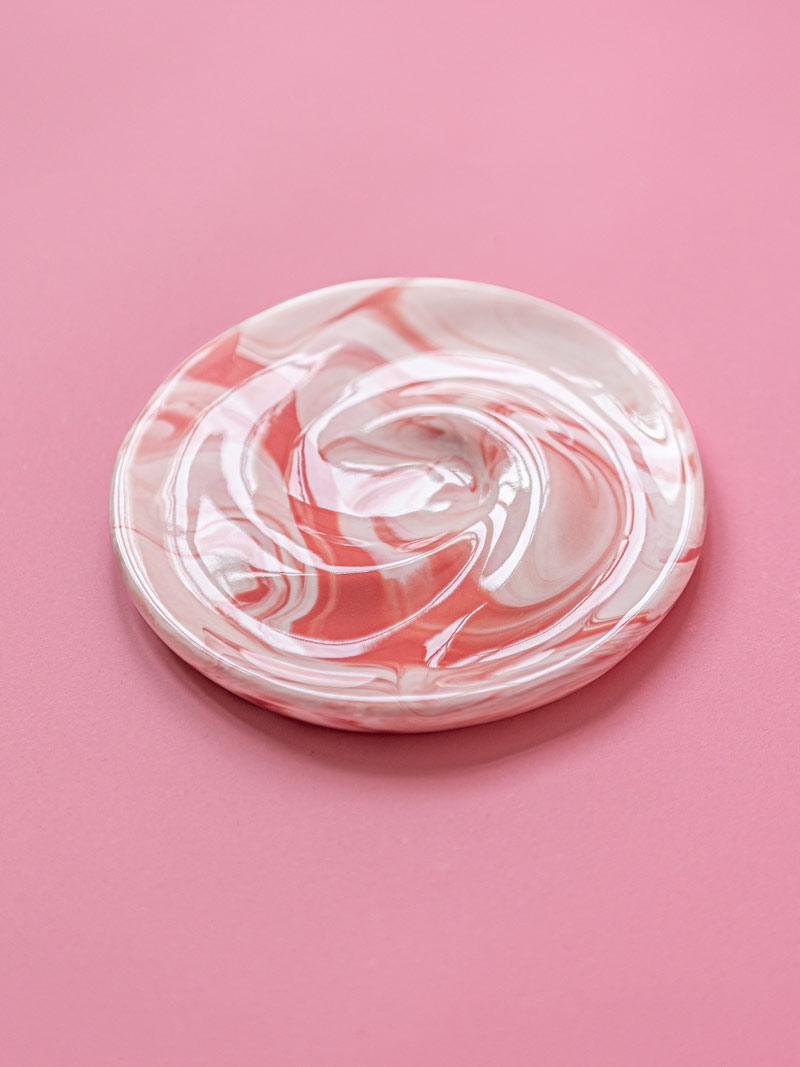
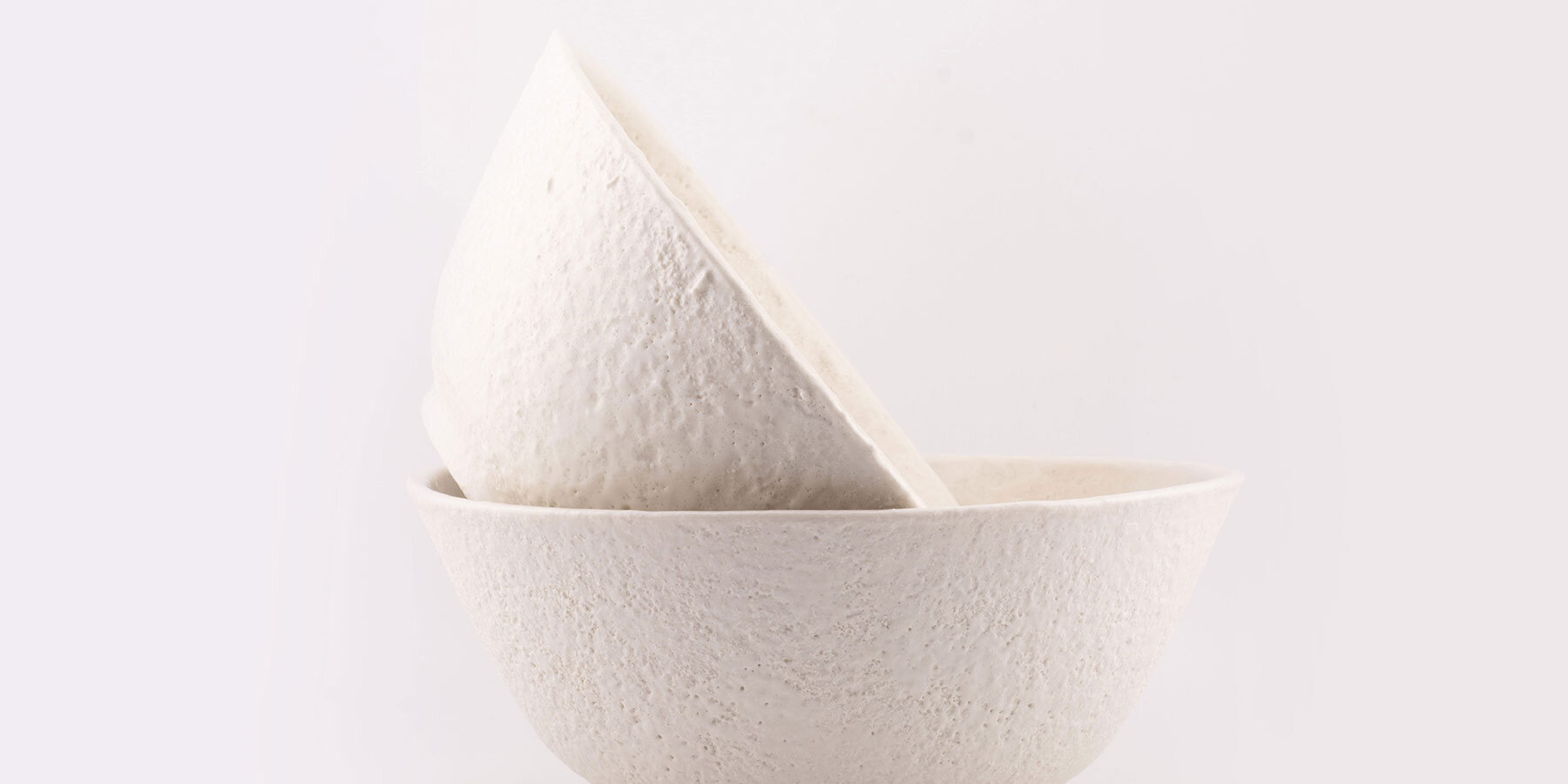
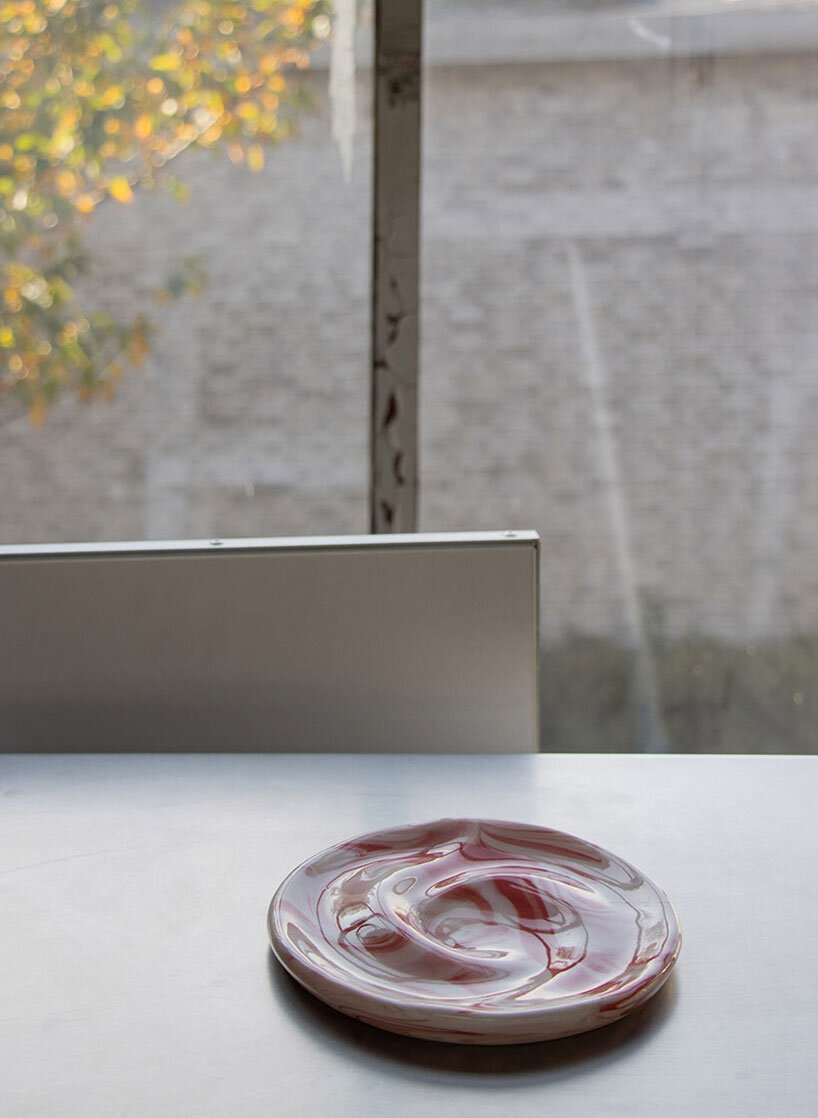
developed to support people with taste disorders, the UMA collection pairs a swirling glossy dessert plate with a textured salty bowl.
UMA tableware by HAK Studio merges neuroscience and design
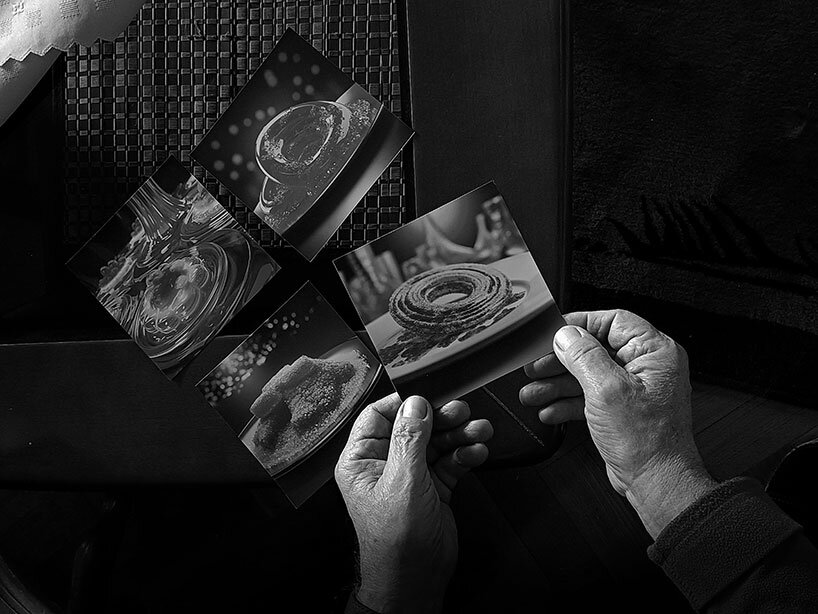
HAK Studio presents UMA, a tableware collection developed through research in gastrophysics, a field of neuroscience exploring how sensory stimuli shape taste perception. The series includes a swirling porcelain dessert plate and a rough, unglazed, salty bowl. a Designed to support individuals experiencing reduced taste sensitivity, such as older adults or those who have lost their sense of taste following COVID-19, UMA uses color, texture, and form to enhance the perception of flavor. Studies by Professor Charles Spence at the University of Oxford demonstrate that the brain forms taste expectations before food reaches the mouth. Elements such as color, texture, and shape can intensify or alter taste experiences, enabling healthier eating by reducing the need for sugar, salt, or other additives.
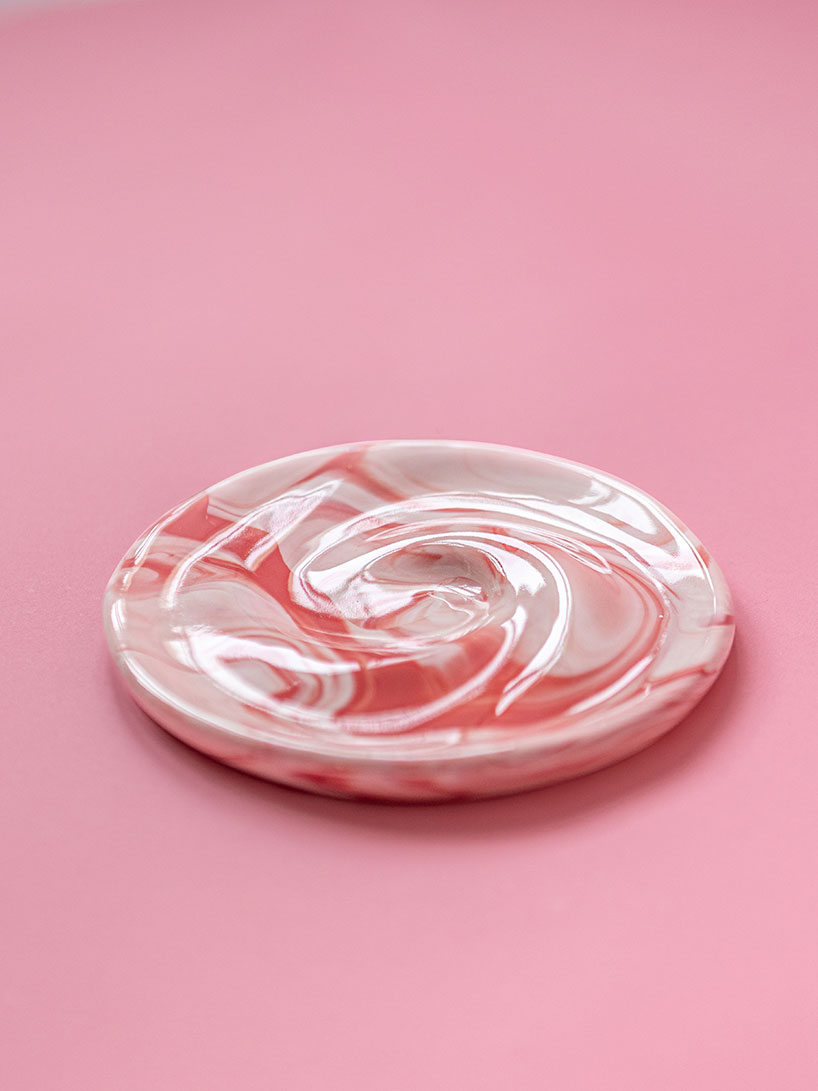
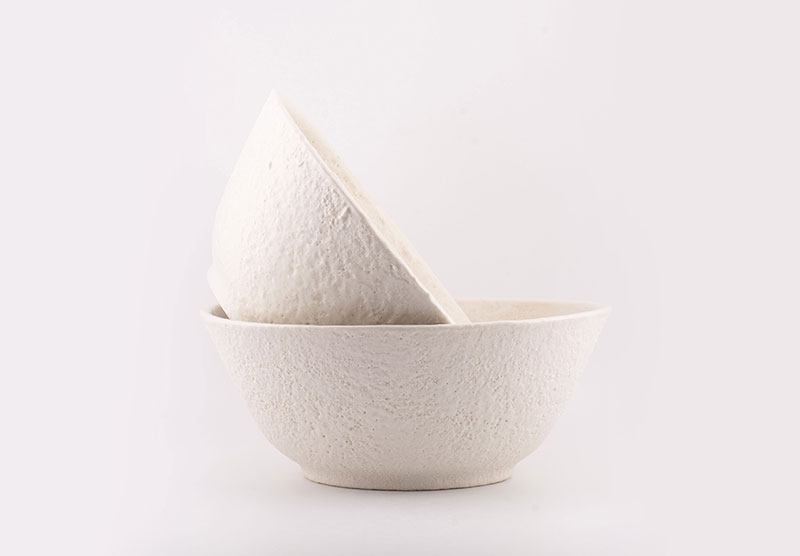
UMA series consists of a porcelain dessert plate and a salty bowl
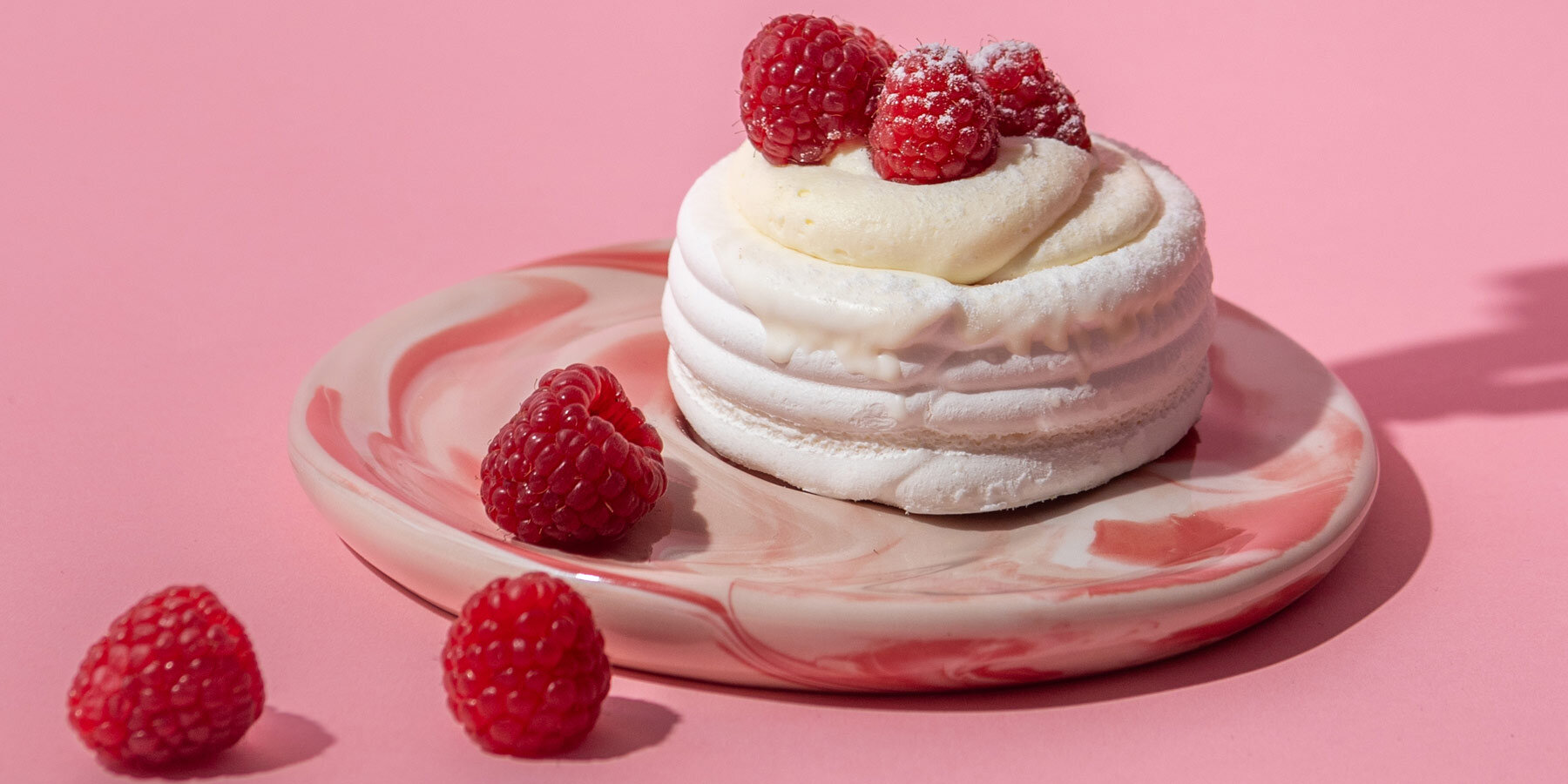
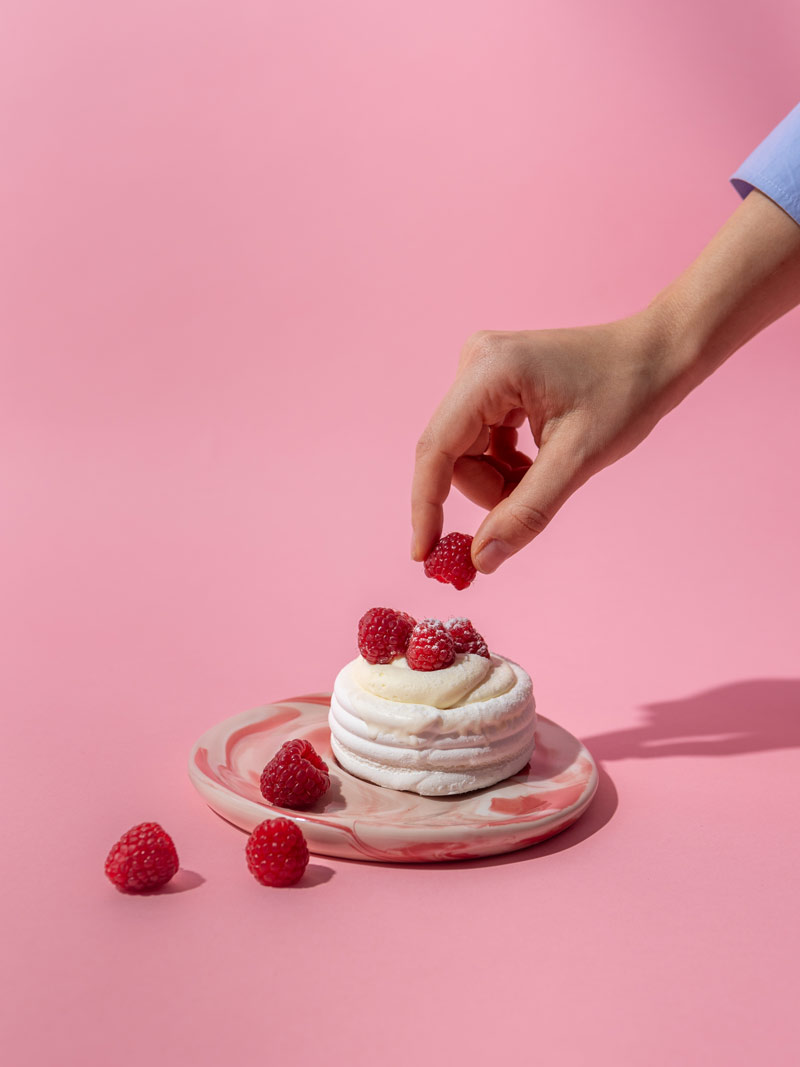
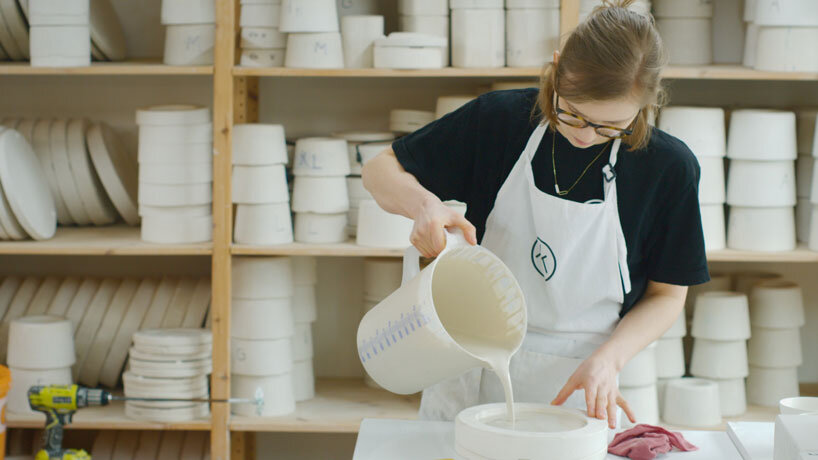
Informed by this research, HAK Studio developed a dessert plate designed to heighten the perception of sweetness. Crafted in porcelain and finished with a high-gloss glaze, the plate features a swirling pattern inspired by confectionery, reminiscent of toffee or strawberry cream candies. The glaze’s movement and sheen evoke fluid chocolate, reinforcing visual and tactile cues associated with sweetness. Each piece is produced using a color-mixing method that ensures no two plates are identical.
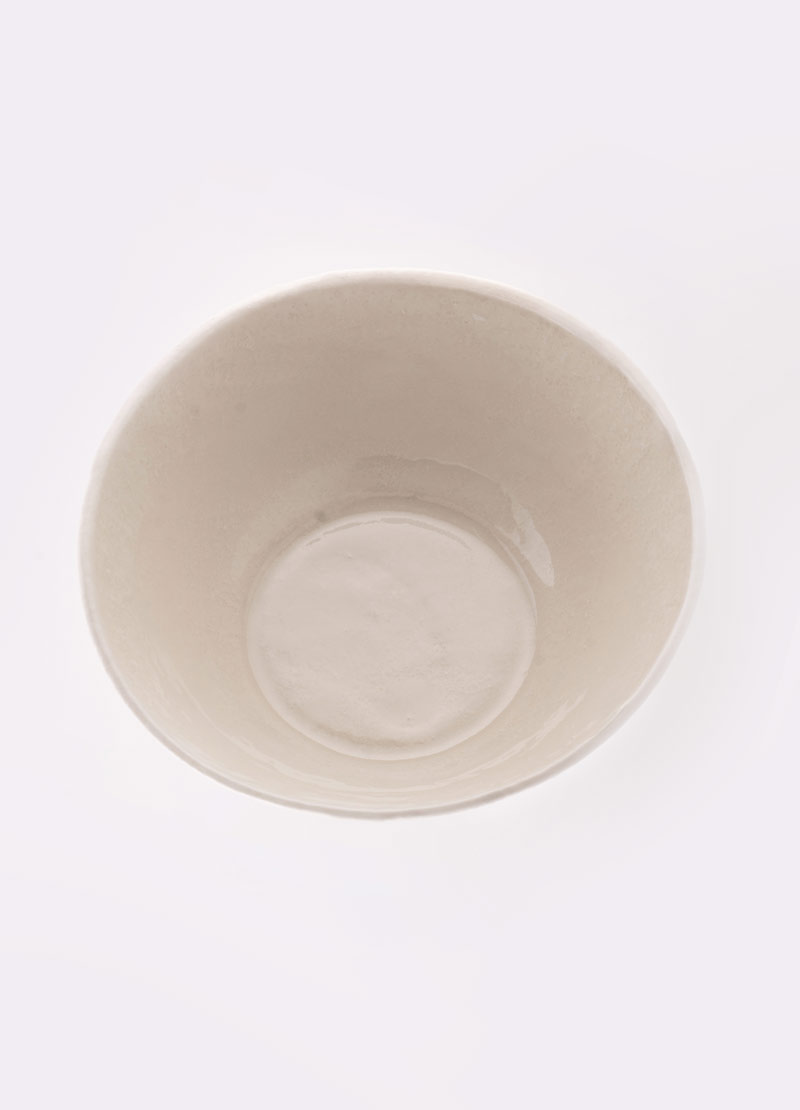
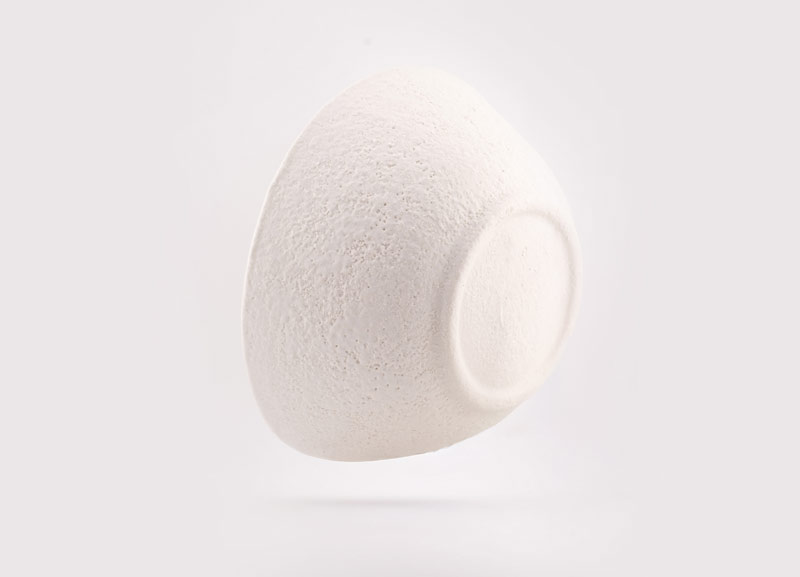
The salty bowl complements this approach, made of porcelain with contrasting surfaces, a rough, unglazed exterior, and a smooth, quartz-glazed interior. The outer texture is developed through repeated material experimentation, creating a tactile experience that encourages touch while visually referencing salt crystallization. Inspired by Japanese tableware, the bowl’s proportions make it suitable for soups, stews, and rice-based dishes.
HAK Studio’s tableware supports taste, health, and well-being
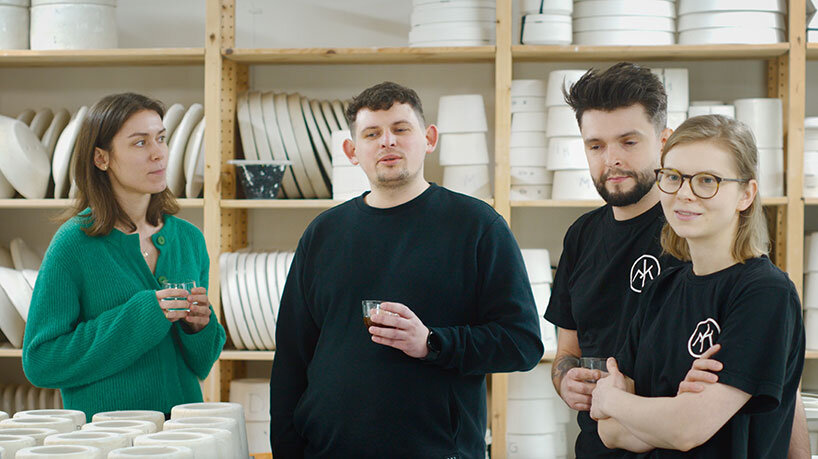
Throughout the design process, HAK Studio conducted interviews with 20 participants, including older adults and individuals recovering from COVID-19-related taste loss. All reported perceptual enhancement when using or viewing the prototypes. The project demonstrates how neuroscience-informed design can influence the sensory experience of eating, suggesting that thoughtful form, texture, and color can serve as tools to restore or amplify taste perception in everyday life. Produced in a ceramics workshop in Copenhagen, UMA blends craftsmanship with scientific insight, proposing an interdisciplinary approach where design operates as an extension of sensory health and well-being.
1/4
project info:
name: UMA – tableware that boosts taste inspired by neuroscience
designer: HAK Studio | @hakdesignstudio
industrial designers: Zanetta Korsak & Pawel Lasota
designboom has received this project from our DIY submissions feature, where we welcome our readers to submit their own work for publication. see more project submissions from our readers here.
shop
your own online design shop — no sales commission collected