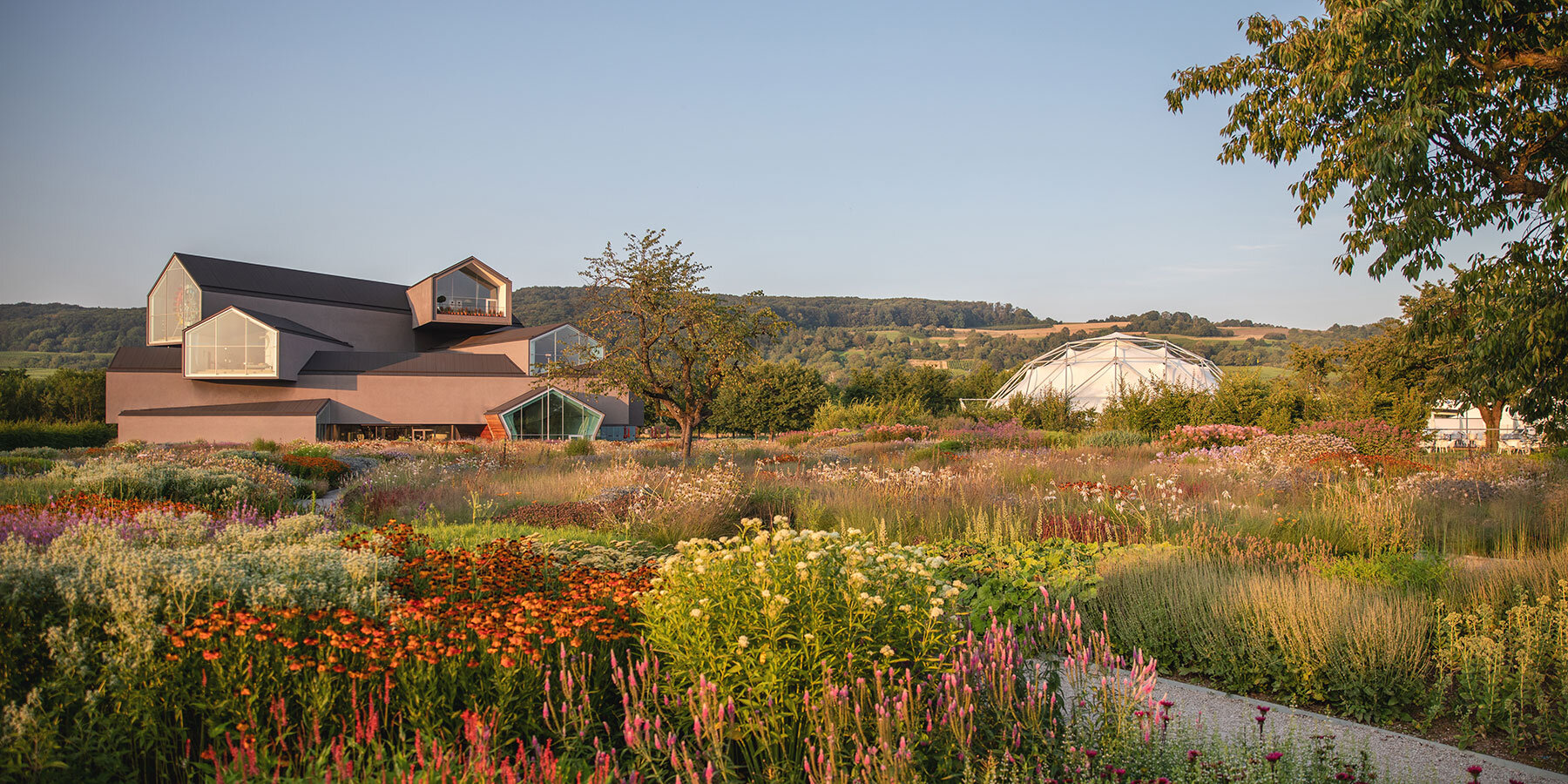
mateo kries speaks of the vitra campus’ latest installations
located in weil am rhein on the swiss, german and french border, the VITRA campus continues to grow organically. in an interview with mateo kries, the director of the company’s design museum, the haven of architecture is unraveled through the morphology and various installations that are in place. from the illuminated miniature furniture works by the bouroullec brothers that lead into piet oudolf’s magical garden to nathalie du pasquier’s ‘torre numero due’ and the exhibitions on women designers, the story of the cultural site’s reopening is told.
‘the reopening of the campus is perfectly timed, and I would say it is super important that people start to go to cultural events and museums again. although designing and planning the latest interventions begun before the pandemic, content wise and thematically they perfectly reflect the campus’ evolution and attractiveness that has always been bringing visitors on site. overall, we don’t believe in following a master-plan, it is more of a step-by-step decision making process that responds to what is relevant today regarding the public space and the relationship between nature, culture and industry – and that is how a flexible and timeless evolution is achieved,’ explains the director of VITRA design museum, mateo kries.
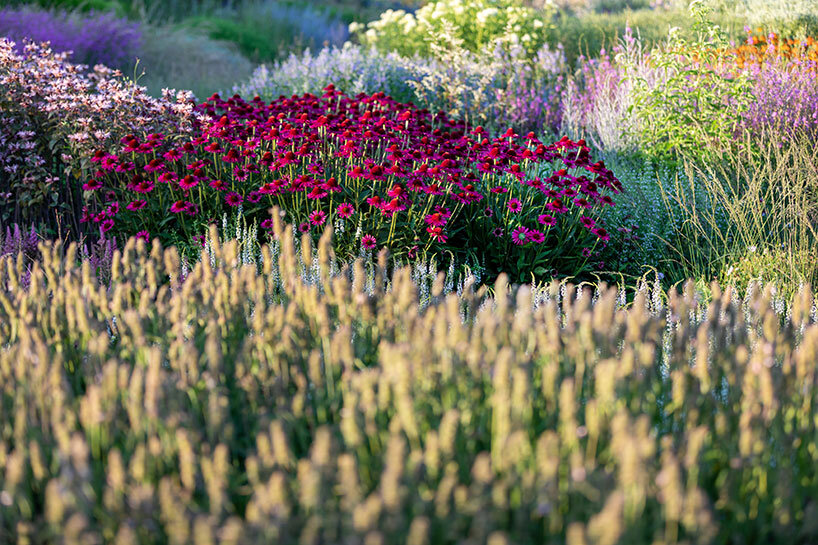
piet oudolf creates ultimate control in the beautiful chaos as the flowers bloom through the seasons

‘the idea was to get this incredibly intense composition of smell and colors,’ says mateo speaking of oudolf’s vivid garden
‘the blossoming of the different colors works like a painting,’ expresses mateo kries of piet oudolf’s vitra garden
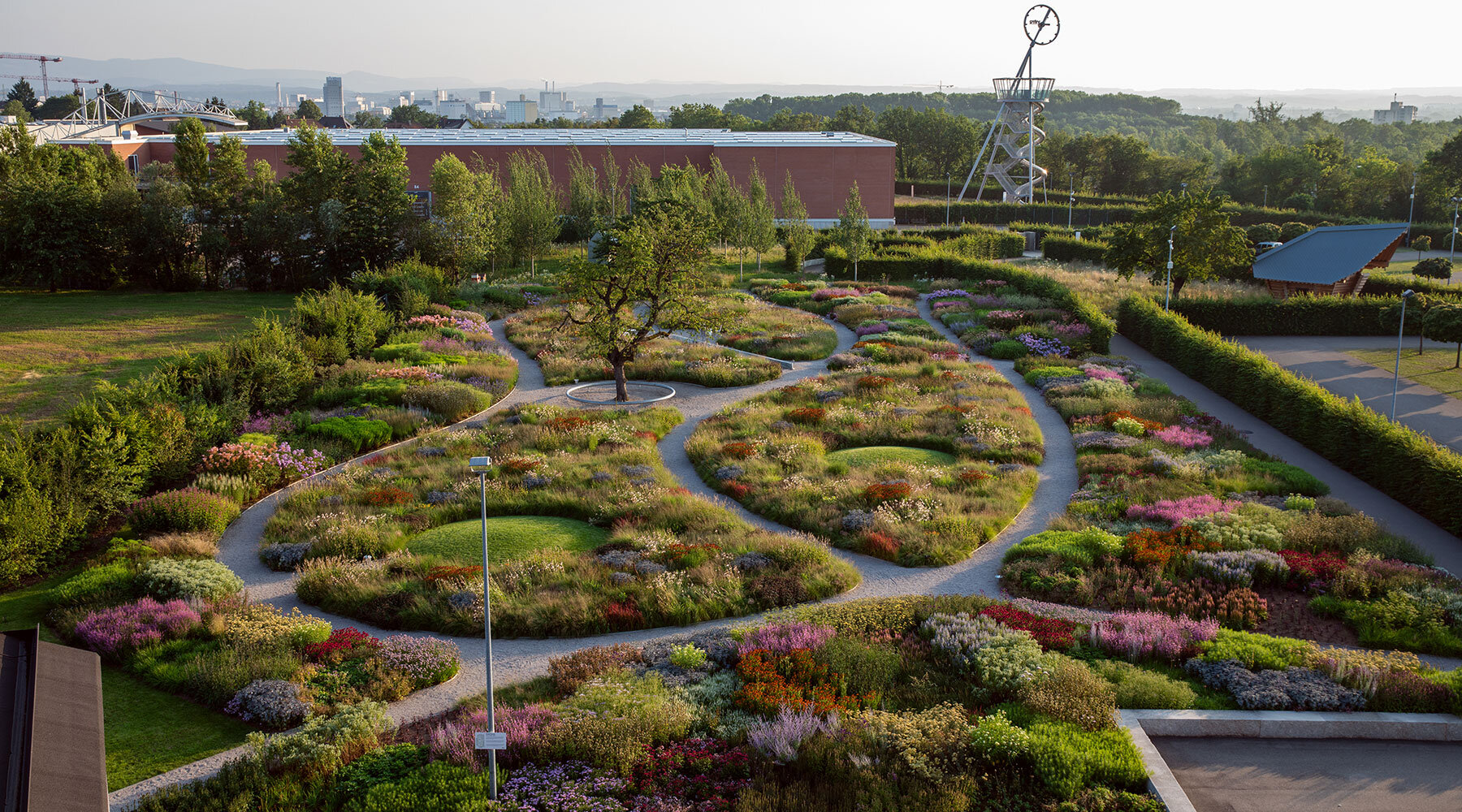
the touch of nature to VITRA’s headquarters blooms bigger with piet oudolf’s garden, as the company welcomes a non-built project for the first time. in a harmonious integration between architecture and landscape, the campus expands into a play of color and biodiversity while bringing attention to the entire area including the backside. as it all becomes more public, an urbanistic evolution connects the site to the surrounding city. the artist composes and finds control in an approach where the plants and flowers grow to create their own chaos. ‘the idea was to get this incredibly intense composition of smell and colors, and I think for many people, this can be a way to sharpen the senses again,’ says mateo.
‘he [piet oudolf] really pushes this to the limits as he has in knowledge the specifics of which plants blossom when and for how long. the succession of this blossoming of different colors, together with their degradation, works like a painting or performance -and that’s really quite striking to me. the smell, of course, is also part of the careful planning into the composition. it’s really a multi-sensual experience through the space; almost magical,’ he continues to say.

it’s really a multi-sensual experience through the space; almost magical,’ continues mateo kries.
the playful journey in the vitra campus continues with nathalie du pasquier’s brick tower
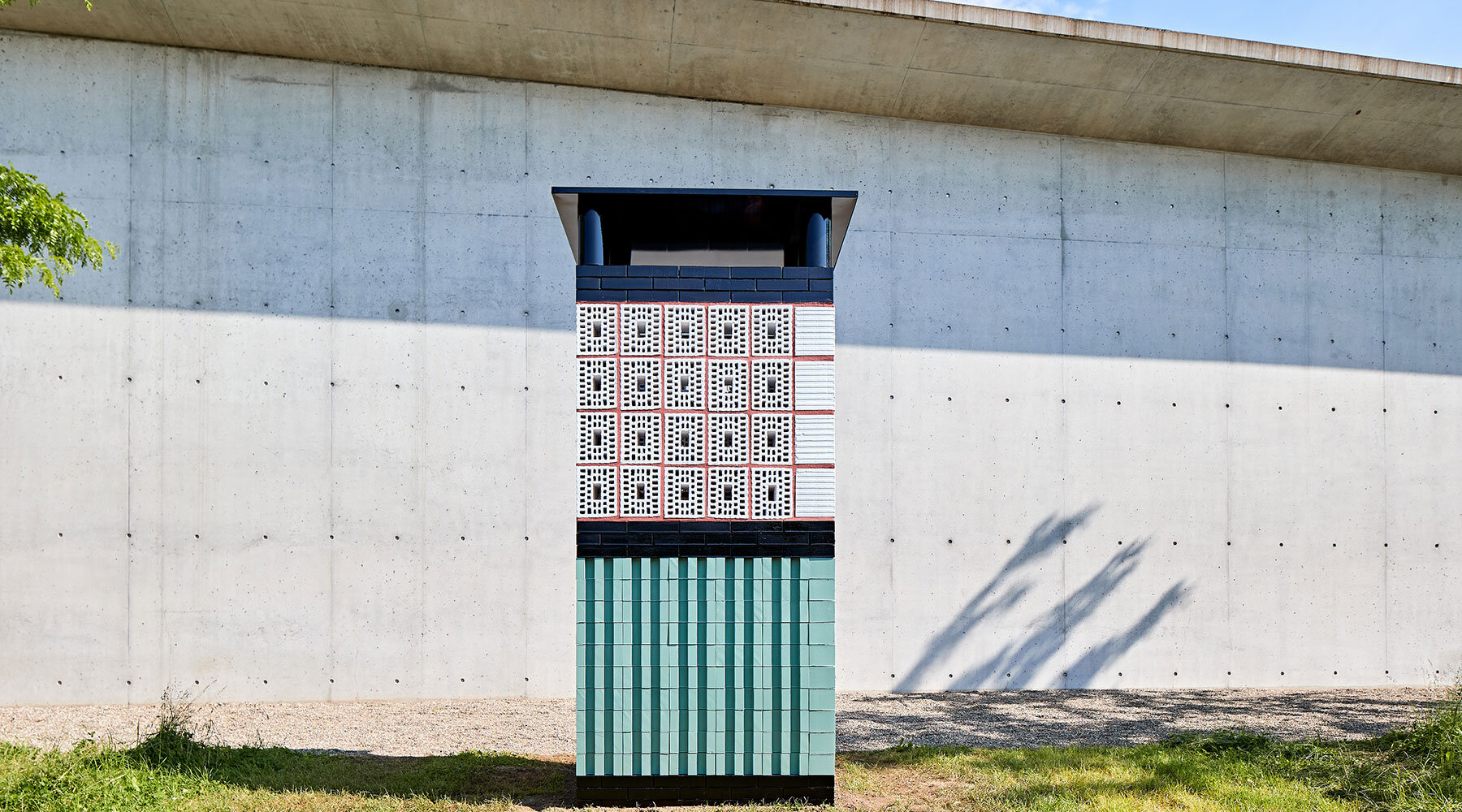
the path then leads to nathalie du pasquier’s ‘torre numero due’, placed between the alvaro siza promenade and herzog & de meuron’s VITRA schaudepot. although all three structures are in brick, the different approach towards one of the oldest materials architecturally only adds to the diversity that characterizes the campus’ outlook. context wise, the sense of an architectural folie evolves along alvaro siza’s promenade and thomas schütte’s log cabin slide, which leads to the end of the walkway and essentially to torre. the idea is that the visitor is taken on a journey of playfulness and artistic interventions in a landscape surrounding. right there, next to zaha hadid’s fire station, the backside of the campus becomes part of the whole ensemble.
‘now, with the VITRA campus being more a place of experience, we want all the buildings to be experienced from all sides. we also needed to emphasize that the other side of the hadid building, often missed in photographs, is also super beautiful. ultimately, it’s also a way to direct people’s attention to a place which has not been the main focus, but will certainly gain more attention in the coming years.’
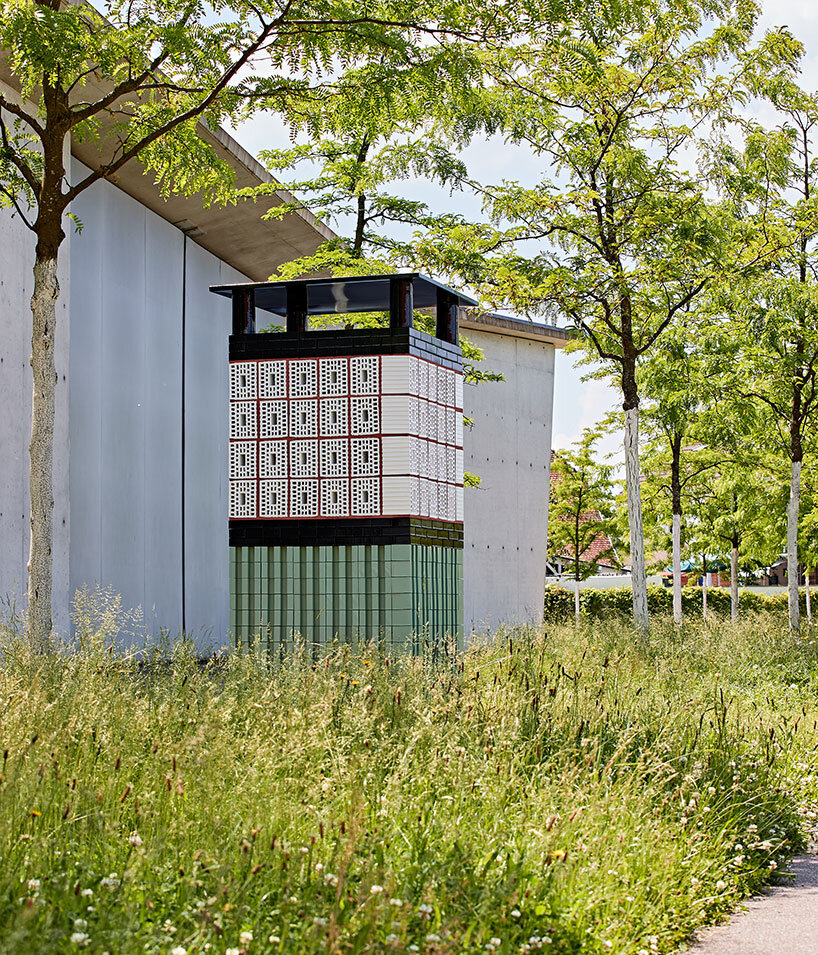
nathalie du pasquier’s brick tower takes the visitor on a playful journey in the landscape
from the tram stop to the VITRA campus, the bouroullec brothers set up a miniature musem
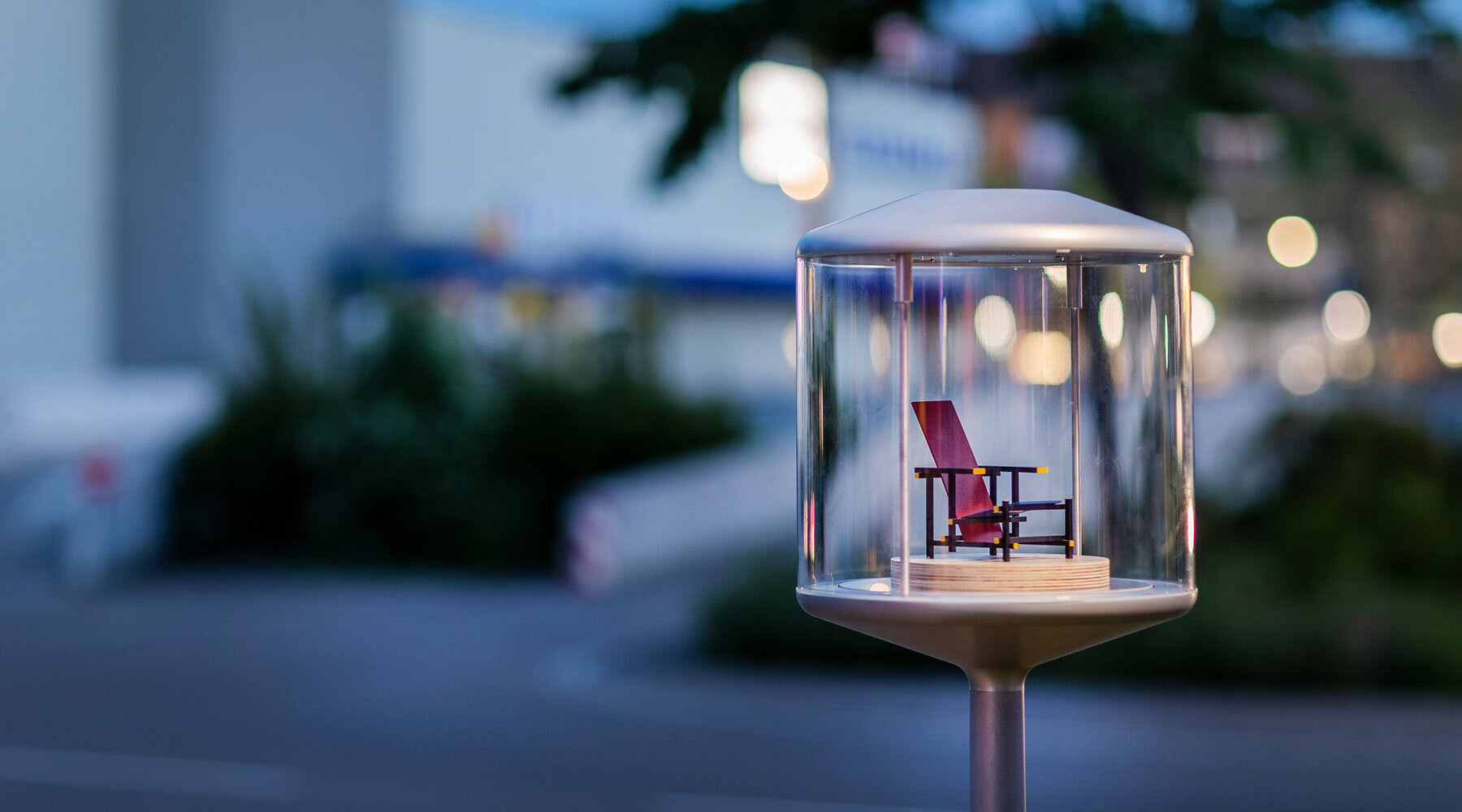
the journey and anticipation for the campus begins all the way from the weil am rhein tram stop. in a path traced with a mini 12 column version of the VITRA design museum, the bouroullec brothers bring excitement as the project connects city to site. the miniature collection piques the interest of both citizens and tourists who travel or walk past the developing and changing area.
‘because of the tram way, the area is growing and developing and changing so it is a long-term urbanistic revolution which will continue in the next years. we added our little elements of playfulness into this evolution. in essence, these miniatures incuriate them to discover what this is and to appreciate these little objects. it’s both for the design-oriented international visitors who have travelled all the way just for the campus, but it is also about the people that live in that city – it’s an invitation to see what we do,’ comments mateo kries on the path towards the VITRA campus.
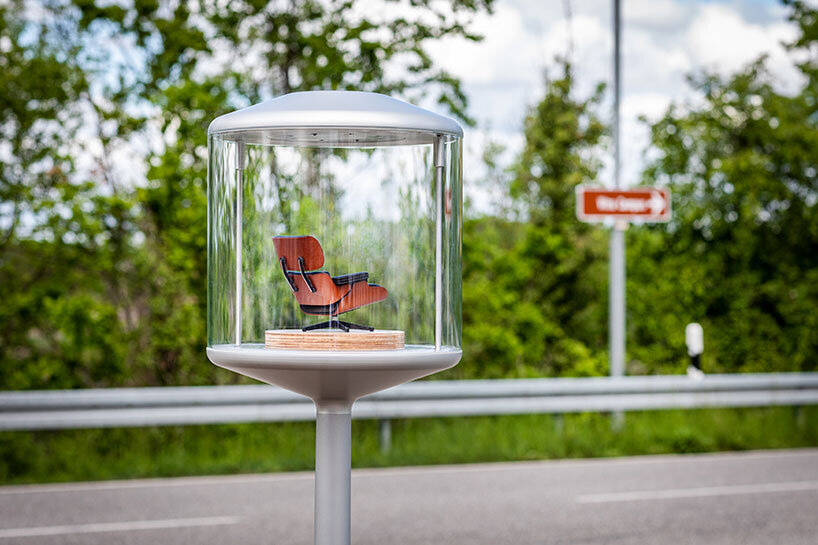
the miniature museum by the bouroullec brothers starts from the weil am rhein tram stop leading into the campus
the illuminated and rotatable solar powered glass containers also touch on the company’s dedication and stance towards sustainability.
‘sustainability is a big topic in our company’s agenda. we want to make sure that the company becomes a sustainable organization on many levels: in the campus, in the products of communication, of mobility, of manufacturing. it’s just one jigsaw piece from the puzzle, but it’s really in the center of the trust agenda at the moment.’
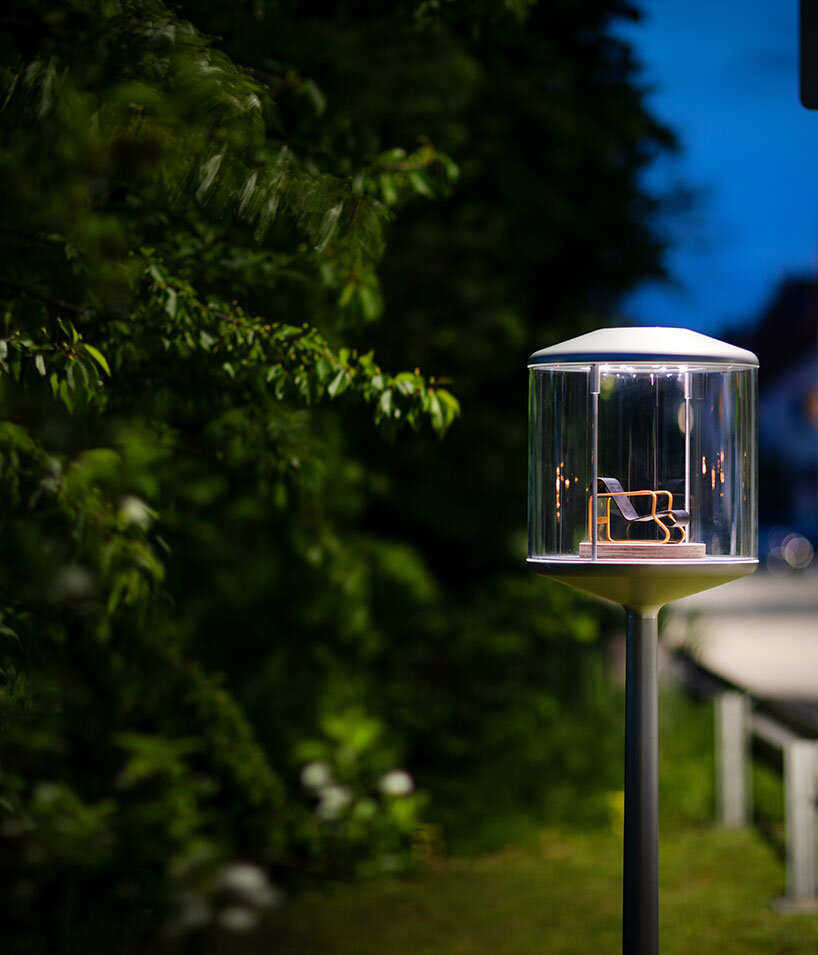
illuminated at night, the glass columns reflect on VITRA’s dedication for sustainability
‘women are completely under represented,’ says mateo kries talking of the exhibition
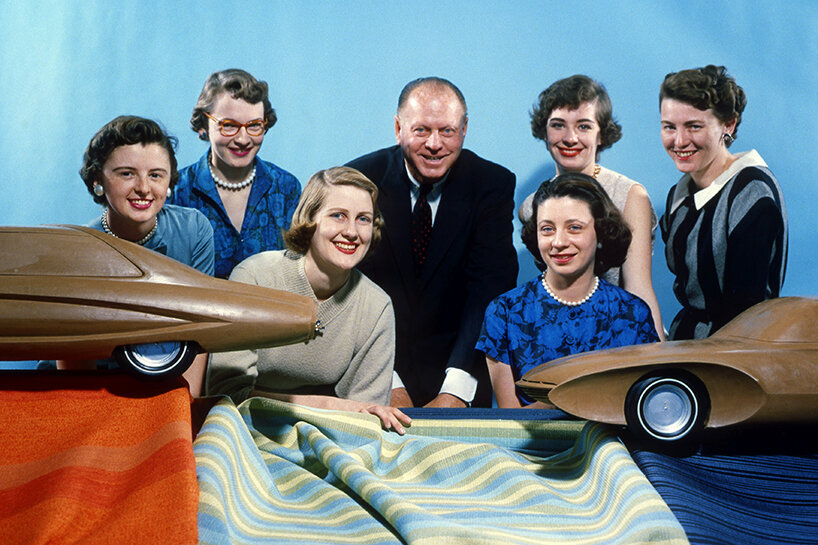
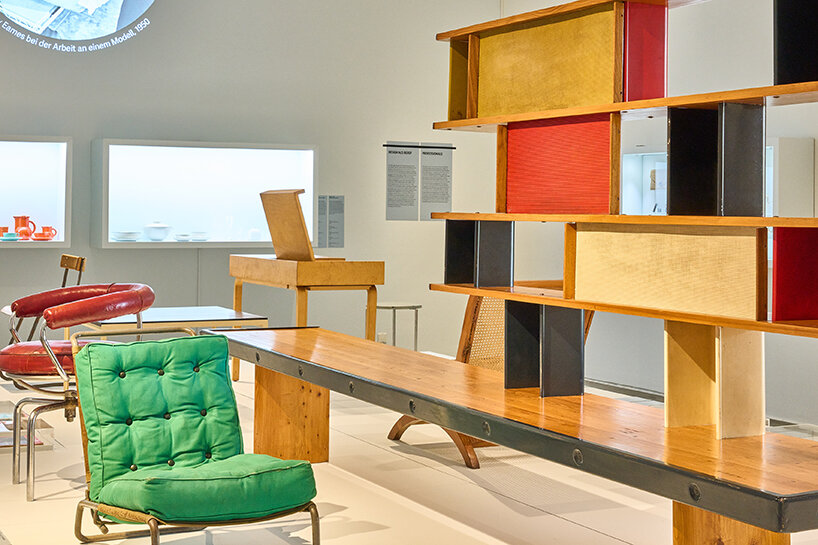
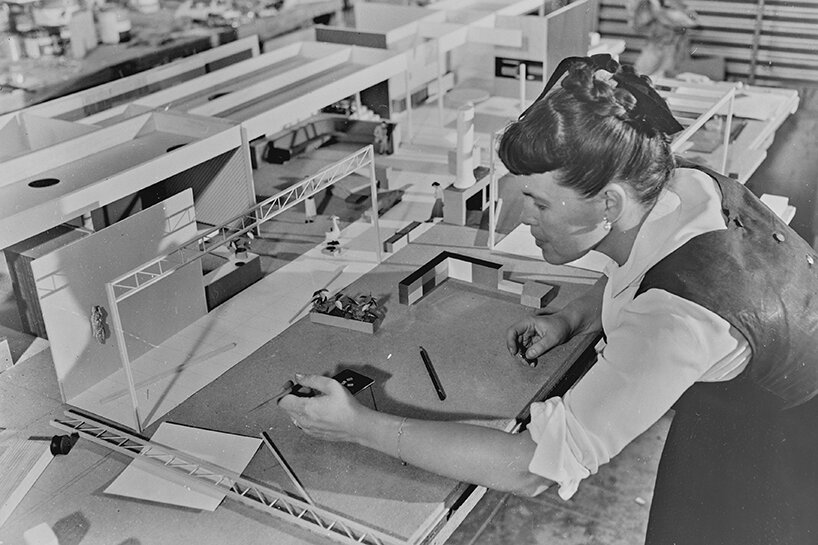
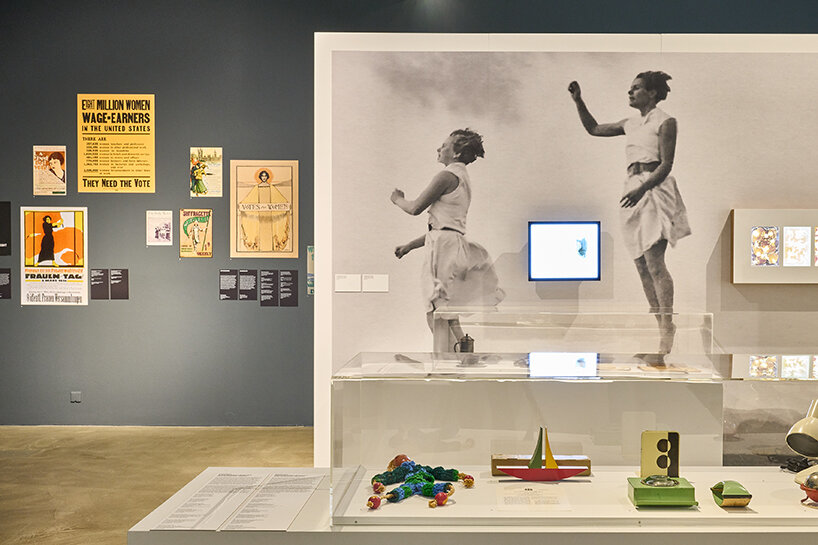
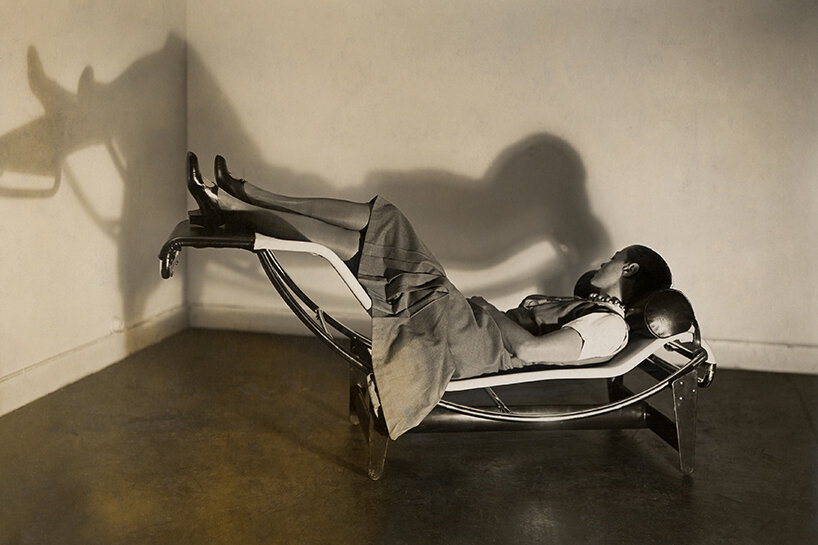
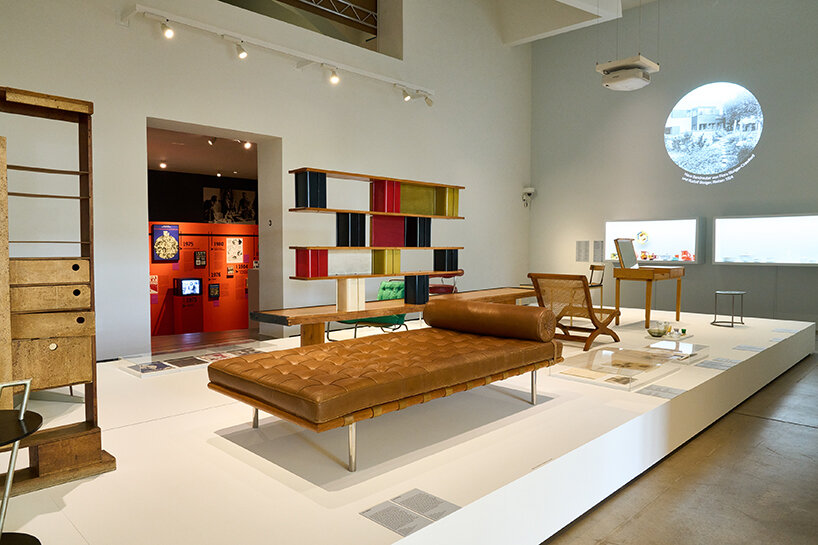
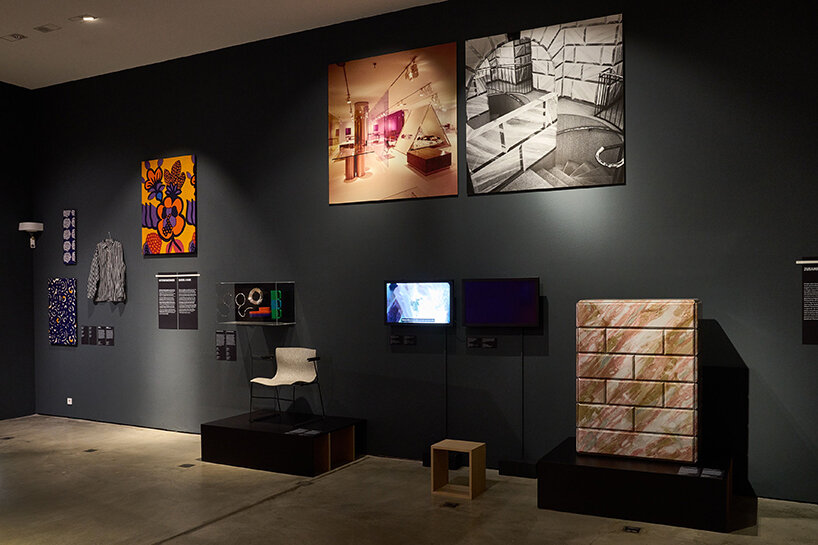
besides nature, VITRA takes deeply into account the sensitive relationship between the collections and visitor. seeing the museum as a narrative to talk to the public regarding art and society, a contribution to speak about women’s underrepresentation in the design field is prominent. the need to curate one that touches on the evolution of the past 120 years of design history grew bigger, following single-artist exhibitions on gae aulenti and christien meindertsma. to reflect on the changing conditions and roles of women, ‘here we are’ and ‘women designers in the collection’ focus on works by renowned female artists, touching on the wider social context from the start of the twentieth century.
‘it’s a topic that results very directly from our museum’s general activities; it’s not just another exhibition topic, but it’s really touching the core of what we do and how we do it. we have a collection of furniture and collecting means making decisions: what do you collect; why did you collect it; whose works do you collect. through this we realized that women are completely under represented. with our museum’s activities, we make a contribution to what is seen as the history of design, we are kind of like journalists who communicate to the public about design’, concludes mateo kries, director of the VITRA design museum.
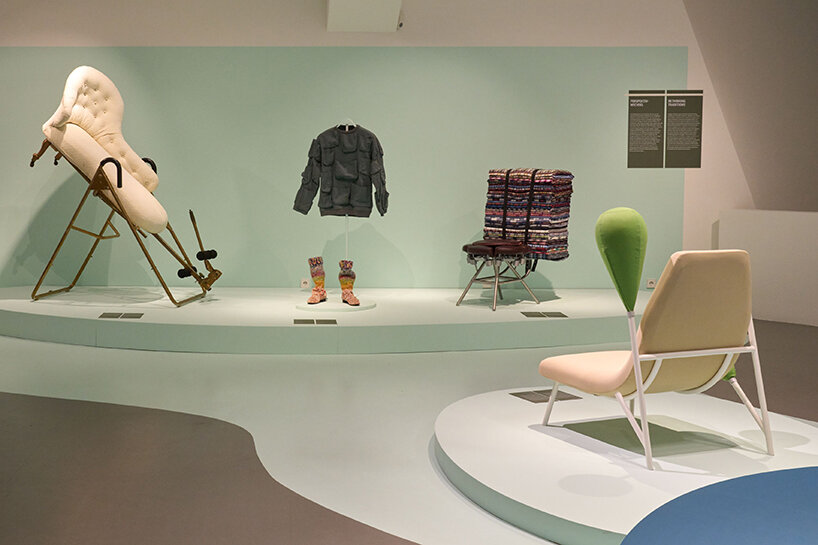
‘here we are!’ exhibition, photograph by christoph sagel © VG bild-kunst, bonn 2021
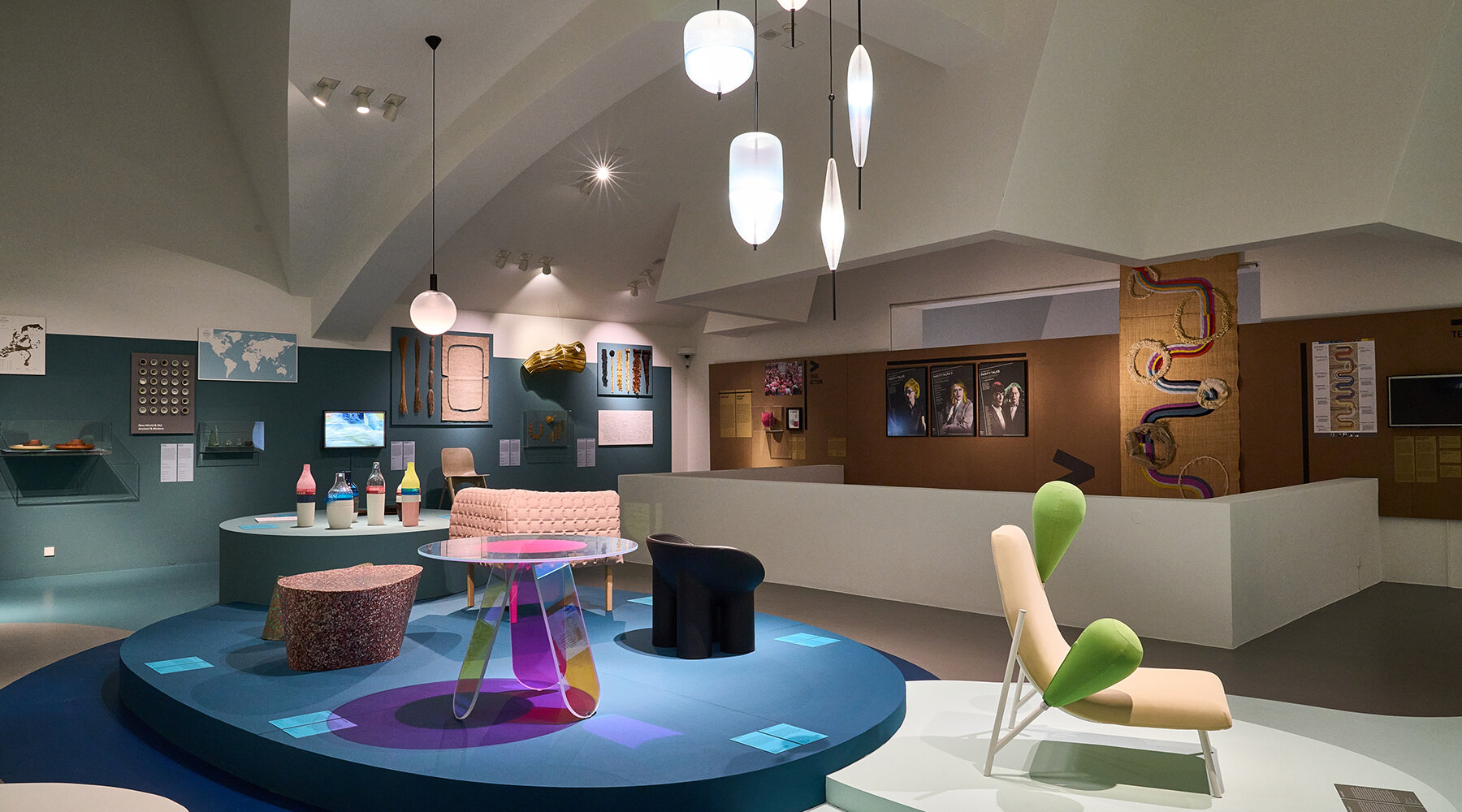
here we are! women in design 1900 , photograph by christoph sagel © VG bild-kunst, bonn 2021
project info:
name: VITRA campus
interviewee: mateo kries, director of the VITRA design museum
designers: piet oudolf, nathalie du pasquier, ronan & erwan bouroullec
 Feb 20, 2026
 Feb 18, 2026
 Jan 28, 2026
 Jan 02, 2026