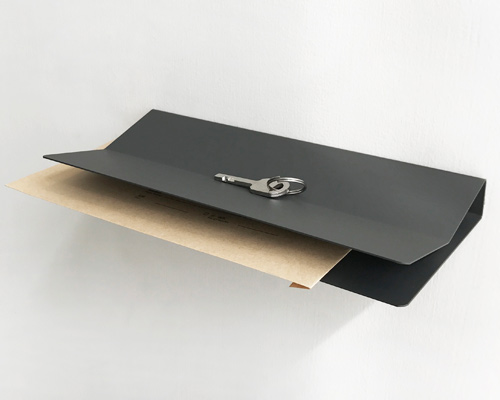
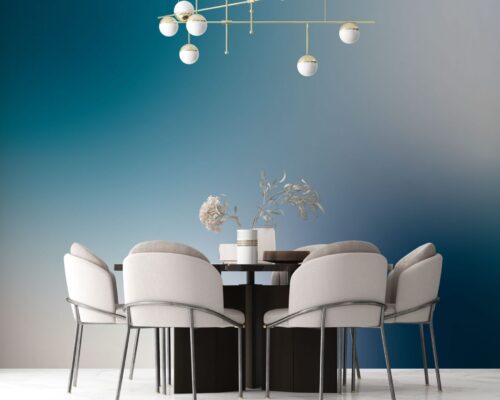
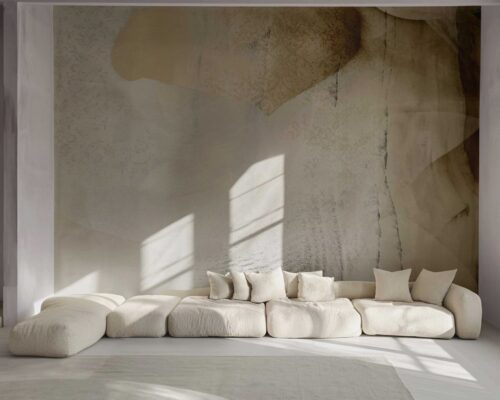
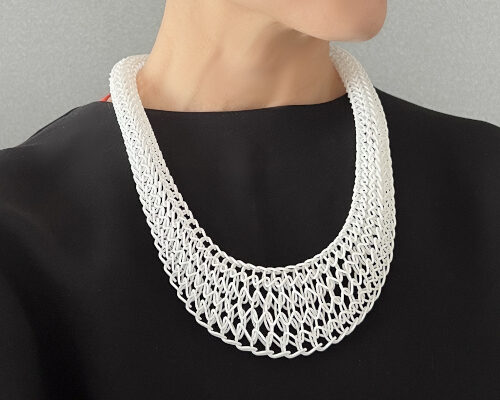
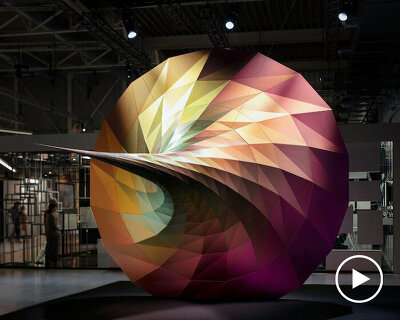
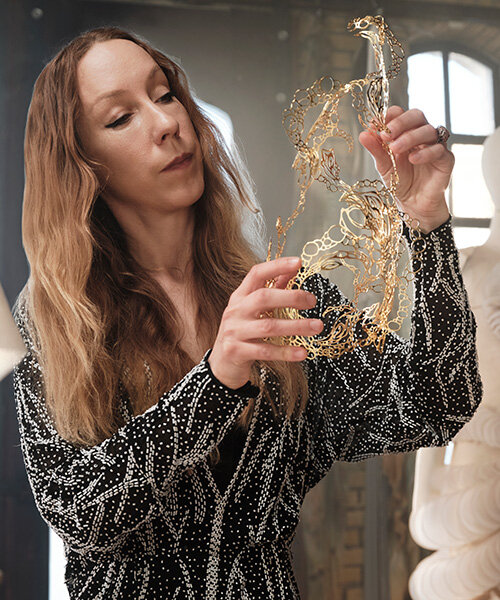
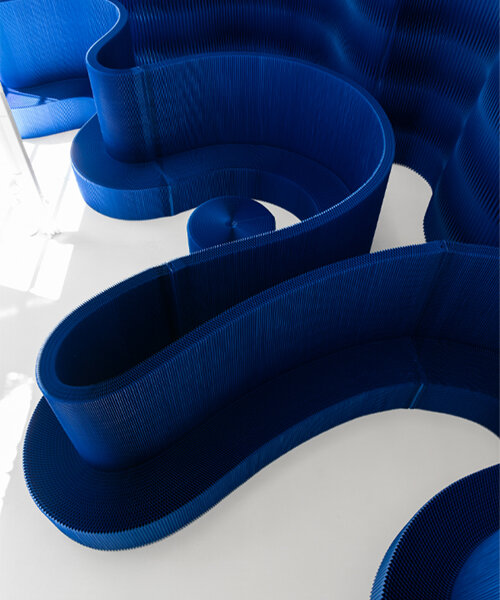
we+ explores craft and digital fabrication through material intelligence
in an interview with designboom, we+ explains explains how making becomes a way of learning through materials.
prefer designboom on google[FEATURED]
we+ rethinks craft as a way of understanding materials
Founded in Tokyo by Toshiya Hayashi and Hokuto Ando, design studio we+ approaches materials less as resources to be shaped than as collaborators to learn from. Across projects involving microalgae pigments, industrial waste, Styrofoam, seaweed, and even mist, their work asks how materials can shape the design process instead of simply being shaped by it.
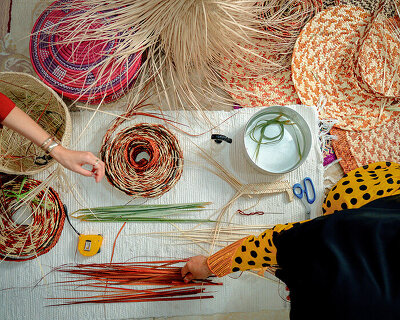
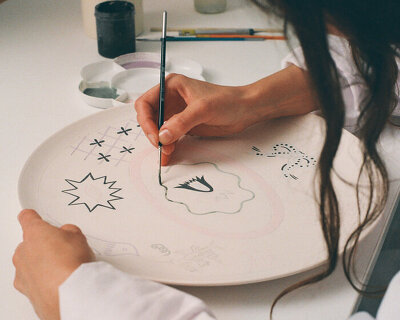
For we+, craft is not something fixed or nostalgic. It is an active way of working with materials and understanding their qualities through making. As the design team explains to designboom, craft is the practice of understanding materials through the hands and body, intervening in them, and giving them form. It is also the accumulation of knowledge and skill that emerges through this process.’ More than technique, they add, ‘craft represents an attitude toward engaging with contemporary society through material intervention.’

turning overlooked materials into new design resources
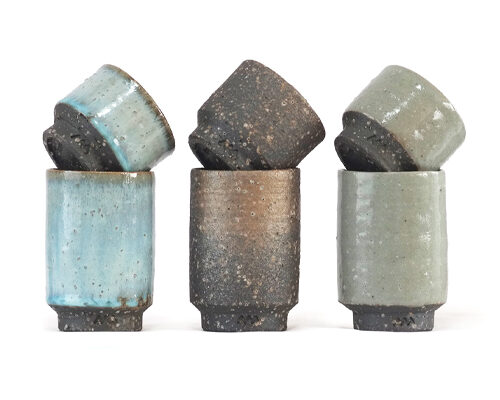
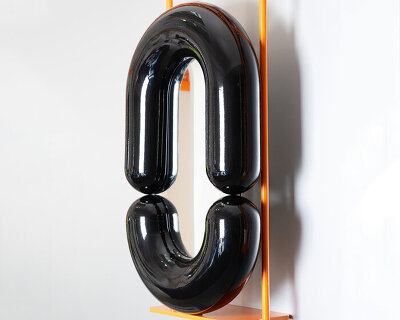
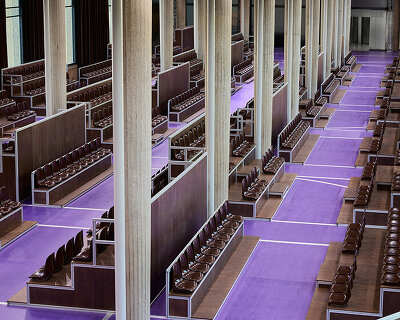
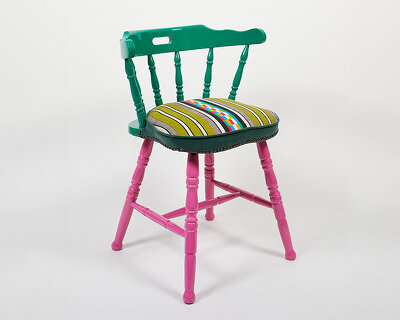
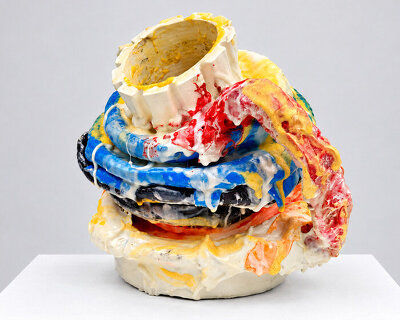
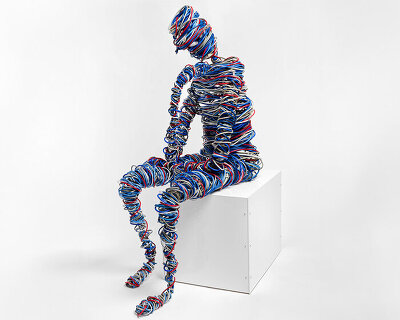
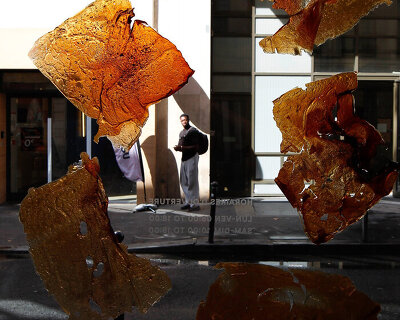
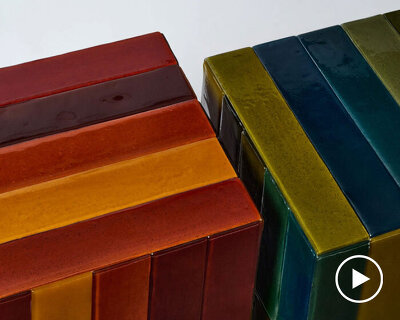
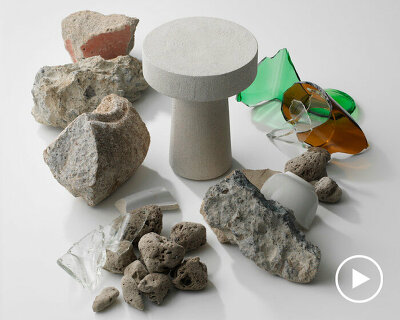
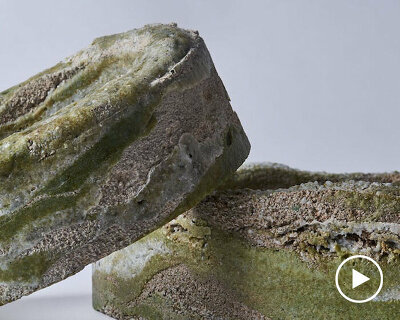
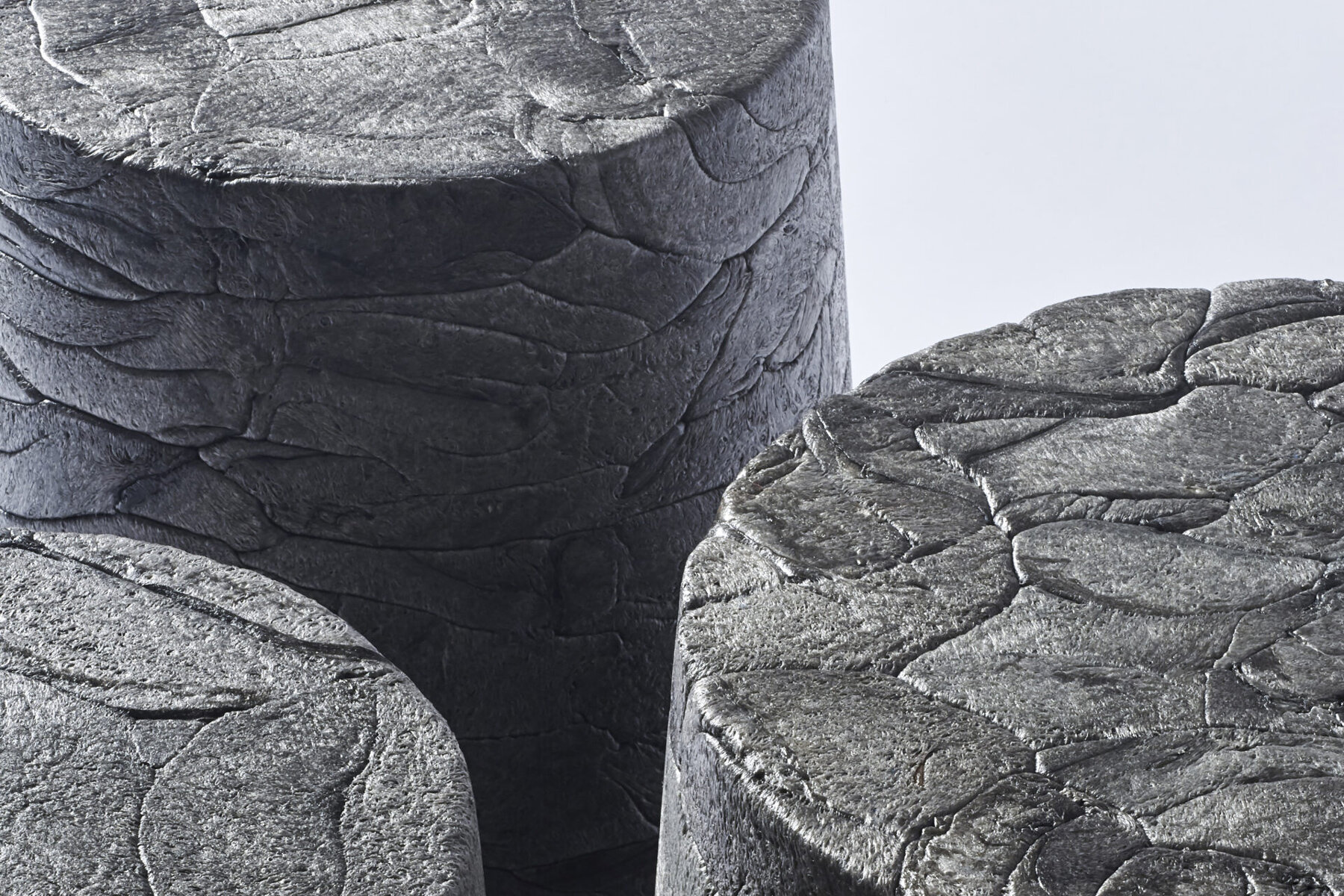
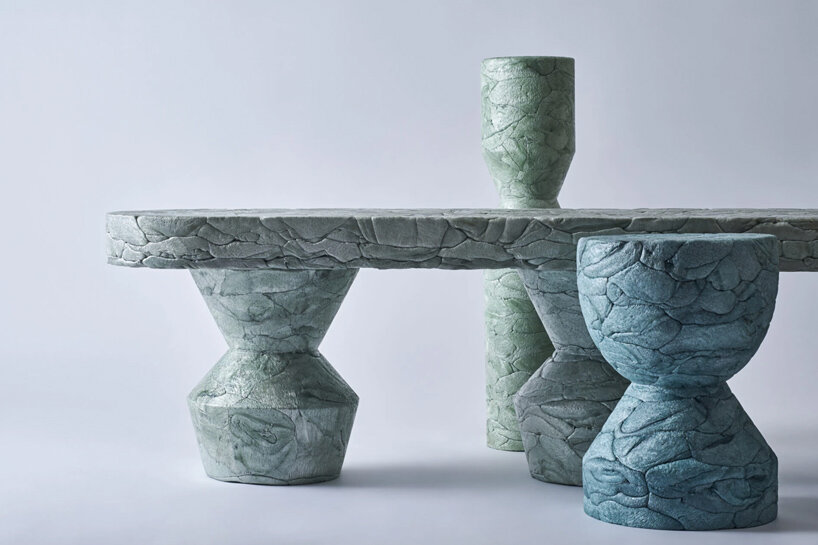
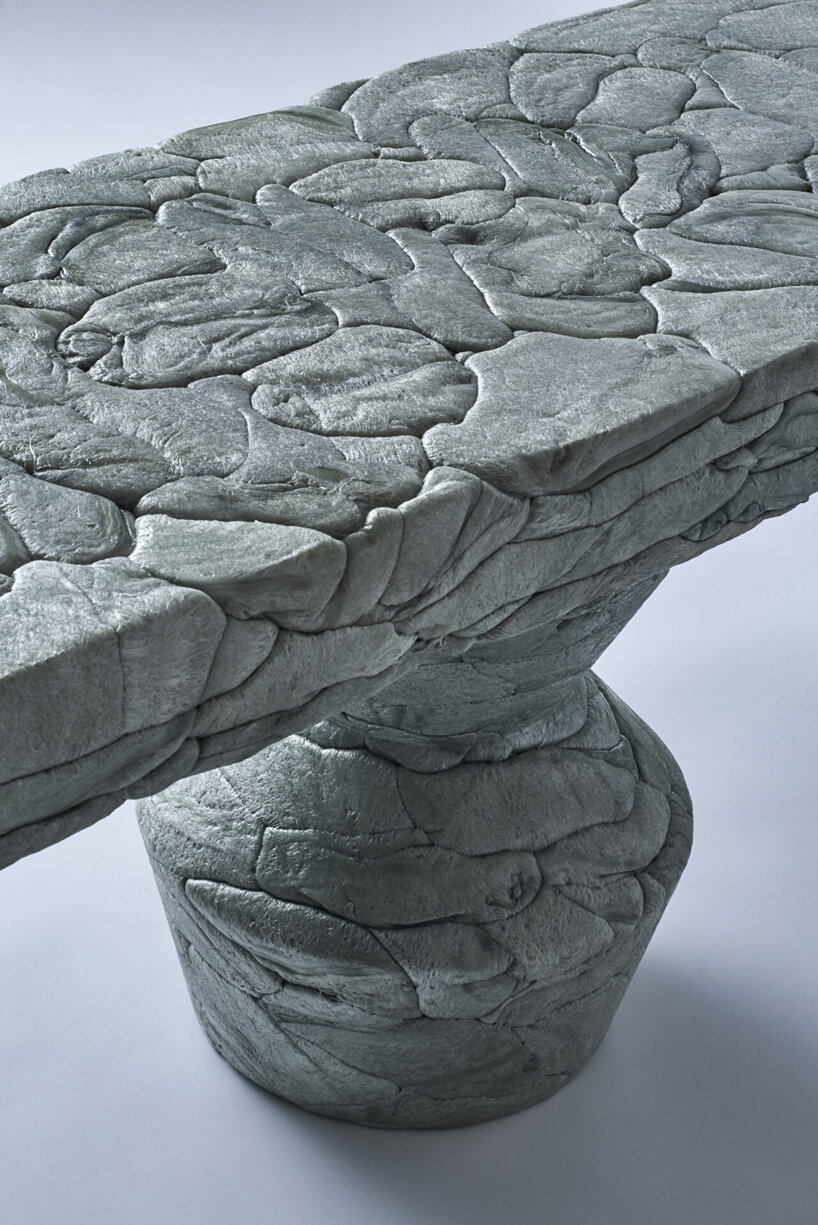
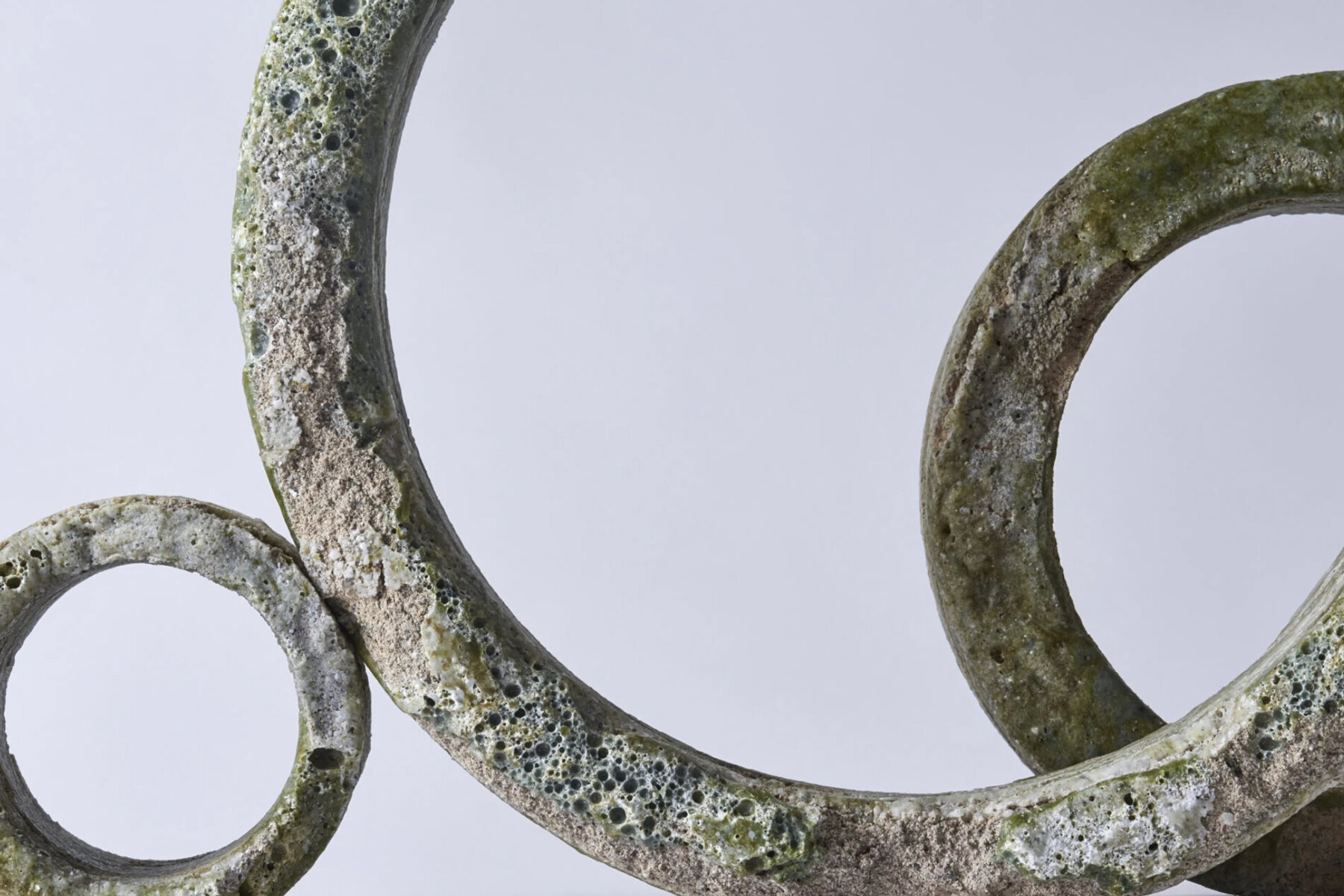
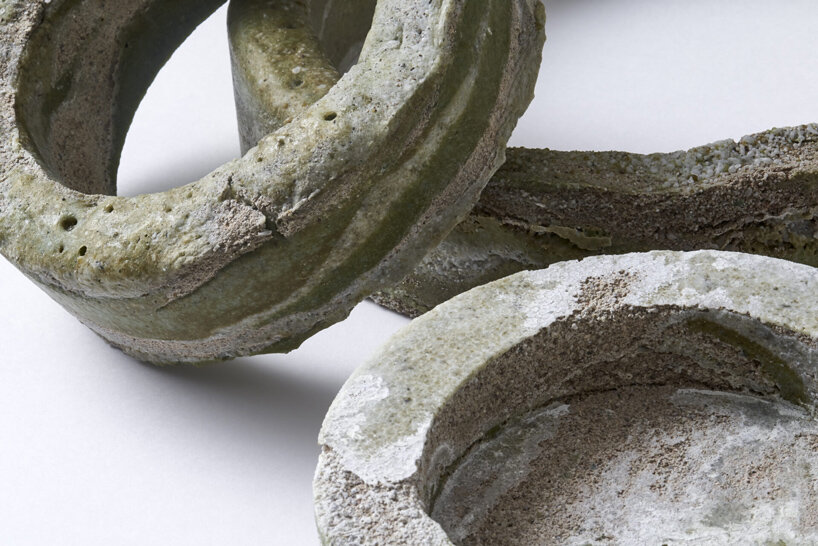
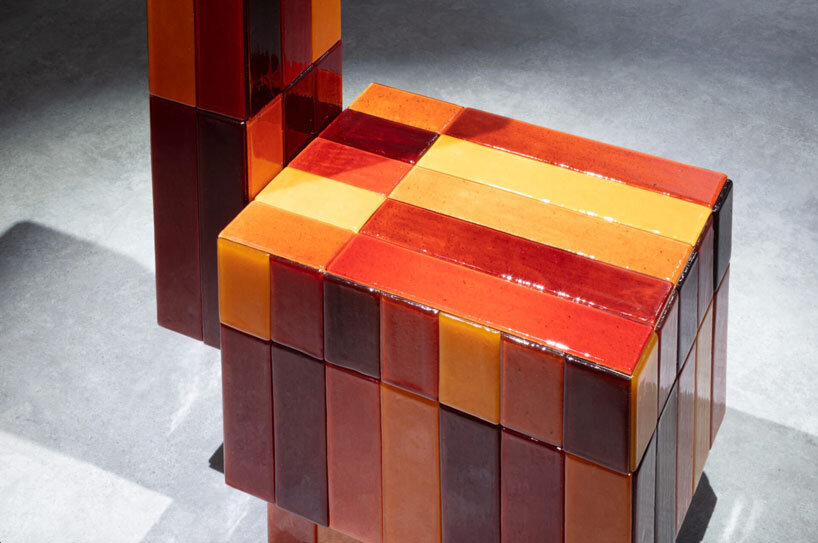
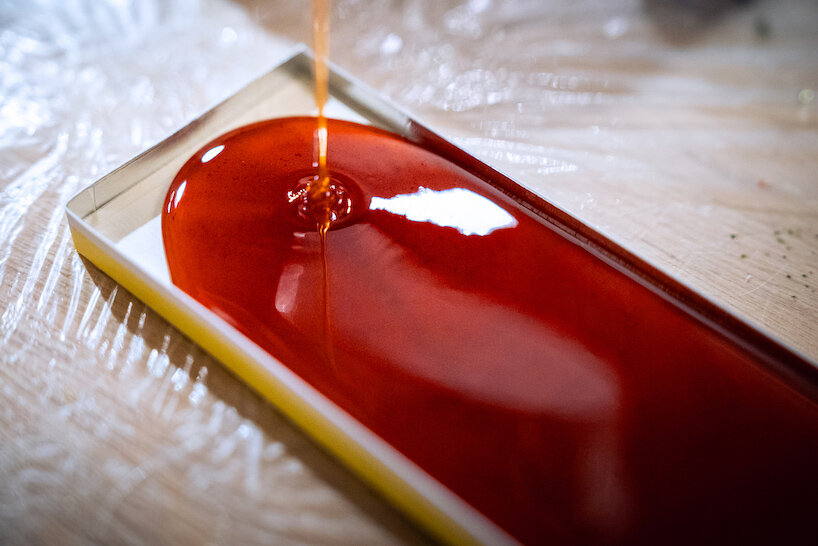
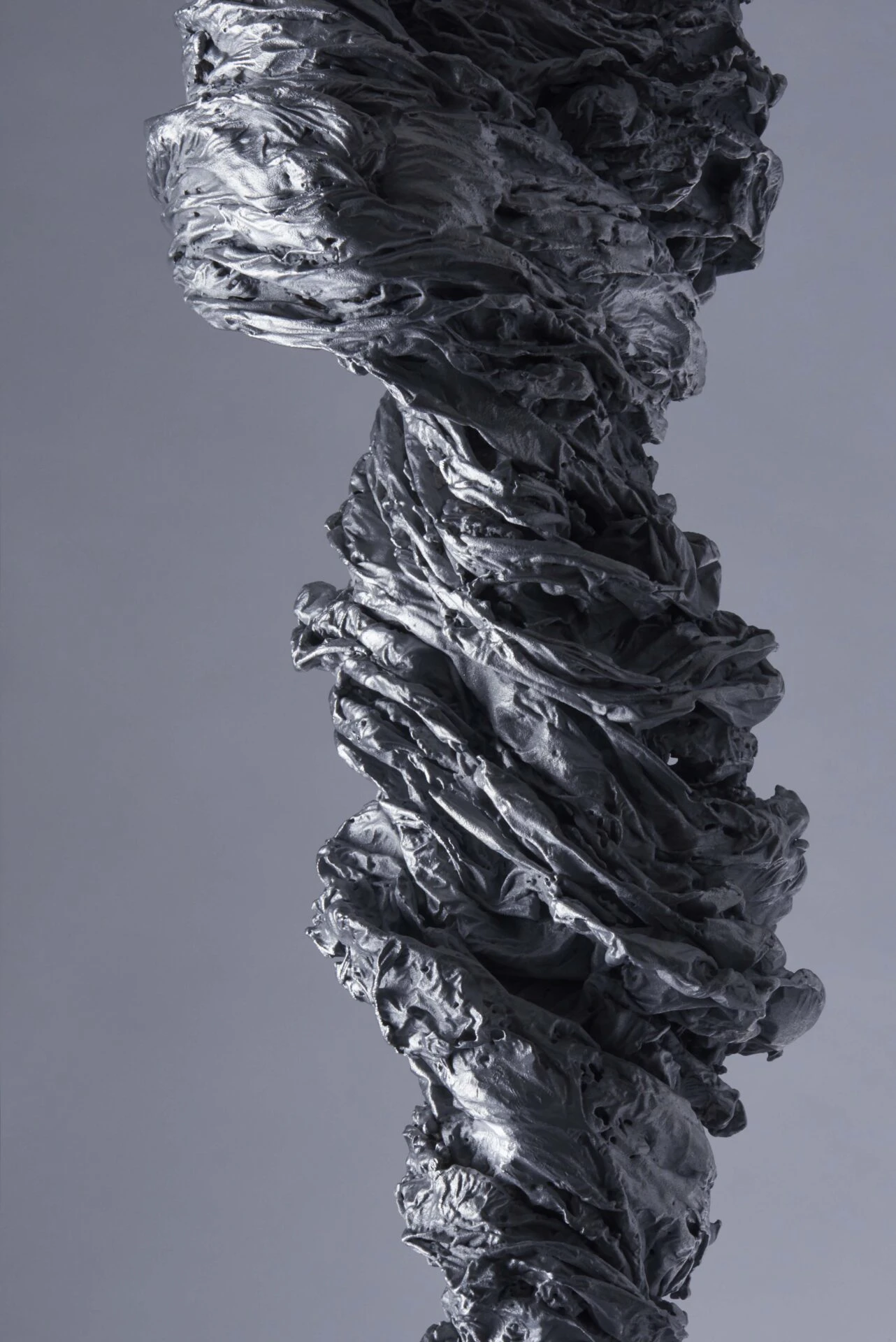
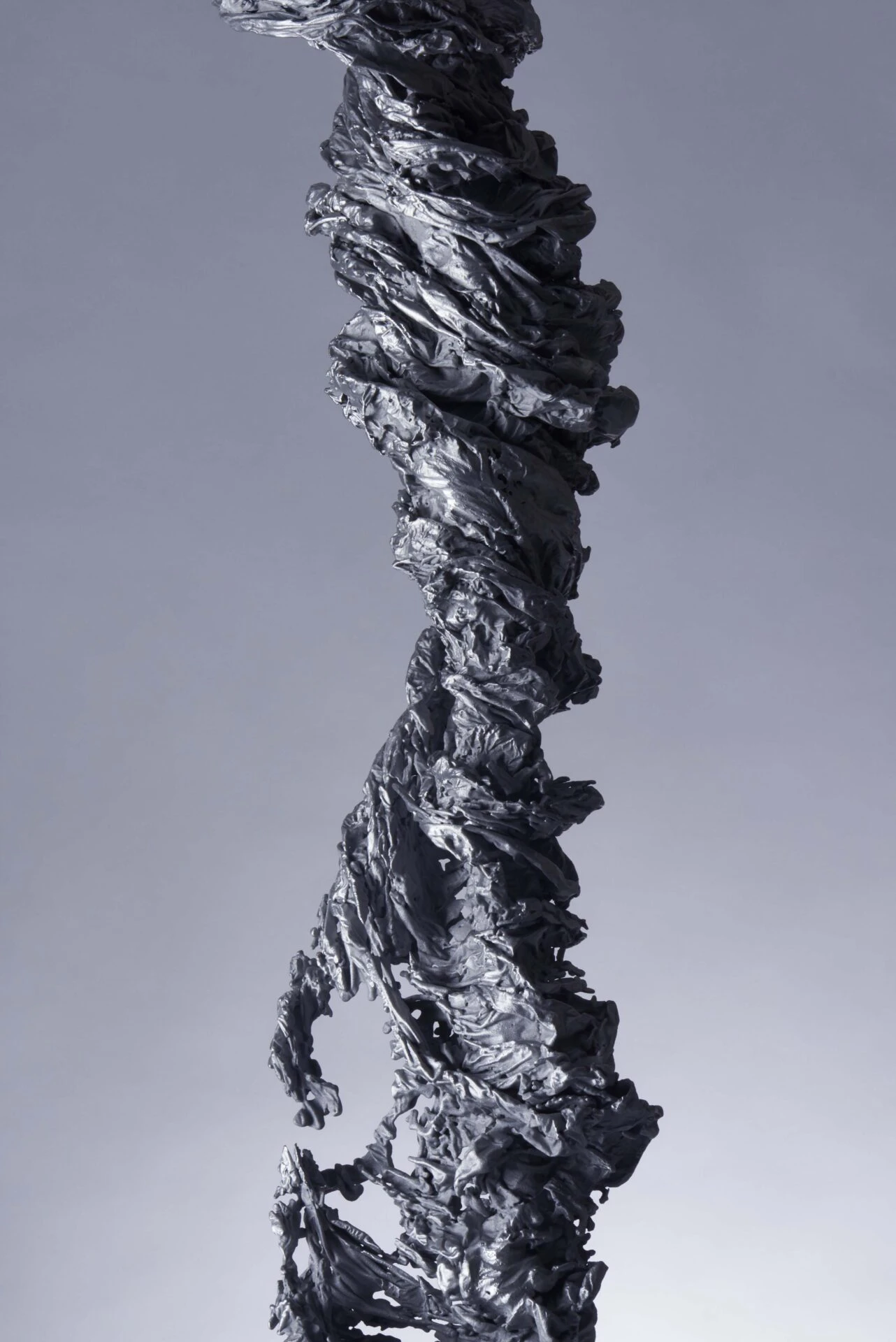
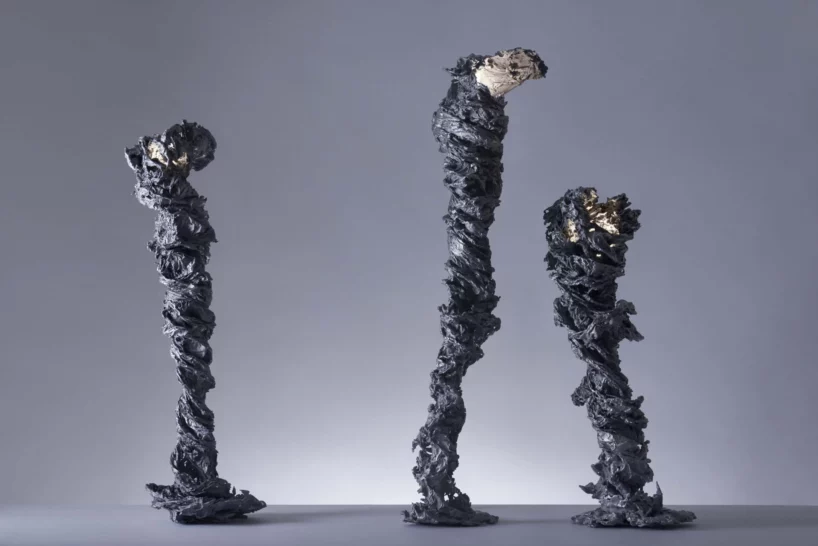
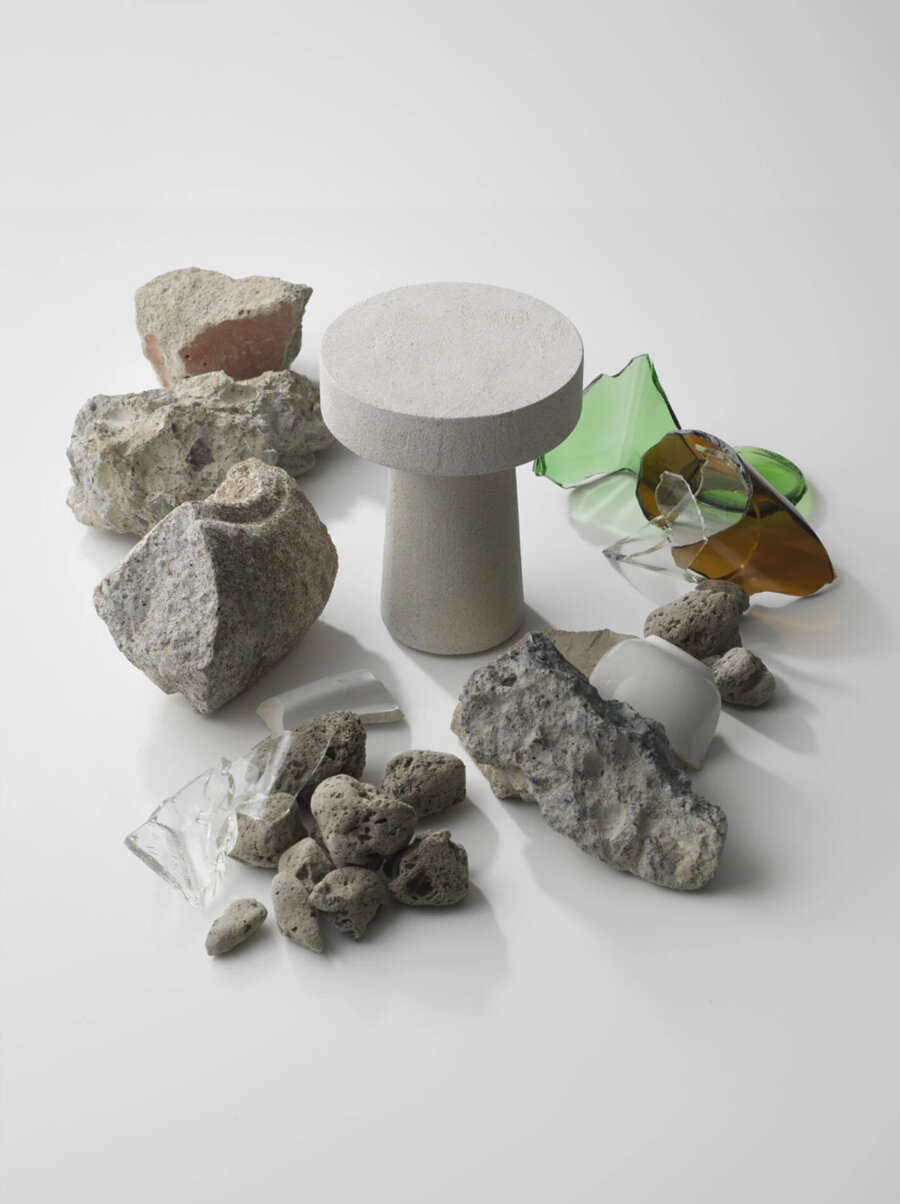
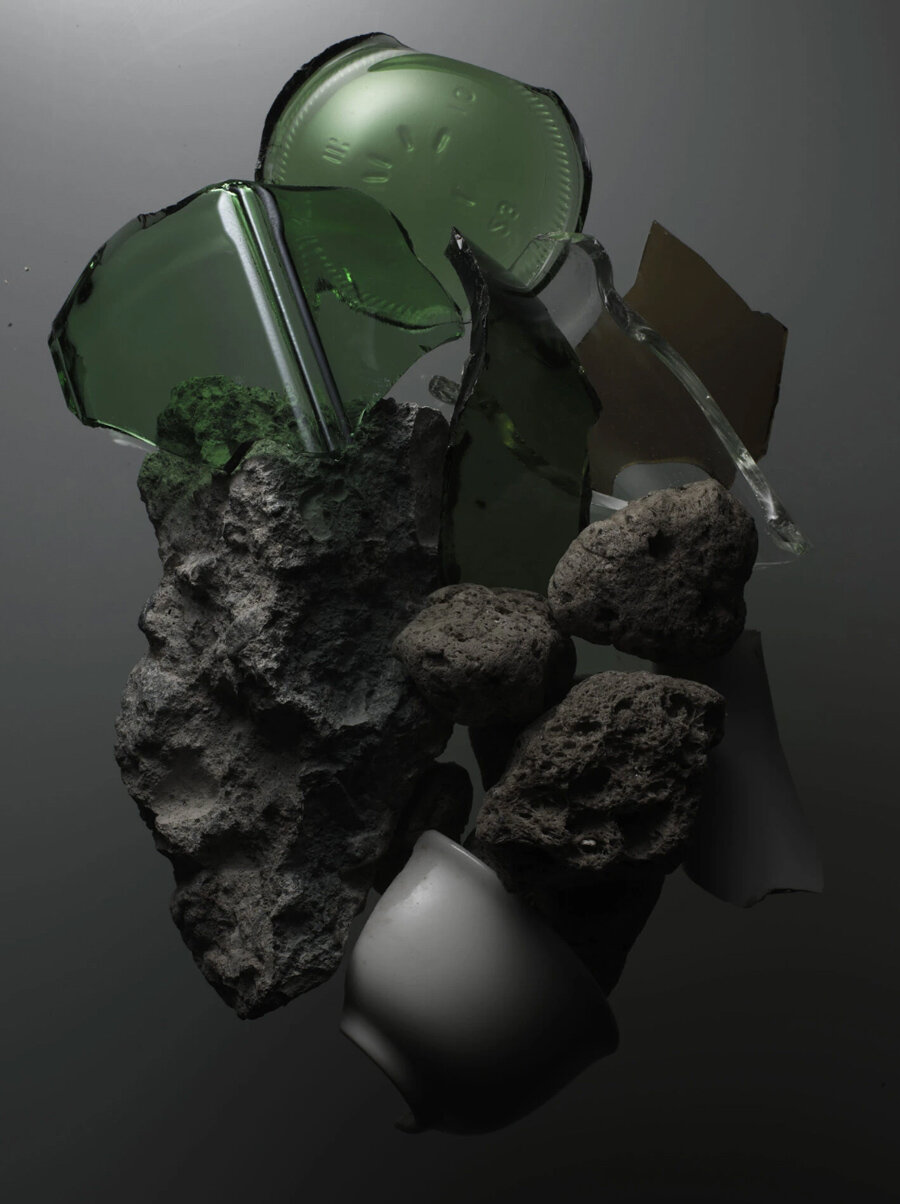
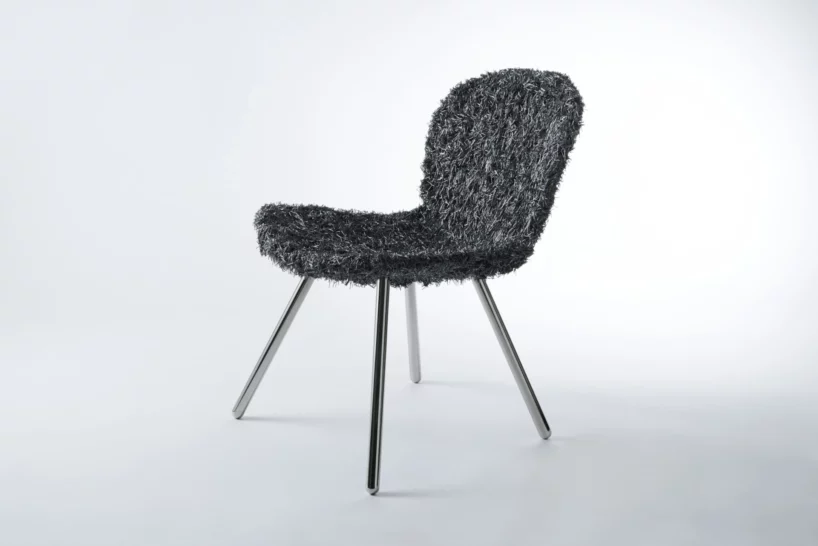
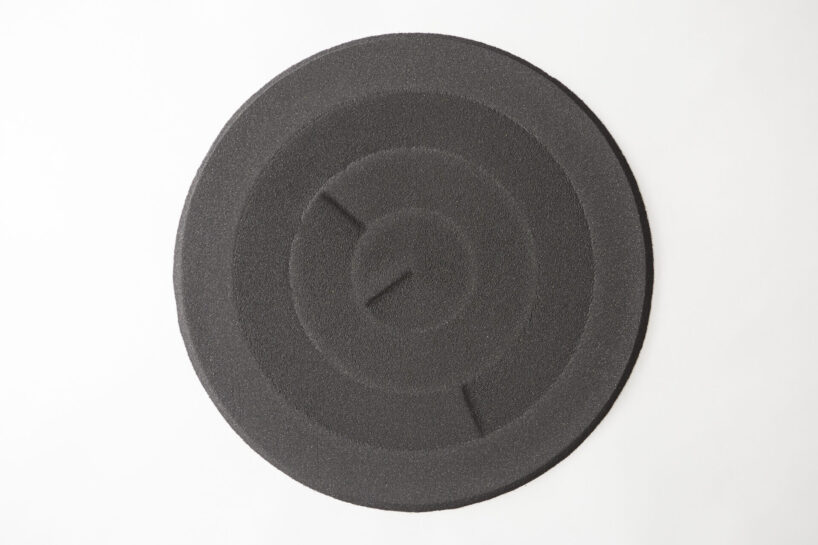
That attitude runs throughout the studio’s work, which often begins with materials that are easily overlooked: living organisms, discarded matter, industrial by-products, or atmospheric conditions. In SO-Colored, for example, color is cultivated from microalgae as a naturally derived alternative to synthetic pigments. In REMAINS, waste excavated from Tokyo’s landfills is transformed into composite materials, revealing new possibilities within the city’s discarded resources. And in Refoam, expanded polystyrene, typically associated with packaging and disposal, is reworked into furniture and functional objects. What connects these projects is not a single aesthetic, but a way of working with what has been left out. As the designers put it, ‘the defining characteristic of our material research is not resistance for its own sake, but the reconstruction of our relationship with materials by focusing on those that have been overlooked in the pursuit of speed and efficiency, as well as on the hidden processes behind manufacturing.’
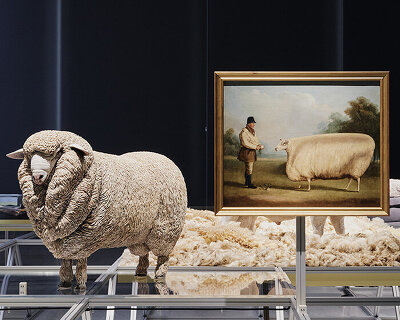
Waste, in this context, is not treated simply as a problem to solve but as a material with unrealized potential. ‘In projects such as Refoam, which work with urban waste, we see discarded materials as a vernacular material native to contemporary Tokyo,’ the creative team explains to designboom. By processing these materials themselves, the designers explore ‘the new forms and values that can emerge from them.’ Even when collaborating with traditional craft industries, their attention often shifts away from finished products and toward ‘the tools, by-products, and everyday practices of artisans,’ where new perspectives on making can emerge.
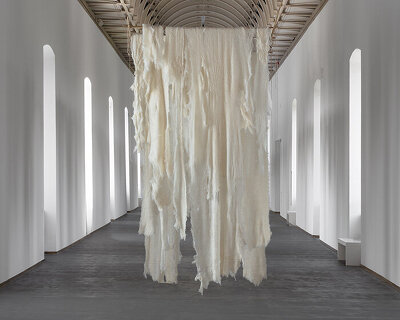
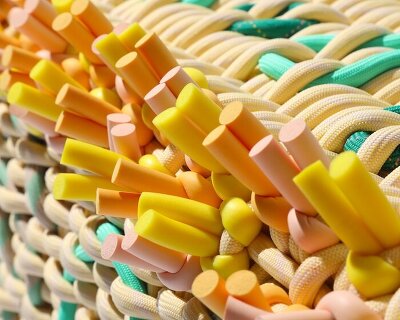
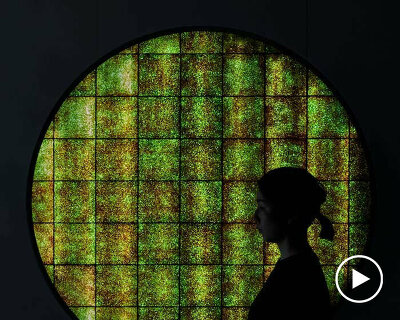
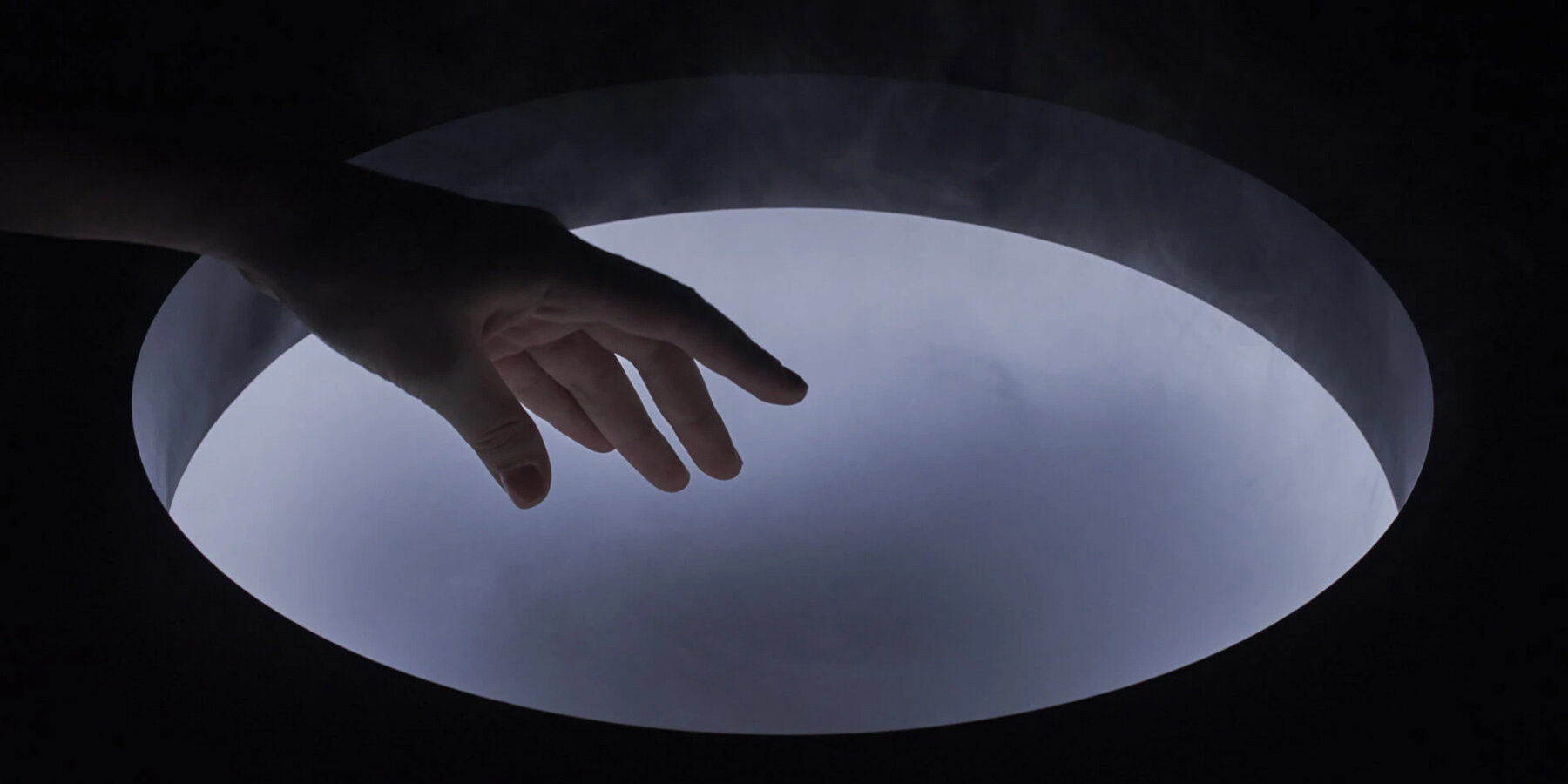
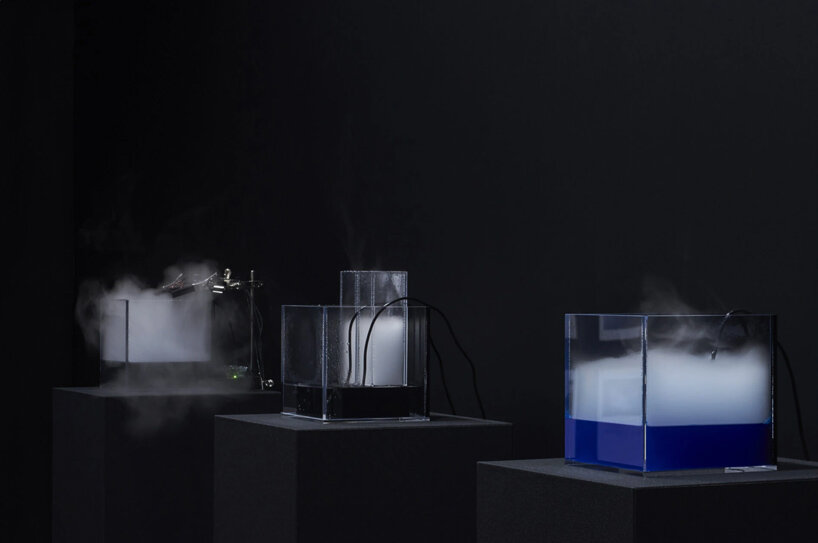
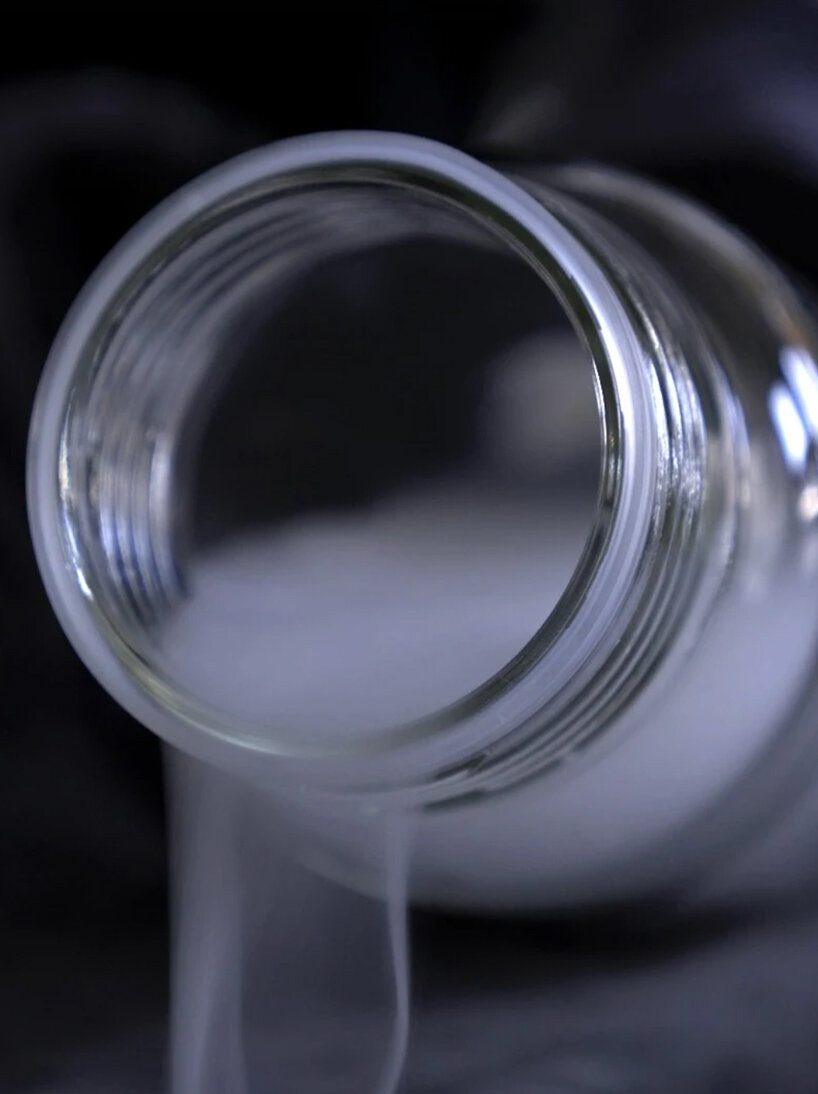
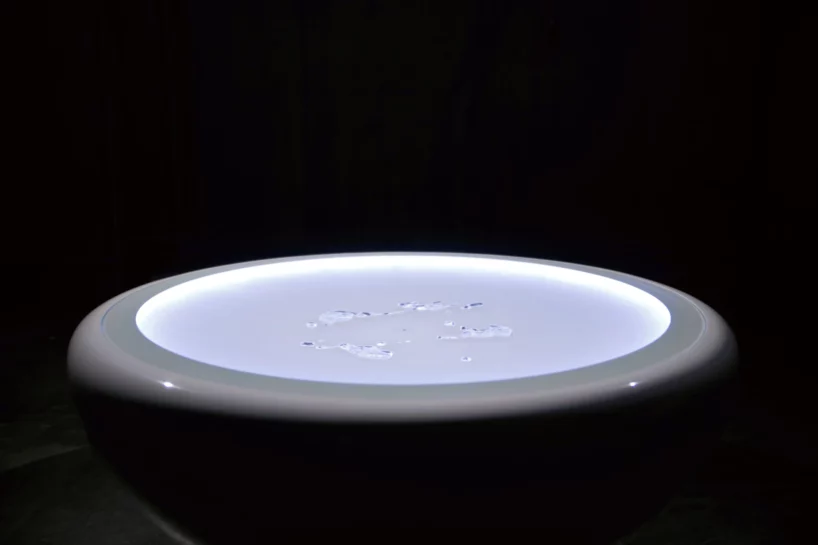
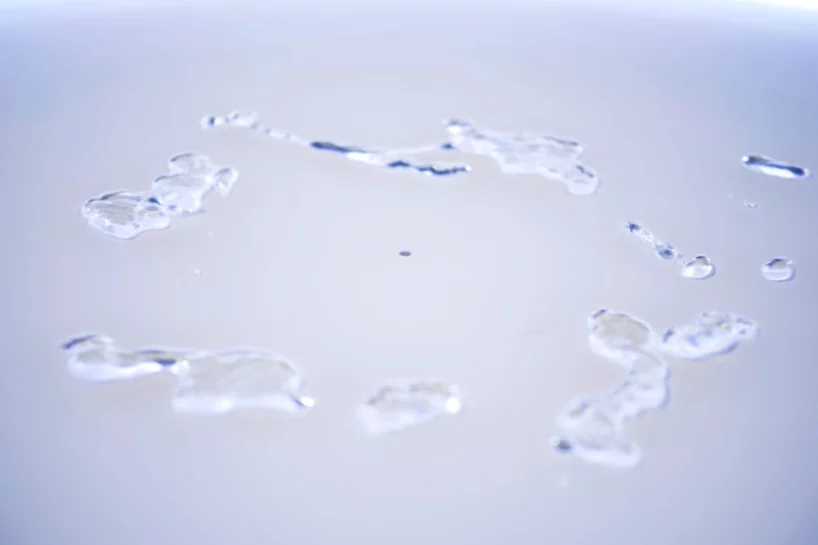
This interest in process also extends to projects that work with less conventional materials. In SEAWEED LUMINOUS, seaweed and Japanese craft techniques come together in a luminous installation shaped by natural growth and material variation. In WAFT, mist becomes the primary medium, creating an environment that changes with temperature, airflow, and humidity. Rather than producing fixed forms, these projects examine how materials and environmental conditions continue to influence the work after it is made.

Precise craftsmanship meets digital fabrication
Underlying much of we+’s practice is a dialogue between craftsmanship and digital fabrication. ‘Whether traditional or technologically advanced, Japanese manufacturing is united by an extraordinary commitment to quality,’ they explain, pointing to a shared culture of precision and care. At the same time, they identify an important difference. ‘Because traditional craft involves direct, hands-on engagement with materials, it naturally leaves room for uncertainty. The inherent fluctuations of materials and the unexpected events that arise during making are not treated as flaws, but embraced as integral qualities of the work itself.’
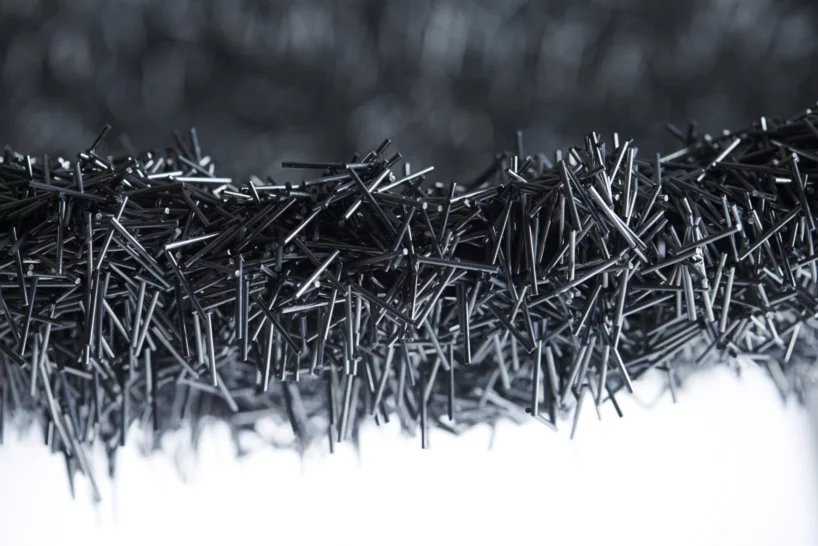
Digital fabrication, by contrast, often aims to minimise those variations. This is where the studio sees an opportunity. ‘Even when using highly sophisticated technologies, we continually ask ourselves how we might allow materials to retain their richness, depth, and subtle unpredictability.’ Rather than rejecting technology, they explore how digital processes might work alongside the irregularities that naturally arise through making.
They are equally careful not to define every digital process as craft. ‘In its fully automated form, digital fabrication often excludes the body from the making process,’ they explain. Without that physical engagement, it becomes more difficult for variations or accidental qualities to become meaningful parts of the finished work. For that reason, ‘we would hesitate to call fully automated digital fabrication ‘craft.’’ Instead, the studio looks for forms of collaboration between digital technologies and manual processes. ‘We believe new forms of craft can emerge when digital fabrication embraces rather than suppresses unpredictability; whether through machine errors, variations in output, or a genuine collaboration between digital processes and handwork.’

learning through making and material observation
Across we+’s projects, making becomes a process of observation as much as production. Materials do not always behave as expected, and the designers see those moments as opportunities to learn rather than problems to eliminate. ‘The knowledge gained through making is embodied knowledge,’ they explain, ‘something that accumulates not in the mind alone, but in the body.’ Working directly with materials reveals ‘how difficult, and ultimately impossible, it is to completely control matter.’ Instead, ‘unexpected errors and spontaneous behaviours often reveal moments of remarkable beauty.’ Over time, these experiences cultivate ‘humility, patience, and a sense of awe toward the material world and the environments that surround us.’
Taken together, we+’s projects propose a broader understanding of craft, one that extends beyond technique or tradition. By investigating overlooked materials, rethinking manufacturing processes, and embracing uncertainty where possible, the studio suggests that making can become a way of better understanding both materials and the systems that shape them. Rather than looking back to craft as a historical model, their work considers how it can continue to evolve as a critical tool for contemporary design.

1/12
project info:
designer: we+ | @weplus.jp
projects featured: ‘Less, Light, Local,’ ‘WAFT Mist,’ ‘Refoam,’ ‘REMAINS,’ ‘SO-Colored,’ ‘Swirl,’ ‘Remli,’ ‘Swarm,’ ‘MOMENTum,’ ’Drift’
This article is part of designboom’s Crafting the Future chapter, exploring what it means to be a maker in today’s world and the future of craftsmanship. Discover more related stories here.
shop
your own online design shop — no sales commission collected