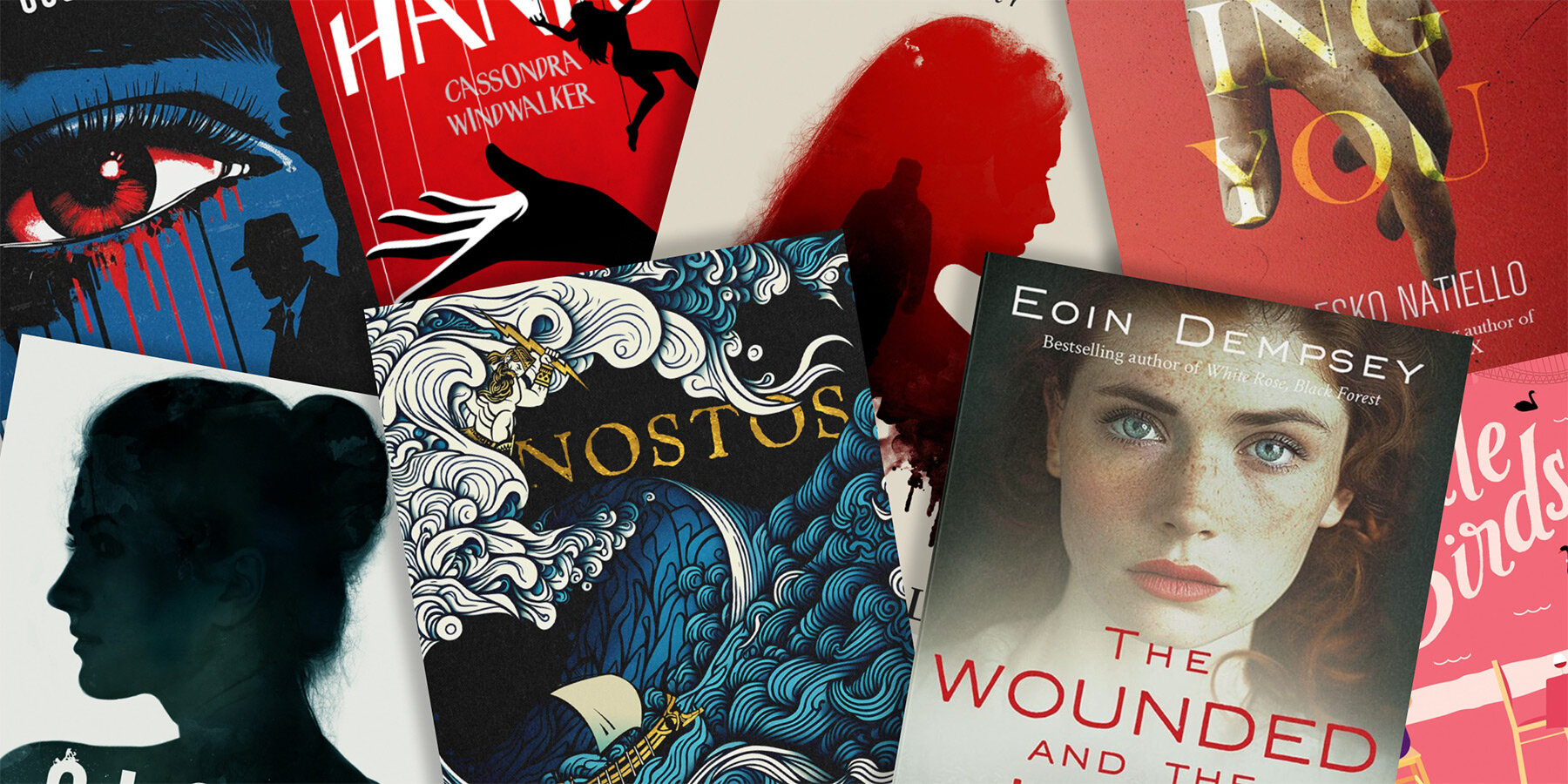
99designs studies over 700 book covers from the New york Times
Who shapes the look of a bestseller, and how closely does it mirror the cultural moment it emerges from? 99designs by Vista set out to answer that question by analyzing more than 700 number-one titles from The New York Times weekly bestseller list, tracing 25 years of book cover design from the aftermath of 9/11 to the rise of #BookTok. The study examines how global events, social media, and shifting reader behaviors have influenced color palettes, typography, imagery, and genre dominance across the US publishing landscape, while also comparing these findings with thousands of book covers created by freelance designers on the 99designs platform.
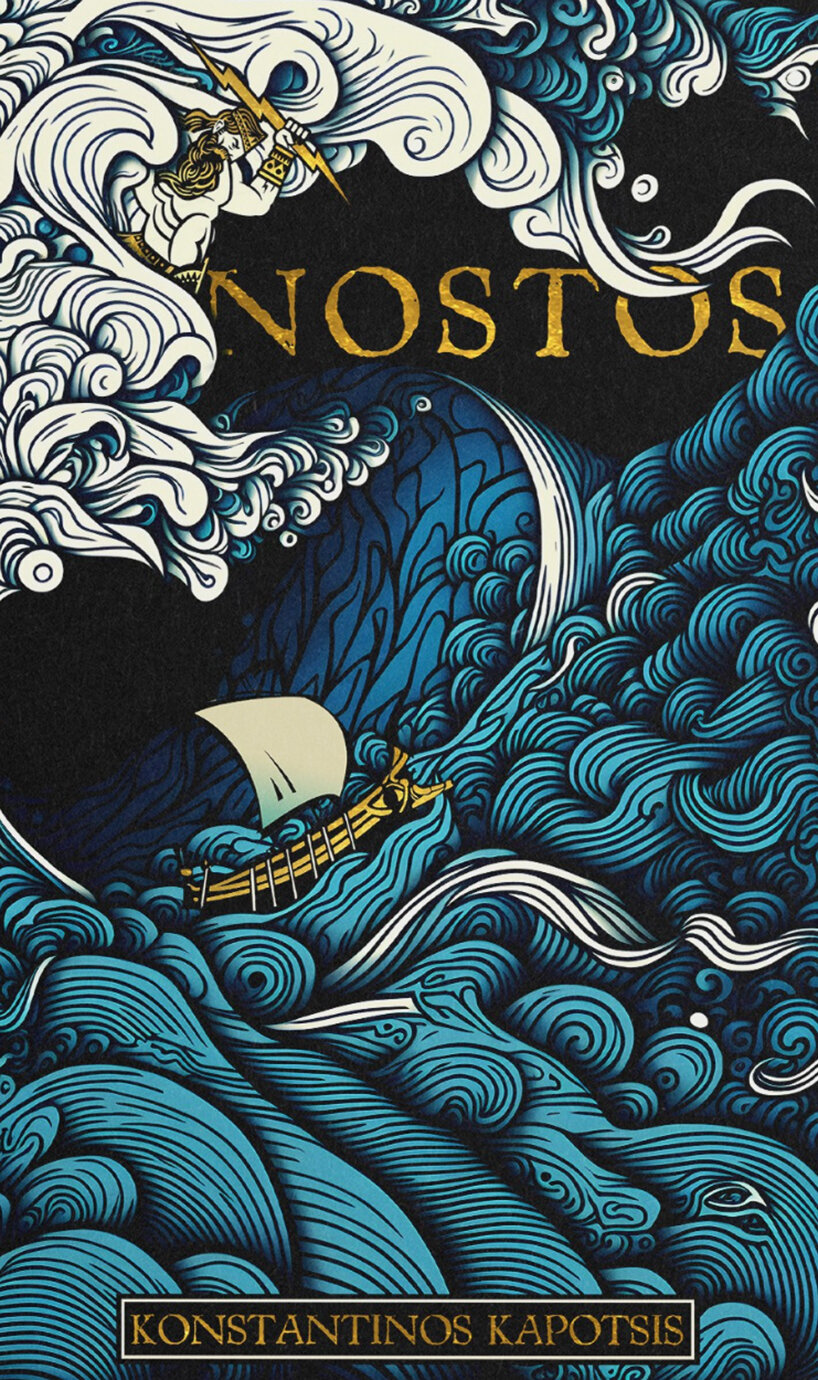
99designs by Vista analyzed more than 700 number-one titles from The New York Times weekly bestseller list | all images courtesy of 99designs (design: semnitz™)
examining how book cover design is shaped by cultural signals
At the center of the research is 99designs by Vista, a global creative platform that makes it easy for brands of all sizes to access global creative talent and work with professional freelance designers online. To date, its community has earned more than US$400 million, producing everything from logos and packaging to web layouts and book covers, making it a uniquely data-rich lens through which to observe visual culture at scale.
By pairing its internal design data with New York Times bestseller covers, 99designs positions the project as more than a retrospective. The analysis draws a parallel between traditionally published titles and self-published or independently designed books, revealing how aesthetic shifts often appear simultaneously across both spaces. This dual perspective underscores how book cover design is no longer shaped solely by major publishing houses, but also by the broader creative economy responding in real time to cultural signals.
‘Design and culture are always in conversation with each other and this analysis is a great time capsule of how the last 25 years have unfolded on our bookshelves,‘ said Patrick Llewellyn, CEO of 99designs by Vista.
inforgraphics on New York Times bestsellers
99designs on the colors, patterns, and images that dominate
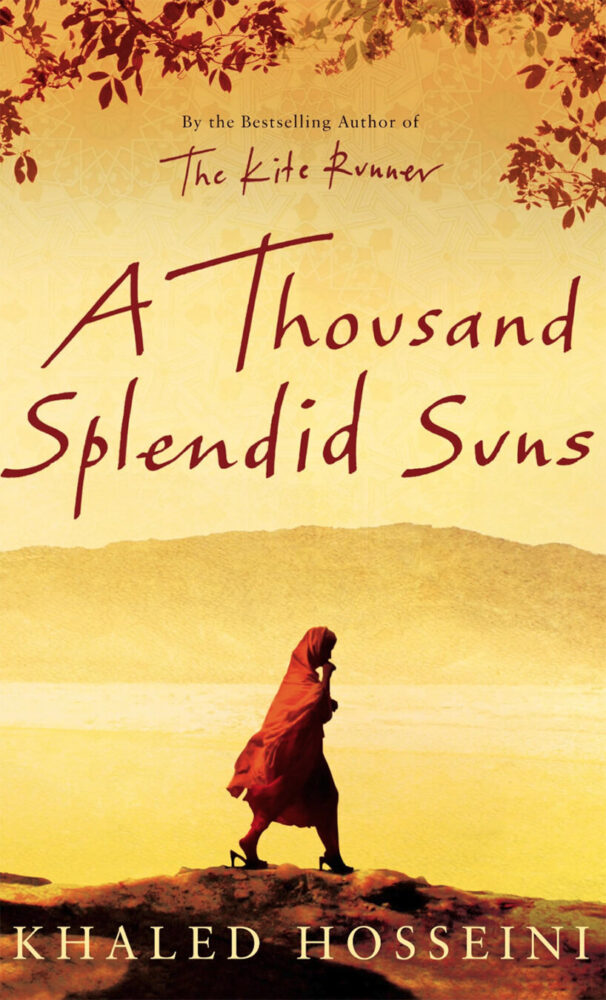
In the early 2000s, the study shows a period of visual and genre consistency. Following the events of 9/11, thrillers surged from 27% of bestsellers in 2001 to 41% in 2003, peaking at 61% in 2006. Covers from this era leaned heavily on black and red, each appearing on more than half of titles in 2002–2003, visually echoing collective anxieties around security and trust. These colors and genres dominated bestseller lists for over two decades before beginning a noticeable decline after 2020.
The 2010s marked a turning point as social platforms began to influence not just how books were marketed, but how they looked. Photographic covers reached their height in 2012, appearing on 68% of number-one bestsellers, aligning with Instagram’s image-driven visual language and the growing importance of shareability. This emphasis on instantly legible, scroll-friendly design signaled a shift toward covers that function as digital objects as much as physical ones.

design: Elementi.studio
During the pandemic years, book covers softened. Minimalist compositions, nature motifs, and calming palettes became more prominent, reflecting a desire for escapism and reassurance. White appeared on 79% of bestseller covers by 2022, while blue rose to 62%. Similar movements surfaced on 99designs, where blue usage increased by 7% and green by 12% between 2020 and 2022, mirroring a broader appetite for reflective genres such as poetry and memoir.
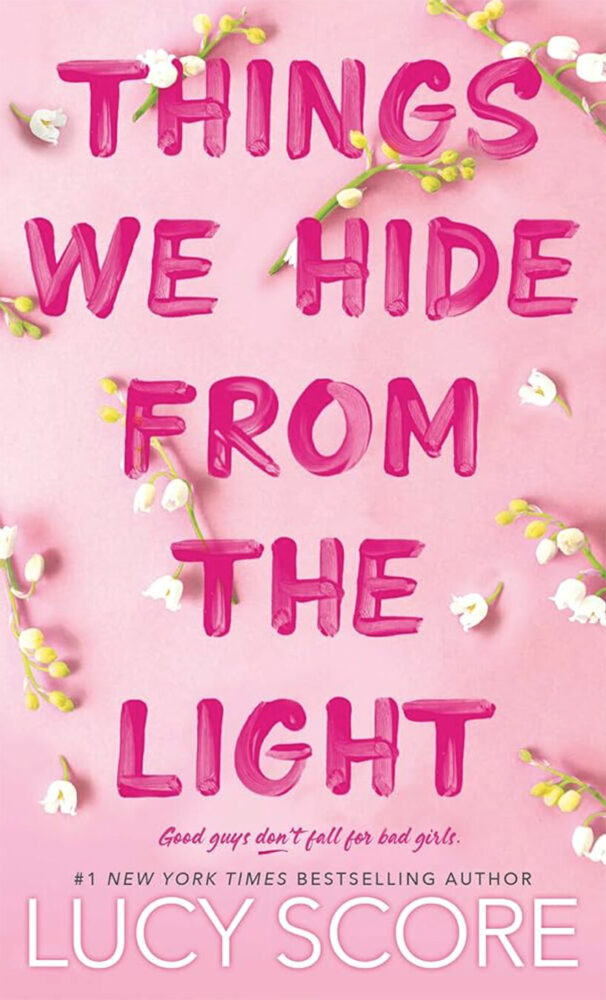
The most dramatic transformation arrives with #BookTok. By 2024, romance and fantasy titles accounted for 42% of New York Times bestsellers, more than double their historical average. Visually, pink emerged as the defining color of the moment, with usage on bestseller covers jumping 260% between 2021 and 2023. On 99designs, pink followed suit, rising 117% year over year. Romance covers also completed a full pivot away from photography, with illustration appearing on 100% of romance bestsellers by 2025, underscoring how social media-driven aesthetics now shape mainstream publishing.
‘It’s been fascinating to see how the visual language of books—from major publishers to the independent creative economy—has evolved with the times. And, there have been plenty of ‘unprecedented times’ to work with, as cover design continues to reflect our collective emotions, whether that’s fear, optimism or a need for escape,’ concludes Patrick Llewellyn, CEO of 99designs by Vista.
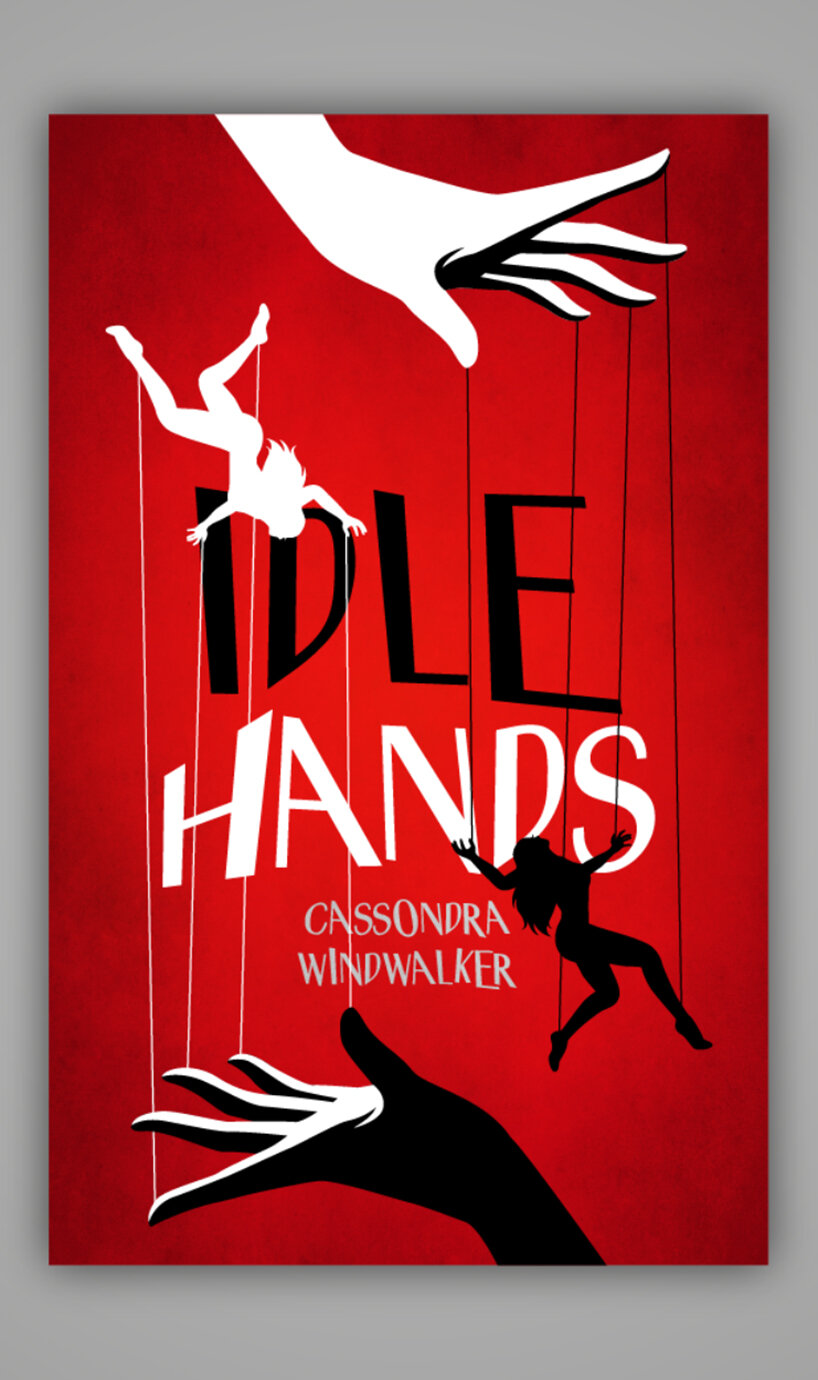
design: Rocío Martín Osuna

design: Evan.C.

design: Estella

design: Mario Lampic

design: Boja

design: n23art

design: BOB

design: L1graphics
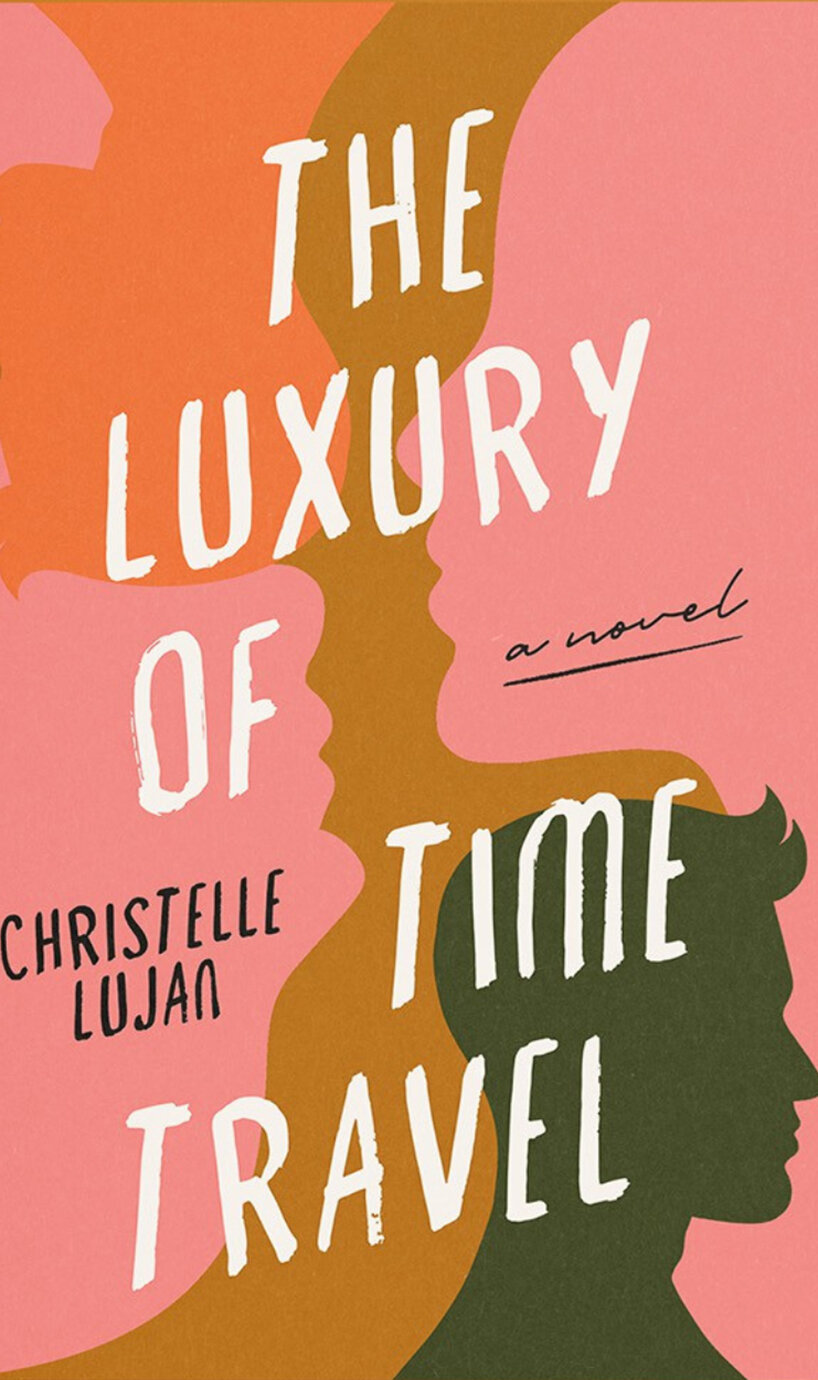
design: DINJA

design: Boja











project info:
name: 99designs by Vista | @99designs
99designs by Vista (4)



books (5)


 Feb 18, 2026
 Jan 28, 2026
 Jan 02, 2026
 Dec 28, 2025