
open week of WDC 2026 reimagines the design festival as a regional platform
held from 5 to 14 June, the ten-day festival transformed more than 150 venues into a distributed platform for design.
wdC 2026 frankfurt rheinmain CELEBRATES open design week
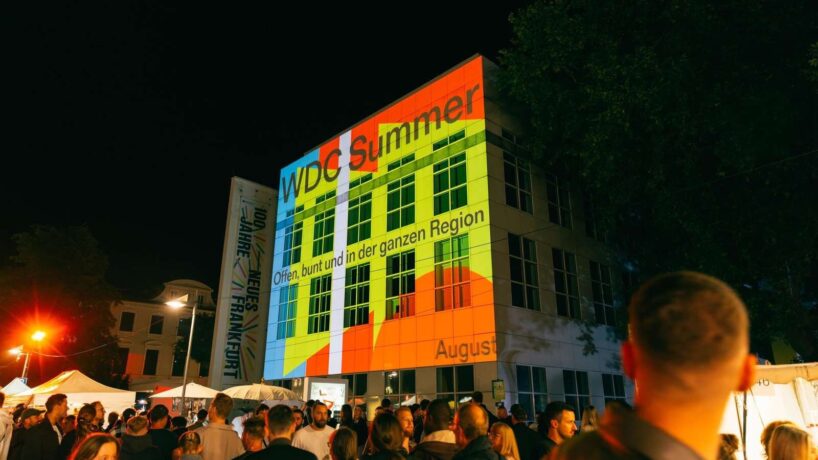
More than 35,000 visitors explored over 200 events across the Frankfurt Rhine Main region during the first edition of Open Design Week, the flagship public programme of World Design Capital Frankfurt RheinMain 2026. Held from 5 to 14 June, the ten-day festival transformed more than 150 venues into a distributed platform for design, inviting the public behind the doors of studios, universities, manufacturers, cultural institutions and public spaces while demonstrating design’s growing role in shaping civic life.
Conceived as more than a festival, Open positioned itself as a regional infrastructure for exchange. Talks, exhibitions, workshops, architectural tours, film screenings and community events unfolded across Frankfurt, Offenbach, Darmstadt and Wiesbaden, connecting creative practice with questions of sustainability, democracy, technology and urban transformation. Designed as a long term initiative beyond the World Design Capital year, the programme also forms part of the wider New European Bauhaus network, reinforcing its ambition to create lasting cultural impact.

four cities become one connected design destination
Rather than concentrating activity within a single exhibition venue, Open activated an entire metropolitan region. Four dedicated Focus Days encouraged visitors to explore local creative ecosystems city by city, from emerging technologies and branding in Frankfurt to creative production in Offenbach, industrial innovation in Darmstadt and communication design in Wiesbaden. Throughout the week, seven thematic ‘Spaces’ became meeting points where designers, businesses, researchers and local communities could engage in conversations around design education, creative industries, circular economies and shared resources.
The programme’s distributed format invited visitors to experience design where it happens. Courtyard studios, laboratories, workshops and agencies opened their doors, replacing the traditional exhibition model with direct encounters between practitioners and the public. The result was a festival that showcased not only finished projects but also the processes, collaborations and experimentation behind them.

‘A Step Ahead’ connects 125 years of design thinking
Among the festival’s standout exhibitions was ‘A Step Ahead: 125 Jahre Mathildenhöhe Darmstadt’, which opened during the UNESCO World Heritage Festival at Darmstadt’s Mathildenhöhe. Marking 125 years since the first exhibition of the Darmstadt Artists’ Colony, the show brought together historical works with contemporary commissions exploring sustainability, inclusion, resource efficiency and new forms of collective living.
Rather than presenting design history as something static, the exhibition framed it as an ongoing conversation. Historical interiors, furniture, architecture and graphic works were displayed alongside contemporary projects including inclusive kitchens, bio-based materials and recycled textiles, demonstrating how many of today’s most pressing design questions have roots stretching back more than a century.

circular construction takes centre stage
In Offenbach, Circle Cube became one of Open Design Week’s clearest demonstrations of design’s role in environmental transformation. Operating as the festival’s ‘Circular Construction Space’, the exhibition brought together architects, designers, engineers and manufacturers around practical approaches to circular building, presenting recycled materials, modular systems, digital tools and resource efficient construction methods.
Located within Offenbach Harbour’s Rockywood development, Circle Cube functioned as both exhibition and working platform. Alongside installations and demonstrations, visitors could attend talks and panel discussions exploring how design can accelerate the transition towards circular economies across the construction industry, reinforcing the festival’s wider focus on sustainability through tangible, real world applications.

digital fabrication meets traditional craft
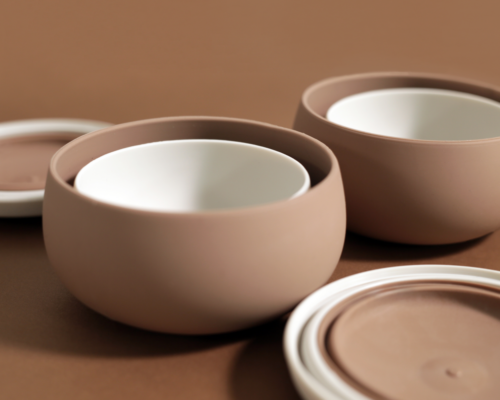
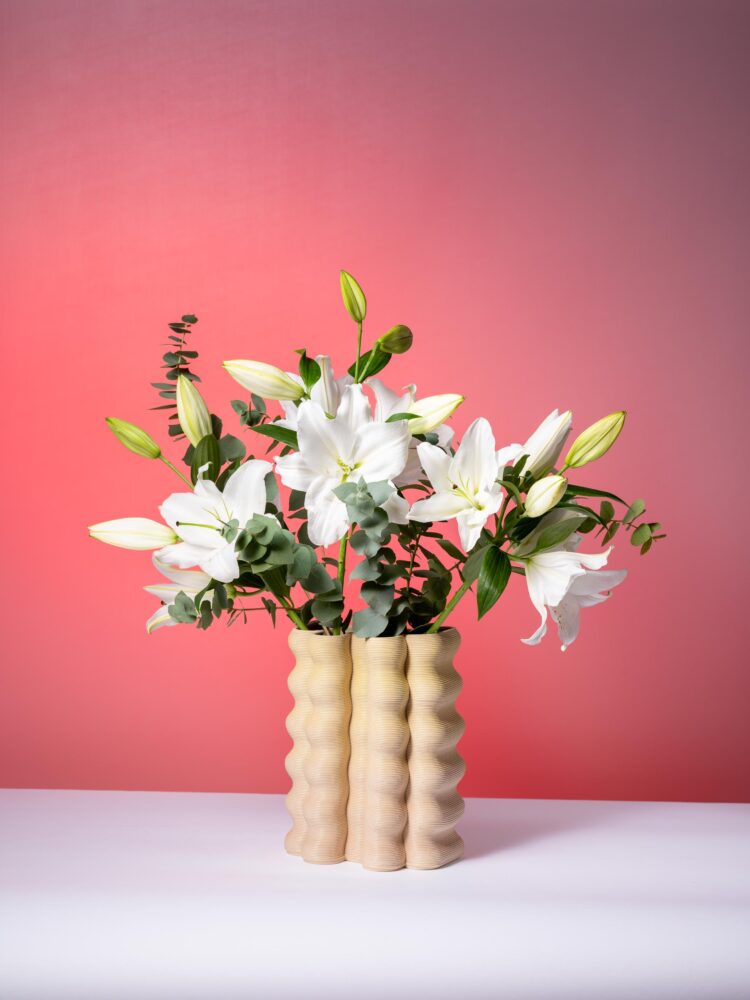
Another project reflecting the region’s emerging creative scene was AdditiveCeramics, an Offenbach-based design studio specialising in ceramic 3D printing. Combining algorithmic design with bespoke ceramic printers, the studio creates tableware and interior objects that would be impossible to manufacture through conventional casting or wheel throwing.
Rather than replacing traditional craftsmanship, AdditiveCeramics positions digital fabrication as an extension of ceramic culture. The studio’s layered surfaces and complex geometries celebrate the possibilities of additive manufacturing while remaining deeply connected to the history of the material, demonstrating how new technologies can expand rather than compete with established craft traditions.
from film premieres to rooftop tours
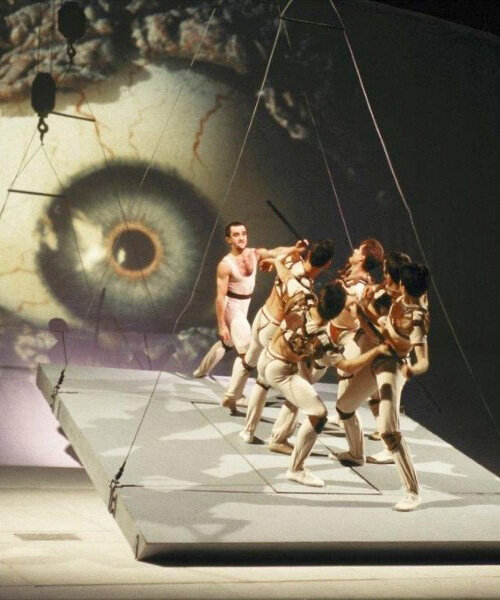
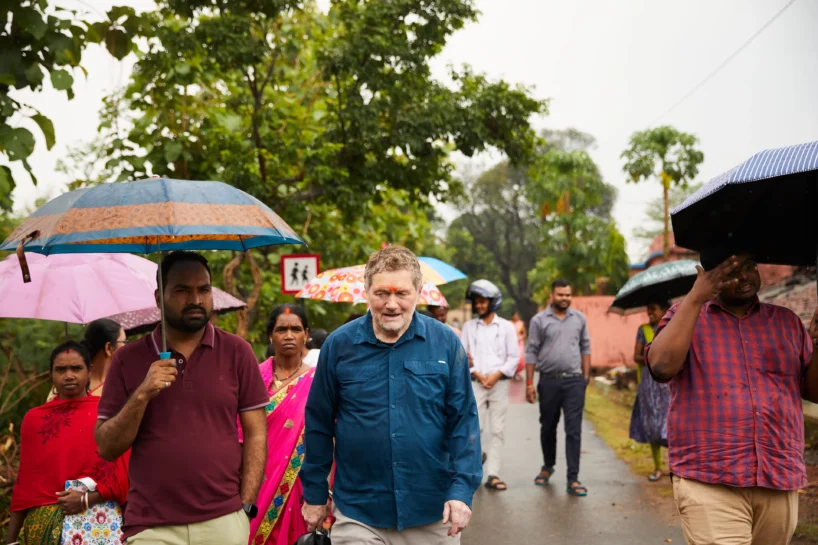
Beyond exhibitions, Open Design Week offered an extensive programme spanning multiple disciplines. Highlights included the world premiere of Gary Hustwit’s documentary ‘What Are People For: Design Philosophy by Patrick Whitney’, World Industrial Design Day Frankfurt RheinMain, the Forward Festival, Design Trails, guided studio visits and Rooftop Day Frankfurt, which invited visitors to experience the city from new perspectives while exploring proposals for Frankfurt’s future Cultural Mile.
Together, these events reinforced the organisers’ ambition to make design visible beyond professional circles. Whether through architecture, film, performance, manufacturing or public space, the programme demonstrated how design increasingly operates as a civic tool capable of shaping everyday life and encouraging dialogue across disciplines.
building on the momentum
The organisers describe the inaugural edition as exceeding expectations, with audiences responding to both the scale and diversity of the programme. According to initial figures, approximately 35,000 visitors attended more than 200 events, underscoring strong public engagement with a programme that framed design as a driver of social, environmental and economic transformation.
‘Open Design Week exceeded all expectations and demonstrated the tremendous impact that can be achieved when we understand design as a collective endeavour that brings together business, culture, politics and civil society,’ says Kai Rosenstein, Director of Staging and lead for Open. ‘The overwhelmingly positive feedback from participants, combined with the outstanding quality of the individual programmes, clearly highlights the valuable contribution we have made together to the regional design landscape and beyond.’
a permanent future for Open Design Week
Following the festival’s success, World Design Capital Frankfurt RheinMain 2026 is now working to establish Open Design Week as a permanent annual event beginning in 2027. A regional Design Action Plan is currently being developed alongside political stakeholders, cultural institutions and industry partners to secure the long term foundations needed to continue and expand the initiative.
‘We must not allow this momentum to fade,’ says Carolina Romahn, Managing Director of World Design Capital Frankfurt RheinMain 2026. ‘Our clear objective now is to build on the energy generated during the World Design Capital year and create a lasting legacy. Together with political stakeholders as well as partners and sponsors from the business community, we are now seeking to establish the structural and financial foundations needed to make Open Design Week a permanent annual fixture for the region from 2027 onwards, more connected, more visible and with even broader participation.’
As World Design Capital Frankfurt RheinMain 2026 continues under the theme ‘Design for Democracy. Atmospheres for a Better Life’, the inaugural edition of Open suggests a model for how contemporary design weeks can evolve beyond industry showcases into civic platforms, connecting creative practice with regional identity, public participation and long term urban development.
project info:
name: Open Design Week Frankfurt RheinMain | @wdc2026
dates: June 5 – 14, 2026
shop
your own online design shop — no sales commission collected