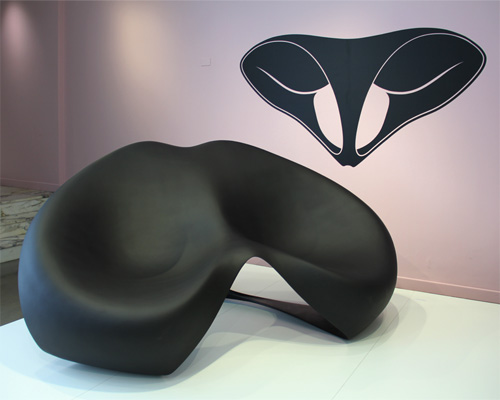
zaha hadid sculpts manta-ray seating for sawaya & moroni
the design calls attention to the simplicity of its structure, uniting the base with central vertical supports that are part of the single surface modelled in unitary harmony.
prefer designboom on google[FEATURED]
zaha hadid sculpts manta-ray seating for sawaya & moroni
image courtesy of sawaya & moroni
sawaya & moroni explores the topic of ‘surfaces’ on the occasion of milan design week 2014. the italian furniture company investigates this theme as a benchmark element in architectural composition, fueling its spring 2014 collection.
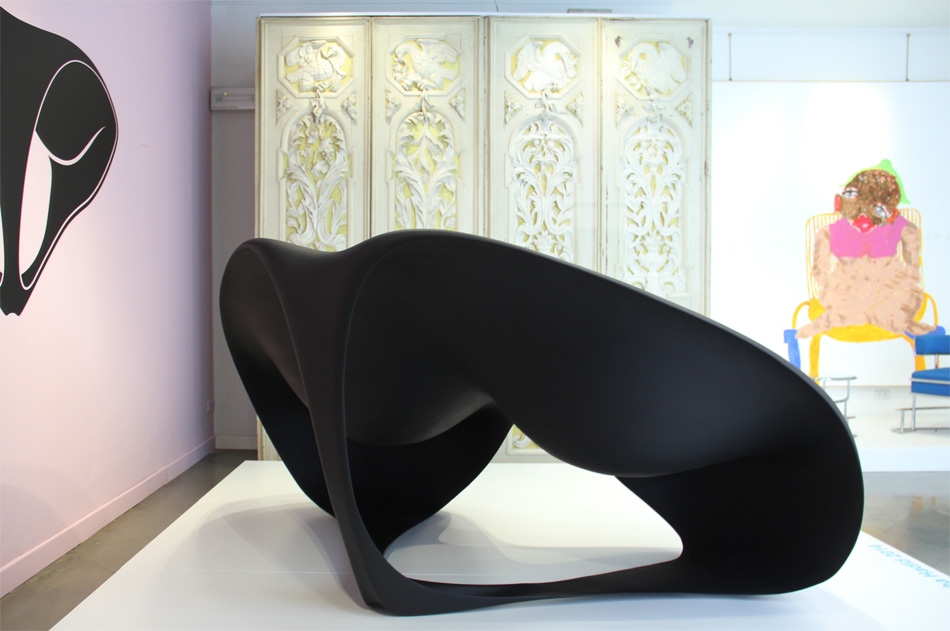
image © designboom
the surface is a field of research that has the ability to create volume and this is evidenced in the ‘manta-ray’ seating by zaha hadid. as the architect states, ‘the roots for researching the architectural surface capable of generating spaces and volumes can be traced back to twentieth-century pioneers, with benchmarks in the history of modern architecture ranging from frei otto to buckminster fuller, from felix candela to heinz isler.’
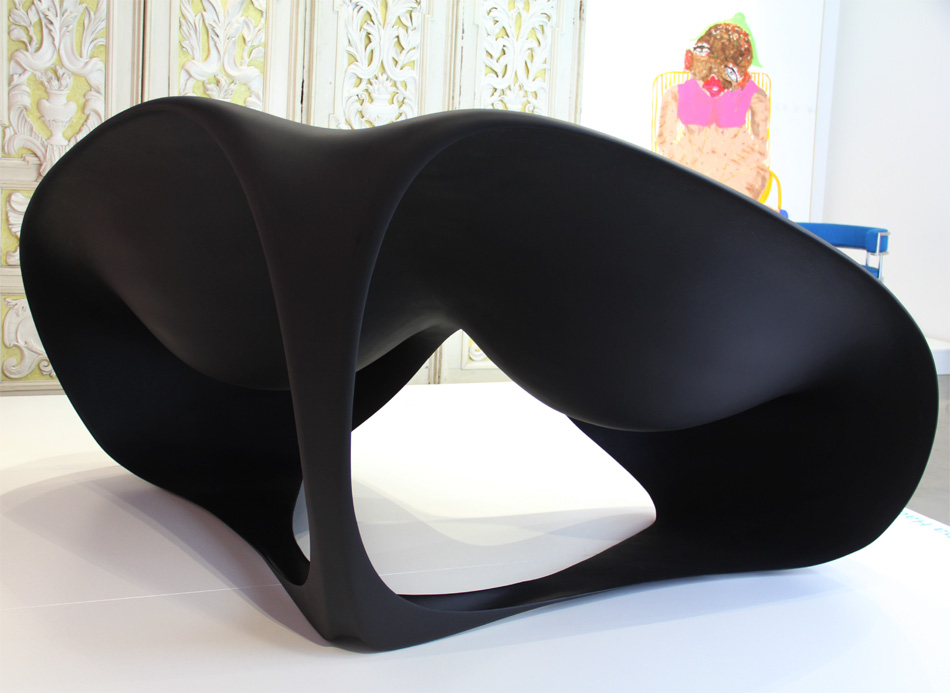
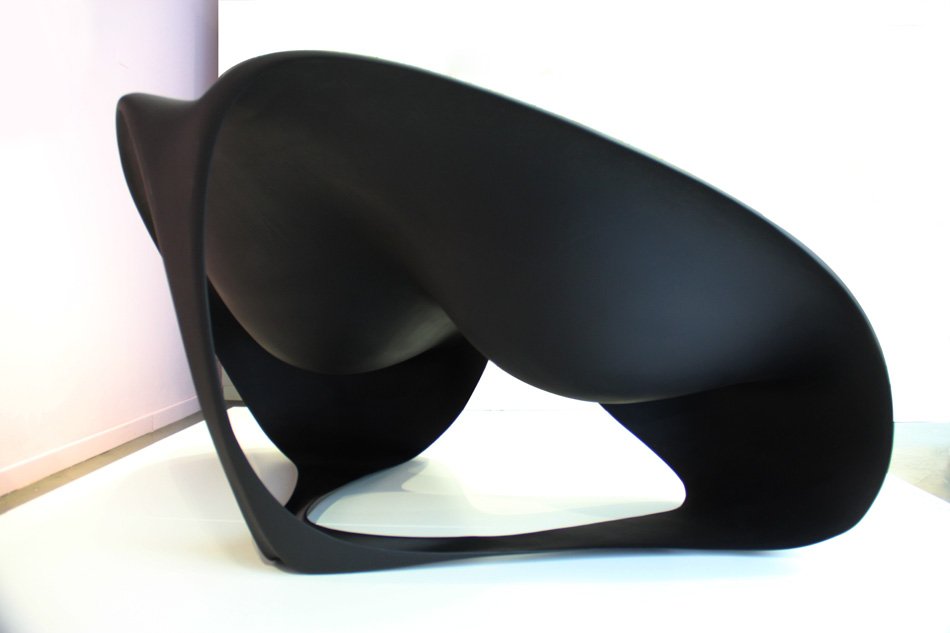
a Y-shaped structure forms support in the back
image © designboom
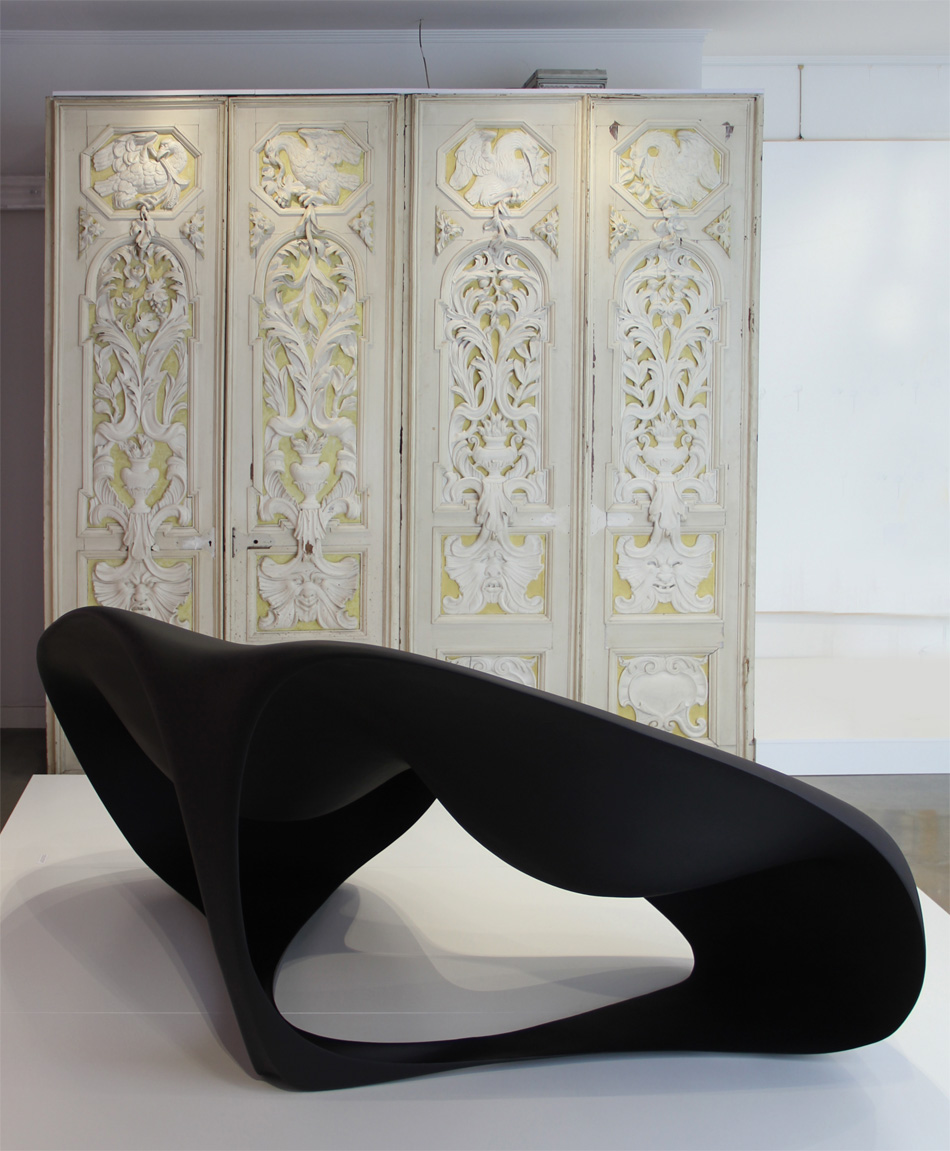
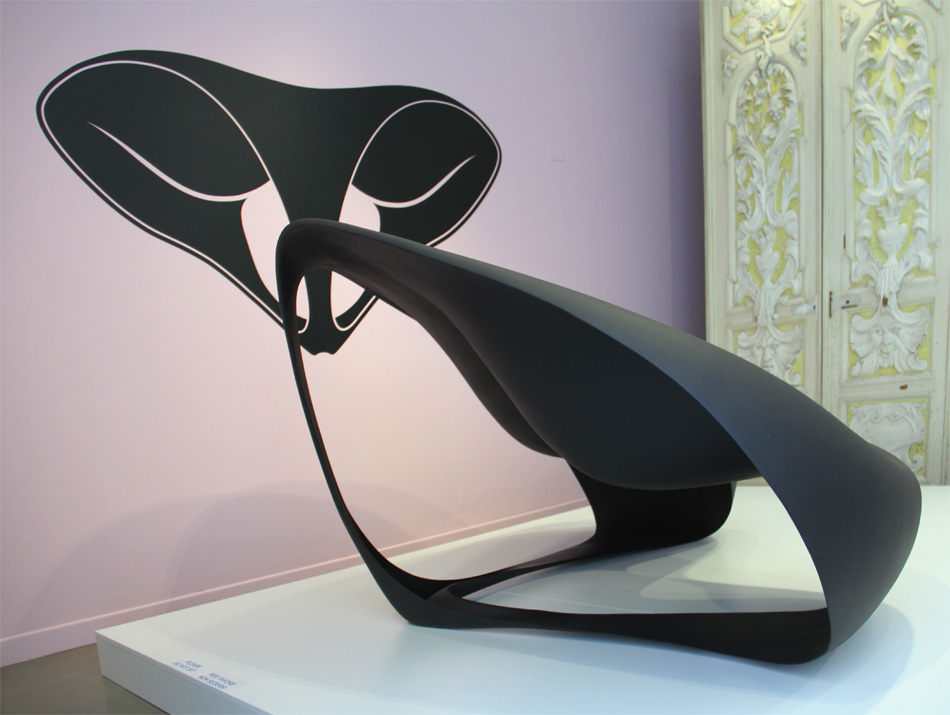
hadid’s ‘manta-ray’ is a sculptural double-cast aluminium seat created by a continuous, folding form. the main front of the twin shell rises, creating an element of separation and support to define the two seating areas. it moves up and outwards at the edges to shape the armrests concluding in a Y-shaped structure at the rear. this feature stands as a characteristic statement of the design, while also calling attention to the simplicity of it; uniting the supports of the base with central vertical support that is part of the single surface piece.
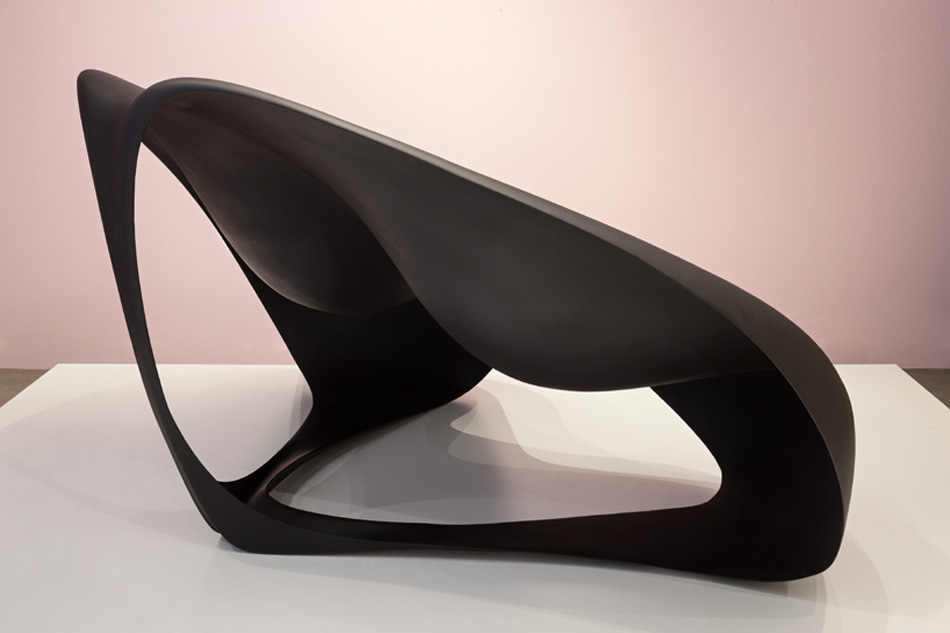
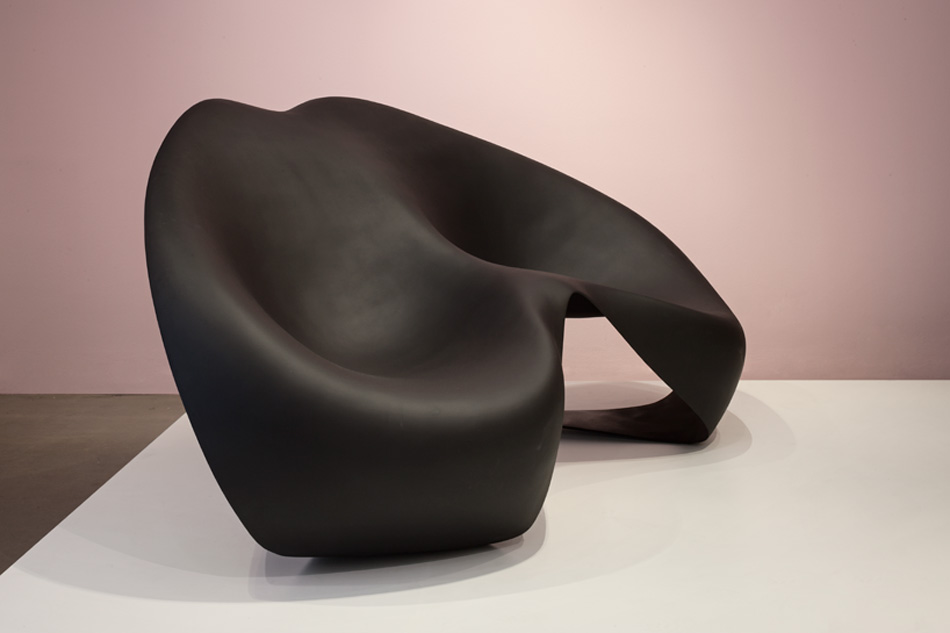
the single surface creates a double-seat
image courtesy of sawaya & moroni
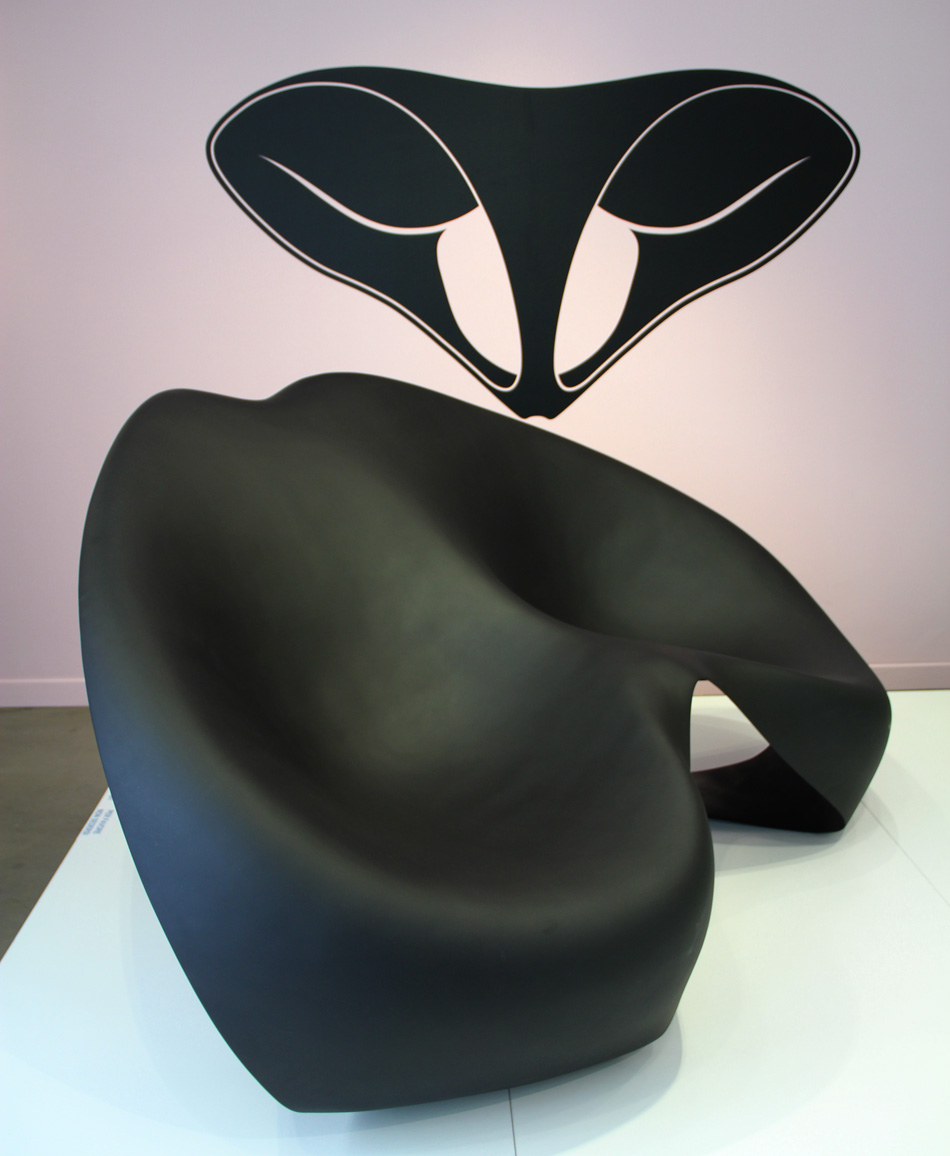
the double-cast aluminium seat creates duo-seating
image © designboom
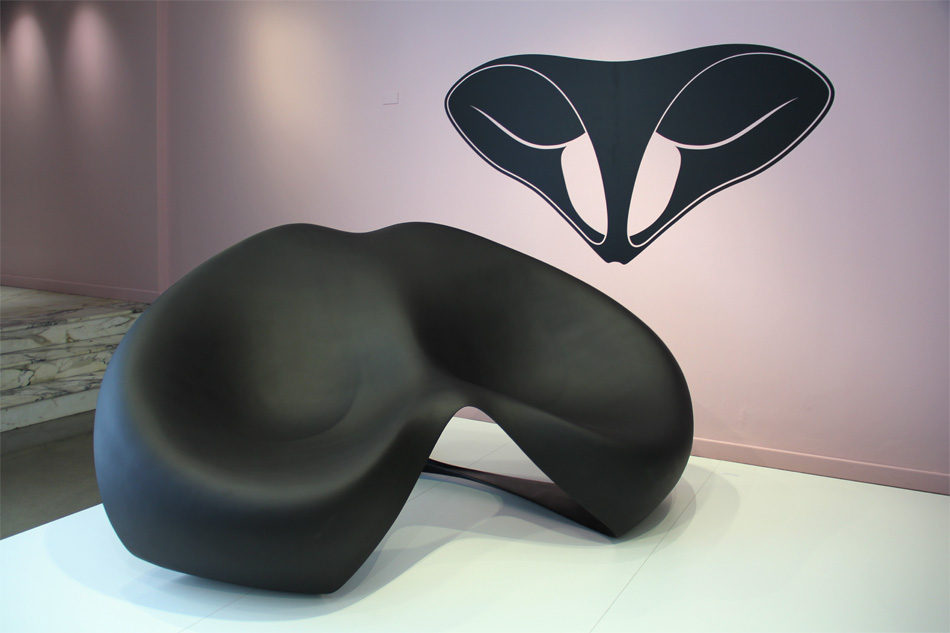
‘manta-ray’ by zaha hadid presented in sawaya & moroni’s showroom during milan design week 2014
image © designboom
1/4
shop
your own online design shop — no sales commission collected