
zaha hadid architects’ ZHCODE exhibits revolutionary digital design technologies in london
zaha hadid architect's ZHCODE digital turn exhibition in london showcases digital technologies which will revolutionize architectural design.
prefer designboom on google‘digital turn’ is an exhibition by the building centre in london which showcases the ideas and technologies that transform the way we imagine, design and build our cities. with the work of ZHCODE — zaha hadid architects’ computation and design research group — on display, the exhibition is now open to the public until 14 september 2018. visitors can discover how this research group is using computational programming to create experimental structures, modular housing concepts and robotically assembled prototypes. the exhibition offers a glimpse into the future of architectural design.

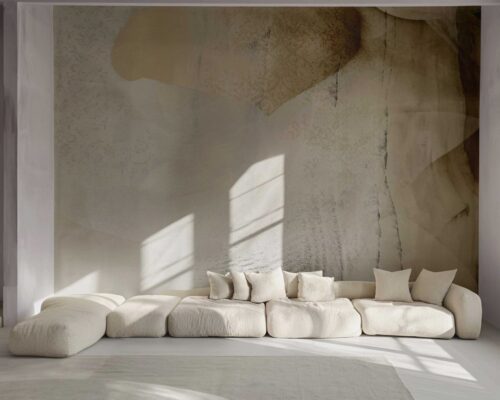
the foam grotto | all images by chris jackson
this physical and metaphorical platform at the building centre in london explores how research in digital technologies by ZHCODE is impacting the built environment. leaders in academia, research and practice working with zaha hadid architects take turns to exhibit experimental computational design. ZHCODE’s exhibition follows a previous show which featured the work of design computational lab. as part of the digital turn exhibition, ZHCODE explores ‘tectonism’ — the expression of structure and geometry through its fabrication and methods of making — and ‘semiotics’ — the application of the physical design and construction aspects of their work to the social context in which they will exist.

the foam grotto
ZHCODE was established by nils fischer, shajay bhooshan and patrik schumacher in 2007. the group forefronts architectural experimentation by putting into practice their knowledge and research in programming, geometry and mathematics.

the foam grotto

the foam grotto

thallus | sculpture showcasing robotic additive manufacture and robotic hot wire cutting technology

bent wood and robotically woven fiber prototype with ‘thallus’

detail of timber bending and robotic fiber winding

the exhibition features modular housing developed using algorithmic techniques to explore community development and densities

concept models
shop
your own online design shop — no sales commission collected