the hacienda must be built: on spectacle and wonder in a disenchanted world
what if we are not overwhelmed by spectacle, but starved of it? our days are measured, optimized and increasingly predictable. we have never been exposed to more images, and rarely felt less enchanted by them. what feels missing is the kind of spectacle that cannot be scrolled past, with real stakes and an uncertain ending. in spectator and spectacle we look at the radical discotheques, the museum galleries staged like psychodramas, and the garments that turn the body into a walking act of rebellion. this chapter asks how wonder gets built, and how it might return some mystery to a world that has measured most of it away.
prefer designboom on google[FEATURED]
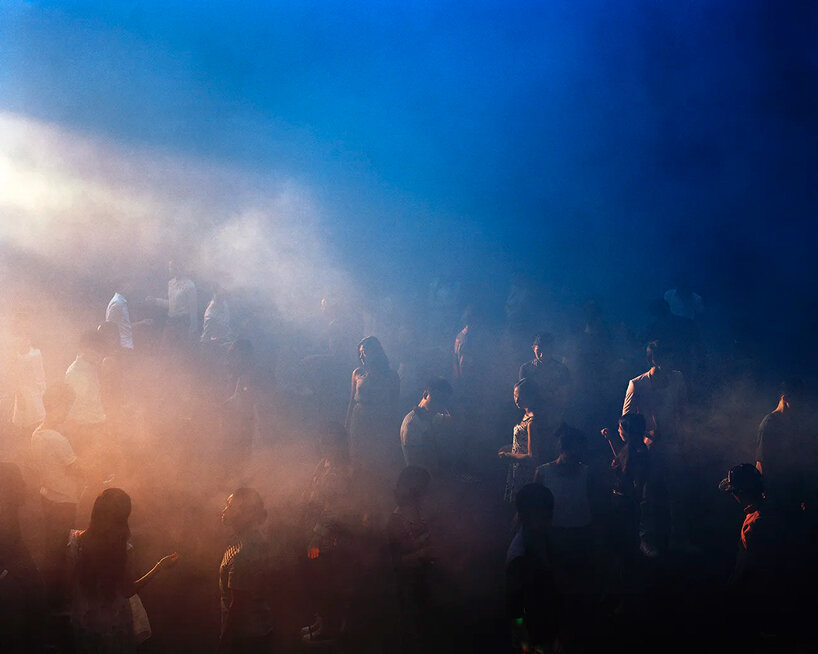
I went through most of 2017 thinking about the night. My master’s thesis had started as an attempt to understand nightclubs, and a good part of the research happened standing at the edge of dancefloors, trying to work out why a badly lit basement with a good sound system could reorganize how a few dozen people behaved toward each other. What I ended up arguing was that, across decades, these places have done real sociopolitical work for those who had nowhere else to go, and that we should keep fighting for their existence.
To make that argument properly, though, I had to go further back than the clubs themselves, into the night that made them possible in the first place. And the night turned out to be a much stranger thing than I had assumed. Design historian Lucius Burckhardt called it a man-made construct, assembled out of opening hours and closing times, price scales, timetables, habits and streetlamps. The night is not a darkness that falls at the end of the day, but a set of decisions, many of them commercial, about when we are ‘allowed’ to be awake, where we may go, and what it will cost us to stay.
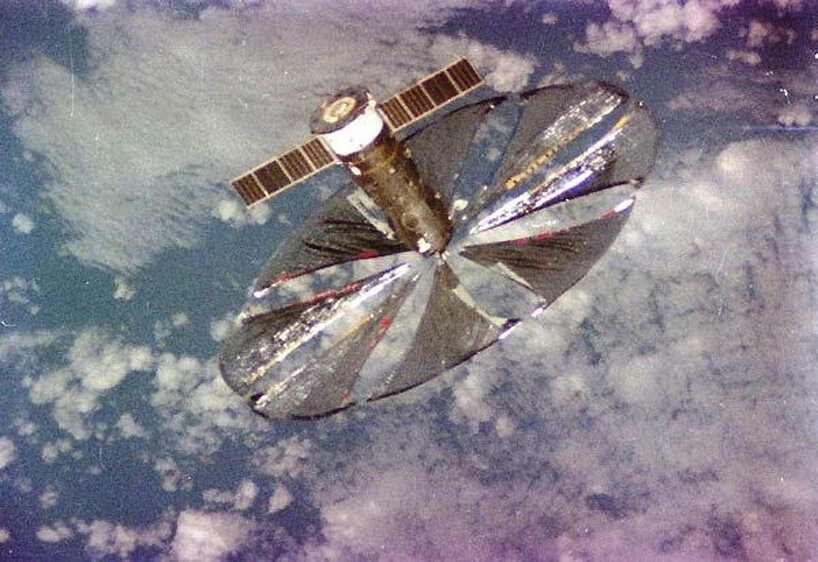
Ivan Chtcheglov had seen it coming decades earlier in the Formulary for a New Urbanism, a short and feverish text he wrote in 1953, at nineteen, which would later become a founding document for the radical avant-garde collective, Situationist International. Artificial light had banished darkness, he said, and air conditioning the seasons. Dawn was disappearing, and night and summer were losing their charm. People in cities believed they had escaped from ‘cosmic reality’ but had been handed nothing in return, no corresponding expansion, as he put it, of their dream life. ‘The reason is clear: dreams spring from reality and are realized in it.’ In the early nineties, a team of Russian scientists proposed putting an enormous mirror into orbit, reflecting sunlight onto the dark side of the earth to extend the working day and cut the cost of lighting cities, and in 1992 they tested it successfully. Among the objections was that the night sky is a commons, and that seeing the stars is a basic human right no company should be able to switch off. Yet, if the night sky is indeed a human right, then, according to Jonathan Crary, who tells this story in his book on sleep and late capitalism, this right is already being violated for half the world’s population living ‘in cities that are enveloped continuously in a penumbra of smog and high intensity illumination.’
The mirror never went up, but the impulse behind it did not need a satellite. In the decades since, the same logic has worked its way inward, from the streets and the sky into the hours themselves, and finally into the body. Our phones tell us how long we slept and how well, our watches count steps and calories and minutes spent standing, and our feeds know what we will click on before we do. Our days are measured, optimized and increasingly predictable, and almost everything we look at now arrives pre-sorted, ranked by how likely it is to hold us. We have never been exposed to more images, and rarely felt less enchanted by them.
Guy Debord, who by then was leading the Situationists, gave this a name in 1967. The spectacle, he argued, is not the images themselves but what has quietly taken the place of the things that used to happen directly between people, and he described the slide in stages: an economy that first taught us to measure a life by what it owned rather than by what it was, and then moved again, until what counted was no longer having but appearing. Everything lived directly recedes into representation, and of the spectator he wrote that the more he contemplates, the less he lives. Debord was not asking for less to look at. The Situationists spent their years building what they called situations, moments constructed to be lived through rather than watched. We are not short of things to look at. Between the immersive rooms, the light festivals and the pop-ups built for the photograph, there is more spectacle available now than at any point in history, and much of it asks nothing of us beyond turning up and taking a picture. What feels missing is the kind of spectacle that cannot be scrolled past, with real stakes and an uncertain ending, closer to a rite than a product. What if we are not overwhelmed by spectacle, but starved of it?
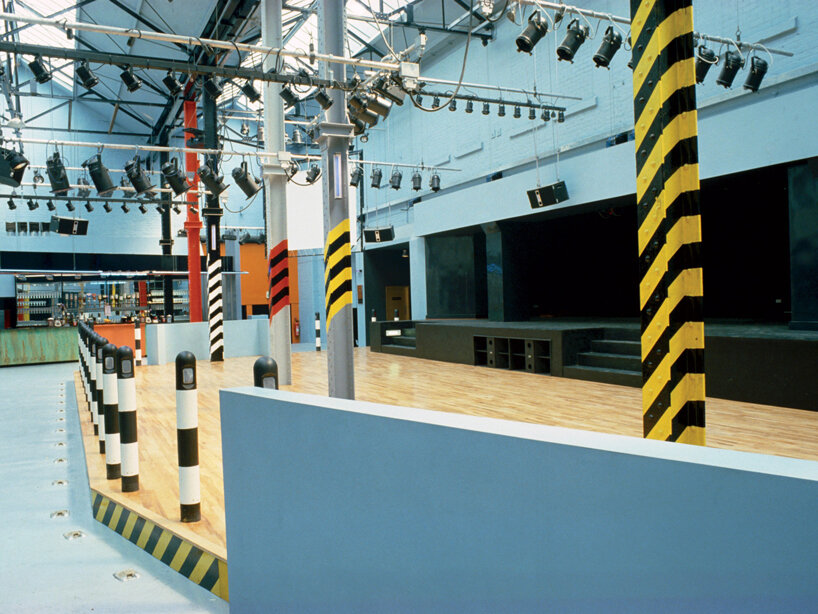
‘You’ll never see the hacienda. It doesn’t exist. The hacienda must be built,’ wrote Chtcheglov in that same 1953 text. Thirty years later, Factory Records took the phrase and gave it to a nightclub in Manchester, handing the interior to Ben Kelly, who built it out of materials lifted from outside, using hazard stripes, bollards and the signage of a working industrial city, brought indoors and repurposed for dancing. What he wanted, Kelly said later, was that the people who came could ‘almost take the place over’. They did. The Haçienda has a reasonable claim to being the room where British rave culture began. It closed after fifteen years, was demolished, and there are flats on the site now, sold under its name.
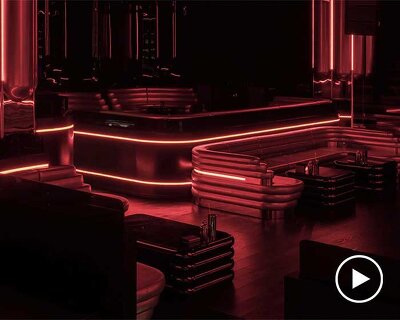
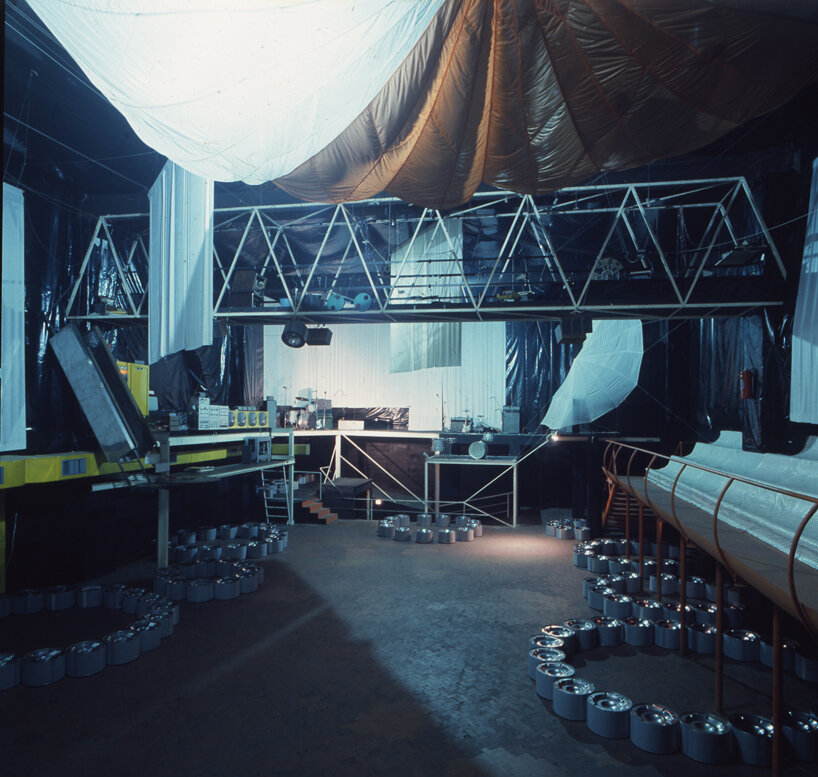
Italy got there first, where a generation of young architects who spent the sixties attacking modernism found that the discotheque was one of the few things they were actually allowed to build, and filled those rooms with projections, performers and, in one case, a vegetable garden, treating light and noise and the crowd itself as building materials. Gruppo 9999 built Space Electronic in Florence on Marshall McLuhan’s theories, out of his idea that electric media had produced a kind of all-at-onceness where time stops and everything arrives together, while in seventies New York, David Mancuso ran his parties without clocks or mirrors, so that people lost track of time and stopped checking themselves.
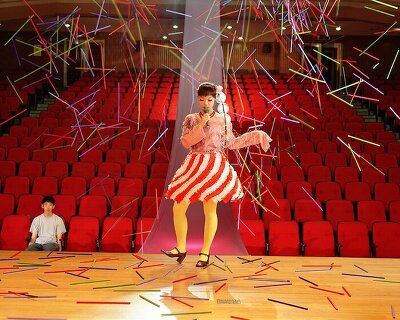
Observing a club night for that 2017 thesis, I wrote that the crowd was captivated by a spectacle of which they were both performers and watchers at once. This collapse of spectator and spectacle is what our new chapter follows, moving beyond the dancefloor to a museum gallery arranged so precisely that the room becomes a living psychological environment, to a garment that turns the body into a walking act of rebellion, to a crowd that gathers around a temporary monument and becomes the reason to look. It happens in a fashion show that exists for eleven minutes, in a film set built to be believed rather than lived in, and in a procession that turns a street into a stage.
The rooms in this chapter are not escapes from the world, they are the working distance you need in order to see it. It is very hard to recognize what should change in a life you never once step out of, and there is a quiet protest in simply being somewhere you are not meant to be, moving in unconventional ways the established order has no use for. Spectator and Spectacle asks how wonder gets built, and how it might return some mystery to a world that has measured most of it away.
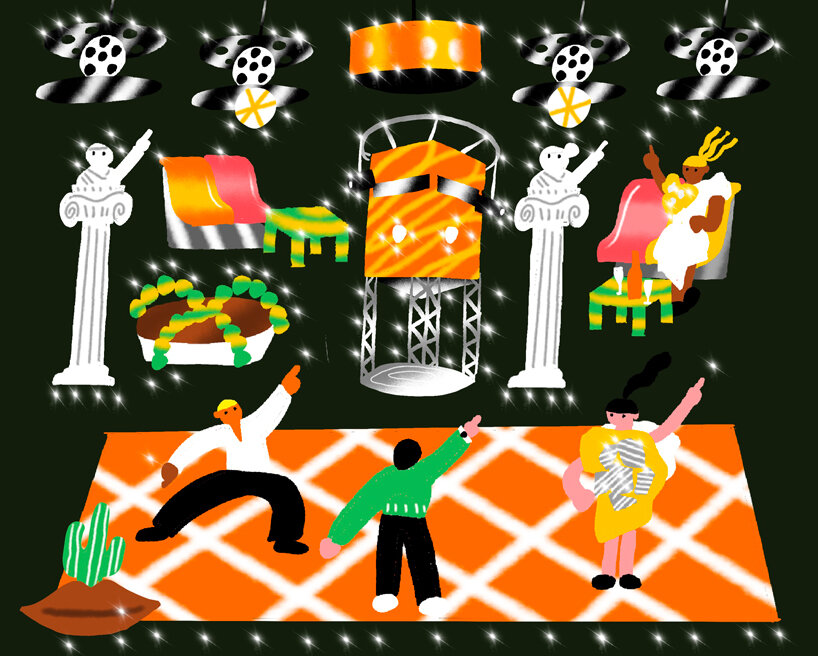
This article is part of designboom’s SPECTATOR AND SPECTACLE chapter, asking how wonder gets built, presented in partnership with SolidNature, and how it might return some mystery to a world that has measured most of it away. Discover more stories that turn onlookers into participants, alter perception and disrupt the everyday here.
shop
your own online design shop — no sales commission collected