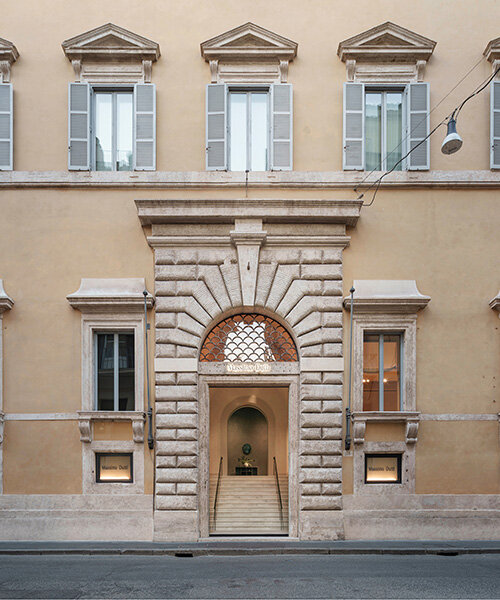

we shape our homes and then, slowly, they shape us back
what if the home is where we first rehearse the world we want, in miniature, before we dare to build it? in modes of habitation, the home is not a backdrop to be styled, but an argument about how to live together differently. this chapter follows the people redrawing the plan at every scale, from a shared table to a walkable street to a habitat on the moon. because the homes we shape end up slowly shaping us back.
It is the early 2000s. Going online means dialing up, sitting through that long stretch of beeps and static, and ignoring your mother asking, again, whether you have tied up the phone line. You have, obviously, but it hardly matters, because on your desk is the only thing that does: the latest expansion pack, saved up for over months of allowance and carried home from the store like a small trophy. The disk goes into the tower, the machine wheezes into life, and there it is, a green empty lot seen from above, waiting to be occupied. The game itself comes on that disk, self-contained and complete. The internet is for everything it doesn’t have.
I spent a good part of my teenage years playing The Sims, the game where you steer little digital people through jobs, romances and daily life inside houses you build for them. (And, to be honest, I never quite stopped.) Though probably not in the way it was intended. Fulfilling my characters’ daily needs, chasing careers and relationships, was hardly of interest; where I truly thrived was Build Mode. I would spend hours arranging and rearranging how a household lived, nudging a wall a few tiles to the left, swapping a kitchen, and then, inevitably, going online to hunt for more: more furniture, more appliances, more custom content made by a community of strangers who were clearly as obsessed as I was. (A tip for any fellow Simmers reading: look up Meinkatz for incredible designer replicas by the likes of Le Corbusier, Pierre Jeanneret and Charlotte Perriand.)
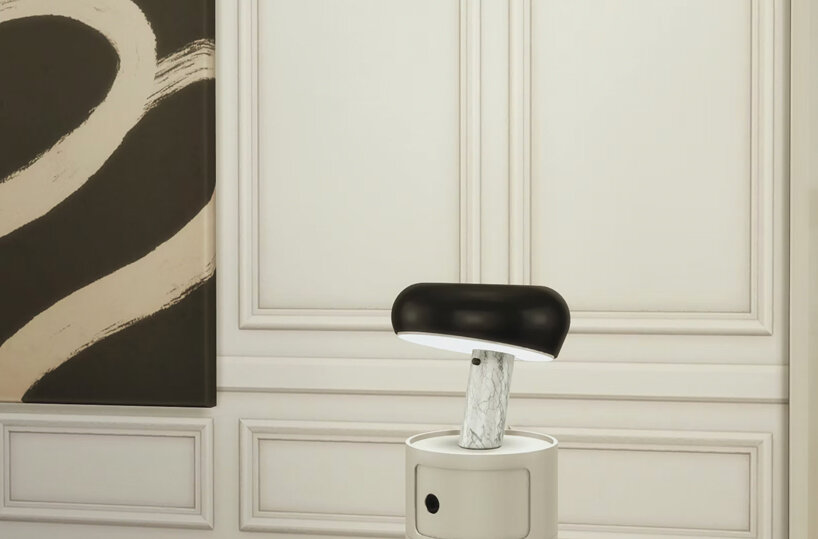
Looking back, I am fairly sure this is where my becoming an architect quietly began, and I suspect I am not alone in this. A good number of architects and designers around my age spent their formative years doing more or less the same thing, rehearsing floor plans on a family computer, learning almost by accident that a home is not a fixed and finished object handed down to you, but something you are allowed to take apart and reconsider, over and over, until it fits the life you imagine. It only occurs to me now, writing this, that when the name Modes of Habitation came to me, some corner of my brain was almost certainly still in Build Mode. I’ll let that one sit where it is.
designboom was finding its own feet during those very same years, learning to publish on that slow, awkward early internet. I like the symmetry of that, two forms of world-building fumbling along on the same dial-up connection. But the coincidence I keep returning to isn’t so much about the timing. It’s that both drew a global community of strangers, passionate about architecture and design and willing to share their work for the rest of the world to enjoy.
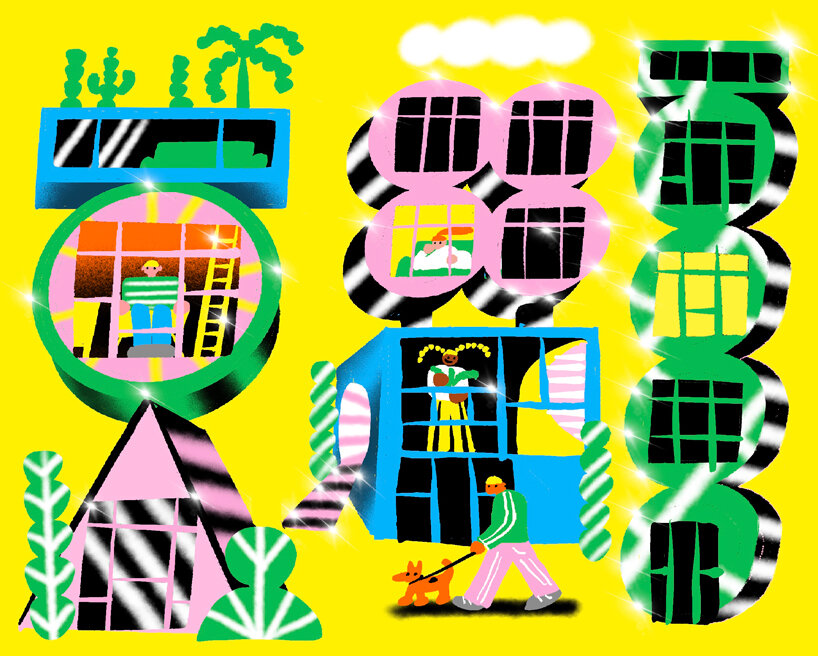
For a magazine that has always been about the spaces we live in, a chapter on habitation was only ever a matter of time. The only real question is how to do it well: how to move past the idea of the home as a backdrop to be styled, a nice chair in nicer light, and to focus instead on the architects, designers and artists genuinely rethinking the plan at every scale, from the doorknob to the city. What if the home is where we first rehearse the world we want, in miniature, before we dare to build it? And if the plan is always open to revision, then so is everything it produces: the chair you are sitting in, the street outside your door.
Some people, handed that freedom, treated it as a dare. It is the spirit in which Shusaku Arakawa and Madeline Gins built a Tokyo apartment block on bumpy floors and spherical rooms, convinced that comfort is quietly fatal and that a home should keep the body awake rather than let it decline. It is what drove Paolo Soleri to spend the last four decades of his life in the Arizona desert raising Arcosanti, an unfinished anti-city arguing that we might live denser, closer and lighter on the land, if only we stopped sprawling outward in cars. It is what sent Yona Friedman to refuse the finished plan altogether and imagine a city lifted on stilts, a bare frame its residents would fill and rearrange themselves, architecture returned to the people who live in it. And it is why Antti Lovag spent years assembling a warren of terracotta bubbles above Cannes without a single straight line, on the conviction that ‘straight lines are an aggression against nature’ and that living inside a curve changes how you think. All of these are proof of how far the plan can bend once you stop treating it as fixed, and most of this chapter lives in the wide space between that extreme and the ordinary homes we return to each night.
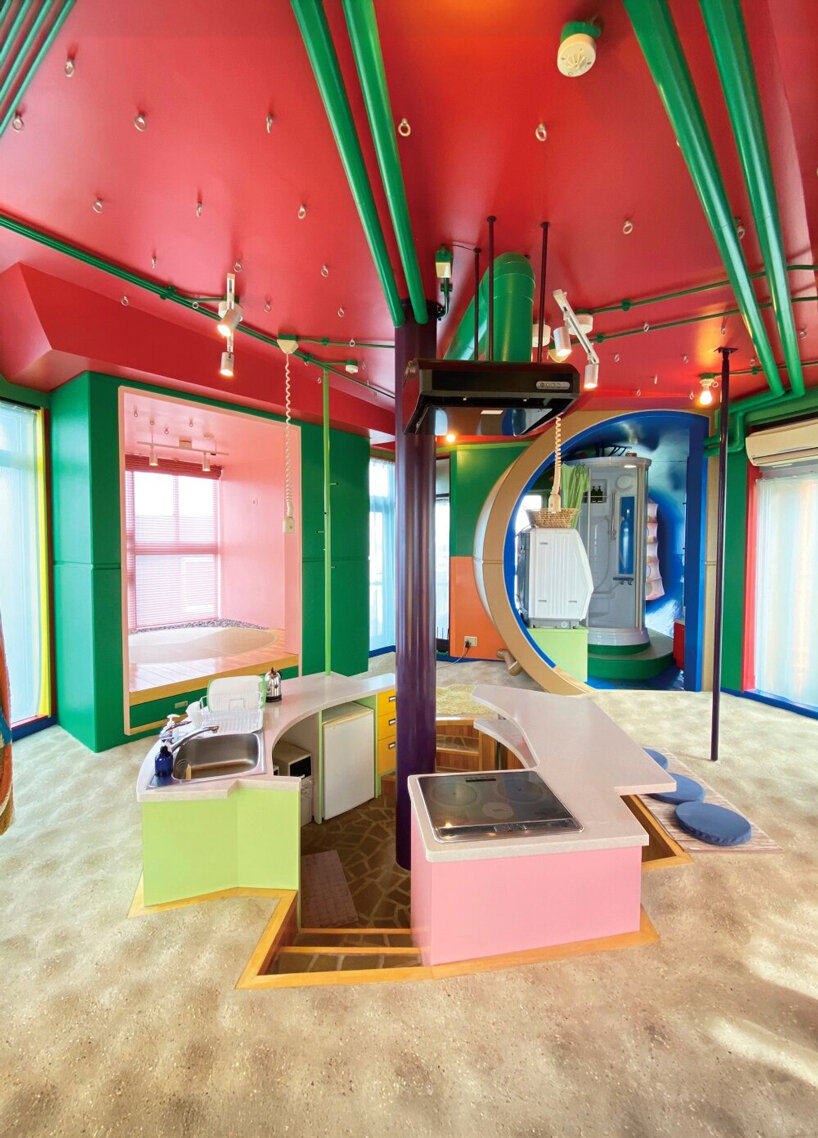
Modes of Habitation treats domesticity as a laboratory for living together. We follow the people redrawing the plan at every scale, from the choreography of a single shared table to walkable neighborhoods, the reuse of buildings we had written off, settlements that live within their landscape rather than against it, and habitats for the Moon. We look back into the utopian archives for methods rather than blueprints, and forward to a hospitality that tends the places it touches instead of passing through them. Throughout, we ask how a change at home changes the world outside it. Not because the spaces we live in simply dictate who we are, but because we shape our homes, and then, slowly, they shape us back. So join us in the redrawing. Given an empty lot of your own, what kind of home, and what kind of world, would you build?
This article is part of designboom’s MODES OF HABITATION chapter, exploring how the spaces we inhabit can reshape the ways we live together. Discover more stories rethinking domesticity, shared living, and the many forms a home can take here.
shop
your own online design shop — no sales commission collected