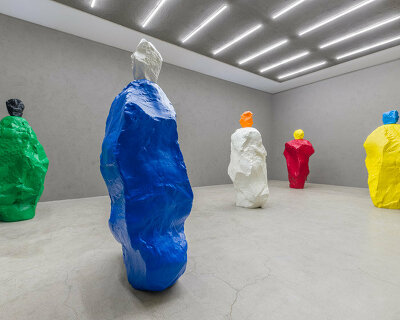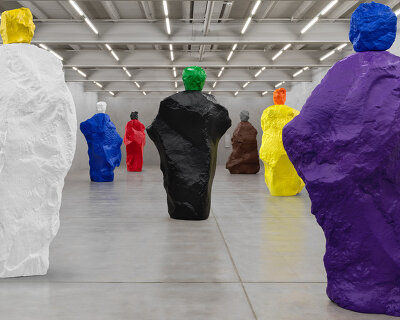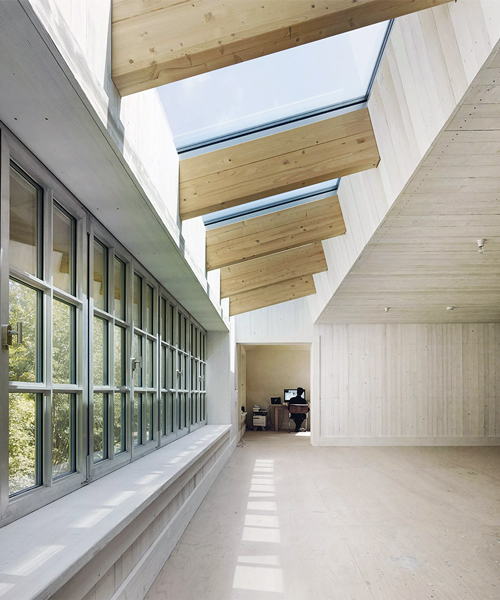
ugo rondinone’s living sculpture is the perfect place to live and work
house no.1 uses signature styles from the artist's body of work whilst fusing japanese influences with european arts and crafts.
prefer designboom on google[FEATURED]
‘the house no.1’, an extraordinary space conceived by artist ugo rondinone, has been designed not only as a living sculpture but also the perfect place to live and work. the abode uses signature sculptural elements and systems of thought from the artists body of work to create the gesamtkunstwerk – a total work of art.
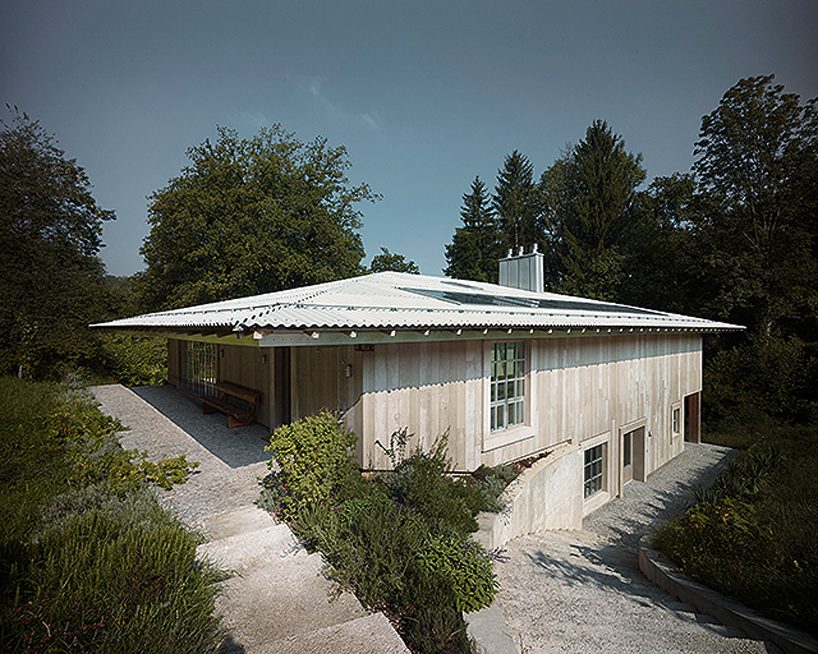
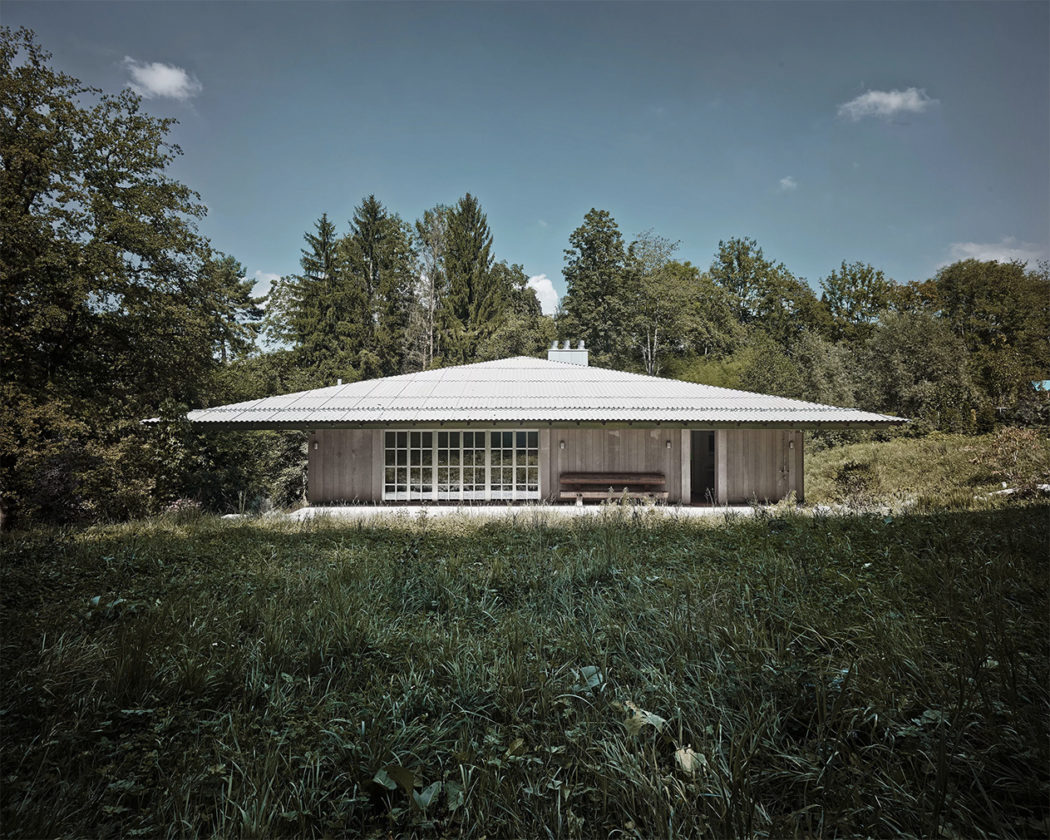
exterior shot of the living sculpture
house no.1 was completed in 2014 and is located close to the small town of würenlos, near zürich. the swiss-born artist teamed up with architects andreas fuhrimann and gabrielle hächler on the two-storey property fusing japanese influences with european arts and crafts design.
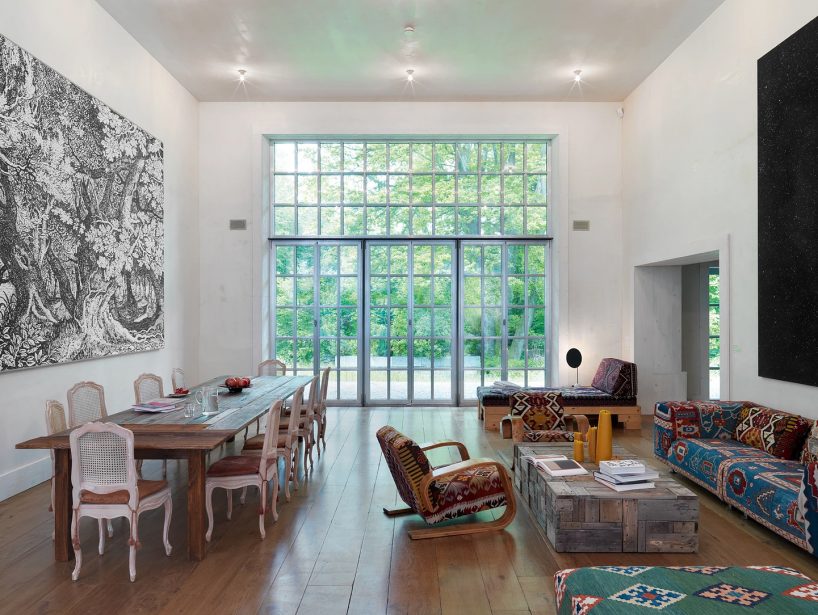
a mix of art and furniture designed by ugo rondinone
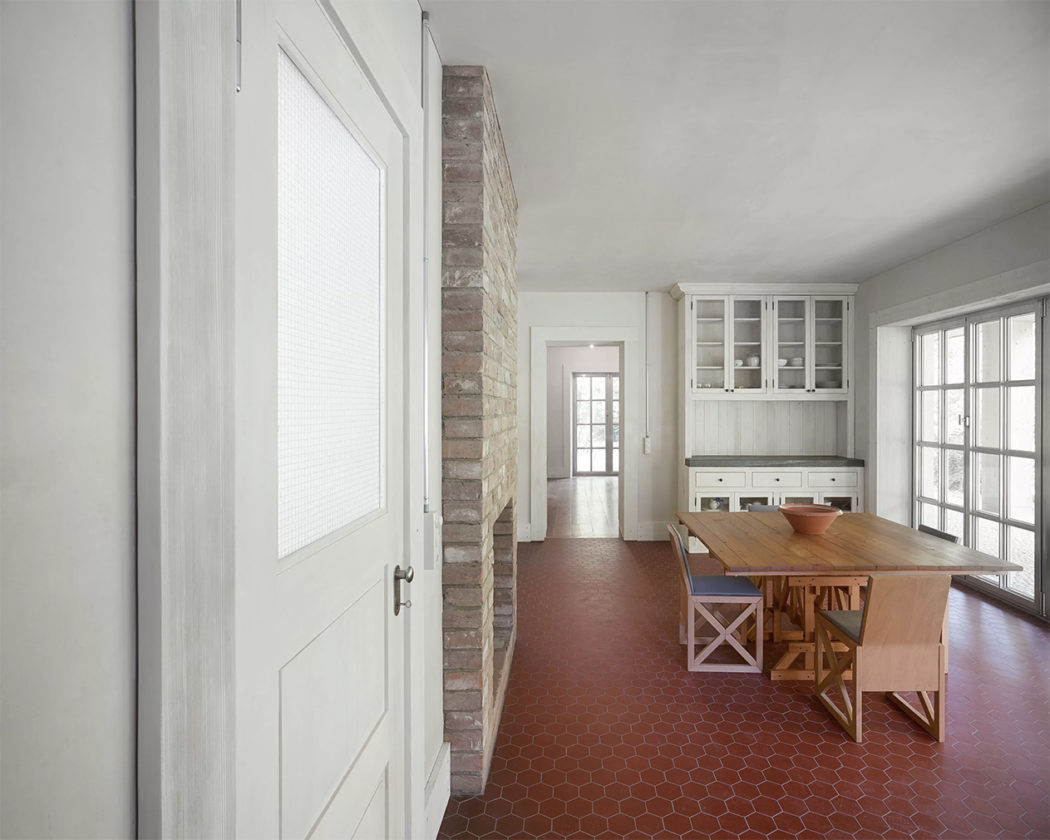
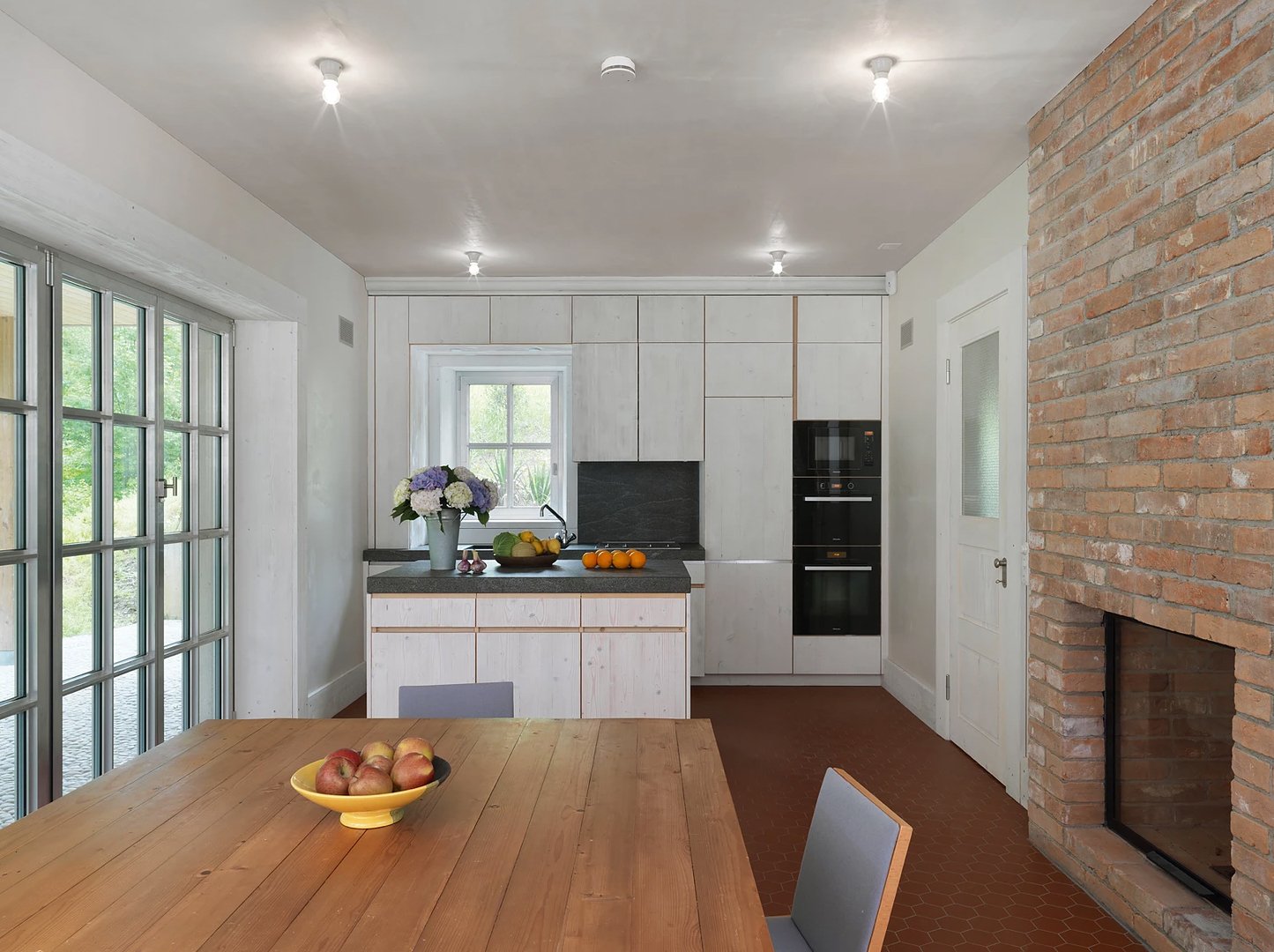
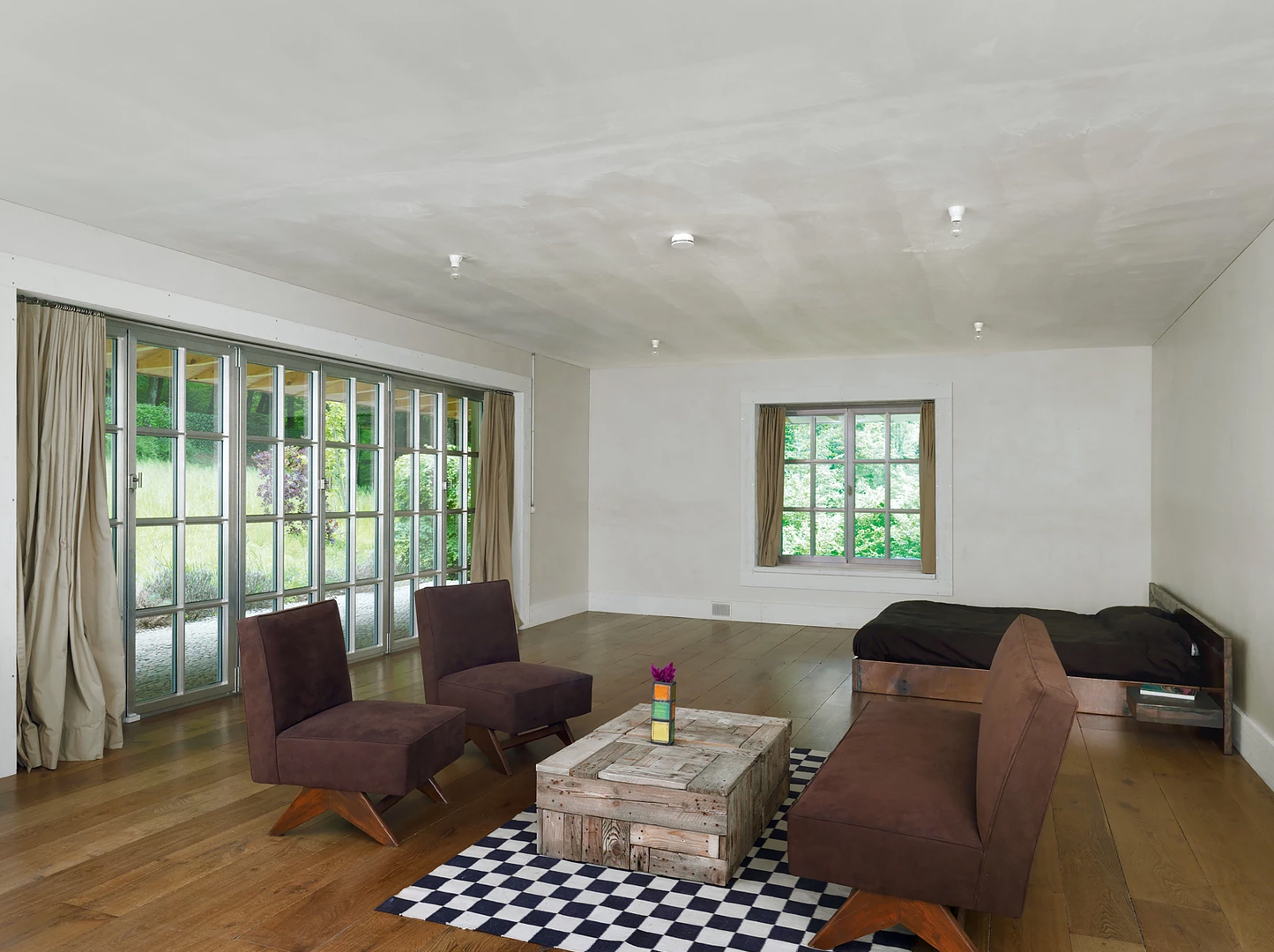
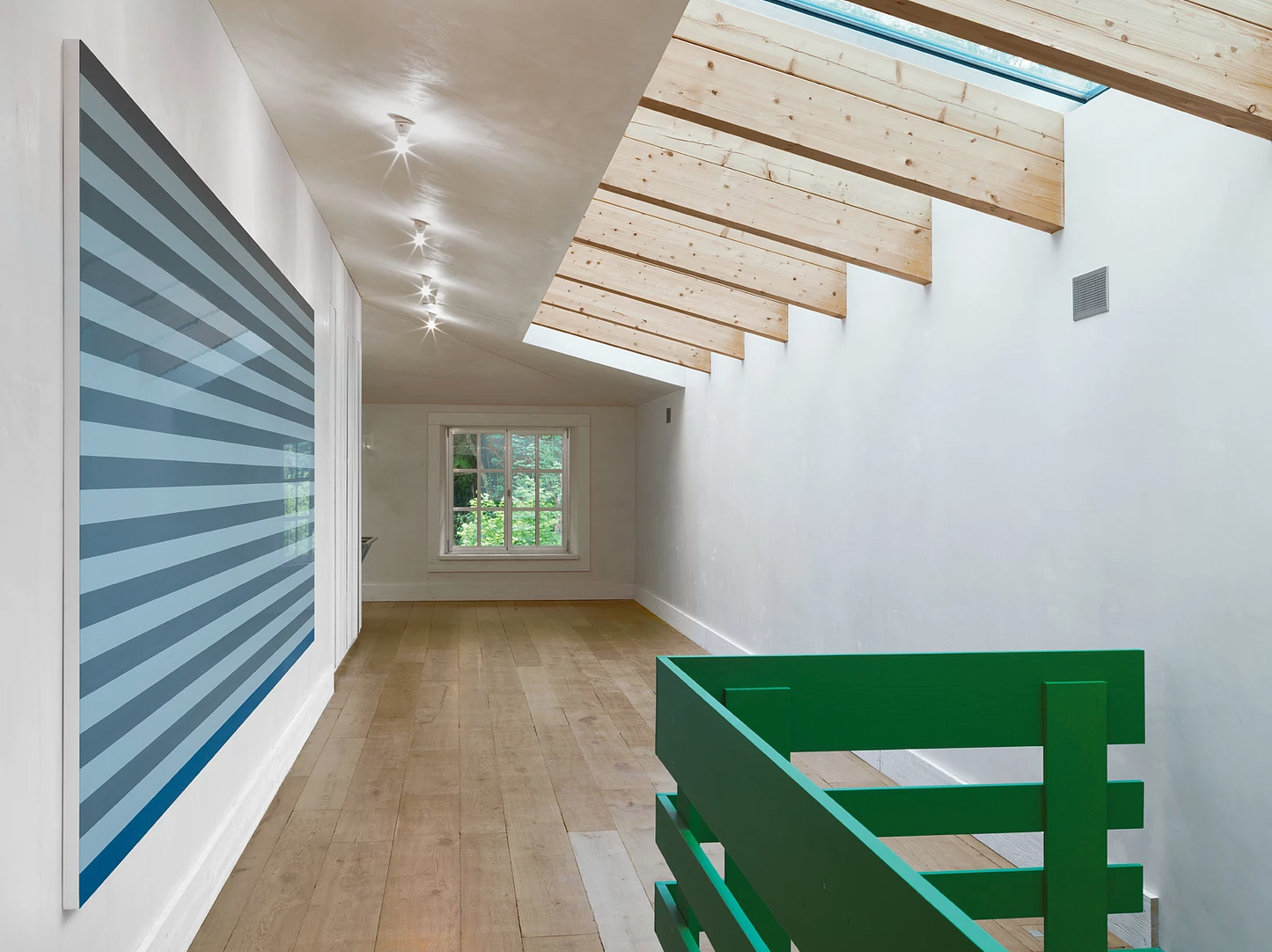
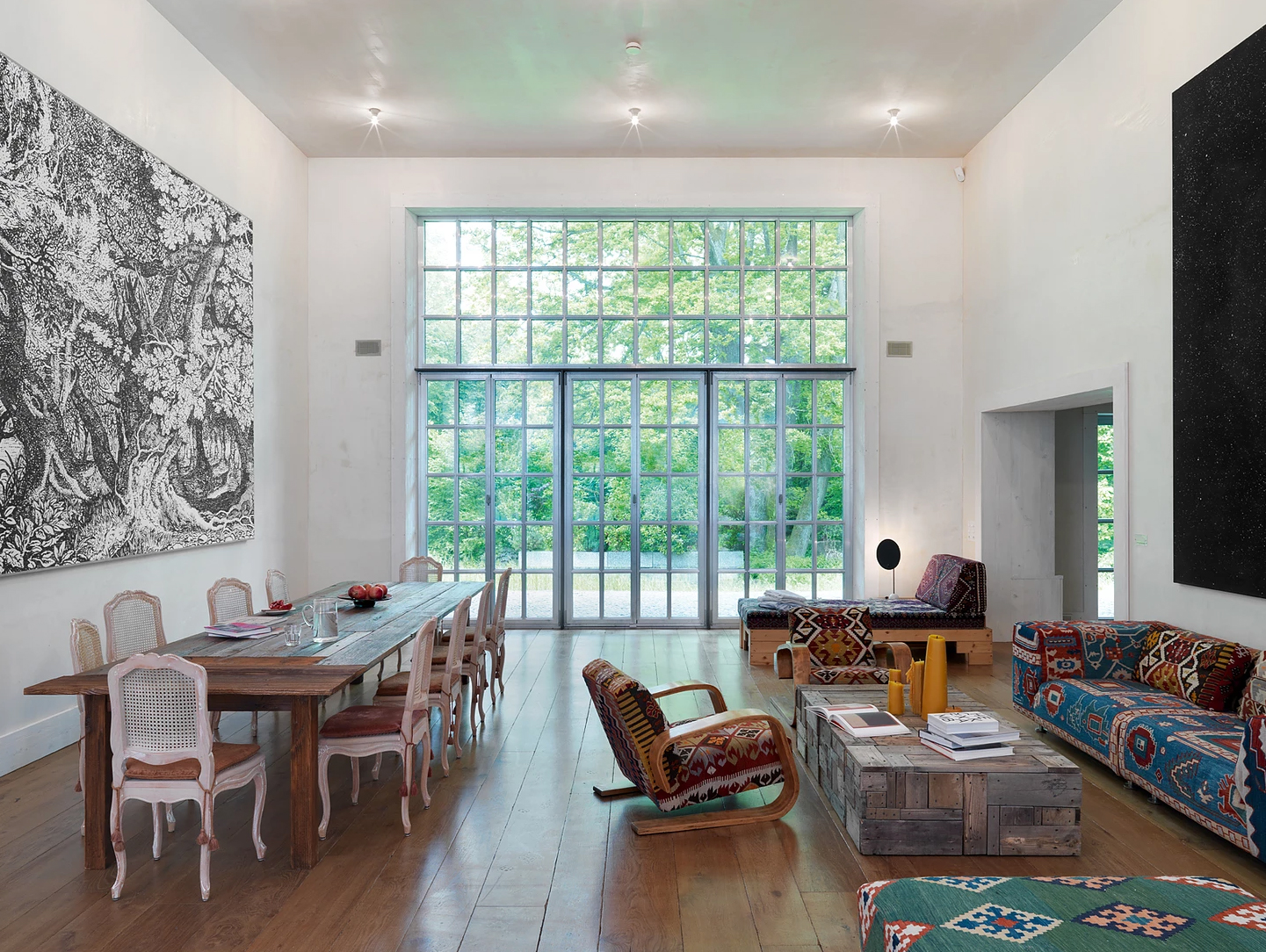
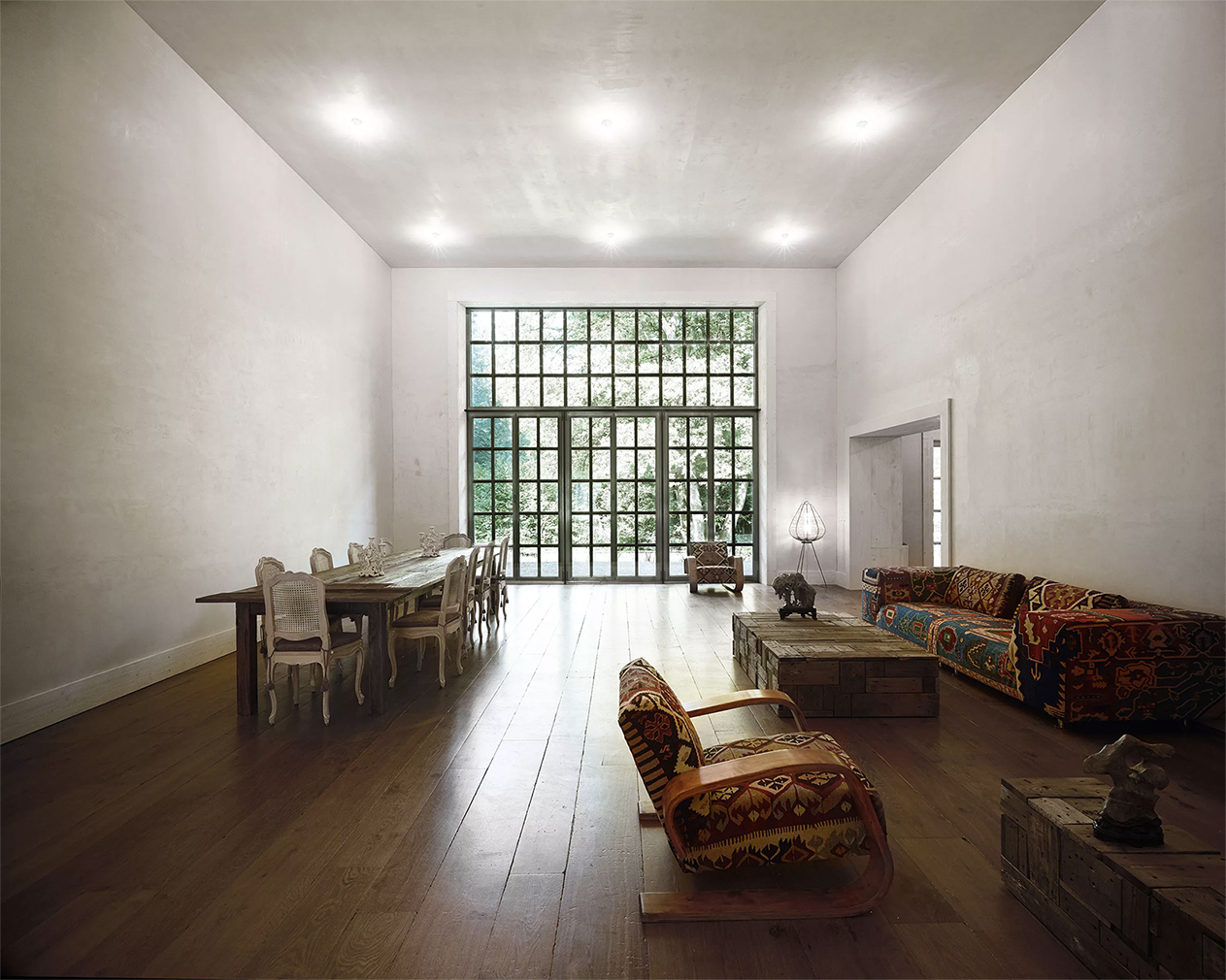
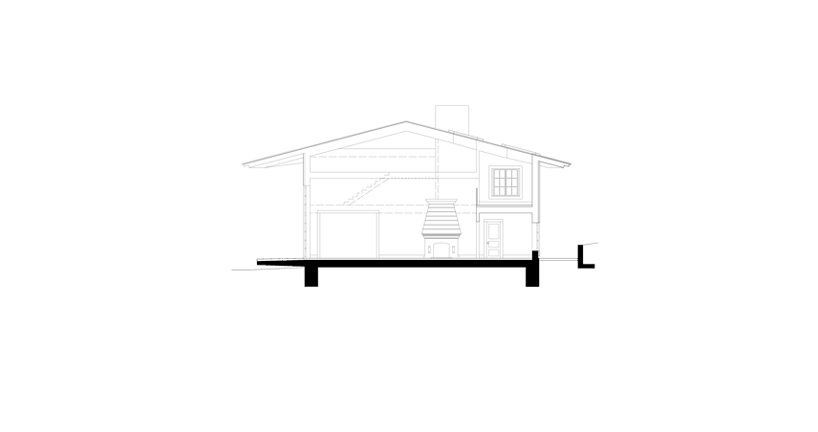
the property acts as a canvas for rondinone’s works, hung upon the gallery-like walls and paired with furniture custom-designed by the artist. a neutral colour palette is paired with pops of colour to make the basis for built-in features such as the sculptural fireplace which functions as a replica of rondinone’s artwork, ‘john’s fireplace’.
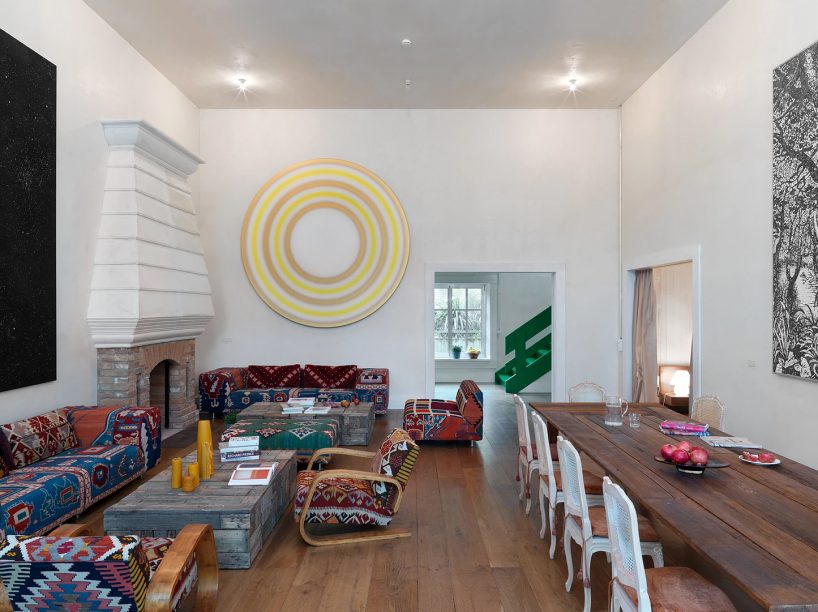
one built-in feature is a replica of rondinone’s artwork, ‘john’s fireplace’
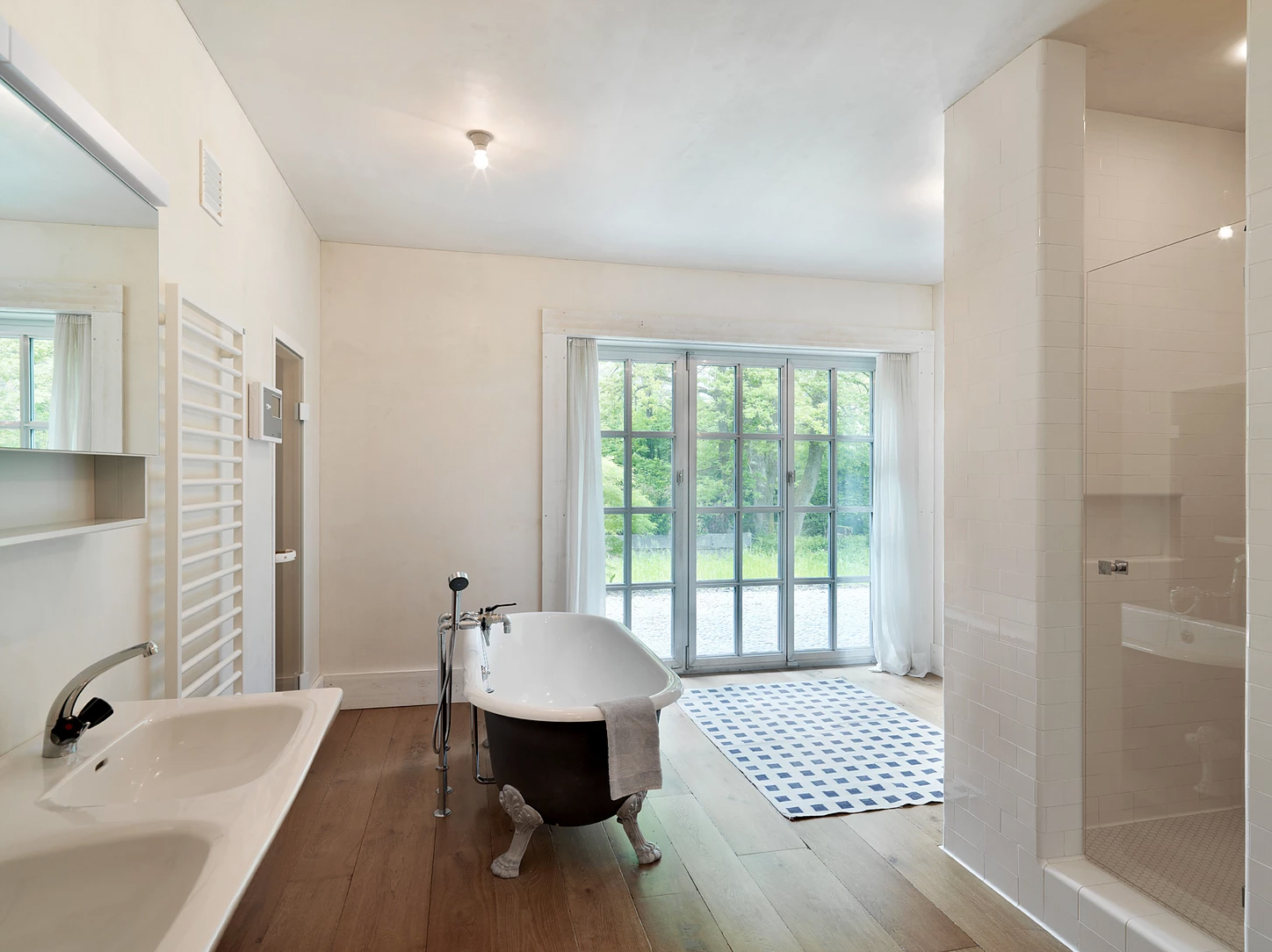
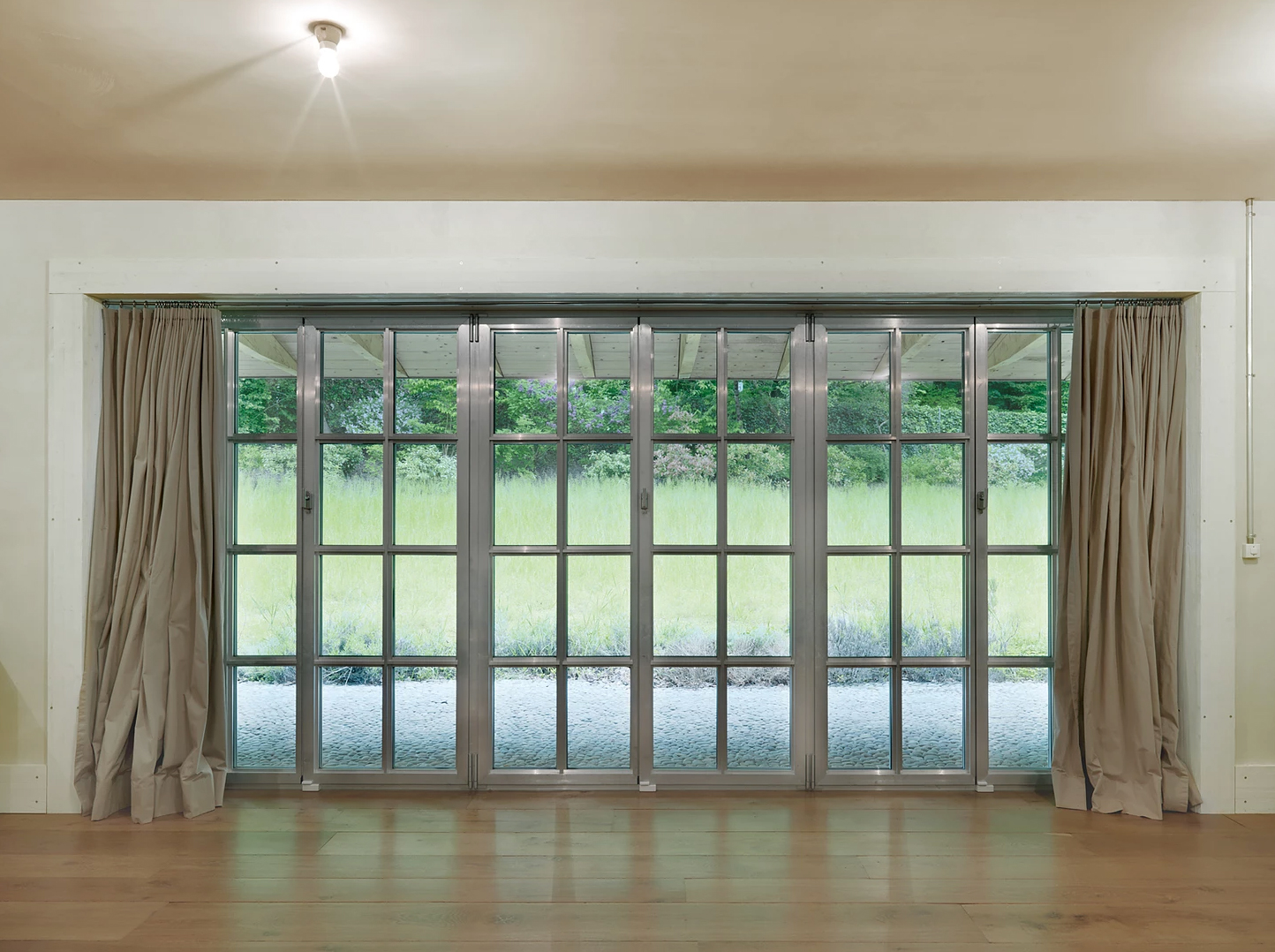
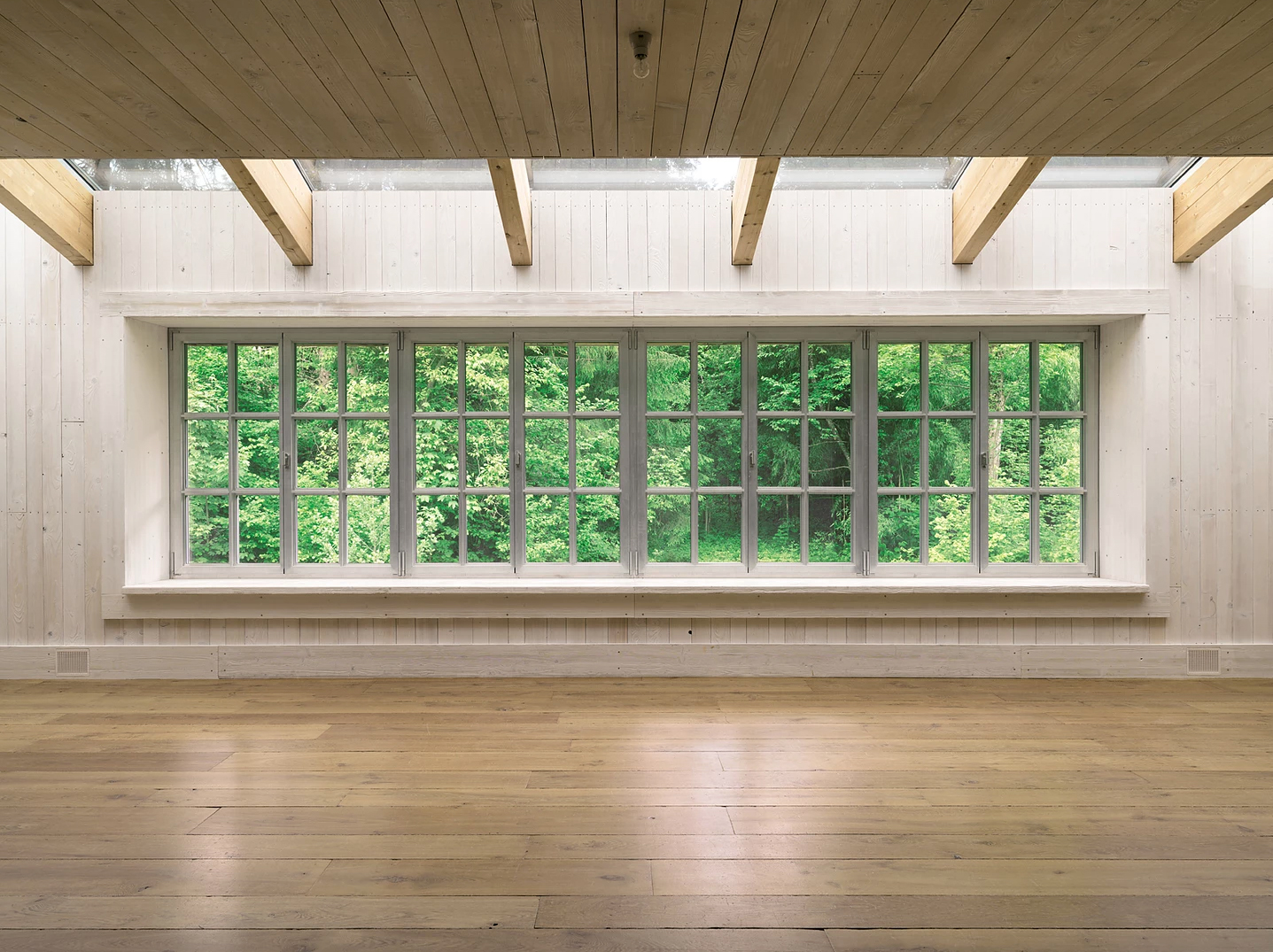
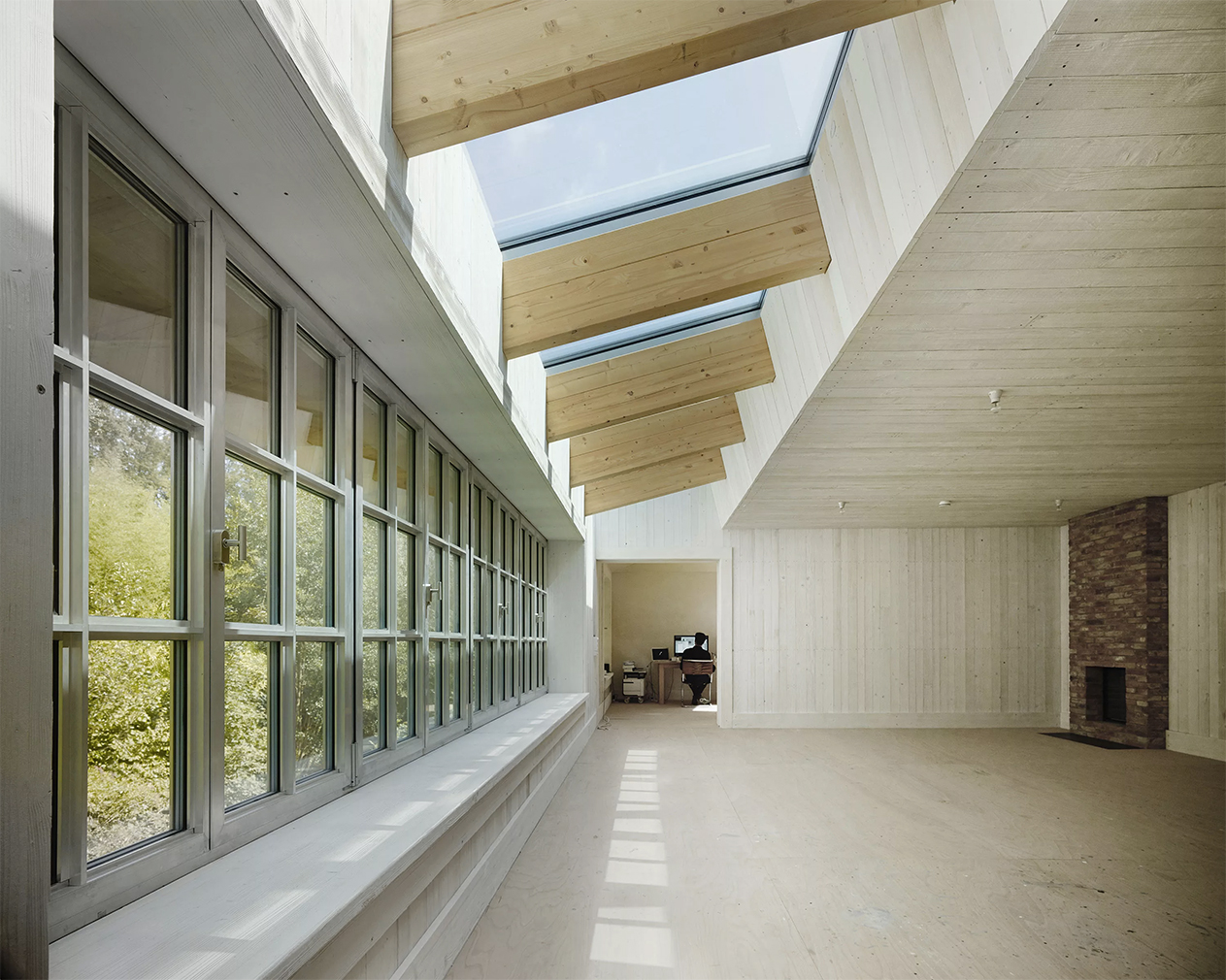
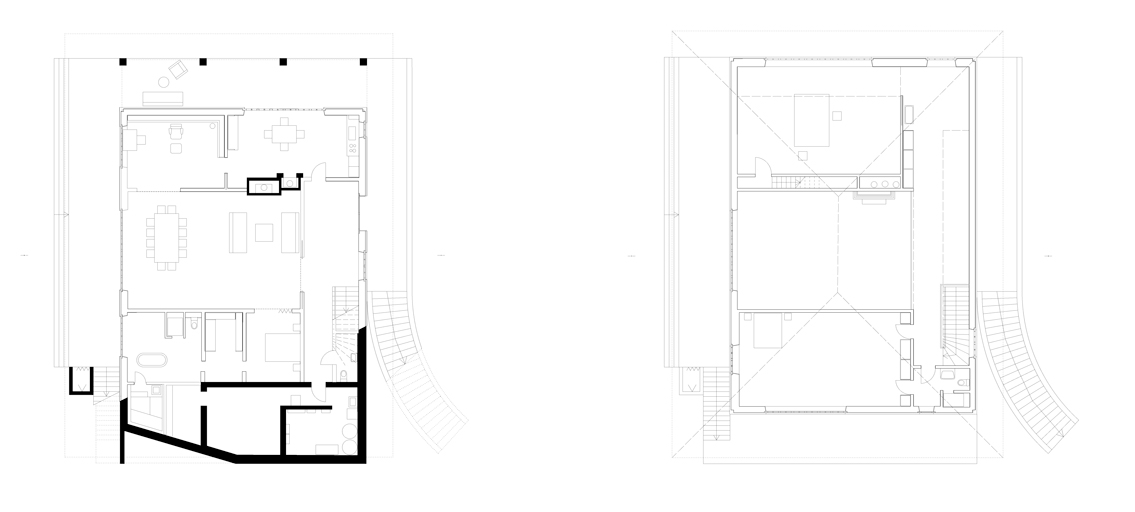
letting in an abundance of light, double-height glass doors and windows also frame the house’s natural surroundings. the upper floor is shared by his skylit studio and three-bedrooms whilst the lower level comprises shared spaces including a living area, library, kitchen and bathroom. connecting the light-filled levels are two brightly coloured staircases.
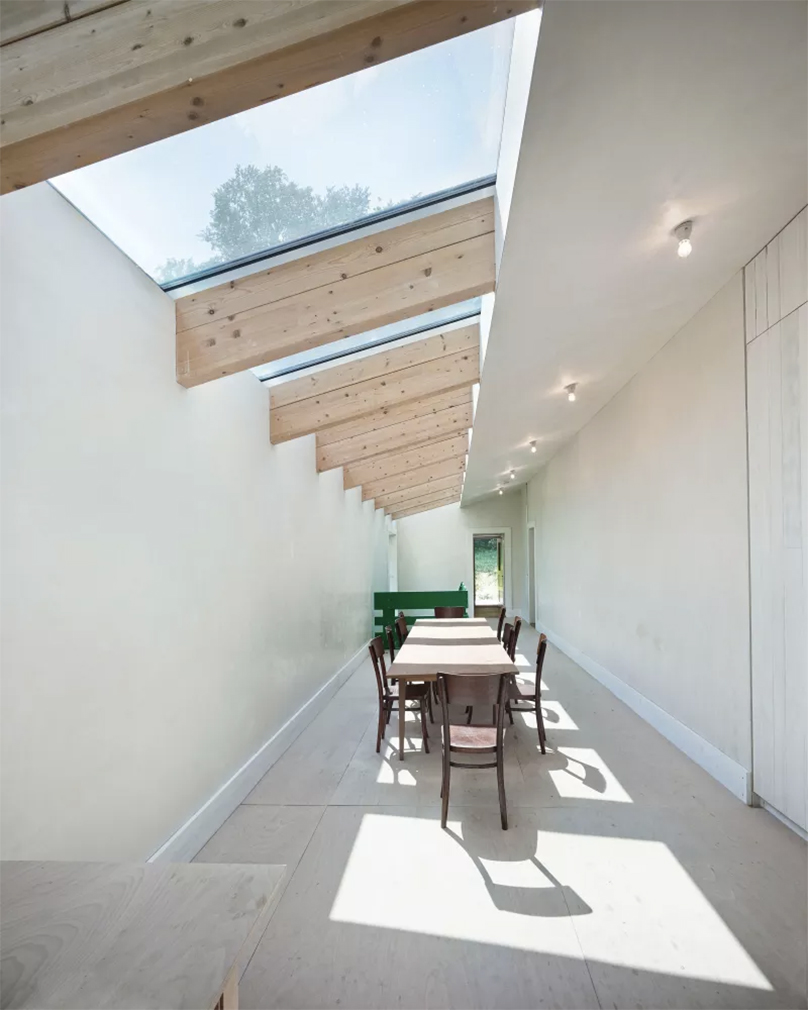
skylit galleries are filled with light
the building – currently on sale for $5.35m via architecture for sale– was constructed using prefabricated wooden elements and covered with untreated raw materials. wooden cement boards are used on the facade, corrugated eternit for the roof, and white plaster treated with beeswax internally.
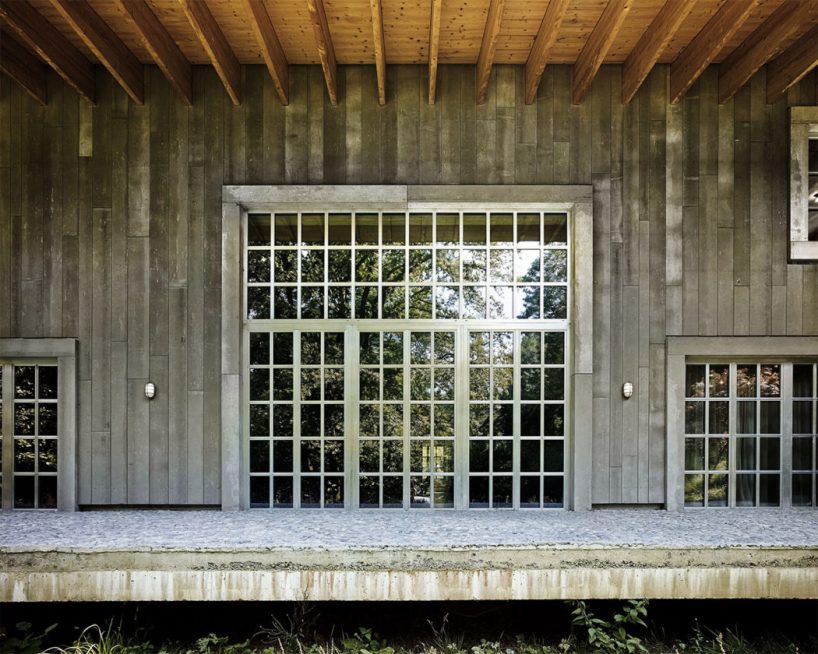
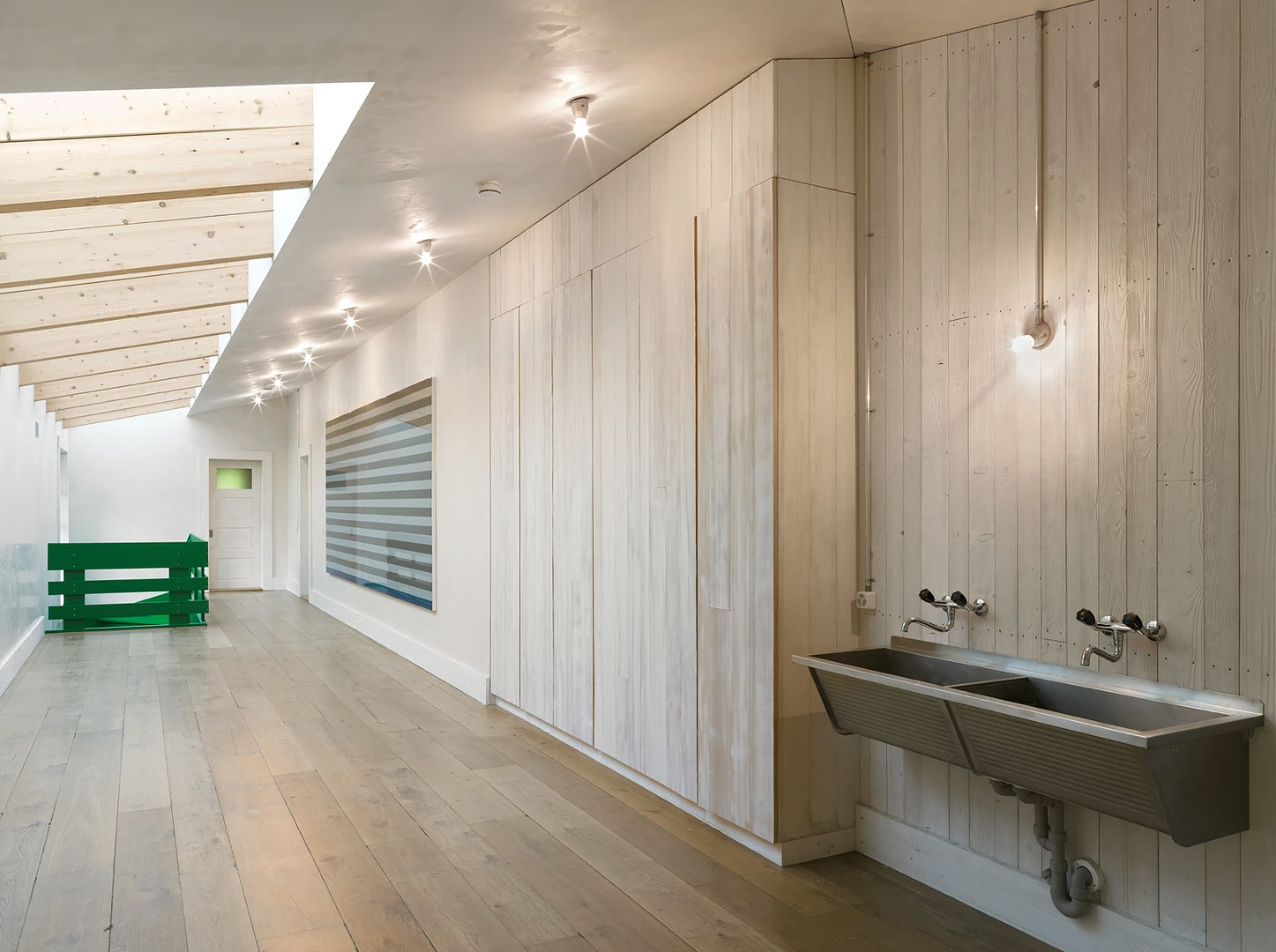
industrial features give the property a contemporary edge
fuhrimann and hächler aim was to frame the building using its surroundings, causing the detached house to appear as if a single storey structure lying on a natural clearing in the forest. the rectangular house sits on a slope against the road and stream, the surrounding greenery framing the pleasant outdoor space. its hovering appearance lends the house its lightness, reminiscent of traditional japanese wooden buildings, whilst custom-build metal windows are a contemporary addition, giving the house a hybrid character that lies between traditional and industrial revolution.
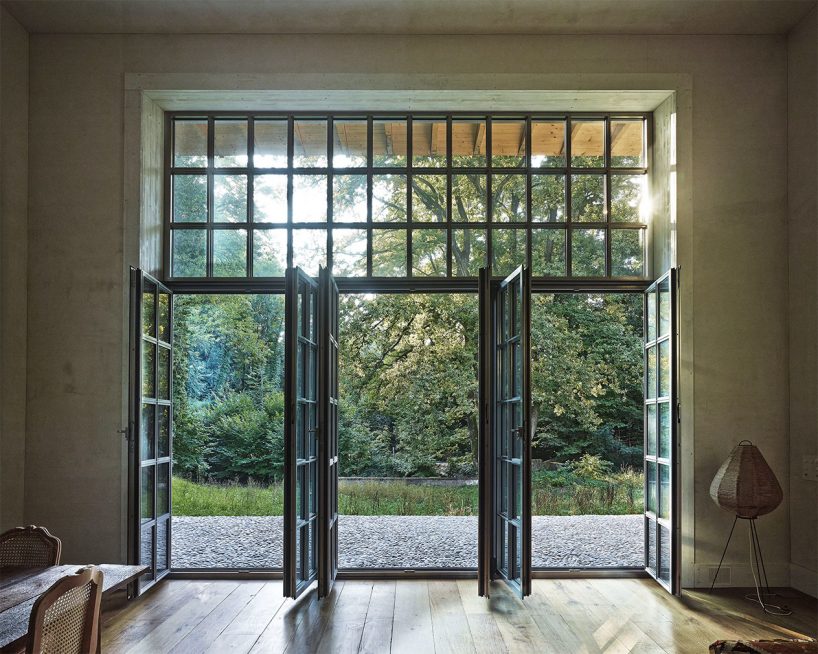
in contrast, a neutral and raw pallet is adopted
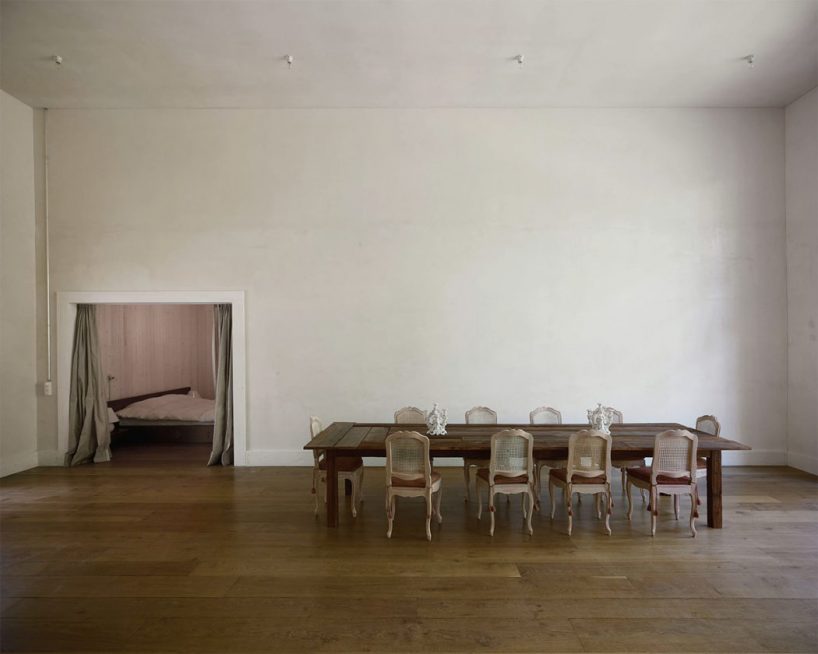
rooms are often airy and spacious
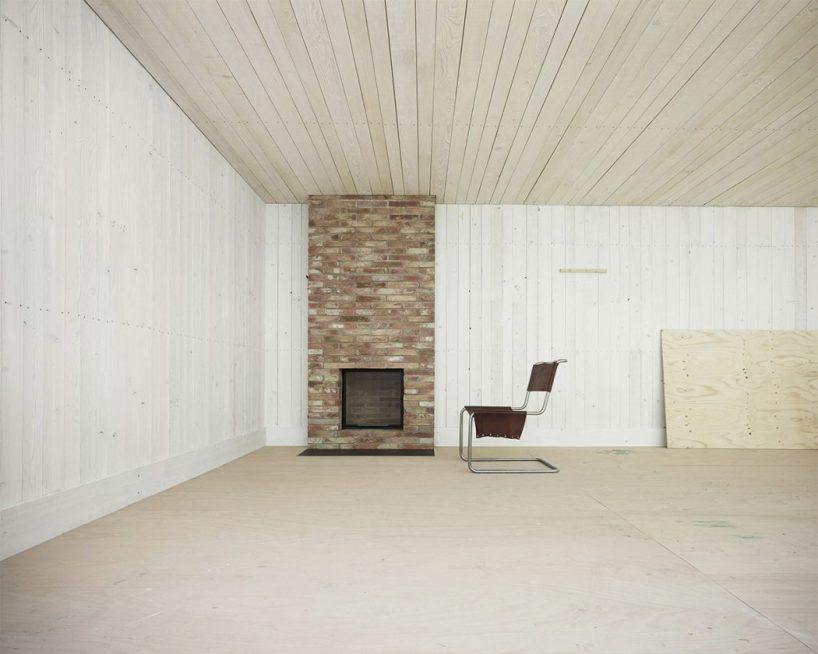
the studio space is minimal
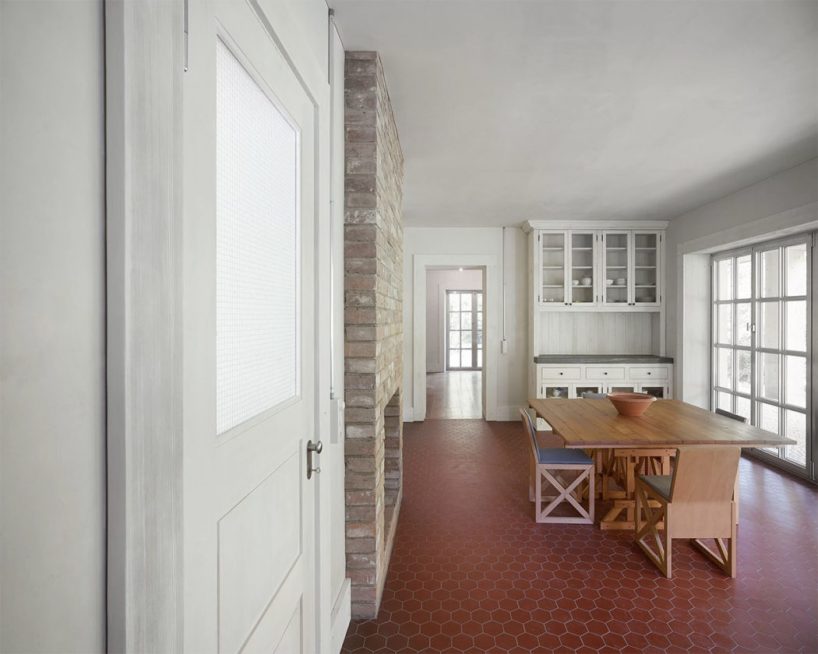
the kitchen area features a hexagon-shaped tiled floor
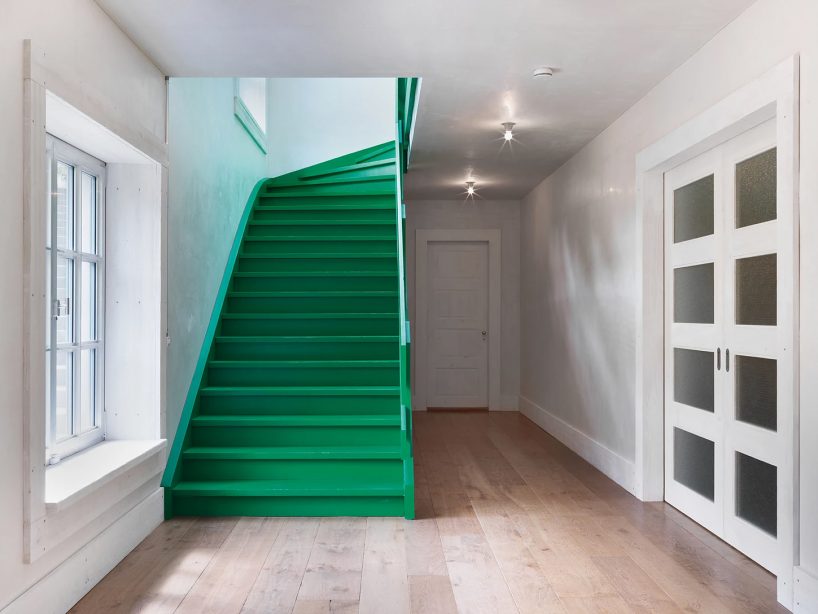
bright staircases connect the levels
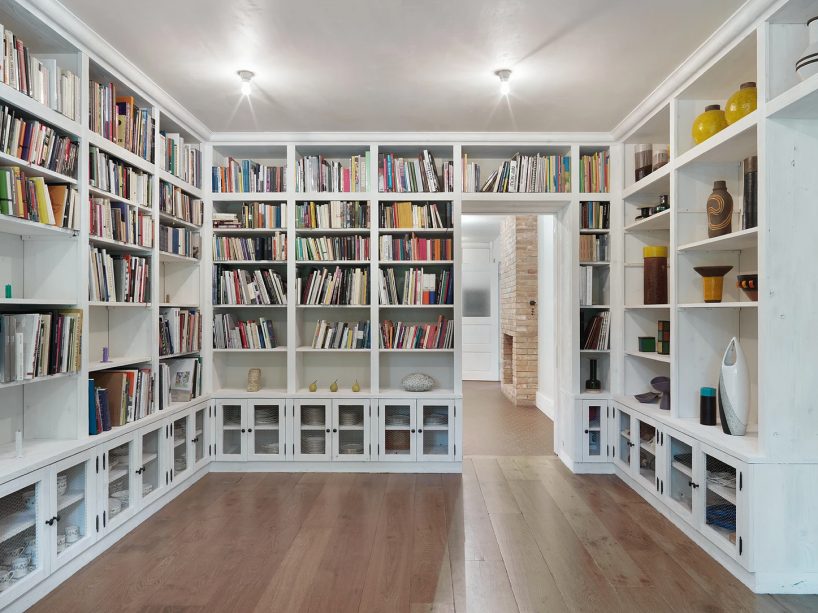
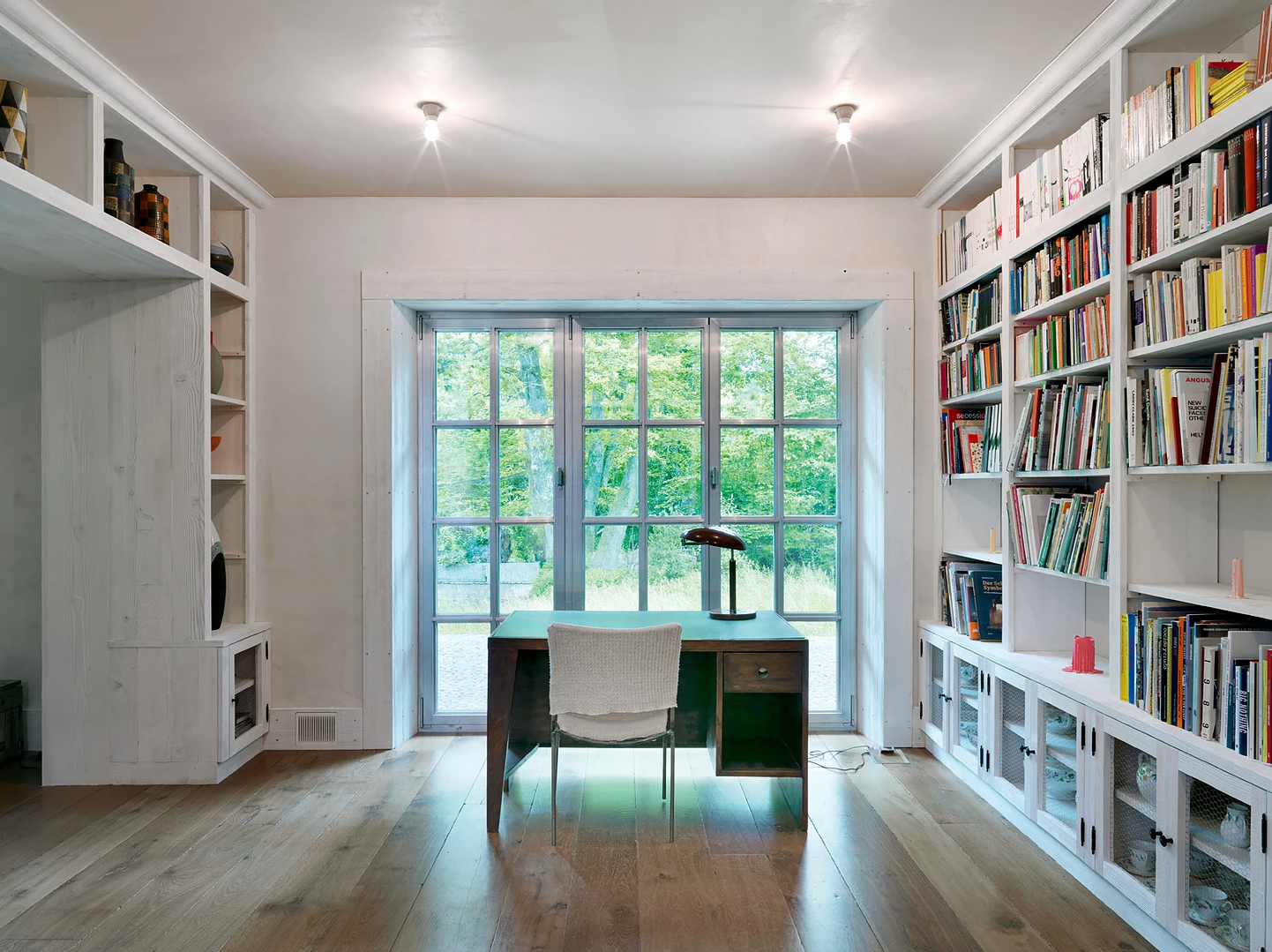
a study is complimented by walls covered in shelves
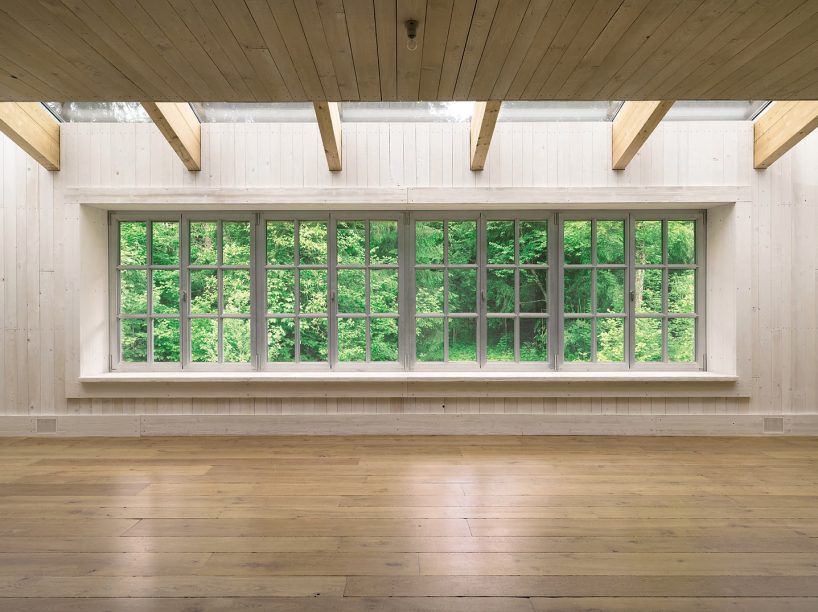
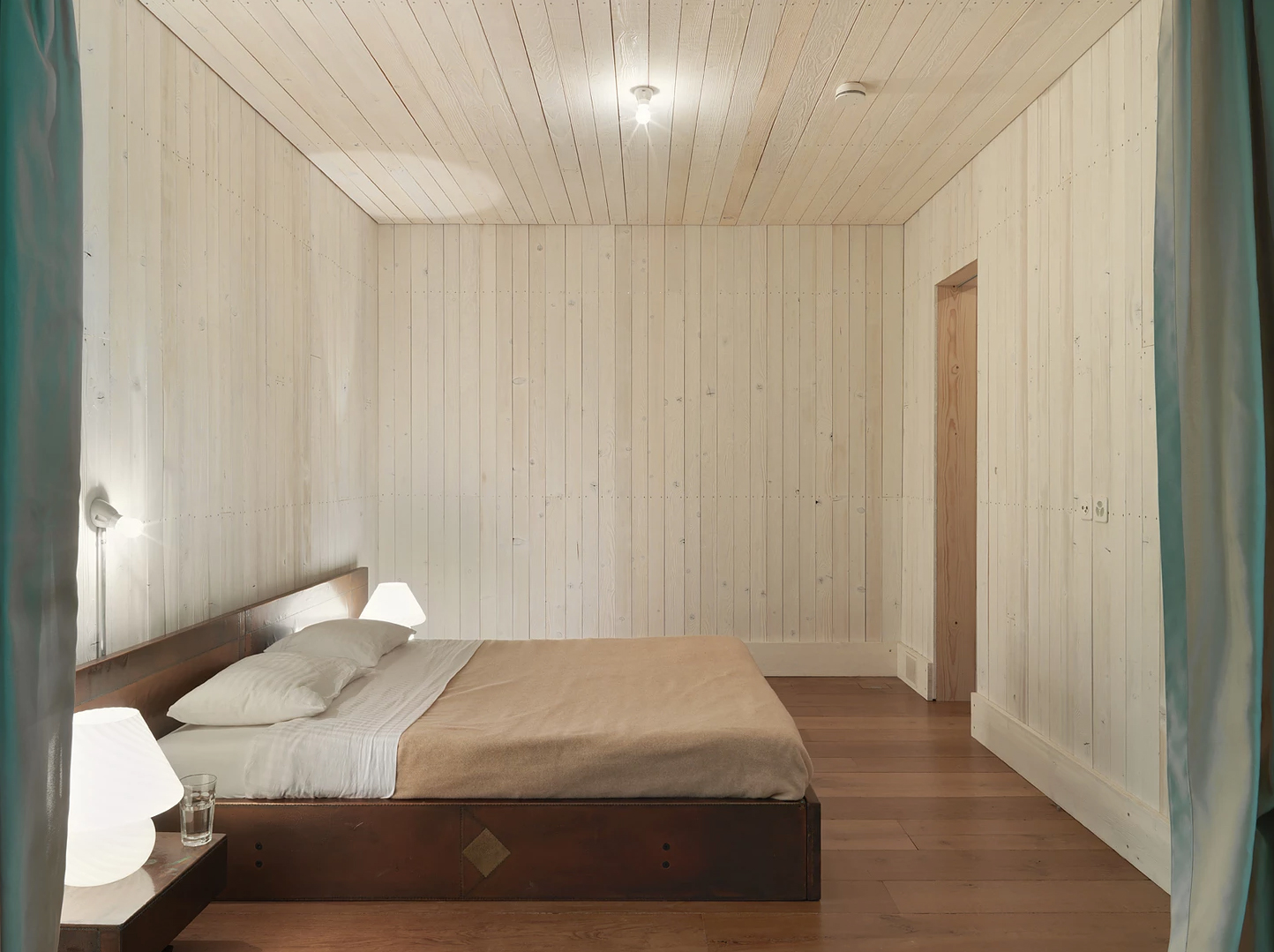
the use of wood adds a warm texture to the abode
1/16
shop
your own online design shop — no sales commission collected