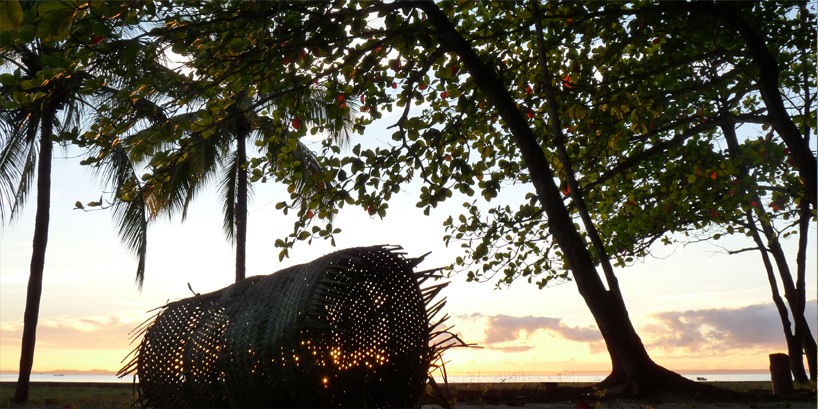
lightweave palm pavilion by iván juárez
the ‘lightweave palm observatory’ by mexican architect iván juárez takes influence from the natural landscape off the coast of the island of itaparica in brazil is, where its surroundings are characterized by scenery that is in constant dialog between its diverse ecosystems: mangroves, rainforests, dunes. highlighted by slender and tall palm trees which are of great significance to this region since they were introduced in brazil in 1553.
created in context to reflect the bahia region through pieces created with light, the project explores a local artisanal textile technique using coconut palm leaves found in the island as raw material. it forms an interior space for personal reflection which creates a visual contrast in relation to the internal and external landscape that it delimits. from inside, the piece frames and suggests its environment, creating a natural embroidery of glows and shadows.
throughout the day, its outward appearance varies through different shades and reflections and, at sunset, the light dilutes its apparent strength, allowing it to become a fabric that lights up from the inside and that blends into the landscape itself.
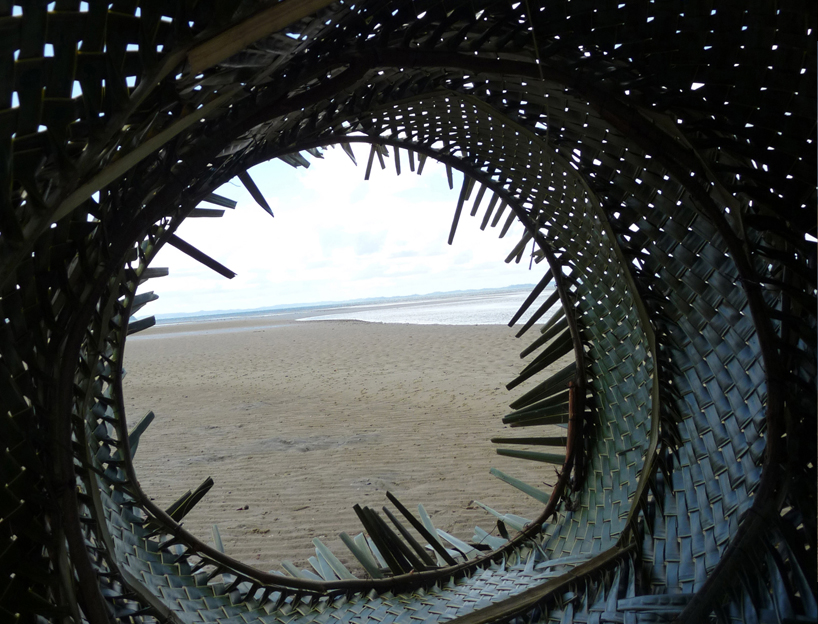 interior view
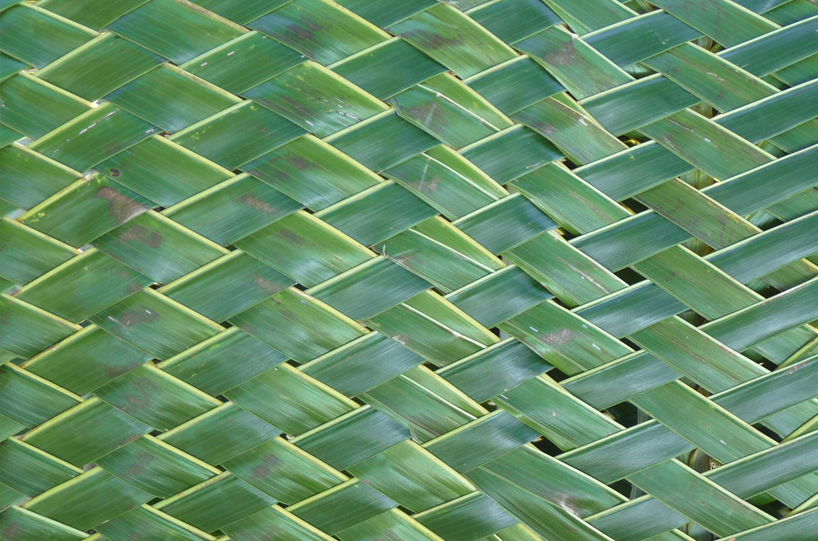 detail of the palm skin
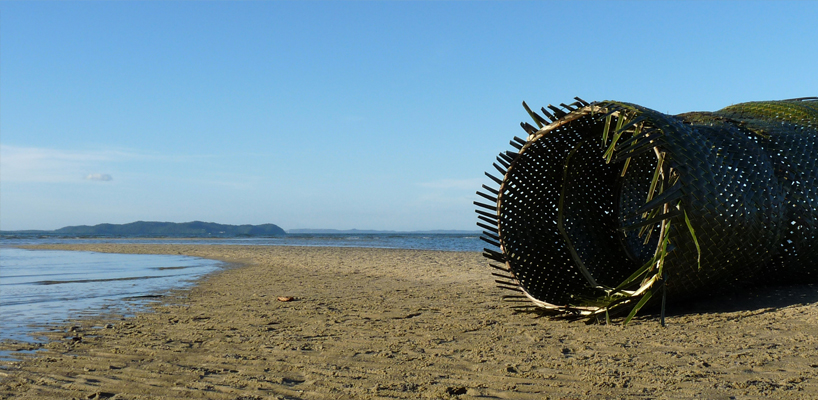 its outward appearance varies through different shades and reflections
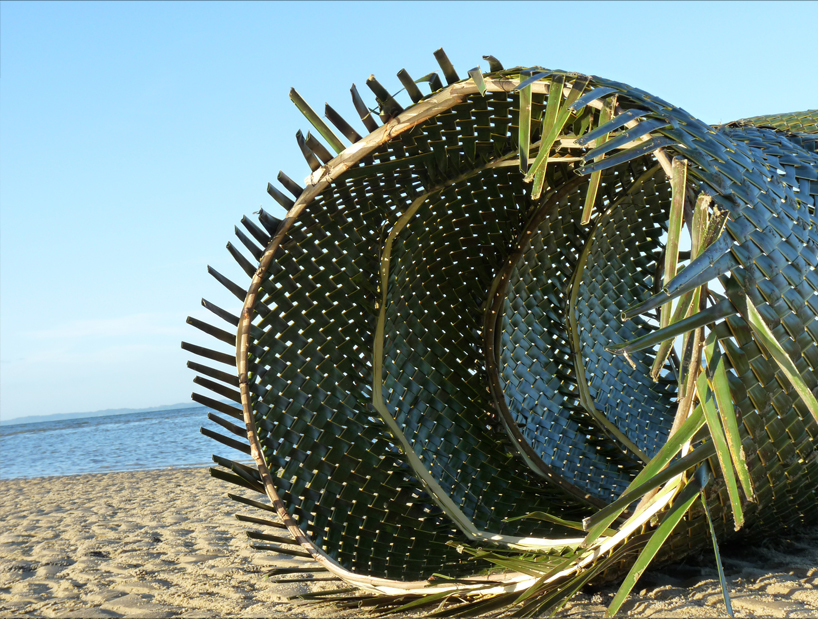 lightweave, palm pavilion, exterior view
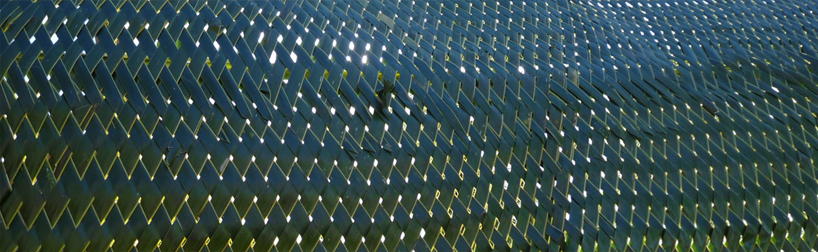 detail
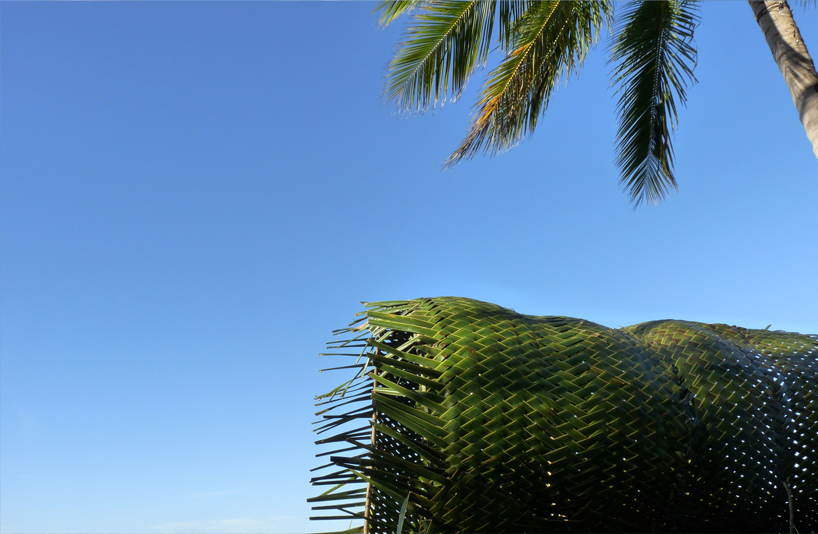 the pavilion, exterior view
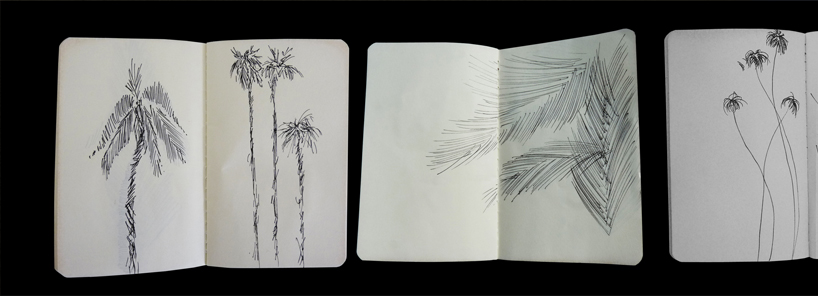 sketches
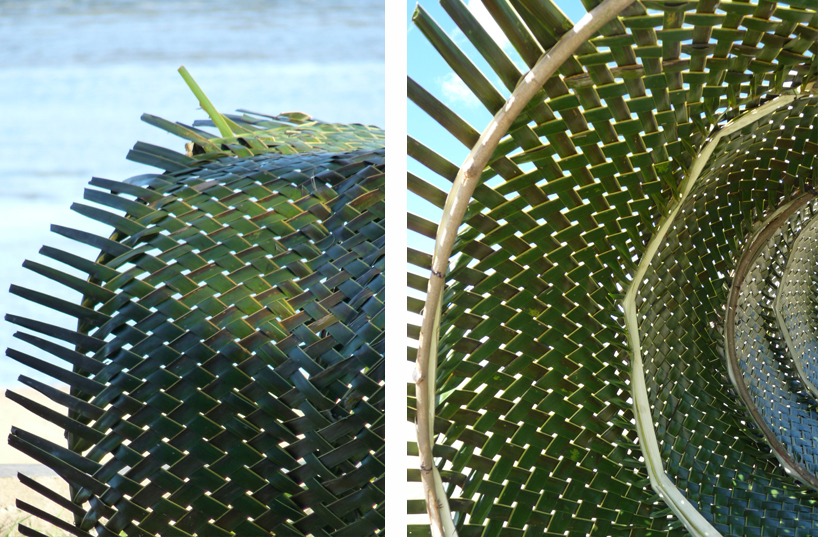 lightweave, palm pavilion
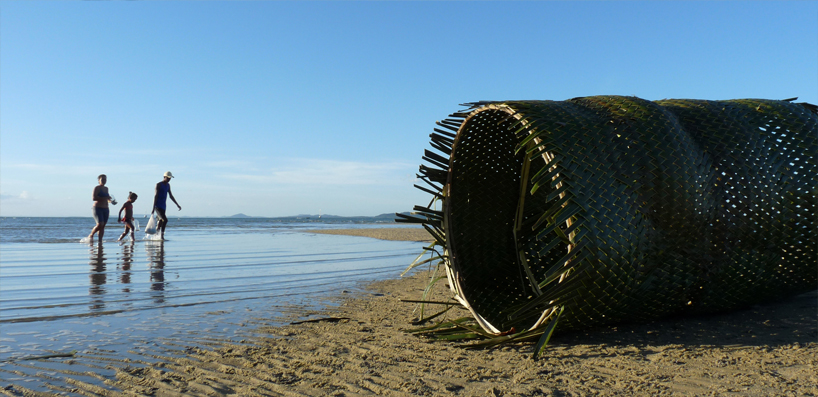 a view of lightweave, palm pavilion and the surrounding coastal landscape
 working process
designboom has received this project from our ‘DIY submissions‘ feature, where we welcome our readers to submit their own work for publication. see more project submissions from our readers here
 Dec 08, 2025
 Dec 07, 2025
 Dec 06, 2025