from capsule towers to circular cities: metabolism and the evolution of urban thinking
a radical vision born in post-war japan, metabolism reimagined the city as a living system capable of growth, adaptation, and renewal.

14 stories
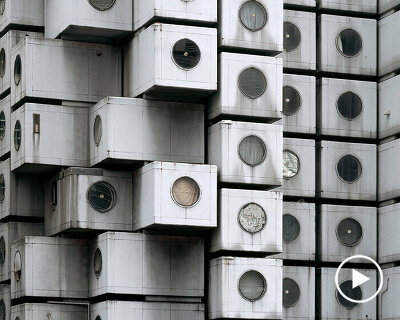
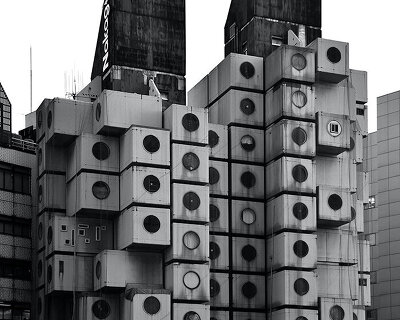
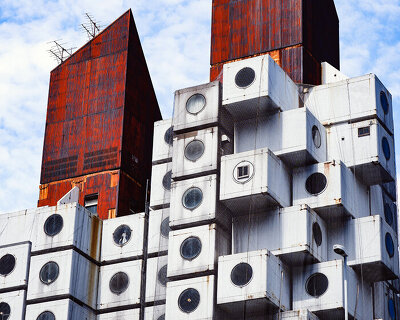
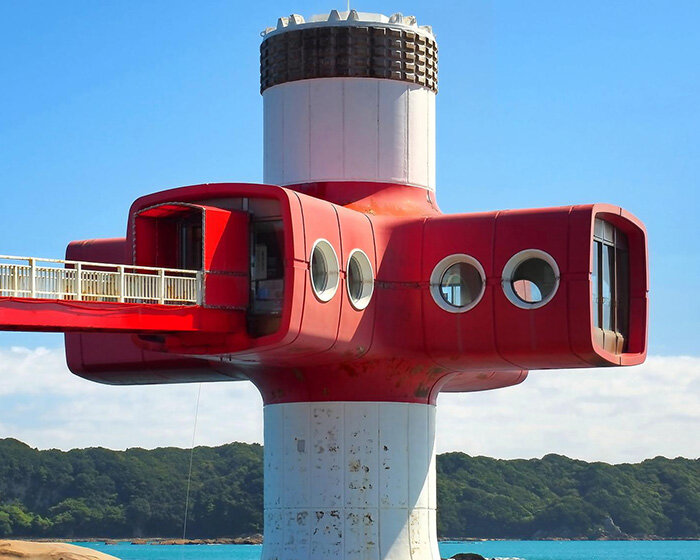
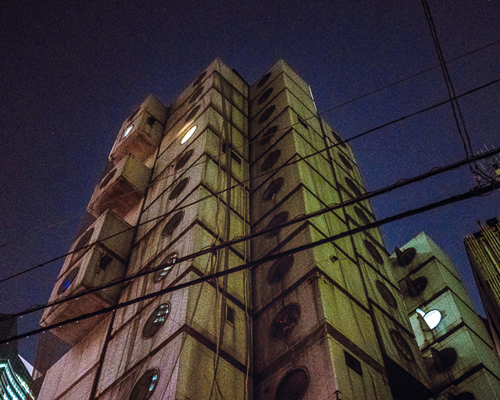
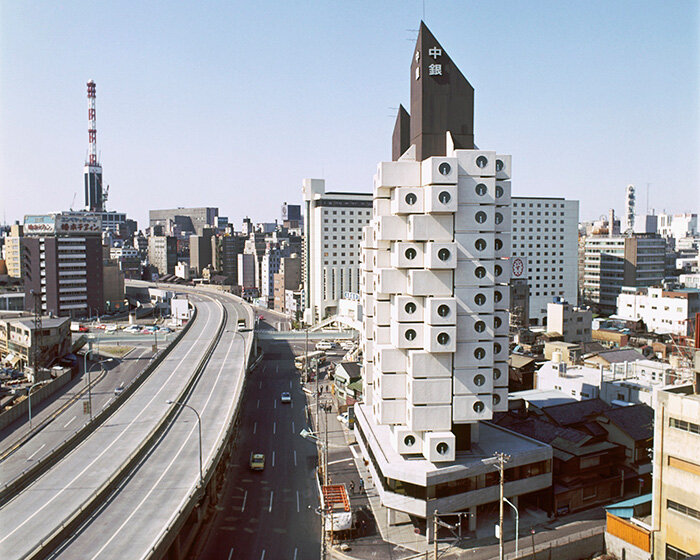
metabolism was a movement founded in japan between the late 50s and early 60s. the post-war architectural movement fused ideas about architectural megastructures that are not static entities but can organically change. a group of young architects and designers including kiyonori kikutake, kisho kurokawa, fumihiko maki – all heavily influenced by the architect kenzo tange – created the metabolism manifesto. one of the most well-known examples of metabolist architecture is kisho kurokawa’s nakagin capsule tower in ginza, tokyo.
[FEATURED]
a radical vision born in post-war japan, metabolism reimagined the city as a living system capable of growth, adaptation, and renewal.
your own online design shop — no sales commission collected
 2026 NY Architectural & Interior Design Awards Season 2 deadline: november 5th, 2026
  New York High Falls Riverfront Market $ 10,000.00 USD deadline: january 18th, 2027
  Marca Corona Award 2027 | Contest for artists and designers under 35 $ 1,675.00 USD deadline: january 11th, 2027
  WDC 2028 Busan Pavilion International Design Competition $ 46,666.00 USD deadline: october 26th, 2026
  TACTICAL URBANISM NOW! 2026 $ 10,000.00 USD deadline: october 30th, 2026
  Portugal Long Table Restaurant $ 11,635.00 USD deadline: january 11th, 2027
  Buildner’s Unbuilt Award 2027 $ 56,305.00 USD deadline: september 15th, 2027
  2027 French Design Awards deadline: april 6th, 2027
  Compasso d’Oro International Design Award 2027 deadline: january 20th, 2027
  Museum of Emotions #9 $ 9,140.00 USD deadline: february 22nd, 2027