3D printed cello modernizes 300-year-old instrument with non-warping carbon fiber
assembled by hand, the string instruments adopt the lightweight material, which doesn’t react to temperature and humidity.
prefer designboom on googleCarbon fiber for lightweight 3D printed CELLO and VIOLIN
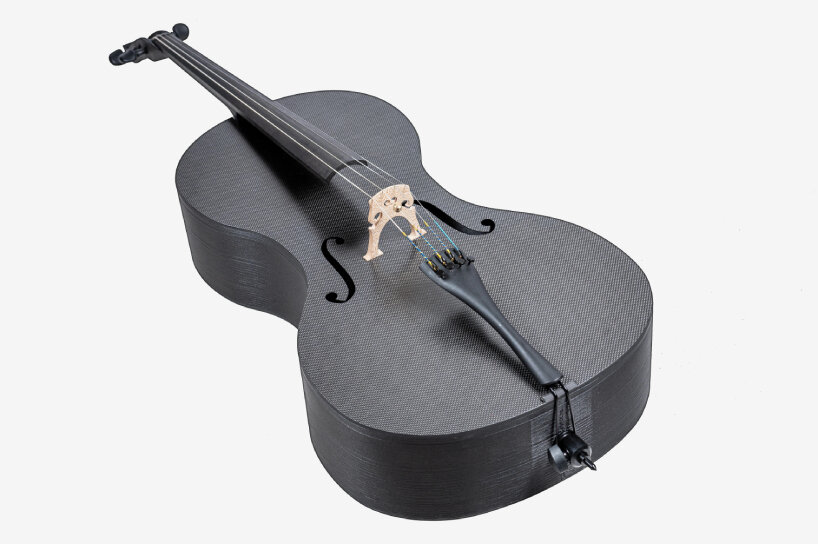
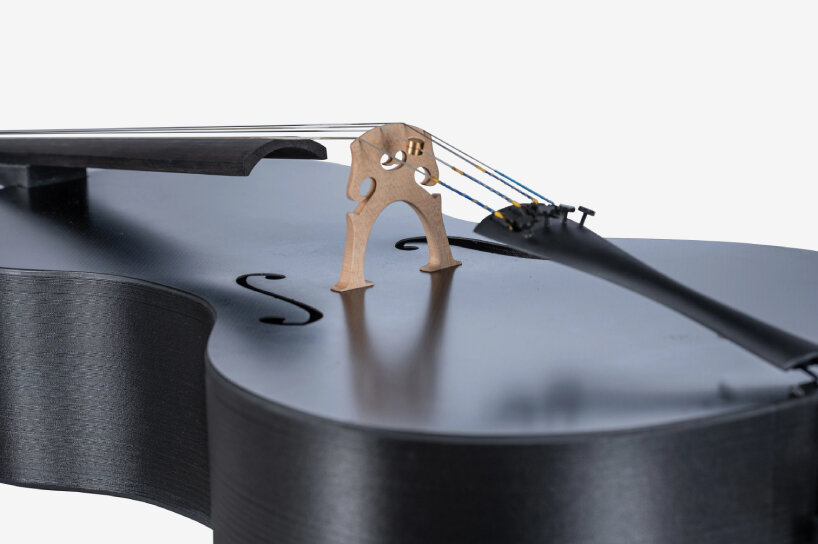
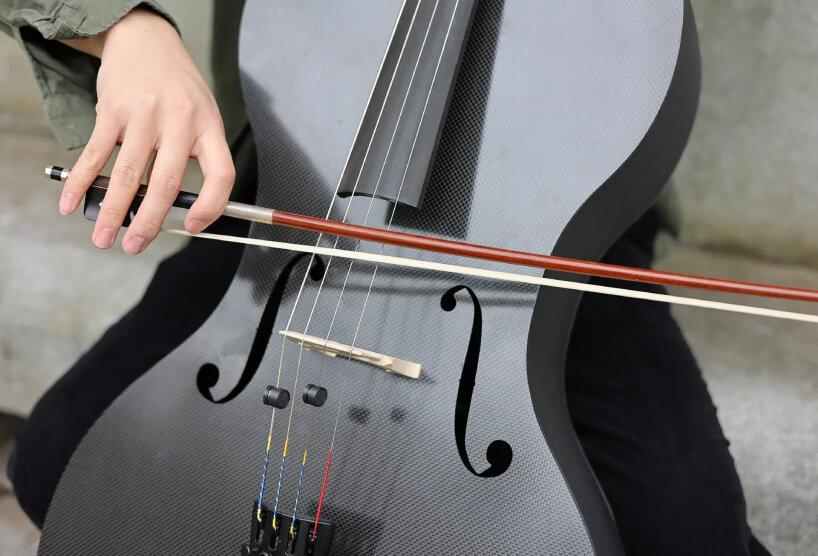
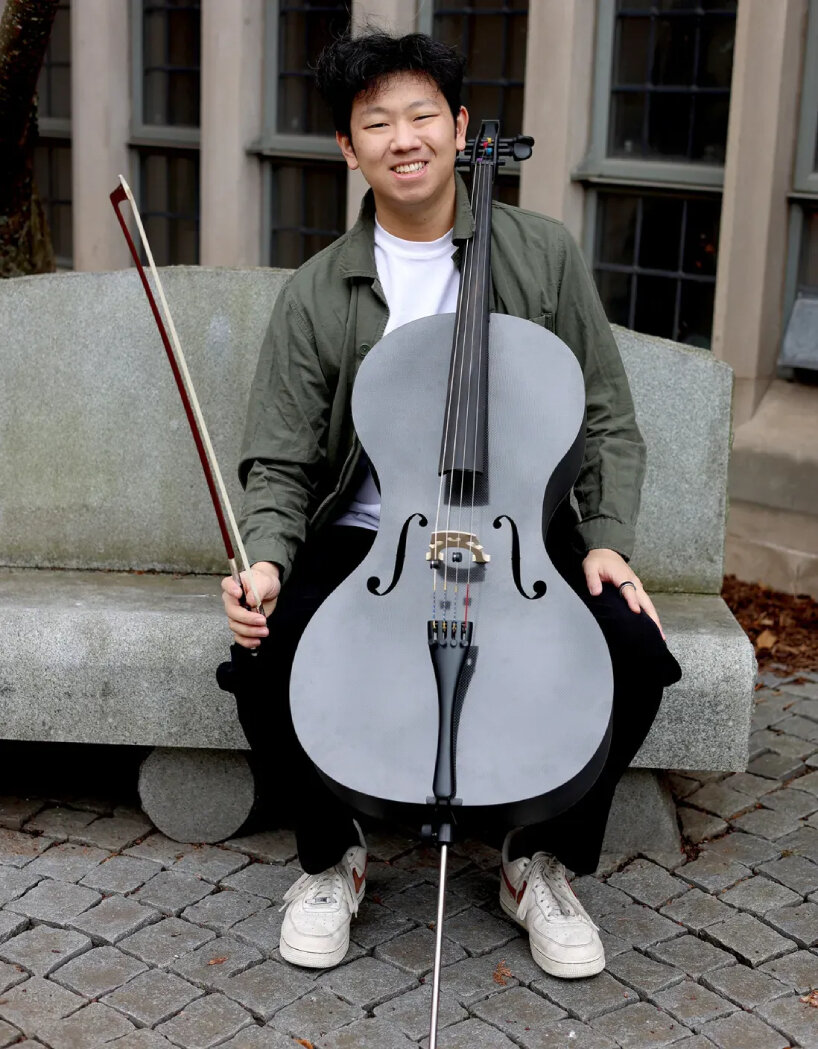
Forte3D introduces 3D printed cellos and violins that use carbon fiber as the main material instead of wood, providing resistance to cracks and deformities. Assembled by hand, the string instruments adopt the lightweight material, which doesn’t react to temperature and humidity and avoids any morphing when the environment changes over time. The idea stems from lead inventor and CEO Alfred Goodrich and Yale Engineering senior student Elijah Lee, co-founders of Forte3D, when Elijah was asked by Alfred, his high school orchestra director, if he could use his 3D-printing skills to help design a cello that was strong, low-cost, and easy for more people to use. The pair worked with computer-aided design tools so they could test different thicknesses of the instrument.
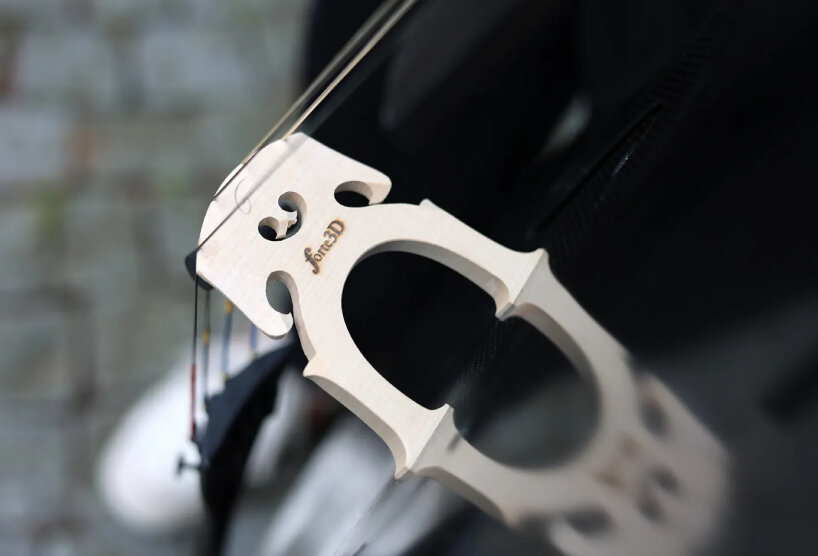
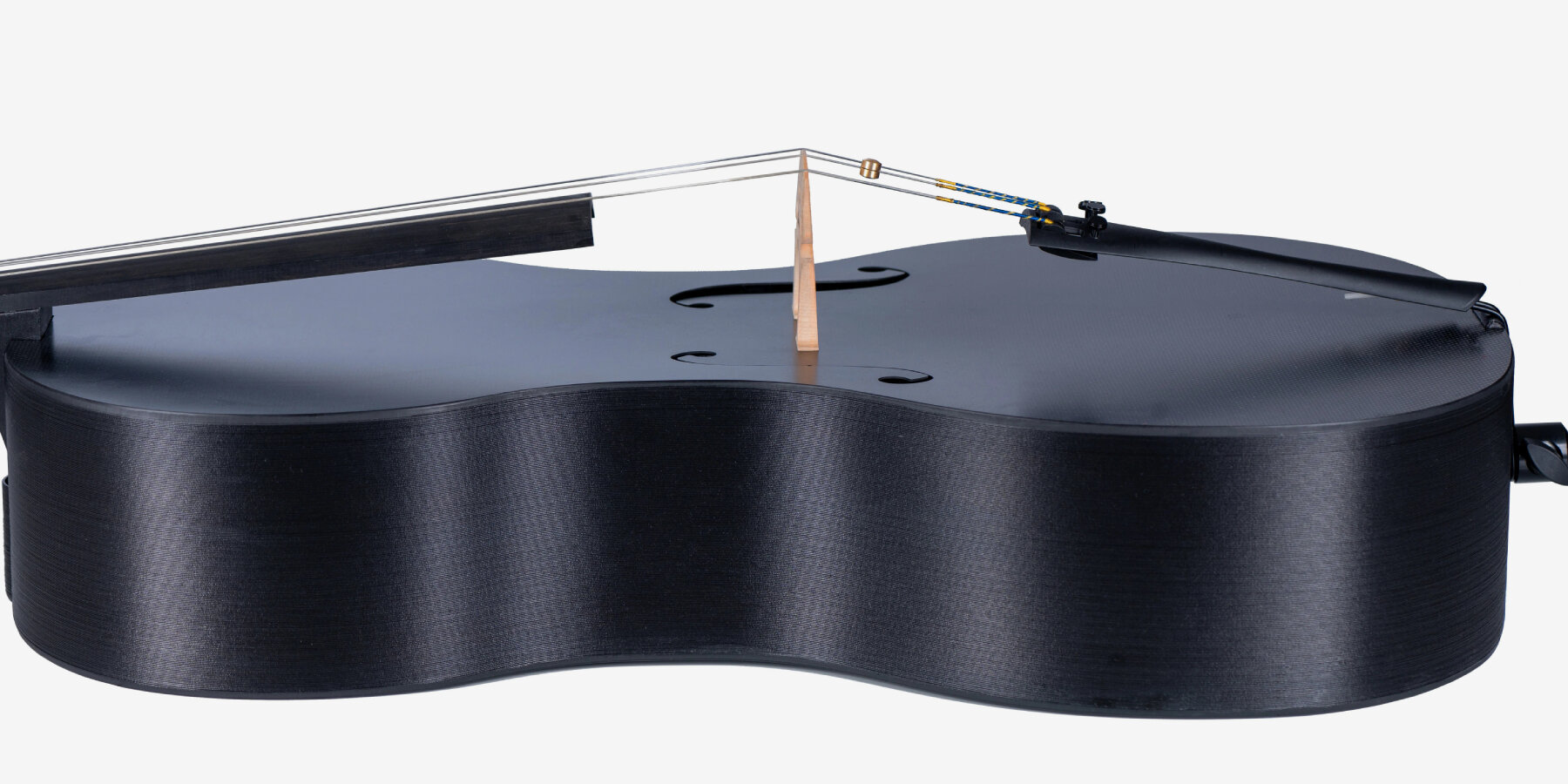
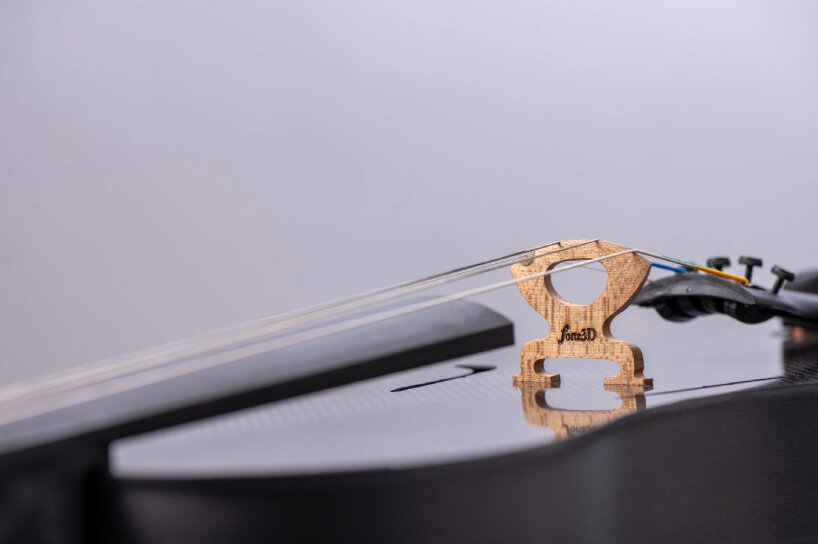
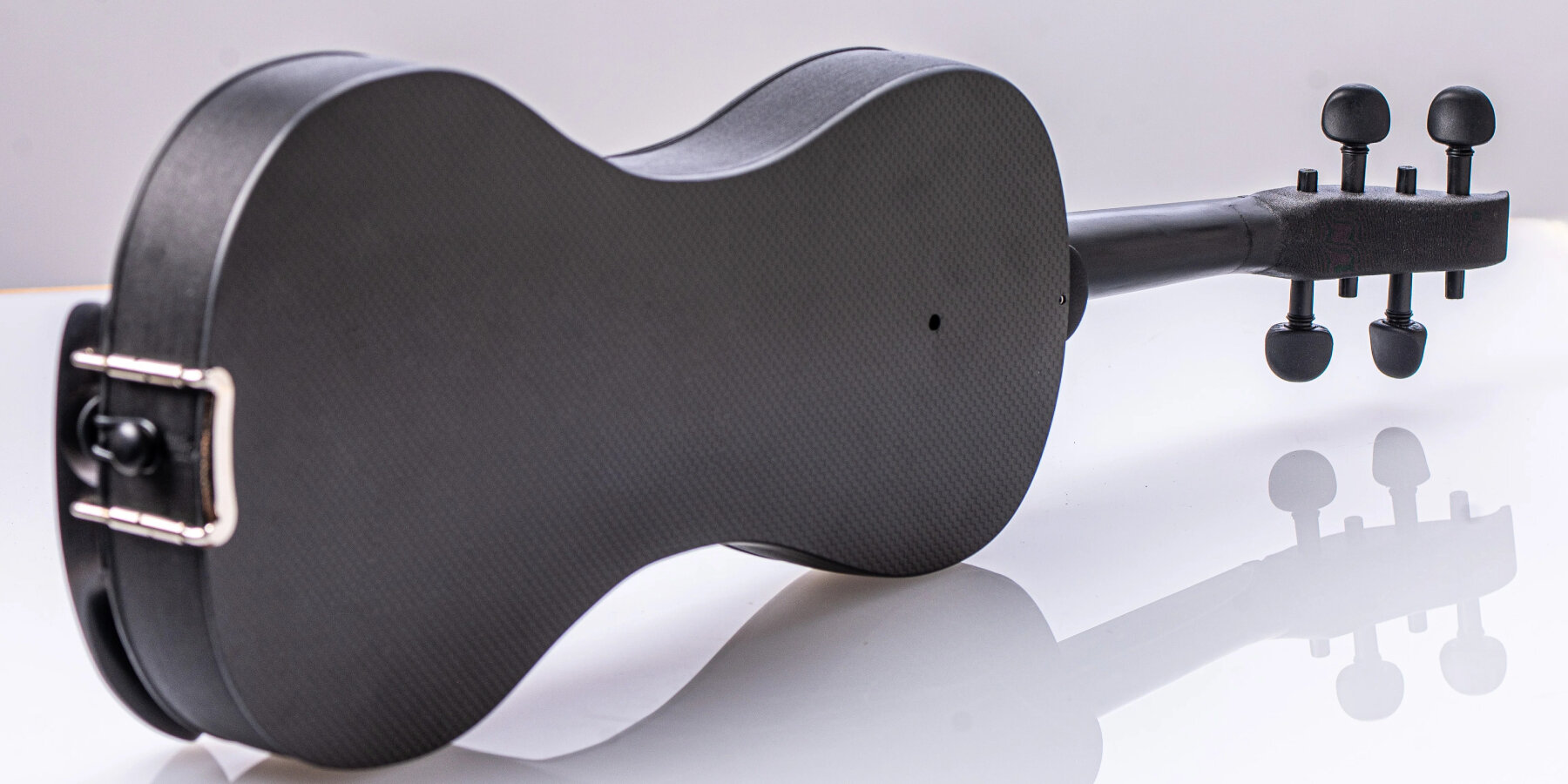
They could shape the sound in a more controlled way with this, and Elijah Lee explained it helped them ‘dial in’ the acoustics because they controlled every part of the structure. The final design of the cello doesn’t copy a traditional wooden one, as the top and back panels are made from flat sheets of carbon fiber. The ribs, neck, and scroll are made by 3D printing, using polymer material. Some old parts stay the same, including the sound post, fingerboard, and bridge. The resulting instruments allow musicians to bring their cello or violin to places without fear of damage, all the while keeping the quality of the sound the same as their wooden counterparts.
Adjustable string height system for each musician’s needs
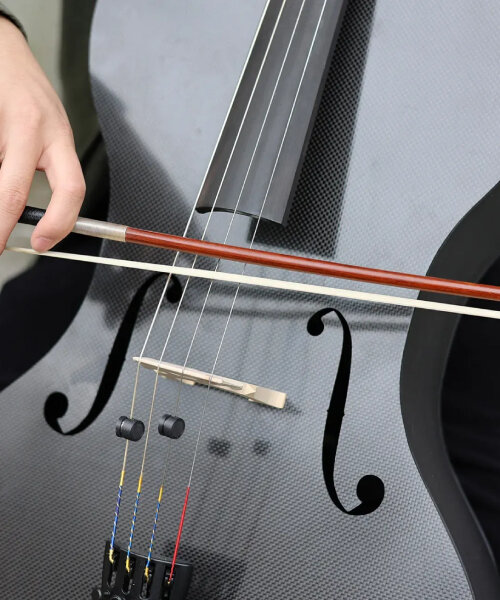
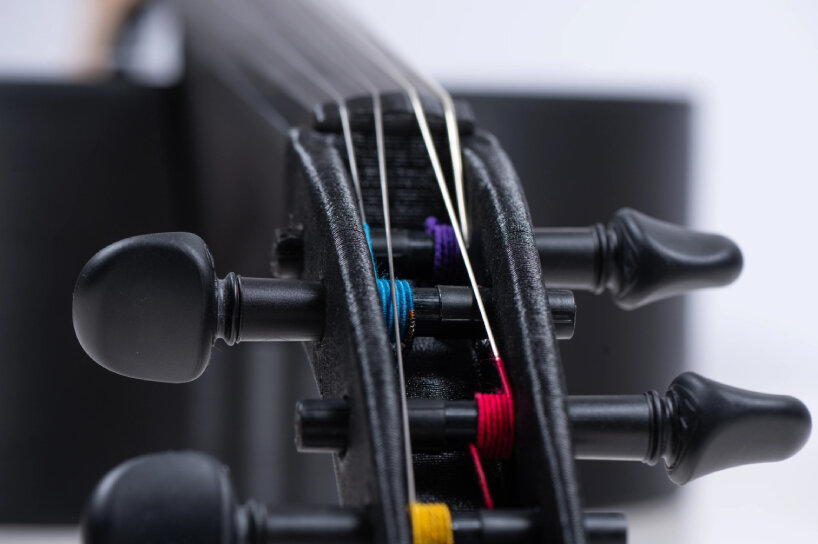
The company adds that playing comfort is essential since, if the strings are too high or too low, the musician feels pain in the hands and their personal technique becomes harder. The team added an adjustable string height system so each player can move the strings up or down on their 3D printed violin or cello. They only need a small tool, and luckily, this comes with the carbon fiber-made instrument. The cello comes with tuning pegs that move smoothly as well as devices for stopping wolf tones. The bridges sit in the correct place with the help of a printed guide, and all these design parts work together to support playing and sound production.
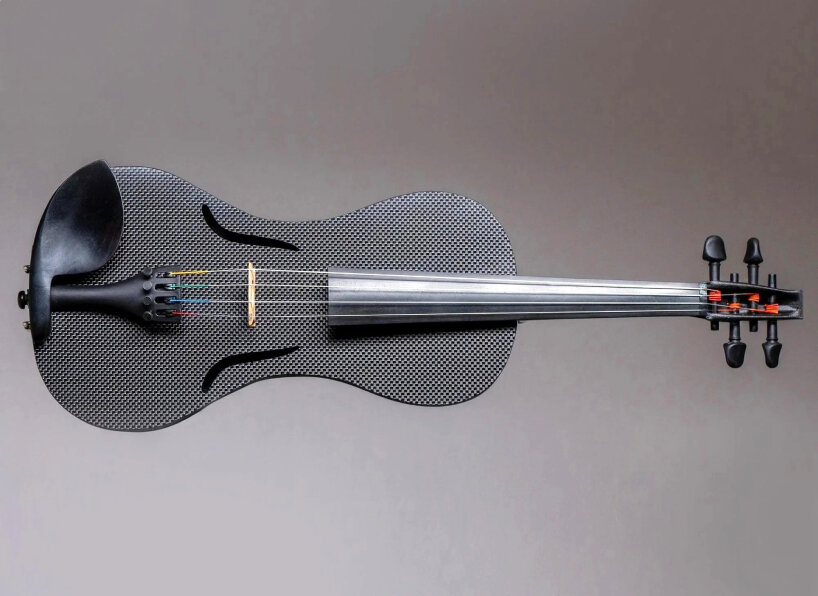
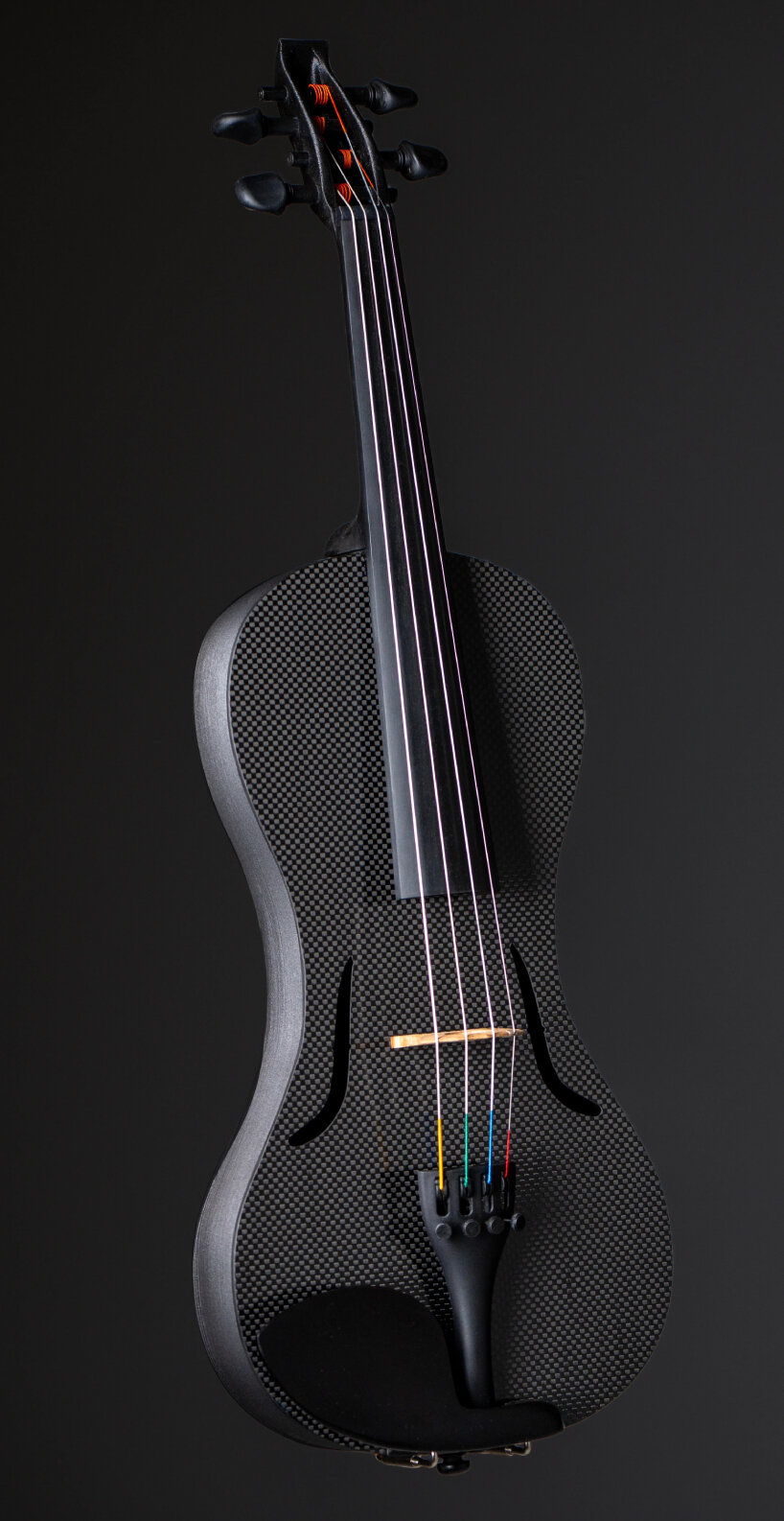
Forte3D’s violin also allows players to adjust its string height. Its body has a hole at the back to support sound flow, and the violin ships with strings and tuning pegs that make tuning easier. Like the cello, it can handle weather changes and bumps. Compared to wood, cleaning is simpler with the carbon fiber-made musical instruments because a cloth and common household cleaners are enough to polish them, unlike with wood, which may need special products for maintenance. For the team, their 3D printed violins and cellos aren’t about style. It’s about what people need, they say, which means less worry about damage, easier carrying, simpler care, and lower cost.
shop
your own online design shop — no sales commission collected