5.3 billion discarded smartphones this year are 120x higher than international space station
for ‘international e-waste day’, researchers remind everyone to properly recycle unused and discarded smartphones and small electronics.
prefer designboom on google[FEATURED]
Filling landfills with 5.3 billion discarded smartphones
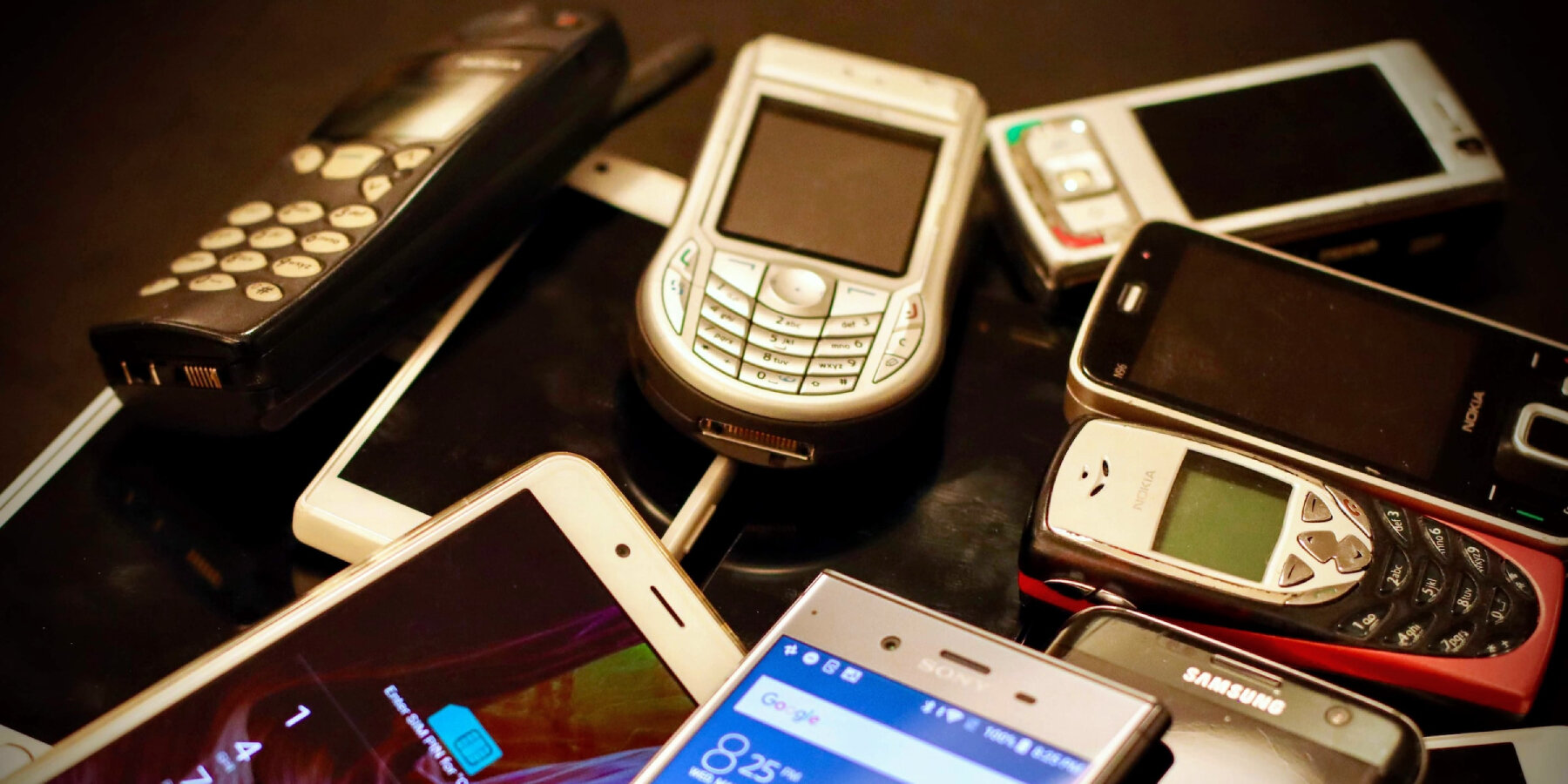
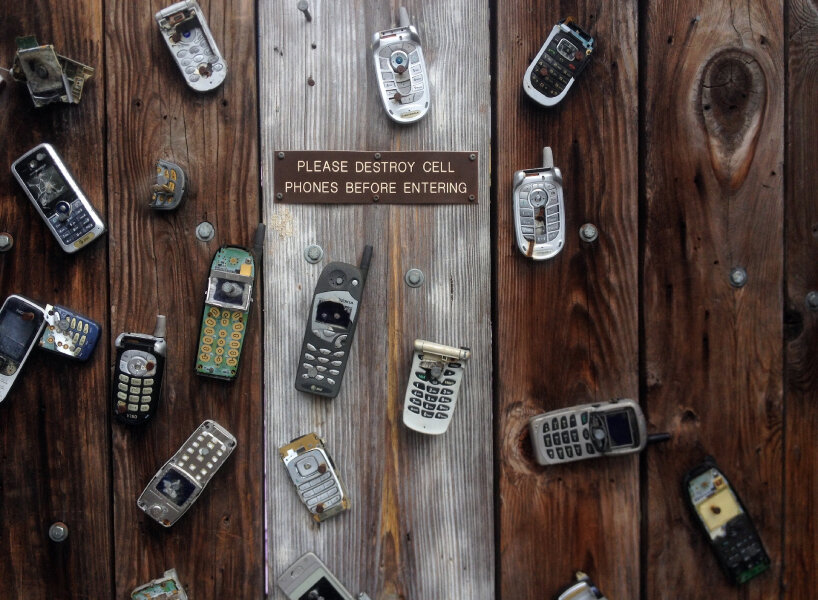
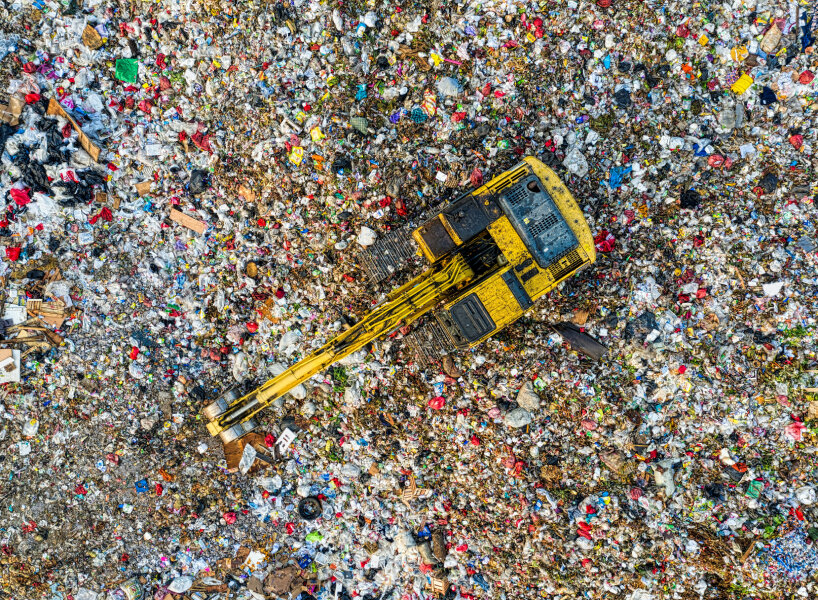
Experts from Waste Electrical and Electronic Equipment (WEEE) Forum find that if people do not properly recycle their smartphones, 5.3 billion of them will end up littering landfill this year, their collective height, once stacked flat atop each other, being 120 times higher than the International Space Station. Majority of these smart devices seem to be stashed in drawers, closets, cupboards, garages, or tossed into waste bins bound for landfills or incineration. According to the study, mobile phones rank fourth among the small electronic products often hoarded by consumers, and collecting many types of small, unused, dead, or broken plug-in and battery-operated products is the focus of this year’s 5th annual International E-Waste Day.
The survey that the WEEE Forum conducted between June to September, 2022 shows the result of 8,775 European households in six countries – Portugal, Netherlands, Italy, Romania, and Slovenia with the UK having a separate survey – having 74 e-products on average per household such as phones, tablets, laptops, electric tools, hair dryers, toasters, and other appliances (excluding lamps). Of that 74 average total e-products, 13 are being hoarded, 9 of them are unused but working and 4 are broken.
What’s the solution?
WEEE Forum reminds and informs people that they need to bring their discarded smartphones and electronic products to an official collection point or recycling station in order for the wasted products to be recycled carefully and properly. Chucking them into the bin or trash container on the streets is not enough since this does not pay attention to the proper handling of electronic products.
If people drop off their unused and discarded electronics at the proper recycling stations, the staff sort them by their product types, remove the hazardous substances from them, shred these discarded items, separate their materials, and produce metals, plastics, and other secondary raw materials. Many materials can be recovered from e-waste and given a new life such as printed circuit boards found in many small electronic devices. Handle with care is not a buzz phrase, but a call-to-action people need to start adhering to.
Providing collection and PO boxes for recycling
Pascal Leroy, Director General of the WEEE Forum, says that the researchers focused on small e-waste items in this year’s study since it is easy for people to accumulate unused and unnoticed electronics in their households, or to toss them into ordinary garbage bins. ‘People tend not to realize that all these seemingly insignificant items have a lot of value, and together at a global level represent massive volumes,’ he says.
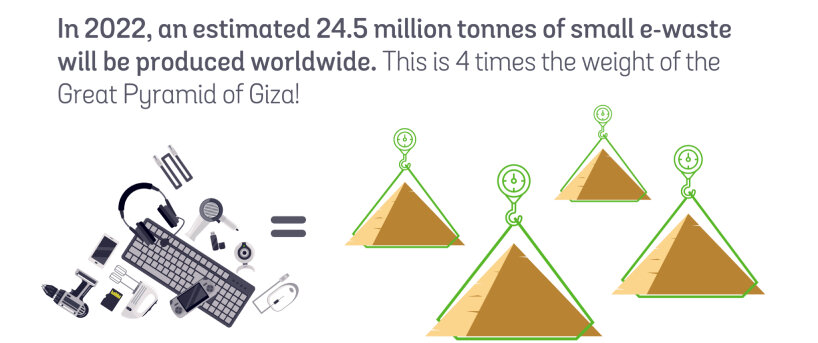
Leroy says that the teams are working on offering initiatives to encourage people to return the to-be-discarded and unused electronics such as providing collection boxes in supermarkets, pick-ups for small broken appliances upon delivery of new ones, and PO Boxes to return small e-waste. The study also finds that in 2022 alone, small electronic items such as cell phones, electric toothbrushes, toasters, and cameras produced worldwide will weigh around 24.5 million tonnes, which is four times the weight of the Great Pyramid of Giza.
project info:
name: Smartphones and small electronics waste
institution: WEEE Forum
event: International E-Waste Day