
by reworking matter, valerian blos opens up new possibilities for design and production
through hands-on material experiments, the designer develops alternative new ways of making, using design as a tool for discovery and change.
prefer designboom on googleValerian blos shows Speculative design in the light of materials
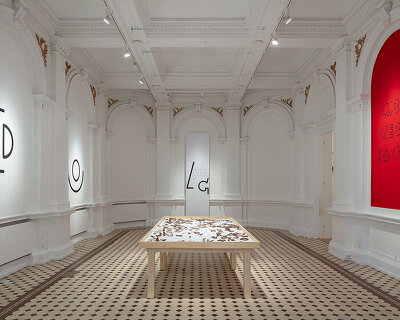
There is a dinner table at the center of Valerian Blos’s practice. Not a real one, though he has built a few, and this table appears in Substance of Power, a performance installation where guests sit beneath red light, surrounded by neuron-shaped ceramic dishes and architectural miniatures slowly crumbling under piles of vermillion sand and cracking salt. Each evening, the guests are invited to taste something: a substance, an idea, a truth they would rather not confront. The substances change each night. One evening it was mercury, then, plastic. Another, the quiet accumulation of technological consumption entering the body with the food chain and the air.
It’s not a comfortable meal, and that’s the point. Valerian Blos uses the table as a metaphor for ‘friction’, together with his frequent collaborator Gosia Lehmann, the designer and artist who also co-created the projects Material Kitchen, Living Objects, and Grünes Labor Weimar. The Berlin-based designer, artist, and educator’s practice moves between installation, speculative design, material research, and teaching. He describes his position as sitting at the boundary between art, science, and design, using the latter not to produce answers but friction. Across every project, the same underlying structure appears: take something the world has normalized, make it strange enough to look at clearly, and then leave the looking to the person standing in front of it. The normalized things that the designer keeps returning to are technology, catastrophe, and matter itself. They overlap, and the overlap is where the most uncomfortable questions live.

Porcelain objects made of real catastrophes
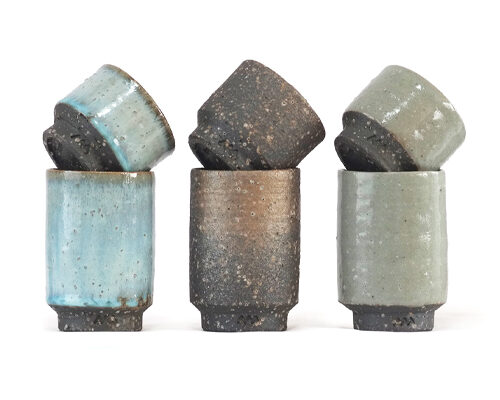
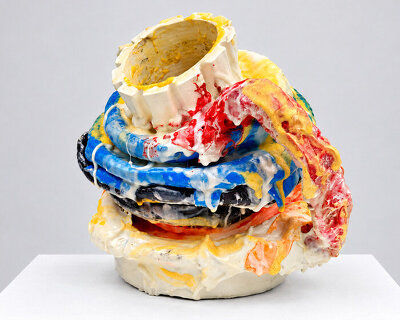
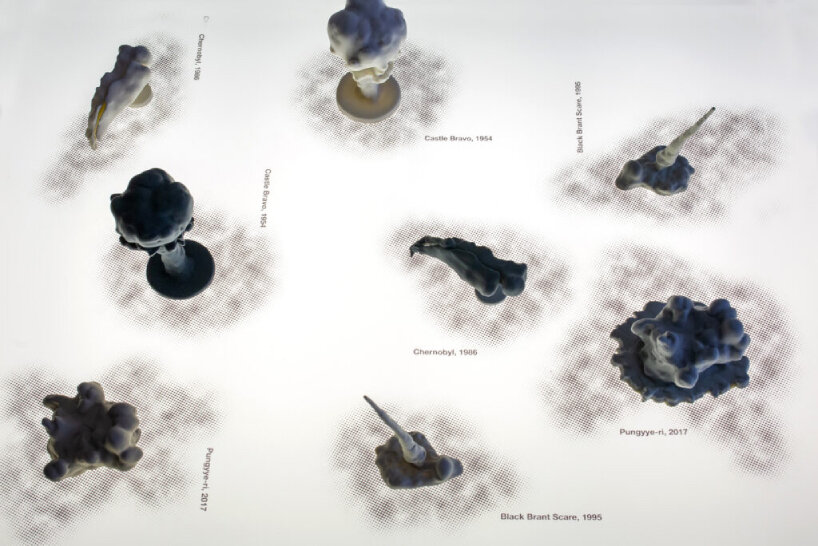
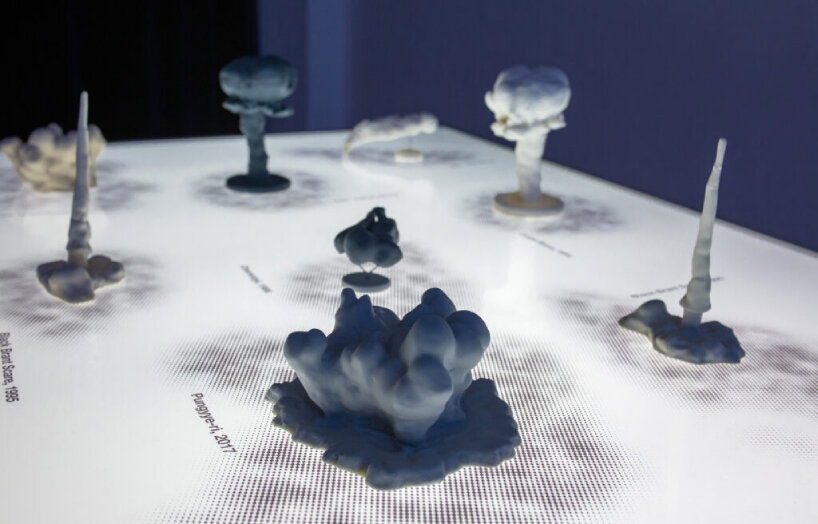
What could go wrong?, for example, takes historical disasters that began as safety drills and ended as real catastrophes – such as Chernobyl, nuclear test detonations, industrial accidents – and freezes the moment of explosion in 3D simulation, then casts it in porcelain and fires it in a kiln. The catastrophe here becomes an object users can hold, and the process itself, which is simulating destruction, then making it permanent through heat, is a kind of ritual for sitting with the question of where human hubris ends and consequence begins. The designer’s work Catastrophes and Simulations takes that same territory to the playground, observing that a swing, a climbing frame, and a rope course are not structurally different from fire escape equipment and disaster training rigs.
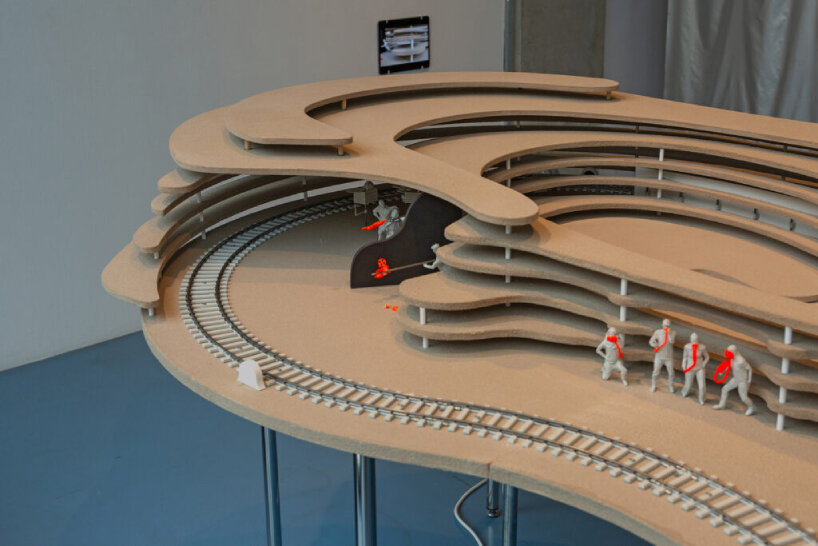
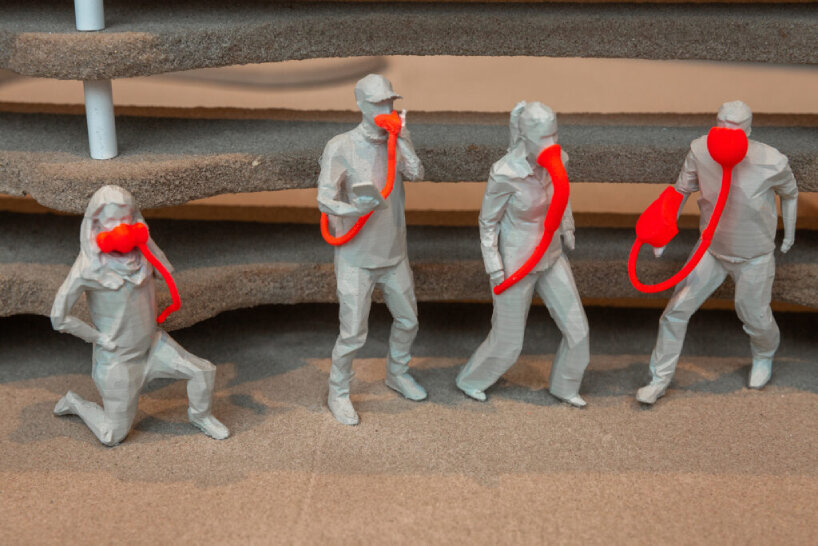
Children practice survival before they know they’re doing it, and Valerian Blos made new toys for upcoming disasters and called the result a research project. What connects these works is honesty of a future worth living but requires acknowledging that the present one is failing. The designer builds that account using objects and experiences rather than arguments. As seen in Into the Second Dust Bowl, it places visitors inside a western theme park set in the climate overshoot period, beyond 1.5°C of global warming, where sandstorms are a daily geoengineering and a feature of ordinary life. Then, visitors make a two-minute souvenir video on their own smartphones and take it home, carrying the future out of the installation on the same device they use to scroll past news of the present one.

Making bioplastics and conductive play for audiences
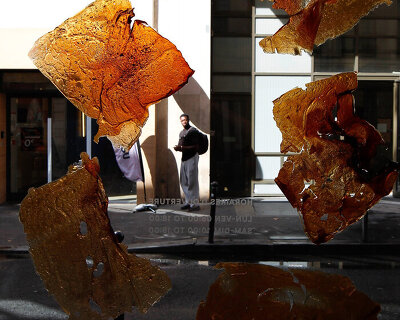
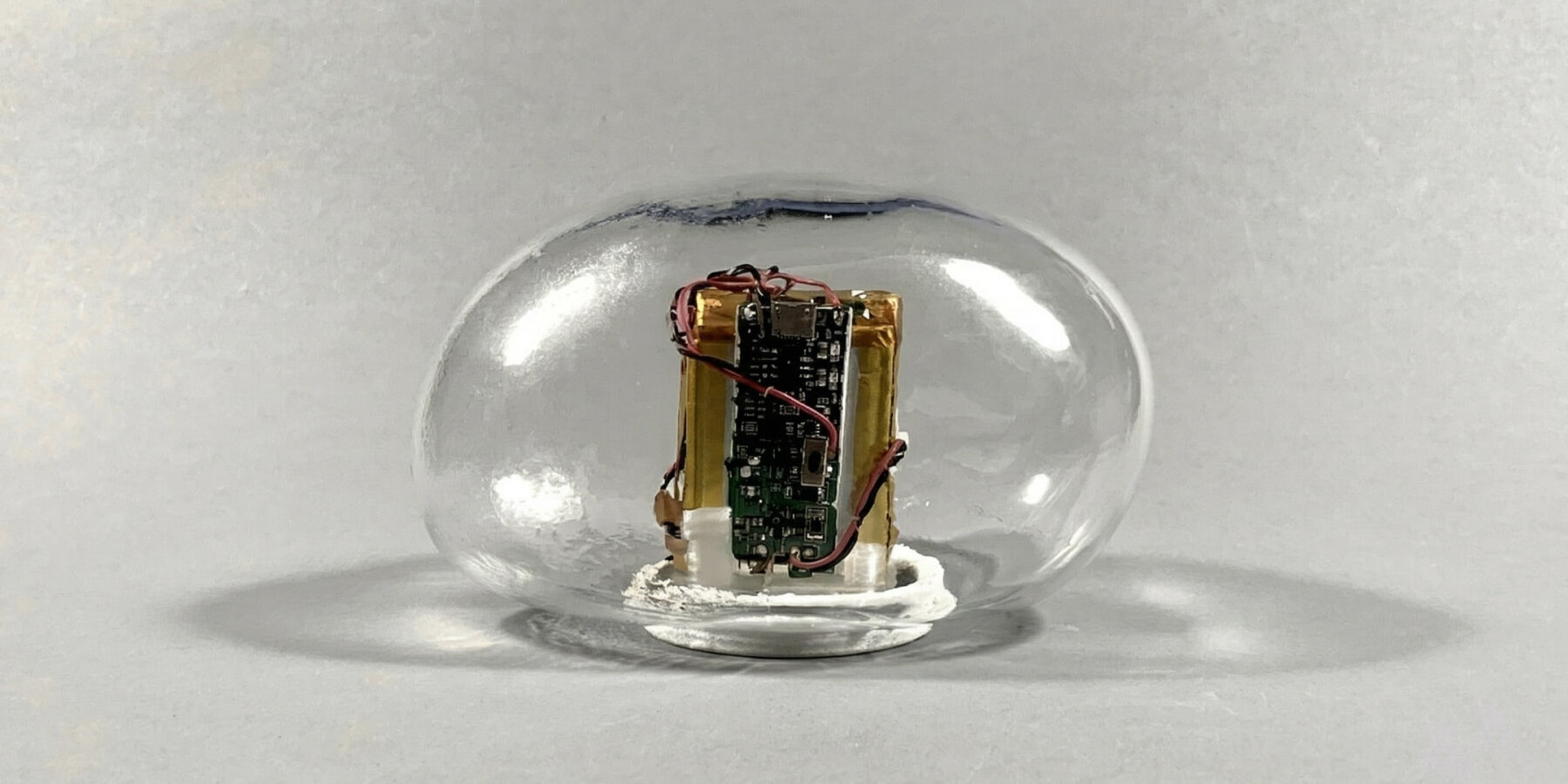
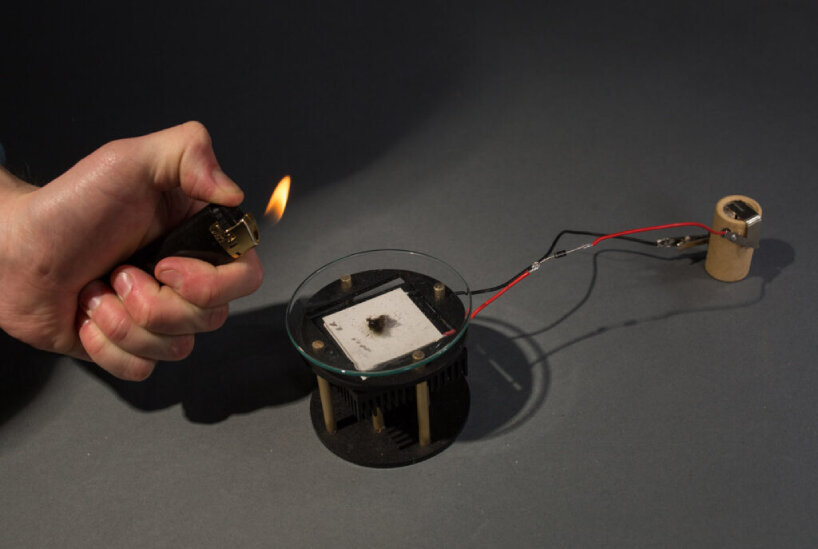
The material dimension of Valerian Blos’ work is where the utopian thinking becomes most physical. The Aura Harvester, for example, began with collecting dust from artworks at the Gemäldegalerie in Berlin, the fine particles on painting surfaces and must be removed to prevent damage, but which carry within them fragments of the painting’s original surface. The designer collected what is normally discarded and asked what it contains. Can’t touch this, a student work by Jannick Dietz which the designer mentored during lockdown at the University of Arts Berlin, asked students to experiment with materials that cannot be held: breath, soap film, light, temperature.
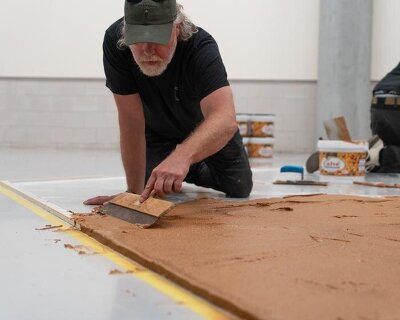
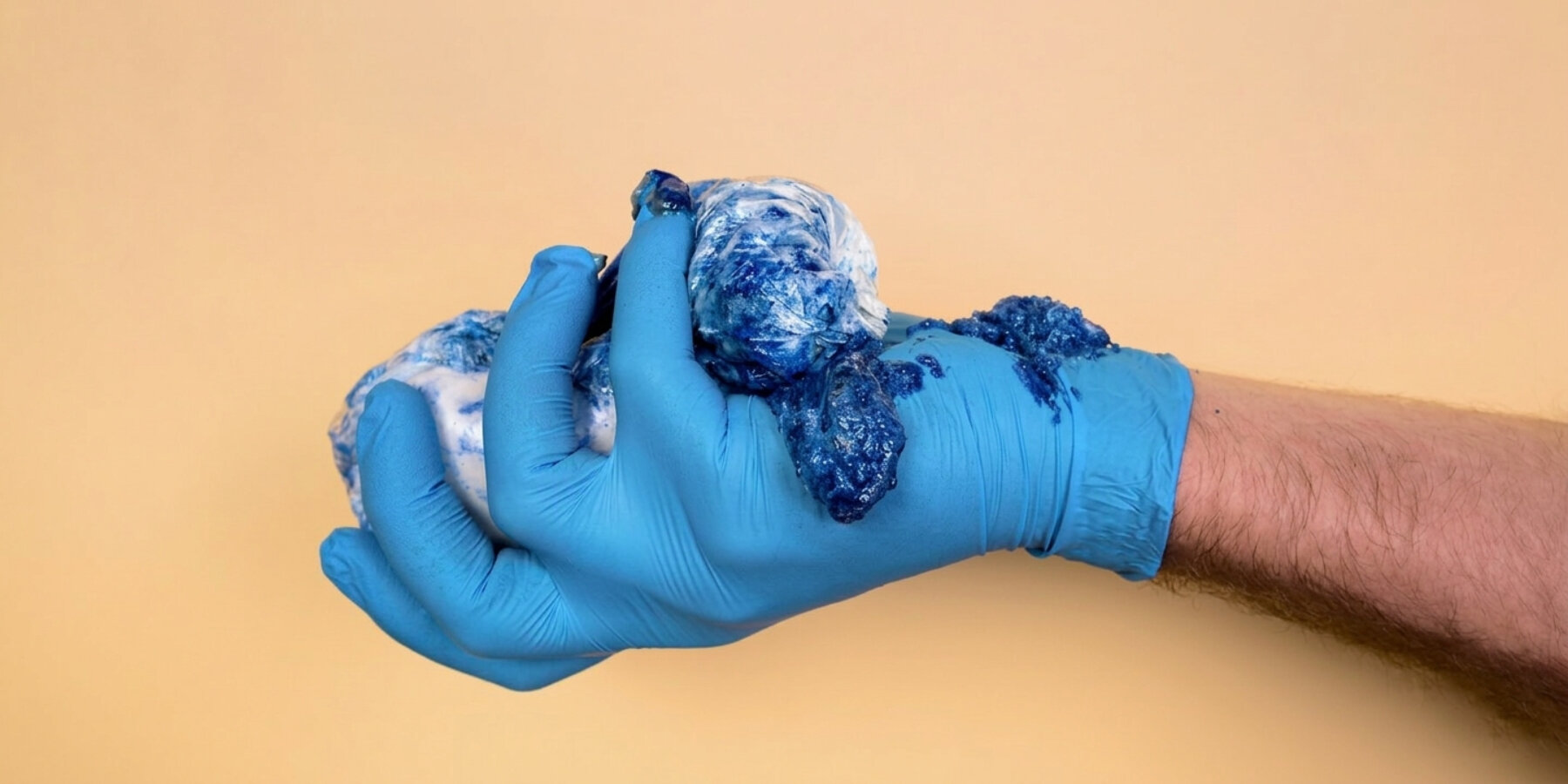
Then there’s Material Kitchen, which taught children to make bioplastics and conductive clay from kitchen ingredients, transforming the domestic space into a laboratory where new materialities begin. Grünes Labor Weimar collected the hidden, invisible, and unnoticed from a UNESCO heritage park and built an immersive exhibition from those findings, explorable through all the senses. Taken together, these projects describe a person who believes that the path to a better future runs through a more honest relationship with matter, with what things are made of, what they contain, what they leave behind, and what happens when they are no longer wanted.

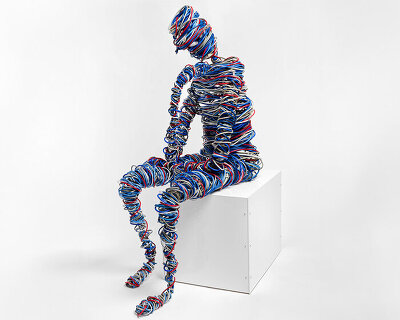
In Living Objects, workshops in Tokyo and Berlin used synthetic organisms as starting points for debating the boundaries between the living and the manufactured. In Substance of Power, the substance entering the body is the subject: mercury, plastic, the unnamed compounds that accumulate in tissue over a lifetime of consumption. The body is always in the picture, and it is the place where the abstract becomes concrete, where power becomes chemistry, where a bad decision made in a boardroom or a laboratory eventually arrives as something swallowed.
Valerian Blos teaches these questions alongside making them. He develops new methods of interdisciplinary, practice-based research with students, asking what happens when material disappears, becomes imaginary, or stops being tangible entirely. The classroom and the installation share the same method: make the invisible visible, make the normalized strange, give people a way to feel what they might otherwise only read about, and trust that the feeling will do work that a fact cannot. That trust is itself a utopian position because it means believing that people, given the right conditions, will look clearly at difficulties, and that looking is where an alternative future begins.


project info:
designers: Valerian Blos, Gosia Lehmann | @valerianblos, @g_o_s_i_a_l_e_h_m_a_n_n
shop
your own online design shop — no sales commission collected