europe’s largest carbon capture facility sends CO₂ from the netherlands to norway
captured in the netherlands, shipped across borders and buried 2,600 meters below the seabed, carbon becomes a new kind of industrial cargo
EUROPE’S LARGEST CARBON CAPTURE FACILITY OPENS AT YARA SLUISKIL
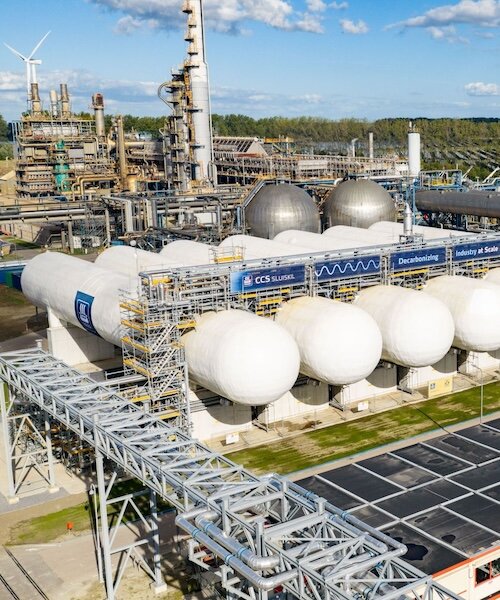
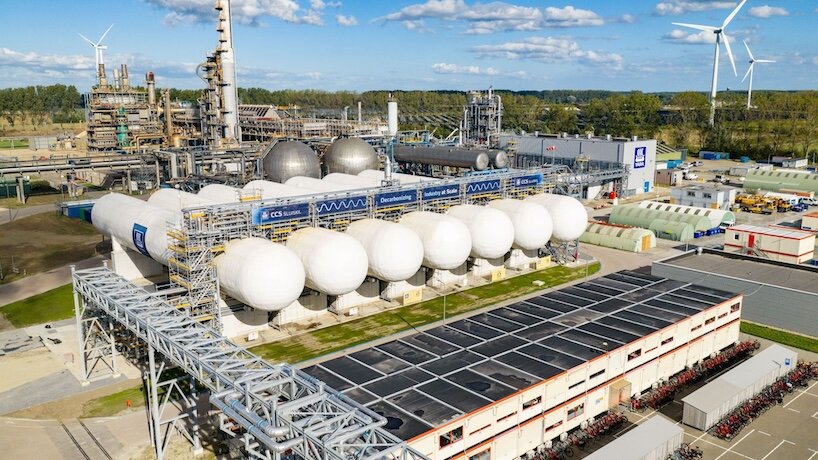
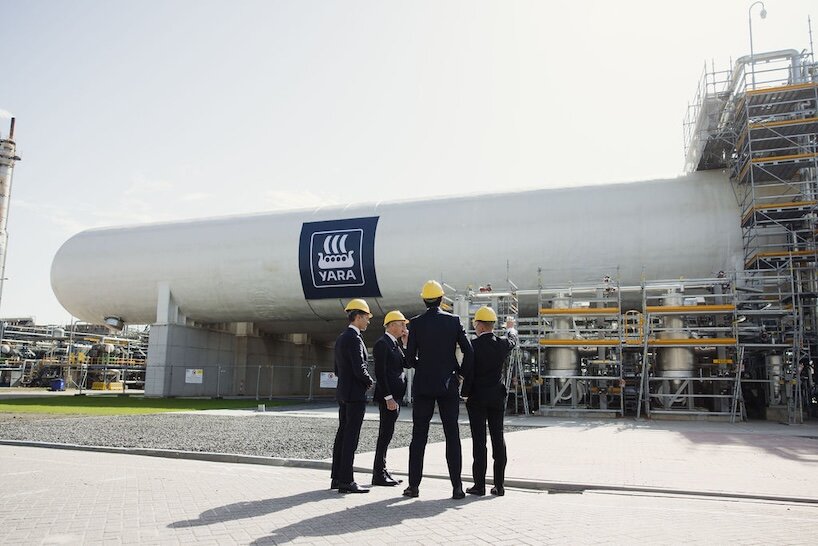
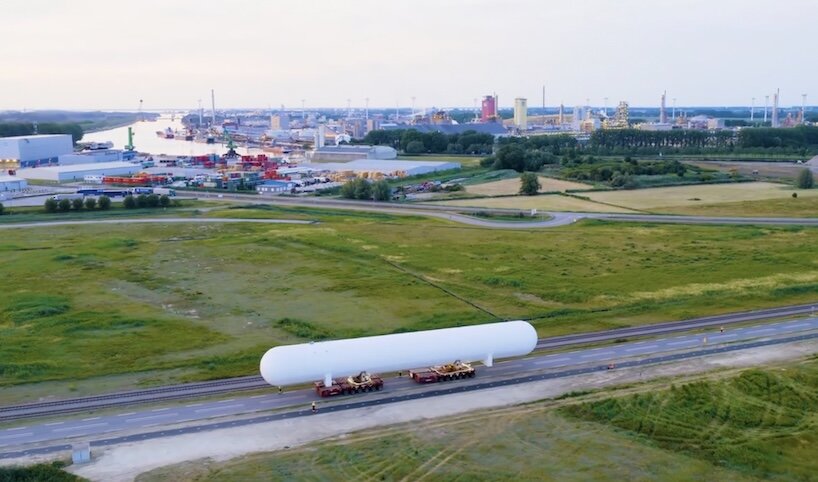
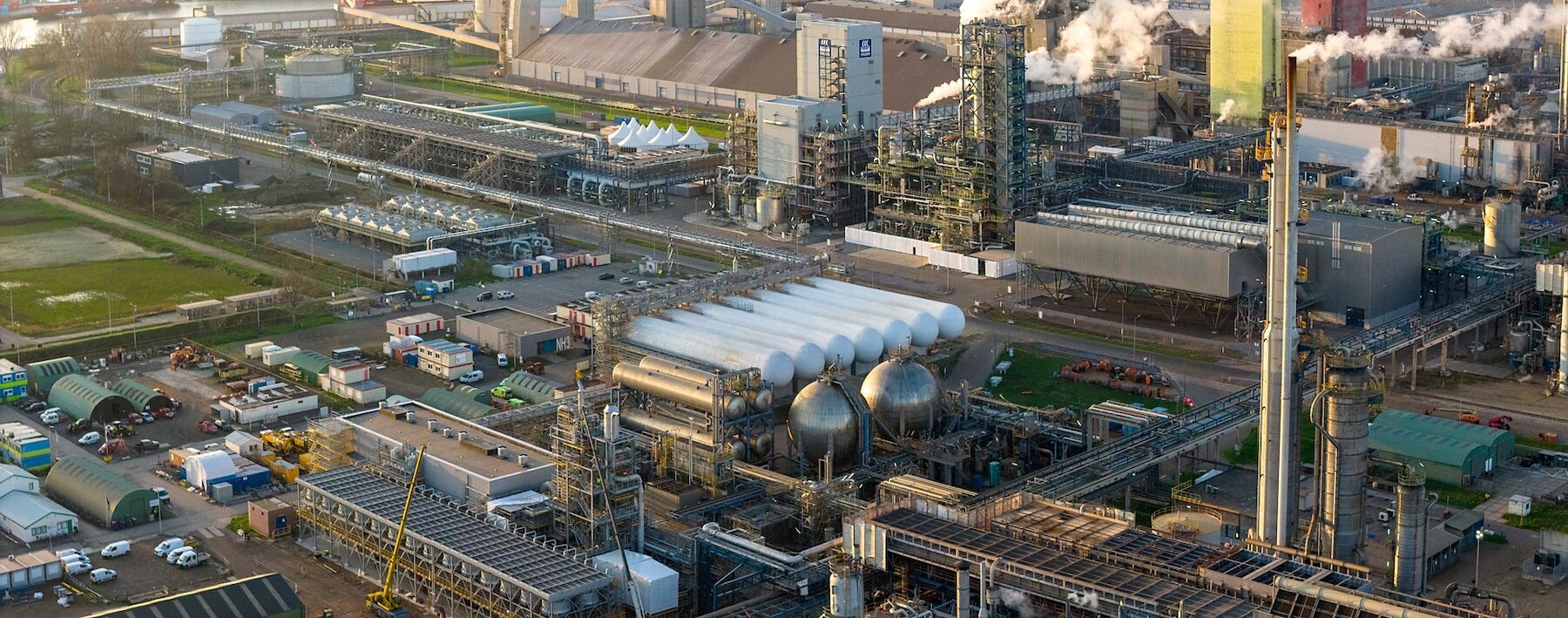
Europe’s largest industrial carbon capture facility has officially opened at Yara’s ammonia and fertilizer plant in Sluiskil, the Netherlands. Designed to capture and liquefy up to 800,000 tons of CO₂ every year, the facility marks the beginning of a complete cross-border carbon capture and storage chain connecting Dutch industry with permanent geological storage beneath the Norwegian North Sea. Instead of releasing the gas into the atmosphere, Yara is effectively turning one of its largest by-products into cargo — although this particular shipment comes with no return journey.
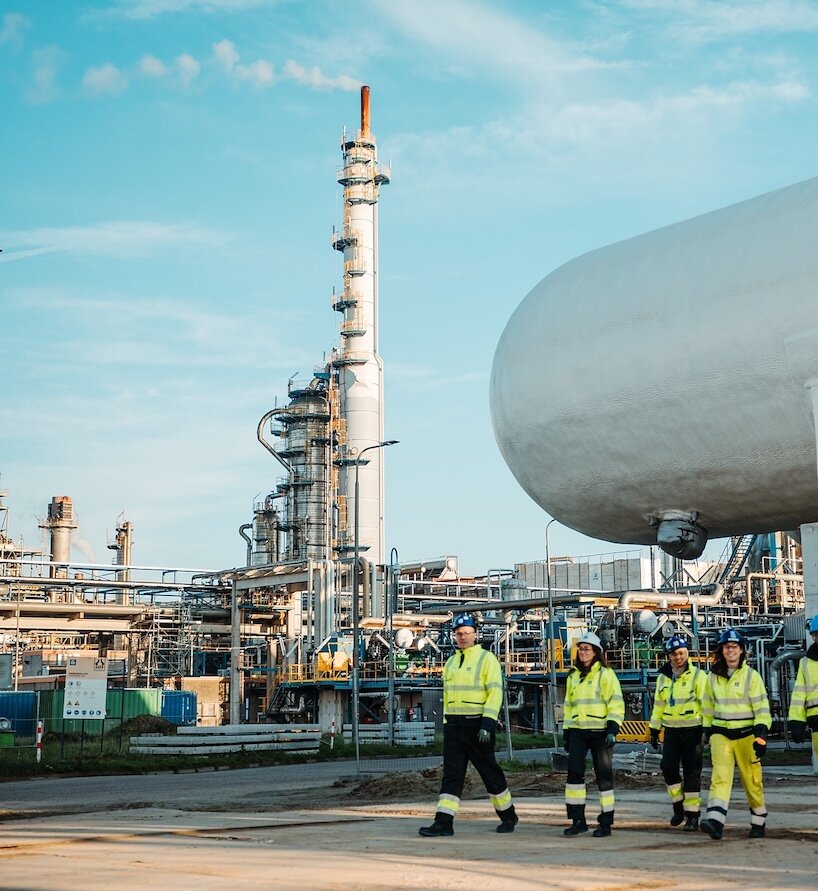
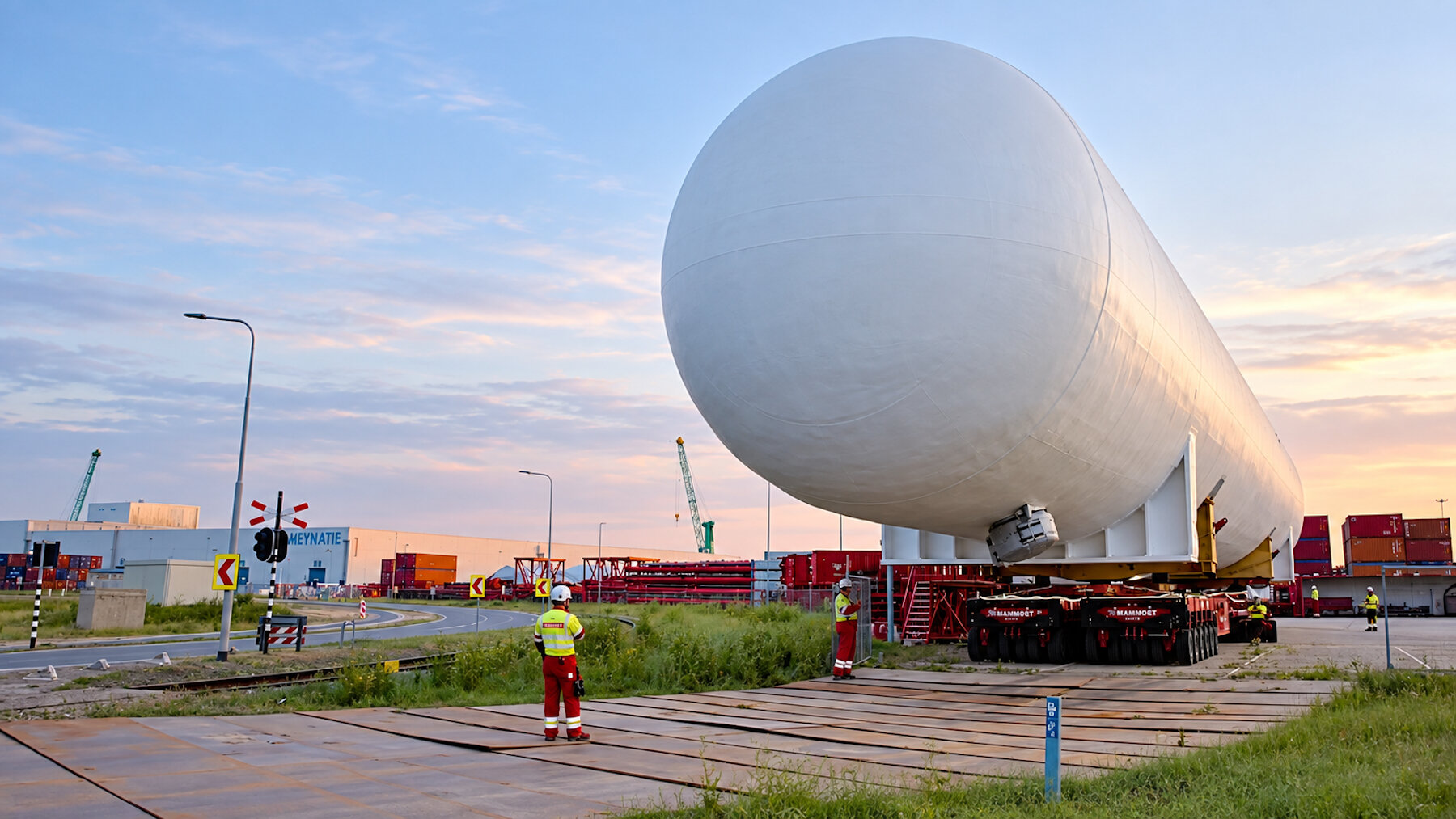
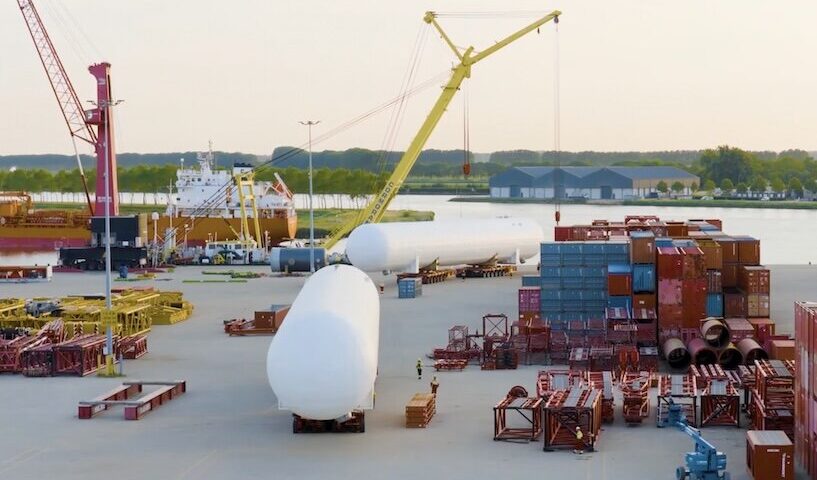
The system targets emissions generated during ammonia production at Yara Sluiskil, Europe’s largest ammonia and fertilizer plant. Once captured, the CO₂ is liquefied and temporarily stored on site before being loaded onto vessels operated by Northern Lights. The ships then carry it north to Norway, where the carbon enters a storage network developed to serve industrial emitters across Europe. For sectors such as fertilizer, cement and waste management, where eliminating process emissions remains particularly difficult, the project offers another route towards reducing their footprint without dismantling the industries themselves.
CO₂ BECOMES CROSS-BORDER CARGO
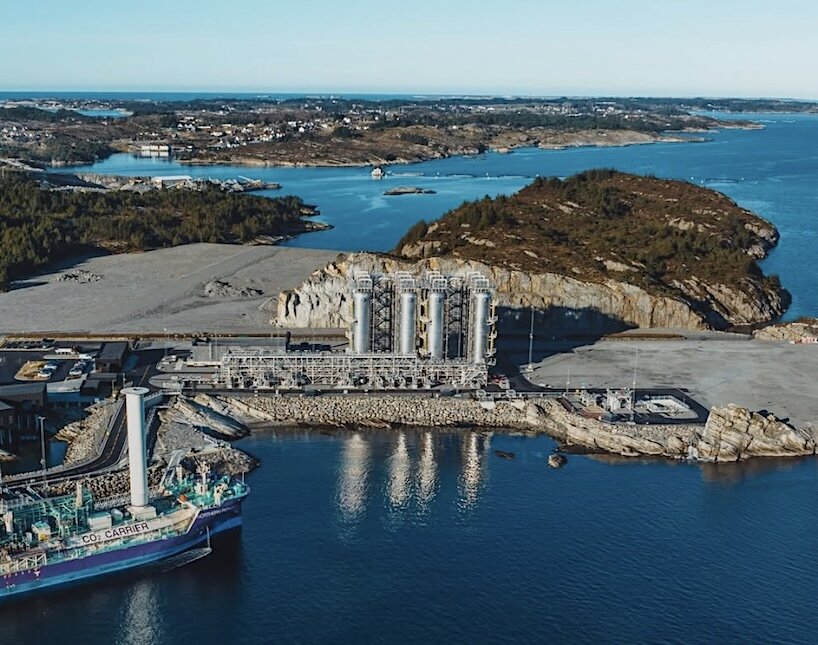
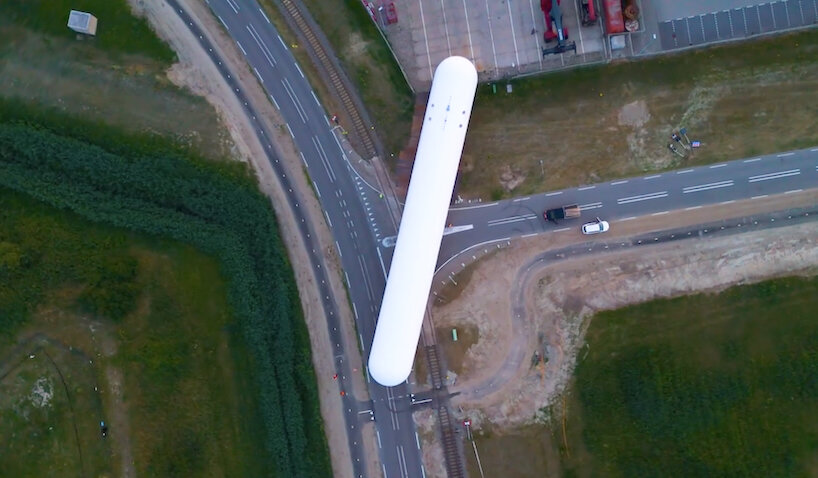
After arriving at Northern Lights’ facilities in Øygarden, the liquefied CO₂ is transferred into the company’s storage infrastructure before being permanently injected around 2,600 meters beneath the seabed. In this sense, the project is as much a logistical system as a piece of climate technology: capture equipment, storage tanks, ships, terminals and underground reservoirs are stitched together across national borders to move emissions away from the atmosphere and into geological formations.
That geography is key. Rather than requiring each industrial plant to sit directly above an appropriate storage site, shipping allows capture facilities across Europe to connect with shared offshore infrastructure. The Yara project establishes the first complete cross-border chain of its kind at this scale, turning the North Sea into the final destination of emissions produced hundreds of kilometers away. Carbon, once an invisible exhaust, now acquires an itinerary, infrastructure and — rather unusually for waste — a carefully planned permanent address.
TWELVE MILLION TONS, FIFTEEN YEARS
Over the next 15 years, Yara and Northern Lights expect the system to capture and permanently store approximately 12 million tons of CO₂. The facility also allows Yara to lower the carbon footprint of products manufactured at Sluiskil, including fertilizers and ammonia used across agriculture, industry, energy and shipping. The company positions CCS as part of a broader effort to maintain European industrial production while reducing emissions from processes that cannot yet be fully electrified or replaced by renewable alternatives.
The Sluiskil facility was officially inaugurated on September 7, 2026, bringing together representatives from the Dutch and Norwegian governments, the European Commission, Yara and Northern Lights. Beyond the ceremony, its significance lies in making carbon capture visible as actual industrial infrastructure rather than an abstract climate target: pipes, tanks and ships now connect one of Europe’s largest fertilizer plants to a reservoir deep below the sea. Whether CCS ultimately serves as a bridge or a longer-term fixture of heavy industry, Sluiskil shows just how much architecture, engineering and logistics can be required to make 800,000 tons of carbon disappear from view each year.
project info:
name: Yara Sluiskil carbon capture and storage facility
company: Yara International | @
location: Sluiskil, the Netherlands / Øygarden, Norway
shop
your own online design shop — no sales commission collected