flash forest scatters millions of seeds across canada’s wildfire-damaged landscapes
biodegradable capsules packed with native seeds and beneficial fungi help restore wildfire-damaged landscapes across northern quebec.
prefer designboom on google[FEATURED]
flash forest plants for life after wildfires
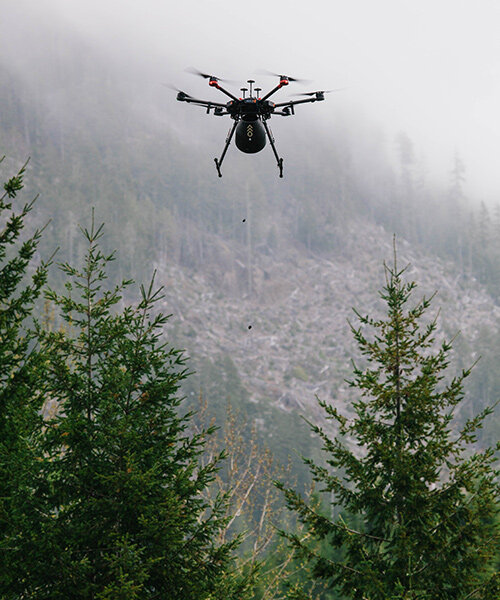
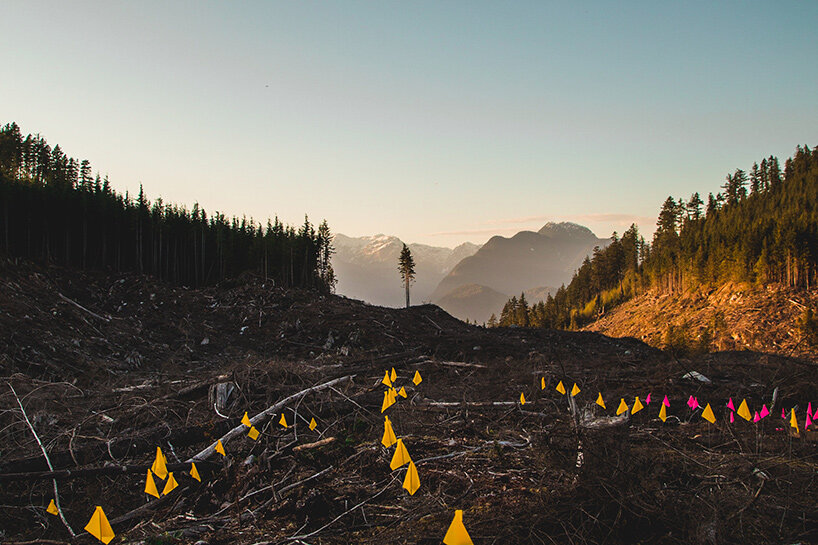
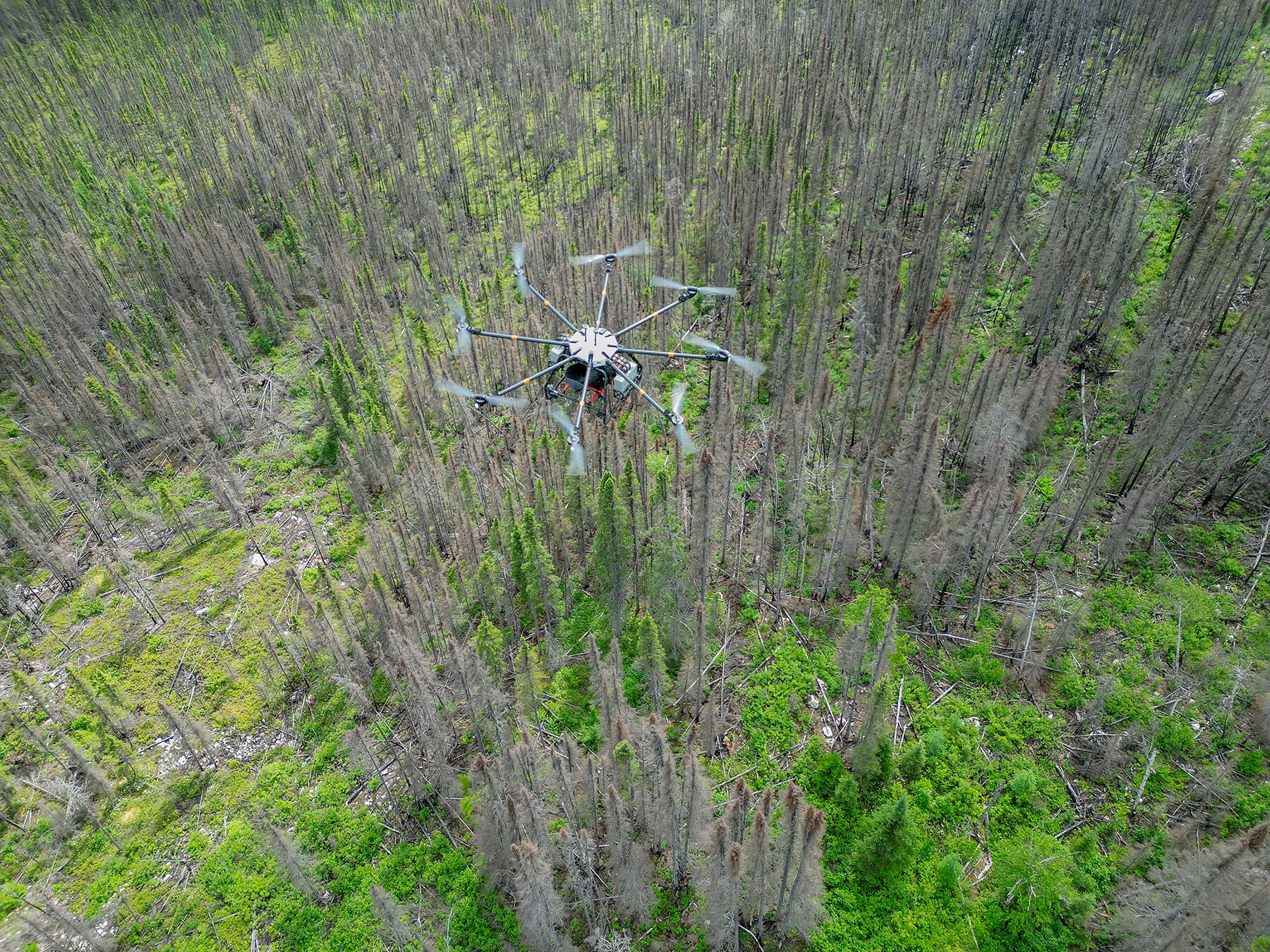
Across the blackened forests of northern Quebec, drones fly above the remains of burned trees, launching small, seed-filled capsules into the earth. Each carries the beginnings of a new tree, packed with ingredients intended to help it grow in damaged soil. The system is developed by Canadian company Flash Forest, which is using aerial technology to replant landscapes devastated by wildfire, including remote areas that are difficult to reach on foot.
The work follows Quebec’s devastating 2023 wildfire season, when around 4.5 million hectares of forest burned across the province. Flash Forest has since expanded its planting operations across Canada. According to its latest impact report, the company planted 686,147 trees across five sites in 2025, covering 429 hectares of burned forest. The technology allows large areas to be seeded quickly while keeping heavy planting equipment off the forest floor.
tiny engineered pods give seeds a place to grow
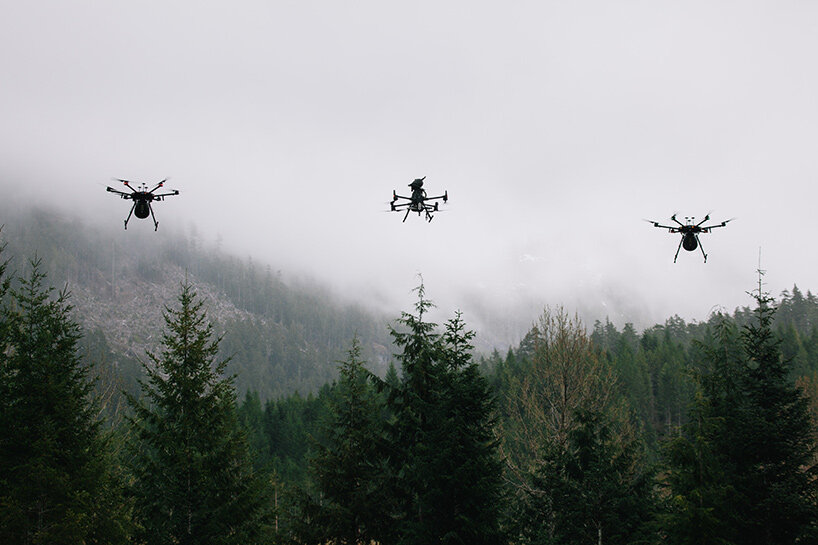
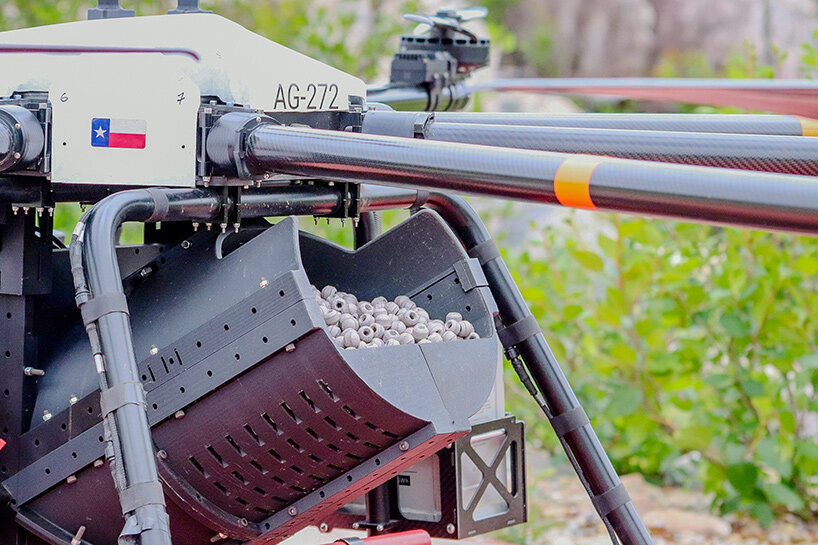
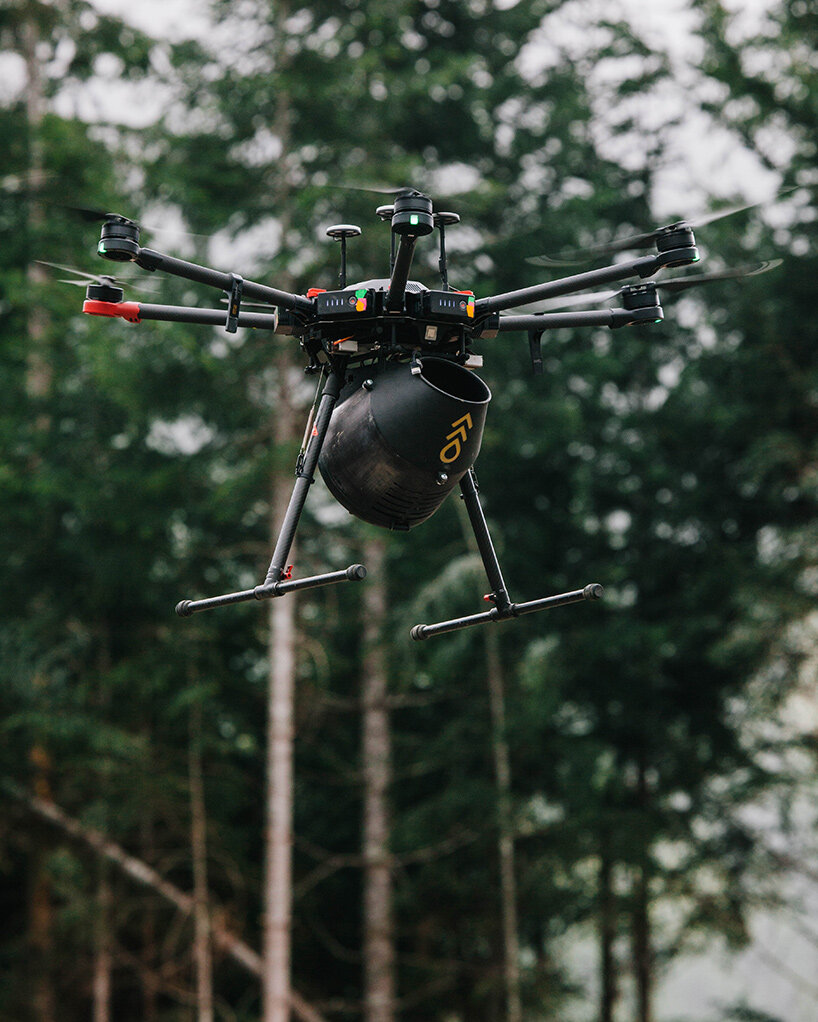
At the center of Flash Forest’s operation is a biodegradable seed pod designed to support a young tree through its earliest stages of growth. Each capsule contains nutrients, moisture-retaining additives and mycorrhizal fungi, which can help developing roots absorb nutrients from the soil. Customized drones propel the pods directly into the ground, where the seeds can germinate without first spending years growing in a nursery.
The capsules are manufactured to consistent dimensions so they can pass through the drones’ automated feeding mechanisms. Their composition is developed around the needs of the seeds, with materials intended to retain moisture and support early growth. By sowing seeds directly into the landscape, the company also avoids the transplant shock that can affect nursery-grown saplings. Yet even with this engineered starting point, germination remains dependent on the conditions of each planting site.
collecting millions of seeds in northern quebec
Behind the automated planting process is a remarkable effort to gather seeds from the forests themselves. Flash Forest has been working with the Oujé-Bougoumou Cree First Nation to restore areas damaged by the 2023 wildfires, which destroyed wildlife habitats and affected traditional hunting grounds. When northern Quebec faced a shortage of native seeds, the team worked with local partners to collect jack pine cones directly from trees, traveling by snowmobile and climbing through forests in temperatures as low as -30°C.
The winter operation yielded approximately 8.5 million jack pine seeds, which were incorporated into planting pods within five months of collection. For Benny Blacksmith of the Oujé-Bougoumou Cree First Nation, the aerial process offers a way to restore habitats while avoiding further disturbance to the land. He describes the impact of the fires on wildlife, recalling how even small animals disappeared from affected areas, disrupting the food sources of larger species. The community hopes to see native trees such as white birch and black spruce return to the damaged landscape.
the longer process of rebuilding a forest
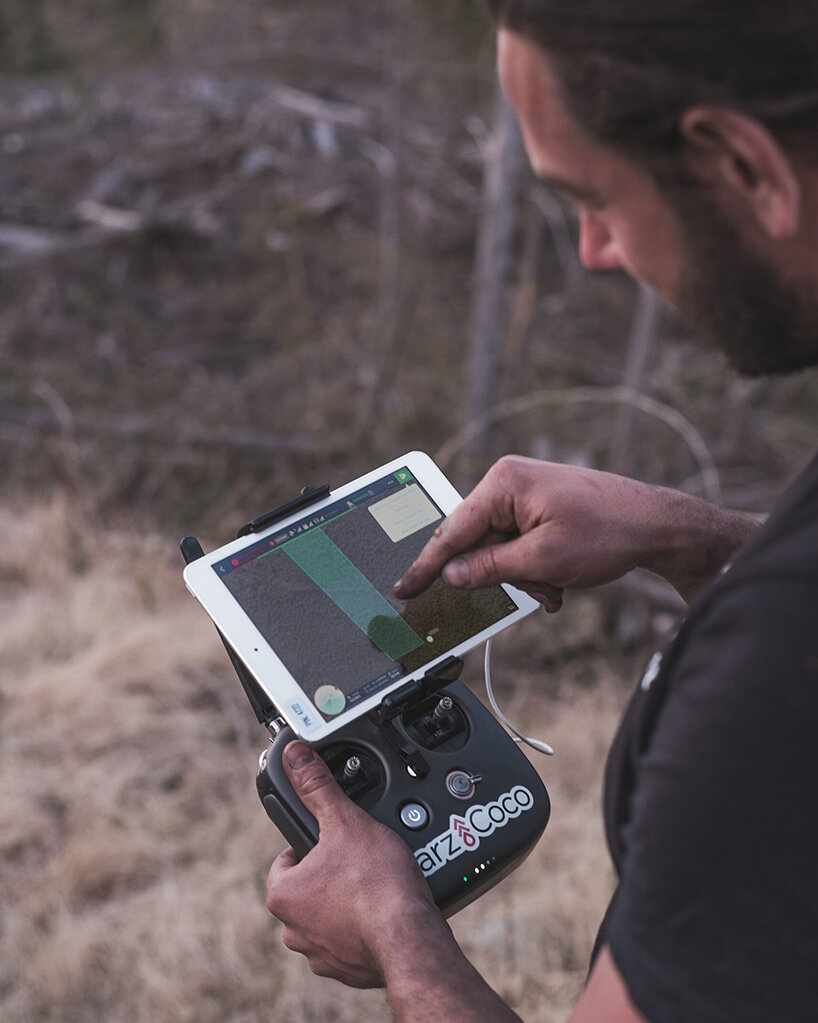
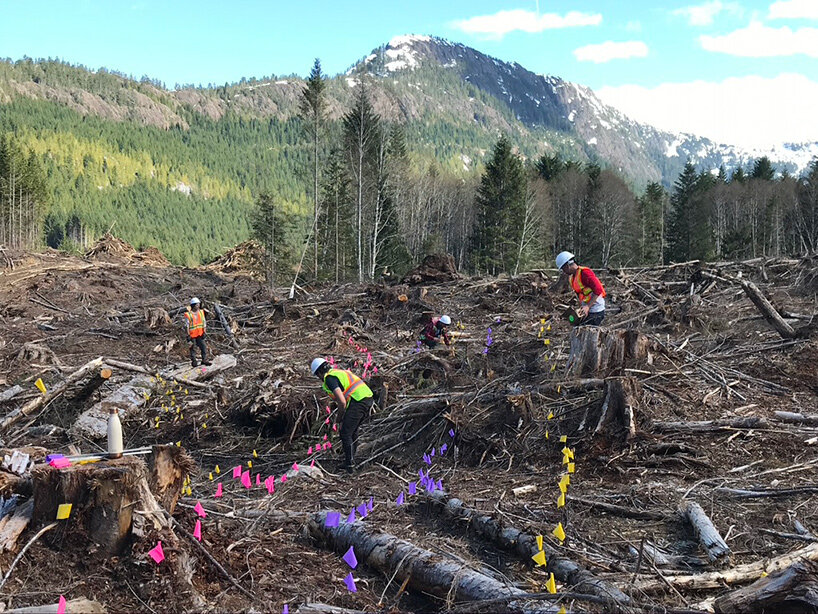
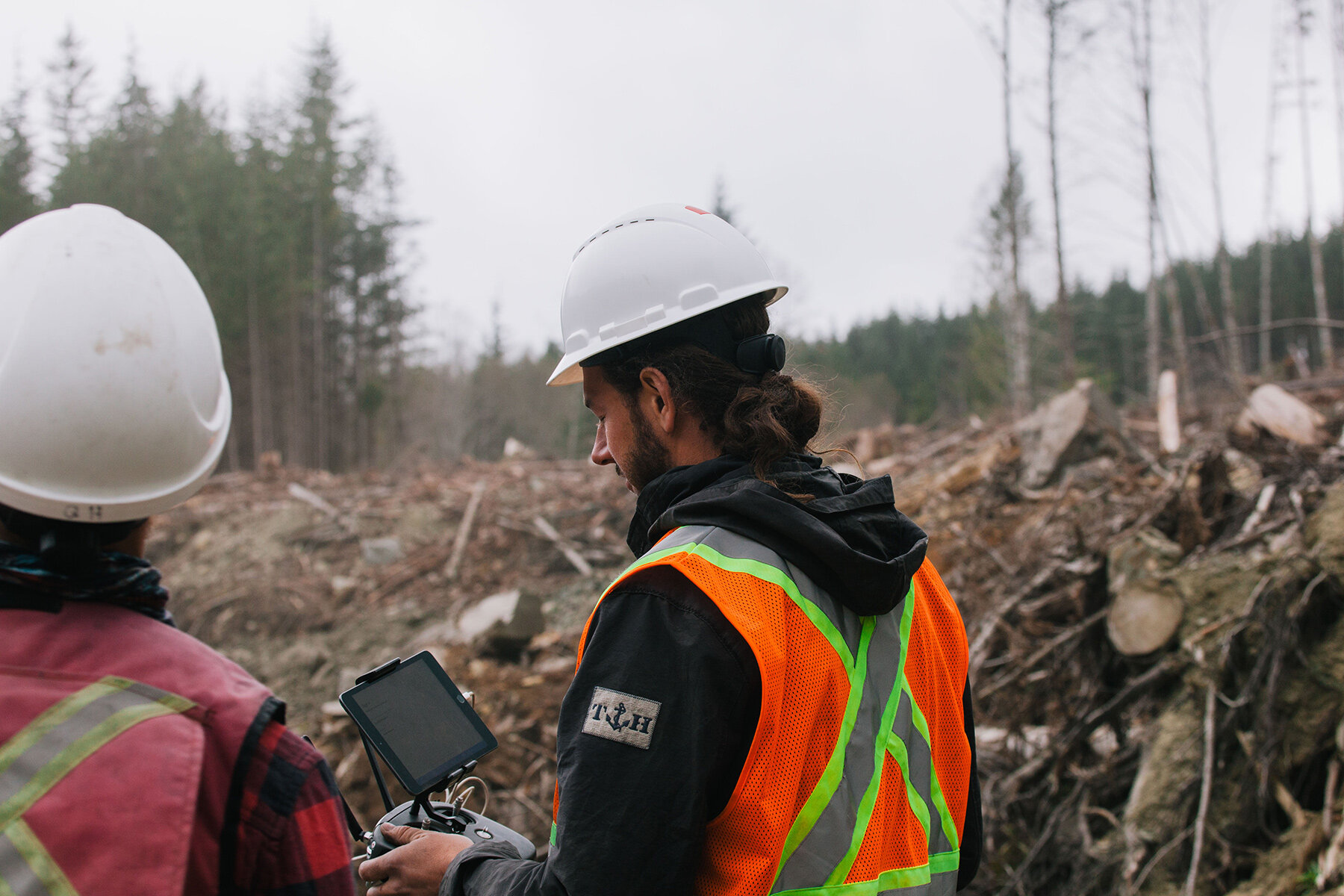
Flash Forest’s work continues after the drones have finished planting. The company surveys each site to assess existing vegetation before returning to monitor seedling growth. Experimental plots compare the performance of its engineered pods against untreated seeds and areas left to regenerate naturally. Some sites in Quebec have already experienced delayed germination following warmer temperatures and reduced rainfall, with further monitoring planned for fall 2026.
Wildfire is itself part of the natural cycle of boreal forests. Jack pine cones can open in response to heat, releasing seeds onto the exposed ground, although increasingly severe fires and changing climate conditions can interrupt this process. Flash Forest’s technology offers a way to introduce new seeds where that recovery is struggling. The drones can put them into the ground in a matter of seconds. Whether they establish themselves, and what kind of forest eventually grows around them, will become apparent over the years ahead.
project info:
project: Flash Forest automated reforestation
company: Flash Forest | @flashforest.ca
founders: Bryce Jones, Cameron Jones, Angelique Ahlstrom
location: Canada
founded: 2019
project partners: Oujé-Bougoumou Cree First Nation
This article is part of designboom’s POSTHUMAN UTOPIAS chapter, exploring what happens when humans are no longer the measure of all things. These stories rethink our relationship with the planet through interspecies architecture, living materials, regenerative landscapes and emerging technologies – learn more here! The chapter is presented in partnership with INDX|GLOBAL – a global cultural platform placing architecture, design, and creative intelligence in conversation with the world.
Each designboom editorial series explores one theme in depth through projects, interviews, features and news across architecture, design, art and technology. Discover more chapters here, and get in touch if you’d like to submit a story through our submissions portal or contact form.
shop
your own online design shop — no sales commission collected