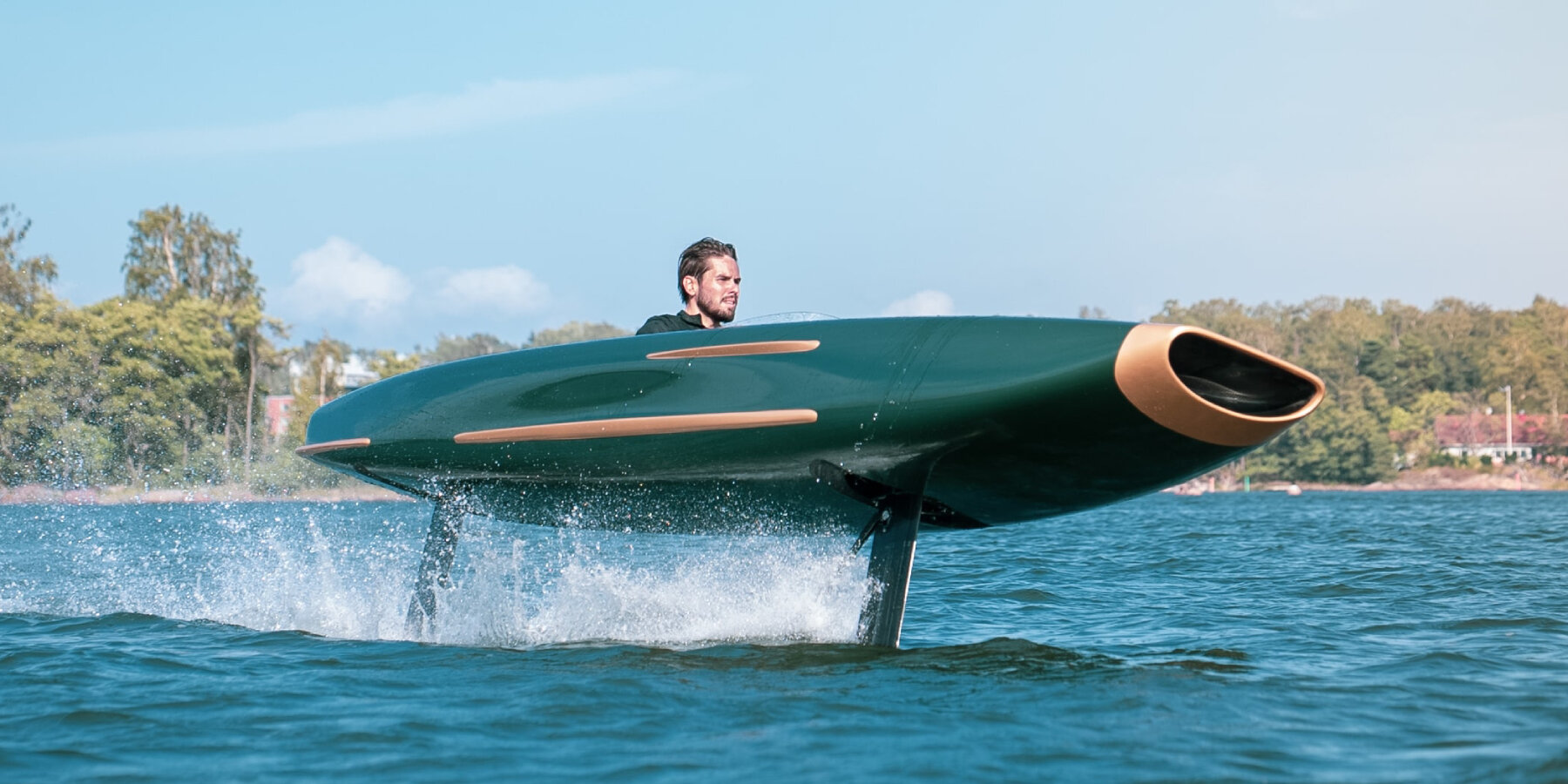
foilone references fighter jets for the design of carbon-fiber electric hydrofoil boat PEGASUS
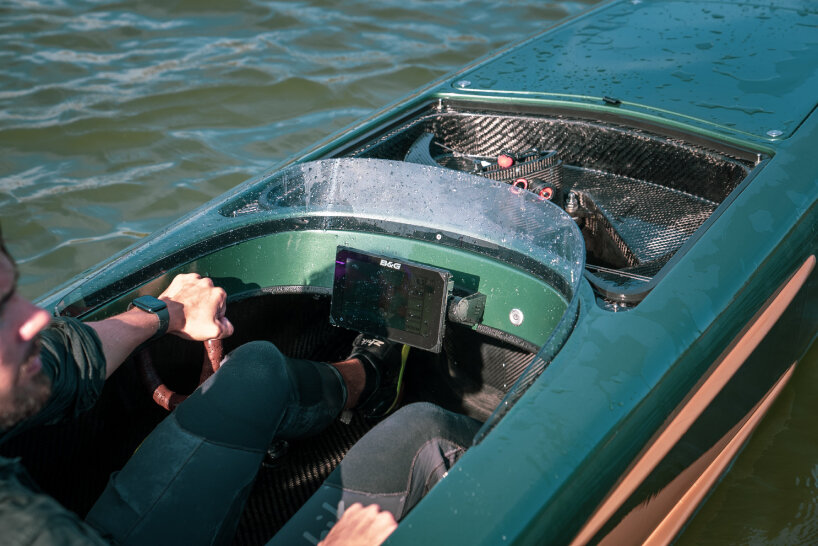
safety features are installed to protect the user while they’re on water, and these include automatic shut-off, a navigation system, a paddle, and a bailer.
prefer designboom on google[FEATURED]
Foilone’s PEGASUS is made of full carbon fiber construction
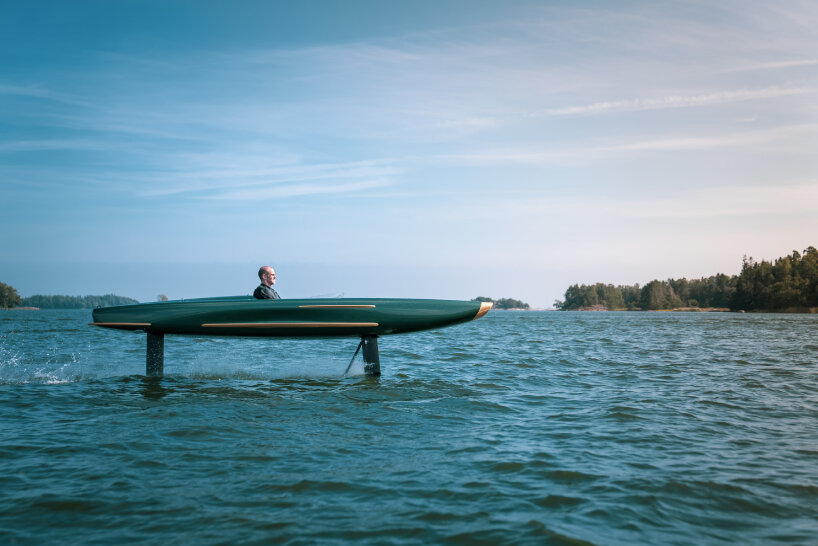
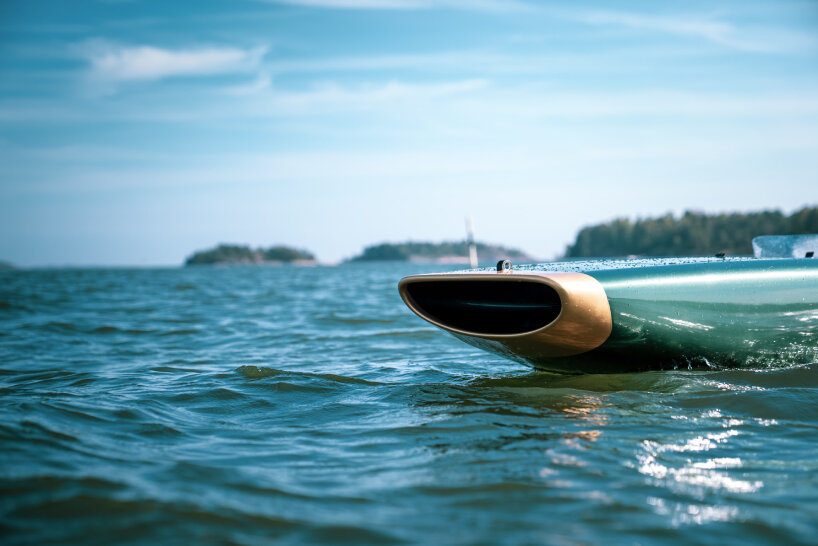
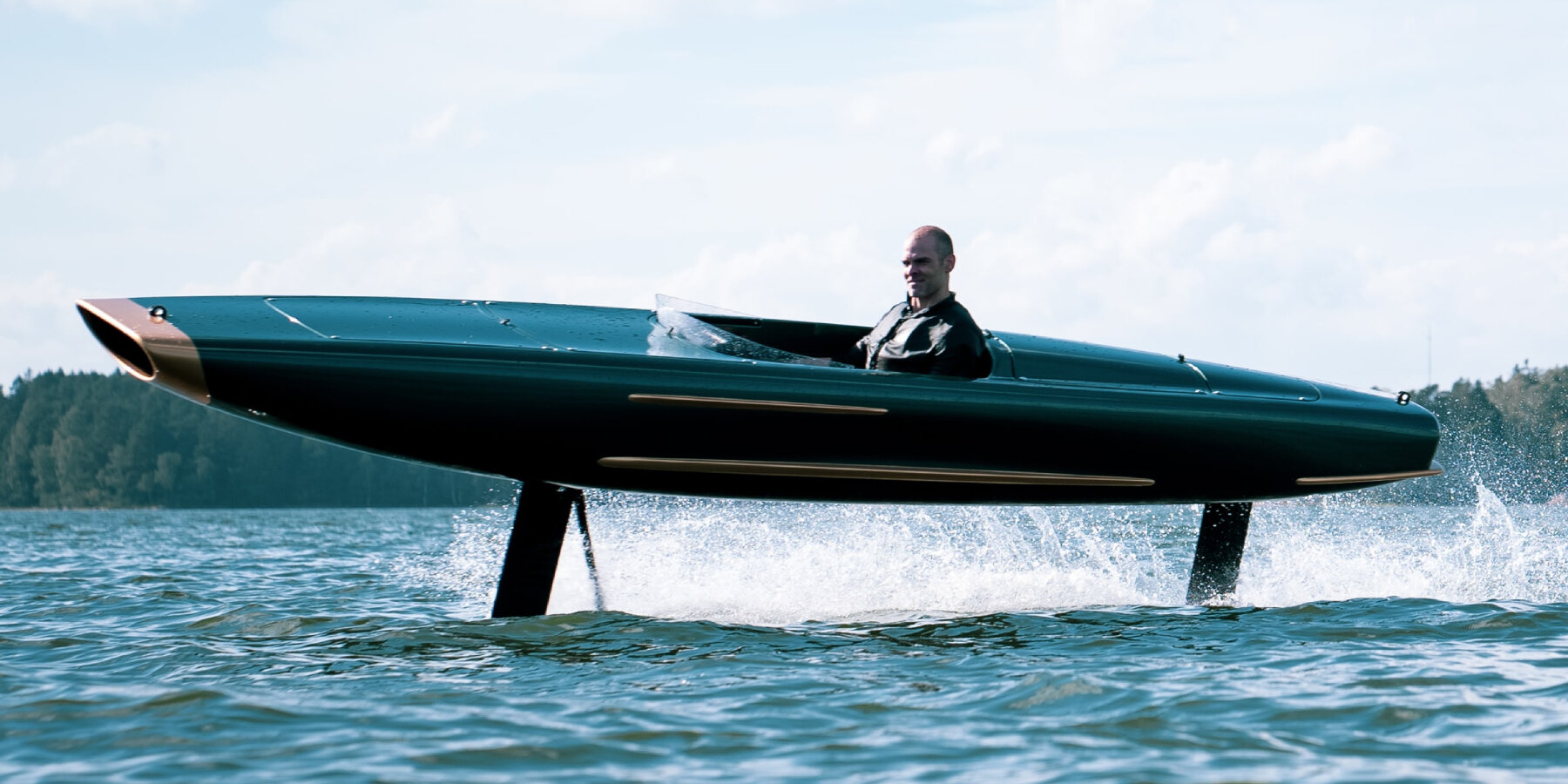
foilone produces PEGASUS, an electric hydrofoil boat made of full carbon fiber construction. The material makes the watercraft lightweight and, in return, allows it to speed through the water like a fighter jet for an adrenaline-filled cruise. In fact, the design inspiration of PEGASUS comes from the aircraft of the earlier decades with its rounded contours and vacuum-like mouth. The electric hydrofoil boat is also equipped with safety features to protect the sailor while on water, including automatic shut-off, a navigation system, a paddle, and a bailer.
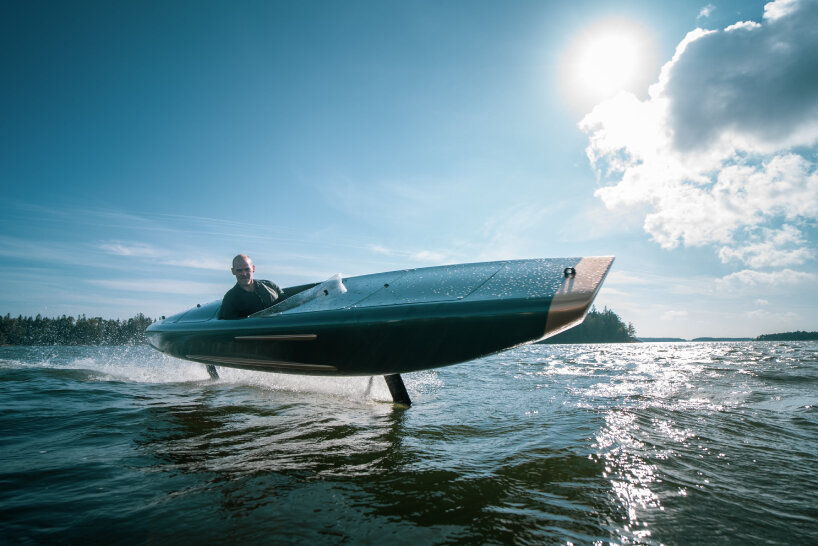
Electric hydrofoil boat pegasus inspired by formula 1 cars
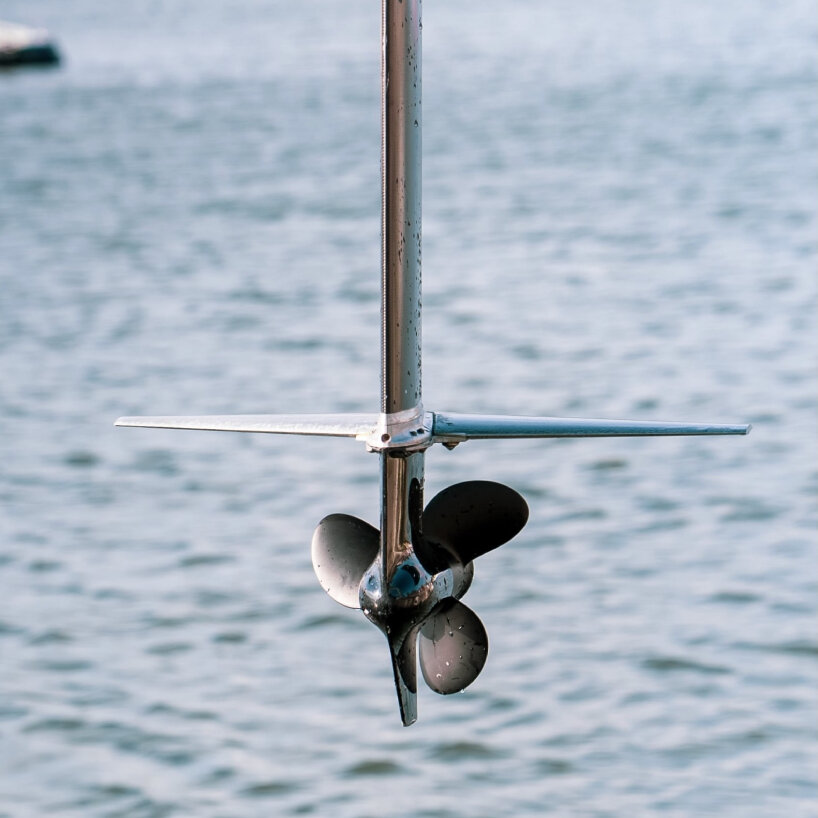
foilone adds two hydrofoils for the electric boat, lifting it above the water’s surface. It’s the kind of technology that’s similar to how airplane wings work, plus it reduces drag and amps up the riding speed on water. PEGASUS then is a fitting name, and foilone also draws from the sleek aerodynamics of 1950’s Formula 1 cars for the exterior design.
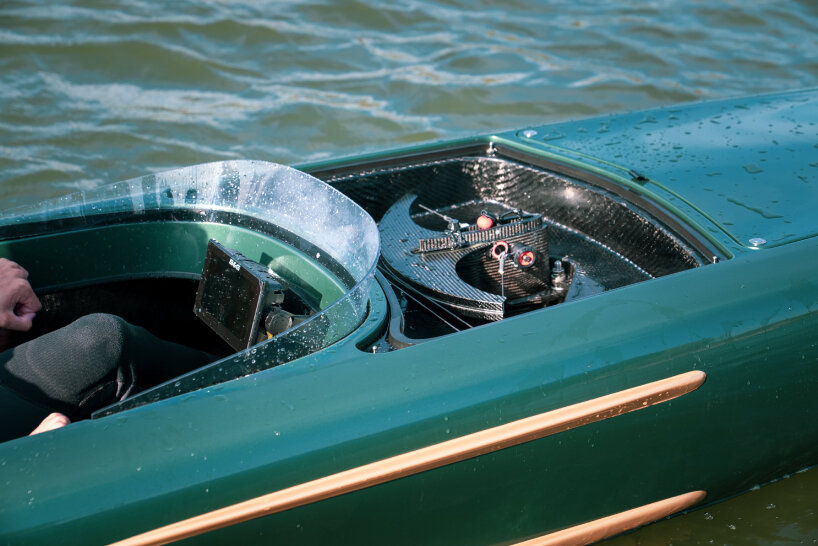
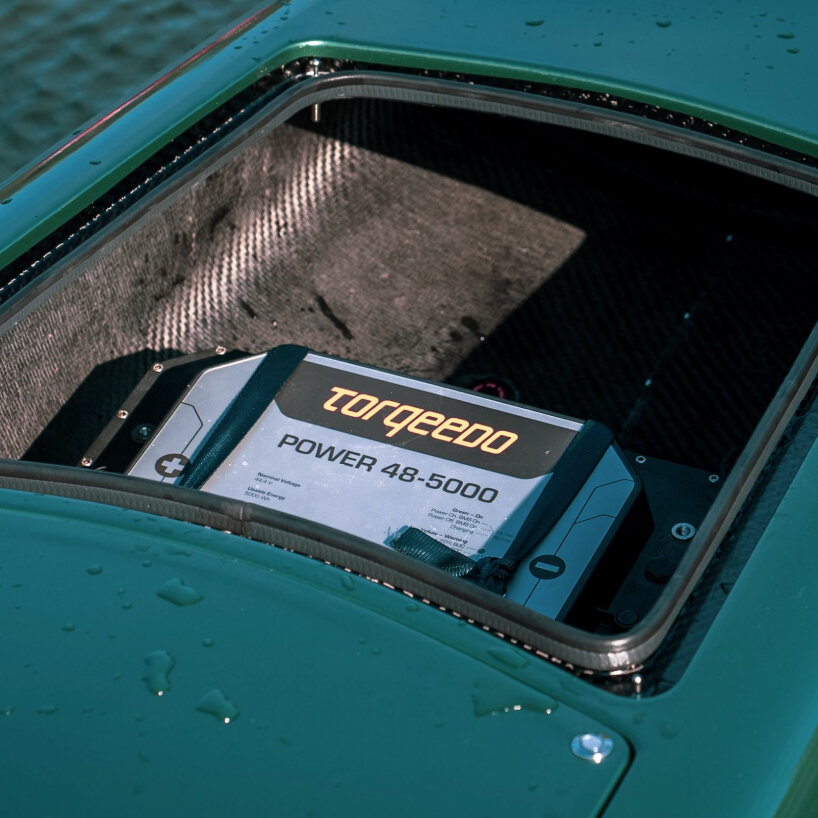
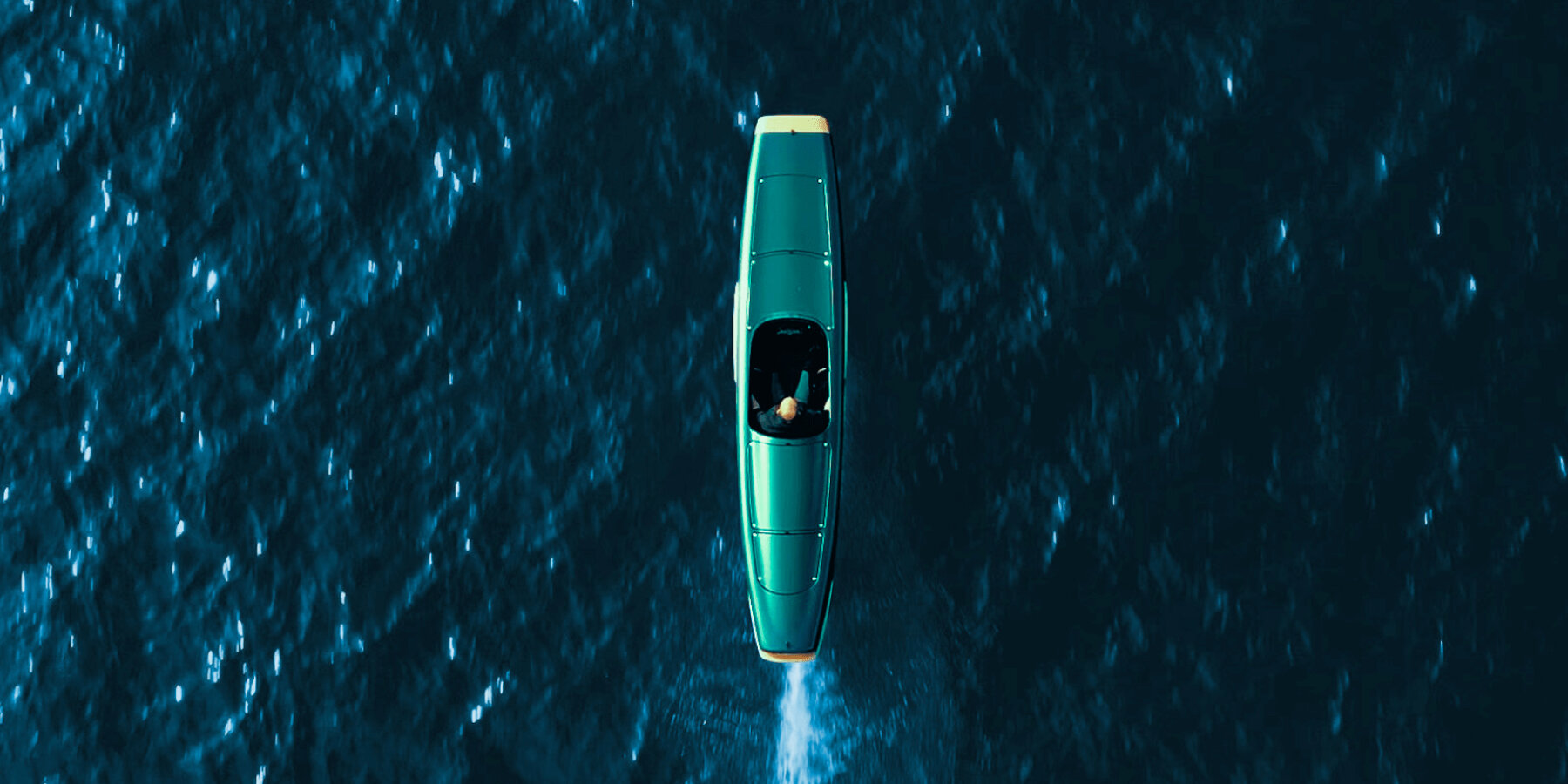
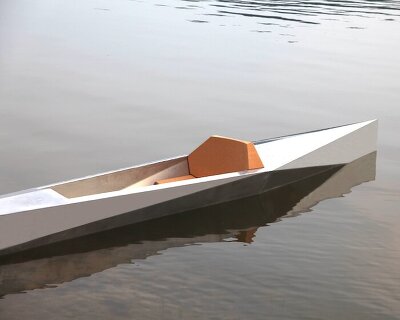
On board, there’s space for a single rider, and they’re cocooned into the cabin because of the kayak-looking style. The battery is located at the front, which can also be used as storage for small personal items. The Finnish watercraft maker says that bringing over heavy items can affect the flying balance and dynamics of the electric hydrofoil boat, so it might be better to only bring objects that the sailor needs during the ride.
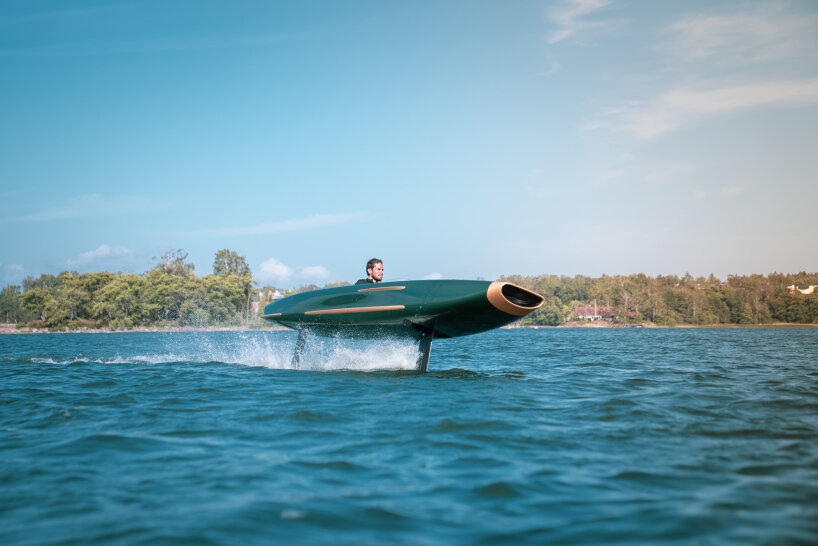
fully electric powertrain for reduced emissions during cruise
foilone PEGASUS’s fully electric powertrain can mean reduced zero emission during the cruise, and the watercraft maker says their electric hydrofoil boat has a weight capacity of 100 kilos. Because it’s made of carbon fiber, the watercraft is lightweight enough to be transported on a trailer or a larger vessel. As for its other specs, PEGASUS can reach speeds up to 30 knots, with a standard cruising acceleration around 18 or 22 knots. On a single charge, the electric hydrofoil boat can cruise for up to around two hours, and as soon as the sailor needs to recharge it, its battery can go from zero to 100 percent in under two hours, too.
Foilone recommends that the user purchase two chargers if they wish to zip through water without charging delays. There’s no distinction between beginner and experienced foilers since foilone’s PEGASUS is designed with intuitive controls. As the team says, it’s as easy as riding a bike. Customization is available to the clients if they wish to change the color, seating, and additional accessories of the boat. PEGASUS is capable of cruising in both saltwater and freshwater, but foilone says it’s better to lift the boat on land after use to prevent corrosion.