gpTea: an interactive AI-powered tea set that facilitates storytelling between distant friends
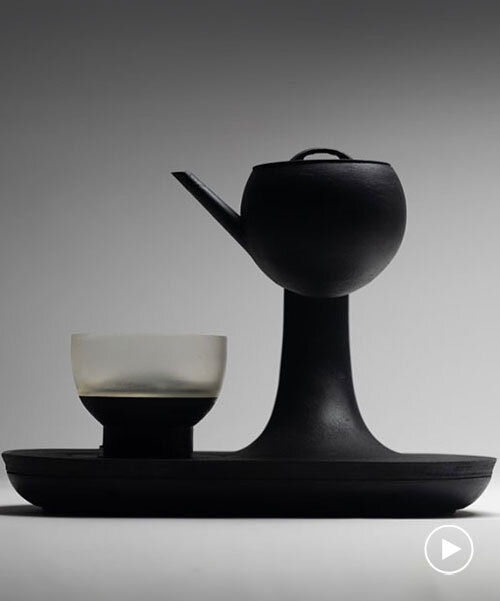
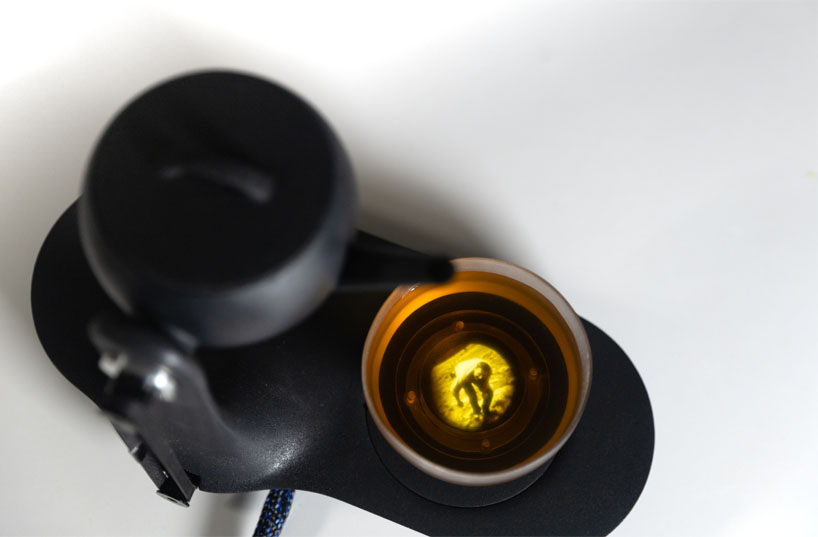
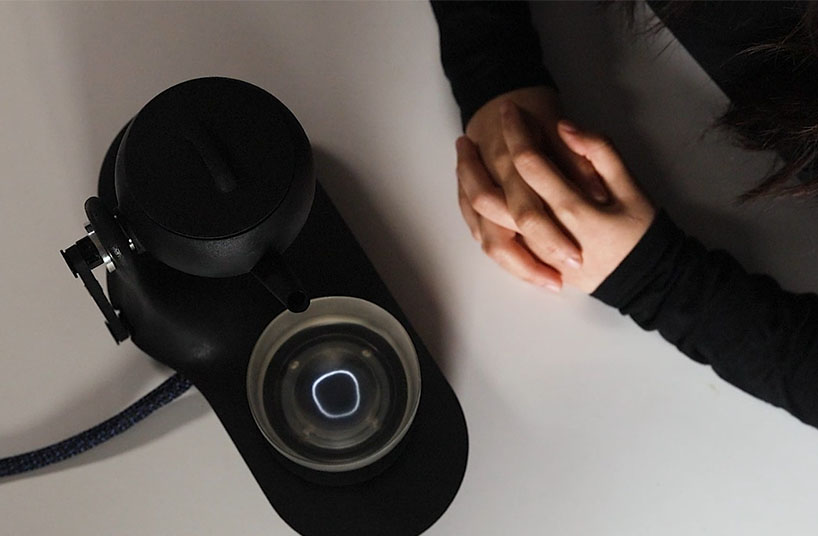
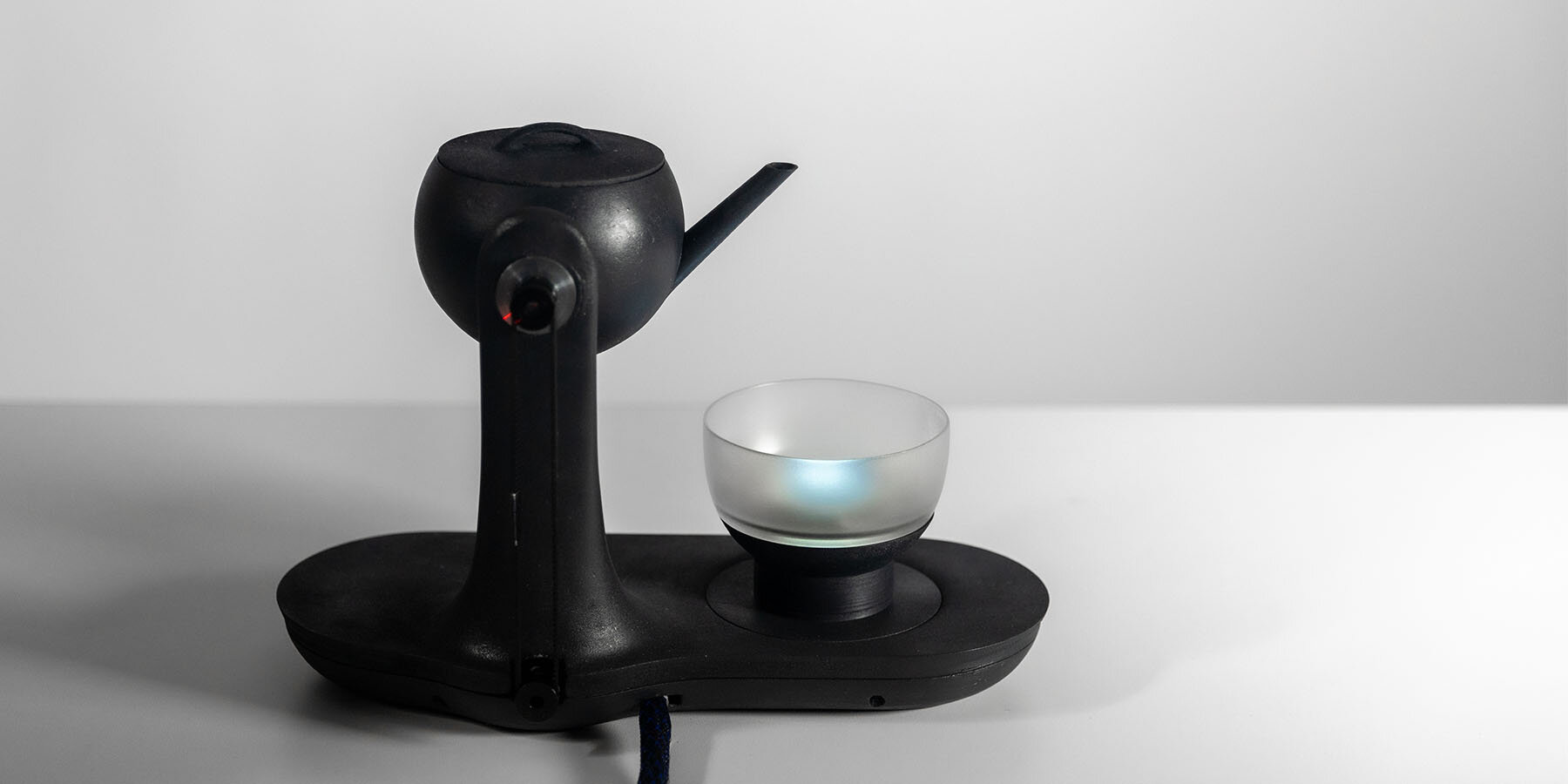
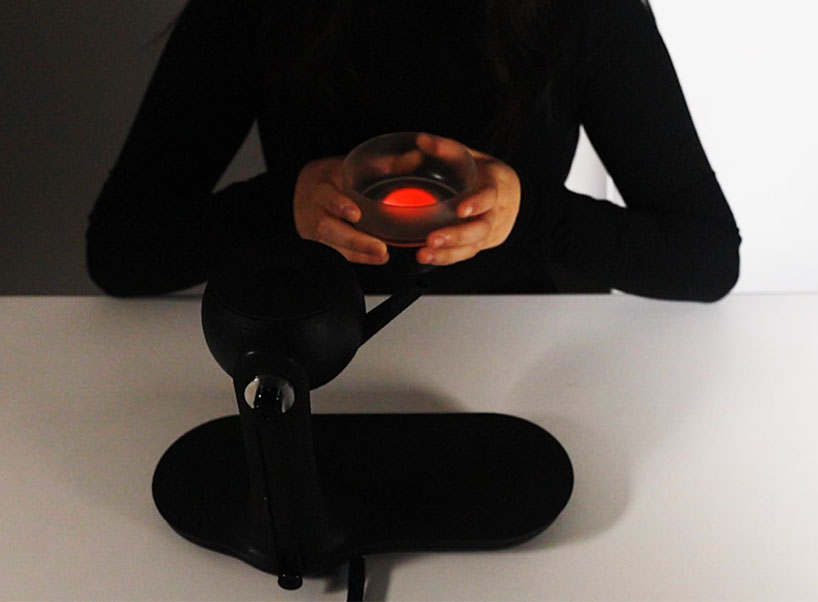
the central teapot in gpTea asks questions and connects responses into a story, while the teacup’s screen displays evolving narratives.
prefer designboom on google[FEATURED]
gpTea merges AI and tea rituals for interactive storytelling
The gpTea tea set, created by Harvard GSD student Kevin Tang and MIT student Kelly Fang as part of ongoing research at the MIT Design Intelligence Lab, reimagines the ritual of tea drinking through generative AI, transforming it into an interactive storytelling experience. By exploring Large Language Objects (LLOs)—a new interaction paradigm that embeds AI within physical objects—gpTea fosters a slower, more contemplative form of communication, inviting users to connect with AI in a tactile, human-centered way.
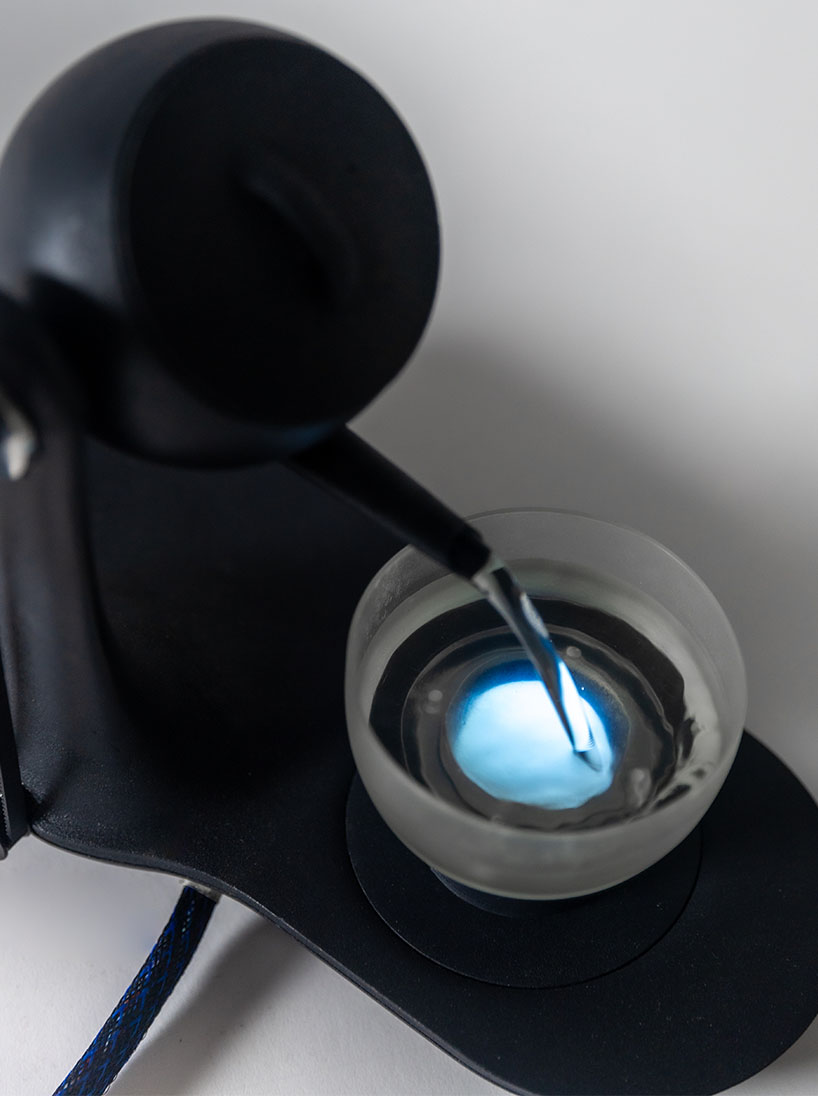
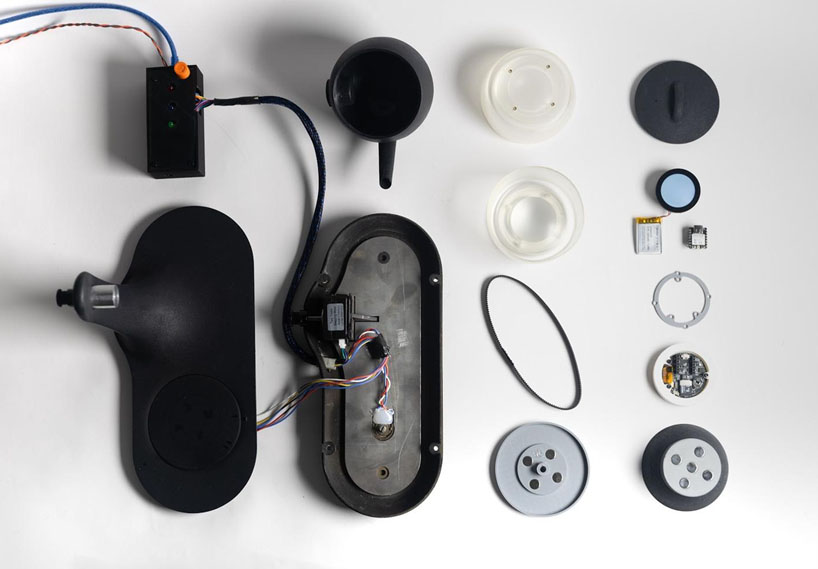
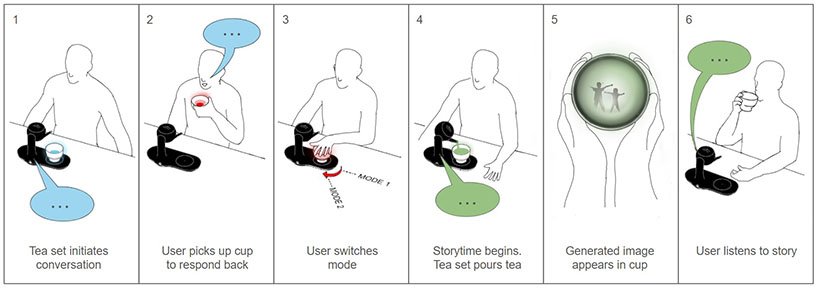
The set is designed to facilitate meaningful exchanges between distant friends or family, focusing on the asynchronous sharing of memories and untold stories. Each component in the tea set utilizes physical affordances to guide interaction, making use of the familiar rituals of tea preparation and consumption. gpTea features a teapot that prompts users with questions and connects their responses into a cohesive narrative, while simultaneously generating real-time, story-relevant imagery using a diffusion model. This design leverages the user’s familiarity with tea culture, allowing gpTea to seamlessly integrate AI interactions within an everyday object traditionally associated with reflection and sentimentality.
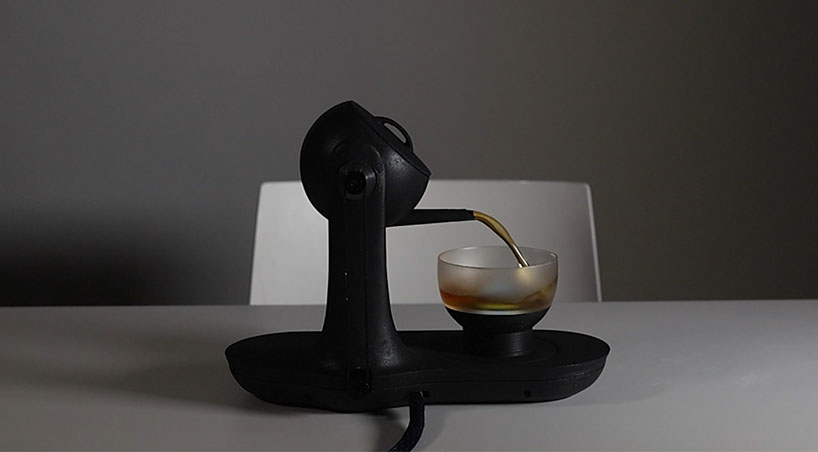
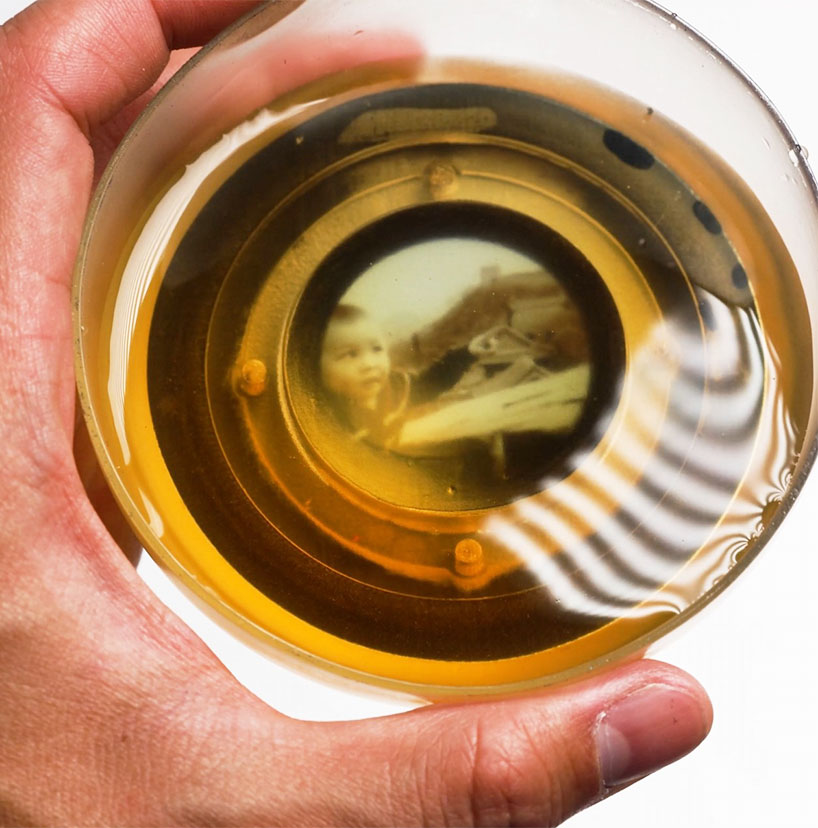
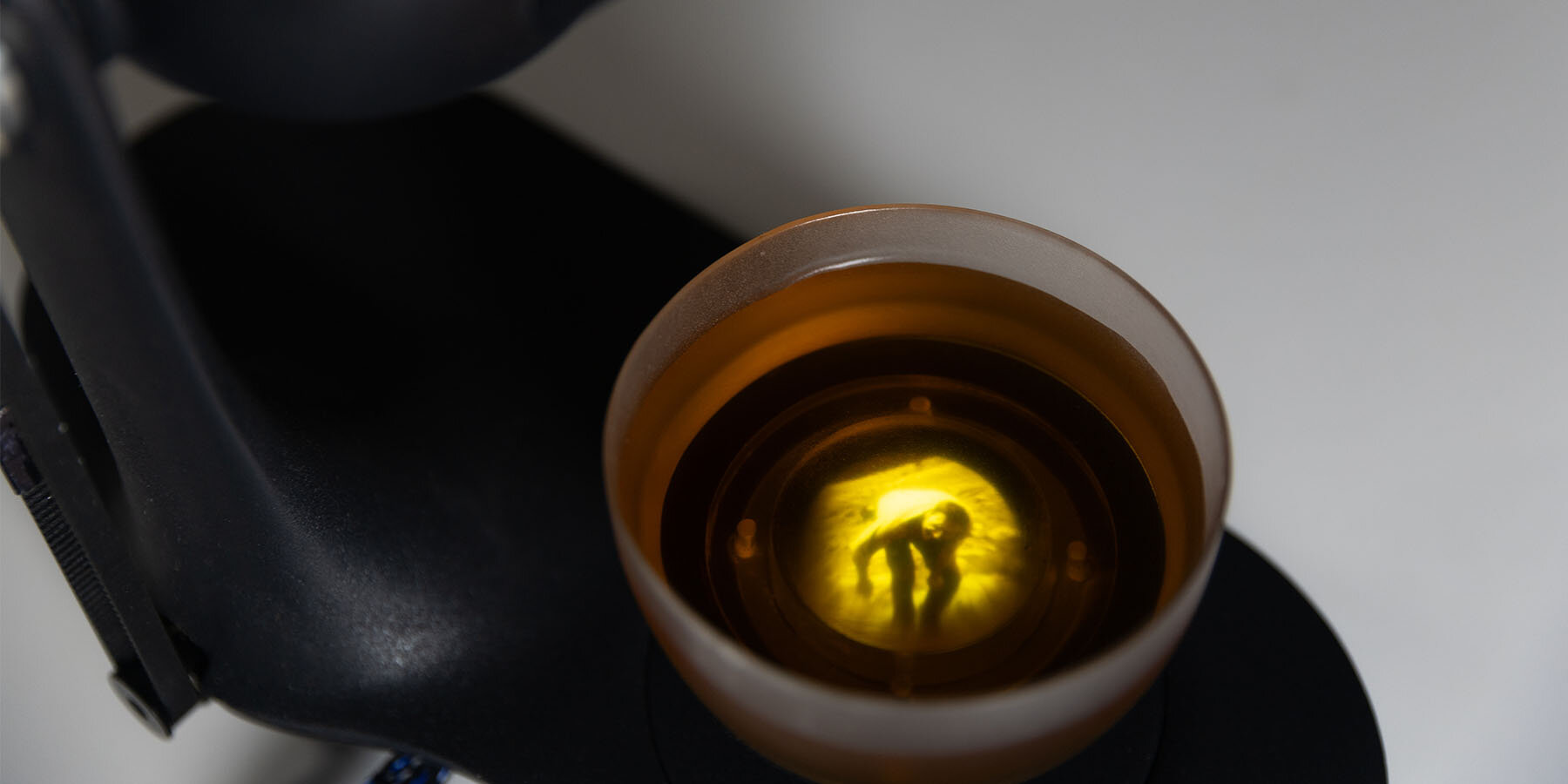
screen in gpTea’s teacup generates Real-time story imagery
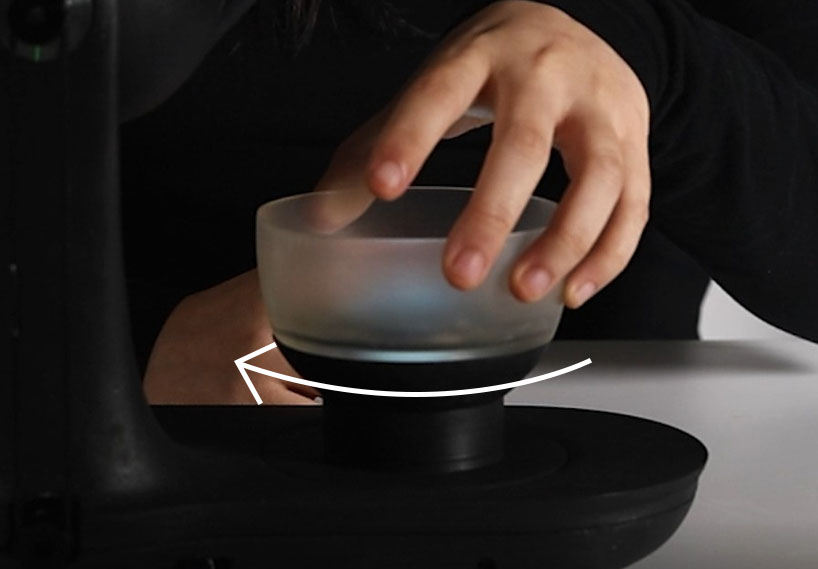
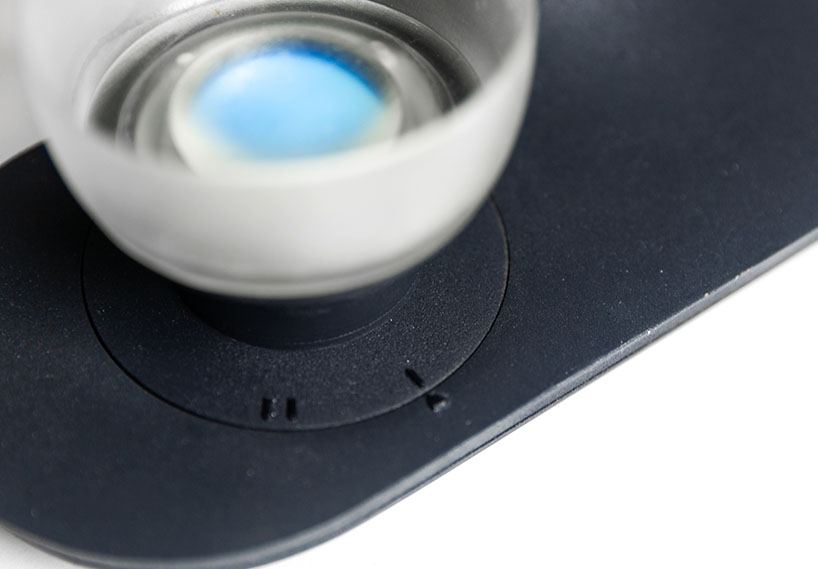
The design by Kevin Tang and Kelly Fang emphasizes continuity between form and function, respecting the cultural and ritualistic significance of tea. Each action, from pouring to sipping, metaphorically aligns with the process of storytelling—where pouring tea symbolizes sharing a story, and drinking signifies the user’s absorption of that shared experience. The teacup itself serves as the primary interface, equipped with an embedded screen that displays the evolving narrative as the tea is consumed. This approach merges the tactile, sensory experience of tea drinking with digital storytelling, inviting users to engage in an intuitive, hands-on interaction with AI that goes beyond conventional screen-based engagement.
In gpTea, the cup acts as a dynamic, multi-modal interface, adapting its function based on user interaction to guide the flow of the narrative. This central touchpoint fosters a fluid user experience where digital and physical elements coexist, reinforcing the idea of a tea set as a bridge between tradition and technology. By embedding a digital layer into a form factor that remains true to the teacup’s traditional design language, gpTea creates a cohesive blend of familiarity and innovation, positioning the act of tea drinking as a contemplative space for shared digital storytelling.


project info:
name: gpTea
designers: Harvard GSD student Kevin Tang, MIT student Kelly Fang
institution: MIT Design Intelligence Lab
designboom has received this project from our DIY submissions feature, where we welcome our readers to submit their own work for publication. see more project submissions from our readers here.
shop
your own online design shop — no sales commission collected