joby’s hydrogen-electric air taxi travels 523 miles in california with water as the only emission
after the successful test, joby aviation plans to commercialize regional flights using its battery-electric air taxi and its hydrogen eVTOL aircraft.
prefer designboom on googleJoby aviation’s test flight for its hydrogen-electric air taxi
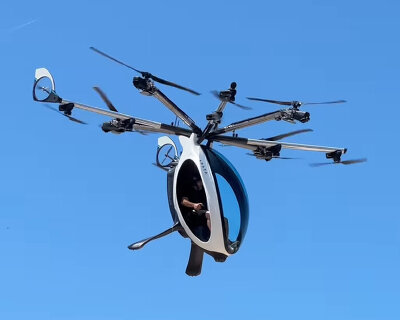
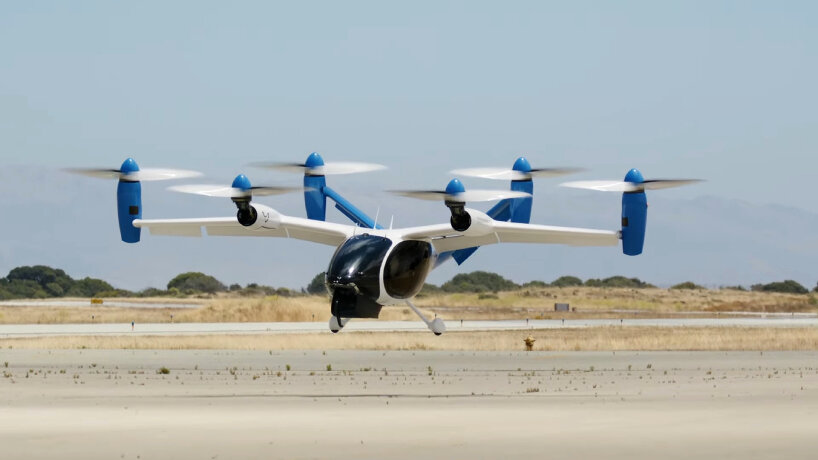
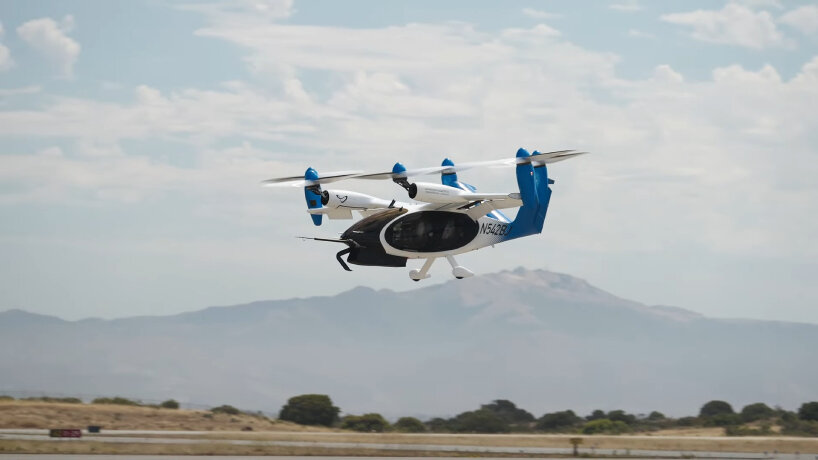
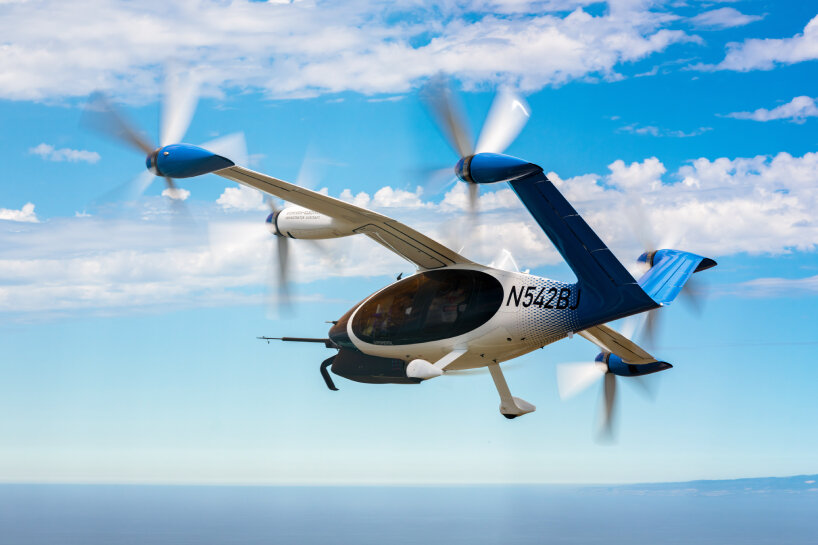
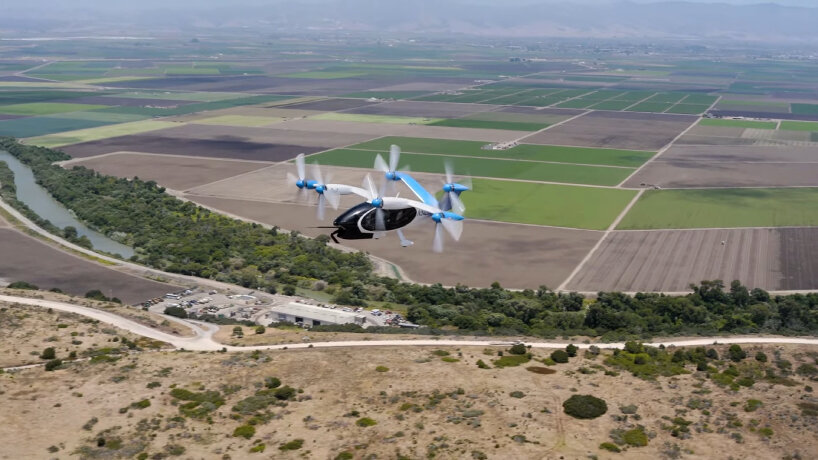
Joby Aviation has successfully flown its hydrogen-electric air taxi for 523 miles around its flight test facilities in Marina, California, with water as the only in-flight emission. The eVTOL aircraft was powered by liquid hydrogen, and the landmark flight took place on June 24th, 2024. The air taxi managed to land with more than ten percent of its hydrogen fuel load still in its engine. Days after the successful test flight, Joby Aviation is looking more into enabling regional flights in the US using its hydrogen-electric aircraft, whose only byproduct is water.
JoeBen Bevirt, founder and CEO of Joby Aviation, imagines people, at least in the US first, being able to fly from San Francisco to San Diego, Boston to Baltimore, or Nashville to New Orleans without the need to go to an airport. Their eVTOL has no emissions except water, and the air taxi makes almost no noise. For the founder and CEO, that future may not be so far from now. For the test flight, the aviation company converted one of its pre-production prototype battery-electric aircraft and fitted it with a liquid hydrogen fuel tank and fuel cell system. Joby plans to start commercial operations as soon as 2025, first its battery-electric air taxi, then its hydrogen eVTOL aircraft.
How the converted evtol aircraft flies
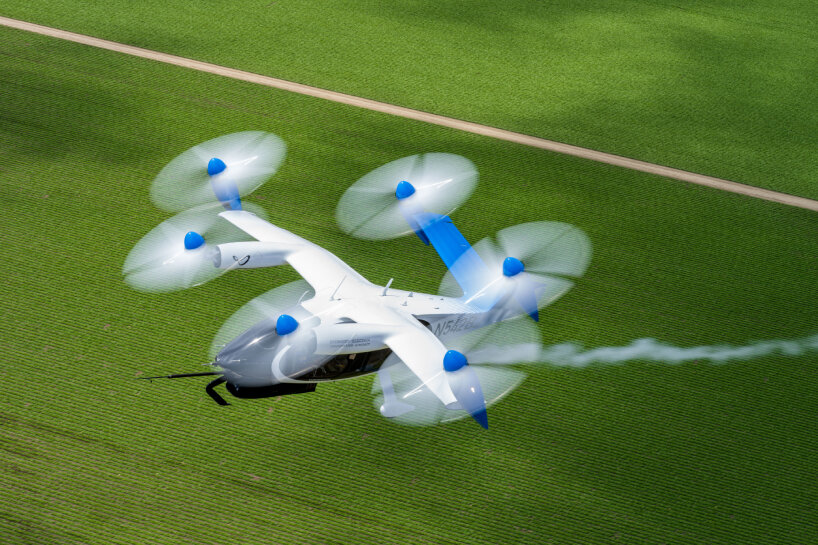
Joby Aviation’s hydrogen-electric air taxi demonstrator comes with six electric propulsion units that power each of the eVTOL aircraft’s tilting propellers. They also charge the flight control system since the batteries focus more on giving extra power for take-off and landing. For most of the test flight, it was only liquid hydrogen that boosted the aircraft, which had more than three times more energy density than gasoline, according to Joby Aviation.
‘Liquid hydrogen is an ideal energy source for weight-sensitive applications like aviation,’ the design team adds. A vacuum-jacketed tank, which could store up to 40 kilos of hydrogen and that the company themselves designed, was on board the hydrogen-electric air taxi demonstrator. Joby Aviation says that the hydrogen they used had been stored at around -423 degrees Fahrenheit, with the exterior of the thermally insulated tank at ambient temperature.
Joby aviation on flights using hydrogen-electric air taxi
During flight, the fuel cell system received that hydrogen to generate electricity. A company called H2FLY, a subsidiary of Joby Aviation, which they acquired in 2021, made the ‘H2F-175’ fuel cell system. It creates electricity by combining hydrogen with oxygen from the air, and this process also produces water and heat. The electricity then powered the six electric motors on the Joby aircraft and recharged its batteries during the test flight.
Past the testing, Joby Aviation aims to commercialize hydrogen-electric air taxi flights. ‘The vast majority of the design, testing, and certification work we’ve completed on our battery-electric aircraft carries over to commercializing hydrogen-electric flight. In service, we also expect to be able to use the same landing pads, the same operations team, and Joby’s ElevateOS software that will support the commercial operation of our battery-electric aircraft,’ says JoeBen Bevirt. The eVTOL aircraft may begin commercial flights in 2025.
project info:
name: Hydrogen-electric air taxi demonstrator
company: Joby Aviation | @jobyaviation
subsidiary: H2FLY | @h2fly_aviation