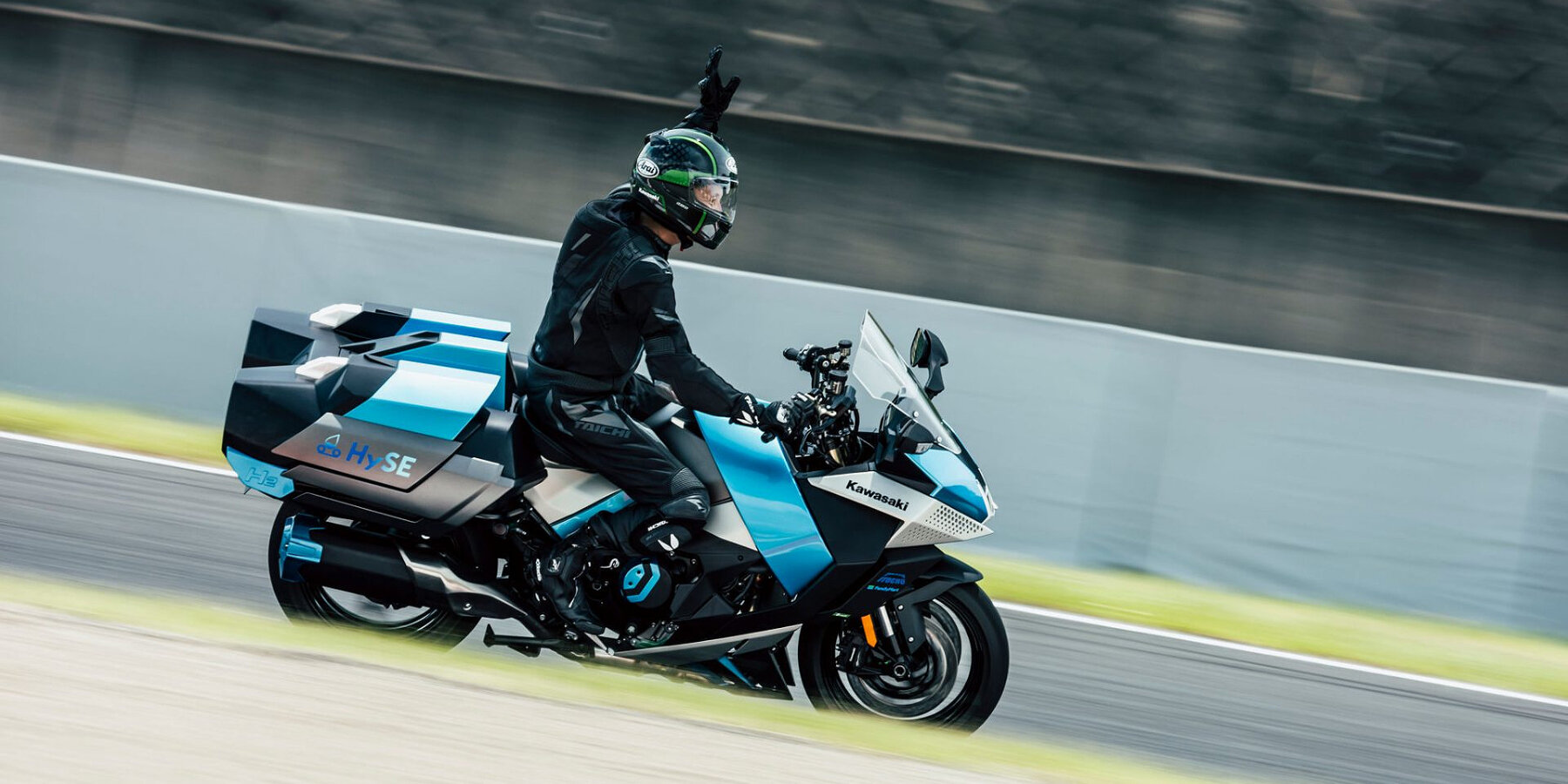
kawasaki runs world’s first public demo of hydrogen motorcycle with water emission in japan
instead of regular fuel, the vehicle injects hydrogen directly into the cylinders, which are specially made for the engine.
prefer designboom on google[FEATURED]
KAWASAKI’S ‘ICE’ MOTORCYCLE RUNS ON HYDROGEN
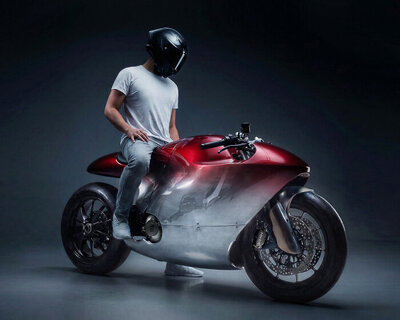
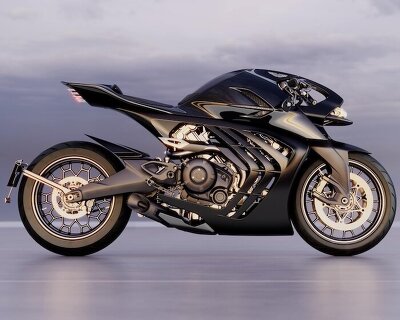
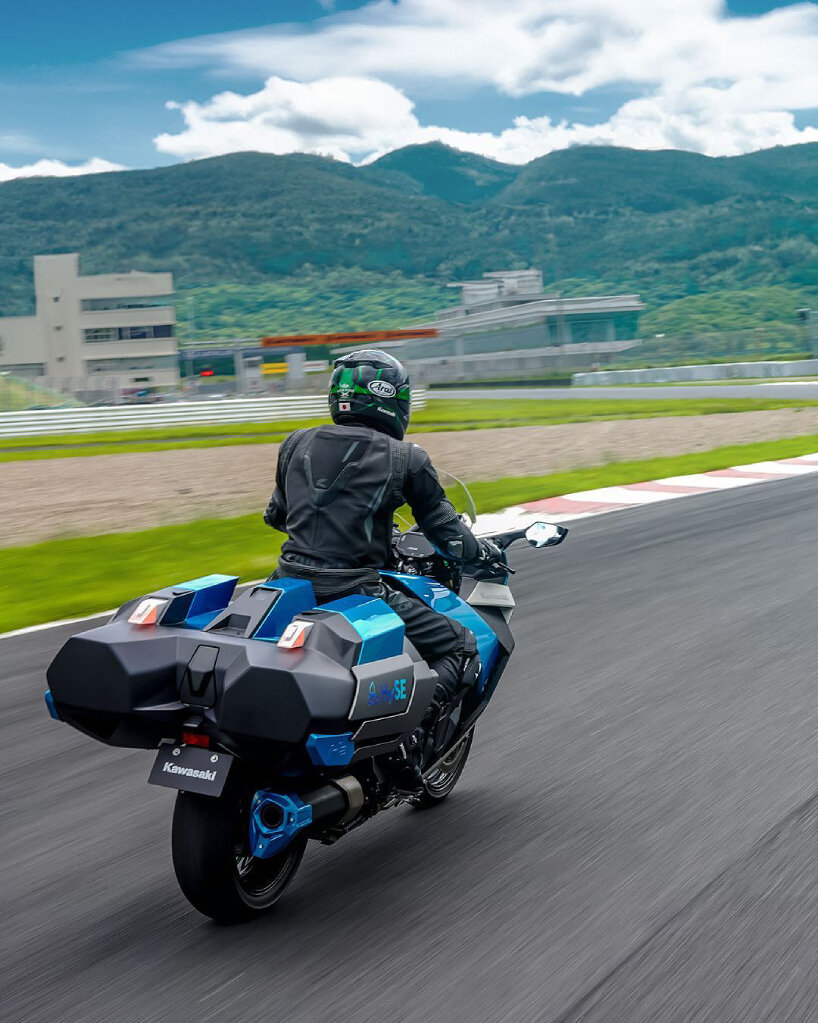
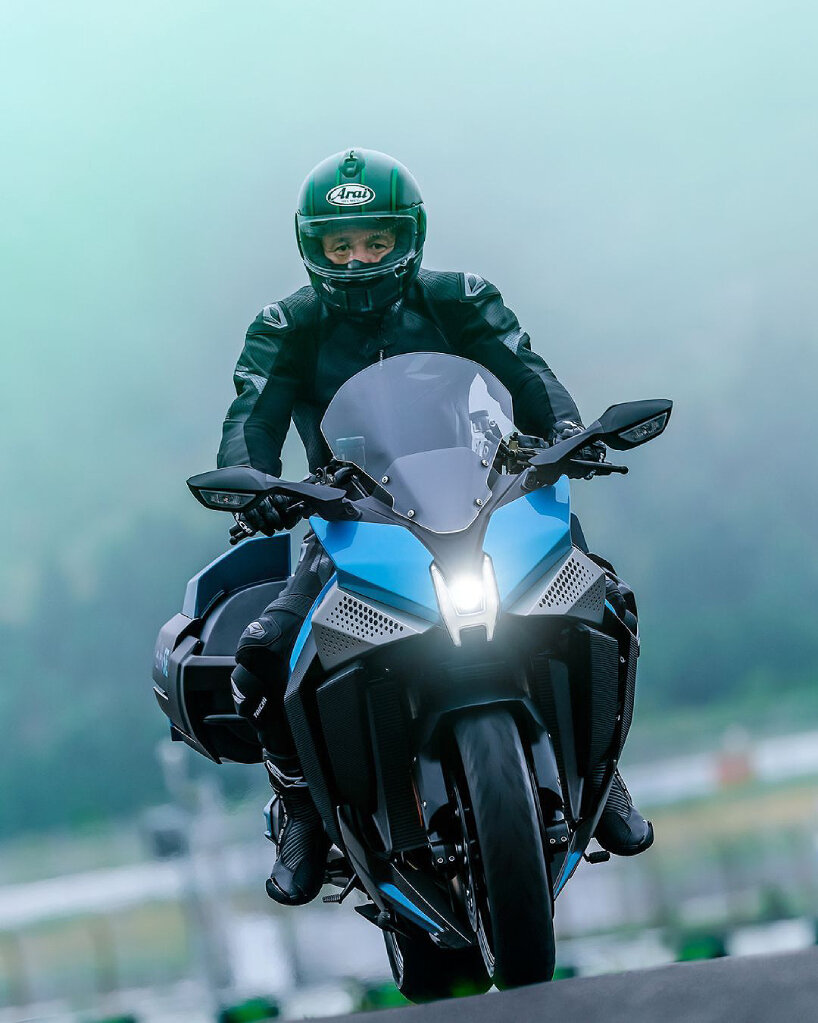
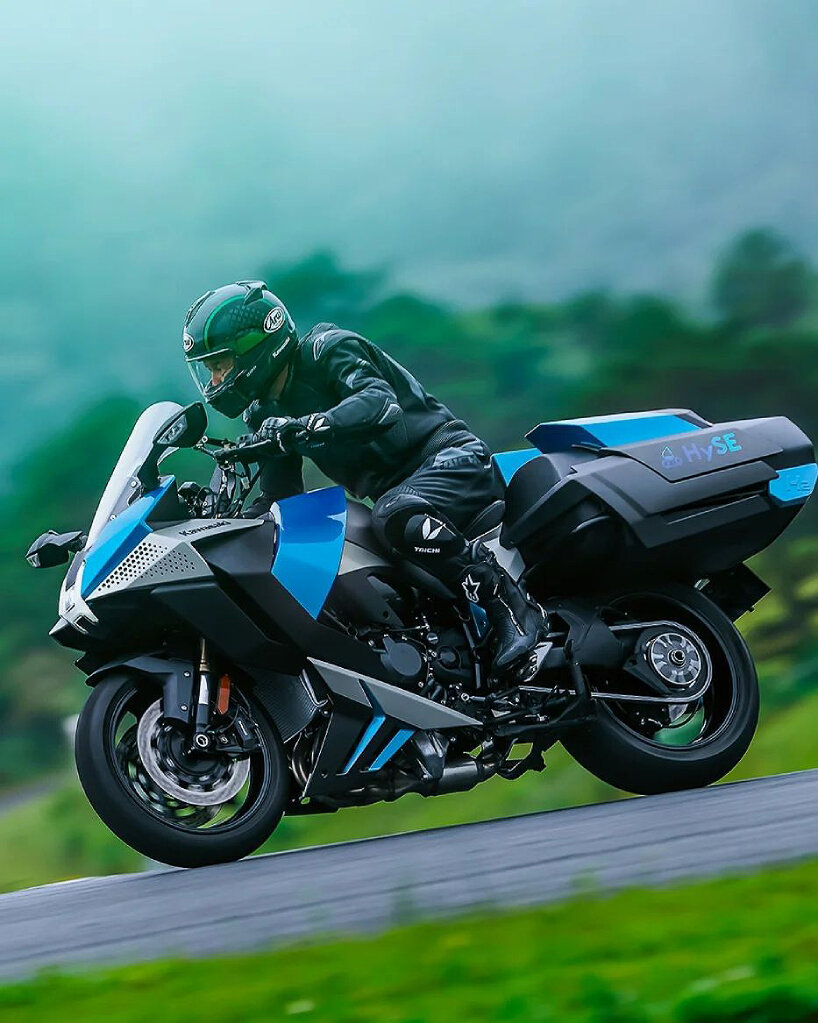
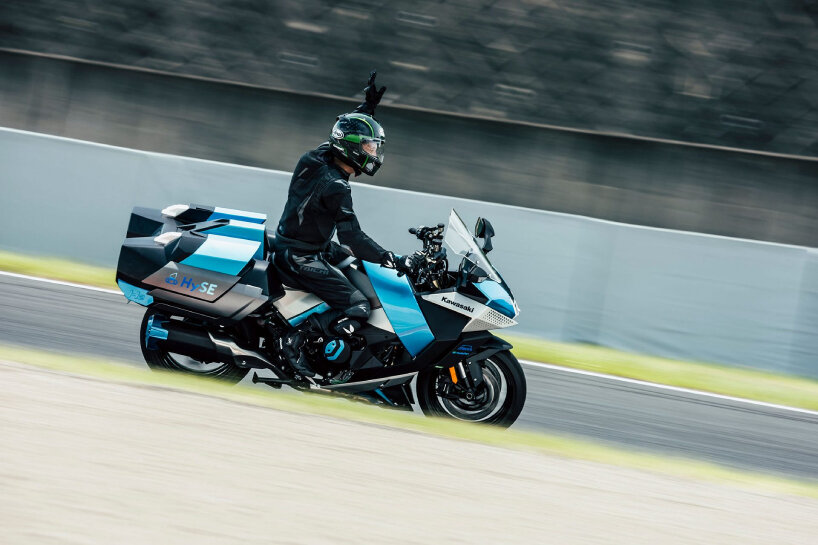
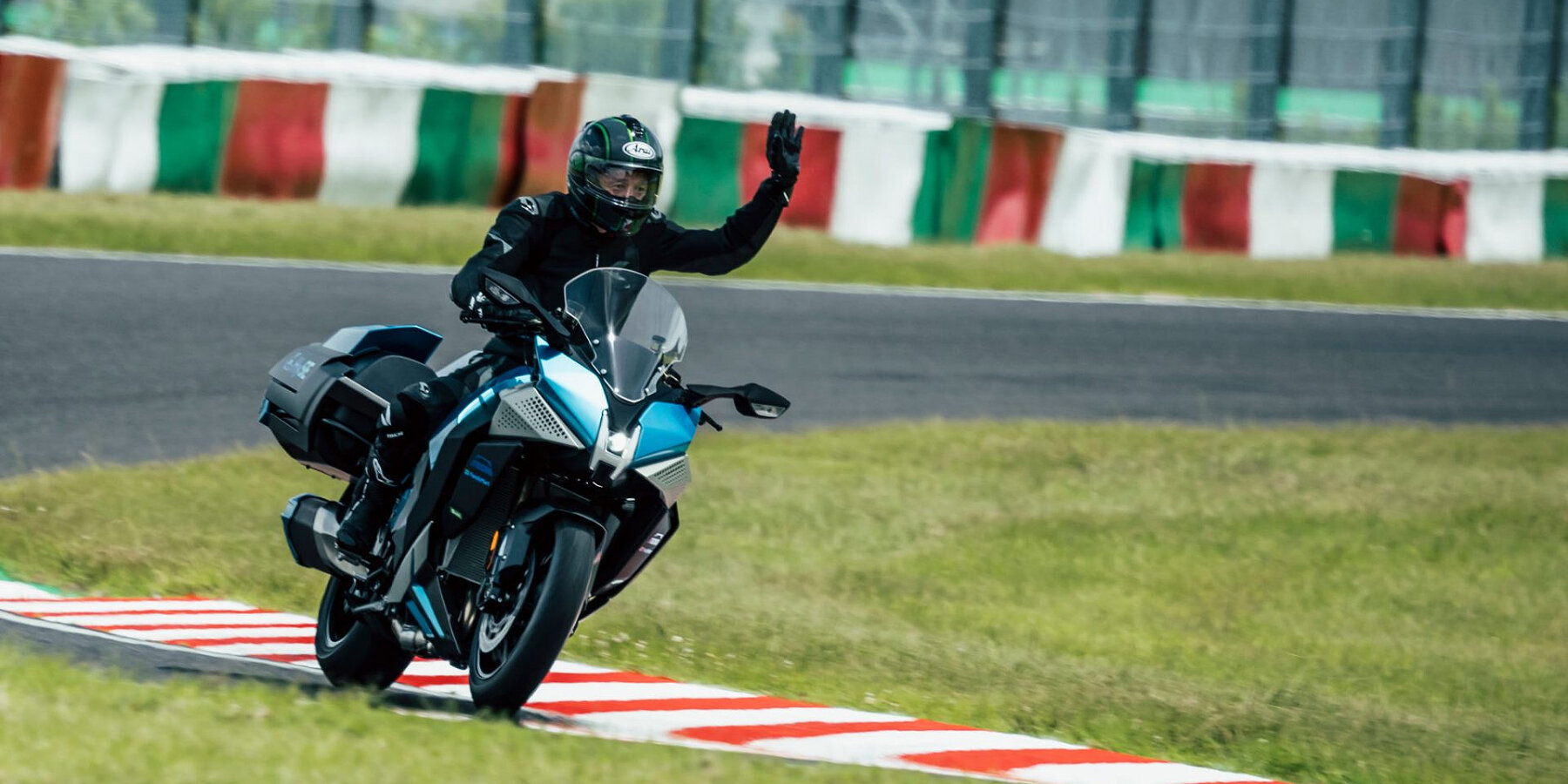
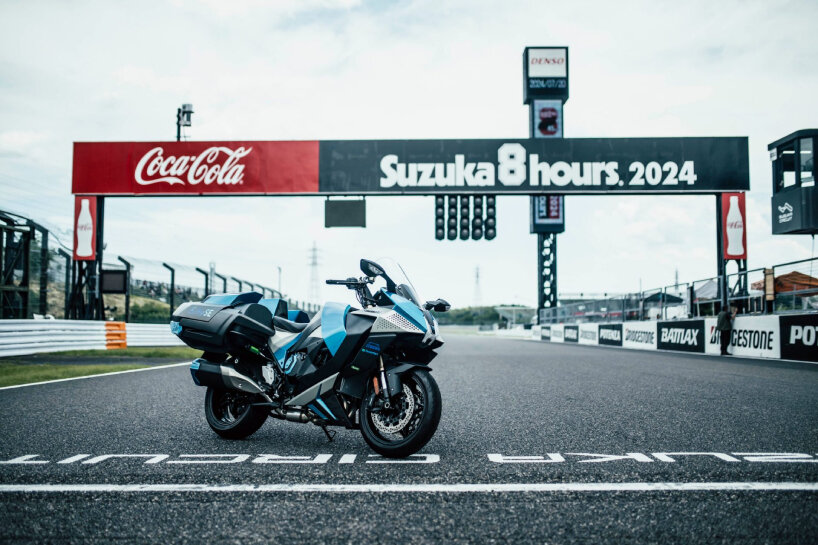
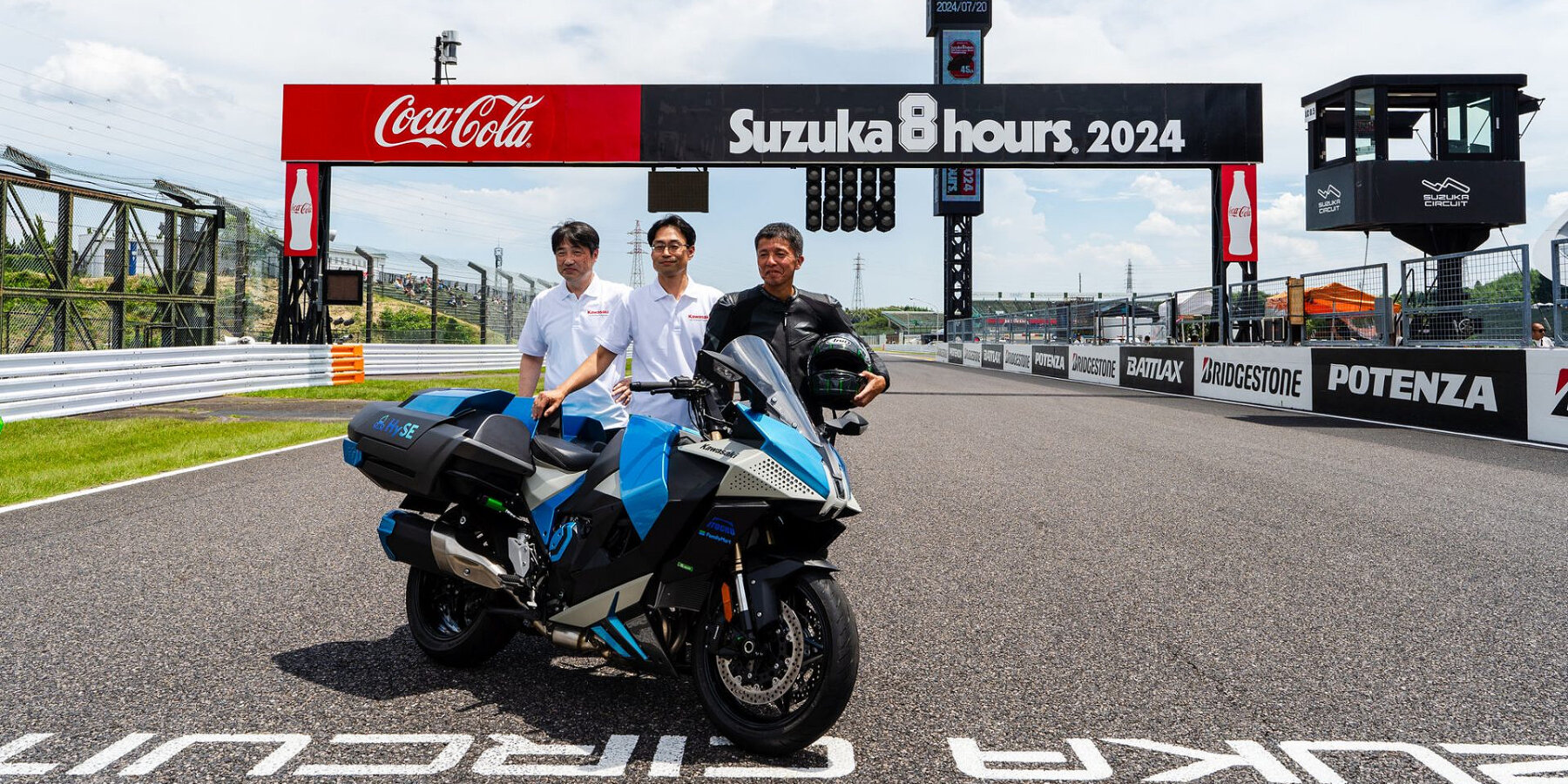
On July 20th, Kawasaki conducted the world’s first public demonstration run of its hydrogen ICE (internal combustion engine) motorcycle at Suzuka Circuit in Suzuka City, Mie Prefecture, Japan. To make the motorcycle run on hydrogen instead of regular fuel, Kawasaki needed to make several modifications, especially to the engine. They modified it so that hydrogen fuel, which may help reduce carbon emissions, can be directly injected into the cylinders, where the fuel is burned to produce the power needed to propel the motorcycle.
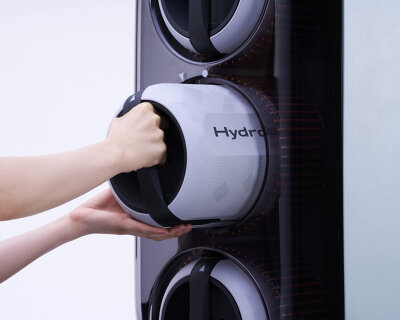
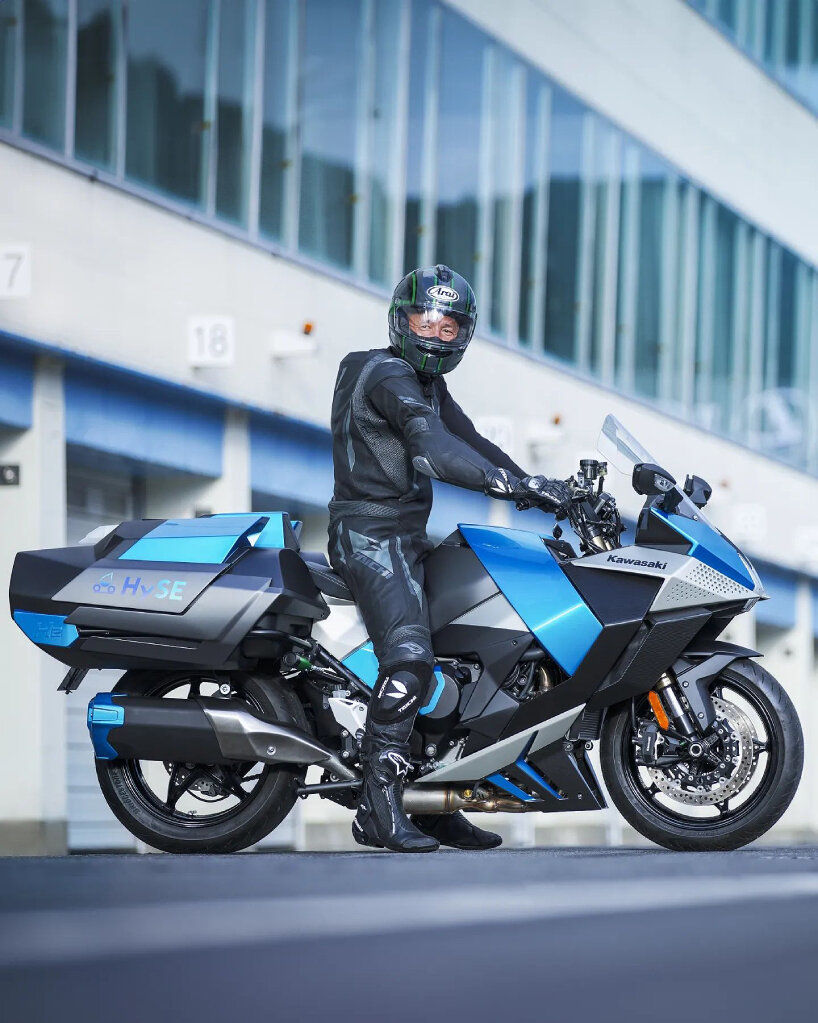
Regarding its body or frame, Kawasaki has designed its hydrogen ICE motorcycle to accommodate hydrogen fuel canisters, or tanks that store hydrogen. The chassis can also hold a hydrogen fuel system, which is the setup that delivers the hydrogen from the canisters to the internal combustion engine. Kawasaki uses its Ninja H2 motorcycle engine for this vehicle, which has been adapted to carry and use hydrogen. The hydrogen ICE motorcycle was designed and built as part of research that began in March 2023, with test runs starting this year and culminating in the public demonstration run.
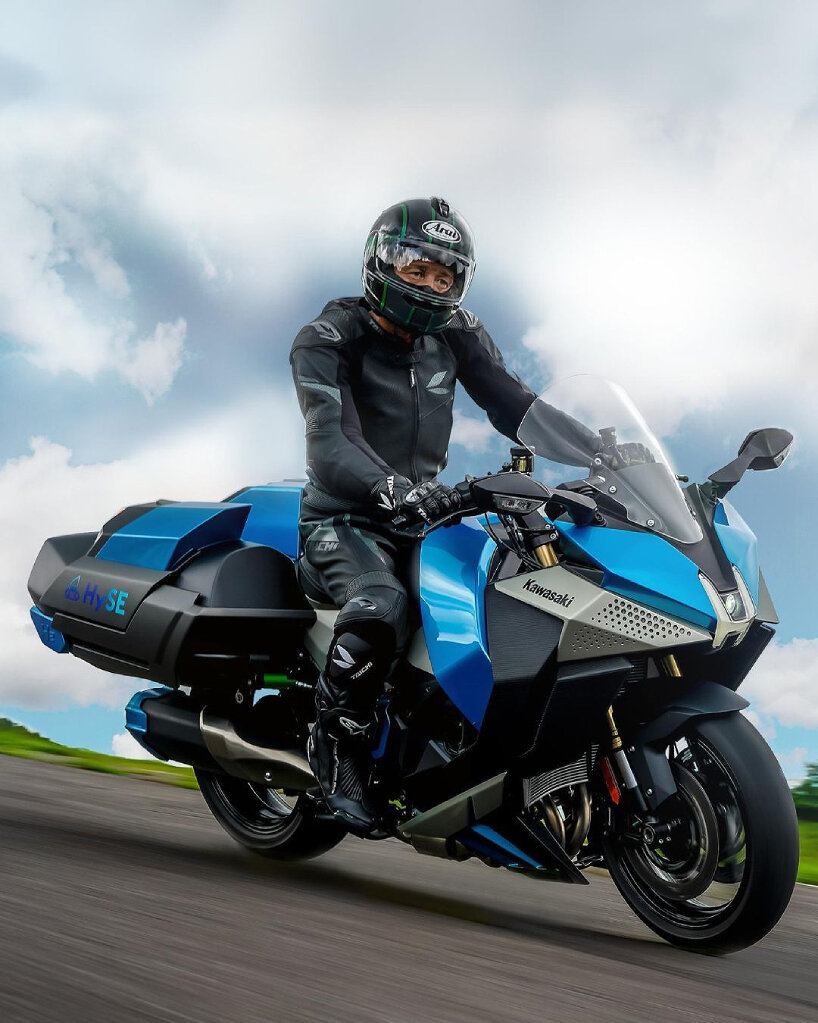
WORLD’S FIRST PUBLIC DEMO WITH WATER AS EMISSION
When the rider revs the throttle by twisting the handle and accelerating, Kawasaki’s hydrogen ICE motorcycle still rumbles and vibrates, despite its non-fuel engine. This is because the engine’s mechanics and the combustion process are similar to those in a gasoline engine.
During its world’s first public demonstration in Japan, the manufacturer noted that its main by-product is water, which comes out as vapor. This makes hydrogen engines much cleaner compared to gasoline engines that emit pollutants like CO2, carbon monoxide, and nitrogen oxides.
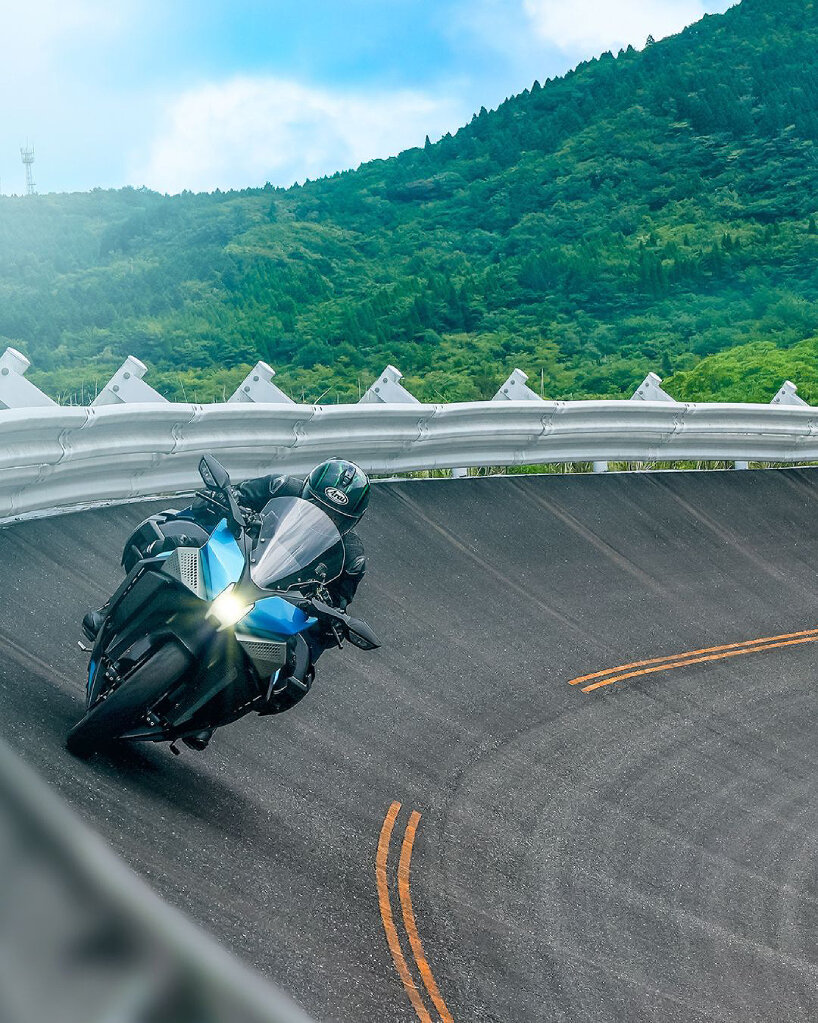
CARBON-NEUTRAL INITIATIVE FOR RIDERS IN THE EARLY 2030S
Kawasaki admits that during the demonstration, a tiny bit of engine oil is burned along with the hydrogen, but adds that this only results in the production of a very small amount of CO2. They claim that despite this, the overall emissions are significantly lower than those from traditional gasoline engines.
So far, Kawasaki Motors is conducting research and development to realize a functioning hydrogen ICE motorcycle for commercial use. This forms part of their carbon-neutral initiative for riders in the early 2030s. The manufacturer says that the time of commercial availability may vary depending on the hydrogen fuel supply infrastructure and the status of legal regulations in each country.
shop
your own online design shop — no sales commission collected