esprit-inspired lotus theory 1 conceptualizes robotic skin 3-seater supercar
lotus theory 1 debuts 3-seater, wedge-shaped, reverse-doored concept car made from only 10 materials.
prefer designboom on google[FEATURED]
lotus theory 1 manifests future sports cars
Lotus is redefining the future of sports cars with its radical new design manifesto, called the Lotus Theory. designboom previewed the embodiment of this vision ahead of its public debut, speaking with the designers behind the Theory 1 concept car. Dubbed ‘a car you wear,’ this futuristic vehicle promises a borderless driving experience that is intuitive, immersive, and thrilling. It serves as a blueprint for all upcoming Lotus cars, promising minimalist materiality, emotional yet intelligent user connection, and F1-inspired design hallmarks in the future.
lotus’ new design DNA
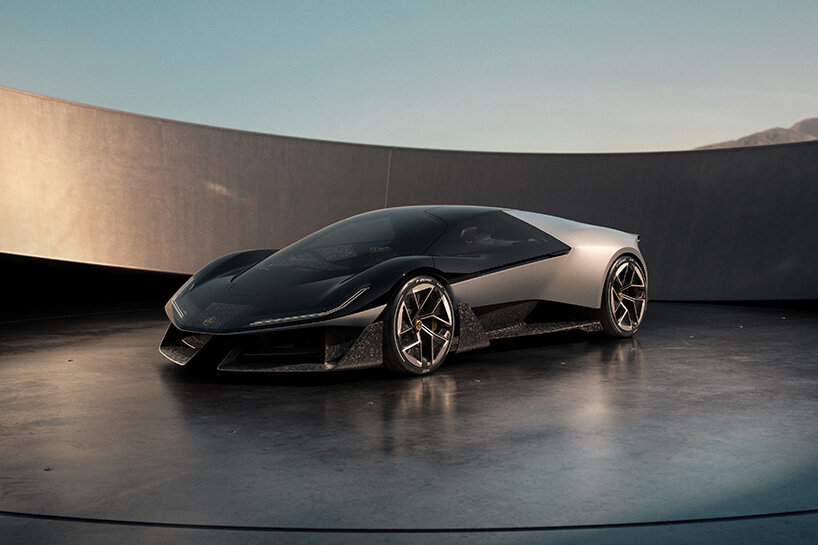
The Lotus Theory declares the brand‘s new design DNA, which stands for digital, natural, and analogue. The philosophy combines immersive, intelligent technology with emotionally resonant design and Lotus’s famed performance. The Theory 1 concept is a manifestation of this vision, specifying how a Lotus car should feel and perform in the future whilst still referencing the brand’s rich history.
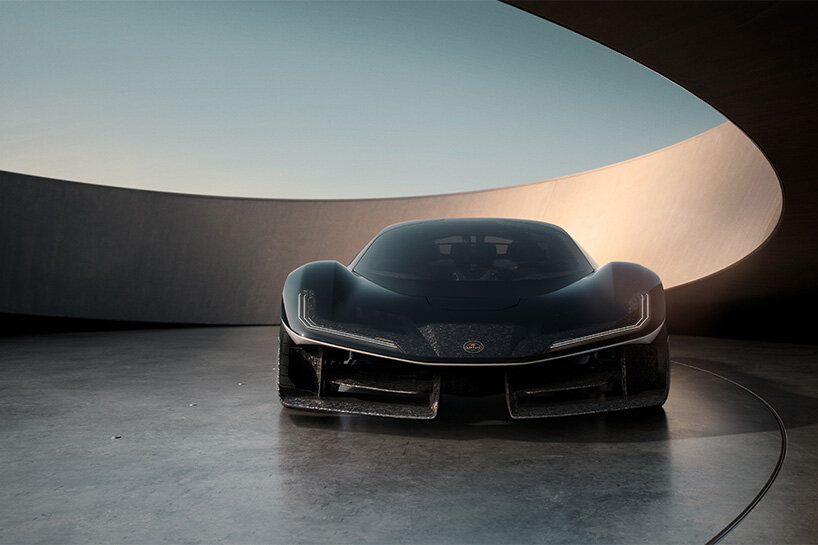
shrink-wrapped, esprit-inspired design
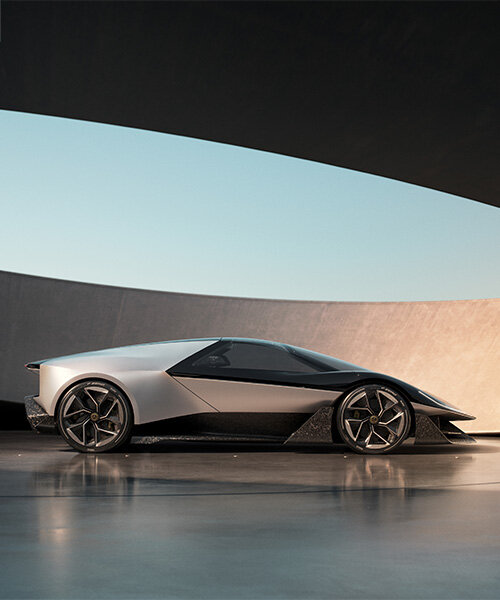
With a clear wedge-shape design, the concept car exemplifies the minimalism of brand founder Colin Chapman’s shrink-wrapping principles but with detailed layering. Recycled glazing aerodynamically flows from the nose up and around to the wrap-over doors and rear body, baring everything from passengers, driver mechanics and air ducts to onlookers. Next-gen laser wire lighting drastically reduces component size and weight, bending wire less than a millimeter in diameter into a dynamic design at the front as well.
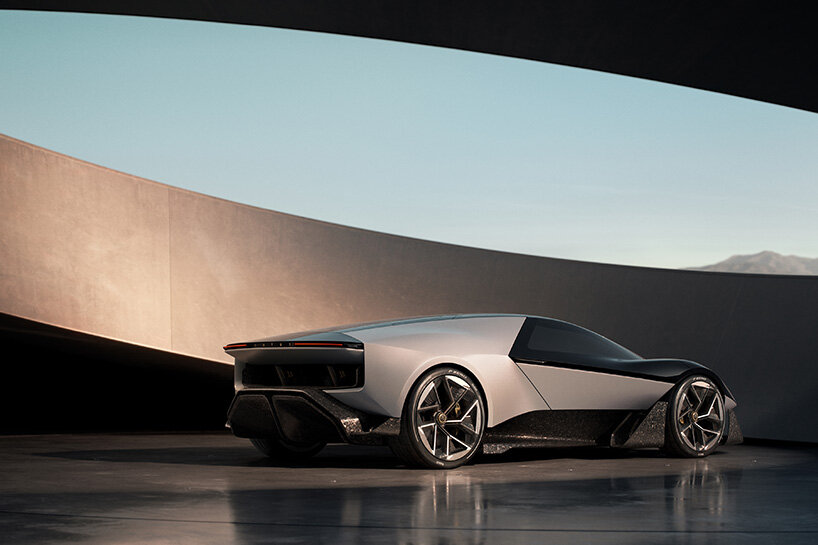
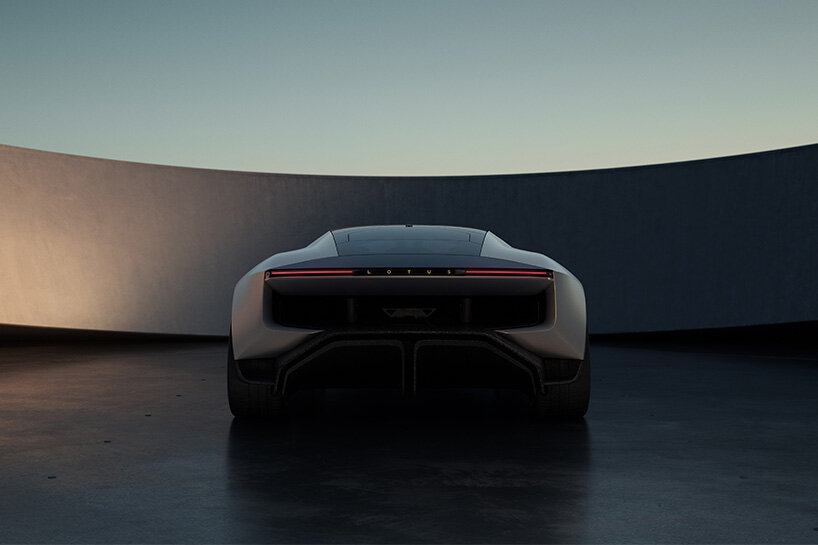
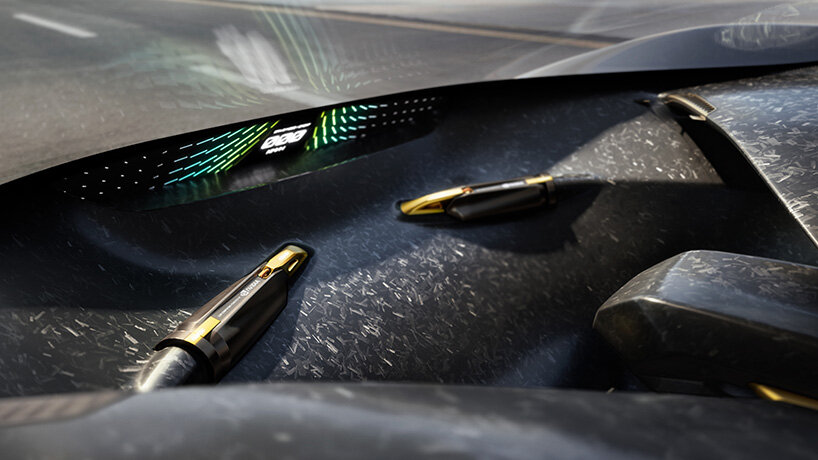
The only interruption to the body surfacing is the technology band, running from the wheel arches and reappearing at the rear. It elevates the functional black joining band of the iconic Esprit into a motif already seen on the Eletre and Emeya. Containing 360-degree autonomous driving hardware from LiDARs to cameras and radars, the Nvidia-powered line uses OLEDs as a communication tool for the driver, passengers, other road users and pedestrians. It runs inside the car as well to give a borderless user experience, meaning the driver does not have to take their eyes off the road.
a car you wear experience
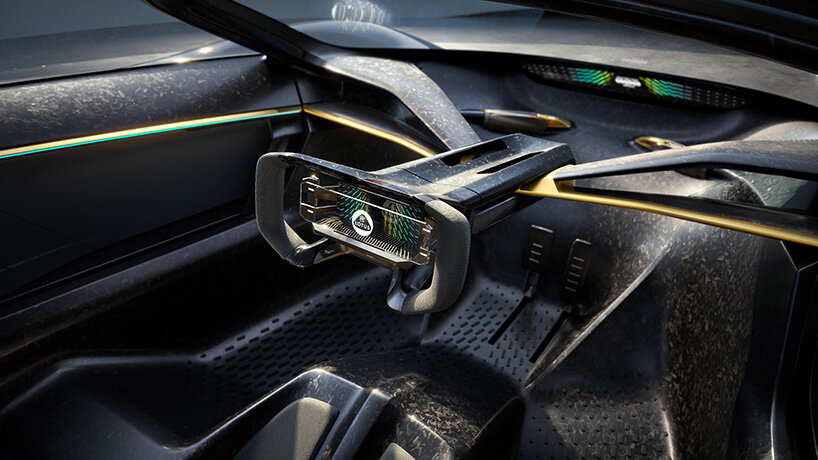
An innovative reverse-opening door system allows for easy ‘step-in’ access for the driver and two passengers. This first-of-its-kind evolves the luxurious yet impractical butterfly or gullwing doors into a wrap-over design with the smallest possible footprint. Inside, the three seats are fully integrated into the architecture. A single piece of carbon is sculpted around the human body to accentuate performance and ergonomics. The driver’s position is front and center to further ‘a car you wear’ experience, enhanced again with adaptive steering and pedal placement.

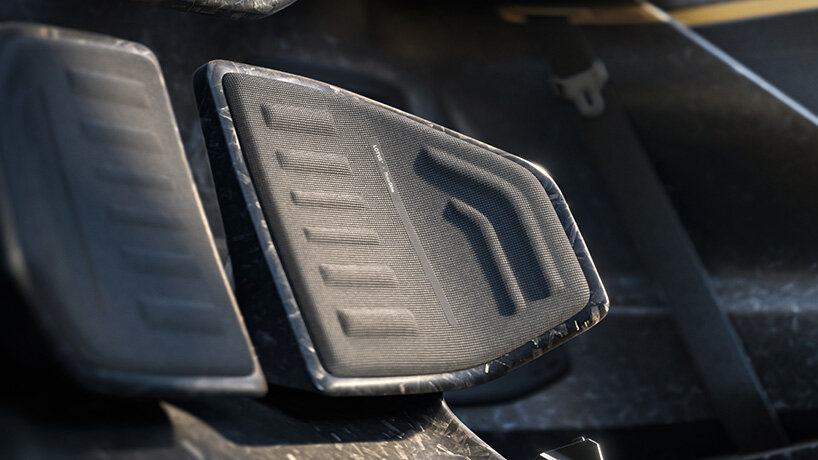
The concept car’s most ground-breaking feature is LOTUSWEAR™, a proprietary immersive driving system developed in collaboration with Motorskins. LOTUSWEAR™ is more than just technology—it is a tactile driving experience. The lightweight robotic textile material uses inflatable pods on the seats and steering wheel to communicate with the driver through added grip, support, and even subtle prompts for navigation. This system turns the car into a second skin, blurring the boundaries between driver and machine.
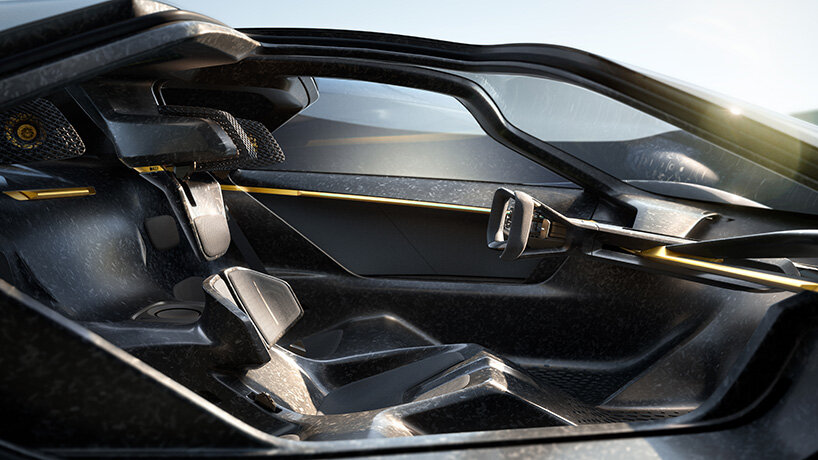
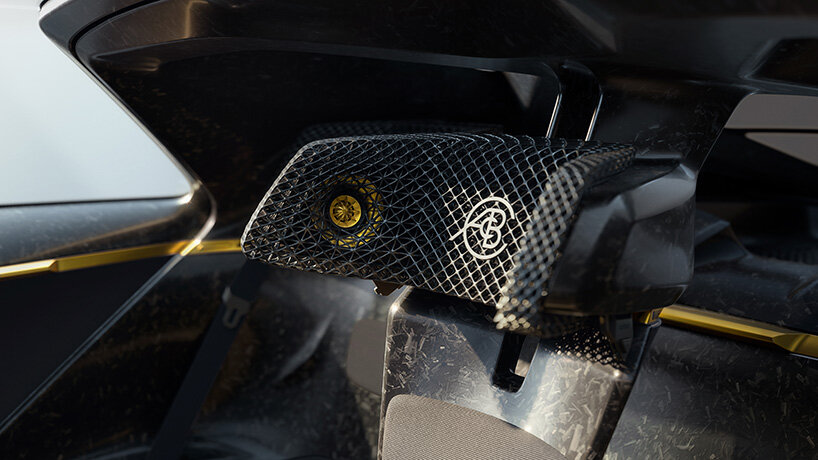
In collaboration with Carbon, Lotus also integrates 3D-printed lattice headrests that maximize comfort and reduce weight. These headrests are part of an innovative binaural audio system, created with KEF, delivering personalized soundscapes or noise cancellation, depending on the driver and passengers’ needs.
challenge of 10 materials
The Theory 1 pushes the boundaries of sustainability in automotive design. Lotus’ Challenge of 10 aims to create future cars using only ten key materials that prioritize performance, durability, and recyclability. This concept car, made from cellulose-based glass fiber, recycled carbon fiber, titanium and only seven other materials, showcases Lotus’ commitment to lightweight construction—a hallmark of the brand’s history. The color, material and finish team redefines luxury by stripping away excess, even using colored materials like gold recycled aluminum to evoke the iconic JPS Formula 1 car.
Lotus Theory 1 further honors its motorsport heritage with advanced aerodynamics and engineering inspired by the Lotus 49 Formula 1 car. The visible motor and battery assembly acts as stressed members, eliminating the need for a subframe and saving weight. A unique active and passive aerodynamic system that includes cooling, rear spoiler and rear underbody further reduces component size and weight, enhancing the car’s overall performance.
The Lotus Theory 1 is not just a concept—it is a bold declaration of the brand’s future. The Theory 1 concept car seamlessly merge human-centric design, cutting-edge technology, and performance innovation into a car you wear, not just drive.

project info:
brand: Lotus | @lotuscars
design manifesto: the Lotus Theory
concept car: Theory 1