
nano-scale 3D printed metal parts with micro laser sintering
the nano-scale process can produce moveable metal component assemblies for applications in the medical, automotive and aerospace industry.
[ADVERTISEMENT]
nano 3D printed parts made with micro laser sintering technology
all images courtesy 3D microprint
german companies EOS and 3D-micromac have come together to establish 3D microprint, a new business enterprise focusing on the production of nano-scale metal components using micro laser sintering (MLS) technology for additive manufacturing. based on digital three dimensional design data built from metal powders, the process works layer by layer, using laser beams to cure the final piece into a solid artifact. otherwise known as ‘industrial 3D printing’, MLS enables the production of parts with complex three dimensional structures, where conventional manufacturing processes normally reach their limits.
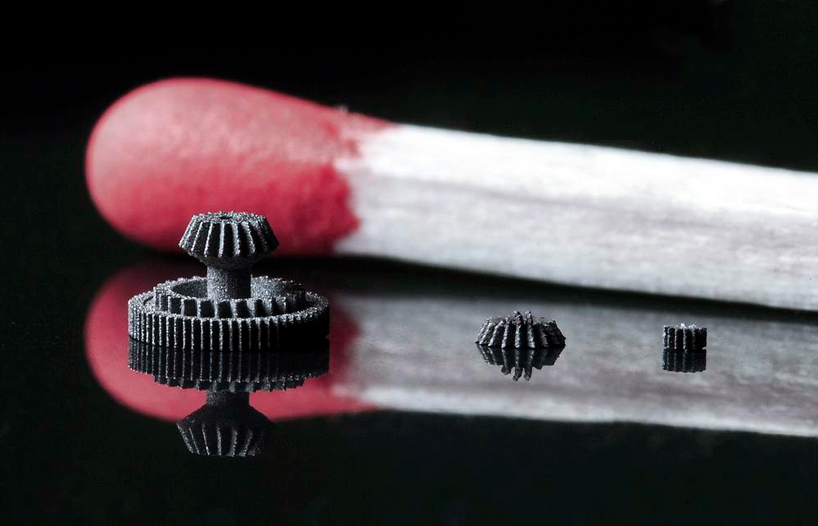
nano scale production scale – matchstick context
the goal of establishing the company was to advance the development and commercialization of MLS technology, helping identify and establish more solutions in the field of micro technology. ‘demand for very small parts which are difficult to manufacture using conventional processes is rising tremendously. micro laser sintering provides solutions for three major trends: individualization, functional integration, and miniaturization. explains hans J. langer, founder and CEO of EOS. ‘working with layer thicknesses of ≤ 5 µm, focus diameters of ≤ 30 µm and powder particle size of ≤ 5 µm, the MLS technology opens up new dimensions,’ adds joachim göbner of 3d microprint. ‘it is even possible to produce moveable component assemblies.’
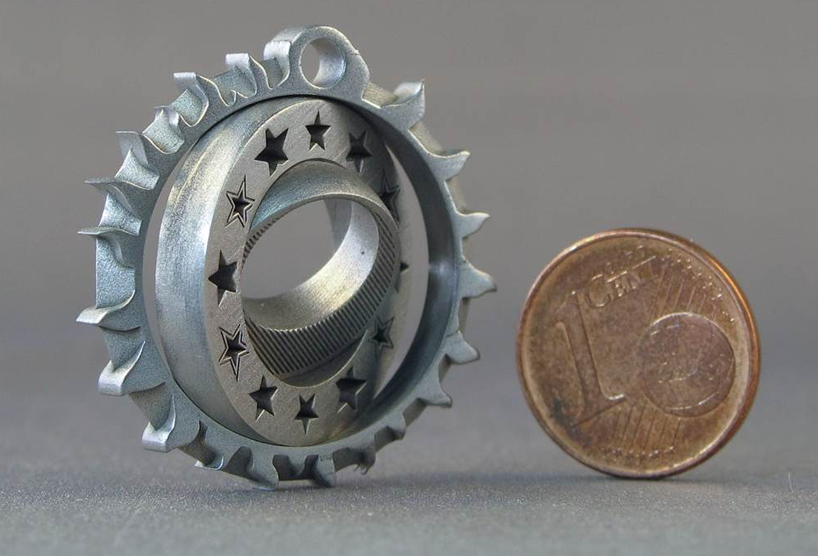
complex forms are easily achieved
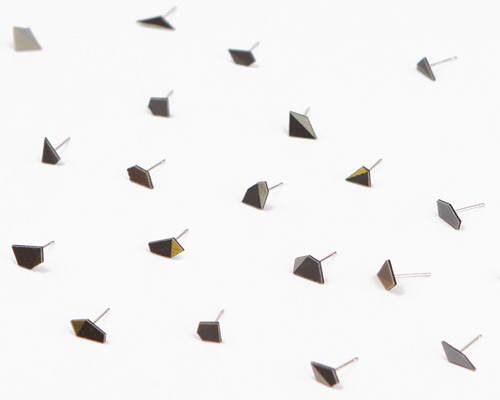
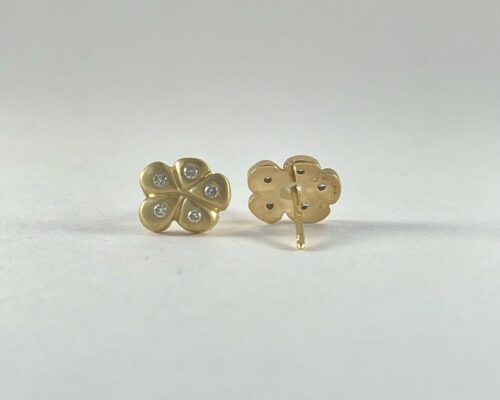
the nano-scale production method offers a high degree of freedom of design, enabling the capacity to integrate and optimize functionality for applications such as nozzles for the automotive industry, components for medical devices, jewelry or for use in aerospace engineering.
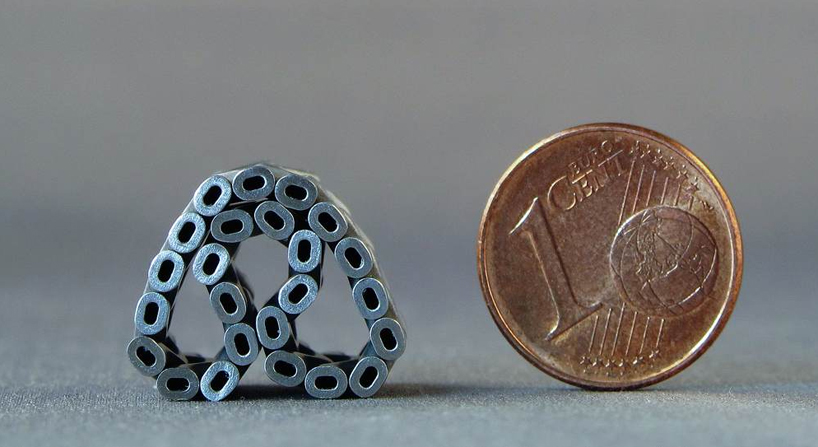
MLS can produce moveable component assemblies in nano-scale