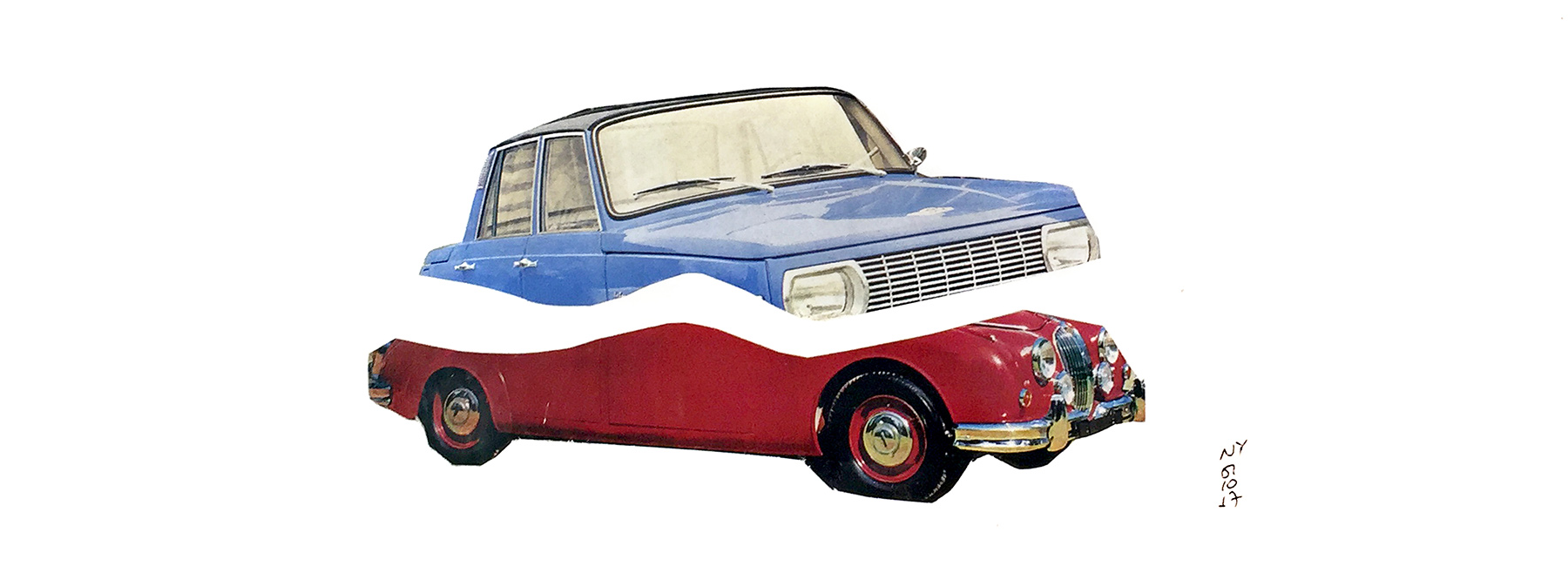
oiio presents modular car concept for 2060 LA mobility plan
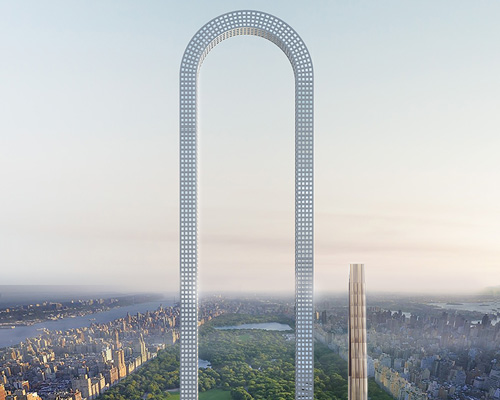
next to this, the studio's 'big bend' architectural concept seems tame.
prefer designboom on google[FEATURED]
in LA, cars have a problem: all their parts — the trunk, the cabin, the engine — are connected together. according to oiio architecture studio, the best way to create a better, seamlessly connected mobility system is by disconnecting these components. next to this, the studio’s big bend architectural concept seems tame.
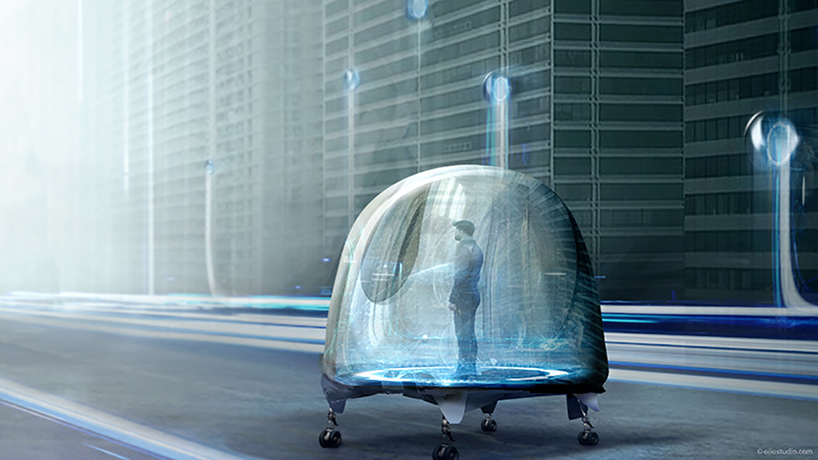
with an autonomous, AI system, these vertical highways and cabin pods could be efficient
it’s true; cars have seats that aren’t always occupied — trunk space that holds a jacket and an umbrella, when there’s room for 2 bodies. all that unused space may as well be waste, suggests oiio. this waste is what led them to question, ‘what if we were able to dissect a working car into working components which could be utilized according to given circumstances?’
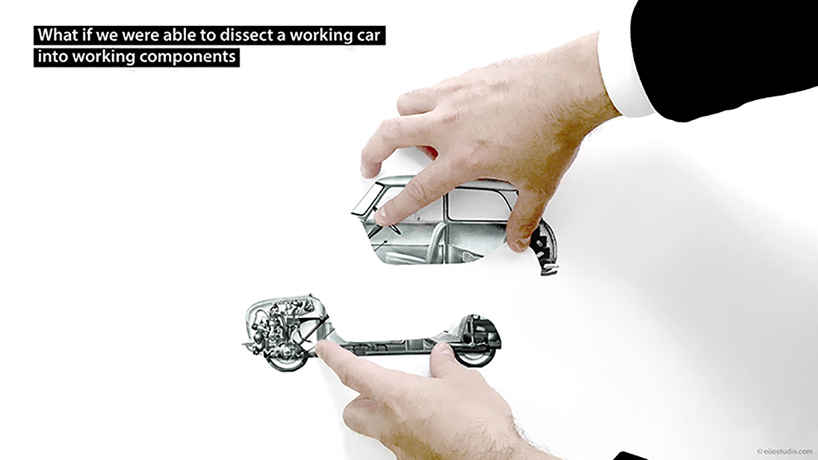
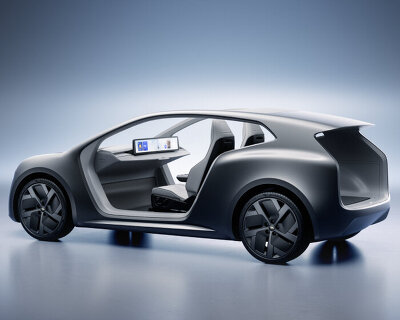
oiio images the car dissected into three main components
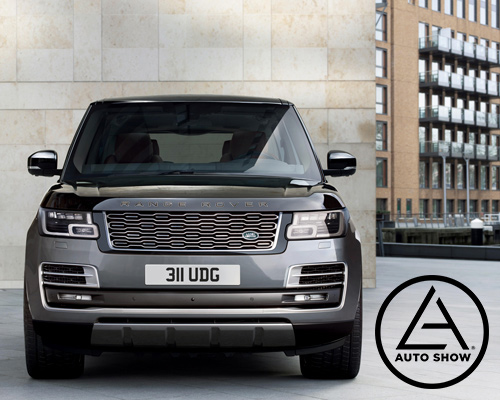
engine, cabin, trunk—for now, one doesn’t benefit you without the other. but in the near future, say 2060, when AI is more of a thing, when people trust it with their lives and don’t question it whatsoever, vertical highways may shuffle around engine platforms and cabin pods. what oiio is proposing is a temporary assembly-unit, which would serve users exact needs on demand. this design challenge for this concept was facilitated by the 2017 LA auto show and sponsored by microsoft.
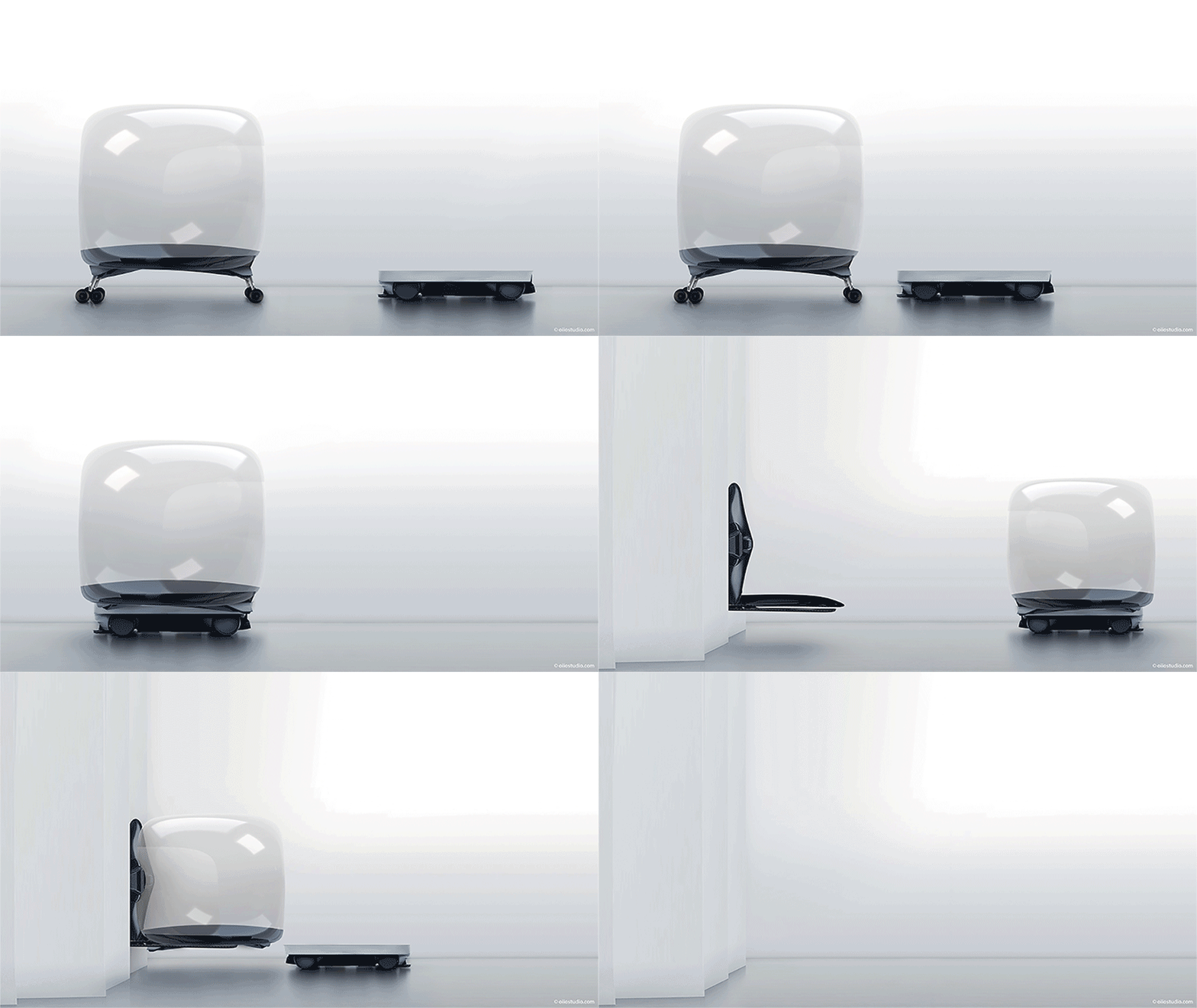
oiio is making a name for themselves with their story-based architectural concepts
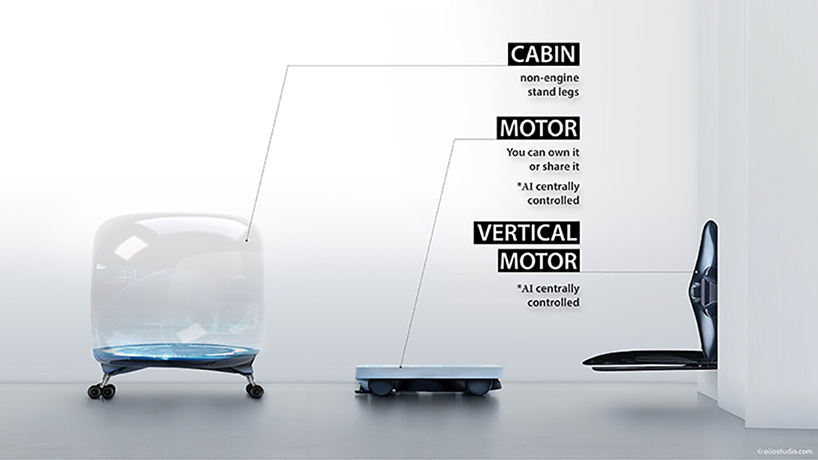
the cabin and the trunk are one
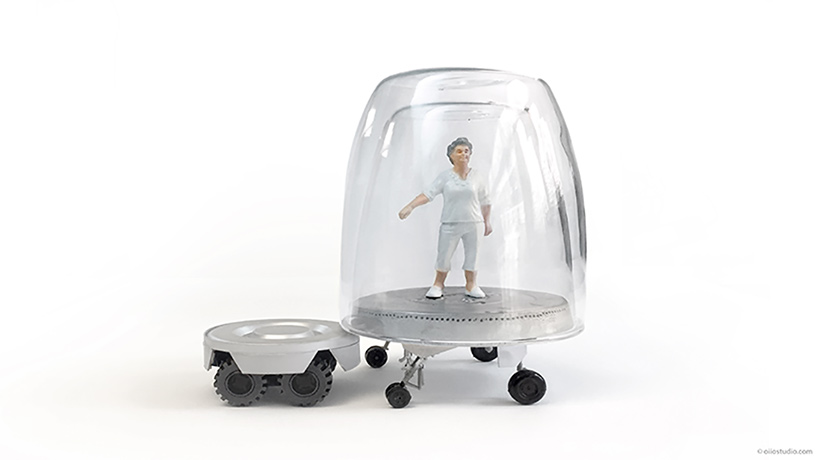
the engine platform is separate

in a world of 1s and 0s, cars should not to anything more or less of what a person needs
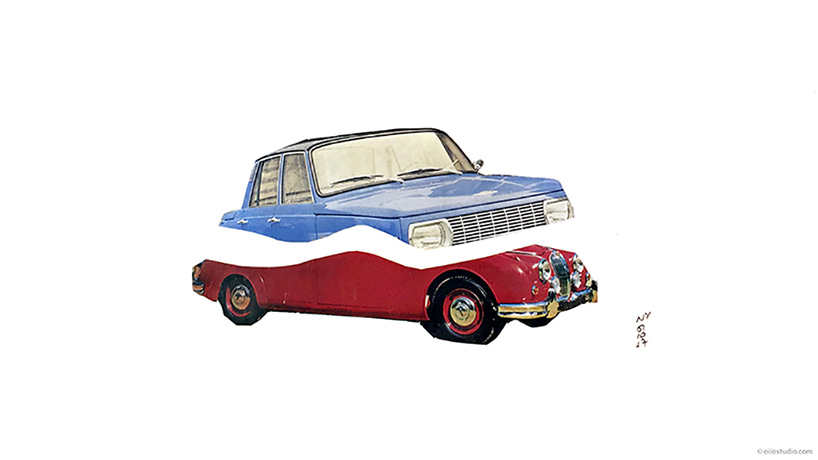
perhaps dividing the car will bring a more efficient system together
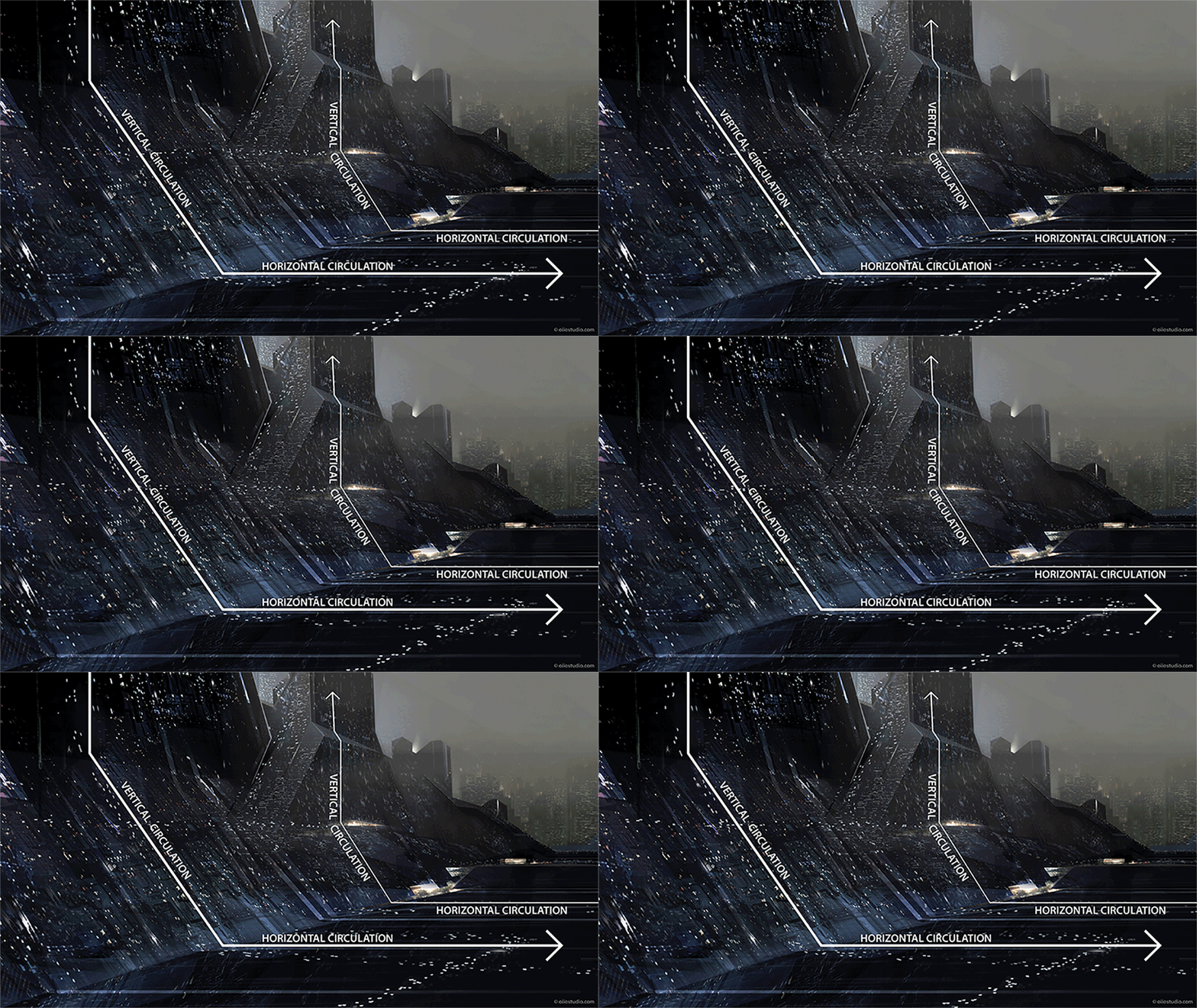
a conceptual glance at LA 2060
shop
your own online design shop — no sales commission collected