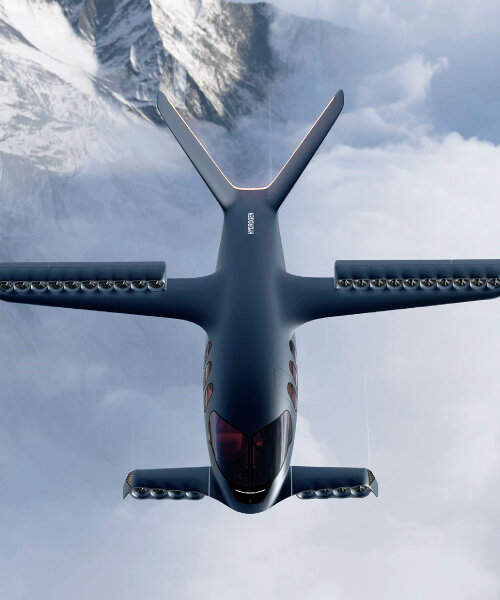
co-designed by BMW’s designworks, sirius jet’s hydrogen VTOL aircraft to take flight in 2025
co-designed by BMW’s designworks, sirius aviation’s hydrogen-powered VTOL aircraft is set to fly for both private and regional commercial flights.
prefer designboom on googleSirius aviation unveils hydrogen-powered VTOL aircraft
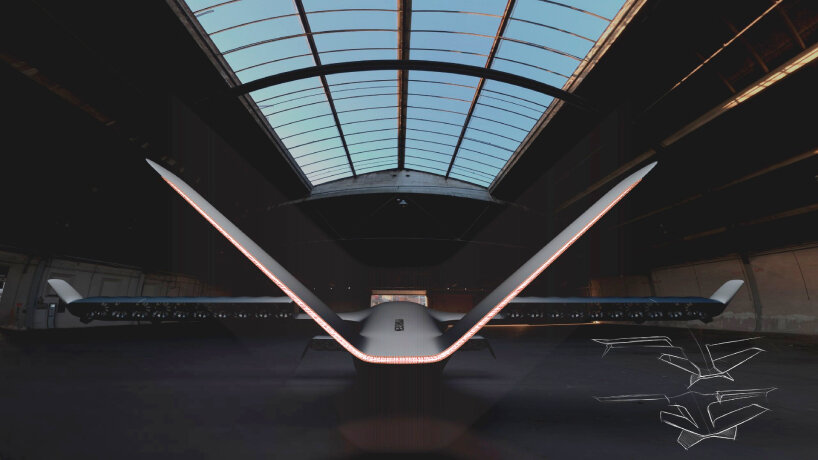
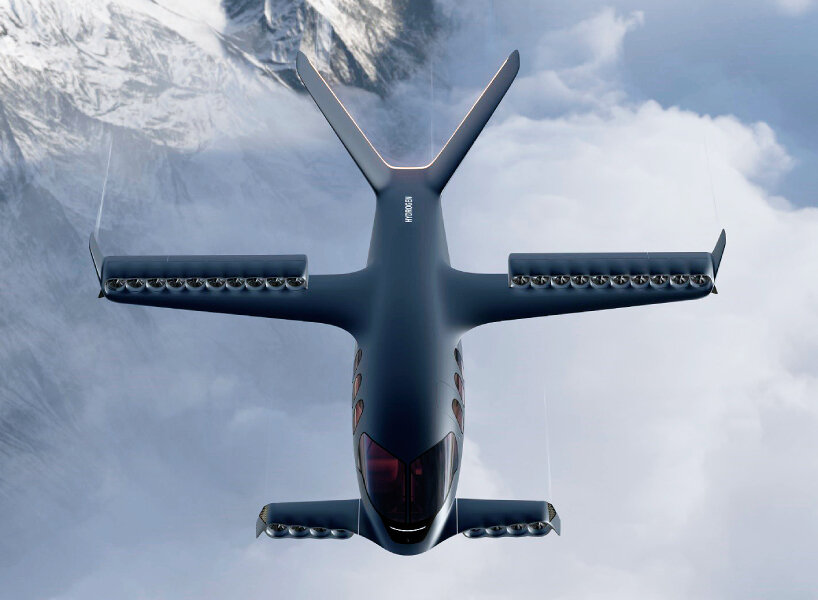
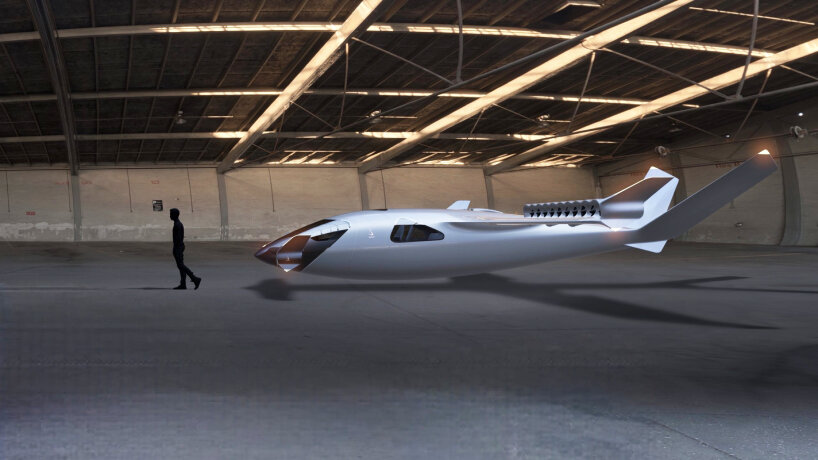
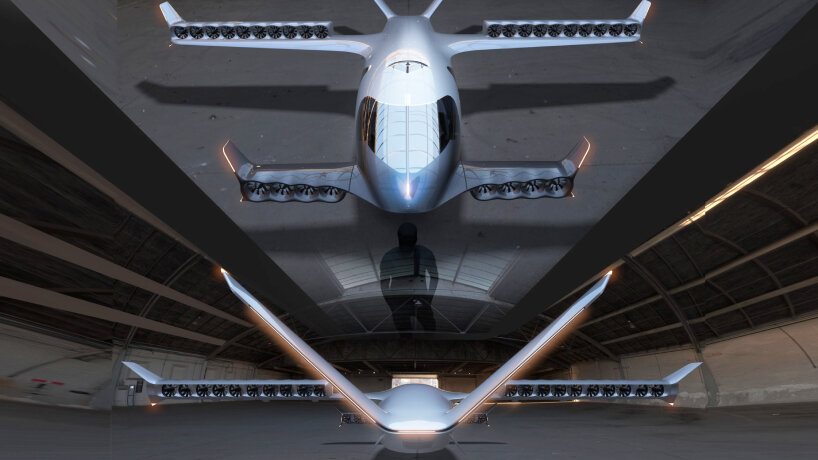
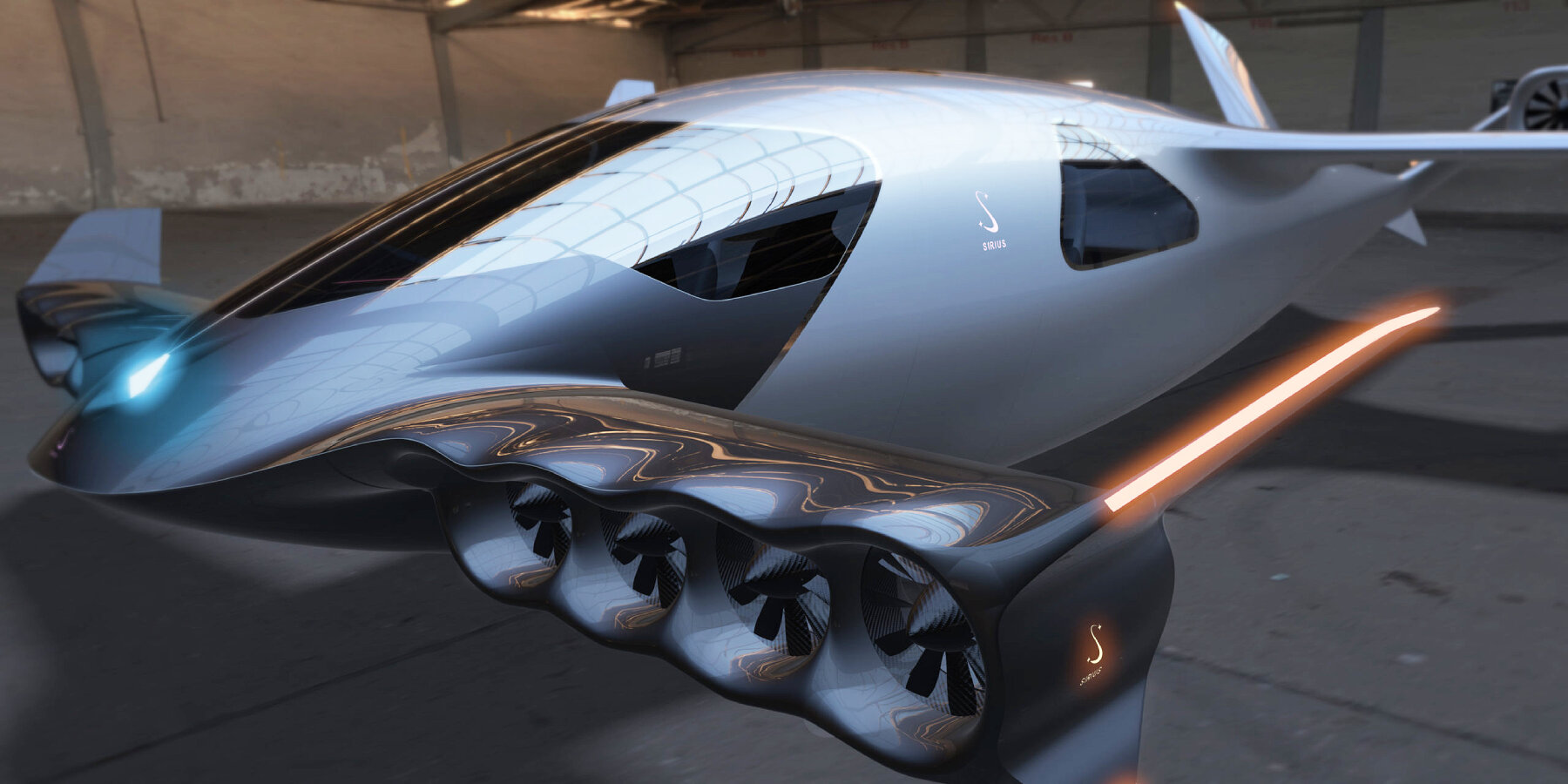
Swiss aviation startup Sirius Aviation AG brings out Sirius Jet, the dubbed world’s first hydrogen-powered VTOL aircraft that is co-designed by BMW’s Designworks and Sauber Group. Since it is powered by hydrogen, the VTOL aircraft is poised to produce zero emissions during the entire flight. On January 17th, 2024, Sirius Aviation is set to host an event at Payerne Airport in Switzerland to unveil the aircraft’s groundbreaking Hydrogen-Electric Ducted Fan Propulsion System with the first public inaugural ignition.
Looking far ahead, the Sirius Jet is expected to take flight in 2025 and in two versions: the Sirius Business Jet is tailored to private jet needs while the Sirius Millennium Jet is crafted for commercial aviation. Sirius Jet’s hydrogen-powered VTOL aircraft aims to generate high-performance and zero-emission VTOL flights propelled by a hybrid hydrogen-electric propulsion system.
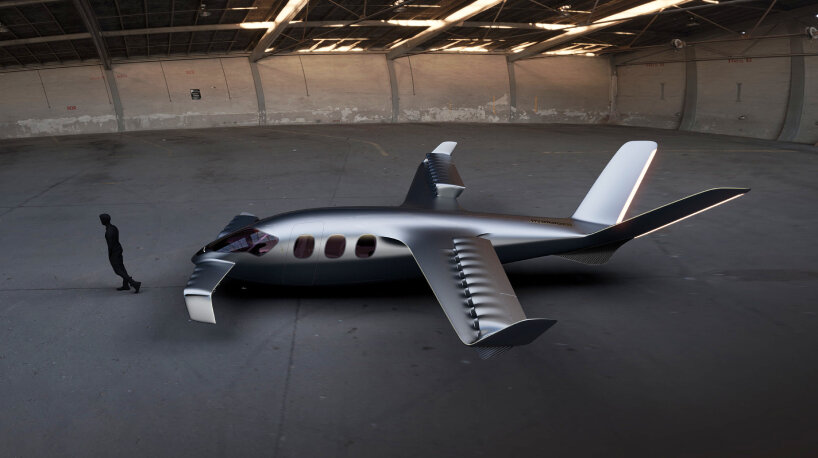
BMW’s Designworks and Sauber Group design sirius jet
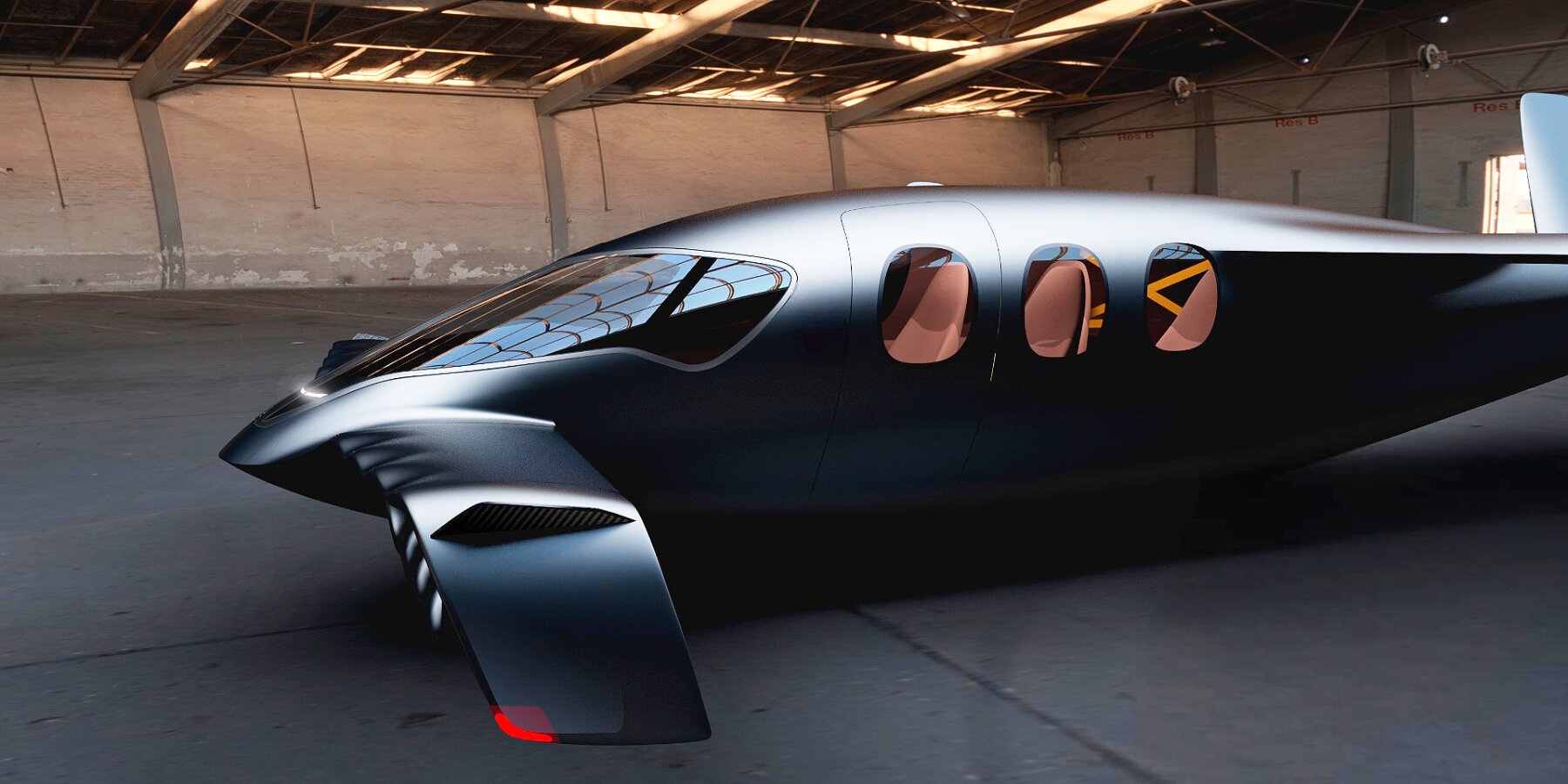
Exploring the two Sirius Jet’s hydrogen-powered VTOL aircraft by Sirius Aviation, BMW’s Designworks, and Sauber Group, the Sirius Business Jet is catered to up to three passengers while the Sirius Millenium Jet can accommodate up to five passengers. The Business version features a mile-flight range of up to 1,150, a cruise speed of up to 323 miles per hour, an altitude capability of 30,000 feet, and a quiet noise level of 60 dBa.
The Millenium variant may have a reduced mile-flight range offer of 650, but its cruise speed, altitude capacity, and soundproofing remain the same. Sirius Aviation is making sure the aircraft features pressurized cabin and ducted fan design solutions and that the two VTOL airplanes are engineered to reach high altitudes of 30,000 feet and achieve a cruise speed of 600 km/h or 323 mph while producing a reduced noise level at <60 dB, which resembles more or less to the sound of a dishwasher.
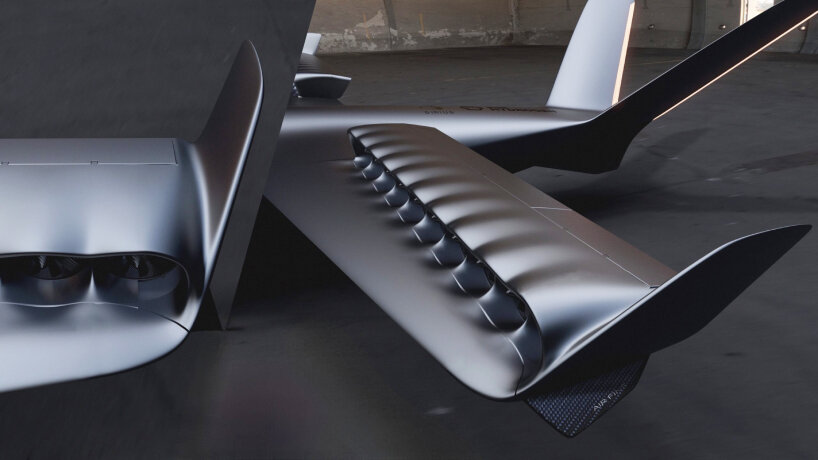
Leveraging jet aerodynamics of plane and helicopter
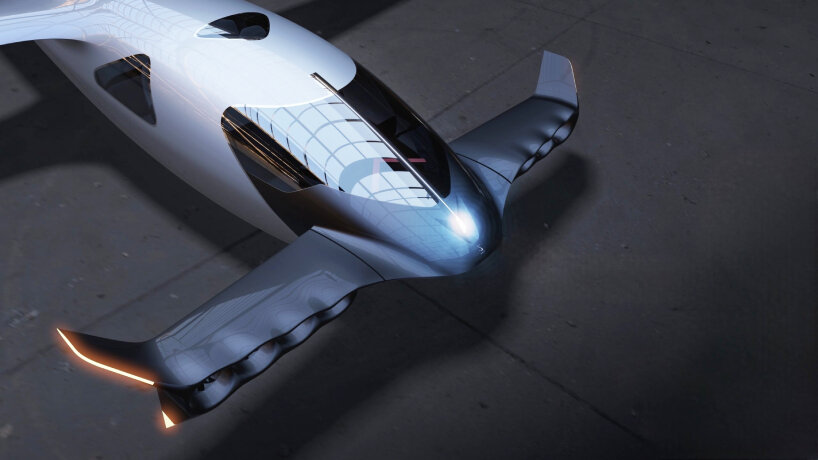
For the design of Sirius Jet that Sirius Aviation, BMW’s Designworks, and Sauber Group came up with, the three companies joined forces to adopt the jet aerodynamics of both airplanes and helicopters. The hydrogen-powered VTOL aircraft is set to be equipped with an airframe parachute system which can allow the passengers to be protected from incidents and minimize any accidents, as Sirius Aviation claims. It hopes to improve the passenger’s psychological comfort, especially for those who are worried about flying and facing uncalled incidents.
Circling back on the hybrid hydrogen-electric propulsion system of Sirius Jet, the VTOL aircraft comes with a fuel tank that can assist the extended flight distances. The combination can allow for a range of up to 1,150 miles, which Sirius Aviation comments can exceed the capabilities of fully electric eVTOLs set at 150 miles, maximum. Along with the unveiling of Sirius Jet, Sirius Aviation AG announces its partnership with BMW Group’s Designworks, Sauber Group, which is renowned for its Formula 1 works, Alfleth Engineering AG, and ALD Group.
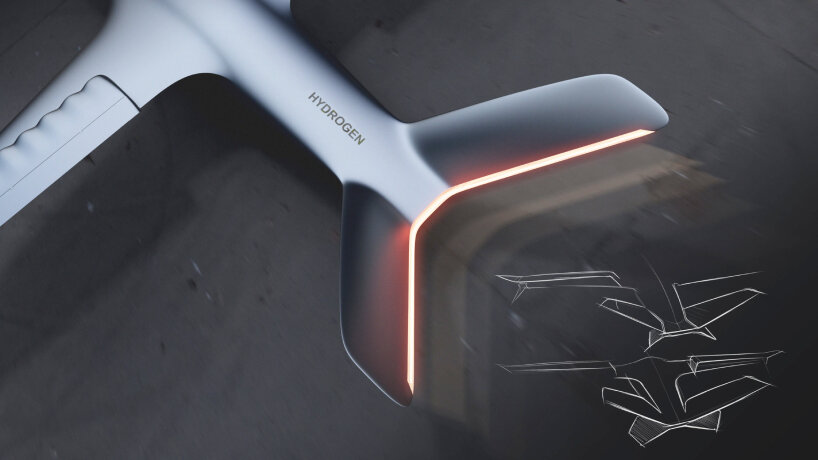
project info:
name: Sirius Jet
startup: Sirius Aviation AG
design: BMW’s Designworks, Sauber Group
partners: Alfleth Engineering AG, ALD Group