Mini robot carries sponge filter inspired by sea urchin
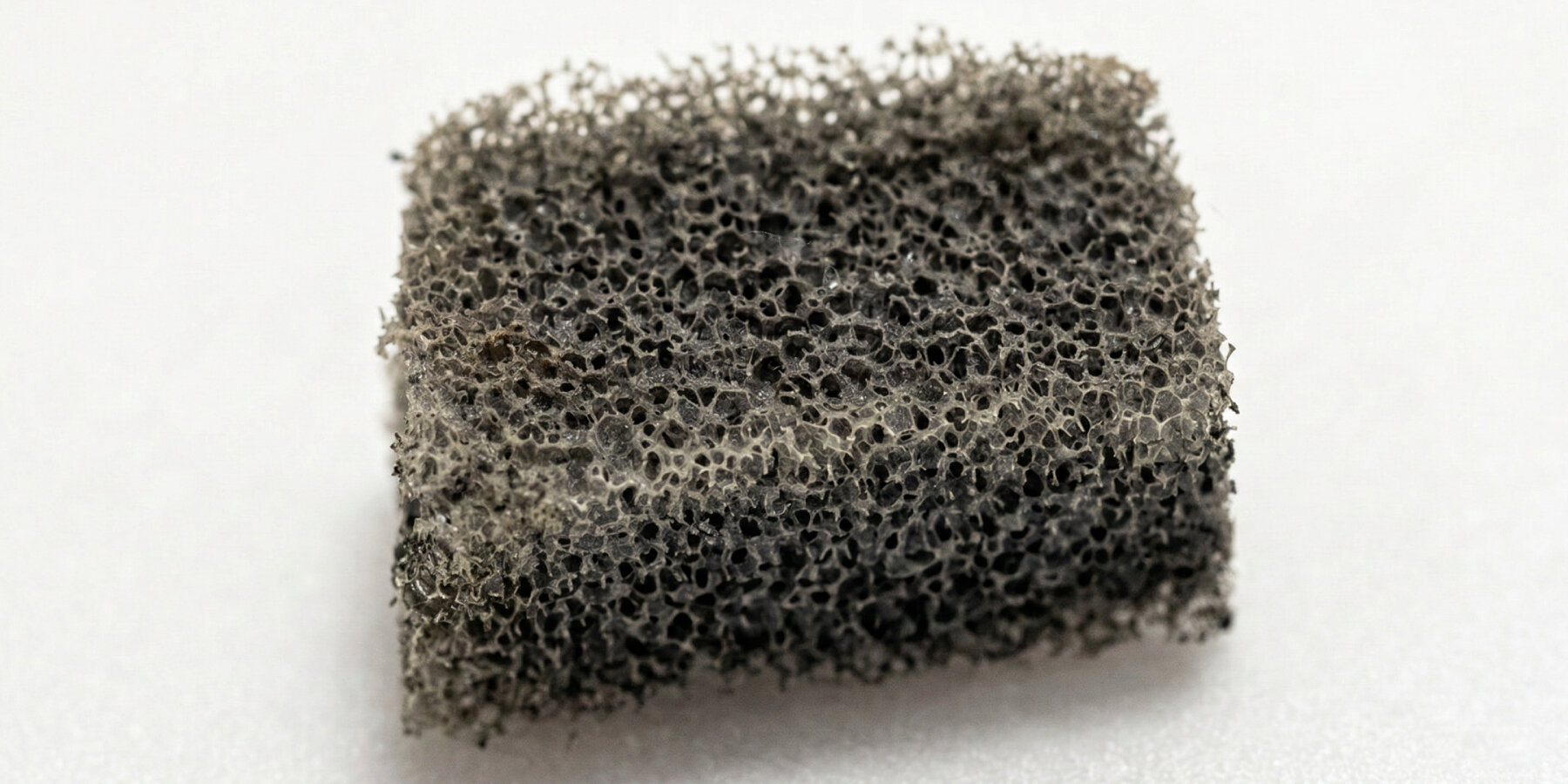
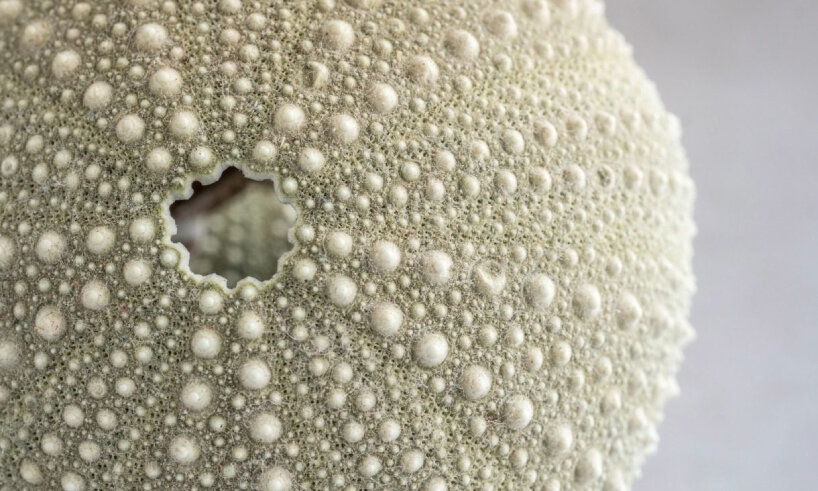
Engineers at RMIT University in Australia have built a dolphin-shaped mini robot that can collect oil spills from oceans and seas using a sponge filter inspired by sea urchins. Made of tiny, microscopic spikes, the filter comes with a coating that turns the spikes into a porous filter material. The base of the filter is a lightweight, sponge-like substrate, absorbent enough for liquid to pass through and hold the coating in place.
It is applied using an eco process, meaning without the harsh chemicals that most oil-absorbing materials have traditionally required. Once coated, the reusable filter surface repels water all the while attracting and absorbing oil. The two liquids, which don’t mix naturally anyway, are now actively separated by the material itself. In testing, the engineers say that the filter recovered oil at about 2 milliliters per minute, with more than 95 percent purity. This means there was almost no water that got through the sponge, but just the oil. The sponge filter resembling a sea urchin helps the marine life by absorbing the oil that will otherwise harm it and its environment.
all images courtesy of RMIT University and the researchers
Oil-collecting device with nozzel at the front
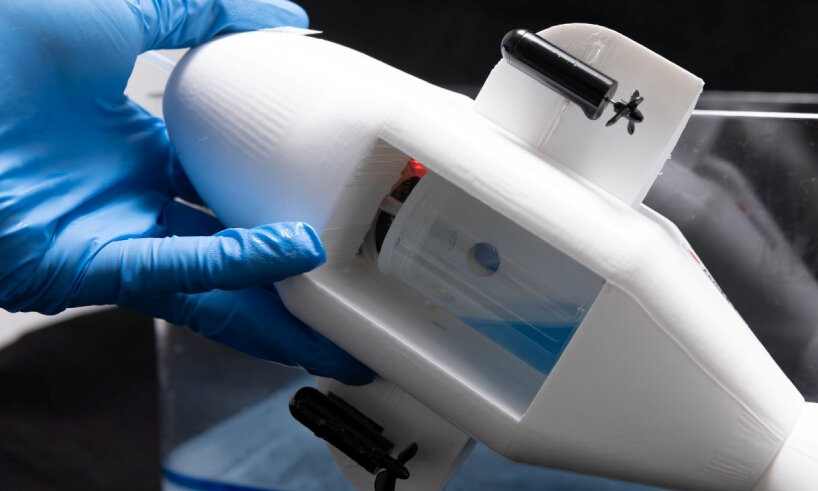
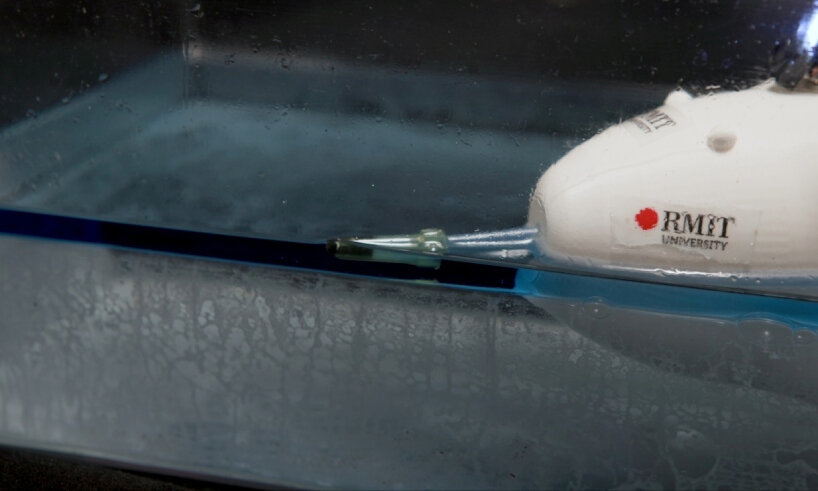
The mini robot that carries the sponge filter, inspired by sea urchins, is named the Electronic Dolphin because its body is shaped like one, white, rounded, and smooth. It houses a small pump, a chamber where the oil temporarily resides, and propulsion fins. The body helps the device to have a low-resistance form so that it moves efficiently across a water surface. At the front, a nozzle draws oil-covered water toward the filter, then the oil passes through and collects in the internal chamber. Water, in this case, is deflected back out.
The sponge filter inspired by sea urchins assists the oil collection here because its tiny spikes trap pockets of air so that water can’t break through or go inside the material but simply rolls off. That works, allowing the oil to be separated from the water, collecting the spills, and properly disposing of it instead of letting it float in the water. So far, the researchers say that the current version runs for about 15 minutes on its battery. Their long-term vision is a dolphin-sized robot that vacuums oil, returns to base, empties itself, recharges, and goes back out again on its own.
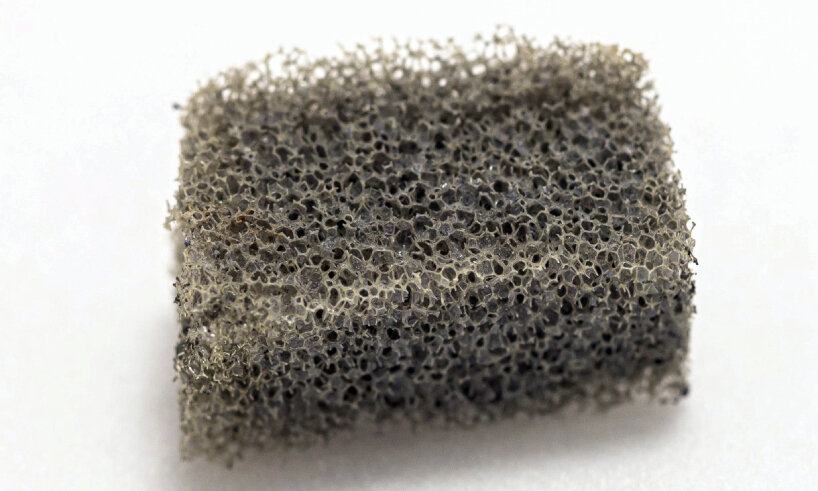
a macro view of the porous, sea‑urchin‑inspired filter material developed for the Electronic Dolphin minibot
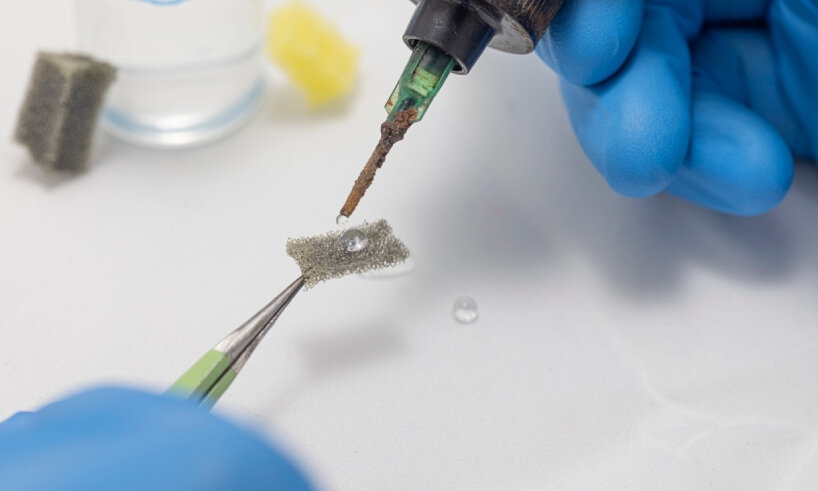
view of the water‑repellent properties of the coated filter, showing water beading on the surface
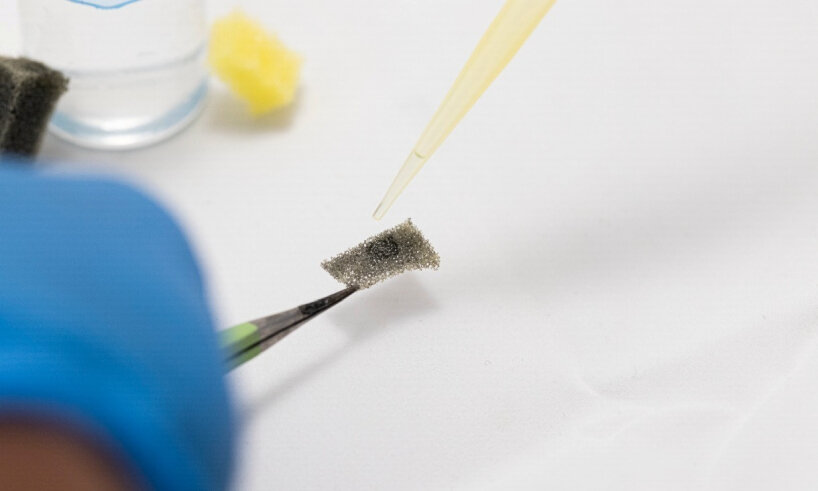
a researcher applies oil to the coated filter material to demonstrate its rapid absorption
view of the Electronic Dolphin minibot above a test tank
the robot houses a small pump and a chamber where the oil temporarily resides
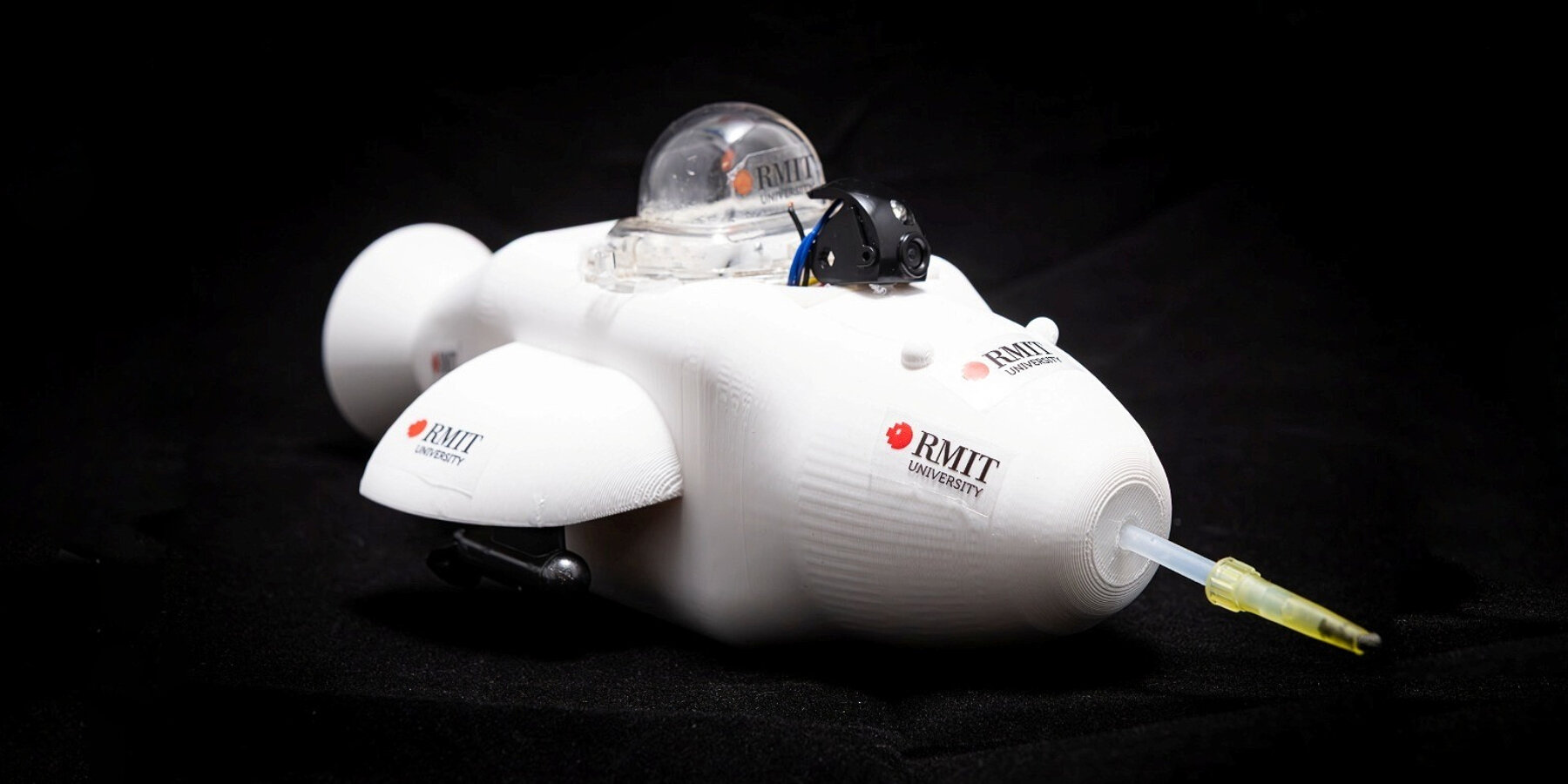
the researchers say that the current version runs for about 15 minutes on its battery
climate change (197)
 Jan 25, 2026
 Jan 16, 2026
 Jan 12, 2026
 Dec 31, 2025
 Dec 17, 2025
materials (197)
 Mar 09, 2026
 Mar 08, 2026
 Mar 06, 2026
 Feb 20, 2026
 Feb 18, 2026
ocean awareness and activism (157)
 Dec 01, 2025
 Aug 26, 2025
 Apr 17, 2025
 Dec 06, 2024
 Oct 22, 2024
robots (602)
 Mar 09, 2026
 Mar 05, 2026
 Feb 27, 2026
 Feb 25, 2026
 Feb 17, 2026
 Mar 04, 2026
 Feb 26, 2026
 Feb 23, 2026
 Feb 14, 2026