3D-printed upya foot prosthetic is 20 times cheaper than conventional
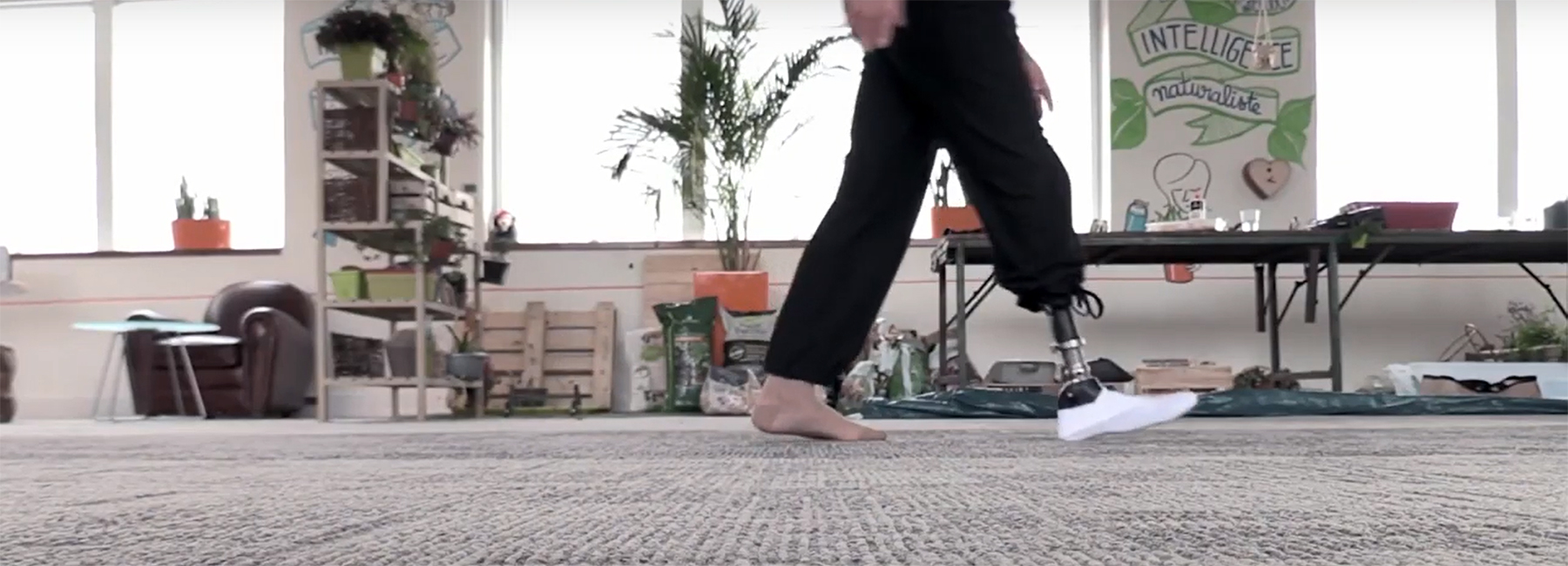
the foot's 3D-printed parts simulate the tendons and muscles to reproduce the energy and dynamism of a human footstep.
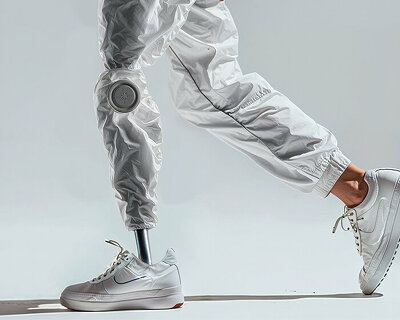
designed for patients in african and latin american countries, the upya foot prosthetic is an accessible, efficient solution for those who need it the most. its name translates to ‘new beginning’ from swahili, and aims to start that for the wearers. alongside a unique construction, the design is made economically via 3D printed parts that can be a assembled in less than five minutes whilst also being adapted to the patient specifically. this all helps the product be between 10-20 times cheaper than a conventional prosthetic limb.
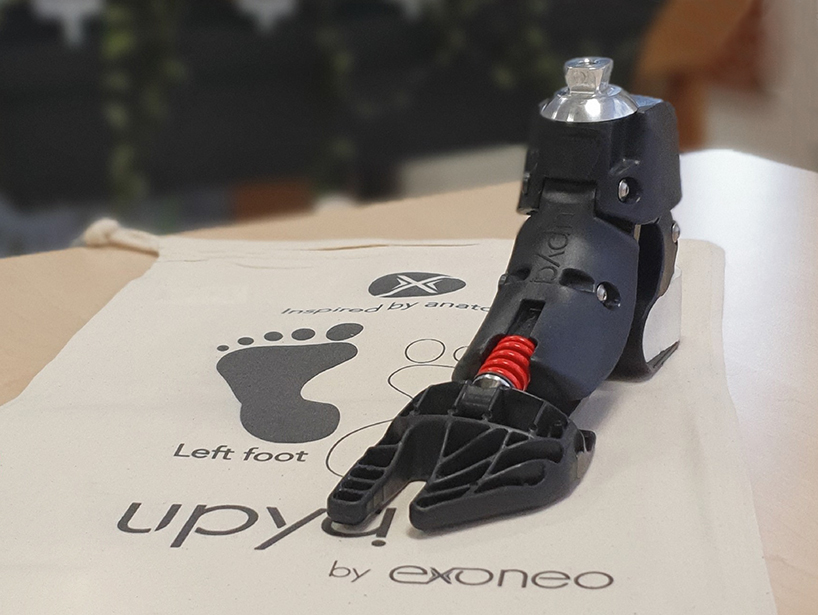
made by exoneo, the design of the upya foot prosthetic is based on biomimicry to deliver ‘a better walking sensation’. its form mirrors an ankle, heel, kick and toes, which can then be enclosed in a casing. inside, a set of blades – along with a spring and cushioning system – simulate the tendons and muscles to reproduce the energy and dynamism of a human footstep. this is all in a product that by being at least 10 times the conventional cost, is far more accessible to those who need it the most.
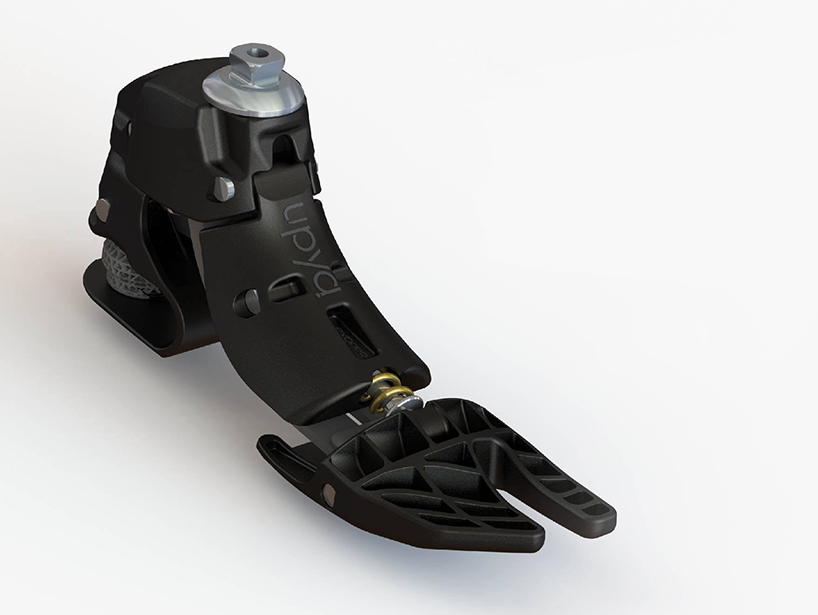
the design forms an ankle, heel, kick and toes
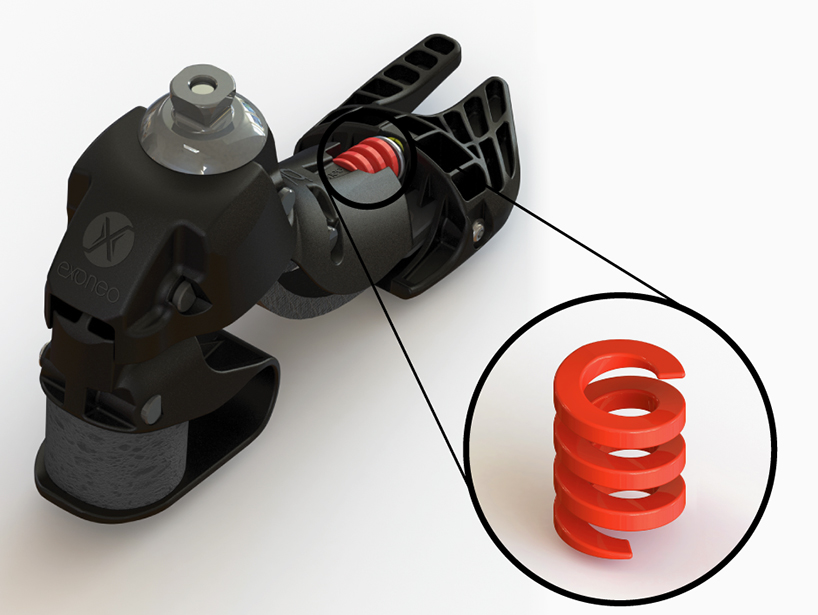
a close-up view of the spring and cushioning system
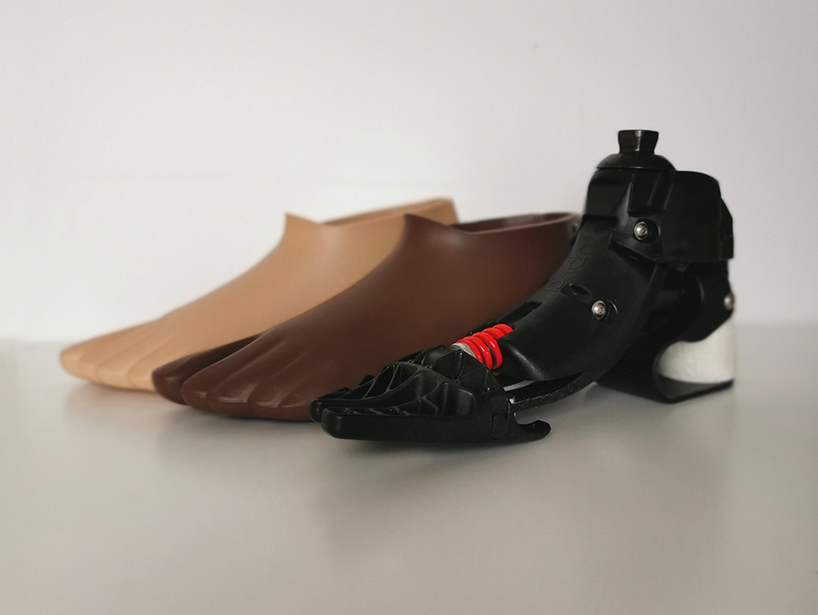
the foot and its encasings
product info:
brand: exoneo
product: upya