vintage experimental racing cars inspire shape of concept vehicle mantis X99
drawing influences from the race car named the mantis XP, the concept car is built as a futuristic track vehicle.
mantis X99 draws design from vintage experimental racing cars
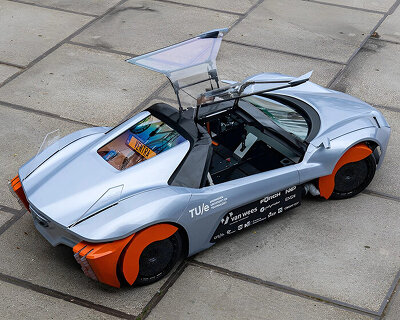
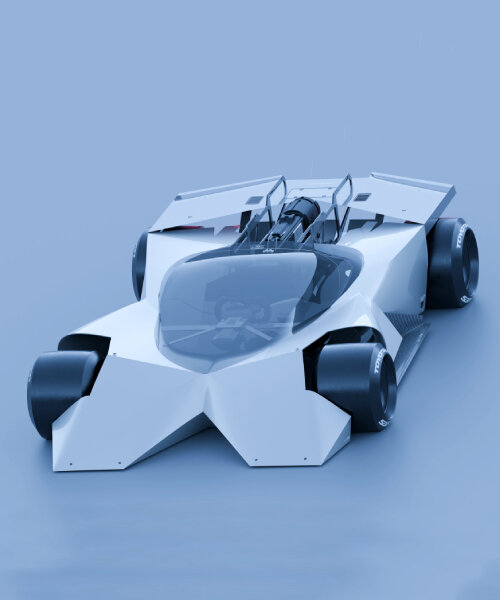
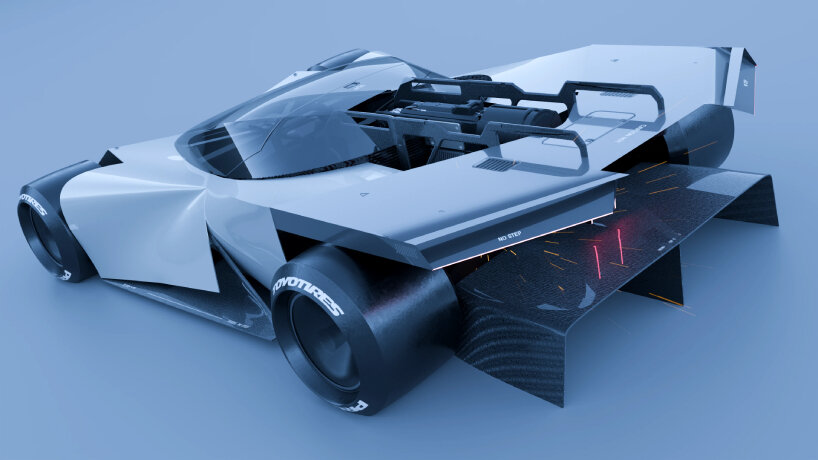
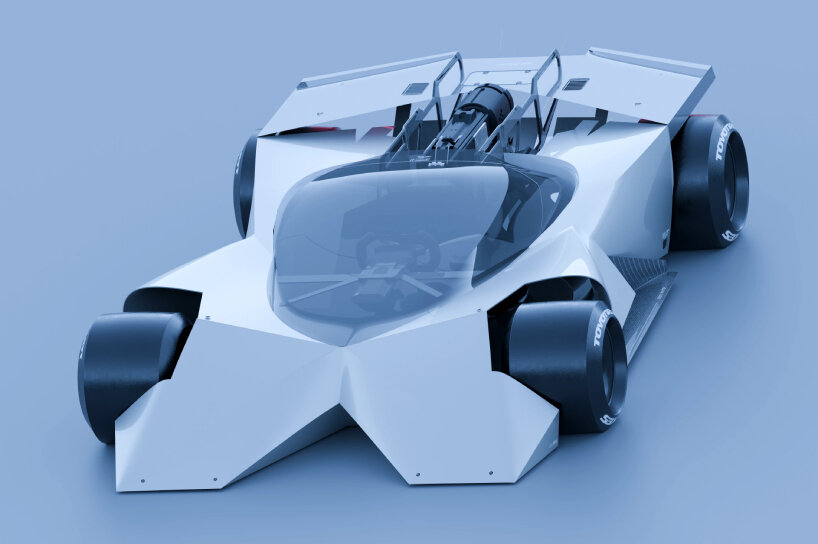
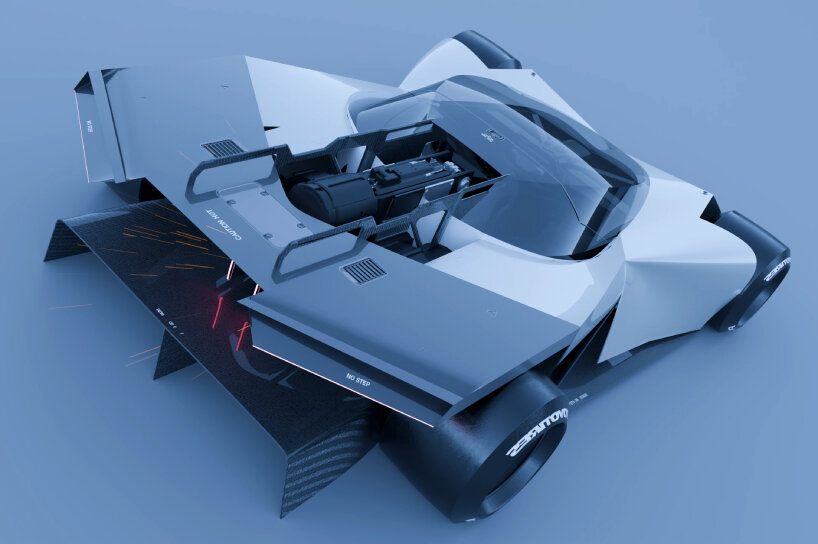
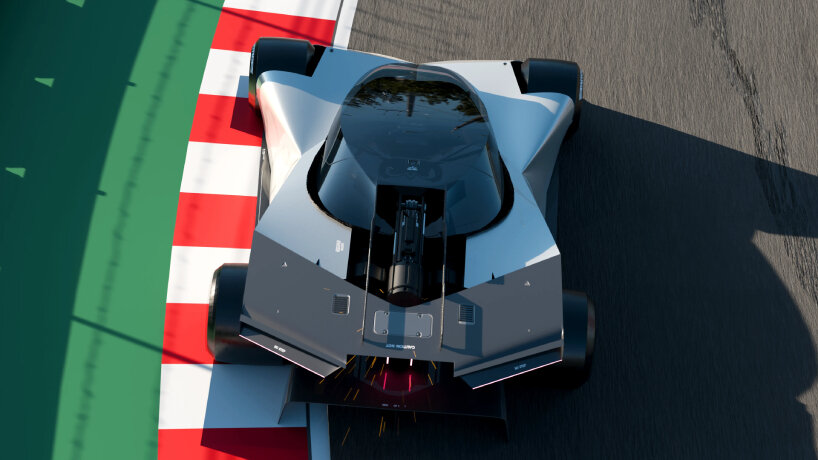
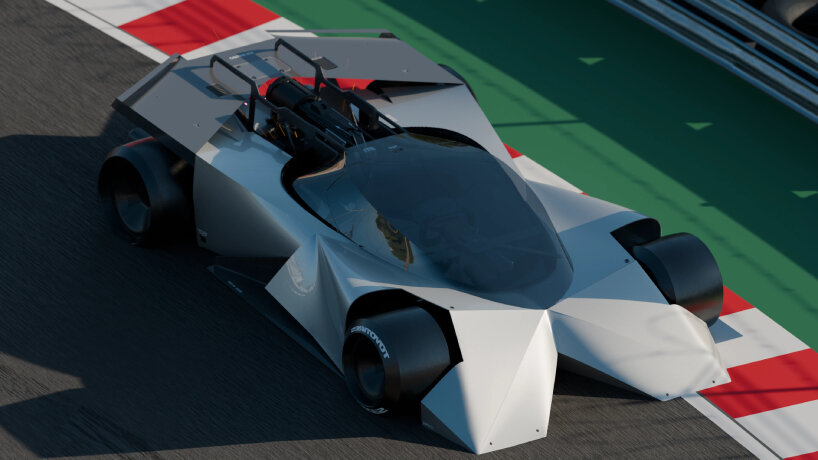
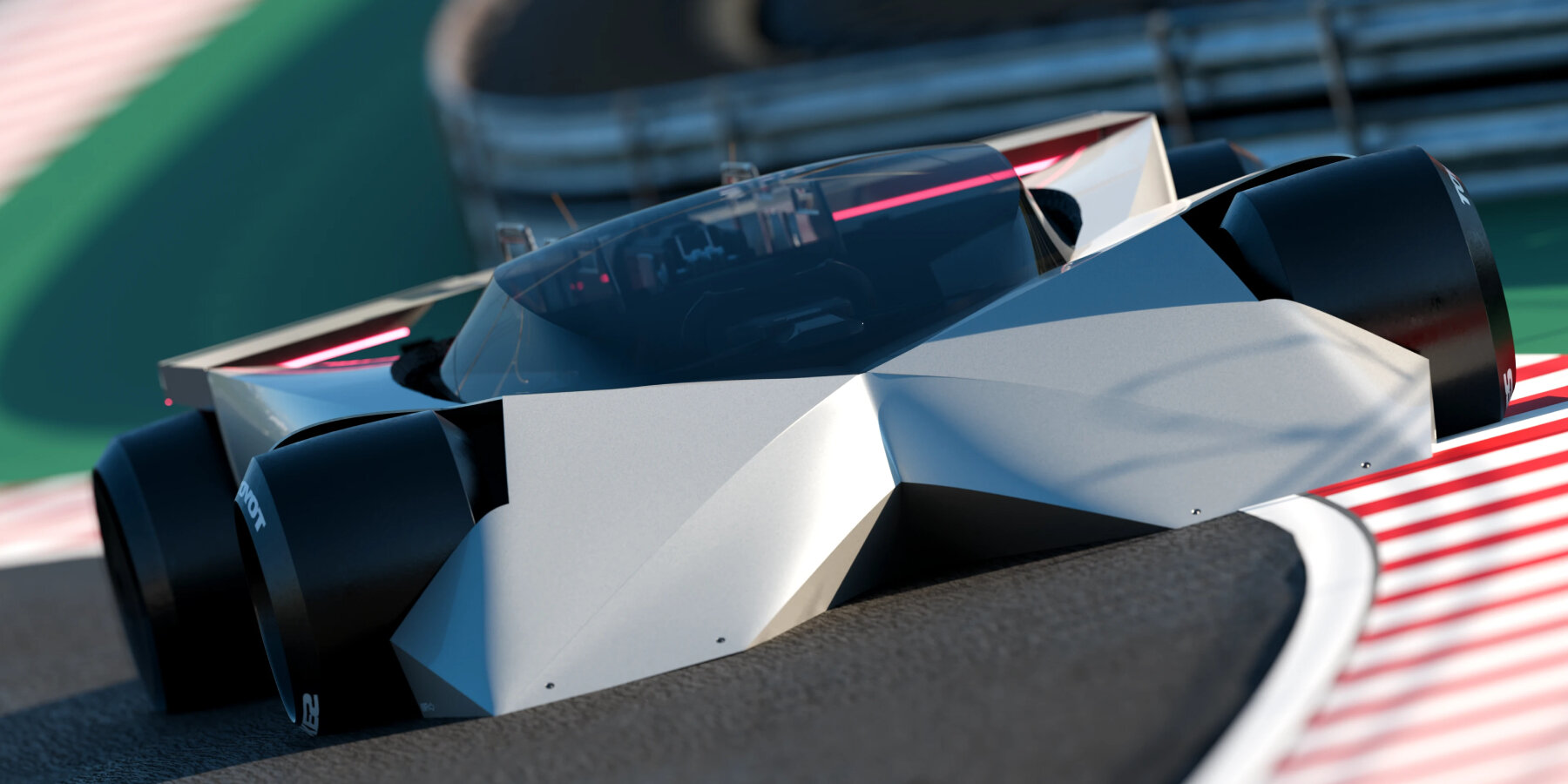
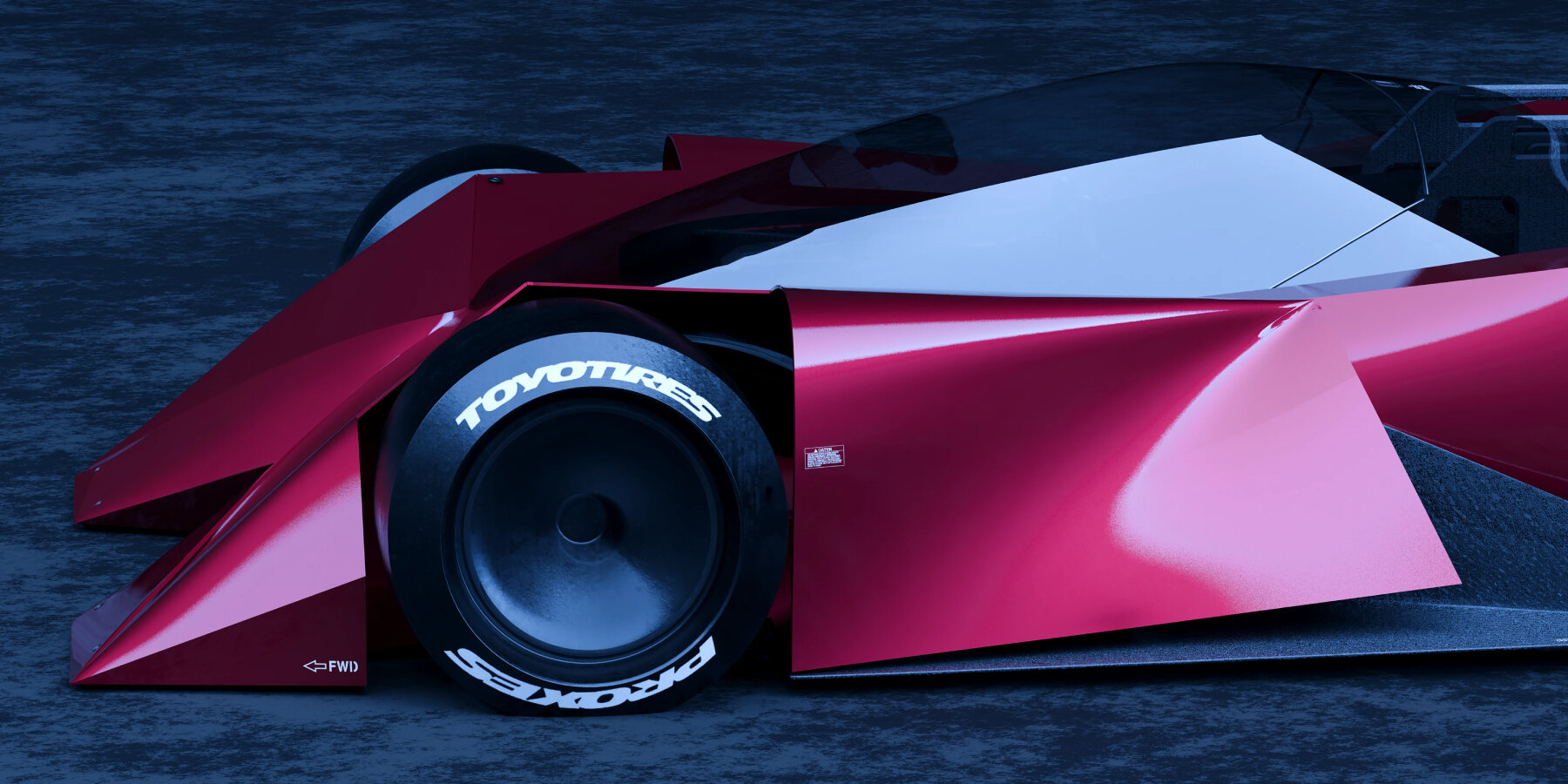
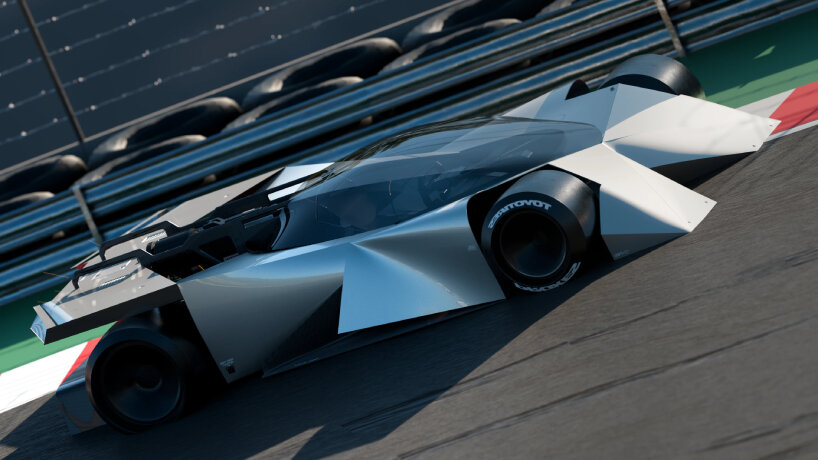
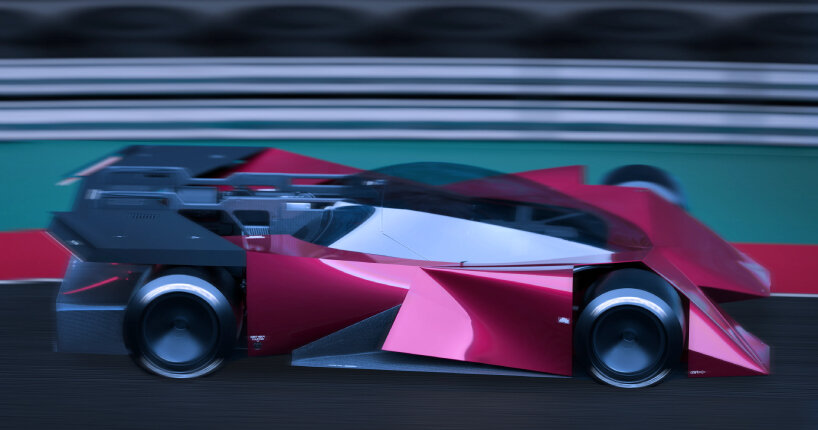
Vintage experimental racing cars give shape to the silhouettes of the concept vehicle Mantis X99 by Sachin Sing Tensing. Drawing influences from the 1968 race car prototype named the Mantis XP, the concept car is built as a futuristic track vehicle, not made for roads but for testing ideas about shape and movement, with its expressive and pointed forms. The designer, always looking at the Mantis XP’s structure, has revamped its proportions to modernize the vintage experimental racing car and fit the new systems and rules of modern track racing.
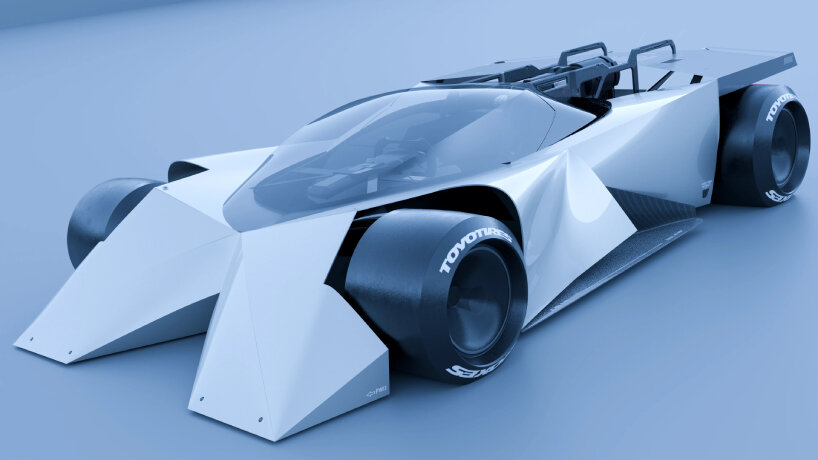
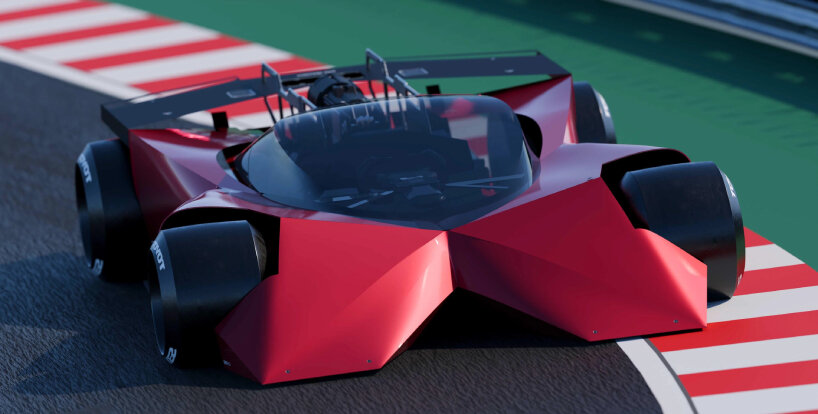
The project aims to reimagine the Mantis XP for the future. The designer tries to combine two elements for the concept vehicle: the mechanical look of the vintage experimental racing cars and the clean technical features of Formula 1 rides these days. The front keeps a forward-leaning stance similar to the original Mantis XP, which helps with airflow and gives space for a central air intake. The nose section is stretched and thin, guiding air over the body and into the side channels. These channels bring air to the cooling system and rear motors, and the body panels are shaped to direct air efficiently while keeping the structure simple and light.
Ode to the 1968 prototype racing car, mantis XP
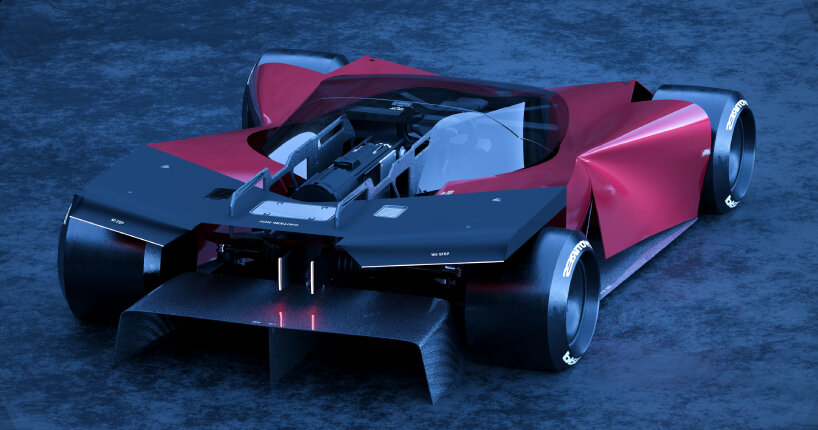
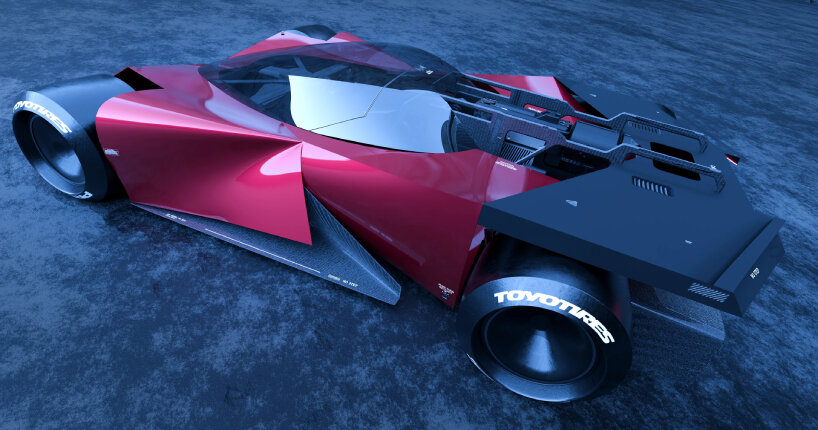
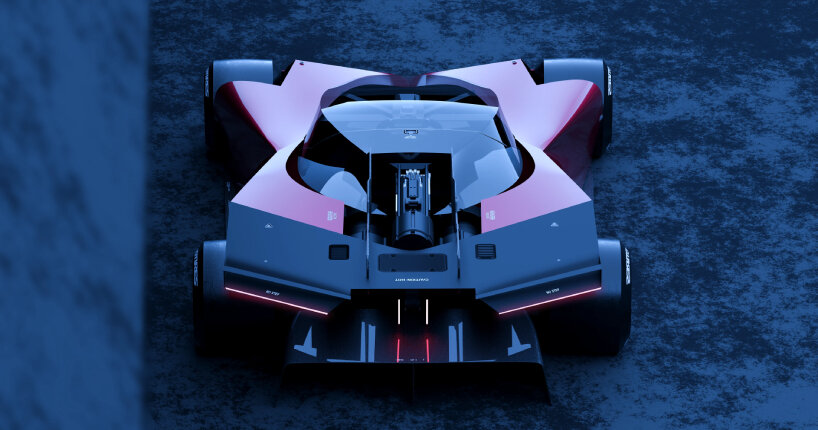
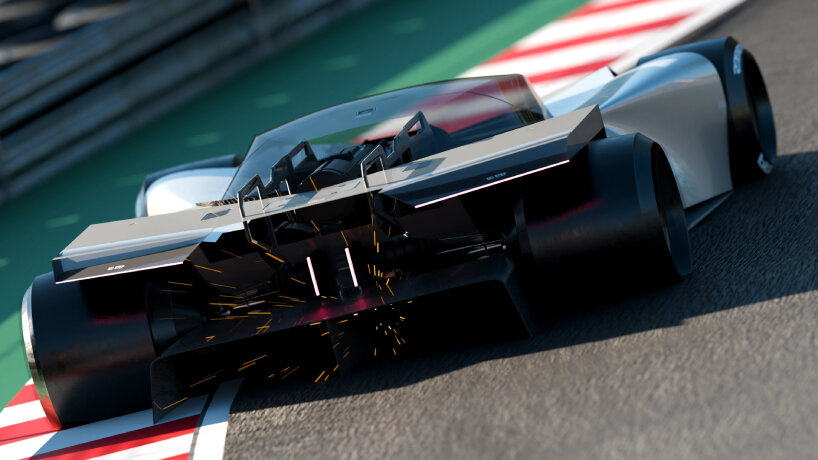
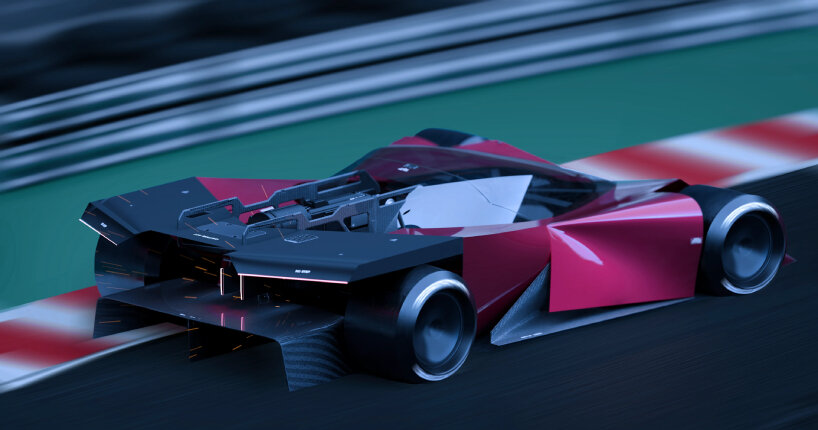
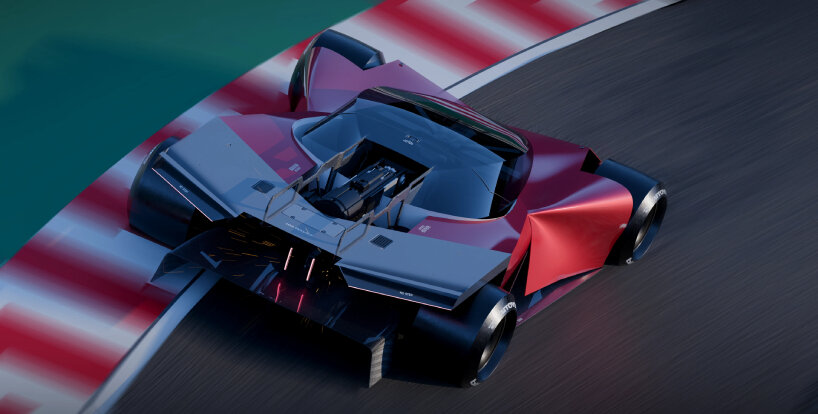
The cockpit of the concept vehicle Mantis X99 is made for one driver. It sits low between the front and rear wheels, with a narrow glass canopy that can open upward. The steering position is centered, like in Formula 1 cars, giving better balance and visibility. The inside design focuses on basic controls, including the steering, pedals, and a digital screen showing speed, battery, and track data. At the rear, the vehicle inspired by vintage experimental racing cars has an open section with visible mechanical parts. This part houses the power unit and suspension system.
The rear wing extends out from two vertical supports to give stability at high speed. The exhaust outlets or cooling vents are placed between these supports. The structure is designed to handle pressure and airflow from the front to the back without adding weight. Designer Sachin Sing Tensing worked on the visual balance of the concept ride to connect the past and future. The Mantis XP from the past had a very experimental look, so this new concept keeps that energy but updates it with sharp silhouettes, straight lines, and elements taken from Formula 1 technology. The front splitter, air channels, and rear diffuser all come from racing design, making up the form of the Mantis X99.
1/6
project info:
name: Mantis X99
design: Sachin Sing Tensing | @sachin_sing_t