we drove volvo’s electric EX60 to russel wright’s modernist woodland home at manitoga
from seasonal color studies to an interior that projects leaves onto its seats, volvo’s electric EX60 draws design inspiration from nature.
prefer designboom on google[FEATURED]
an autumn drive into the hudson highlands
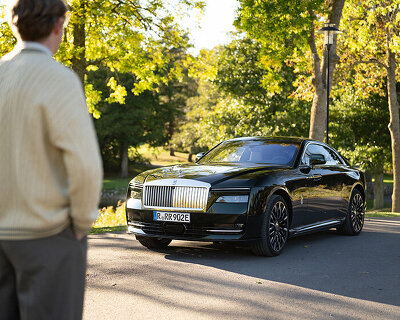
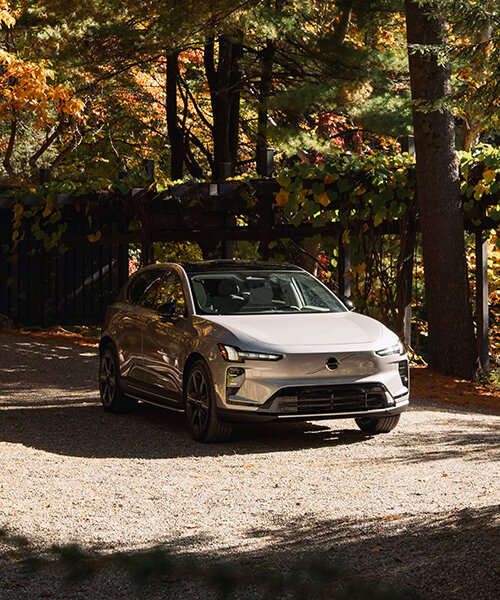
Volvo‘s new all-electric EX60 took us from Manhattan to Manitoga, the woodland home of American industrial designer Russel Wright in Garrison, New York. The drive north brought us out of the city and into the tree-lined roads of the Hudson Valley, glowing with autumn color, where the Swedish automaker had organized a design experience around its newest electric SUV.
During the mid-twentieth century, Wright spent decades transforming a former quarry into a 75-acre woodland estate. The experimental and iconic modernist home incorporates the surrounding forest into its architecture, with the resulting space feeling like an architect’s fairytale.
Volvo’s designers have been exploring similar ideas for the EX60, studying natural materials and the changing colors of the landscape to shape the experience inside the car.
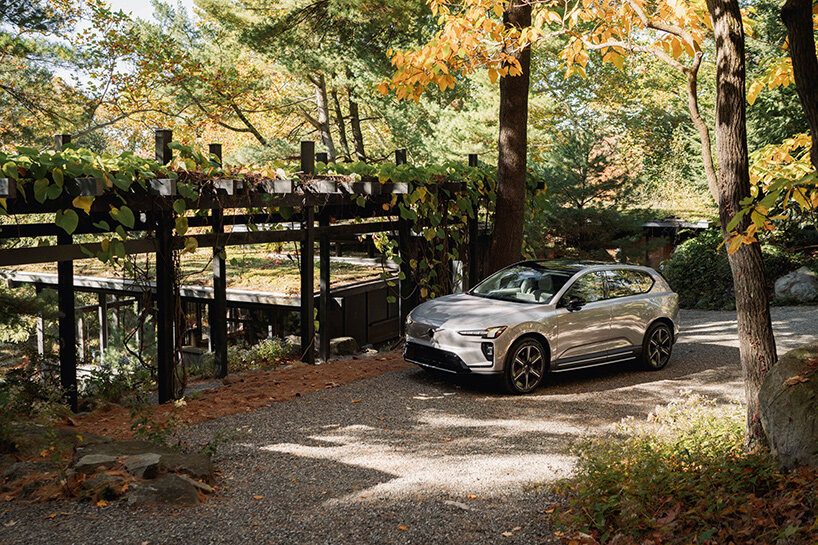
the all-electric ex60
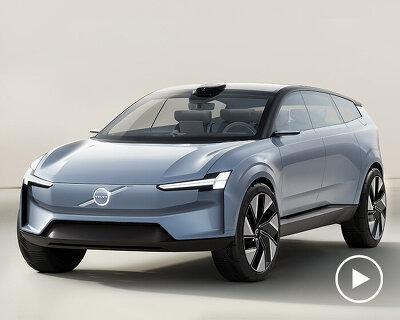
The EX60 translates the familiar proportions of Volvo’s popular XC60 into a fully electric SUV. Its low front end and gently sloping roofline contribute to a drag coefficient of just 0.26, while beneath the body sits the company’s new SPA3 electric architecture.
The platform introduces megacasting and cell-to-body battery integration to reduce weight and improve efficiency. For the U.S. market, the P10 AWD offers 503 horsepower and up to 330 miles of EPA-estimated range, with charging from 10 to 80 percent taking as little as 16 minutes under optimal conditions.
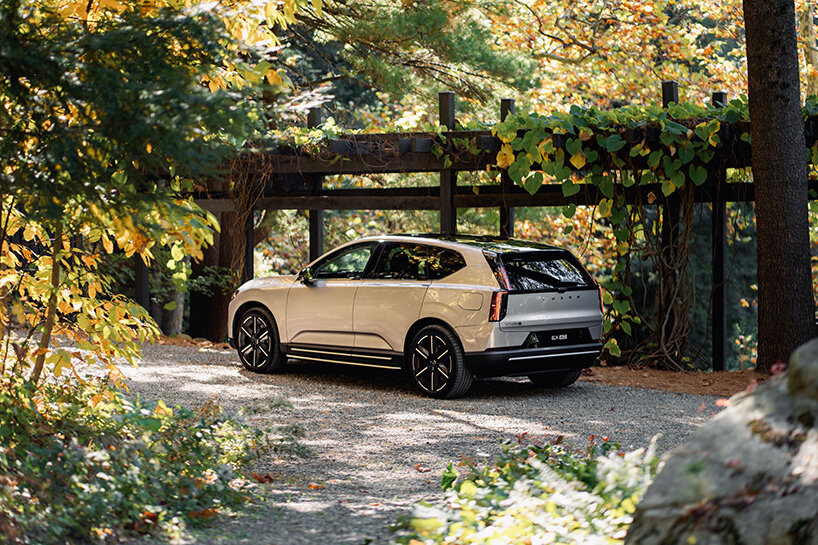
material and color choices
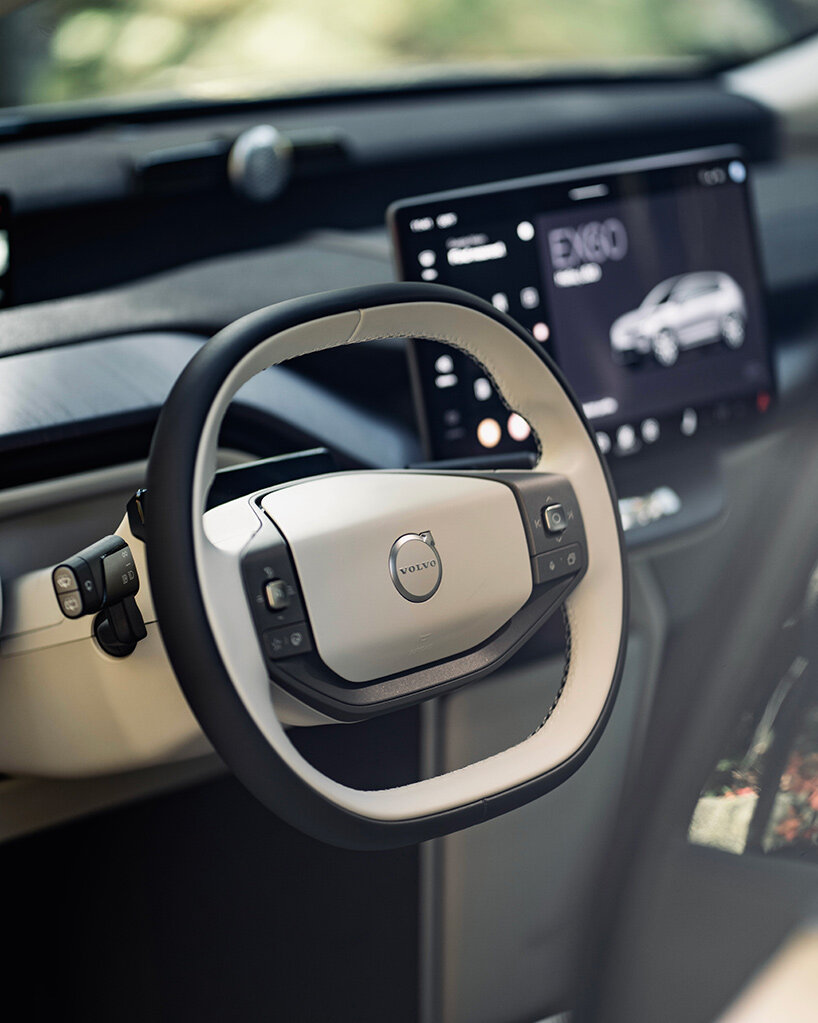
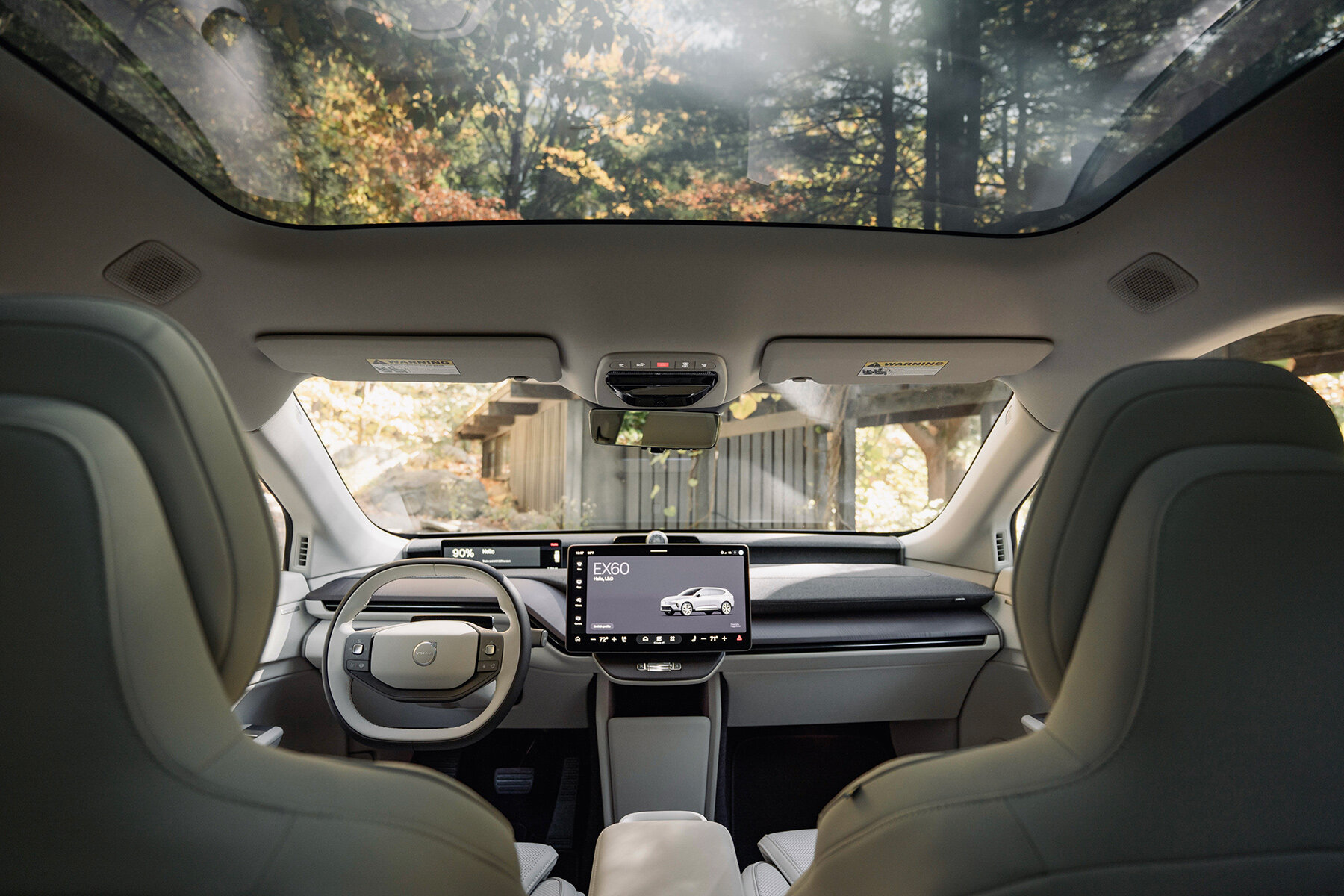
Inside, the EX60 introduces a 15-inch curved OLED center display with Google Gemini integrated into the infotainment system. The cabin has a fairly simple layout, with tactile finishes and natural textures softening the presence of its digital technology.
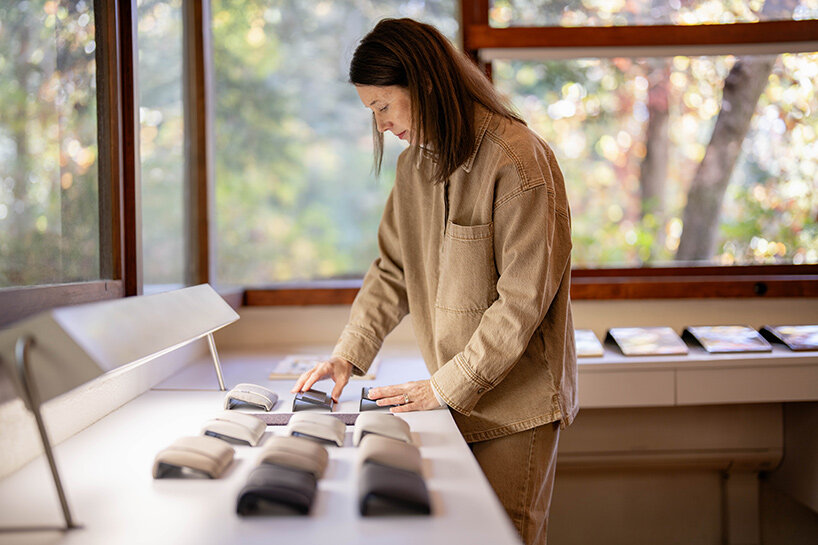
Once we arrived at Manitoga, we met Sara Erichsen Susnjar, Volvo Cars’ Senior Color & Material Design Manager, who has spent twenty years with the company and oversees color and material design for its midsize models.
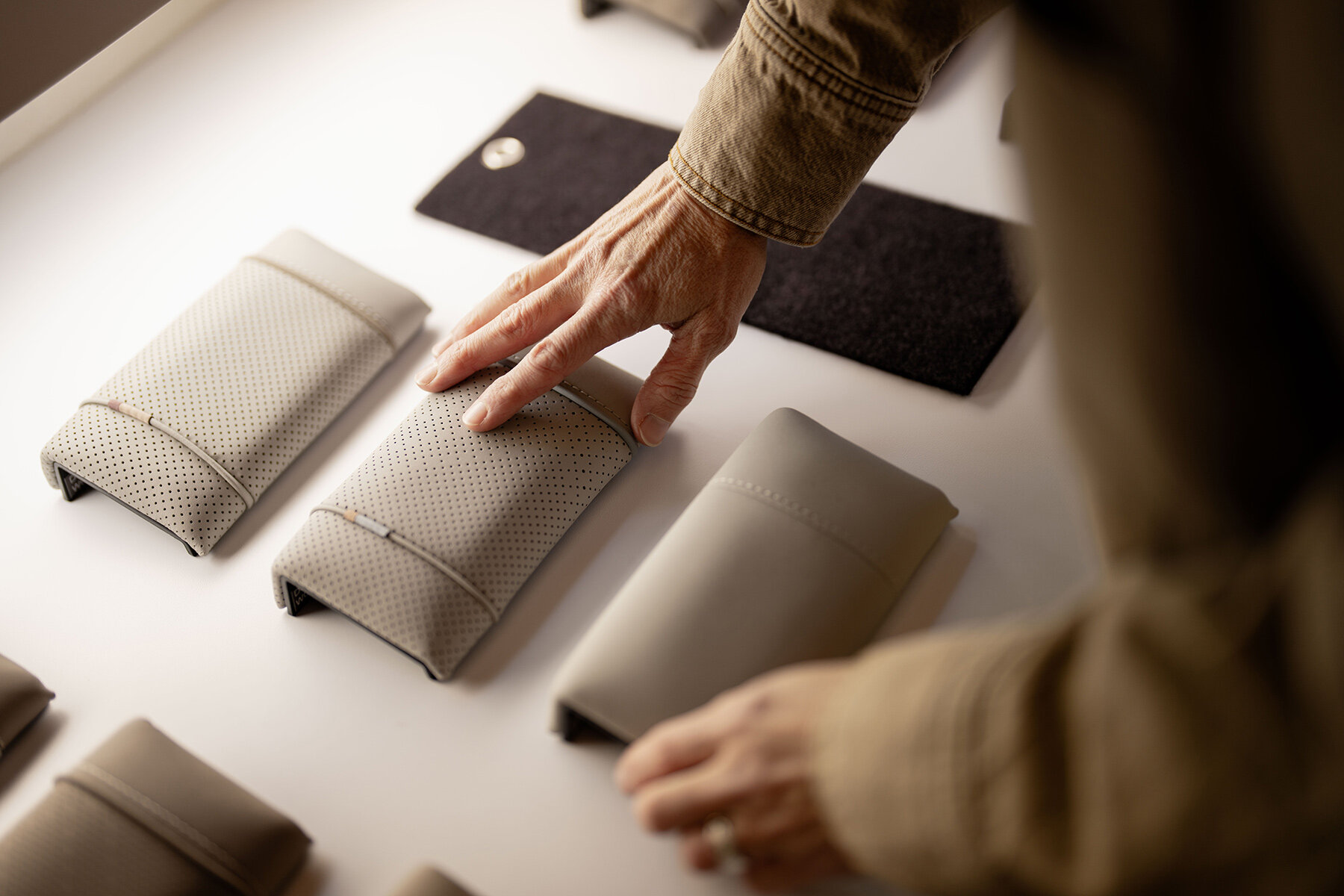
Presenting a palette of materials, Susnjar drew our attention to the EX60’s available tailored wool-blend upholstery. Wool, she explained, naturally responds to body temperature, remaining comfortable through changes in weather. Its breathability is especially useful when returning to a parked car on a hot day. The material comes with challenges around production costs and customer expectations, although its practical qualities make a compelling case. ‘I think it’s a little bit brave, but also it has a function,‘ she told us.
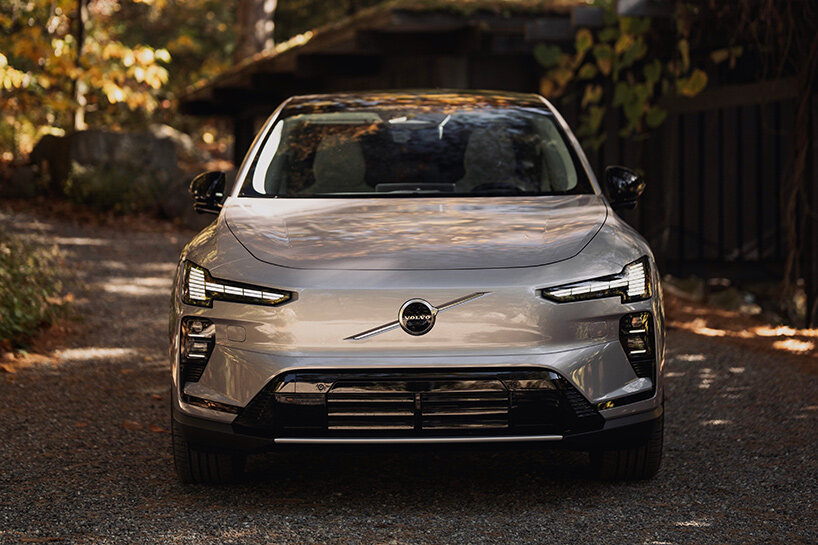
The conversation soon turned to color. Susnjar explained that developing a new automotive finish can involve an entire year of evaluation, with painted vehicles taken outdoors in different seasons to observe how their colors respond to changing light.
‘We have to check all the light,‘ she explained. This means moving between controlled lighting environments and outdoor settings, from warm summer sunlight to the colder light of winter.
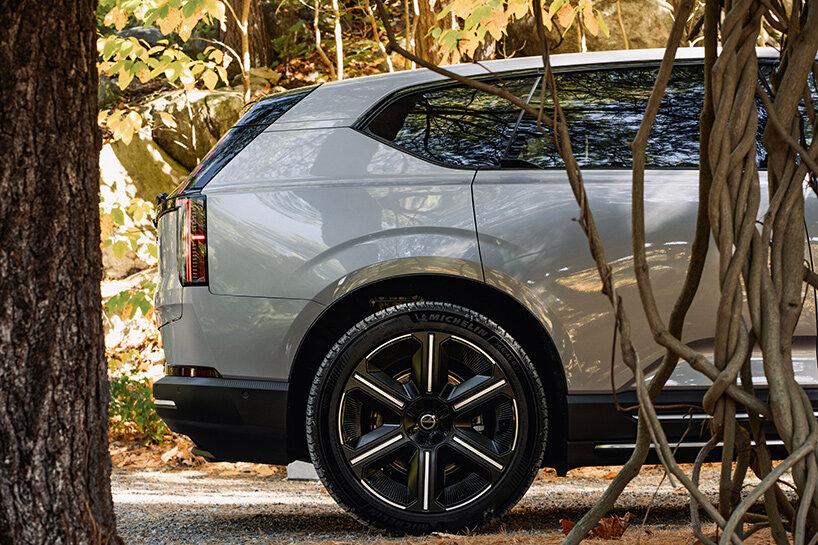
russel wright’s manitoga is a house shaped by the forest
There was an interesting historical parallel waiting inside Manitoga. Wright approached color as something that should respond to the seasons, changing elements of his home’s interior throughout the year. Warmer colors appeared during winter, while cooler tones were introduced for summer. Best known for his American Modern dinnerware, introduced in 1939, Wright had long been interested in how design could make domestic environments more comfortable and enjoyable.
In 1942, Wright and his wife Mary purchased the former quarry and logging property in Garrison. The estate would eventually become home to Dragon Rock, completed in 1961 with architect David Leavitt. Touring the house, we found interiors filled with unusual handmade experiments.
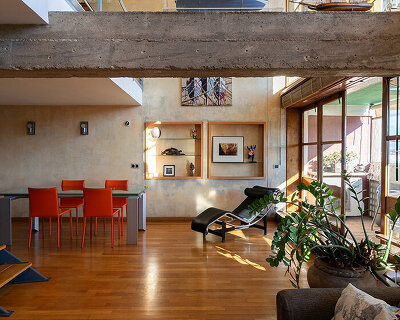
Large boulders extend into the rooms, while actual pine needles are embedded in green plaster walls. Wright even pressed butterfly wings or wildflowers between sheets of translucent plastic to creating decorative screens from materials gathered in nature.
immersed in wild nature
Outside, a waterfall drops into the former quarry pool, while trails wind through the surrounding woodland. Our guide explained how Wright encouraged native moss to spread by removing competing plants to gradually transforming the forest floor.
Today, Manitoga is a National Historic Landmark, designated in 2006, and is maintained by the nonprofit Russel Wright Design Center, which continues to preserve and restore the house and landscape.
bringing the forest into the electric cabin
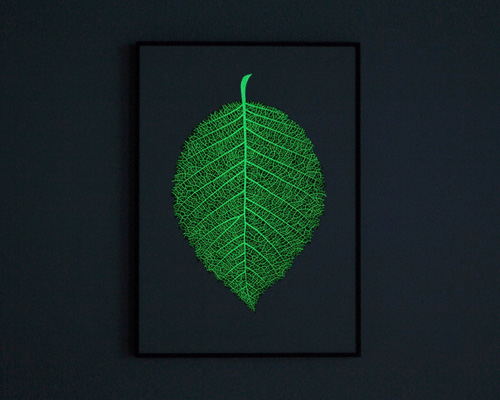
One of the EX60’s more unusual interior features is its Forest Light ambient lighting system, which projects a pattern of leaves onto the rear seats and center console. Susnjar described the feature during our visit, explaining that the design team wanted to bring some of the experience of nature into the vehicle. As the presentation took place during the day, we could only get a partial impression of the effect, which is designed to be experienced in darkness.
After exploring Dragon Rock, Wright experimented extensively with lighting. Large expanses of glass bring the changing woodland into view from almost every room. His home responds directly to its surroundings, with natural materials appearing throughout the architecture. Volvo takes a different approach, using contemporary technology to introduce an impression of the forest into the enclosed space of a car.
project info:
vehicle: Volvo EX60
company: Volvo | @volvocarusa
estate: Manitoga / The Russel Wright Design Center | @visitmanitoga
architecture: Russel Wright with David Leavitt, Dragon Rock, completed 1961
shop
your own online design shop — no sales commission collected