are waymo’s autonomous taxis safer than human-driven vehicles? new study says so
conducted by swiss re, the research compares how often waymo's self-driving cars get into accidents versus regular cars driven by humans.
waymo’s autonomous taxis are safer with less accidents
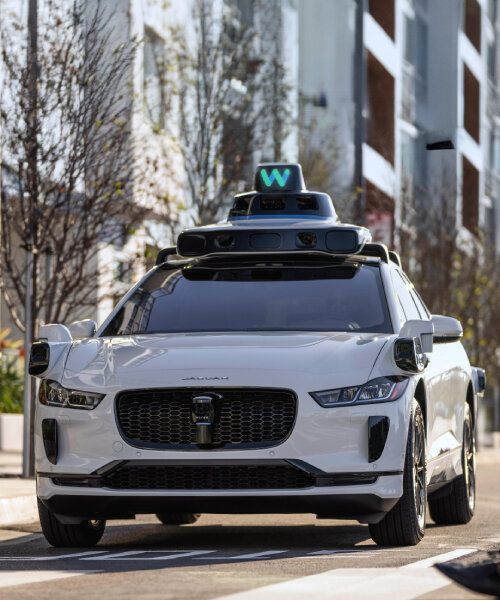
A recent study claims that Waymo’s autonomous taxis are safer than human-driven vehicles. Conducted by Swiss Re, the research compares how often Waymo’s self-driving and AI-powered cars get into accidents versus human-driven cars based on the reinsurance provider’s data of over 500,000 claims and over 200 billion miles of exposure.
The results unveil that Waymo’s autonomous taxis had far fewer accidents. These range from damaged property like cars or buildings to injured people. In total, the study claims that these vehicles had only nine accidents that damaged property, while human drivers would have had 78, and had only two accidents that injured someone, while human drivers would have had 26.
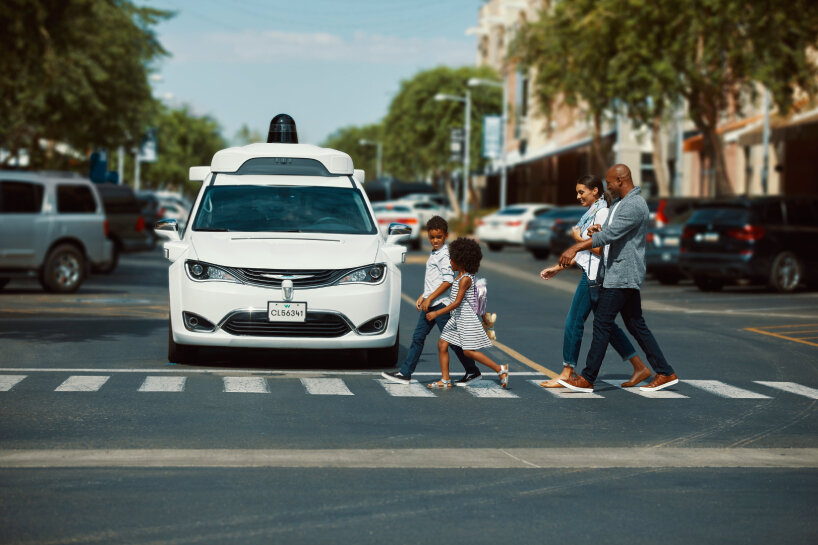
Fewer accidents with damaged properties and injured people
These numbers mean that there’s an 88 percent reduction in property damage claims and a 92 percent reduction in bodily injury claims with Waymo’s autonomous taxis compared to human-driven vehicles, implying that they’re safer to use. Swiss Re’s study looks at how Waymo’s autonomous taxis compare to recently produced vehicles.
Cars produced between 2018 and 2021, including Waymo’s have the latest safety features designed to prevent accidents, like automatic braking and lane-keeping assist. Even with these features, the study says that Waymo’s autonomous taxis still had few accidents: 86 percent less in terms of damaged properties and 90 percent less in terms of injured people. All of these amount to the claim that these self-driving taxis are safer.
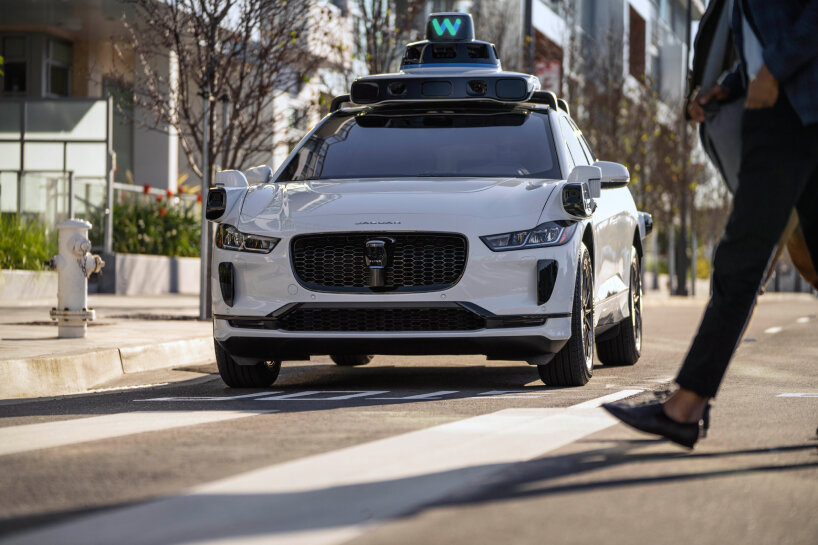
Self-driving cars map the areas with AI, cameras, and sensors
Waymo says that the study conducted by Swiss Re complements their safety data impact. It indicates that with over 25 million miles from fully autonomous taxis and vehicles, Waymo’s driverless cars had fewer ‘serious’ collisions. This is compared to human drivers, which is the marker of the study. Part of the reason Waymo’s autonomous taxis have been dubbed safe is because they map the areas their cars navigate with AI, cameras, and sensors.
From lane markers and stop signs to curbs and crosswalks, they scout neighborhoods with a test vehicle. It generates highly detailed custom maps that can match with their real-time sensor data and artificial intelligence while driving. In this way, they don’t just rely on external data like GPS and instead build up on their own.
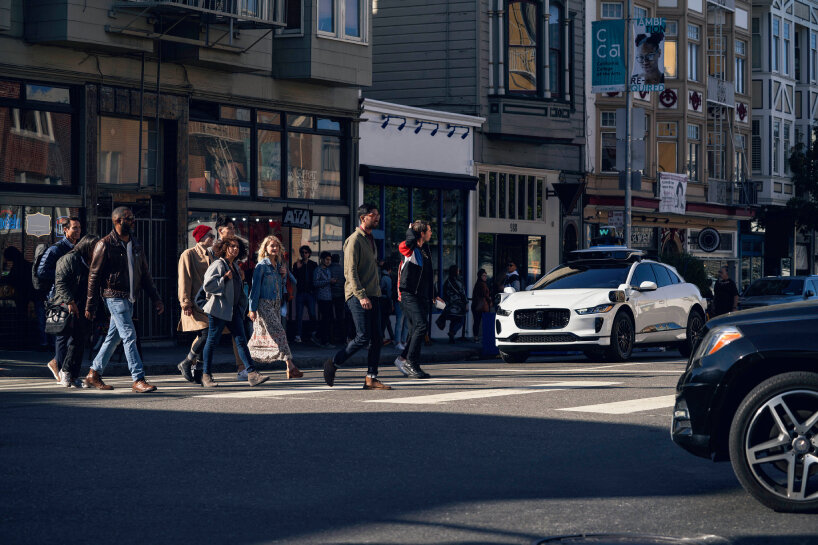
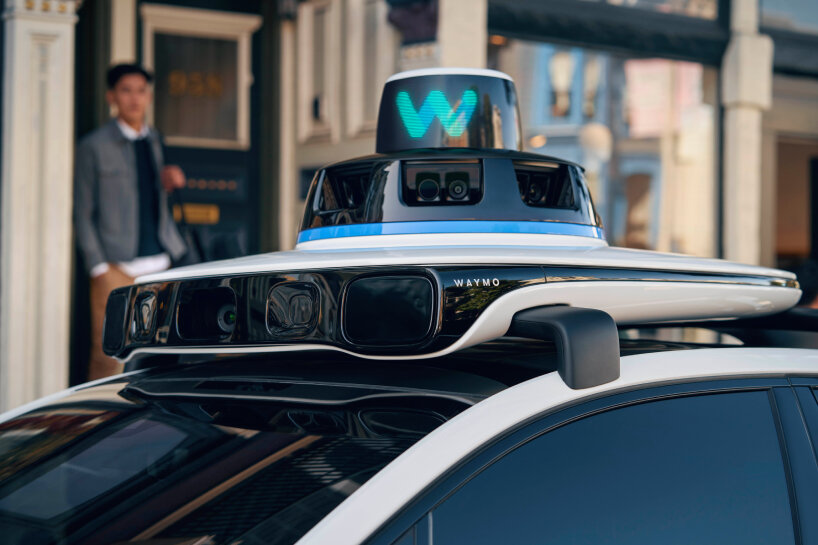
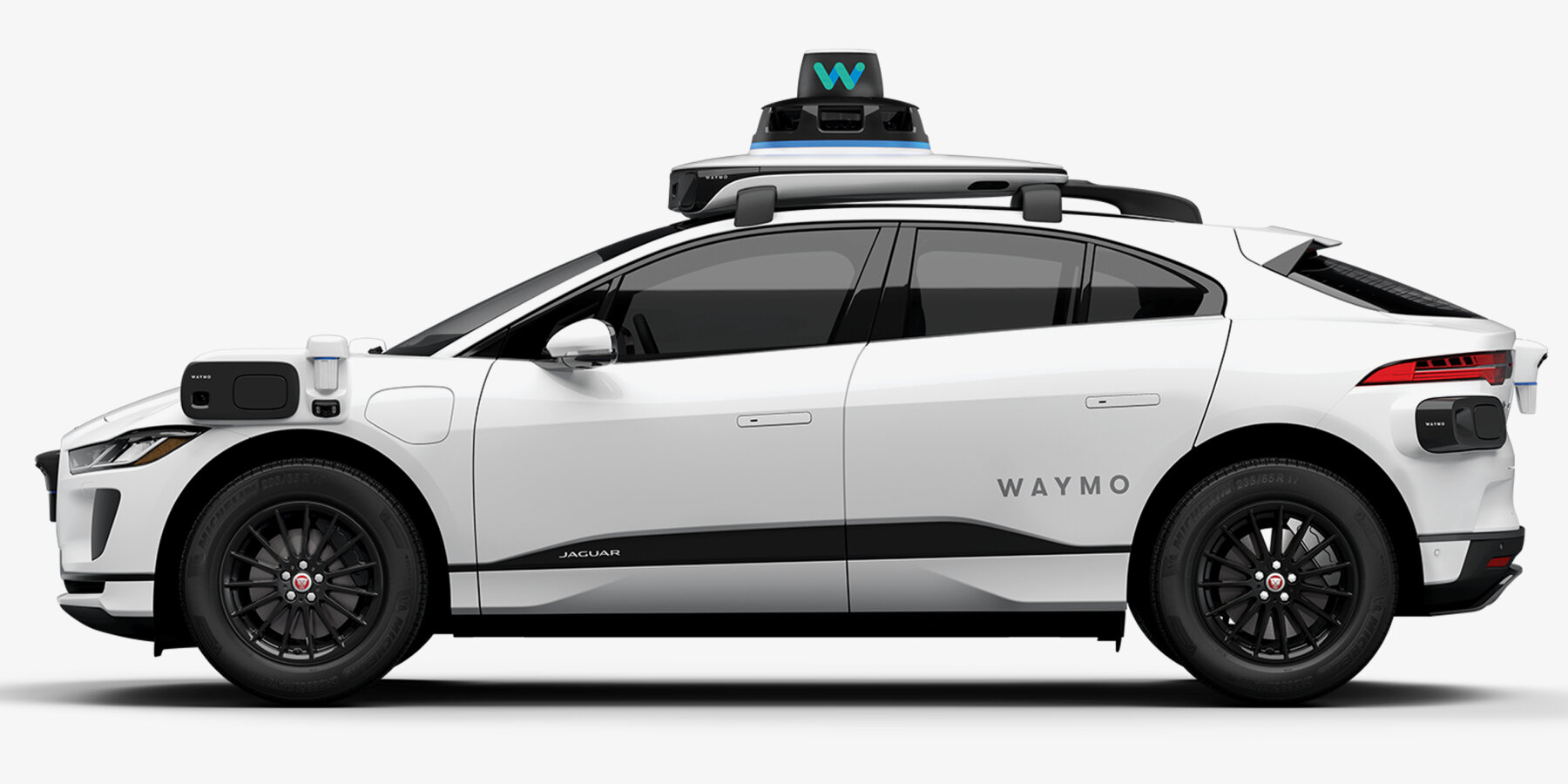
Thanks to the cameras, sensors, and computational systems around Waymo’s autonomous taxis, these vehicles can predict what driving actions to take next. They also see their surroundings for potential barricades, including passersby walking on the crosswalks. The company consistently tests their autonomous taxis in different scenarios. It allows them to get ahead of their own data and foresee potential accidents. They say they’ve completed over 40,000 scenarios in closed course environments while still testing on public roads to evaluate and improve their software.
Waymo adds that their autonomous taxis and Waymo Driver are the ‘embodiment of fully autonomous technology that is always in control from pickup to destination.’ So far, the driverless ride-hailing service is available in Phoenix, San Francisco, and Los Angeles. Austin, Atlanta, and Miami are to follow. The company has recently announced that they’ve partnered with Nihon Kotsu and GO. The collaboration lets them bring autonomous taxis, dubbed safer than human-driven vehicles, to Tokyo for their first international belt.
shop
your own online design shop — no sales commission collected